
42. Voice Notes: A Hard Week
This week felt especially heavy.
In this Voice Notes mini-episode, I’m sharing a few reflections and pieces of pop culture that helped me stay present and grounded—not to escape what’s happening, but to remember why art and thoughtful platforms still matter.
I talk about Michelle Obama on Call Her Daddy, what it means to use influence with intention, and why even familiar comfort shows like Emily in Paris don’t always land the same way depending on the moment we’re in.
These Voice Notes are informal, short reflections—shared when something feels worth pausing for.
Listen to the full episode on your favorite podcast platform.
Subscribe and leave a quick rating or review if you enjoyed it.



“What’s the point of a platform if you’re not using it to change the world for good?”
In This Episode, You'll Learn
Why Michelle Obama’s conversation on Call Her Daddy is a masterclass in leadership, clarity, and knowing your place in history
What it really means to have a platform—and the responsibility that comes with using it thoughtfully
How creators and public figures navigate speaking up when it’s uncomfortable or unpopular
Why art, pop culture, and familiar shows don’t always land the same way during heavy cultural moments
How to stay present and intentional without turning away from what’s happening in the world
Transcript
-
Three pop culture things I can’t stop thinking about this week. This week has been incredibly heavy, and I’m not trying to make that any lighter by suggesting any of these things. I really, truly believe that art is something that helps to not only give us hope, but also is a mirror that helps us look at things maybe a little bit differently.
And so I’m sharing these three things this week with that intention. -
So the first thing is Michelle Obama on the Call Her Daddy podcast. It should be required watching for everybody. Here is somebody who has dealt with more scrutiny than practically anybody I know, who has lived a life of grace—even under the most, shall we say, ingracious circumstances.
-
Her answers and her ideas about the future are not only so well-formed and so well-said and just incredibly thoughtful, but they really speak to what a visionary she is.
There was one thing that she said that really got to me. She was asked about the idea of Barack running for a third term, if that were ever a possibility.
And she said, in no uncertain terms, that she would be firmly against that—that it was time for new leadership, and time for another generation to take the reins and do something to change the world.
She said that her generation had accomplished a lot and did a lot of right things—and also had not. And I think being that fully aware of your place in history and understanding that is just so wise. -
I could listen to her talk all day. And the fact that she chose Call Her Daddy as a platform really speaks to where we are and the nature of journalism and how it’s changing.
I also want to shout out Alex from Call Her Daddy because she is really choosing to lean in—to grow as a person and to use her voice and her platform to try to effect change.
What’s the point of a platform if you’re not using it to change the world for good? -
That brings me to my second thing in pop culture, and I think there’s a little overlap here. People like Jenna Kutcher.
If you don’t know Jenna Kutcher, she’s a marketing thought leader who, for a long time, stayed very silent politically—and rightly got a lot of criticism for that.
Five years later, I’m really impressed by the way she’s using her platform right now to speak up. It’s not always well received. There are a lot of people in her comments who are not expecting her to be so vocal.
And I’m really proud of somebody with that large of a platform who is using their voice to show and say what matters in this moment. -
The third thing—I debated saving this one for next week, and I think I will—but what I’m thinking about right now is something I’m not even loving, necessarily.
We started watching the latest season of Emily in Paris. I lived in Paris for almost five years, and I knew those women. In some ways it’s a fantasy, but I also knew those people very much.
This season—Emily in Rome—it’s just not hitting in the same way. And I don’t know if it’s the state of the world, or where we are, but it isn’t ringing true for me right now.
I don’t think it’s the show’s fault. I don’t think it’s a bad season. It’s just interesting to notice how much we change—and how that affects what we receive. -
So those are the three things I’m thinking about in pop culture this week.
Hang in there, and let me know what you’re watching, listening to, and reading as we’re dealing with all of these unspeakable tragedies.
It’s really hard not to doomscroll. I’m not boots on the ground able to protest, but I’m trying, in my own small way, to amplify voices, stories, and truth as much as I possibly can.
Hang in there. Stay warm.
Know someone who’s feeling overwhelmed by the news but doesn’t want to check out entirely?
Send them this episode.
Key takeaways
Art doesn’t make heavy weeks lighter—it helps us see them more clearly.
When the world feels overwhelming, thoughtful conversations and creative work can help us stay present rather than checked out.Real leadership includes knowing when it’s time to step back.
Michelle Obama’s reflections on legacy and generational change are a reminder that clarity and humility are forms of strength.Having a platform is a responsibility, not just visibility.
Influence only matters if it’s used with intention, especially when it’s uncomfortable or unpopular.Growth often looks like changing your mind in public.
Watching creators evolve—and choose to speak up differently over time—can be messy, but it’s also meaningful.Even comfort culture changes depending on the moment we’re in.
Familiar shows and escapism don’t always land the same way, and noticing that shift can tell us something about ourselves.You don’t have to disengage to protect your energy—you can be selective.
Staying informed, amplifying voices, and avoiding constant doomscrolling can coexist.
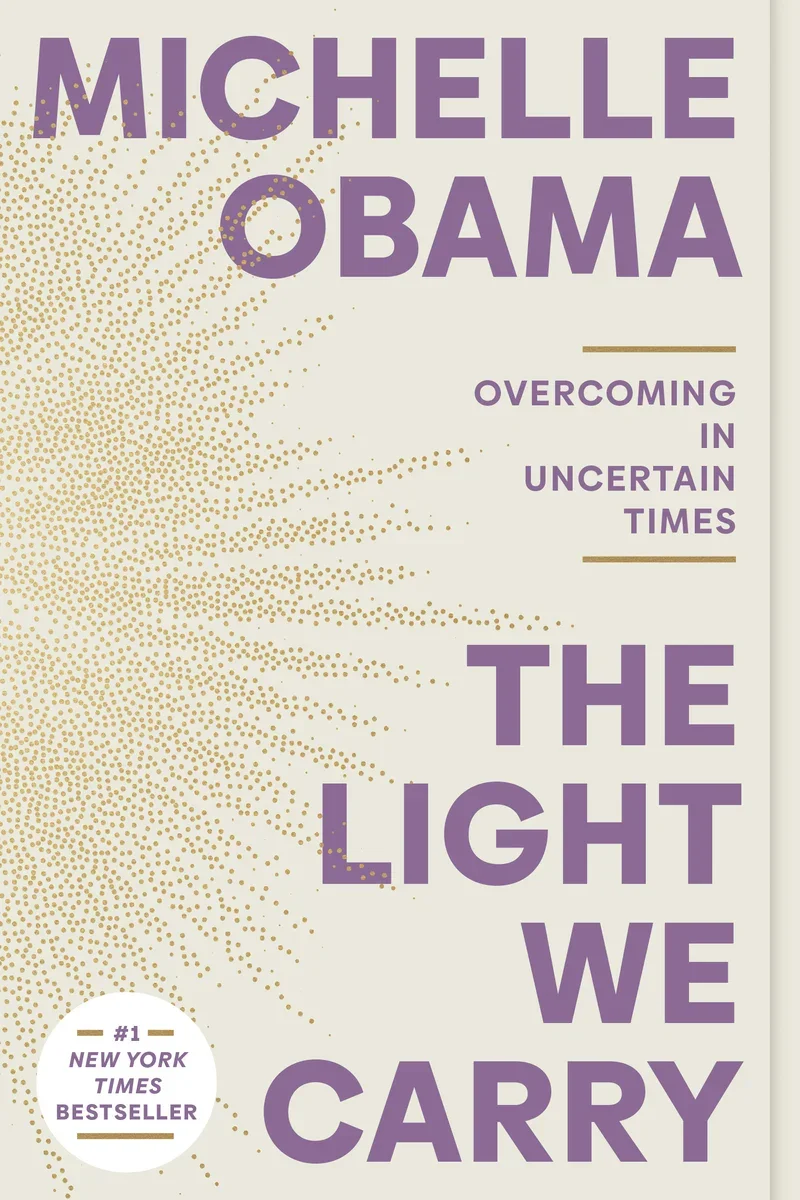
This book feels like sitting with someone who has perspective rather than answers. Michelle reflects on fear, resilience, and steadiness during uncertain times, offering language for how to stay grounded without checking out. I return to this one when the world feels loud and I’m looking for clarity instead of noise.
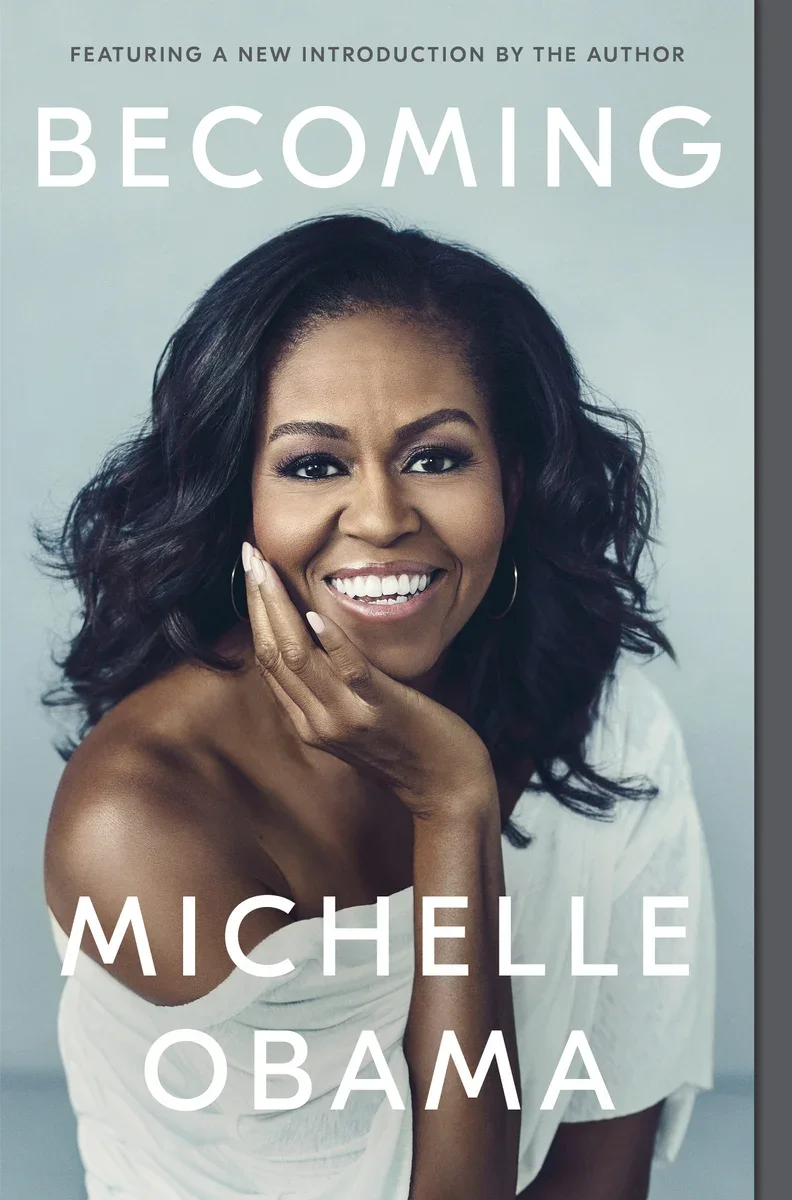
This isn’t a memoir about perfection or arrival—it’s about formation. Michelle Obama is deeply honest about becoming who she is in real time, with all the uncertainty, ambition, and recalibration that requires. I return to this book not just for inspiration, but for its clarity about identity, work, marriage, and self-trust. It’s generous without being glossy.
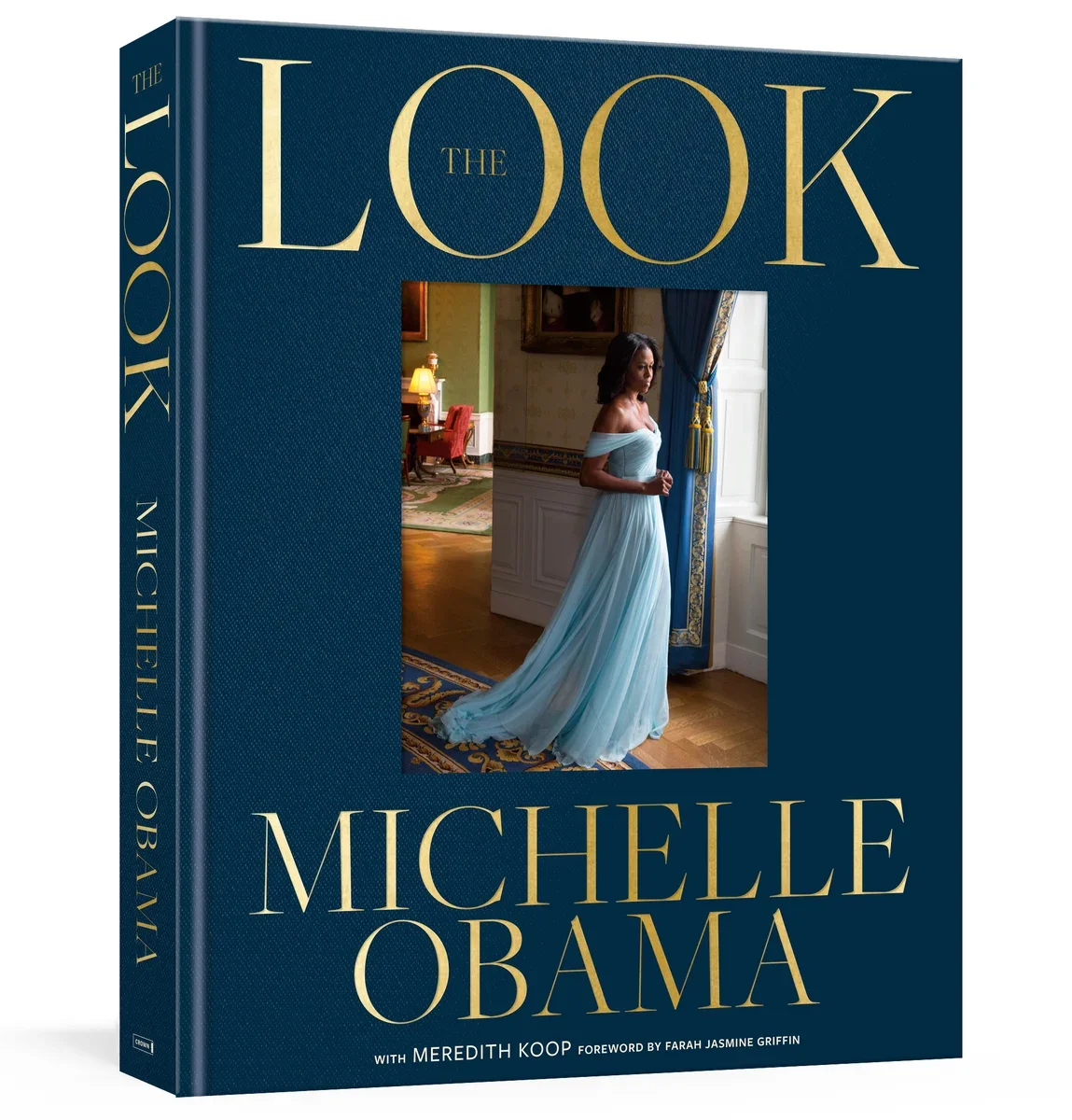
On the surface, this is a book about clothes and style. In reality, it’s about visibility, intention, and how we choose to show up in the world. Michelle treats fashion not as vanity, but as communication — a way of signaling values, confidence, and respect for the moment you’re in. It’s thoughtful, cultural, and surprisingly moving.
Resources
Watch the full Voice Notes: A Heavy Week mini-episode on YouTube
Michelle Obama on Call Her Daddy — podcast episode referenced in this conversation

Three things I can’t stop thinking about this week: the Obama Presidential Center, an AI thriller that called this moment years early, and why Meta — of all companies — is the one giving me life right now.