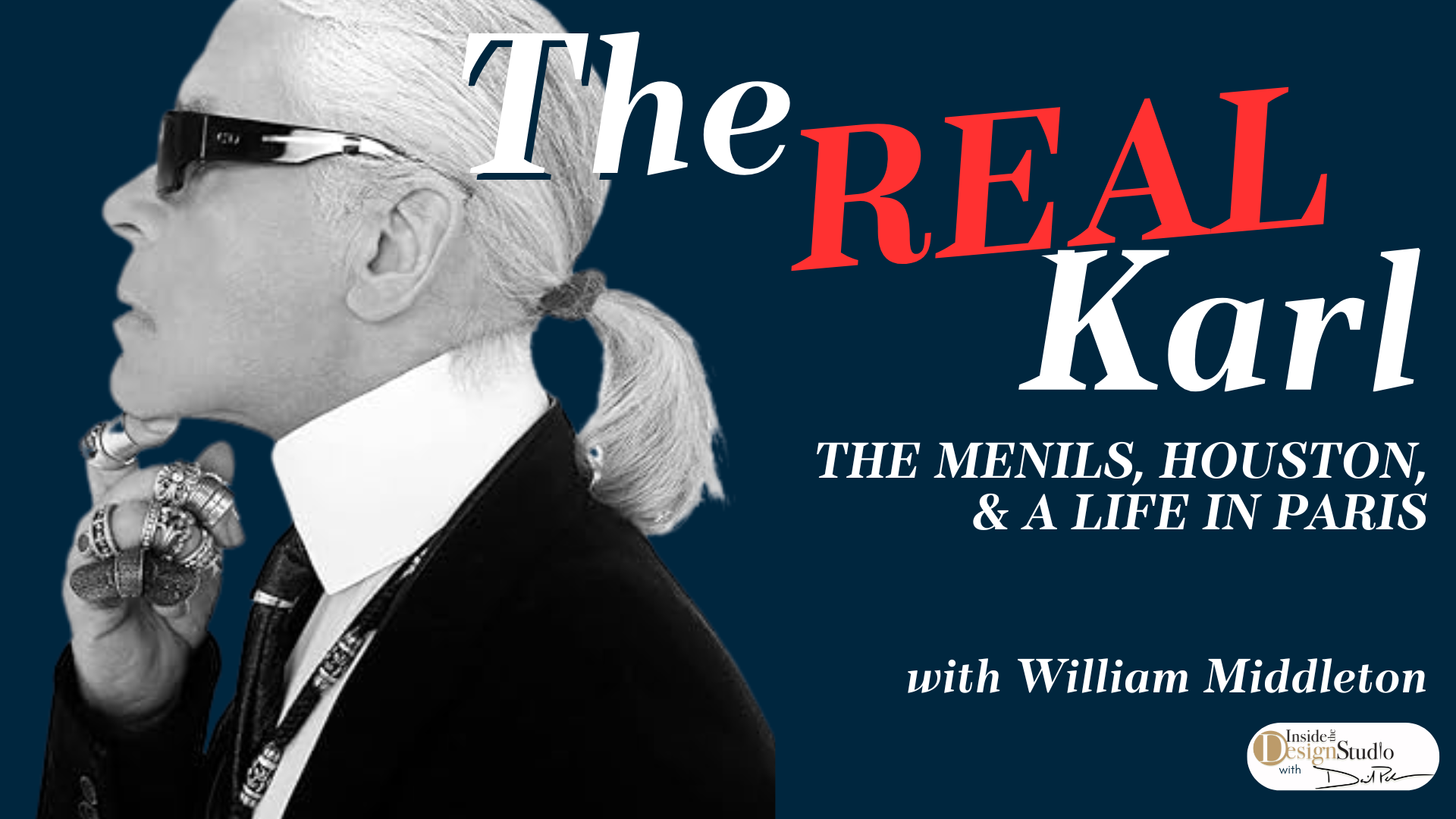
Paris-based journalist and biographer William Middleton joins David to connect the Menils' quiet cultural power in Houston with Karl Lagerfeld's influence in fashion - and what it takes to write definitive biographies.
What do Houston's most influential art patrons and fashion's most famous ponytail have in common? In this episode of Inside the Design Studio, David sits down with journalist and biographer William Middleton, author of Double Vision and Paradise Now. Together they trace the thread from the Menils and the Menil Collection to Karl Lagerfeld's world at Chanel, including the H&M collaboration that turned him into a rock star overnight - and the real, unglamorous work behind writing big, serious books.
William has reported from inside the fashion and art worlds for decades and is trusted to tell the full stories of both the Menils and Karl Lagerfeld - with deep research, sharp observation, and real cultural context.
Listen to the full episode on your favorite podcast platform.
Subscribe and leave a quick rating or review if you enjoyed it.



“She doesn’t see them as addicts who failed—she sees them as victims of systematic oppression. That’s the difference that makes this book so powerful.”
Transcript
-
David Peck (00:00)
I am so excited today because we've got Matt Layfield here and we are going to be talking about Demon Copperhead today's book club edition of Inside the Design Studio. And Matt, for those of you who are not watching live or only listening to the audio has come very prepared.
for today's discussion. He's got notes, he's got extra books. A whole other book. A whole other I highly recommend this book. Yeah. Light reading. Not a novel. Yeah. Light reading. So if you would like Matt's book recommendations, we'll include them in the show notes so that people can go and do some light reading on their own because, you know.
what else would you want to do after reading a 700 page novel? yeah. Do a book report and a thousand page take down of the pharmaceutical industry. That sounds like my idea of a Yeah, it's the whole history. Cool. Okay, so today we're diving deep into Demon Copperhead by Barbara Kingsolver. I don't know why I always stumble over the author's names. Barbara Kingsolver, that's her name. A novel that's as rich in storytelling as it is in social commentary.
So for those of you who are unfamiliar with Kingsolver's work, she is a Pulitzer Prize winning author and has written books like the Poisonwood Bible and Flight Behavior. And she's someone who brings her deep knowledge of science, the environment and social justice into her fiction. But she was also a classical pianist, which is very cool. She was raised in rural Kentucky and Kingsolver is no stranger to the realities of the Appalachian life. She later studied biology and worked as a scientist.
And I think that is informed her analytical, empathetic approach to the struggles of marginalized communities. -
So, Demon Copperhead is set in the heart of Appalachia, a region King Salver is deeply connected to, and it's a modern retelling of Charles Dickens' David Copperfield. But with a sharp contemporary twist, Kingsolver's upbringing and lifelong dedication to the environmental and social causes pulse through every page of this book, revealing the resilience, beauty, and dark undercurrents of this often misunderstood
of America. So we're going to be talking some big topics today and also I think very timely. We picked this book actually about a year ago so it's very timely that we're talking about this now with the rise of hillbilly elegy in popular culture. So we'll be talking a little bit about the parallels or not so parallel parallels of that book and this book. We're going to be talking I think especially with Matt's book.
about the role of Purdue Pharma in the kind of exploitation of this region. And so you're gonna wanna grab either a cup of coffee or a drink of your choice. I got one. So cheers. Cheers. To Demon Copperhead.
So Matt, have you read Barbara Kingsolver before? No. This is your first foray. overall impressions? fantastic. Fantastic. Yeah. You really nailed the mind of a teenage boy. Troublingly so. Yeah, she does have children, but it is interesting that she's able to go there so... I don't know if it's easily because she is such a good writer and so dedicated to her
but like it feels effortless. yeah, yeah, yeah. Like, well, felt very genuine, very authentic. Yeah. Did you, do you know much about the region, the like Lee County and all of No, no, no, no. I mean, other than cursory topics or other dives, I'm not an expert. I grew up in Northern New Jersey. Okay. Well, close -ish, not. -
Yeah. Yeah. Not closer than Texas anyway. But so very far removed. So I, this is my second.
Kingsolver book that I've read. And I remember the first one that I read was Poisonwood Bible, and I read it because hashtag Oprah. I remember very clearly Oprah recommending this book. And I was, I guess I must have been 18, because I think I was released in 97. And it had such a profound impact on me because it really tackled the idea of religion and especially it's the family, a missionary family, Baptist missionary family.
that goes to what was then the Congo. And there's a lot, it's a very heavy book. Yes, similarly to Demon Copperhead, it is not light. It does have moments of humor, but it is, you know, it's a sprawling epic over 30 years of this family's life. And I really do, like I had not pinpointed it until I read Demon Copperhead, but like I think reading that book really started.
helping me to explore like the other side of religion, colonialism, how we view Africa, like all of these things, because it was the polar opposite of how I'd been raised. And so I feel like that book was such an eye -opening revelation to me. Like I just, and I remember like being so deeply affected by it. So I was very excited to read this book because it's been, this is her 17th novel.
So I've skipped a few in between then and now, but I feel like I do need to go back and read it. So I loved this book so much and had the hardest time reading it because
While I feel like ultimately there is hope in this book, I have a child who is basically demon's age when the book starts out. And like I, I'm gonna get emotional. It was just so much to think about a kid having to deal with the heaviness of life in such an adult way, you know, and it's,
I think to her voice is so well, it captures so well him. -
I think the demon's voice is so visceral, like you know you're in the side of this kid's head. Yeah, or even on starting page 37 of Mariah Peggott, like, this is her backstory. Reading that part that's like, after her baby is crying.
The special howl of baby keeps on reserve if the need should arise for exploding a mother's heart. Like, yeah, I cannot handle my daughter crying. That is not like.
knowing what she then does to the guy. Like, yeah, it's understandable. Like, and because he had a better lawyer and more money, she got sent to jail. Yeah, that's, that's how it kind of goes in these situations. Yeah. And I think just seeing, you know, a kid who's having to navigate. this book deals with a lot. It is ultimately about the opioid crisis in America. the author has made it very clear that this is her exploration of that and sort of
with empathy as opposed to maybe other recent versions. It's not even recent, it's the same blame the, this is their moral failing. Yes, so her idea is to have, she has empathy. And you get to see Ken, the Purdue Farmer's salesman early on and then you're like, no, no, no, no. Yeah. no, he's gonna come back. He's gonna come back. Okay, so let's start at the beginning of this book and sort of the origin. So it is a retelling of David.
Copperfield. Have you read? No, I believe I was supposed to at some point in high school, but whatever summary I read, it's completely gone from my I read Great Expectations and I hated it. But I loved, he also wrote Tale of Two Cities, right? And I loved that book. That book I loved. -
And for some reason, Great Expectations, though I loved the movie with Gwyneth Paltrow and Ethan Hawke, don't get me wrong. That was, that is like a must -see television movie, whatever.
But I couldn't get through it. So I don't think I ever made it to David Copperfield. So I didn't come into this like knowing the complete story of David Copperfield. Did you have like a cursory understanding? I didn't even know that this book and David Copperfield were connected after I read it. And was like, my God, she weaved all over the place. It makes sense. Yeah, OK, I get it. Yeah. It's sort of the, you know, what Clueless was to Jane Austen. This is like, you know, maybe a little darker take.
Clueless. Clueless would have been a very different movie. It would have been a very different movie. She comes at this. So I found in preparing for this discussion, interview, whatever, that do you know how she came to write this book? Okay. So she was in England for a book tour and she actually went to Bleak House, which is where Dickens wrote.
And apparently if you just go there, you can go visit his study. And it's like not behind ropes or anything like that. You can just go sit at Dickens' desk. There's his papers in there. It's very British. It's like, you know, like in America it would all be like lock and key and whatever. So apparently you could just go there. so when at night she had gone into the study and she It's not like locked at night. No, no, it's not locked. And she had a conversation with Dickens.
And he said, and she was like thinking about David Copperfield and she was like, I felt him tell me, you know, this is your story. Cause she'd been thinking about writing the great Appalachian novel for a while. -
Cause many of her books apparently have that theme in it, but it's never been fully about, you know, the kind of cultural struggles and everything and the people. And so he said, no, this is your story to tell. And she's like, I don't know how to tell it. And he said, let the boy tell it.
And she had this moment, this aha moment, and actually went and got her things and went and wrote the beginning of Damon Cockfield in Charles Dickens' study in Bleak House. That's awesome. And so she felt very It's really not locked in. It's not locked. It's not locked. Are there other people in the building? Yeah, she said there was a person who looked like they came out of a Dickens novel who's at the front desk. And that was
that with that. And so she started this massive novel. She knocked it out of the park. Yeah. Like, I mean, in the same way that Dickens was kind of accurately cataloging, like, these are the miseries of Victorian society. this is not a good system.
Yeah. So yeah, see, I feel like she was kind of destined to write this book and it was like her thing. So I loved, I'm a little bit woo as people who listen to this podcast regularly may know. So I loved that little woo connection. So Dickens was obviously very much about changing the social norms. so what was your take? Because I think maybe some of the criticism of this book is that some people who feel like it may be too preachy,
I didn't feel that at all, but how do you feel like she took these kind of larger social issues and wove them into the story in a way that felt authentic and kind of like raised the awareness of these issues in a way that or not that was authentic. mean, the, bringing into like, yeah, this is how it, you know, somebody starts prescribing you Oxy. -
You take it longer than five days. Like congratulations, you're now dependent on it. Like, and drying out, it's going to be a minute.
and just kind of how that goes into the town, like even the doctor that he had that then basically runs a pill mill. They're like, yeah, senior citizens are going to be able to pay the rent if they sell the whole bottle. So that's what happens at a bread. Like it's not anybody's foot, like other than Purdue Pharma. it's, and that's even a plot. don't know if you ever watched justified, like season three of justified as in Harlan County, Kentucky, and it involves a pill mill. Like that's the.
one of the crime parts. like people have known about this for a long time. It just was always pointed as like, this is a failing of the people. Like that's what Purdue was always saying of like, these are, these aren't good people who got addicted to our substance. These are addicts who somehow got our substance. Like, no, you make an addictive substance just because you got a of studies that said they aren't. Exactly. They tried to flip the script. And I think that's, you know, Kingsolver's approach to these people is that
she doesn't see them, she sees them more as victims of systematic oppression versus people who are not, I guess, they don't have enough willpower to say no. Yeah, like, and I think the character June is basically superhuman. yeah, I didn't appreciate how I was being treated down in Tennessee, so I went back to kind of try to help my own people and to put them back together. like, yeah, it's just such a...
Monumental task when all of the other social safety net systems have been cut over the past 40 years There's a real so this book is kind of divided -
I think into three main parts There's like demon who as a child and then there's a demon as sort of a middle school high schooler becoming like the football star Yeah, kind of with coach and then there's the aftermath. Yeah, so you have these like three phases in his life and it I mean Even not having read David
I think, you know, she was very good at foreshadowing what would happen later in the book, because as strong, and I think also it makes it just so much more heartbreaking when Demon ultimately falls victim to addiction, because he had worked so long and so hard against it in so many ways. Like he had fought the system, like he was so much a part of the system, but yet had resisted kind of falling. You know, he did...
hot or whatever in school, like normal kid kind of stuff. But he hadn't actually gone down really to a dark place. Like so many people around him. Even when he was working outside the meth lab with SwampOut, like, yeah, it's not like he was going in and trying meth. It was just like, no, this is my job. is right. I work in the garbage dump next to the meth lab. Exactly. Which I guess is a little bit like Breaking Bad, know, like working in it and then not like becoming a consumer. I mean, in the same way of
like many people who can see, you know, negative impacts of things. Like you'll never see an ER nurse riding a motorcycle like without a helmet. Like that's probably not going to happen. Like June is a not so hot on fireworks. Yeah, if you're a nurse, that makes sense. Like that's one thing you're going to be particular about is not exploding fireworks in your hands. Yeah. So this book, think while it is, I think, ultimately hopeful, there's a lot of
dead bodies along the way. -
The body count, especially towards the end, it really racks up. And I feel like that is very heavy, but also it feels also inevitable. Yeah. Yeah, try not to spoil anything out towards the end. Yeah, because so much of his world kind of, I don't know, he becomes, I think, towards the second part of the book, he becomes...
what is the lifeblood of the community in Lee County, which is a real place in Virginia football Friday night lights. Yeah, that's very much the thing. And he is the star and, you know, a simple change in his, you know, health, basically. He gets an injury. Yeah, like he needed surgery to have fixed and wasn't like the team doctor didn't do a good job. just threw pain pills at him. like, yeah, even the coach tried to take him to a specialist because
He's grown up without medical care, like he's notably wary of hospitals and getting sliced open with a knife because that's never been a normal part. Well, and also too, I think it's the systematic part of the way pain and injury and illness has been dealt with in this region has been with pills versus looking at holistically what other ways because they don't have access to everything and also they've been provided an easier way.
out of some of these situations with pills. Yeah. I mean, realistically, Oxycontin was developed for cancer patients. Like, this was not a medicine for any, this was for somebody like dying of pain, like the fentanyl lollipops that Dory is taken out of. Like, yeah, those are for end of life patients. Right. Like that's... It's not aspirin. Yeah. Yeah. And I think... But it is to say that these people, their pain is real. Like, are experiencing things like...
There's a lot of other stress and trouble that is also happening. -
But yes, this is not going to be the magic, the magic bowl that fixes anything. It's going to make things a lot worse. So when he's in middle school there, he has a teacher, I'm drawing for him, Mr. Armstrong, who tells a bit of the history of the region, which I think is super, I kind of knew it, but I didn't really know how basically it started with, you know,
mining, I think, and then the tobacco and then basically every inch of this region has been like sucked dry of what it had to offer. You know, when, the mining went away, then tobacco and then, but child labor was always a part of it. And then now the economy is paying and so it a money economy where like basically they're trading. But even like with the coal, like they were
never actually, like many times not paid. They were actually paid in like a script. That's yeah. Yeah. Which is interesting that it's called script. money that the company gets to issue. Which is funny that it's scripted have to buy things at the company store. Yeah. Prescriptions. like. Just had to add the tea. Yeah. And I mean the whole history of the region of, because he mentions it, Mr. Armstrong in here. And he uses the device of Bettina as like, she's the rich popular girl who is.
talking all of the, you know, this is just regular. Men calling a strike, the company calling in, the army forced them back to work, the miners saying, guess what, we've got guns too. Serious. Battle of Blair Mountain that turned into the biggest war in America ever, other than the Civil War. 20 ,000 guys from all these mountains fighting in regiments. They wore red bandanas on their necks to show that they were all on the same side. Working men, Mr. -
Armstrong said, people calling us rednecks. That goes back to the red bandanas. Redneck is badass.
Yeah, and I didn't realize that that was the origin of redneck. And a guy said it at the DNC. Yeah. of the, he was like, is that red? Yeah. Yeah. turns out it is. Yeah. I always had assumed redneck was because people like worked outside and they had rednecks because of the sun. That's even what the Wikipedia page is. That's the thing that pops up. It's a sunburned neck. Yeah, that's what I always assumed it was. But that makes sense. And I think it's interesting that we don't, there's so much of our history that we kind of gloss over and ignore. Like I had never heard of that
incident. Labor's history has been obscured from textbooks for some reason. Yeah. You know.
Yeah, I get it. So this is, I think, a really interesting book to read at this time because as of this summer, July, Hillbilly Elegy has made its way back onto the book charts and also Netflix, people watching it. And I will say, like, I was really interested when it came out to read it. And I think just because I had heard, you know, it's one of those books that was in the zeitgeist.
but then never somehow got around to it because it just felt really heavy. And then now after reading this book, I don't feel like I necessarily need to, but I think the contrast in how the two authors, Vance and King Solver, approach very similar people in the region, the contrast couldn't be more striking. Yeah. And I watched the Ron Howard movie, and I've read part of the book on Libby just to get...
better idea but he doesn't seem to be particularly fond of the region or its people. Yeah. -
Economic development was never invested here because the people were lazy. that's like, yeah, if the school doesn't get enough funding for computers and other things like that, that's not the students who go there being lazy. In it, also like culture or characterized that it's faith that's really missing from this community because church participation is higher in the Midwest. And like talking about how great Utah is in casting shade on this region.
And the work ethic and all of that. like within the book I searched for oxycontin, oxy, percocet, lortet, not mentioned at all, pills is mentioned one time. Which I don't really see how you could examine this region at that time. Right. And not also talk about things like the Great Recession in 2008 that like, yeah, threw a lot of things into chaos. Well, yeah, but for a region that has, I think, been so economically volatile.
over time and like has been exploited, it just feel, it does feel like a more shallow exploration of why. Whereas I feel like this book is ultimately very empathetic and sympathetic to the systematic reasons why this could be. And it's not, it's like many things. It's not just one thing. Yeah.
decades, hundreds of years too, of like using Tommy towards the end of the book of like, yeah, this is him describing like, yeah, this was a different economy between the coastal regions, more inland. This was by metalism, which was a huge issue 150 or 130 years ago that nobody even really remembers.
Yeah, there's a lot more. mean, and from watching the Ron Howard movie, you get kind of the impression of like, no, all the industry dried up, but like he never points to NAFTA or any of the other reasons for like, why do you think this stuff all closed down? Like, yeah, the main street is now all boarded up. -
Yeah, that's because Walmart now exists. The small town economy, which I think that so much of like this Lee County is the small town.
Yeah, you know it is these small places that in many ways were self -sufficient until they weren't yeah and Like they had in some ways I think no interest in something bigger like I think you know one of like if I think of demon is somebody like I always Am I the main character and I'm not always the main character like he doesn't he's very wary of big cities like there were
times when he might have been even able to go to like Knoxville or whatever, which is, you know, in the scheme of big cities is not that big, like he, it's, he, it terrifies him. You know, he wants to say where it feels safer, even though it actually may be more dangerous. So my mom has two sisters, my aunt Sharon and my aunt Linda. Aunt Linda is a lot more worldly than Aunt Sharon. Like we drove to my brother's wedding in New York city and like her going over the Brooklyn bridge, like, yeah, this was, and it's like, yeah, if you've never been around that, you don't see it like, yeah, these are big.
crazy things. Yeah. So like him talking about like, this was just a big concrete box that all these people were in. Like there's people in every room. I couldn't believe it. Yeah. Which I can understand because I grew up in Santa Fe, New Mexico and had not been out of the country until I was 20, I think. And I went to England for 48 hours. My dad was a pilot. He flew all over the world. But like I had never been. But I had really
for all intents and purposes, had never been abroad but until I moved to Paris when I was 23. -
And most of my family, when I told them that I was moving to Paris, they were like, my goodness, you're gonna be so close to your family. And I was like, yeah, it's an eight hour flight, it's direct, it's not bad. They're like, no, like you could just drive. I'm like, there's really not a way to drive from Paris to Houston. And until I realized that they were talking about Paris, Texas.
they really thought that I was moving to Paris, Texas. And so in their world, that was like where you would go. I'm like, their first thought was not Paris. So I get it. But I think my, because of books, I think my world was always a lot bigger. And so like for somebody like Demon, his world...
I think he had, he was fortunate, he did have people like Mr. Armstrong and his art teacher and all of that who kind of helped him along the way. But he wasn't, I mean, his big dream was to see the ocean and it was so close, yet it felt so far. And that I just felt like, my goodness, like, what would it be to live like that when you're, literally maybe three hours away? Yeah. And like feeling like it's like something you may never get to do in your entire life.
He wanted it so bad. He wanted it so bad. Okay, so let's talk a little bit about like the foster care system because that plays a big role in sort of, I think, for me, what was the most traumatic part of the book. Like, I don't know, like the older stuff is when it gets into like the addiction and everything is obviously very hard.
very heavy, but I think because I have kids that are young. This part is also very heavy. Yeah, this part for me hit really, it just really hit me hard. And like I had, there were times I was listening to the book as I was driving and just like realized I was bawling. -
Because he's basically put into this foster care system and there's one care worker that kind of cares, but there's - Trudy, yeah.
gets a new job and like a new job because she should. Yeah. And that's the like, she's not the bad guy. yeah, you know, from his perspective, like, you were just another person that promised something. And you followed the money. Yeah. And even though it's not like she went from being in the foster like a foster she had all these roommates or she had a roommate and she kept complaining about it was like, you know, if I move up to this salary, don't have to have this crappy roommate. All right. But she the way she got out of it was by being a teacher.
which we all know teachers. Yeah, that was the other hilarious part was like, you know, she's trying to get one of those big time public school teacher salaries. Which we know, especially in that part of the country, does not pay well. So it's like, I guess social workers are paid even less. Yeah. That's a terrible indictment of our society. Exactly. And it's just, I can't imagine like having, you know, a kid and then knowing, you know, it could all end up where he's basically in a child, like labor camp.
Yeah. Where he's like gets tobacco poisoning. Yeah. Because he's like, you wear gloves. And that's that's something I didn't know about. Yeah. Yeah. If you're never hard to tobacco, but I'll wear gloves if ever do it. Yeah. Now you know, the more you know. And I think it's also really interesting, like how much there's. She's not explicit about it, but.
also He's Melungian, which is sort of a mixed race. I had never heard that before. I didn't realize what it was either. And so it's sort of like this mix of Native American, I don't know. -
It's like a whole, it's a whole class of people. And apparently I was listening to this interview with Barbara King -Solver and she was saying that the reason it actually became to be used more popularly is because of the, what is the rule where you had like,
one fifth rule or whatever. Jim Crow, one drop rule. Yeah, the one drop rule because basically you were white or you weren't. And so they got, the Melungeon people got categorized as being not white. So they had no rights. And so they actually went to the courthouse or whatever and said, no, we're, actually this, we're Melungeon, we're not black. And so that's how they actually got more autonomy and more like power by basically saying that they weren't.
Which it's white supremacy is an evil system. There's no good way to exist inside of it. So it's really interesting that the layers of history and also like roots of like, I mean, there's racism everywhere, the...
we don't talk about these things. I never heard of that before. And it's obviously in that region, it's a huge.
Yeah, there's, mean, there's a whole complicated history of, there's a really good book called, racism without racists by Eduardo Bonilla Silva. but basically kind of lays out this is systemic racism of like, you didn't necessarily have to say, you know, go arrest all the black people, but if they have lower social capital than the people who hire social capital, like the individual cop is going to choose the person who probably won't be able to criticize that or be able to fight it. Like I get hassled if I.
pull over and arrest the rich person. So like throughout this system, you're now just kind of incentivizing that when you're then pushing the cops to fulfill a quota of arrests, like, all right, well, that's where this person is gonna go. -
So like, even though that individual cop, you know, doesn't have racist thoughts or doing anything, by executing that part of the system, it's happening. Yeah. So I feel like, I mean, I keep saying this, but I feel like the tone of this is just so much more sympathetic that to...
everything that has kind of brought this region to its knees, then sort of Vance's take with Hillbillyology, where I think he's so concerned with personal responsibility that things like racism or bias or, you know, the systematic economic undercutting of everything. or I mean, a lot of what happened to that region happened to all of America, like, yeah, Walmart came in and
private equity, then bought Kmart and ran that out to like all of these businesses are not in that region anymore. Like as governments moved more towards, hey, here's a service rather than having government employees, like I'm using outside contractor for a lot of that. And I think there's even like talk about how the government even wanted, like, I think I can't remember exactly how he says it in the book, but basically it was better even for the government to have people who are dependent on
system because then it was, it's sort of like even all the army, Navy recruiters and everything. Yeah. It's sort of a prime, you know, kind of feeding ground for people who don't have other options. Yeah.
Yeah, especially seeing that of like, this is, you know, the ponds that they're fishing in of like, yeah, do you have any other choice? No? All right. And from the perspective of a person of color, especially of, if I joined the military, I can get a good amount of esteem. -
I can potentially get on the GI bill, which JD Vance used to go to college. Like, yeah, that's, and this is completely unrelated. There's a...
kind of horrifying part of this book that talks about yeah that talks about like blood collection for all these blood products that are needed a lot of that comes from the third world of like they're literally Taking people's blood papadoc in Haiti was basically doing it And like yeah, it's just being fed kind of into the general system Remember I was going with this well, I think it just speaks to
basically people are being used as commodities. They're not seen as holistic communities in and of themselves. I think from somebody like Vance's perspective, it seems like it's a community failing rather than a systematic to point it as the community is failing because of the people, which is just gross. Right. I would agree. also, especially when the characters in these books, or in Demon Copperhead, I should say, is
So many of them are trying to do the best that they can. know, and they're kind of working at it against all odds. And even when people like June or, you know, they're, they still get wrapped up so easily, you know, because it's like the system is, it's not only bigger than them, but it also been around so much longer than they have been. That it's very hard to fight that.
And it's also, I think, really indicting because, like, you know, that there has been so much talked about with the opioid crisis, you know, like these companies coming in and like actually, like they pinpointed this whole region of Lee County as being one of three places where they could actually literally make a killing. Yeah. Or I think it was like rural Maine and a few other places. -
Yeah. Like this is the most injuries per person.
the detail men at Purdue, like the people that were hired basically to go to all the doctors, like they would have in real time the numbers of prescriptions being sold that they could then go call and be like, why aren't you prescribing this? Which like is not how medicine is supposed to work. Yeah, not at all. In case that wasn't clear. I'm not a doctor, but. You play one on the podcast. The pharma reps saying you need to prescribe more of this is not how medicine is supposed to work.
No, and obviously it all gets tied back to money.
going back to the book itself. And obviously it deals with these really heavy themes and from everything from how we treat children and how they're treated in our foster care system to our school system to then ultimately the healthcare system or lack thereof. But I think beyond that, I think this book more than any of the ones that we've read so far this year, it's probably literally very literary.
because it's based on David Copperfield in it. And she worked, she said the book was like two or three times as long as it was when she first wrote it. Cause I don't remember how many pages it is now. So it was well over 700 pages, I think, when she first wrote it. And so she went through like, she said 10 to 12 edits and every time she tried to reduce it by 10%. So let's talk a little bit about like the writing style and the...
sort of the language use because I feel like her language is so evocative and so powerful. Like I think she, like we said, captured it. She nailed teenage boy. Yeah. Like, nailed it. know who he is. Yeah. But it's very efficient writing. For it being such a long book, it's actually very efficient. -
It's not flowery language. Yeah. So what was your take in terms of like her writing style and even how Demon's voice, you know it's him, but it evolves.
as he grows? Yeah. mean, the starting early on, yeah, a lot more primal, a lot more like, well, what would you expect with a junkie mom? Like, what am I supposed to do? Like having to see a lot more of like, yeah, his feuds with Stoner. Yeah. Like really early in the book towards later in the book, like, yeah, he's a lot more mature. I don't really know what I'm saying here. Okay. No, I just think it's really interesting how
His voice is very singular and identifiable as well as being one that evolves and changes. But it's also interesting because obviously he's telling the story and he's obviously not a child when he's telling the story, but the way she's able to use the language and how she writes is so, so masterful. Because she's able to, like you said, nail teenage boy like so, so well, but it's also...
you know that he's telling it from beyond being a teenage boy. And then also then grows later in the book. So I just found it such powerful writing because she was able to, I don't really, really clearly give you a picture of what it feels like to be in this, community, without a lot of flowery prose. You know, it, she, the language she uses is very,
straightforward in many ways. Like she's not, she's really thinking about who is the person who's telling the story and his vocabulary. Using outside points of view to get, here's Mr. Armstrong. Here's Tommy. Yeah, who kind of give that. Demon isn't exactly super intellectually curious, which like makes sense. He's curious about things that he wants to be -
He's curious about redneck and drawing and doing all those things. He knows all the superheroes, which like, yeah, she really nailed that too. Yeah.
Well, she was saying in one of her interviews that, you know, in David, I guess in David Copperfield, he becomes a writer, which is very, it's the most autobiographical of Dickens novels. So, you he becomes a writer and she's like, I didn't want him to be the great American novelist. Like, you know, I didn't want him to be that. But being a comic book author felt way more. And especially of when this is being written of like, yeah, graphic novels exploded during that period. Like, yeah.
So I just thought it was really interesting that she was incredibly thoughtful. And like I loved hearing her talk about her process because it just, she puts so much effort into making it effortless. Because as hard as the book was for me to read, it wasn't hard because of the writing, it was hard just because of - Yeah, the things that are happening. The things that are happening. He moves to Midori and then that situation ends.
Yeah, this was heartbreaking to read because this is the slow, like you can see as it's happening, there's nothing that he can do, there's nothing that anybody else can really do. Yeah, so much of it feels inevitable until it, you know, I think until he's able to get a little bit of perspective, I think, you know, and maybe, and that's part of like when he goes to rehab and everything, there's a little bit of a change.
But I think what's really interesting too about the characters is that they're all so real and like fleshed out. Like, yes, they're like...
characters, you know, like they're very much, you know, not one dimensional. They're not one dimensional. -
And they all have really rich. Except for you all. He's just a creepy. He's just a creepy, slimy dude. Yeah, but they all have a richness to them that make them feel like not caricatures. They're caricatures, but they're not caricatures. Yeah.
versus what I might say for Hillbilly Elegy. So yeah, me about that. it feels like, in contrast, that maybe Hillbilly Elegy caricaturizes rather than showing the character. Yeah. Or a lot of its messaging is very muddled in that family is the only thing that you can always rely on. My family has a lot of challenges, and I got out of there. Right. OK.
Like he at one point has a really good discussion about ACE's adverse childhood events, which are major traumas that like definitely impact people. Yeah. And towards the end of it, he's just like, and then I talked to a therapist once and never talked again. That sounds healthy. You were so close. But I think it's that very idea of not actually dealing with the childhood trauma that is what makes it a caricature. Yeah.
Because I mean, would say like, don't come from the place I come from in New Mexico. Yes, there's a lot of drug addiction and poverty. Not necessarily my family as much, but they're very much in that community. It's very much a part of life. Because even being from Santa Fe, like we weren't from the nice part of Santa Fe. It's not like Houstonians here in Houston who have a home in Santa Fe. We were the people who worked for people who had the homes in Santa Fe. So.
It's very different perspective. My family was probably the most, I don't know, middle class is not the right word, but in comparison, like, there is really no middle class. -
They were probably in some ways a more, slightly more educated, even though not really, than a lot of the people that were around. But for me, like knowing that I wanted a life beyond that,
I was able, I don't know, like I don't know where I'm going with this to say, I don't necessarily. It's tough to straddle the line between like, there are things outside of my community that I want to go do, right? Like I still love the people here, but there are some aspects that I. Well, and for me, like the healthiest thing was to be like not a part of it at all. And, and sort of make that choice and, and realize that I don't have a connection to it, but I don't.
I think for me, took me a while to get there, but like to not resent it and to sort of be like, that is their life and the life that they've chosen. I may not necessarily be able to relate or like fully understand it other than having come from it, but I don't identify with it and that's okay. But I don't have to, like, I don't feel like I have to demonize it I don't, it is what it is.
I don't know. And so it feels like he still wants to blame somebody. He's got a very interesting relationship with his mom. like, and the fact that his grandma was like abusive, seemingly most of it, like he tries to like tongue in cheek some stuff that it's like, I don't know if her yelling at you a hundred percent of the time about how stupid you are, like every day was the best thing for you. Like, and it's okay to be like, that's not healthy. Yeah. Like what you would.
talk to with a therapist if you go back to one. But I think it almost seems like, yeah, that's it's interesting because he talks about taking the personal responsibility, but then doesn't necessarily. It doesn't always seem to ring true through the other characters. -
Yeah. Amy Adams has a very interesting role, I would say, in the movie that like it's just not very charitable towards her at all. Like, yeah.
At some point, this is entirely her fault, but I don't know what mental health care is around there because it definitely like, yeah, seeing substance abuse and suicidal ideation, like, there's a whole host of, that's probably where this is. The fact that she was super intelligent, like grew up in apparently an even worse environment. Like, yeah, there's a lot of things that need to be solved and helped out here. Like, and that needs public investment in the region.
Like that means better health care. means more affordable housing, different places to live. There are a bunch of systematic or systemic solutions to these problems, but it is much cheaper and easier to say that people are bad. Rather than addressing the root cause. Yeah. Because if you have to help everybody, it's much more expensive than like, we're only going to help the people who are really going to work for it. if it doesn't work for you, we're just going to say you didn't work hard enough. Yeah.
as we wrap up. Which is very Dickens. Yeah, it is very Dickens. What the Dickens? So I didn't tell you, because I like to surprise people with this. So every time we have book club, we always then cast the movie. So I have a funny twist on this, which I'll share with you. But if you were to cast Demon, and there's so many characters in this book, I don't expect you to No, that's a good question.
And also, don't know any young teenage actors or actresses. You're not watching Riverdome? No, I'm a little behind by all the seasons that exist. -
So obviously, I think they would have to cast probably at least three demons. Yeah. Because they would need the child demon, the middle school, the high school, and then the adult demon. So you would need that. You would need obviously his mom. You would need Mrs. Paget. You would need Maggot.
There's so many characters. feel like it's just fodder for character actors. But is there anybody who comes to mind in any one of those roles that you could count? The only one that I can think of is for U -Haul. Did you ever watch Parks and Rec? Yes. Sewage Jail. Yeah, that's kind of the feeling that I get. You'd obviously have to be much younger. You have to be tall and redheaded.
But it's funny, because I mentioned Riverdale and the guy who plays Archie on that show, they died his hair red and he's a football player. I was like, that'd be kind of funny. Can it work? Anyway, yeah.
No, I got nothing. Okay, so I have a twist on this whole thing, and it just really came to me while we were talking, so I haven't fully fleshed this out, but how interesting would it be to just recast the cast of Hillbilly Elegy in Demon Copperfield? mean, Glenn Close, she crushed it in this movie, and seeing the side -by -side is like, wow, they really nailed the aesthetic too.
Yeah, love to give Amy Adams. The two people who played JDV, JD Vance, I don't know if I'd see them in anything else. Well, the one, the guy who was in the Night Watch, like on Netflix, if you watched it, he's also on that. So I have seen that. And he kind of, could see if they could, he's kind of like, you know, like he could play that kind of, the adult for sure. I don't know about the teenager, but it'd be, it would be so kind of interesting, like to give all these actors. -
I mean, this is definitely gonna be a movie.
I would think it would There's no way that this doesn't It's either a movie or it's going to be a limited series. Yeah. I mean, it's so deep. don't know how they would tackle it all in two hours. So I just watched all the extended editions of The Lord of the Rings. Yeah. Recognizing the Return of the King is a four and a half hour long movie, but it's worth it. Yeah. It's definitely worth it. I don't know that people are going to I don't think people watch the seven hour movie. But they would watch a seven hour TV show. Somehow if you say seven hour movie versus seven hour.
TV show, it's like, it's only seven episodes. Like they could do it. Yeah. So, no, I definitely see this being made into a movie because it more accurately captures the region and the people like not, they just need to work harder. That will make the factories reopen. That's yeah, it's not, that's not going to fix it. investment or anything like that. Or like the fact that you let private equity run amok and buy things up and close them down whenever they wanted to.
That's a systemic thing. Well, maybe they go and make the movie in the region and it becomes a whole new film industry. Yeah, it'll become the new Atlanta. It's the new Atlanta. yeah, we can get What's His Face to go in and do it. Tyler Perry. Tyler Perry. Tyler Perry. We're going to get Tyler Perry to go and like, instead of Madea, it's going to be, you know. Did you watch Atlanta? No, it's on my list of things to watch. I need to watch it. Bump that up to the top.
and then we can talk after you watch the Teddy Perkins episode. Cool. Well, thank you so much for joining us today. Thank you. -
And if you didn't get it from our conversation, we highly recommend Demon Copperhead. So go read it. I also recommend this book. It's an entire history of the drug manufacturer. goes over Benzos, discovery of steroids.
Everything in here. So that's Pharma by Gerald Posner. Yes. And, sorry, yeah, I'm talking on microphone. But it's also a history of the Sackler family. Okay. Like that's the kind of through line throughout very interesting.
Can I, it's on Audible, I'm sure I'll have to. Yeah, yeah, yeah. And this is a 600 page book. Yeah, with footnotes. no, no, okay, yeah, yeah, the footnotes are the last 200 pages. Okay. Only 530 pages. Light reading people. Yeah. Yeah, so next month is the Widow Clicko, which is all about the start of the book Clicko. So if Demon Copperhead was a little...
Heady. A little heavy, Don't worry. Next month, we've got champagne. So thank you. Okay. Thank you guys for joining on Instagram.
you
I need to get my Haitian blood story down a little better because like just reading it like this entire book is just full of the grossest things of like yeah then here was the AIDS epidemic coming that like you all referred to as the gay plague and all these other things like and then AZT was the one thing that was going to go and the company was like hey what price is it $10 ,000 per person per year? This is evil. This is evilest thing I've ever read.
I have to share this? No, no, Not ignoring you and being rude.
Thank you.
You
Yes!
There's a point where you hold up.
Yeah, what did you go? Yeah, thanks.
you
I'm tagging you. Well, at least. Yeah, tag my boss.
this is extra -easy stuff.
people were like, yo, these things are addictive. And there's the answer was like, no, no, no, this is a new thing called pseudo addiction. -
And it's happening because they're not taking enough OxyContin. Yo, what? How'd it go? It great. Good. Yay. But you can ask him. I thought it went well. I thought it went all OK, good. I just turned the air back on. Yeah. I'm trying to get it posted. OK.
I hope my friends come by. Yeah, please tell them. Yes, yes, we would love to have them. She's from, Sleep Moments. I'm new. Yay. Thank you so much. like that you're happy. Okay, yes. I'll come after you. Have a good one.
Thank you.
But it does contain the story of a very cool lady whose daughter died after an Oxy overdose. It was like, no, no, no. That wasn't an OxyContin. I give OxyContin a change of patients. She wouldn't have been prescribed that. Well, what do know? That's exactly what happened. Her kid was like, yeah, mommy changed, but she took that pill. And then she fought Purdue for the longest time, right into attorneys general.
And then they were like, well, you know, she's an abuser. That's what happened. That's they always do with all of these things of like, well, our drugs aren't the problem. It's that bad people who would abuse things. That's God, though. It's just you, But they didn't take enough, apparently.
And it's funny of like as reading books and other things and like when the same villain pops up over and over and it's like, yeah, and here's Rudy Giuliani to help talk through Purdue's settlement that didn't cost them anything. And what do know, they stopped listening to and stopped obeying. That's nuts.
JD Vans to is that like he has to say all these conservative things like you can't the typical thing would be like you're gonna talk shit about the money people from New York like he's actually in the boat
Just finished Demon Copperhead? Listen to David Peck & Matt Layfield break down Barbara Kingsolver's powerful exploration of Appalachia
the opioid crisis, and resilience in the face of systemic inequality. #Podcast #BookClub #ItsDesignStudio
Key takeaways
Demon Copperhead offers an empathetic, systemic exploration of addiction and poverty in Appalachia, contrasting sharply with narratives that blame individuals.
Barbara Kingsolver's masterful writing captures the voice of a traumatized teenager without flowery prose, making a 700+ page novel feel essential.
The opioid crisis was enabled by Purdue Pharma's predatory targeting of vulnerable regions like Lee County, Virginia—not by individual moral failing.
Appalachian history of exploitation (mining, tobacco, child labor, script wages) provides critical context for understanding the region's vulnerabilities.
The foster care system, underfunded teachers, and lack of accessible healthcare compound the systemic oppression facing marginalized communities.
Systemic racism and exploitation operate at the level of systems and incentives, not just individual prejudice.
Demon Copperhead is a literary achievement that successfully adapts Dickens' David Copperfield to contemporary America.
Complementary reading: Pharma by Gerald Posner provides essential historical context on the pharmaceutical industry and the Sackler family.
Guests Appearing in this Episode
Matt Layfield
Matt Layfield is a thoughtful, well-researched guest who brings a non-fiction perspective to the book discussion. He comes prepared with notes, recommendations, and deep dives into the pharmaceutical industry's role in the opioid crisis. Matt brings the book Pharma by Gerald Posner to the conversation, offering listeners a complementary resource for understanding the systemic exploitation that Kingsolver depicts in Demon Copperhead. His insights help bridge the narrative elements of fiction with the historical and corporate realities that enabled the crisis.
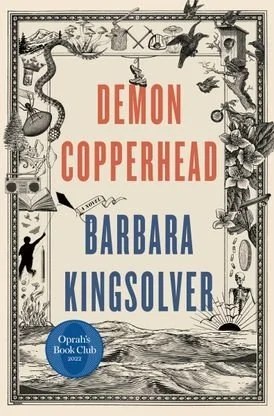
A modern retelling of Charles Dickens' David Copperfield set in Appalachia, following a teenage boy navigating poverty, the foster care system, and the opioid crisis. Winner of the Pulitzer Prize for Fiction. Kingsolver's masterful voice work and systemic analysis make this a must-read for understanding contemporary America.
A comprehensive 530-page (plus 200 pages of footnotes) history of the pharmaceutical industry, the Sackler family, and the corporate decisions that enabled the opioid crisis. Covers Benzos, steroids, and more. Essential context for understanding the real-world systems depicted in Demon Copperhead.
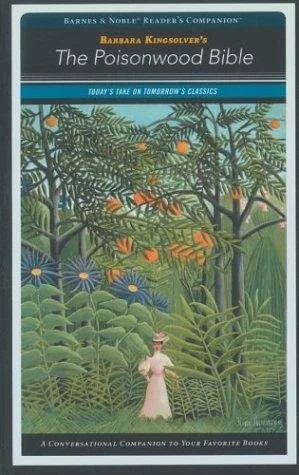
Kingsolver's sweeping epic following a Baptist missionary family in the Congo over 30 years. Explores religion, colonialism, and how we view Africa. Oprah's Book Club pick that revolutionized many readers' understanding of social systems and structures.
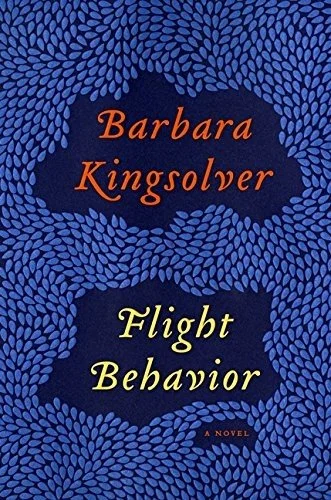
A novel exploring environmental science, climate change, and community through the lens of a woman in Appalachia who witnesses an unusual monarch butterfly migration. Demonstrates Kingsolver's consistent focus on environmental and social justice themes.
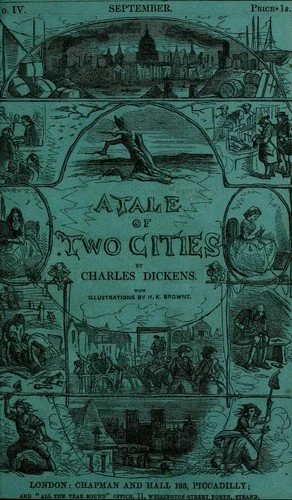
Dickens' epic novel of love, sacrifice, and resurrection during the French Revolution. A beloved classic that inspired many to recognize Dickens as a master of social commentary—just as Kingsolver is for contemporary America.
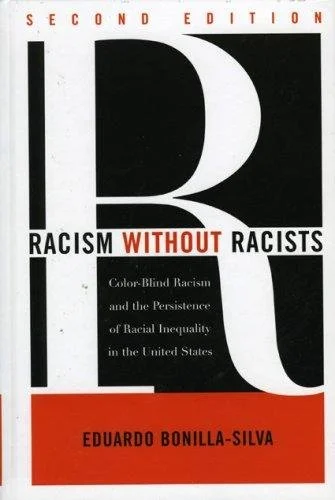
An academic but accessible exploration of systemic racism—how oppressive outcomes occur without requiring individual racist actors. Essential for understanding the structural inequalities depicted in both Demon Copperhead and American society at large.
Resources
David Peck on TikTok — https://www.tiktok.com/@itsdavidpeck
David Peck on Instagram — https://www.instagram.com/itsdavidpeck/
YouTube Channel — https://www.youtube.com/@ItsDavidPeck
Battle of Blair Mountain (labor history) — https://en.wikipedia.org/wiki/Battle_of_Blair_Mountain
Lee County, Virginia — https://en.wikipedia.org/wiki/Lee_County,_Virginia
Melungeon People (history and identity) — https://en.wikipedia.org/wiki/Melungeon
ACEs (Adverse Childhood Experiences) — https://www.cdc.gov/ace/about/index.html
Purdue Pharma Settlement & Opioid Crisis — https://en.wikipedia.org/wiki/Purdue_Pharma
Pharma by Gerald Posner — Available on Audible and all book retailers