She flew across Canada to audition for the Moulin Rouge, got the job, and didn't tell a soul.
In this episode, I sit down with Allie Goodbun, who has danced at the Moulin Rouge in Paris for five years. I've been following Allie for years. I can't even remember how she popped up on my feed, probably because it was somebody living a creative life in Paris. You could tell instantly that she was a star and just seemed like a genuinely nice person who also happened to have one of the most uniquely creative jobs in the world.
I wanted her on the show because she embodies so much of what I talk about: designing a life that you love. She is from a small town in Canada and decided that she was going to live in Paris and work at the Moulin Rouge, and made it happen. The fact that she entertained a different career path and then followed her desire to dance is super inspiring. I also love that she is entrepreneurial and that she is thinking about her life long term. She knows that she can't dance forever, and she's building things along the way to help sustain that.
I relate to her as an expat who had to figure out how to create a life in Paris. In so many ways she has decided to double down on Paris, where I moved back to the States at the point that I did. Knowing what I know now, would I have made that same decision? I don't regret anything — I made the best decision I could with the information I had at the time. But it is a really interesting thing to contemplate.
PLUS: we were so excited that we were able to invite her along with us to Jill Reno and Rubin Singer's show in Paris. She looked lovely in Jill's jewelry and Rubin's dress.
Listen to the full episode on your favorite podcast platform.
Subscribe and leave a quick rating or review if you enjoyed it.



“I guess just the wind took me in a totally different direction and here I am in Paris not using my degree at all. But it’s in my back pocket for the day that I do need it.”
In This Episode, You'll Learn
Growing up in Woodstock, Ontario, two hours south of Toronto, with one dance studio and no one to model a dance career on
Getting cast on The Next Step at sixteen after five or six auditions, when the show built a character around the things other auditions had held against her
Finding the Moulin Rouge audition during a study break in her second year of kinesiology at U of T
Flying to Vancouver for 48 hours, auditioning, and going back to a lecture hall on Monday without telling anyone
Waiting six months for the contract, then two more years through the pandemic before she could move
What the first months in Paris actually required — banking, taxes, health cards, and almost no French
Posting one nightly-routine video on TikTok and waking up to three million views
Starting Ready Freddie with Georgia Dewstow-Smith, a fellow dancer who is now running it from Australia
Why their spontaneous ideas outperform the ones they plan for months
What she will not put on camera, and how she thinks about safety with an audience that can buy a ticket to her show
Transcript
-
ALLIE: I'm very superstitious, so I didn't tell anybody that I went to Vancouver to audition for my dream job, and now I'm back in a lecture hall with them. So it was kind of just like a fever dream a little bit.
DAVID: My guest today grew up in Woodstock, Ontario. Took her first jazz class at five and was cast on the Canadian series The Next Step at 15.
DAVID: In her second year of kinesiology at the University of Toronto, she went down an internet rabbit hole found an audition for the Moulin Rouge and interrupted a potential career to go for it. She got the job, moved to Paris, and started a completely new life. Since then, she's danced 12 shows a week, performed at the opening ceremony of the Paris 2024 Olympics, and built a huge audience online and co-founded the brand Ready Freddie with a business partner on the other side of the world.
DAVID: Please welcome Allie Goodbun to the Design Studio.
-
DAVID: Okay, Allie, I am so excited
DAVID: meet you virtually. I'm really excited though, because we get to meet each other in person in just a couple of weeks in Paris
DAVID: I lived in Paris for almost five years, but I've never seen Moulin Rouge except for the movie, which is very different. And so I'm excited to see you in the show and then also meet you for lunch in person,
DAVID: is so welcome to the Design studio.
ALLIE: Thank you so much for having me. This is so great and very much so looking to your travels to Paris and meeting you guys. That's amazing.
-
DAVID: Yeah. So let's go back to the very beginning, and you've talked a lot about your background on social media and in various interviews, but for people who don't know, why don't you say what your, your biggest day job now I feel is like you're a full time dancer of the Moulin Rouge. But what did you grow up studying and what did you think you were going to do when you grow
ALLIE: Yeah. So I'm a professional dancer at the Moulin Rouge currently and have been here for five years now, which has been such a whirlwind and has seemed fast but also slow. And it's been the best five years. But growing up I always wanted to be a dancer, but with both my parents being deep into normal 9 to 5 careers, it was something that I
ALLIE: I knew in my mind that I wanted to do, but they were very strict on me going to school and studying to have an actual
DAVID: Yeah,
ALLIE: feel like I was kind of torn in between following my dreams. And also they were so supportive of my dreams, but they just wanted the best for me in the long term. And knowing that dance is just a short time career, it was kind of like, is that actually the smartest move for me to be doing right after high school?
ALLIE: So I tried to work professionally as much as I could during high school, and then after high school with still going to university. So I actually went to U of T, which is the University of Toronto, to study kinesiology. So
ALLIE: that was a great experience. But from that experience, I kind of had in the back of my mind always that I would eventually go into physiotherapy or eventually become some type of sports, I don't know, therapists of some sort or manager or something that was in the sports realm just so I could connect to my passion.
ALLIE: I love for movement and dance in some way, shape or form. But yeah, I guess just the wind took me in a totally different direction. And here I am in Paris, not using my degree
ALLIE: in my back pocket for the day that I do need it. So yeah, it's just one of those funny coincidences that I just kind of followed my passion and here I am.
-
DAVID: Yeah.
DAVID: your parents do seem to have been supportive because you spent, like, your childhood on television and dancing. What was that like, pursuing that? Because you come from a relatively small town in, in Canada. And so how did that come about to kind of get yourself on TV and the auditions and all of that.
ALLIE: So I'm from a very small town. It's called Woodstock, Ontario. It's about two hours south of Toronto and had a very interesting childhood there. I mean, like, we lived right on the edge of the city. So there's just cornfields galore. And there's one dance studio in my town, a few high schools and a grocery store. Like, there was not much there, so I didn't really have anybody to, like, watch and feel I could use as a role model in like a
ALLIE: direct career path.
ALLIE: I guess I could say that could inspire me to become a dancer like somebody else in my hometown, just because there was nobody that was doing that. So
ALLIE: yeah, I feel like growing up in a small town was an interesting experience, but also was my motivator to kind of get out and do more and experience life in the big city, which was first Toronto and now Paris.
ALLIE: And it's just it's been a whirlwind ever
-
DAVID: So how was it studying dance? Did you have to travel a lot to get to a studio?
ALLIE: Yeah. Well my studio, the studio I actually started dancing at was the one I finished dancing at when I was 18. So I was there my entire life and pictured dance moms, but not as harsh, not as crazy, cutthroat, but still like that dance competition life. You have the moms, you have the teachers. You have the the bedazzled dance costumes.
ALLIE: We're traveling to and from cities all over our province each weekend to compete against other dance studios and dancers. So I definitely had that, like typical dance competition childhood growing up, which of course did involve some travel and whatever. But as I got out of my hometown that much more and each weekend I was away meeting new dancers and seeing the opportunities that were kind of beyond my the walls of Woodstock, I guess you could say, is kind of how I discovered that there was dance auditions out there that I could possibly do and opportunities I could, I could take on realistically and things that I could audition for.
-
ALLIE: So that's kind of how I led to auditioning for The Next Step, which is kind of where everything took off for me. This is a dance based, scripted reality show, I guess you could say meant for like eight years old to, I would say 16 year olds, but it just follows the drama amongst dancers in a dance studio and our dance training, and everybody had a character name and it was very scripted and there was cute little storylines.
ALLIE: So I auditioned for this show knowing it was filmed in Toronto many, many times. And after I think my fifth or sixth audition, I landed a few callbacks and finally booked a role. So that's kind of where things took off for me. And I was 16 when I got that, so that was kind of my entrance into my my dance career.
DAVID: That's so cool. I loved and going down my own internet rabbit hole of research. I loved that they created the character after you, because you had auditioned so many times, and you had been rejected so many times because you were too tall to this, to that, whatever. And then finally they decided to use all the things that they had been maybe holding against you to their advantage and created the role for you.
ALLIE: Exactly. It was really unique because I've actually never one obviously, at 16 years old, I had never auditioned for a TV show, nor really knew how it worked, just because that was not in my realm. I didn't know anybody that had been on a TV show before, so I was really just like going with the flow here. But yeah, that was one of the things I realized was all those auditions I went to.
ALLIE: There were all these detractors, like, I was so tall that I couldn't do anything, like I couldn't flip, I couldn't do anything impressive that was going to like, wow, an audience from or get people's attention from their living room couch. Like, I wasn't that kind of girl, and I was super smiley and a little bit more reserved just because I didn't want to say anything wrong or do anything wrong.
ALLIE: And it was really interesting because rather than using that against me in that fifth or sixth audition to kind of say, no, not this isn't your turn, they turned it around and said, actually, let's make a character off of that, which was really cool. So it was interesting to play a character that was very based on my actual personality, but obviously made it quite easy for me to lean into.
ALLIE: I mean, portraying a character that's not far off of what your personality is is kind of the best case scenario, I would say. But it was also great for like learning the entire industry from the get go. I mean, like, I had to learn everything from waking up early and being on set and memorizing lines and getting my hair and makeup done, and jumping into this character named Cassie, which, like, was so crazy.
ALLIE: And having everybody not call you Allie for a whole 9 to 5 each day was
ALLIE: such an interesting experience and obviously doing the things I was doing, but in front of a camera is obviously that much more nerve wracking. So there was all these new aspects. So the fact that the thing that could remain constant was my personality was obviously a huge bonus.
-
DAVID: Yeah. What a great way to start that part of your career. So a couple of years into studying kinesiology, you found this dance audition for Moulin Rouge. And you. I think you found out about it a week before it actually happened. And it was in Canada, but on the other side of Canada. So what were you looking for?
DAVID: Specific
DAVID: careers in dance. Like what? Was there something inside of you that was saying, I'm studying this thing, but I want something else, something different.
ALLIE: Yeah, for sure. It was definitely that, like tug and pull of I'm living in a city I love, I'm living with roommates I'm really good friends with.
ALLIE: I'm moving every day and I'm like, I'm learning about the body, which is similar to dance, but I just wasn't actually dancing. So I was really, really missing it. And come my second year of university, I just caught myself always studying. And then 20 minutes in, I'd go to Google and I'd start looking up dance company auditions or dance opportunities in Toronto, or like any little thing I could find just so I could, like, sign up and then be excited about that one thing to just kind of like, keep me going through my my school schedule.
ALLIE: But yeah, I found that I was studying one night and I ended up just moving over to Google, as I do, and I searched, I think it was theater jazz auditions, and this only stemmed from my interest in the New York City Rockettes. After filming The Next Step, I kind of transitioned and understood that I was much taller than a lot of dancers, and I could use that to my advantage, because The Next Step had kind of taught me that.
ALLIE: So I decided to look into companies that strategically hired taller dancers. And the Rockettes is something obviously that was definitely on my radar. They usually hire girls that are five, five and above, so at the time they had lots of like dance intensives and training camps. Dancers in training could obviously sign up for or audition for. So I went to a few of those auditions and ended up making it into their training camps.
ALLIE: So that was kind of my next thing was each summer I was in New York City for 2 to 3 weeks training with Rockettes to kind of it's a system that they've created to honestly, like, breed the next generation of Rockettes. So I was kind of on the trajectory of possibly starting to audition for the actual company being a part of their Christmas show every year.
ALLIE: That was definitely on the forefront of my mind with going to these camps, and I learned to love it. I loved the style. I loved dancing in a heel. The fact that they highlighted a tall dancer was obviously such a perk for me, and from those auditions, I just realized that that style was called theater jazz. So it was used in a theater.
ALLIE: It was a live performance type style, danced in a heel. Oftentimes they book tall dancers. So going on to Google that night, I was just hoping for something that was in the rocket world. Not necessarily Rockettes, but maybe something similar. And Moulin Rouge had popped up and I thought, okay, I've obviously heard of Moulin Rouge Everybody knows what the Moulin Rouge is.
ALLIE: And it took me to their website and I saw that they had auditions coming to Canada, an audition tour. So I was very intrigued with that and the fact that they were coming to Vancouver, it's not necessarily close to Toronto, but in my mind I was thinking I could I could get there for a weekend. And at the time, I had just started dating my now fiancé.
ALLIE: His mom lived out in Vancouver, so I knew I had some connections out there and some ties. So I was like, okay, maybe we could make this work. And I ended up pulling it off. I went out there for 48 hours, auditioned for Moulin Rouge on a whim, and came back on Monday morning and was back at university.
-
DAVID: That's crazy. Did you have any sense during the audition how well it went, or was it sort of one of those things where, you know, notoriously they make you wait?
ALLIE: So when I had found the audition online and signed up, I obviously knew what the Moulin Rouge was, but I had never actually seen any clips of the Paris show. It's it's obviously it's live performance.
ALLIE: So they don't allow videotaping during the show. So there's not that much footage online of it. So I went on YouTube, I went on Instagram, I was on Facebook. I was trying to find any piece of footage just to see the caliber of dance, to see what style we were working with here. I knew it was theater, jazz, but like, I knew that there was probably more to the show than theater jazz, just because it's the Moulin Rouge in my mind.
ALLIE: It includes all styles of dance as the French cancan, of course, so I just wanted to see some of the elements that I had to maybe prepare myself for before the audition. And when doing this, I obviously did as much research as I could. I only found so much just because there's only there was only so much out there at the time.
ALLIE: But then went into the audition. Not not. I went into the audition with open arms, I would say. And just like an open mind to be like, okay, whatever comes my way, I'm just going to give it my all, because I only found out about this about a month ago, and I've only been looking up like the odd 30-second YouTube video that exists out there.
ALLIE: And I didn't know fully what to expect.
ALLIE: I tried my hardest, and throughout the audition I could sense
ALLIE: that the direction was definitely leaning in my favor. They really liked, I think, obviously my height. I think my versatility as a dancer, I was. I was about 80% good at hip hop, 80% good at jazz, 80% good at ballet.
ALLIE: I was never like 100 or all in on one style and then could not do the other. So I was well versed, I guess you could say. And for the show in Paris that I'm currently in, that's definitely a perk and definitely something you do need as a dancer. Just because we have the French cancan, we're we're kicking our face and we're cartwheeling and we're jump splitting, which is very athletic, of course.
ALLIE: But then on the flip side, we have all these elegant
ALLIE: dances where we're in dresses and beads and dancing with boys, and we're doing partner lifts and partner work, and you need to know how to partner essentially. So that's a totally different realm. So there's so many different
ALLIE: dancers that need to come out of me in one show.
ALLIE: And I feel like being as well versed, trained as I was going into the audition, it really helped and it really brought me forward, which was really nice. So they they knew my name from the start and they called me by my name throughout the audition, which is always a good sign. So I felt really good in the audition.
ALLIE: And then before leaving the audition room, they pulled us, me and a few other girls aside to kind of say, look, don't book anything you'll hear from us, don't email us, we'll email you and we'll see. So yeah, I just I went home on that flight knowing that it was a success, but I didn't have a contract in hand.
ALLIE: I didn't have any. It was not a false hope, but it was something that was it was promised. But I until I actually have a physically signed contract in my hand as a dancer, I know anything is possible. So I was I was happy and hopeful, but I was still waiting for that official contract. But yes, it felt very good leaving.
-
DAVID: Yeah. And it took about six months, I think, for you to actually get the contract. What was it like waiting for that to
ALLIE: that was the longest six months. It was crazy because I was back at university on
ALLIE: Monday morning and I'm very superstitious, so I didn't tell anybody that I went to Vancouver to audition for my dream job, and now I'm back in a lecture hall with them. So it was kind of just like a fever dream a little bit. And
ALLIE: when I got back on Monday, I was like, okay, we're back at school.
ALLIE: But like in the back of my mind, it would be really nice if I could move to Paris. And I just kept thinking about that for six months. And it was
ALLIE: one month of waiting, another month of waiting. And finally, at the six month mark, I got an email saying that they've accepted me and they would like me to come and join the cast, and they were looking for new dancers.
ALLIE: And in that same email thread, there were two other girls, so me and those two other girls, I looked them up right away and we followed each other all on social media and became friends literally from that email thread. So and to this day, we're still here in Paris altogether, and they're probably my best friends. So it was kind of a crazy, a whirlwind, a whirlwind of a few months.
ALLIE: But yeah, I was worth the wait for
-
DAVID: incredible. So you mentioned a little bit that your parents had wanted you to have a real career, and did they know that you had gone to Vancouver to audition or was that something you they did? And then when you actually got the job, was it a hard thing for them to wrap their heads around that you were going to be like interrupting your whole life?
DAVID: Or were they like, no, take this, because you can always come back to school.
ALLIE: They're so supportive. They were like take it. There's no questions asked. They knew where my heart was and they knew that, like, obviously I'm in the right headspace with them and agree with them that like down the road, I'm not going to be doing what I'm doing dance wise when I'm in my 40s and 50s. So yes, I do kind of need a backup plan and going to university now when I'm not in my 30s and I'm back with the 18 year old in a lecture hall, it was definitely it definitely did make sense.
ALLIE: And I totally agree with them. And they're so supportive of all my dance dreams and endeavors and whatever else. And even like to Vancouver. I told my mom I was going and she's like, I'm coming! Like she wanted to be there. She's one of my most supportive family members, for sure, and her and my dad together were wanted to do everything possible to get me to Paris and get me there feeling good and all the things.
ALLIE: So it almost became a conversation that I would bring up more often than not about wanting to dance, wanting to move, wanting to do something that's like professional get back maybe into the film and TV space. I don't know what it was going to be, but I talked about it so much that they knew it was probably going to happen before I graduated.
ALLIE: I would graduate, and the promise to them was, I'll graduate at some point, whether it's now or in ten years time, I will finish my degree.
ALLIE: because they knew that, they they just knew where my heart was at and that I wasn't going to settle for anything less. So when this Moulin Rouge opportunity came up, they were like, of course, absolutely go.
ALLIE: So it's been good.
-
DAVID: Yeah, well. And then the pandemic interrupted your actual move to Paris like it interrupted so many people's lives. And so it took a while for you to actually get on a plane and get there. What do you think is the thing that you learned during that time of sort of that delayed gratification of, okay, I've got this job, it's waiting for me, but the world is shut down.
DAVID: Was there a lesson that you learned in that time?
ALLIE: sure. I feel like like so many people interrupted our lives completely.
ALLIE: And it was interesting. And it was weirdly now, looking back, such a blessing in disguise at that time, because I now feel like when I moved to Paris, it was like it would have been a dream when it when I initially got that email and they told me to come to Paris as fast as I could, and that would have been amazing.
ALLIE: But I think because I had the two years of waiting during the pandemic, knowing I was going to start my life in Paris, knowing I was going to become the professional dancer I've always wanted to be. I was going to be dancing every night. I was going to be living in a new city. Like I was romanticizing that life as much as I was initially, and then plus another two years of doing that.
ALLIE: So when the time came to actually moved to Paris, like, I don't think anything else was on my mind other than the fact that I was going to be living a few blocks from the Eiffel Tower. I was going to be eating fresh baguettes every day and just the stereotypical Parisian life. And obviously on top of that, I was going to be dancing, which was just like such a dream come true.
ALLIE: So it was. Yeah, it was. There were so many lessons that I learned throughout that waiting game. I guess you could say
ALLIE: one of them obviously just being like, how I just understood really how grateful I was for the opportunity because it was something that also helped me get through the pandemic. I feel like a lot of people really struggled during that time, but I actually used the fact that I was I had booked my dream job and it was waiting for me when all of this was done and over with.
ALLIE: It was my motivation to like, get up and like, do my little fitness circuit that I did every day and go to school and finish this degree as fast as I could, like, use this time to my advantage that it's like done and out of the way for when I move. And luckily in the end, that's actually what happened.
ALLIE: I ended up graduating, and then the theater opened in Paris, and I was able to move right afterwards. So it was such a blessing. And I feel like when I moved to Paris, I had never been more mentally ready, more physically ready. I was like, so eager to just meet a new friend group and be a part of a new cast with new people.
ALLIE: And yeah, I just feel like I came into it even more open minded than I would have, knowing that I had been fantasizing and romanticizing this life in my head for so many years. And then the day was finally
-
DAVID: one of the things that I think is really can be challenging is that you've got this romantic idea of moving to another city, and especially in a foreign country,
DAVID: you know, it's going to be hard, but obviously there's like a little bit of culture shock. And as much as you can prepare yourself for it, I know when I moved to Paris, the internet was I'm much older, so the internet was very new.
DAVID: There wasn't a lot online, but I was worried about where I was going to live. Is it going to be a safe neighborhood like I had? I had never been to Paris before I moved there. So for you moving there, especially after the world had been turned upside down, what were the biggest, I guess, concerns or like shocks that when you actually landed, kind of you had to confront.
ALLIE: the biggest thing on my mind was, is all of that going to happen again? Like, am I going to move my whole life to Paris? Am I going to learn this show?
ALLIE: And am I going to try all these amazing costumes on and maybe get on stage? And then, like, is another strain of this illness going to start going around and then are we going to shut down and am I going to be doing exactly what I just did for the past two years, but in a Parisian apartment, like I didn't know what was next.
ALLIE: So I feel like rather than worrying about all these things, though, I finally just came to the realization of like, I just need to enjoy every single day because at any given moment, somebody can start coughing and then we'll start hearing the news, and then there'll be something after that, and then maybe we go into all of this again.
ALLIE: So I was just honestly living day by day and like taking it in every single rehearsal and every single performance because I was just wanting to savor the moment because it was so much fun and I'd been waiting so long for it. So yeah. And then in addition to that, I mean, like the culture shock said, huge. And obviously I had this idea in my head that I would be biking past the Eiffel Tower every day and getting a baguette and meeting all these people and having all these new friends.
ALLIE: And obviously, like when you move to Paris, like I had it very good because I had like there was a system set up and I just entered it like there was an automatic friend group, there was a cast that was already there. So I just kind of like inserted myself and we were all one and the same. We're all six feet tall from abroad, living in Paris for the first time.
ALLIE: Like, we all have a lot of similarities. So that was so easy and I was very grateful for that. But of course, then you have to like, take on life a little bit. I had to set up the bank accounts. I had to set up the I to transfer all my tax stuff, all the health card stuff, all my phone numbers and everything.
ALLIE: Like all the life logistics I feel like came after the rush of like, oh my God, I'm actually here in Paris and everything else. So doing all of that while things were still kind of reopening was very tricky. And then obviously, especially as a foreigner, like, I don't speak French, I wasn't fluent at all. So it was tough to navigate the closures and kind of like the slow reopening of everything administration wise, especially in France.
ALLIE: It's a little bit slow to begin with, so
ALLIE: only imagine how slow it was at the beginning. And yeah, and then just obviously navigating that in English and trying to find that lucky employee that like spoke a little bit of English so I could get by. So there was obviously a few hiccups in the road, but I managed to organize it all.
ALLIE: And luckily Moulin has it down to a science where they're able to kind of like they know a lady at the bank, and they know a lady at the phone provider, and they kind of know everybody around to to help us get out there on our feet. So
-
DAVID: Yeah. I was going to say I hope that they would have a little bit of a system in place to help you make that transition, because I did it through going to school and there was definitely a system in place. You still had to do all this stuff, and it's still very long and slow, but at least you had somebody guiding and directing you to get through it, because it can be.
DAVID: The bureaucracy in France is it's a joke, but it's also no joke. And you've recently had to go through that. You've documented this on on Social that, you know, you've gone through the whole apartment process again and moving in like contracts and all of that and even potentially buying a place. So how has it been now like five years in now functioning, as, you know, a full time resident, not just a newbie, but kind of dealing with those things.
DAVID: Do you still find it interesting and enjoyable, or does it feel kind of still daunting at times?
ALLIE: It's really interesting because I feel like I moved to Paris at an age where I was officially becoming an adult.
ALLIE: I was 21. I was kind of entering that like post student era. I was ready, I was like so eager to get out and get my own apartment, have no roommates, like, kind of just like live the adult life. And I was very ready for that at the time. So when I came to Paris, it was interesting because I was navigating all these things, but I've actually never, like, properly navigated my taxes and navigated like getting new health stuff like reimbursed or like whatever it may be, like all just like these life things I'd never properly done because I've always been a student.
ALLIE: So navigating like the first of all, those in a foreign country was very interesting. But now, five years later, it's interesting how that like I the France system feels normal to me. And now when I go back to Canada, I'm like, wait, have actually only ever done this in France. I've never done all of this in Canada. So it's kind of backwards, which is interesting, but it only makes Paris feel that much more like home and France feel more like home, which I'm very happy for, because obviously this is where I live.
ALLIE: This is where I work. This is where everything happens for me, and it feels like my life is here now and then being able to feel confident and the fact that I can navigate it obviously just supports that feeling that much more, which is good.
-
DAVID: Yeah, you have grown a huge presence on social media. And one of the things I found interesting was I would have thought and assumed that you sort of had a pre-planned strategy go into France. I'm going to document this thing and it's going to help my career. But it really came much later out of a frustration for not having a creative outlet outside of your day job.
DAVID: Can you talk a little bit about your motivations for even you were on social, but like putting yourself out there in a completely different way on TikTok, I think was your first big viral moment, your first video even. And so you have said that it's not it wasn't strategic or even it was just sort of I think I can do this thing.
ALLIE: It was a unique experience. And I feel like it's a unique situation as well, because that group of people that really turn their like passion and hobbies and love for whatever else they do, kind of on the side if they turn that into their career. So I've turned, like my lifelong hobby of dance, into my career. You realize after the fact that you actually don't have any other hobbies.
ALLIE: So now that my hobby is my career, I hit this point like six months into being here in Paris where I was like, I don't really do anything for fun anymore. Like dance used to be what I did for fun, and all my friends were there. And it was it wasn't serious because it was just something that I genuinely enjoyed and did in my off hours to kind of just like, relax.
ALLIE: But now that dance is something that I have to show up for. I get paid to do. Like I have to show up and be 100% on stage in front of an audience of thousands of people every night. Like I wasn't doing dance classes anymore because I was like, danced out, like I didn't want to. I was like, I actually want to spend my off hours doing something totally different.
ALLIE: And that's kind of when, like, I picked up biking around Paris, like bike riding is one of my like, go to things. I do it every day. I ride my bike absolutely everywhere, and it's just like my moment of silence. There's no phone. I don't wear like headphones or anything like that. It's it's kind of just my time to think and enjoy myself and just like, be it's just it's turned into its own hobby, I guess, in a sense.
ALLIE: But other than that, I was like in a new city. I didn't feel 100% comfortable on my bike right away. So I was like, I didn't really know what else I could do that was creative, that could become a hobby. And this is kind of also in the era of when people started TikTok, obviously TikTok blew up in the pandemic, but
ALLIE: at this time, after the pandemic is kind of when people started doing the talking videos, they started propping their camera up and really talking to their phone to explain their day or explain their makeup routine or their outfit they were wearing.
ALLIE: And I started to realize, wait, like my daily routine is actually quite unique. My makeup routine is also quite unique, and the clothes I wear and the costumes I wear also kind of crazy. So I was like, I actually feel like this would be fun. I was always one of those girls that was playing around on iMovie and Video Star and whatever else when I was a kid, so I had a little bit of a passion for creating videos, and I knew the editing software and stuff.
-
ALLIE: So when I picked up, when I started my own TikTok profile, I just was watching other people and I wasn't necessarily doing the trending dances by any means. But the thing that caught my attention was those talking videos. So one night at work, I was it had I'd kind of fallen into that routine of like, okay, I feel good now.
ALLIE: I feel good on stage. I don't really need to use all my brain power for figuring out the show, because I've been doing it for six months now, so it kind of just became Groundhog Day. I worked a little bit. I was doing the same thing every night. Same spots, same costumes, same girls, and I wanted to spice it up a little bit.
ALLIE: So I decided to just start filming my nightly routine. One night came home at 2 a.m., as I usually do, eating dinner, edited it quickly and threw it on my TikTok. I had no videos at the time, and I woke up the next morning on my TikTok to just watch some TikToks as I did. I didn't even check my post because I was like, it's not really even a thing.
ALLIE: And I had I had over 10K followers and over 3 million views on that one video, and it blew me away. I did not. I thought it was a glitch. I was like, this isn't my video. They've glitched the numbers from somebody else's video on to mine. And then I realized it was actually my video and I was shocked.
ALLIE: And there was hundreds, if not thousands of comments on this post talking about how cool it was and how they've always wanted to go to the Moulin Rouge, and how this is a thing on their bucket list. Or they came last week and they love the show like it was just such a positive reaction. I couldn't really I couldn't believe it had reached that many people in the span of me sleeping, like just for 12 hours.
ALLIE: And yeah, so then I think I just really saw the interest from that one video and decided to take off with it. And it wasn't planned, like you said at all. I just, I really just was going with the flow of what other people were doing, but kind of putting it into my own words and using my own unique daily schedule as, as content, which was very interesting and something that I never even thought would grow into the thing it has become.
ALLIE: But it's been so much fun and has honestly become my hobby over the past few years, and something I really enjoy doing. And it's definitely a creative outlet now. You could say
-
DAVID: that is really cool. I love it when people are creative enough to figure out that something that they're passionate about, whether it's dance as you began or even just like making videos and being able to put something out there can become something that continues to stay enjoyable even beyond it. Kind of becoming a job, which is is great.
DAVID: So you obviously are. It feels like to me, speaking as an overachiever, somebody who just can't stop. And you've also started a dance where lounge line Ready Freddie with one of your fellow former dancers at the Moulin Rouge. How did that come about? Was it in conjunction with the whole social media thing, or had you been working on that at the same time?
ALLIE: Yeah, it was kind of soon after the social media stuff picked up for me. One of my best friends, her name is Georgia. She also danced in the show with me. She's Australian, so the only the thing that brought us together was our height.
ALLIE: We were two of the tallest people in the cast when I started, and usually when you come in as a new cast member, you get paired with somebody who's been in the cast, but you kind of become their opposite. So Georgia was doing everything on stage left, and then I was put as her opposite to do everything that she was doing.
ALLIE: But on stage. Right. So her and I worked together a lot to practice things, and we spent a lot of time getting to know each other because we were oftentimes doing the exact same tracks at the backstage area. So we were changing into costumes at the same time. We were on stage at the same time. We were doing everything together.
ALLIE: So because of this, we grown, we grew really close and ended up getting coffees during the day and spending more time outside of work. And that's kind of when I understood that she had a little eye for business. She comes from a family of business owners. Her longtime partner also owns a really successful business over in Australia. So she's constantly around these entrepreneur mindsets that are throwing ideas left, right and center on business ventures and proposals and things.
ALLIE: And I just really liked the way she was always thinking about what's next and what she wanted to do after dancing. And because this was obviously ingrained in my mind that I wasn't going to be dancing forever. Obviously I could dance as long as I want or wherever I wanted, but I also knew in the back of my mind that it wasn't going to be something that my body could sustain for years and years and years.
ALLIE: So I was always kind of thinking about the next thing as well. And Georgia and I also connected on the fact that we both loved the idea of maybe working for ourselves after dancing. And she also also usually expressed that she always wanted to do a clothing brand. So we kind of got talking about ideas for her clothing brand and things.
ALLIE: And one night it just kind of came to her, actually. There is these warm up onesies that we wore as kids, and mostly all little ballerinas wear them. They're like these oversize garments, essentially, that are made from either polar fleece or cotton or whatever it could be to basically keep your body warm. And they're super functional because you can slip them on and off over your dance clothes, on your way to dance competitions or events or shows or whatever.
ALLIE: You can wear them while you're getting your hair and makeup done, because they don't go over your head to take them off, you don't ruin anything. So it's honestly like the perfect thing for kids to just chill in, rehearse and hang out in. And we both had these growing up. So it was interesting because when we came to the Moulin Rouge, everybody backstage was wearing them all these 20, 30 year old girls.
ALLIE: So it kind of just gave us this idea to make a company that would include kids sizes, adult sizes. And then also we wanted to include plus sizes to obviously cater to the dance community and use dancers as our target audience, but also show that this can be something that's worn at home. It's super comfy. You can obviously wear it when you're getting ready in the morning.
ALLIE: It's an amazing thing for running errands or just doing chores around the house because it has legs to it. It's not like a bathrobe where it's constantly slipping down or falling off, or if you bend over, game over like it was something that you could actually move in. So we really wanted to also showcase that. So it's kind of when ready.
ALLIE: Freddie was born and we used obviously my editing and social media knowledge at the time to create one for the brand, and we just wanted to keep it between the two of her and I, and we did everything from finding the manufacturer on our own to obviously finding a warehouse to dispatch them for us to the marketing, to in-person events.
ALLIE: So everything has been Georgia and I for the past three years, and we've really tried to keep it just between us. So it's something that's just like it's a passion project and something we've really enjoyed doing, but it's also obviously turned into a business of its own and a growing business that we didn't ever anticipate it being this big, this fast.
ALLIE: But it's been a fun venture because it's obviously entered into the fashion world, which is something that I have also never thought about. So I feel like now dabbling in the content world, the fashion world, and then obviously still dancing every night, it's an interesting combination of things, but it all works because it's obviously all dance related in some way, shape or
-
DAVID: it's very cool how something that you may have taken for granted as a kid end up turning into something that can be a whole third career, if you will. You've been really open about like having big goals and dreams for the brand. And so you had a really great opening month and you had really ambitious goals for 2025.
DAVID: Now that you've kind of like been in the business for several years, where do you see how do you I guess I should ask, how do you set goals for yourself? How do you redefine what the future looks like, especially as you see it kind of taking off and looking at all of the different avenues? Is it expanding into different product lines or like looking at different channels of distribution, like how do you approach those goals and dreams?
ALLIE: we've found that we've planned a lot of stuff for the brand in the past and the things that we plan and really put a lot of hard work into and anticipate, I guess don't don't hit as hard as our spontaneous ideas. And it's very interesting because I feel like the spontaneous ones come from a feeling of like, wow, that might work, let's run with it.
ALLIE: And it's it's something that we're obviously seeing feedback on, a positive feedback on, and we just take that positive feedback and turn it into something else that becomes successful very quickly. And it's something that we don't expect, but it works. And an example of this is we had a lot of people asking for like a towel material. We usually stick to this polar fleece material that's super warm, super cozy.
ALLIE: It feels like you're wearing a blanket, essentially, but people wanted something that was more lightweight. And obviously a lot of our customers being based in Australia because of Georgia's location now, we wanted to create something that was obviously built for warmer climate, something that people could obviously use in different situations as well. So something that we saw a lot of was people were taking it to the beach or they were wearing the short one, like on their walk to get coffee in the morning.
ALLIE: But in Australia they were dying of heat with wearing polar fleece out in the 30 degree weather. So in our minds we said, let's make a thinner one, let's make it towel material, and let's really market it to those beach goers. And it just it blew off the shelves. It was crazy. So I feel like this was an example of something we did not plan.
ALLIE: We did not think about it. We just took some feedback from customers and did the fastest turnaround to make sure we had it available for summer, and it was sold out in just a few days. Our entire towel collection, which was wild. So now we have ambitions to kind of run with that idea in the near future. But we've just learned from that that we really just have to pay attention to what people are saying and feeling.
ALLIE: As customers of our brand, especially those who are long time customers, are returning customers and where they're actually wearing it, where they would like to wear it, and what they kind of wish that was included in our brand, I guess. And rather than taking months and months to plan something that's a big launch or anything like that, we really just run with these spontaneous ideas.
ALLIE: And obviously once I'm done dancing, I really want to lean into this and make it more of like a company. I want to have like a headquarters. I want to have a base in Canada and make it a little bit more or less remote. Georgia is now back in Australia full time, so she's no longer dancing anymore. So Freddie is very much her baby full time.
ALLIE: And after my dance career, I really hope to turn that into mine as well. And then with that capacity in that time and energy put into it, we can really turn it into something big and something we've hoped to dream for it. But for now, we just we really run with these soft ideas people are giving us online and it seems to be working.
ALLIE: So it's it's a very interesting tactic, but it works for us. And it's something that, yeah, I feel like I'm not used to it because I'm a type A person. I like to know what's coming. I like to be organized. I like to be in charge of things. But we seem to just work better on the under the pressure.
ALLIE: I guess, in more short term turnarounds for our production and everything.
DAVID: Yeah, I can relate. I'm a very Type-A person. And when I first started my business, I had this a huge business plan. And I had all these ideas and like it all planned out. And I feel like the times I struggled the most was when I tried to stick really to that plan, when life was telling me something different.
DAVID: And I feel like it's only in the past, you know, 5 to 10 years where I've felt like I've been more responsive to the moment. And you planned for the unprepared and you, you kind of like, let yourself be open to the possibility of what is there. And like listening to people and not having too rigid of a mindset is a really valuable skill as an entrepreneur.
-
DAVID: So how do you balance the idea of, you know, you yourself as a person are very visible online? And obviously I hope most people know that social is a highlight, real and not everybody's real life. But how do you balance the idea of what you share online, and putting even those big hopes and dreams out there in a way that inspires other people, but then also making sure that you're protecting yourself, staying safe.
DAVID: I imagine that especially in your line of work, that you get lots of lovely people, but there's probably
DAVID: people who are not so much how do you how do you kind of keep yourself centered in the midst of something that could probably feel really loud?
ALLIE: Yeah, it's it's interesting because I feel like as a social media junkie, I love it. Like personally, I love scrolling, I love being online. I love watching other people's lives. Similar to how I vlog my daily life. I oftentimes watch other people's vlogs and listen into their daily lives and stuff. I, I feel like because I'm online watching so much, I can really see what I like and what I dislike.
ALLIE: And there's certain types of content that I really lean into as a viewer that I am obsessed with, and I crave to keep watching and I crave to know more and whatever else. And then there's the pocket of people where I just don't resonate with it. And that's, I think with everybody, obviously, we follow the accounts that we feel inspired by or we learn something by or whatever.
ALLIE: So I feel like as somebody who's constantly watching and paying attention to what I really like, I like to lean into that with my content as well. On the total flip side, I feel like with the safety thing and the the drawing, the line as to how much detail is too much detail, I just really try to think ahead.
ALLIE: Always.
ALLIE: I'm always thinking about when I'm vlogging. You never see outside my windows. You'll never see the view of my place. I'm even a little iffy with this whole house tour thing. Of course I want to share my my apartment, but I never want, like, the floor plan of my house to be too much out there. Like there's all these things that I really try to preempt and think deeply into before I actually share it, to just know what the consequences of something that I don't even think is harmful could be.
ALLIE: I always talk about how I take a taxi home at night from the Moulin Rouge. We have security guards out front. Nobody would ever know what door I come out of. I'm vlogging my nightly routine every single night at work, but I'm not vlogging the intimate pieces where somebody could possibly be waiting for me or
ALLIE: whatever. So I do really try to be cautious with that, because I know there are so many things online that people just oversee as not being a problem, and then later on realize there a problem.
ALLIE: And especially in our line of work, it can be interesting because I have a unique situation where my followers could actually come see me. They could buy a ticket any night. They could come to the show any night. I don't know who's watching the show. I don't know who's watching me online and coming to the show. I don't know how frequently people are doing that either, so I always just really want to be cautious and not share too much so that people can know.
ALLIE: They know my whereabouts, but they don't know how, what, where, when in between. So that's what I'm always really cautious of. But yeah, I feel like you just have to be really smart with it and in the direction of like what content I'm posting and stuff. I'm always trying to watch people that are sharing the same amount of personal detail as me.
ALLIE: So I'm inspired by the fact that they're obviously staying safe and keeping enough personal detail to themselves. So I actually feel like a person outside of what people know about me on social media.
-
DAVID: Yeah, well you have so much going on. And do you have like how do you set an intention if you do for the next year or phase of your life? How do you look at like you've, you've done so much, you've taken on so much. But I feel like as a creative person, we're always looking for what's next.
DAVID: And how do you sort of balance that desire for creating something new and looking for what's next with staying grounded in the day to day?
ALLIE: I think it all starts with like really enjoying my day to day. I'm so lucky to be dancing every night and obviously living in a city I love.
ALLIE: I love my day to day life, which is just like for starters, it inspires me every day to like, work harder and get the next big thing and then do the next little gig that'll only last thirty seconds. And then I'm back to my reality. But my reality. I've built to be so great. So I think it's nice because that obviously keeps my positive mindset up and obviously keeps me inspired and motivated to just keep doing more and more and more and more.
ALLIE: But yeah, I feel like it's interesting as a creative and I'm sure you feel this way in a sense as well. This industry, like the artistic industry, no matter if you're in fashion or a dance or music or whatever opportunities will just come into your inbox on a random Tuesday afternoon, and it could be the biggest opportunity you've ever heard of or you've ever been given.
ALLIE: And I feel like I really learned this with my initial auditions for that TV show as a teenager. I wanted that TV show so badly and I had to audition for it so, so, so many times. And I knew each audition I didn't go to was just one step backwards. So I think that really taught me that, like every single opportunity that I see or I can possibly make work, and even if I have to pull through a few strings or do something to get there, I will try my very hardest to do it, because I don't know when that opportunity will come up again.
ALLIE: And I feel like that's just the mindset of any person in any type of field in the arts, or maybe just in general. I feel like it's a really good habit to get into, is if you're really eager to do something and you're really eager to get in those rooms or be in that publication or meet that person, you have to accept every opportunity leading up to it to make sure that it would actually fall into place.
ALLIE: So I do feel like with balancing everything I'm doing, I feel like I stay grounded in the fact that I love my reality. I've built this reality, I've worked for it. I work hard at it still and to maintain it, of course. And that just motivates me to to plug in little opportunities throughout life. And I feel like one of them is obviously this venture with Ready Freddie.
ALLIE: It's building a brand, and if there's an in-person opportunity that comes up for me to have a booth and have a little pop up shop and sell it, I'm like, okay, I'm going to be a business owner for the weekend. And then I go, and I put my business hat on, and I, I really go into that character and I wear my little suit pants and I make it like a moment.
ALLIE: It's like it's a fun moment. I get to focus on it for 48 hours. This is Ready Freddie's time, and then maybe Monday. I'm starting to rehearse for a TV gig we're doing with Moulin Rouge. So put my business hat away and Ready Freddie's off the off the table and onto my business partner for a few days while I go into that TV.
ALLIE: So I'm always trying to take the opportunities, but make sure I don't feel overwhelmed with how much stuff is going on, because I know it's very easy to also do that.
ALLIE: and then of course, vlogging it throughout all of this, it's all content. At the end of the day, everything you do is content. And I feel like especially in my niche of content, I guess like the lifestyle type videos and such, I'm able to film all these fun opportunities.
ALLIE: So at the end of the day, that's just another thing I can plug on top and kind of have be the cherry on top to being the digital diary of being able to watch it back myself. And sometimes I catch myself on my own Instagram feed. Looking back at that fun thing we did or that weekend we had with Freddie or whatever it may be.
ALLIE: So it's it's fun, and I feel like it's hard to explain how I feel grounded, but the only way I'm able to explain it is that I put on different hats depending on the day, place, time, opportunity, and I just put everything else aside, knowing that it'll only be aside for 24 hours, 48 hours, whatever it may be a week.
ALLIE: And then I come back to it and circle back, and maybe I focus on that as opposed to the other thing later on. So
ALLIE: it's a juggling act.
-
DAVID: it is. I feel like that is that is life. Well, I could ask you a million more questions, but I will respect your time. So we'll end with what we end with every time, which is 22 questions. It's a rapid fire around. So just the first thing that comes to mind, if you feel like explaining it a little bit more, you can.
DAVID: If not, we'll just move on to the next.
DAVID: number one, when are you most yourself? Morning. Afternoon. Midnight.
ALLIE: I would say in the evening when I'm on stage.
DAVID: One tiny ritual you guard daily.
ALLIE: My skincare routine.
DAVID: Your current anthem in one word.
ALLIE: “Man! I Feel Like a Woman!” by Shania Twain.
DAVID: Oh. Like that. What are you optimizing for right now?
ALLIE: Happiness.
DAVID: A belief you've retired.
ALLIE: Oh, that's a tricky one. I believe I've retired, Trusting everybody.
DAVID: Favorite humble tool of your craft? Something under 20
ALLIE: A sweet treat for backstage.
DAVID: A constraint you keep on purpose.
ALLIE: Going to bed at the same hour every night.
DAVID: A risk you're glad you took.
ALLIE: Auditioning for the Moulin Rouge.
DAVID: A place that resets you.
ALLIE: My parents house in Canada.
DAVID: A comfort rewatch or reread.
ALLIE: Grey's Anatomy.
DAVID: A sound you love.
ALLIE: Anything by Lady Gaga.
DAVID: A sound you loathe.
ALLIE: Ed Sheeran.
DAVID: Word you overuse?
ALLIE: Probably like.
DAVID: A word you wish we used more?
ALLIE: Something obviously. Probably positive. I would say. Maybe just the word good.
DAVID: Finish this done is better than.
ALLIE: left unfinished.
DAVID: A recent no that made room for a bigger yes.
ALLIE: An event this Friday for an even better event this Friday.
DAVID: Very cool. Okay, so I have this imaginary board of people that I kind of run decisions by in my head. They include Oprah Winfrey, Ralph Lauren, Martha Stewart, Walt Disney.
DAVID: If you had a person to add to your imaginary board, who would that be?
ALLIE: Michelle Obama.
DAVID: I love that. How do you take your coffee or tea?
ALLIE: Lots of sugar without milk.
DAVID: What do you collect either on purpose or by accident?
ALLIE: Phone cases.
DAVID: Paris question. Right bank or left bank?
ALLIE: Right bank, always.
DAVID: A favorite swear word or your favorite PG 13 substitute.
ALLIE: Probably.
DAVID: Okay, it's a good one for Paris.
DAVID: One five minute action listeners can take
ALLIE: Get outside, put your phone away and get on a bike.
-
DAVID: I love that. Thank you so much for joining us inside the Design Studio. I'm so happy to meet you, and I'm excited to meet you in person.
ALLIE: Can't wait to meet you in Paris.
DAVID: And there you have it. Another episode of Inside the Design Studio in the books. If you enjoyed this exploration of life's design, hit that subscribe button so you never miss an episode. And hey, if you're feeling extra generous, leave us a review. Your thoughts fuel our creative journey.
DAVID: I'm David Peck, your design companion on this adventure. Until next time, keep crafting a life that is captivating as your favorite masterpiece.
Know someone with a degree they’re not using and a dream they haven’t told anyone about?
Send them this one.
Key takeaways
She did the research before she had the opportunity. Following the Rockettes taught her that theater jazz existed, that it hired tall dancers, and what to search for.
The audition was a 48-hour trip she told no one about. The decision was made before anyone could weigh in on it.
Her parents supported the move because she had already made the case for years. They had heard it long enough to know it was coming.
Two years of waiting through the pandemic made the move better, not worse. She arrived having romanticized the life for so long that she was ready for the unglamorous parts.
When dance became the job, she needed a hobby again. The vlogs started as a creative outlet, not a strategy.
Ready Freddie's wins come from customer feedback and fast turnarounds, not long planning cycles. The towel-material version sold out in days.
She decides what goes online by thinking ahead about consequences, not by reacting after the fact. No windows, no floor plan, no route home.
She takes the opportunity in front of her because she learned at sixteen that every audition she skipped was a step backwards.
Guests Appearing in this Episode
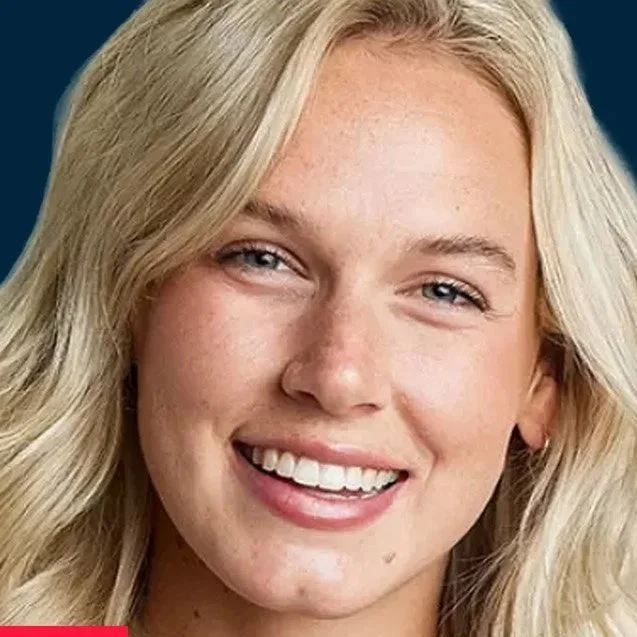
Allie Goodbun
Dancer, Moulin Rouge Paris · Co-founder, Ready Freddie
Allie Goodbun is a professional dancer at the Moulin Rouge in Paris, where she has performed for five years. She grew up in Woodstock, Ontario, was cast on the Canadian series The Next Step at sixteen, and found the Moulin Rouge audition while studying kinesiology at the University of Toronto. She performed at the opening ceremony of the Paris 2024 Olympics, shares her life in Paris with a large audience on Instagram and TikTok, and co-founded Ready Freddie, a one-piece warm-up brand she runs with fellow former Moulin Rouge dancer Georgia Dewstow-Smith.
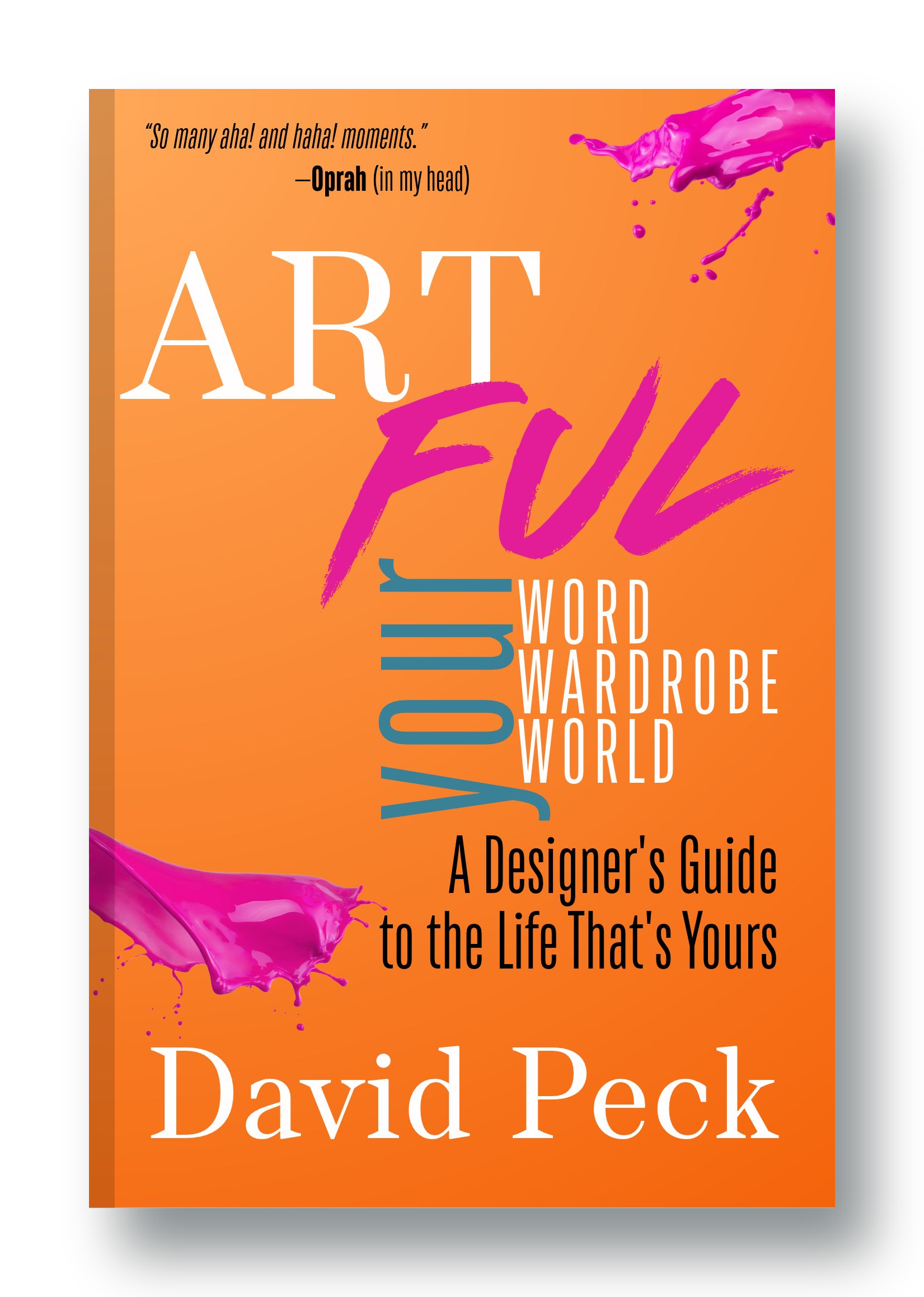
Out November 11. Allie's story is close to the whole argument of the book in one life: she spent years gathering evidence she didn't yet know she was gathering, made one decision about it in a lecture hall, and then went for it with forty-eight hours' notice.
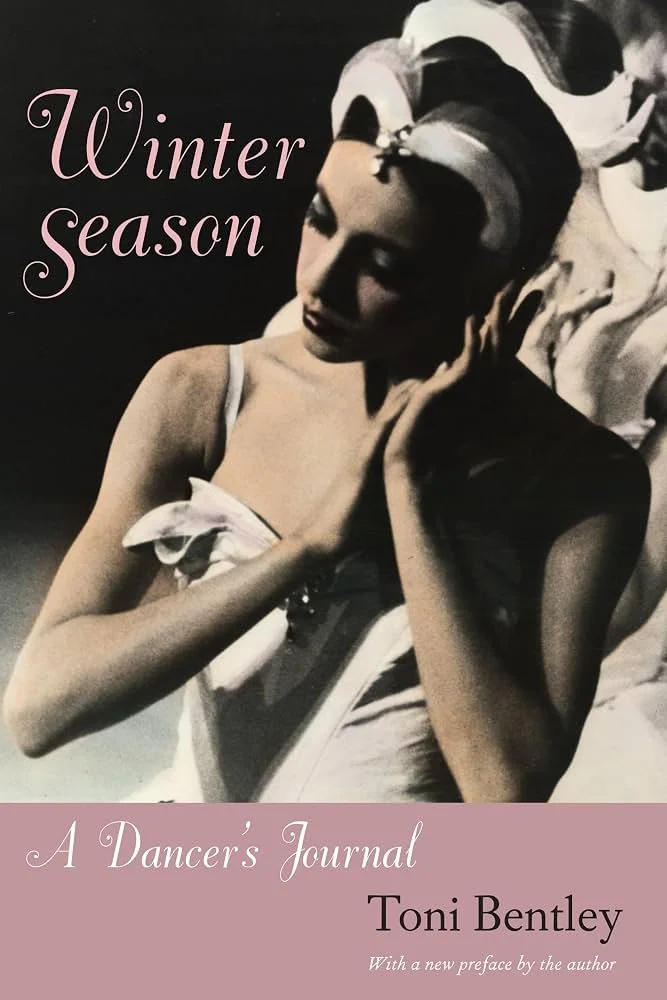
Bentley kept this while she was dancing with New York City Ballet rather than writing it years later, so it reads like the season instead of a memory of one. Allie says in this episode that she knows her body won't sustain the career forever; this is a hundred and fifty pages of what that knowledge feels like from inside the run.
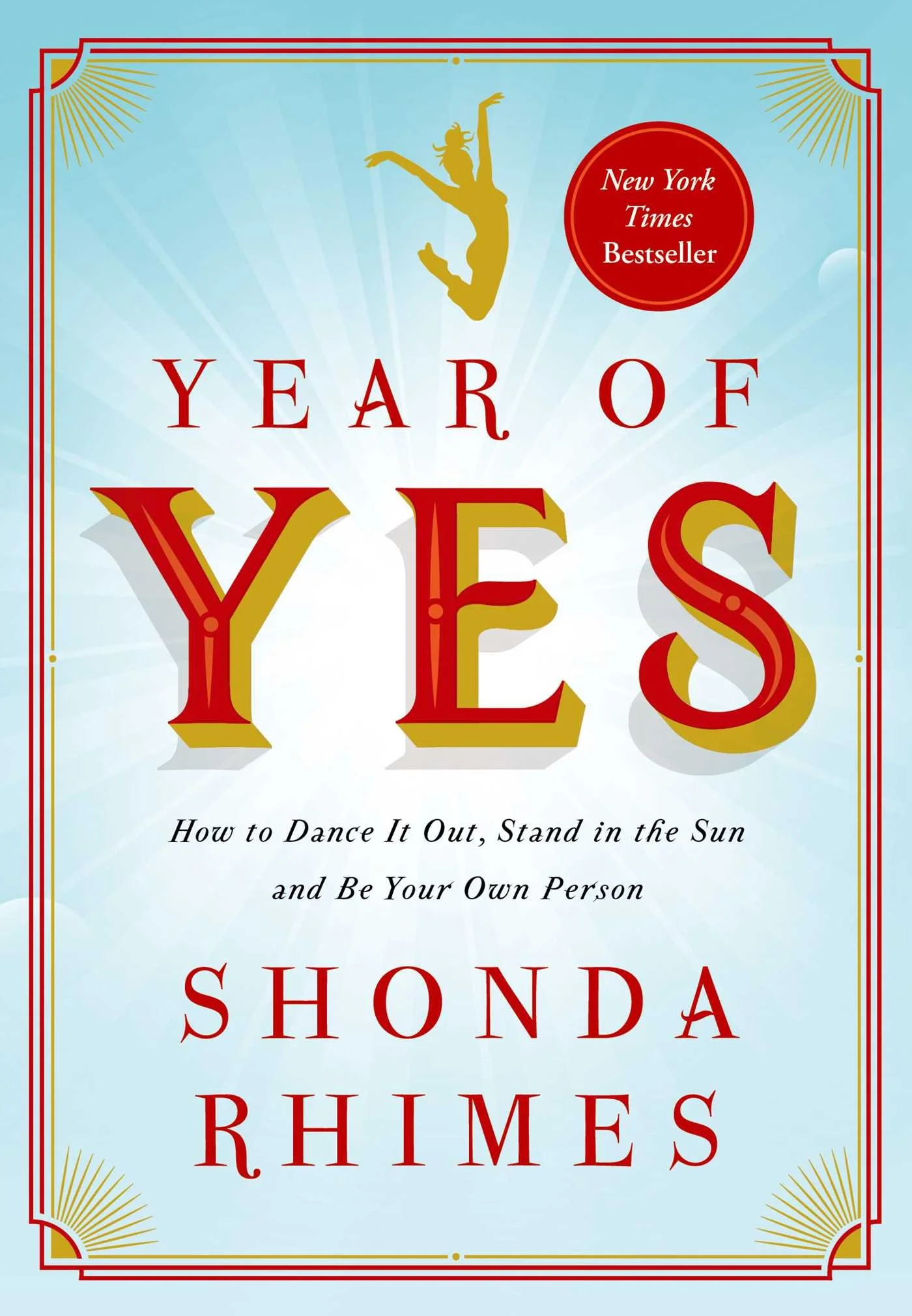
Rhimes spent a year saying yes to everything that scared her and rebuilt her life doing it. Allie's version is smaller and more practical — take the audition, take the booth, take the weekend — because she learned at sixteen that every one she skipped was a step backwards.
Resources
Watch The Next Step, the Canadian dance series Allie was cast on at sixteen
See the Moulin Rouge in Paris: https://www.moulinrouge.fr
Shop Ready Freddie: https://readyfreddieshop.com