How a Houston fashion designer built a luxury brand through design excellence, human connection, and resilient entrepreneurship
In this special Lions Gate Portal episode, David Peck sits down with Elaine Turner, Houston's visionary fashion designer and entrepreneur, to explore how she built a luxury fashion brand from the ground up. Elaine shares the stories behind her iconic designs, the lessons learned from opening her first store during the 2008 financial crisis, and how she navigates the evolving fashion industry with grace and creativity.
Elaine Turner is the founder and creative force behind a luxury fashion brand that has become synonymous with Houston elegance. With over two decades of design experience, she has built a brand that speaks to the intersection of art, entrepreneurship, and intentional living.
In this conversation, Elaine and David explore the creative process behind her designs, how she navigated major business challenges, and the philosophy that drives her decision-making. They discuss the importance of authenticity, timing, and staying true to your vision in a competitive industry.
This episode is recorded during the Lions Gate Portal (August 8, 2024) — a time of cosmic alignment and manifestation. Listen as two creative entrepreneurs share insights on designing a life you love while building something meaningful in the world.
Listen to the full episode on your favorite podcast platform.
Subscribe and leave a quick rating or review if you enjoyed it.



“Timing is everything. I’m really good at financial crashes.”
Transcript
-
and then how can I grow that in a way that's sustainable and that people respond to it. So when was it that you opened the Rice Village store? Because that was your first store, right? Was it 07? 07, right. So right at the most wonderful time of the... Well, I'm good at that. Yeah. Timing is everything. I'm really good at financial crashes. I mean, I'm good at it. Yeah, it's like, let's do that. Hey there, design enthusiast. Welcome to Inside the Design Studio, the podcast where we unravel threads of life and design. I'm your host, David Peck, your guide through the cosmic wonders, the tangible touches, and the delightful twists of creating a life you absolutely love. Today's episode is a special peek into my eclectic toolbox, the secret weapons I use to design a life that's as vibrant as my creations. So grab your metaphorical sketch pad and let's dive into the art of intentional living. at the Design Studio with my friend Elaine Turner. Woo! So, Elaine, we're gonna start a little bit with why we're having the event today. And does anyone know what Lions Gate Portal is? Have you heard of it? Yes. Okay, yeah. So today is 8th, 8th. So it's August 8th. In numerology, if you follow numerology, I'm a little bit woo, so forgive me. Maybe I'm a lot boo-boo. 8-8 is an important date because 8 symbolizes infinity. And so you have this date that happens every year, August 8th. But this year is especially important because it's 2024. So if you add all the numbers in 2024, what do you get? 8. So we're 8-8-8. So it's a really important date. And this portal apparently has been open since the end of July, and it is open until August. 12th but today is the apex of this whole cosmic celestial alignment. The star Sirius is in line with the belt of Orion and this whole opening and it's supposed to be a very great day for manifesting your dreams and desires. So what I have done is I have a piece of paper where I've written eight of the things that I am manifesting for this next year and I've written it as a letter to my from my future self. So I have my eight things that I've written and I've been keeping in my pocket. I slept with it under my pillow. So these are the things that I am, they are happening. I'm not even wanting them to happen. They are happening in my life. So I wanted to have this conversation with Elaine because in many ways we've had similar entrepreneurial journeys, ups and downs. So we're gonna talk about that and what we're manifesting for this coming year. So Elaine, let's just start and get people, I think most people here know, but for people who don't know, how did you start originally in your entrepreneurial journey? So I started, well, I was born and raised in an entrepreneurial family. to the origin story and my parents are both entrepreneurs and at one point or another every single member of my family has owned their own business but so I knew I felt like almost it was like symbiotic like it was almost by osmosis I was gonna start my own company even if I didn't think I knew it I think I knew it you know when I was a teenager and so when I went I went to Dallas right after University of Texas and I went to New York and worked for a companies there and was in like product development teams. And so it gave me a really kind of good broad understanding of the mass market, especially my time in New York. And then I'm just jumping, but then I fell in love with Jim in New York and told him that I wanted to start my handbag. Oh, Jesus. Ladies. It's me. It's live. Things happen. No, AAA is all. We're manifesting through the portal. Through the portal. So I told him I wanted to start my own handbag collection. And I started making just a small lot of handbags in Brooklyn. And it was at the same factory that Kate Spade made her collection. So I always thought that was really cool. And I remember the name was Fags by the, I don't know. But so. This is when you were living in New York. So we had just moved to Houston when I started making it. But it was all kind of happening. And then we had the bags, the small lot we were making were shipped to our home in the West U area. And it just very organically grew where I started. kind of forming a niche around sort of this idea of like back then it was even a bigger season but resort season. So for you know kind of higher end customers who travel during this resort time I started building programs for Neiman's and Saks like rafia handbags with tortoiseshell handles and bamboo accents because I you know have a deep inspiration around the Caribbean because my family traveled there a lot as a child. feel and it's actually a woman here tonight has like my very first bag. That's why I started my company. That's a Jackie bag and tobacco grab it. We need to get this on the video. Who knew she would walk in with her gorgeous outfit? My first ever. People who are watching the video. I know. So she walked in and I thought, oh 888. I thought about her. and I was like, that's so weird, she's carrying Jackie. And that was the bag that Neiman's picked up. And I remember the first order was 150 units and we were shipping to like Dallas, Houston, Palm Beach, Neiman's, you know, all of the kind of. Yeah, resort towns. Yeah, I mean, not that Dallas, but I'm from Texas so they bought them there. But, and then that really just started, you know, I just started growing from there and decided kind of early on that I was really wanting to build a brand around this idea. Right. So that's kind of the order. Any moments that kind of, especially in those early years, that kind of gave you, there was like a pivotal moment where you're like, this is, I'm starting to make it. Was it the Neiman's experience? Was it, what was it? When I think when I really feel like I had something was probably those two or three orders from big retailers. Yeah. That said we're interested in picking you up because then it kind of justifies the capital that you're putting in the production. Yeah. Minimums and then you start realizing, you know, it's real fun
-
Let's talk about the finances. But so it started justifying, OK, I can really do this and then I can build a collection around this. Right. bigger brand idea right so yeah I would say that was when I really thought okay this can happen you know I can do this yeah so I mean it's so hard to start a line but you start designed it to start a line in a city that is not known for making fashion we consume a lot in Houston right but we're not known for making it and so what made you think it was possible? Is it because of your time in New York that you're like I know I have the connections and I have the resources I can make this work and I can travel or was there something else that made you think that like Houston could be the place to launch a fashion company? I don't think I necessarily thought so much about the idea of Houston is really where I'm gonna be able to build this in a huge I really thought more about what is it that I'm trying to communicate through these handbags and how can I build a brand around it and sort of where's that going to take me? And so just kind of talking further about the wholesale part of it, that really was my business probably for the first seven or eight years I was in business. But then that changed and sort of around that 2008 era when wholesale started becoming really difficult things changed financially. That's when I started opening up all my own branded stores. And so I think it was really more around... this is where I'm from, I have the support system that I need here, I do think that there's an incredible consumer here. Texas is an incredible market in general, just you know for anything that you're doing. Even though that Houston isn't necessarily known for fashion, I knew that there was a consumer that would be interested in what I'm doing, but I do think it was probably, it wasn't all really about Houston, it was about what am I trying to communicate and then how can I grow that. in a way that's sustainable and that people respond to it. So when was it that you opened the Rice Village store? Because that was your first store, right? Was it 07 or 08? 07, 08, so right at the most wonderful time of the... Well, I'm good at that. Yeah. That's what it's like. Yeah, timing is everything. I'm really good at financial crashes. I mean, I'm good at, yeah, it's like, let's do that. Let's do that. Yeah. Shake. Let's go. I'm gonna sign a lease right now. Yeah, we have that in common because I graduated from Parsons in Paris in 2006 with my second degree. But I was going about trying to find a job in the middle of... That was wonderful. Of course you were. Like moving back from Europe kind of job. It was great. But I think entrepreneurs, I think it's important to have these discussions because I think it's for people who don't totally maybe relate or understand it. I do think if you are kind of a born entrepreneur, you don't necessarily view things how other people would view them. And you kind of look at even downturns and challenges as opportunities, which I'm not saying it's always what works out. That's not my point. But the point is the way your brain works. is sort of left to center. You know, you're like, oh no, I think I can really do something here even though everybody's telling me something different. I mean, that's kind of a heartbeat of being an entrepreneur, right? You kind of have to have that. And sometimes it works and sometimes it's, you know. Yeah. You're at the bottom of the pool. You know, yeah. You've got your face turning. That's what these things are for. Yeah. That's good. Exactly, yeah. For those of you only listening on audio. Yeah. So then we are going to fast forward to the most important time in your lives when we met. I was waiting for you to say it, David. I'm like, hello. Are we going to get there yet? Yeah, sorry. Hello, Elaine. Yeah, okay. Give the people what they want. Anyway. So when I moved to Houston in 2010, well it was the end of nine, beginning of 10, I was the most depressed. I was so not excited about moving to Houston. I'm sorry for all of you from Houston and knew that it's a great city. I had no idea. Even though my wife Michelle, when we lived in Paris, she was like, I loved Houston, I had such a wonderful time growing up there. And I was like, that's so nice for you. I am never going to live there. Fast forward life circumstances, moms having cancer, things like that, we end up in Texas. And I kind of thought my career was over. But I really did. I literally thought that I was done. I was doing part-time work in education. And so I was able to travel all around the country and the world helping with. Parsons Paris and everything. So that was great. And I was like, okay, I'm gonna do that. That's my thing. And I got bored and I started this little line and somehow it was right time, right place if somebody was starting something called Fashion Houston, which is this runway show thing at the Wortham. And I was like, I don't have accessories and shoes. And I was like, it'd be so cool to find people in Houston. Well, actually before that, before I even knew that it was possible, actually I should say that the impetus to do something in Houston was I saw a talk that you gave with Fashion Group International, and it was chaired by Lynn Wyatt, and it was you and Greg Portique and Clifford Pugh, and it was downtown Houston, and you guys were talking, and I was like, what is this thing? I had no idea what was going on, and I was like, how? they're actually, you know, like a fashion business in Houston. Anyway, I got asked to do this thing called Fashion Houston. I was like, I need accessories. So I called up your office and they're like, you've got to talk to Heather. Fast forward that she now lives no longer in Houston, but we became one of my best friends. We have almost identical birthdays. But then it introduced me to you. And I was like, it was just so crazy to me that you were doing what you were doing in Houston.
-
I was so inspired that you were doing something, not just that was like local and sort of, oh, I have my little. design business, whatever, but you were really doing the thing. Yeah. And that, for me, was like, it made it feel like it was possible to do this in Houston. So thank you for that. Aw, thank you. I remember meeting you, and you were so talented. I remember that first, when we were putting the shoes on the model. Yeah. The handbags. And I just thought, that's so interesting that Houston's getting this kind of talent, too. It was fun. We actually took my prints and put them on your shoes. Yes, that's right. It was so cool. It was just really fun. interesting, I don't know, like it was the right time, right place, everything was supposed to happen when it was. Okay, so after that, then obviously, you know, life happens. Because of, you know, opening stores is really hard. and expensive and like all of the things. Tell me about like, what was your thinking going into, because wholesale was, I know wholesale was extraordinarily hard during those years. Like everything that everyone had taught you about wholesale completely went out the window. Stores that had been in business for years had gone out of business. Like we experienced all these things. It was incredibly difficult. So in the meantime, you're building up these namesake stores. What, tell me about that experience. Well, again, it was very organic, but the wholesale business is a big of a blessing as it was. It was also sort of a constraint in that every season you were so dependent on are they going to order? Right. Because if they're not going to order, how are we going to pay our bills? How are we going to pay? And markdown money and because you're dealing with these huge retailers and I'm this small company, you know in Texas going Oh my god, are they gonna order and so my husband Jim came to me? I'll never forget this we had this sort of like we're in rice village and We worked upstairs in this loft space and the people below us Was like sort of like kind of a little bit of a hodgepodge beauty store I don't know what it was in general never forget walked up the stairs and I'm in my office and he said Oh, hey, I just found out they're moving out the people downstairs and the landlord just called and asked if we might be interested in opening a store and selling our handbags down there and I just kind of looked at them like, I'm sorry. And I just looked at them like, what? Like, no! I would never do that. I'm selling these people, I have these handbags, and I was just all strident. He called me like, look, you need to open up your mind because wholesale, we are hand tied too. We don't know if they're gonna order, it's so hard. We gotta build our own brand and take control back and feel like that we can sell outside of wondering if Sax or Neiman's or Nordstrom are gonna order. So slowly but surely he kinda started beating me down and negotiated with the landlord. And he kinda sort of went out and did it on his own and then he was like, we're open to this. downstairs. And honestly he was right it was really awesome. Everything about it. I mean we negotiated a great deal. We had these beautiful handbags. I think at really good prices and the women in West G responded really well. And then that kind of led me into this sort of understanding of like wait a minute maybe I could have more control over how I. company and maybe there could be you know an opening for me to kind of do this in a little bit larger way and so that you know we started getting outside investors and really growing it and right more stores. It's really interesting you did that because I remember starting and I followed the traditional wholesale path right at the most opportune time in the market. It was amazing. Timing! But it was like we had a PR company in New York, and even having your own website at that time, which is so crazy to think, it was like, are you sure you want to have an e-commerce platform? sure you want to do that. The magazines are not gonna like that you are selling your product. Right, because you're doing it yourself and you don't have Saks or Neimans or something. An advertiser in a magazine who is carrying your product, like you're doing it yourself and I was like, what? Yeah, yeah. But it was very, it was a really an uphill battle. So the fact that you guys were able to see that and kind of say, you know, have not only having our own retail store, but going was at that time revolutionary? I mean, thank you for saying that. I think so. And I think there was no option. I mean, it was like, people were slowly but surely starting to do their own thing, whether it was through digital or even opening stores. But you realize, like, I have to do something. I can't just be waiting for the phone to ring that they want my collection. So it was something that I felt like either we do this or we go away. And so we took a big risk. But I think for a while, we still while we were doing it. Because they started to understand, look, a lot of the designers are doing this. So I remember that. I remember talking about your wholesale accounts. I mean, but it was a struggle. Oh, totally. It was so hard. And it really, it was almost sometimes at odds with what you would create for your own customers. Yeah, it becomes very numbers driven, price driven, margin driven. I mean. We have somebody in the audience who is a big Bergdorf-Gutman shoe buyer. And she knows what I mean. Like you're kind of at the mercy of like, look, we have to have it at this price. We have to make this much margin. So you're constantly thinking a little bit of your creativity in my sort of, I probably want this entrepreneurship gets a little diluted because you're just like, Oh God, I've got to figure out how I can make it. It's a lot to balance because maybe your instincts as an entrepreneur, do are often at odds with what traditional selling and like the market would tell you. How do you balance those things? It's very, they're almost, even though they're in the same industry, they're almost polar opposite sometimes. A hundred percent
-
And I think it's, it's like, I look at where I've come today and I look back at the old me who was, you know, we would, you know, I'm going to start using all this lingo, but we build core collections. Yeah. We build core collections at a certain price and we sell those at a certain margin. around it with fashion, all those terms. I mean, it's been so freeing, I think, to grow up and evolve through that and realize I don't have to be a slave to that anymore. I did it when I did it for a reason, but when I look back, I realize how I was sort of reacting to what the reality was, that I had to survive and I had to do these things, but it really probably wasn't my full, It was really more for business. I can resonate with that because I feel like, I don't know if I truly became an entrepreneur until, I don't know, five or six years into doing, even though I was doing entrepreneurial things, I was still trying to hold on to those traditional ideas of what I had been taught is the right way to build a company. let go of those and it's hard. It's so hard. It's really hard. It's really hard. And so I think it's been a test to then to also just see myself in hindsight and see where I've come. Now I was so much younger and I was just like and I had outside investors and I was like I've got to make these decisions I've got to build this to a certain place and make sure everybody makes money and gets their money back you know and so it does it's really hard and people don't realize There's just being a really good business person side, and then there's the creative vision side. And all of those things merging seamlessly is almost close to impossible. It's really hard to do. And so when you see people successfully do it, you kind of realize what they've done. And then I think there are some people like, I mean, I'm not putting anyone down, but like let's say Michael Kors, who is incredible business. But I mean, there was a point where he realized, look, this is really at this point, a mass market. But I mean, you know, he wasn't truly in there. Yeah. decision. And so you have to respect that. Some people can't make that decision. Yeah. And I think you have to figure out for me, it was like finding creativity in something that was not design. Yeah. Like the creativity comes in designing a business. Yeah. And not necessarily like how do I make it. this product or this dress. How creativity sort of transcends and also manifests across all areas of what it means to own a business. Exactly, and I think that shift for me was the pivotal point, like getting completely transformed everything because you don't become as attached. I think as a creative, did you feel really attached to your work and your designs? Oh, I was so emotionally attached. I'm already kind of, yeah. Yeah. It's so funny because people ask me, like, what's your favorite design? I'm like, I don't know. if it feels like so, like how is that? Well, just seeing her back, I kind of got an emotional reaction to that. I mean, I was just like, that's like the young me. Who was I then? I was so hopeful then. No, I'm kidding. I'm gonna pause. He's totally brought me down. I'm kidding. But when I saw her walk in, I was like, oh my God. You know? I did that. It's just, you know, yeah, that was like such a different version of me. But I mean, there's beauty in it, but there's also a lot of naive innocence. Yeah. I think appreciating those in our life is really, really important. It's interesting because just this year, in a weird way, people have been resonating with a lot of prints that I did like 10, 15 years ago. And it's so weird, I'm like, wait, this is not new. And I'm like, in my mind, I had said it in a certain, I'm like, okay. And we're kind of ready. I'll sell it to you. Yeah, I'm like, you wanna, you buy it. You get a special deal. Yeah, it's not the same price it was 15 years ago, I'll tell you. Um... Inflation. Inflation's a real thing. Yeah, that's a whole other discussion about like, cost of goods, oh my word. Okay, let's keep this light. And come into fast forward through all the success, I remember I just was so proud of like what, and my other friend Heather is here, who also worked for you. Oh, hello. I know Heather. It's just like, I feel like the world revolves around Elaine in many ways, at least in Houston. Uh oh. But at least my world, at least. And I've had so many people, Olivia who works with us, was in Elaine Turner along, we just have so many wonderful people in my life that have made their way through yours. And I just think it's really special. So fast forward through all the success, you've opened all these doors. How many doors did you have at one point? The most I had at one point was 12. That's a lot. a lot of stores and I remember going by your Madison Avenue store and being like, oh my goodness, this is beautiful. This is so fun. Yeah, but at a certain point it all comes to an end. So talk a little bit about like the kind of the narrowing down and kind of you know kind of wrapping up because I know a lot of it is business but you also had a lot going on. that kind of tied into that. Yeah, I mean, I look back and it was really kind of that perfect storm where it wasn't just one thing, it was multiple things happening at one time that sort of forced me to shift my entire life really. And I mean, I know it kind of might sound dramatic, but it's true where, you know, as the company was growing and Jim and I had signed all these leases and we were just like, oh, we gotta get bigger and bigger and bigger back I felt like it had become more about that than... anything else and I think we kind of lost sight of like even okay, what are we doing? You know, how are we gonna really be able to sustain this and at the same time that the company was sort of growing and we Had done all these deals. I have a daughter who's autistic who was entering her tween years She was 13 or 14 at the time and started really suffering mentally and emotionally With you know, loneliness and security really coming into a deep awareness of her differences And so we started having crisis at home with our daughter.
-
And then both of my parents, my mother had a, she has stage four breast cancer and she had a very. serious recurrence on her spine to metastasis on her spine and then my father started moving into the early stages of Alzheimer's disease while we were doing this sort of you know and retail was becoming so challenging everything about it just started kind of it's just like that Star Wars you know with a trash thinker and the trash compactor and Jimmy said it Princess Yeah, I was like, eeeh, whatever. And so Jim and I at that time, it was kind of looking in the mirror and looking at each other and deciding, look, I'm not gonna lose my marriage. Yeah. You know, I'm not gonna end my life in any other way. And I feel so blessed that the one and the most important choice I ever made in my life was marrying Jim. And so through any, I mean, I was just for sure. There's four, I'm sorry. I'm sorry. It's been so fun. That's another one. Call me later. So Jim has weathered these storms with me and has been a partner and a loyal... just friend too. And so we had some really difficult conversations around, look, what can this look like? What could we do to make this feel better and know that we have to keep our priorities and our family. And my son, who I don't mention, who was also just entering high school, a new school at the time, and he's what, 15, or I don't know, 16 years old, entering a new school. And so we just, we decided we were gonna slowly start getting out of our leases. And then we thought for a while, just kind of transition online. And then that. even that became almost just too tenuous. I was just like, I don't really, it was almost like it was too much to figure out how to do that. And so we just slowly, it always took us about 18 months, probably, to kind of wind down the business. And then after we closed it, I took really almost five years, I was caretaking Marley and found her, really got her the help that she needed. Now she is now in a residential community outside of Nashville. thriving and doing really well, and then really caretaking my parents. And I'm still doing that. I'm still, my father has since passed, but I'm still caretaking my dad. I think it's interesting because we've gone through so much together. We got to help design your clothes and manufacture those for a while. Yeah, it was so fun. It was really fun. But then I also... to close the first iteration of my business, not in a dissimilar time to what you were going through. And I know that for me, especially being in Houston, it's such a small town. It's the biggest small town. And not only are you dealing with your own stuff, figuring out who you are and what's coming next and all of those things, but you're also dealing with the perception of not only community that you're intimately attached to because I know like me you very much been involved with the community and charitable organizations and all of that. And like, it closes and it comes to an end. And it was very hard for me, I can speak for myself, to figure out how to reconcile those things and how to move forward and deal with people's perceptions of you and like, do they think you're a failure? Do they think you're, you know, like taking the easy way out? Like all of these things, like there's all this noise. How did you deal with all of that? I mean, you know, it's a process and it was a huge challenge. I had a lot of grief around letting go of the first Elaine Turner. Yeah. And it's also your name. Yeah. Me too. It's like your identity is wrapped up. Yeah, huge. And it's like people think about grief as oh, you're losing something outside of yourself. And really a lot of grief journeys are really about the unraveling and the loss sense of loss of who you used to be and as we grow as human beings it's a constant state of letting go. We're always changing. We're never holding on to one. I mean you know in ten years we'll be talking about another iteration and so there was a lot of personal growth at that time for me and a lot of coming into a deep self-awareness about what I had been through and what I was able to carry and what I was not able to carry. But ultimately knowing that I had to make the most ultimate choice of preserving my family and that ultimately if I did that, that I did have some sort of light still within me that it would come full circle into, it'll show up for you what you should do next. that eternal patience and faith that would reveal itself, which it did. But you actually, you know, I remember this. I came and saw you during that time that I was in that liminal space. Yeah. And I was probably kind of depressed. And I came and saw you at your other office. Yeah. I talked a long time and you said something to me that I'll never forget. And I said, you know, it's just been so hard. I just don't even know who I am. And I just feel kind of lost. And you said, look, you know, I said, you know, part of me thinks maybe I'll try to get, do something again, but I don't quite know how I want to do it. And you said, you know, don't rush into anything. You said, just take your time. You're doing the right thing. Just be authentic to yourself, but don't just run out and react to anything too quickly. And I don't know why I needed to hear that, because I'm such a doer. Like, you know, I'd be like, oh, starting a new business today, and Jim would be like, you know. But that meant I got in the car, I came and told Jim that you said that. Like just, it's okay, you don't have to prove anything to anybody. You don't have to go and launch some, just stay the course. And I did. And so that really meant a lot to me. You probably, you know how people say stuff to you and you never know what means something to them and then it does. You know, you don't even realize. Yes, I really truly believe that the universe gives you the right messages at the right time.
-
And that's, I think, part of why I wanted to do this. felt like I'm getting chills, of doing this today is because there's something so full circle about like eight infinity and like your bag coming back. And like all of these things, you know, they come and revisit and we see them slightly differently from a different perspective. They haven't changed, we've changed. And that is so important for us as humans. I totally agree. That old adage of, you know, gets easier it's you get stronger yeah and that's so that's been so true for me yeah it's not it's not a constant like uphill if you look at it from you know the 50,000 foot view it looks like it's a line up but it's very much up and down and like all of the things so in those years that you were kind of taking time to you know take care of your family and I know that you had written a book right and like sort of breaking the glass slipper, which we have here today. And Elaine will sign it for you. You talked about your own program. Now, but then you've also sort of, you know, you're wrapping everything up and you were taking that time. You started a course. Yeah. And what kind of inspired you to do that? Well, I think, I mean, I'll just say it. I think some of the suffering that I had experienced in my life of, you know, the grief that I had been going through my daughter's journey, but also my personal journey of watching myself, having to let go of these certain aspects of myself and really grappling with my identity. I felt like I had a lot that I wanted to share to inspire other women who might be going through some sort of crisis, whether it's an identity crisis or a huge personal challenge or a pivot in their career or somebody who might be feeling like they're just walking on a rocky foundation, right? especially we are people pleasers, we attach ourselves to feeling like we have it all in control and I think that we struggle sometimes if we feel like that we're not showing up in every way perfectly. And so Know Your Worth was this course where I was sort of challenging women to see their inherent worthiness regardless of any circumstance or any condition, anything that lies outside of you you are inherently whole and that you were born that way and that there's nothing you can do to earn it or to lose it, that it will always be there. And so that's really a course that I took women through. kind of these modules of how we can get there, even working in daily habits and stuff. So it was just something that was born out of my own grief, to be completely honest with you. And I just did it for a year during COVID, did it on Zoom. My mom would like get on it, well honey, I thought that sounded great today. And I'm like, yeah, she'd like, she's like, are you just saying all these words? I don't even know what you're talking about. Yeah, like it's okay though, man. Yeah, yeah. my mom and my sister are like three women, you know? And I was like, so anyway, you have to believe in yourself. And my sister's like, I'm not getting that. But it helped me, I mean, I'll be honest, like it was such a huge. thing for me to pour myself into and I feel like that I was helping other people and then that kind of led to sort of a public speaking venue that I was able people were hiring me to come talk about some of the things I've been through and Doing a lot of work with women. Yeah, so that was kind of fun to have and I still do that today Yeah, if I'm asked, you know, I still talk to women and I mean I like men too. A lot of my topic is probably more female related. Yeah. No, I think that's really interesting. Do you have a personal practice that you either had before you had to develop to sort of... grounded is such a overused word, but how you stay connected to that little fire within you that you, in closing a business can feel like it's been extinguished, if not severely diminished. Was there something that you do or did at the time, personally, daily, or as a ritual, or as some sort of practice that kind of connected you back to yourself? Yeah, I mean, I think that all evolved some of the stuff that I did, even with my daughter, I think one thing that we have to recognize as humans is that we're highly reactive. So we're reacting to crisis on a daily, you know, problem solving crisis, whatever it is. And I had lost kind of a sense of myself through that, just in reaction mode and survivor mode. And I think that for me, it was really about getting back into myself and my body in the present moment because I had lost all of that. of what I talk about in the course is that it's really about recognizing that you are this embodied spirit and getting back into your body. It's like this morning after I woke up I do like a grounded just ten minutes where I'll just sit there and breathe. I did at the foot of my bed this morning, talked, prayed about today, prayed about 888 all of it. But just literally it can be ten minutes of recognizing that you are okay in this moment and there's nothing else that for you to feel whole, for you to feel you know wanted or needed. You don't need to look for that outside of yourself and when you get back in the moment and get into your body you recognize your enoughness if you will. You recognize like I'm enough as I am right now and I think that that's really hard in that era in the world that we live in. We're so distracted. I think distraction is one of our key, one of the key evils, if you will, is that we're so distracted, we don't take any time to recognize really who we are in the present moment, because we're literally reacting every second. So everybody's different, but the practices that I recommend are, if it's a 10-minute breathing practice, it doesn't have to necessarily be meditation, it can be, if you're a practice meditator. But I also am a big believer in restorative yoga. It changed my life. means not even a yoga flow but restorative yoga is when you hold poses for long periods of time and there's nothing that I've experienced that really allowed me through restorative yoga to really recognize that I'm inherently enough when you're in these poses and you really don't really have to do anything else it's a real interesting yeah you know mind You have to make that connection.
-
Exactly. But there's so many things, I mean, journaling and praying and, you know, but I think it's just taking those moments each day and recognizing and getting back into yourself and then it could be at a stoplight, you know, you realize you're about to kind of feel a little bit of a rope to just go right back into. I don't have anything to prove right now. It's all, you know, it's going to be okay. I think sometimes those moments are even more powerful than, you know, setting aside that hour. where you're like, you know, being, cause that's great. Catching yourself, yeah. Yeah, that is awesome. And to have those like touch base moments with yourself and having a practice of doing that. But sometimes it's in the middle of the day when everything seems a little bit too chaotic, a little bit too whatever, and you can kind of. Return. Return and take a breath. and realize, okay, I've been working on this. It's still here, even though the world seems chaos. And you can kind of return to those moments. I totally agree. It doesn't have to be a big formal practice. And you know that you're really evolving and growing, David, when you have the awareness that you catch yourself in that moment. So like today, something happened. Jim was really stressed out and had all these business calls and we had a little bit of a moment. there and I remember saying to myself you know I'm not gonna react to his energy because honestly it's outside of me I have no control over his energy and he has no control over mine but I remember thinking I was sitting in my room I thought I'm not gonna overreact to that and that just that is a huge awareness that you recognize that you're not gonna fall into that trap. And so many of us, it's not our fault. I mean, I'm a huge grace. Give yourself grace, even if you're cussing up a storm and drinking three bottles of wine every day. I get it, you're surviving. But I'm just saying, if you have those moments, realize, yeah, I know. If you see yourself and you go, God, I really caught myself there. I caught my reaction. That famous quote by Viktor Frankl is that is a pause and within that pause is really ultimately what will change your life. Yeah. And God I've never thought of anything to be more true. As if you can see that pause before the earwax. Finding the pause is so pivotal and hard. I think it's the thing that you have to constantly practice. It's so hard. Yeah. Especially today, with the phones. There's so much coming at you. Everything. Yeah, the news. When you just go home and you get depressed and you're just trying to see it, and you're like, oh my god. Here we are. I know. It's like Taylor Swift concerts are getting canceled because of terrorism. I know. It's crazy. And you're like, things that bring joy are just, yeah. OK. So. Let's fast forward just a little bit and the story is now you have your own story again. We like crazy. Of course I do. I didn't take the pause there. But was there a bit of, bringing it back to that whole idea of manifestation, was there sort of something in you that you were like... to do this thing, and I know it's within me, and it was like an ever present whatever. What was it that said, I'm gonna try this again? I was really intentional during my time away to not react and to doing something without really, really knowing. that I was ready. And so the edit birth kind of started happening inside me as Jim and I were visiting Santa Fe. And we were spending. Which is another thing we have in common because I'm from there. I know, would you know I just read that in your book because you were talking about Santa Fe in your last podcast. Yeah, I'm from, like I'm literally from Santa Fe. No one's from Santa Fe, I am from Santa Fe. I didn't, my parents don't just have a home there. St. John's, Santa Fe. Okay, you're coming with us. Yeah. Okay. You may have to drag me, there's a lot of PTSD. I'll go to 10,000 Waves with you though. Yeah, exactly. So we started going to Santa Fe, kind of healing. My daughter had just transitioned. And, you know, again, I mean, I just look at Jim as just this best friend, you know, we would go on these walks. And I just remember one day I said, you know, maybe I open another store. And it just was just kind of out there. And he was like, I've been thinking about that too. I think you should. And I was just like. And it was almost like God had said, like, he's already, he's been thinking about it. And I've been, and then, but then we had this exact alignment about what it should be, that it should be this very sustainable, you know, much more about quality than quantity, because, you know, you know, the old business was a lot more about volume. It really was, you know, because at a certain price point, I was making thousands of units in China. I mean, I was, I'm very transparent about it. I don't feel bad about it. That's what I was doing. But that was also the market at the time. Yeah, it was totally different. Yeah. And so we talked about it and then that kind of just started growing inside of me of doing this concept which is really about curating and quality and offering women sort of special pieces from unique designers across the globe. And then... obviously bringing in a capsule collection of Elaine Turner handbags. And we found this incredible factory in New York. It's a family owned, Ukrainian family that does high end handbags. And it just, it was the most seamless, natural, inspiring blessing to create edit of anything that I've ever probably experienced in my career. Even the building of the store, it was me and Jim and a man named Eric Mayfield He was just an angel. And we built that story together, the three of us. And it was such an incredible experience. In fact, I loved it so much, I forgot to hire people. You know, I was like picking out like paint colors and you know, like telling him, I want it to look like Adobe, you know, Santa Fe, Sunsets.
-
And I was, you know, I was all up here. I was like in the ethers and Jim's like, okay, you need someone to sell this shit. You know, he was like, he was like, you know, he's like, grab it. top, where do you go? Indeed? Who does that? You know, I was like, oh my god, you're right Jim, we don't have anyone to work for. I mean, we can't. I mean, we, Jim, I got construction, and we're like on, and he's like, and then sweet Mary Virginia, she just walks in and I'm like, oh my god, I love you. I mean, she was like hired that day. I mean, you know, she was like, so anyway, it just all was a very beautiful evolution. I'm so glad that you decided to make a return in this way. And it's so nice because you're our neighbor. You're not just down the road. I know. Take a look at people. It's just lovely. And your store is lovely. And you can just tell there's so much intention and thought behind it. And it feels like the new Elaine, but it's still Elaine. It is Elaine. There's a lot of pink in there. Yeah. Which I love pink, too. I love myself in pink and green. If you didn't know, it was. We know. Yeah. Yeah. I'm not going to use my kindness. So let's just, I mean, so much of, like, I think what motivates you feels like a true connection with inspiring women to be the best version of themselves, you know? And I think design is one of those things that you've used to do that. So what is it that, like, makes you, because it's been a hard year. We've talked about this personally. Like, it's been a hard year. What is the thing that keeps motivating you? to keep going even when it just feels a little uncertain? Yeah, it is uncertain. And I think there's a lot of conditions out there that create that kind of insidious anxiety and uncertainty and the upcoming election and inflation, all those things that we talked about. And often, I also think consumer behavior has changed. You know, she's... The good news is, I think post COVID, she's engaged in that in-person, experiential, I want to go to a beautiful place and talk to David Peck about a custom gown. But I also think that she's a more discerning customer. And so she's buying what she really feels that she needs versus what she might want. So I think you work a little harder for the customer. And I think for me, if I'm just being completely honest with you to answer that question, I mean, I... I just know that no matter how challenging it can be. I'm just meant to do this and the option is not doing it and that's not an option for me. And so, you know, I'm willing to lean into the ups and downs. I'm willing to lean into the challenge because I don't see the option of me, I mean, what am I going to become like a freaking, you know, Jim's little right-hand person in his private equities? I mean, what am I doing? Like I'm not doing that, you know, and I love Jim, but I mean, you know, I'm not going to be that person, you know. Ultimately, I'm driven by my creativity about inspiring and connecting with women and knowing that if I can have one... sort of engaged experience with a woman that she comes in and she might not have ever seen herself in a certain way, but she tries something on and all of a sudden you can see a light bulb go off where she's like, I never would have thought I could wear this. I never thought this was even a part of the story I could tell in myself. When that happens, and I don't care if it only happens once every 15 days, I feel like this is worth it because she is ultimately, fashion is communication, it's self-expression. Yeah, it's a total language. So you're in the business of helping people find out more about who they are. I mean that's really what you're doing and so hopefully through edit you know I'm offering that experience for her in any small way. If it's a pair of earrings, if it's a fun new clutch, but I hopefully she walks in and feels like I'm getting something that's quality, I'm getting something that I love that I think is a fair price. It's not about... you know, collecting 100 handbags, right? It's about finding something that you feel like could really be useful to you, but is also expression of your style. And so it's just, I just, my answer to that is just like, I don't really have anything else I'm that good at either. I mean, except, you know, I can occasionally make people laugh and I'm totally inappropriate, but I can't really make a living doing that because I'm inappropriate. I'm never inappropriate, just so I don't know. Yeah. So that's why you and I have been along. You're fine with me being in the shot. Yeah, we can be. I remember when you were filming your YouTube series, we liked the entire episode was boops. I'm not joking. Was it really? Yeah, it was. I think they actually had to edit a lot of the boop jokes out. because you made too many. And I think Heather was like, enough. It's the end of the talk. Yeah, we're done. She was good at it. She was like, stop. Stop. Yeah. But we tell way too many that's when she said jokes around here. I'm just like, oh. That's all. It totally reminds me of my son. Yeah. Way too many. OK, so just giving you guys in the audience a warning. We'll take a few questions. If you have some questions, I'm warning you now. So my last question for you. is you're writing a letter to your from your future self. So a year from now, 8-8, 2025, what are some, I'm not going to make you name eight things, because that's too much and we don't have all night. But what are some things that you're manifesting for Elaine Turner? The person, and maybe the person. for the person, I'm just gonna answer for the person. Okay. So I'm really wanting to manifest being more accepting and patient of where I am and not feeling so anxious about something has to change, you know, or not having that faith that where I am is exactly where I'm supposed to be, because I can be a little reactive about, I have to do this now or do that. So that would be real high up there. my health because I'm 54. Well, I'll be 54 on Sunday. So I'm turning 54 on Sunday. Happy birthday, Leo!
-
It's Leo season. I told you I was blue. I love Leo. And my Jim is Leo. He's very early. Oh, you're Leo too. I'm Leo Rising. is July, I mean Jim is July 23rd, but he just turned 55. And we kind of had a moment around that. So I'm really, I think because we are getting older, things get really real really fast. And so our health has become a huge focus. So every day we're talking about gluten. So, protein, what are you doing with this? Because we really are wanting to stave off sort of long-term illness, and we're both going through parents that have suffered, and so that would be another thing I'm manifesting, is our health. And then I think also just being, I think giving myself more grace, I can be actually pretty hard on myself. So those would be my three. So in order to reframe this for 2025, the Elaine of 2025. She's gracious to herself. She brings it up with it, yeah. And still inappropriate. And inappropriate. Inappropriately gracious. So does anybody have some deep dive? questions for Elaine. Because I know we want to talk about women's health. Just go. I was like, you do? I was like, let's go. I mean, can't. Poor number of placements. Let's talk about minima. Let's go, ladies. You notice we turn the air conditioning back on. So if anybody is listening to this audio and all of a sudden heard a hum, we're all getting a little too warm in here. So question, yes. So I have a question. It's a light question. Why did you call it Edit versus Elaine Turner? OK, so the question is, why did you call it Edit versus Elaine Turner? So I could have kept my entire logo. I have all my intellectual property and everything. But just like we were talking about, I had evolved from that. And I didn't want to repeat that. But Edit came to me as really what it was all about. And not just edit like you think of writing, but edit from a very deep perspective of, I want to offer you an edited experience, not only in fashion. When you walk in the store, you feel like this is highly curated and quality. But also, it can go deep into sort of letting go of what you need. serves you. So that might be something in your closet, but it might be something internally, if you have deep frustration. So edit to me is a profound word because it can be applied to all aspects of humanity really. And so when I chose edit that it was multi-layered and obviously, you know, for the fashion it was really more about curation, but it's also where I am, letting go of that of things that no longer serve me and really focusing on who I am and being and editing yourself for a while. And apparently there's another edit in Houston, which I feel bad I didn't even know that, so I don't know. But it's not edited by me, too. No, but I know it's a cute, it's a lovely store, I think, in Memorial, and I was like, oh my god. Chloe. Chloe! You do? Yeah, the genepis. Say that. You like it? I see you over at this show. She's told him it. Well, maybe I will. Jackie's a good one. I mean, she's a classic. You know, I don't know, would you bring that to Crown? No. I have a new logo now, it's like an EET logo medallion. And I just, yeah. Yeah. Looking for new dads, yes. But that's the way to be to ask me, but I just think I might confuse, I don't know, I feel like that would be so confusing like what you're doing, you know. I have a nice idea. Okay, Chloe has a question. So we have Chloe now in the house. Woo! World famous project. Yeah. She knows a few things about retail and about just a little bit. Just saying. That's the heart of gold too. Okay, so you are like this and design. And you know it's interesting that you brought that up because he went with me, gosh, whenever that was, a year and a half ago to our first market and he was like, you are so alive in this. Which market did you go to? I mean, Kodri. But we had so much fun and I told him, I remember like halfway through we were eating our quick salad and I was like. this is so much more fun. I'm like feeling so much pressure designing every single thing for the mass market. Will she like this? And he looks at me like, it is. Then negotiating with factories all the time. I mean, not that that's not, I'm not sure. But it's a different part of your brain, though. It's a different creativity. It's so much fun. And then. It's so creative and it's just so great that you asked me that because it's been a really unexpected surprise how much I've enjoyed finding these collections and working with the vendors. And I mean, I'm lucky now I have Mary Virginia who helps me and we love it. You can tell we're both like, did you see that? Did you know we're like constantly looking and there's so much beautiful product out there. And so it's really inspiring. I think to edit it down. Yeah. I'm learning data. Jim is like looking at Mary Virginia like can you edit this $14,000 order from the weird line in France? Elaine brought in an editor. She's like, I got you Jim. She's really good at it. The editor needs an editor. we have time for. If not, I have one last question. They all know, they're like, we know your story. I know, I've been there, done that. Thanks, bye! No, I'm just very interested to... The retail store has so many challenges and there's so much to think about. But you're also designing this new line of bags. And so it requires, it's again those different parts of your brain. How... is just like everyone asks women about balance, I'm sorry, but how do you balance those ideas of like being creative? Because I find it very difficult. I literally have to shift and turn off my brain and I can't be distracted. I have to kind of have a separate space for that in order to get it done. How do you manage this to think? Well, just what you said. I mean, I think that you have to I've even noticed lately like with starting with opening the business I'm now more in that reaction mode of like I got to sustain it.
-
I have the right team I have to make us you know, we have to sell a certain amount and we have to pay payroll I do these things and you do yeah You can't nobody wants to work for free But you get into those cycles where you realize, oh wait, I'm on this sort of hamster wheel, and then I have to pull myself off of it and go, wait a minute, I have a collection of handbags I have to design, and I'm the exact same as what you said. I have to actually create a space that I go into to do that. I can't just, it just doesn't fly out of me. I have to actually think about what's inspiring to me right now, what materials, what colors, what is it that I'm learning liking, what is it that she hasn't responded to, and how you incorporate all of those ideas. But it really goes back to that idea of also the practices that we were talking about earlier, of you know, even if it's business or creativity or your marriage or even your own personal growth and care, we all have to take that time for ourselves to return to that, to ourselves. We have to return to and have the courage and not feel guilty to ask ourselves. Okay, wait, am I losing it a little bit? Like, where can I kind of return to what I know to be true? And I think that that's really hard to do, but in any state that you're in, you kind of have to do it. And it's how you'll also show up better for others too. Speaking of returning to oneself. very exciting news. That is, what, nine months in the making? So Elaine, if you did not know, about nine months ago, Chloe and Elaine and I were meeting at the ION district of Houston, which is the coolest building if you haven't been. It's the old Sears building that's been reinvented. And so we were meeting about... Yeah, so we're, yeah, something great University of Houston. Elaine was like, and she's like, I'm so sorry, I'm so, so sorry, my Instagram was hacked today, I've been trying to get it back and blah, blah. The fact that you even showed up was awesome. But for nine months, you have been living without your. Instagram account, which in this day and age, so for the Gen Zs, this is not TikTok, this is Instagram. Um, that, I mean, you worked for so many years to build that up, I mean, that was your audience. And so you had, I remember you started Edit by Elaine Turner, the new Instagram account, which is great, so you should follow at Edit. But this week, full returns, 888, you got it back. The portal opened. Jackie came back, your ain't all coming back to me now. Celine Dion, you got it in. Thank you for saying that. Because you've been so nice to me about that. Because it sounds so frivolous. I mean, we've got things going on in the world that are so massive. And I know they're like, why? But I think it went back to also identity stuff. Yeah. That it was kind of the one thing I held onto after I closed, anyway. Yeah. I don't want to get all. And you had to let go. I had to let go of it. And I did. I did let go of it. But I also want to shout out to Jessica, who helped me recover it for nine months. She really ended up being a therapist more than a meta recovery expert. That's a big deal. I think that's what's so interesting about 888. year especially a lot of full circle moments and they're meaningful because I think you do have to let go of so much to move forward and then the universe comes back and reminds you all it's not lost yeah and even if you don't need it in the same way that you thought you needed it it's a nice reminder relationships, they meant something. Yes, and I meant regardless. Yeah, regardless. And I think that's just a lovely thing. So whatever you do with your original account, you know, it's there. I know, we haven't done anything yet. Yeah. Because I think we've been in like freeze mode, paralyzed, but we will. We'll get it back going. Yeah, I think it's lovely and it's just one of those things where you can be, I don't know, it's that return. And so for all of you, I would encourage you. stay. Hopefully you've been inspired a little bit to just go write something down on a piece of paper. Maybe eight things. And strangely like eight, like the first couple were like super easy. And then I was like I wanted to be really intentional about what those things were and I'm like okay. trick about this is you write your things down and then you really have to sit and picture and feel the most important thing is feel what does that feel like when these things are actually true and if you can internalize that feeling and know that feeling is real I mean it's all kinds of weird science It's like quantum physics and all this stuff. Time is relative, if anybody didn't know that. Einstein came up with this crazy theory. But I'm gonna teach you all about it because in addition to a bachelor's designer, I am also a quantum physicist. Yeah, I'm not saying it's an expert, let me tell you. No, but it really is. Like, our perception of time is not reality. And so, if you can feel the thing that you're wanting to manifest, it means it's already happened. And it may be in this lifetime, and if you believe in other lives, then maybe it's in another lifetime, but it has happened. And so I love that little bit of hope. gonna happen and so this little letter to my future self is my like so I encourage all of you to do that today and remember the portal is open I feel like I'm like pitching something Get in while you can. Open the portal. So thank you. Thank you for joining me, Elaine. Inside the Design Studio. And we can follow you in a letter by Elaine Turner. Elaine W. Turner. Check out her collection because your website's beautiful. Thank you. And also... in Houston, check her out in person. Go in, I'm sure she has a drink for you. I'll have lots of it. I know, like, she's got a drink for you. So, thank you so much. And there you have it, another episode of Inside the Design Studio and the Books. If you enjoyed this exploration of life's design, hit that subscribe button so you never miss an episode. And hey, if you're feeling extra generous, leave us a review. Your thoughts fuel our creative journey. I'm David Peck, your design companion on this adventure. Until next time, keep crafting a life that's as captivating as your favorite masterpiece.
How does a fashion designer build a luxury brand from the ground up?
Listen to this conversation with Elaine Turner on Inside the Design Studio.
Key takeaways
Timing and resilience are key to success — Elaine opened her first store during the 2008 financial crisis and turned challenges into opportunities.
Authenticity and human connection matter more than trends — Building a brand is about creating something that resonates with people on a deeper level.
Design is a form of problem-solving — Whether in fashion or life, approaching challenges creatively opens new possibilities.
Sustainability and ethical practices are becoming essential in luxury fashion — Responsibility toward people and the planet is integral to modern design.
Intentional living extends beyond business — Design your life with the same care and creativity you bring to your work.
Guests Appearing in this Episode
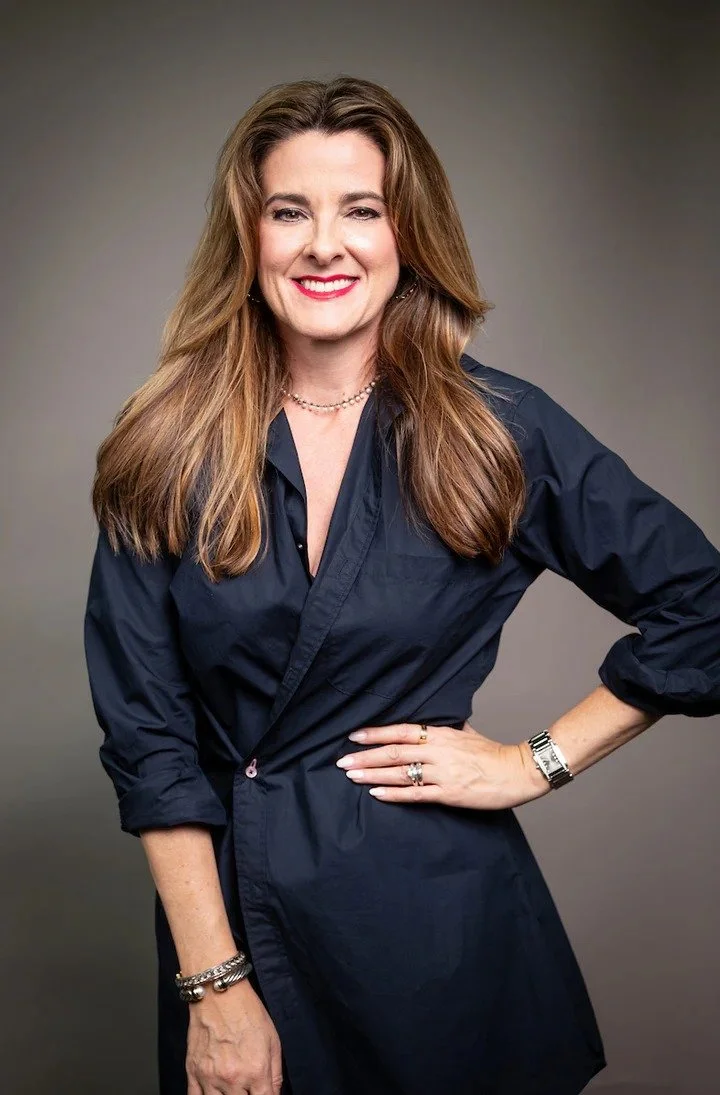
Elaine Turner
Elaine Turner is a renowned fashion designer and entrepreneur based in Houston, Texas. She is the founder and creative director of her luxury fashion brand, which has become a signature part of Houston's design landscape. With over twenty years of experience in the fashion industry, Elaine has built a brand known for impeccable craftsmanship, timeless design, and a deep commitment to quality. Her work has been featured in fashion publications and worn by discerning clients who appreciate the intersection of art and wearability. Beyond fashion, Elaine is a passionate advocate for intentional design and lives by the philosophy that creativity and entrepreneurship can create meaningful impact in the world.
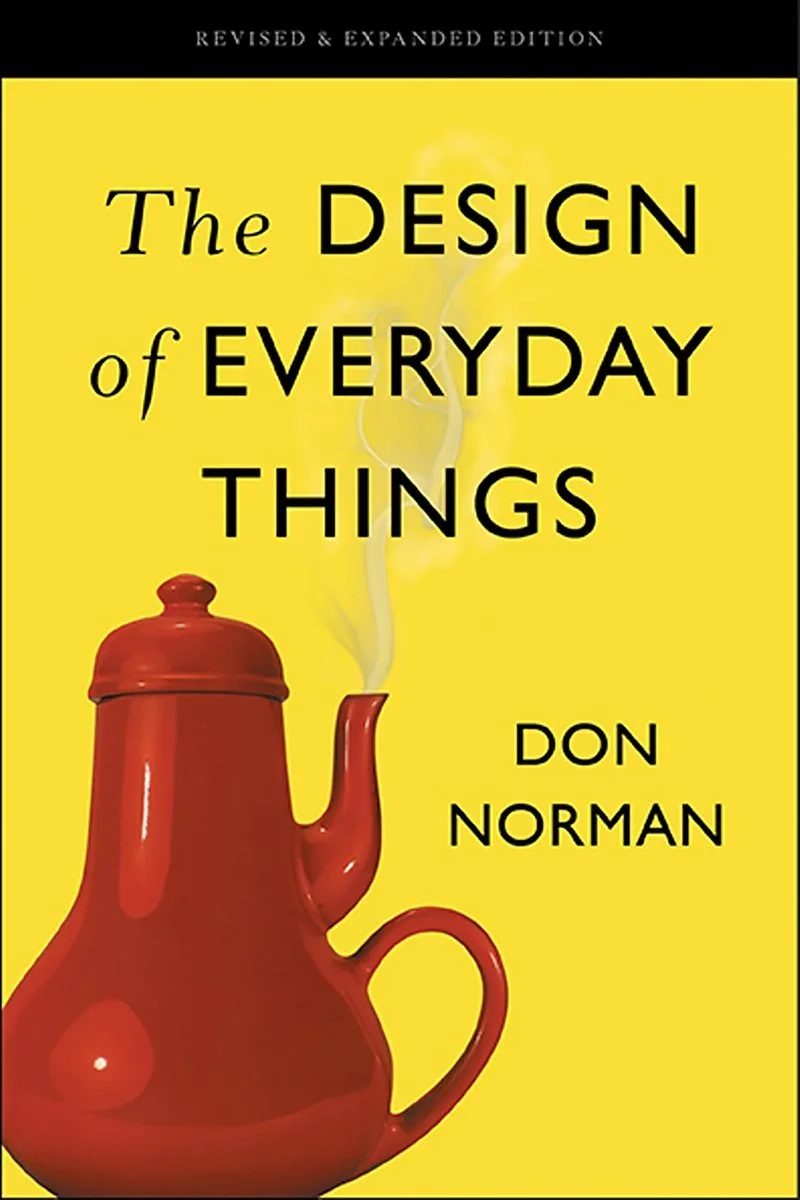
A foundational text on design thinking and how good design solves problems. Perfect for anyone interested in the philosophy behind product creation and user-centered design.
Essential reading for entrepreneurs and business leaders. Sandberg's insights on leadership, ambition, and creating meaningful careers resonate with anyone building a brand.
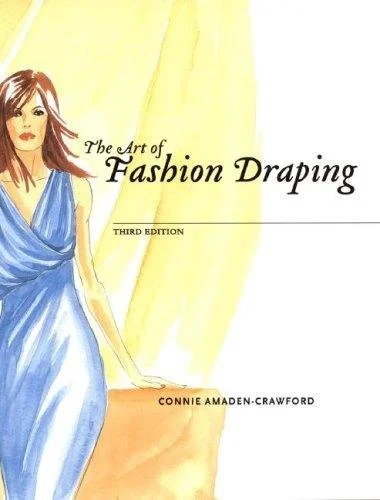
A beautifully illustrated exploration of fashion as an art form. Celebrates the creativity, craftsmanship, and vision behind iconic designs.
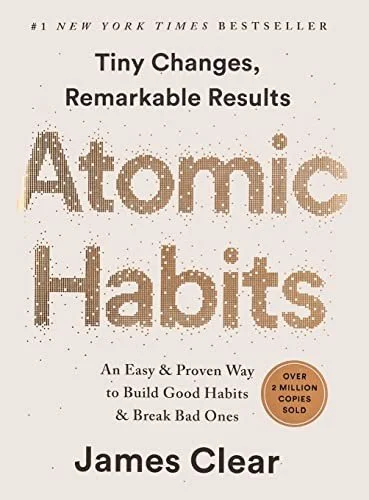
Small habits compound into major results. This book offers practical strategies for building sustainable routines in business and life.
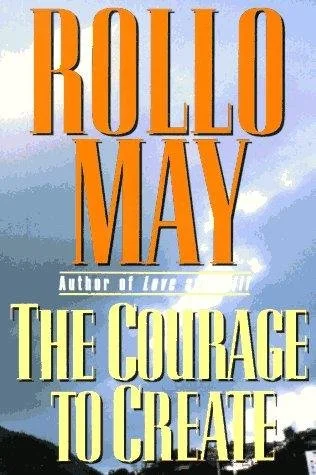
A philosophical exploration of creativity, authenticity, and the creative process. Inspiring for anyone navigating the intersection of art and entrepreneurship.
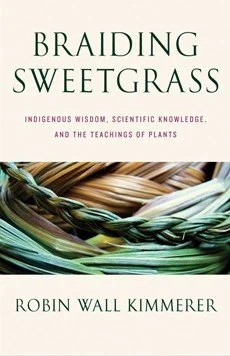
A meditation on connection, sustainability, and our relationship with the natural world. Relevant for designers thinking about ethical and responsible practices.
Resources
Elaine Turner Fashion — [TO ADD - official website]
David Peck on TikTok — https://www.tiktok.com/@itsdavidpeck
David Peck on Instagram — https://www.instagram.com/itsdavidpeck/
Inside the Design Studio Podcast — https://www.itsdavidpeck.com
Lions Gate Portal Information — Celebrated annually on August 8th, associated with manifestation and cosmic alignment