How a Ukrainian refugee became an internationally recognized fashion designer whose creations are worn by global icons.
In this episode, David Peck sits down with Natalia Fedner, a fashion designer whose remarkable journey spans from refugee backgrounds to dressing icons like J. Lo and Beyoncé. Learn how she balanced creative vision with business strategy, overcame obstacles, and built a thriving brand in the competitive fashion industry.
Natalia Fedner's story is one of resilience, artistic passion, and strategic entrepreneurship. Born in Ukraine and immigrating to the United States as a refugee, she discovered her love for design early—sketching clothes and creating collections long before she understood it could be a career.
After studying at the prestigious Parsons School of Design in both Paris and New York, Natalia built her fashion brand from the ground up. Her path to success wasn't linear—she worked as an actor to fund her first collection, demonstrating the creative problem-solving that would define her career.
Today, her designs have been worn by global icons, and she's become a driving force in the fashion industry. In this conversation, Natalia shares the insights, challenges, and triumphs of building a brand that balances creative integrity with commercial succe
Listen to the full episode on your favorite podcast platform.
Subscribe and leave a quick rating or review if you enjoyed it.



“Success in fashion requires balancing your creative vision with the business realities of the industry. You can’t compromise on either.”
Transcript
-
Hey there, design enthusiast. Welcome to Inside the Design Studio, the podcast where we unravel threads of life and design. I'm your host, David Peck, your guide through the cosmic wonders, the tangible touches, and the delightful twists of creating a life you absolutely love. Today's episode is a special peek into my eclectic toolbox, the secret weapons I use to design a life that's as vibrant as my creations. So grab your metaphorical sketch pad and let's dive into the art of intentional living. Today, I am thrilled to welcome my longtime friend and incredibly talented designer, Natalia Fedner. Natalia and I first met over 20 years ago when we were both students at Parsons Paris, and it's incredible to watch her evolution. From her early days as an actor, which helped fund her first collection, to becoming a fashion force who has dressed icons like J. Lo and Beyonce, Natalia has mastered the balance between the art and business of fashion. I can't wait to dive into her journey, her creative process, and how she continues to set trends in the industry. Welcome, Natalia. All right, so let's start at the very beginning, which is always a good place to start, and go back to high school. You were always a very artistic person, but did you know that fashion was it? Like, when did you know that fashion was your thing? I mean, yes, I knew fashion was it from an incredibly early age. I knew that it was it from the time I was, I knew I wanted to do art from the first, I guess, nascent moments of my consciousness, really. But I didn't know that what I was already doing was called fashion until I was probably about 12. But I had been drawing and making little clothes and all that stuff, really, because I enjoyed it. I didn't learn it was a career until I was in sixth grade. And at that point, I was like, well, yeah, I want to do that thing I'm already doing that I love. That's awesome. Now, was your family, I know your family's story is really interesting because they immigrated to the US and did you go directly to Ohio? Was that correct? Well, we technically we well, it was a really long immigration story because we were refugees. So we lived in Europe for a little bit for about three months in Italy. We went through Austria to Italy to this city called Lodispoli, which was really common for refugee immigrants from Ukraine and Russia at that time. It was near Rome. And we were there for about three months while we applied for asylum to different countries. We applied to Canada and the United States specifically. Those were like our goal countries. And Canada said no. And the U.S. thankfully said yes. I still, you know, my parents were both engineers, you know, highly educated. So I think maybe that had something to do with it. I don't know, but I just feel very lucky that we were accepted. And when we got to New York, which is where my mom's best friend was already there. She just told our family that it's really hard here economically. It's really, you know, it's like Brighton Beach area. It's just really tough. If you have relatives somewhere else, you might, you know, it might be better. So we had a great aunt in Ohio and that's how we ended up in Ohio because we had a relative there and we were actually some of the first immigrants from Ohio. the Soviet Union, because it was still the Soviet Union back then. I always feel like I really aged myself when I say that. No, I remember the Iron Curtain. It was it was a thing, the Cold War. It was. Yes, exactly. So, you know, we really were super foreign, like at that time, especially to a place like Columbus, Ohio. And at first, you know, you it's kind of daunting because they don't know what to make of you. But at the same time, we were able to get so much incredible aid from the different groups and organizations that were there. because we were some of the first immigrants there. That's so incredible. So I was asking all that to ask, you were very creative, but it sounds like your parents were engineers. Were they artistic at all? Where did this artistic gene come from? I think that my, yeah, well, my mom has always been an artist. She actually took art classes when she was younger, but it was just not a viable career path in the Soviet Union. You really had just like four categories you could be a part of, you know, like accountant. engineer, you're a really lucky doctor, you know, like there were just really limited higher education opportunities and especially coming from a Jewish family at that time in that place. There were actually government regulations on how many Jewish people could go to certain universities and even stipulations on what kind of jobs they could get. So it really limited their career prospects. So there were limited opportunities, especially for Jewish people in that time, in that place in the Soviet Union, which means that there were only so many Jewish students that could go to certain universities. There were only so many Jewish people who could get certain types of jobs. In fact, there were certain careers that were entirely off limits for Jewish people. And so that's part of the reason we actually left as refugees. We were considered religious refugees. Um, and when we got to the United States, you know, my mom, my dad, they couldn't have ever pursued their original desires to be an artist or historian or whatever. Um, and when we got to the United States, the focus really became security for the family. So they still actually went into those career paths. They had to get their degrees again because their Soviet degrees did not count in America. So they had to go to community college. They'd actually gone to some really top level universities in Russia, but. when they got to Ohio, you know, it was really whatever was the most economical choice. And my mom and dad got their degrees again while learning the language. And so I'm like extremely proud of them because I can't even imagine at 28 years old coming to a completely new country with no immediate family and just like distant relatives and trying to figure it all out for yourselves while having a small five year old daughter with you in tow and trying to figure out what to do with her at the same time. Oh, wow. That's it. That's incredible. It takes so much grit to be able to do that. What was it that made them realize that they could leave and be a refugee? Like, I can imagine that was very difficult at that time to actually leave. It was because it was I think the most difficult part about leaving at that time was that you didn't know if you were ever going to see your relatives again. You know, Soviet Union was really so closed off from the rest of the world on purpose. And so my mom had to make the choice between my future and. being with
-
her own parents and her own sister and her own family and everything she had ever known and like I can't even imagine Having to make such a huge decision to say I might never see my mom again Because I so badly want my daughter to have a better life, right? Yeah, so That was the tough part. They had she had a best friend who had left ten years before through a similar program And so she knew it was possible. And then there was other people who had, she was the only one in my immediate family or even a group of friends at that time who was willing to do it. So everybody else was a little too nervous. The good news is once they got to Ohio and everything was okay, my aunts and my grandma, everybody was actually, there is a happy ending. They were able to come over here. It took a couple of years for it to happen, but pretty much none of my family is in Ukraine anymore. Thank God. And it's thanks to my mom and dad. That's incredible. They're... Very brave people. I agree. They are my heroes. OK, so you ended up going to Parsons in New York. Tell me about how you applied. Did you have people in your community or your high school who sort of opened that door to you? How did you find out about Parsons? Honest, this is so cheesy. But I found out because somebody had left a catalog in the art room. That's it. This is like pseudo. pre-internet days, I mean, we had internet, but it was just so nascent that everything was still paper. You remember? No, I remember, yeah. Beautiful catalog. And like, I think the thing that really struck me was that Parsons wasn't just like this fashion school that you really had to understand art. You had to have a certain level of skill set in the fine arts. And that really appealed to me because I had really spent my time as a kid drawing and painting and taking art classes at Columbus College of Art and Design. which I had a scholarship at, which made it, you know, possibly economically for my family to allow me to do that. And so I painted, I drew, I was not a real fashion designer by any means. I could barely sew. My sewing skills were like troll dolls and Barbie dolls by needle and thread. Like, I didn't know how to use a sewing machine. I certainly had never picked up a pattern. I was not David Peck. Okay, I was not like a wonder kind of sewing. I just, I was a good artist. I could draw, I could draw, but sewing was actually something I did learn at Parsons. So I found the catalog and I was applied. And I actually, I remember thinking, oh my gosh, I have to do this portfolio thing. Again, my family didn't have money for tutors or any of that stuff. I really did have to figure it out on my own. I was the first person in my family applying to college in this way. Um, and so I remember staying up late at night after school, after all the classes, after all the cheerleading practice and cheerleading games. And when my family would go to bed, I would draw self portraits in the mirror in, in a way that I thought was elevated, which literally I remember I have somewhere in the basement. I have this like naked self portrait I did of myself because I felt like I had to prove that I could do a nude. Um, and that was the only way I was ever going to be able to get to do a nude was if it drew myself. because I was not gonna find someone else to draw naked. Yeah. And I did draw one nude that I used as part of my application. It was a very tasteful, subtle, mostly covered kind of a situation, but I just really felt like I had to prove to Parsons, like I'm not just a regular old designer, I can really draw. And so I did that in my portfolio. I really focused heavily on the fine arts because again, my... I didn't have any real fashion background. I'm pretty sure my portfolio had absolutely nothing fashion in it because at that time, that's not even what they asked for, right? Did you have to do anything fashion in yours? No. Well, so my application is a little bit different because I applied as a transfer student, but no, it was exactly that because most people don't realize when you apply to a school that's a fine art school like Parsons, that you're not actually applying to the fashion program. You're applying to their foundation year, which is a fine arts intensive year, and you have to get past the foundation year before you can actually select a major. and then you can do fashion. So when I was advising students and helping them get their portfolios together, I was like, if you can figure out how to incorporate fashion in a way that feels fine art, then you can do it. But like, nobody really needs to see fashion illustrations. They wanna see that you can draw. And so you did exactly the right thing because I included a couple of fashion illustrations, I think, because I was interested in the fashion design program, but it was a fine arts portfolio. Did you skip foundation year or did you end up, because you transferred? Yeah, so I had a degree in classical music and That's right, I remember that. never taken an art class. But I was always creative and I taught myself to sew and those kinds of things. So I went to a community college actually and just studio art classes. So I took life drawing and intro to drawing and design, whatever, a lot of the classes basically that you would have taken during foundation year at Parsons. And luckily my portfolio, I guess, was strong enough that they accepted those credits because it was an accredited community college program. They accepted them as transfer credits and then my portfolio. So they allowed me to go directly into the second year and to directly into the fashion program without having to do foundation year. So I was- That's awesome. Yeah. Yeah, and I know it's different now. Like I remember that now they don't, they don't think they have a foundation anymore, do they? Or is it like- I think they must have something, but it has evolved and changed based on, I mean, everything's, I mean, that was 20 years, 24 years ago, I guess, when we started. To live off these round cheeks over here, David, you and I got these round cheeks. We got to leverage these as long as they last. Filters are for anyway. So you, you made it to New York. And the way we met was because you ended up doing your junior year at Parsons in Paris, which is where I was. And I think one of my biggest regrets is that I didn't finish up my senior year there. Honestly, it was my favorite. It was my favorite year in the whole four years of Parsons was Parsons Paris. It was truly the most creative and liberating and exciting. And I loved it. It was really a magical place. And I think what was different about Parsons, Paris versus New York is just the size and the intimacy of it. And obviously, the city is so different. But I also just like, th
-
is sounds awful, but I feel like in New York, there was a level of snobbiness. And I hate saying that, but it's true. And I didn't get that in Paris. In Paris, there might be pushback on some of your ideas. But overall, they really let you kind of do what you wanted or figure it out. And in New York, it was really like, this is sportswear and we do sportswear in New York and that's what it is. And someone like me who didn't really understand the fashion industry, other than just a concept, didn't know, oh, wait, I'm not a sportswear designer, probably shouldn't be trying to do sportswear, but I tried miserably to do sportswear because that's what I was told you were supposed to do in fashion in New York, you know? So I think Paris has a much more open mind. towards different types of fashion and elevated fashion and artistic fashion, fashion that's not necessarily the most wearable. No, it's a very much an artistic view. And I think that's why I decided to stay was because I knew nothing about the fashion industry at all when I went there. I just knew it was like, oh, this is something I like. I'm kind of good at it. But then when they offered the opportunity to stay in Paris and graduate, it made a lot of sense because when I heard about the... education in New York, the style of it. I was like, I don't know that I'm going to enjoy it. Like, I really love the making and the creating, and I don't necessarily want to sit and design sportswear, like you're saying. It was not, it wasn't, didn't feel like me. And again, that has changed so much since we were students. There's, there's a lot more openness and a lot more variety in the programs at school, like Parsons, especially thanks to Instagram. I mean, Instagram revolutionized the fact that we could create super artistic, over-the-top fashion and it be. like wanted and not just be like an art statement. So I really do believe thanks to social media and Instagram. Now it's not just Central St. Martin's out there that's like creating super creative out there work. It's really all the schools, including Parsons. I don't know if you saw some of their shows in the last few years, there's some out there stuff. Yeah, it's really changed. I mean, I even went, when I lived in New York after I lived in Paris, I taught in the continuing education part of Parsons in New York. And it's changed even since then. And it's kind of incredible to see. So I'm really glad it changed. I'm really, really glad it changed. Even some of the stuff I see with FIT, which was FIT was considered even more sports were even more technical than Parsons at that time. And now they've got so much artistic stuff coming out of their programs. And I know that maybe not logical as a person who knows this industry is so tough to say, oh, I love that it's so artistic because I know it's not going to be easy for those. the more artistic students to get a regular job. But I also hope that they can make it in this world without a regular job, that they can build their own job. Well, that was something I struggled with as coming back from Europe is getting a regular job because I didn't have the same qualifications. And so when I showed my portfolio, the people were like, oh, this is amazing. And they were so excited by it, but like I didn't have, you know, CAD skills. And like I wasn't, I was not the ideal person to go sit in a cubicle at J.Crew and design. Like that just wasn't my. what I could do, like I literally couldn't do it. I tried to do it, something like that, and I was so miserable, like I still could not handle it. I know, I think that's part of why I started my own thing, was so early, even though I didn't intend to do it so quickly, was because finding a job that I felt was creatively fulfilling and was something that I could do was almost impossible to find. Yeah, yeah, well, and also, you know, in our industry, so much of the time, it's like, who's your family, who are you connected to? And if you don't necessarily have those things, it's really hard to just go, I'm gonna do my own thing and have the guts to do it. I remember when I started my own line, you were one of the first people I contacted was like, how did you do this? How? Because this is tough and scary and financially overwhelming. And you gave me such good advice right off the bat. And I remember it was at a point in your life where you were transitioning from having one company to another. I think it was at the very beginning of David Tech, right? Yeah. So for me, like that, the advice of just like, you know, one of the best advice pieces that you gave me was like, hey, you know, if you can do this on your own, like on your own own, like without a partner, do it, do it. Because then you're not, you know, you're not beholden to anybody else or anybody else's concept of how to run the company. And I thought that was really good advice. And I use that advice to this day. And I feel like I'm really happy because I, everything I do is just what I want to do. Like I'm like an adult child. You know, like it's just. Every day I wake up, I'm like, what am I doing today? Oh, I'm gonna go play arts and crafts for a living. No, I mean, that's its own challenge, which we can talk about, but it is one of those things that you don't learn in school. They don't teach you about, I think maybe now there are more classes and with the internet, the information has changed, but I definitely did not get the... education about what it meant to be an entrepreneur, and especially an entrepreneur in the fashion industry or creative industry. Oh, business, yeah, they did not. I mean, I think we did have one business class in Parsons, New York, I remember. Yeah, we did too. And they did have to write a business plan. And I remember, I was so exhausted from staying up all night every night making the physical clothing, because this was during the era of Parsons where you definitely had to make everything yourself, or at least you were supposed to, that I couldn't stay awake through that class. I remember I would sit in the front row. you're supposed to sit in the front row if you really want to absorb information. So I'd make myself sit in the front row and I would still fall asleep in front of the teacher because I was just so exhausted. So like that's information. And it was like, frankly, it was really boring and it was not easy to grasp. And it was just a business plan writing class. It wasn't actually like how to run your business. So that was it. That's all I got out of Parsons about business. So it's very much experience that teaches you how to do it. And I remember there was some kids in my class who had gone to like Brown or Yale before they went to Parsons and they had studied, gotten an undergraduate i
-
n business. And if there was one thing I could do different in my life, it would be to do that. I thought that was really slippery. But I was so amped to get out of high school and get like, get my like fashion art career going that I couldn't imagine doing four more year of academics. I was like so over academics. But I get if I had to take like baby Natalia and be like, Hey, like this will save you time and money and heartache in the future. It would probably be to understand business. Did you always think that you would have your own line or did you think you were going to go work for a company? I think because fashion was so innate to me and thank you David for this question because right now as we're speaking, I'm starting to realize something that I don't think I've ever really verbalized before. And it's that because fashion. was so innate to me. It wasn't something I picked out of an idea of what I could be as an adult. It was something I was already doing and then learned the word for. I never understood on a deeper level what it meant to be a designer in the real world as far as that most designers designed for someone else or under another designer. So that was a shocking concept that landed on me when I was at Parsons, right? Like I didn't really get that. Because in my head, I'd always been designing whatever the hell I wanted to that was popping out of my brain. And I think there was a lot of friction for me when I entered the workforce and like a lot of just depression, to be frank, about, wow, I'm, I can design under someone else's aesthetic. I've spent four years at Parsons learning how to do this, but it doesn't make me happy. And so I always imagined that I would have my own line. And it was only at Parsons when the reality of the world and how the world works. landed on my shoulders that I stopped and thought, oh, I guess I have to work for someone else. And clearly that did not last long or work well for me. Well, speaking of that, so you did have a brief stint in doing the typical work that you would get after you would graduate, which is also very hard to do, might I add. I think the year that we graduated, there was some statistic, I feel like, there were only a couple people in New York who got full-time jobs after that graduating class. I don't know, I think you graduated, did you graduate one year after me? I can't remember. I did. I graduated in 2005. Graduated in six. Yeah, so I had an OK experience. My internship at Calvin Klein Collection turned into a job. Now, it was a minimum wage job in New York City. But it was a pretty great first job. It just was impossible to continue to live in New York City and have that job. Right. You couldn't pay for your, unless your mom and dad. Again, this is like this whole other product. Sorry, this whole other concept of privilege comes into play here. And I'm starting to realize this more and more as a business owner myself when I'm hiring people and meeting interns, is like how much financial stability and financial privilege play a role in being able to secure a job in the arts. Because the kids whose parents were paying the rent or had whatever financial stability through whatever other means, were able to take a low paying job. You know, they could be just as talented, just as hardworking as me, but they also had that. cushion that allowed them to make those choices. Whereas someone like me who didn't have that cushion, I had to also consider my finances, which I hated doing, because I'm such an artist. I hated it, but you gotta pay your rent and buy food. Yeah, unfortunately, it's true. There's a lot of- So I moved on to Calvin Klein jeans, where the pay was way higher. I think I was, let's see, I'll be completely transparent. I think I was making 40K in 2006 or 2007. which was actually considered a really solid or starting salary in fashion, which was like quite a bit more than I was doing at Calvin Klein Collection. But it was exactly what you said, where it was like almost like CAD level work and like sitting behind a desk and like- And acts and very- Yeah, and you have to remember the business of fashion is a business. So Calvin Klein jeans and bridge lines like that, or department store lines like that, they have, their bottom line is the bottom line. They're not trying to do the world's most creative thing. They're trying to figure out. how to maximize their profits. So if they see another company doing something that's really trendy and really selling, they're gonna go, we're gonna just copy that. And if you're artistic, being told to copy things is soul crushing. So I definitely did not last at that job. No, it's true. Cause I knew people who got like really cool jobs when they graduated and working for a really young, hot designer. And they were barely making like 20,000 a year in New York city. And then you go and you're working at this job, which is like, for you, soul crushing, and you're still only making 40K in like New York City. You're still just getting by. Yeah, which is- But you're able to get by, you're just getting by. Exactly, you're not having a life. So you took a break for a bit and you pursued acting, which I think is so cool. Yes, so you know how, that's why I loved so much. You know, David, I only learned about your music background years after we graduated. Like I had no clue while we were Parsons and knew each other then that you had this incredible- And I don't know how much you talk about it, but, you know, David was a very accomplished classical musician. Like this is, he doesn't toot his own horn enough. Um, and so it's refreshing to talk to someone else who has multiple art talents and to remind the world that you don't have to sit in whatever little cubbyhole the world thinks that you're good at. Um, but yeah, I, I was really, um, sad after I graduated Parsons and felt like this was not what I had worked so hard for. I had saved so much. You know, literally I was working computer lab jobs, you know, whatever bartending job. My parents were helping me pay for college too, which again is part of privilege. My parents were able to help me a little bit in whatever way they could, but that little bit helped. And so I was looking around and I was going, I just spent as much money as I probably would have spent going to Harvard to get an art degree because I so badly believe in this career path. And my parents the whole time are like, what are you doing? You know, being like, Soviet immigrants, they wanted me to be a lawyer, doctor, accountant, etc. And so when I looked around, I was like, what am I doing? You know, like I'm sitting behind a desk copying a copy of a copy of a copy. And that's when I was like, what else do I like to do? And I was like, well, in high sch
-
ool, I acted and I had a lot of fun and everybody says I have a big personality. So I remember I was on the Upper West Side in Manhattan and there was this bus that drove by. God, I'm so like, I'm just thinking now, like my life is so analog. This bus that drove by with this giant ad on it. And the ad had a picture of Robert Redford on it and said, American Academy of Dramatic Arts. And I have had a crush on Robert Redford since I watched the great Gatsby, the 1970s version. So I was like, ooh, Robert Redford? And I remember the one of the fun facts I learned about Robert Redford years ago was that he was a painter before he was an actor. He was actually in Paris studying fine art before he got into acting. And I was like, well, maybe I'm like a Robert Redford inside and I can just... do this transition. And so I went to an open house at the American Academy of Dramatic Arts on Madison Avenue in New York City. And it was wild and so much fun and so freeing for someone who had really felt they had to control everything about themselves while at Parsons. Because again, this was a very competitive time at Parsons and very like fit the mold time in Parsons that is different than the current Parsons. And so for me, it was like liberating. And so I applied. I somehow got in. I still am shocked that I got in. It was pretty hard to get into that school. A lot of school got in and had years of professional acting training. They must have seen something in me. I don't know. Or I just got lucky. But I spent two years at ADA, which is the acronym, and it was the best therapy I could have paid for. That's incredible. And did you, in doing that, were you working the whole time while you were going to school? Oh, yeah. Of course, I was like, there was all these students from like England. It was a very popular program with British students and all these like young kids out of high school. And then there was me who they would do like a half day. And then I would go to my like technical fashion job. So I was still working in fashion, doing the really I was actually doing menswear design at a company that was owned by like, I think a relative of the VP at Calvin Klein. And I would still do go back to Calvin Klein actually in the evenings when they needed extra help with tech packs. So I was doing whatever I could to pay the bills because I didn't even tell my family that I was going to acting school when I first applied. Because I couldn't imagine them being like, oh my God, we just like, she just went to art school and now she's going to acting school. Like, where did we go wrong with our child? Did we just like sacrifice everything for this artist? Question mark. And so I think my mom was, I had to end up telling my mom at some point, cause I needed to get FAFSA money. And so I needed her to help fill out the forms. And then my dad found out, I think the second year I was in acting school and I was paying for it entirely by myself. I did not, like, I was like, I'm not even gonna ask him for a penny for this. And so I took out a bunch of student loans and continued to work. And that's how I paid for Ada, while starting to pay off my person's student loans. You know, it's fun. Just keep it all going. I did, and you know what, I'm proud because by the time I was 30, at the time I thought it was a failure, but by 35, I finished paying off all my student loans. And that is why I go home to the house, everyone. Yeah. But that's incredible. Not many people are able to say that they do that, especially in a creative career. Well, to bring it up. Yeah. But again, like, I think it's kind of funny because economically speaking, again, if I had to go back in time and be like, maybe slow down paying off the loans and buy a house. Yeah. Well, you never, yeah. I mean, but it's all these things that we don't learn in school that you learn in real life. I just knew from my parents that you cannot owe money to anyone. That was very immigrant mentality. You have to pay off every bill, like everything. You never owe anybody anything. And so I think that's why I was such a good little, like, payer offer of my student loans. Yeah, no, that's very- Yeah, so I went to acting school and then, sorry, I'm so long-winded, but to wrap up the acting school story, I was really young looking. Like, I was still fairly young at this time, David. I was 25 when I graduated acting school, which to me felt like I was an old lady, but in those grand scheme of things, I was quite young and I met a casting director. who worked between LA and New York. And she, I auditioned for a commercial. I got cast in the commercial and it helped me secure my Screen Actors Guild card. So I got into the union really quickly actually, which is quite a challenge for a lot of people. And she said, you have to move to LA. She's like, you look so young for your age. And there's this thing in LA called 18 to look younger, 18 T Y L. And it's something on every show because there's laws in... which prevent people who are under 18 from acting certain hours, certain lengths of hours, certain places, just a lot of stipulations when someone's a kid to protect them, which is good. But that's great for the teenagers and young adults who still look like they're 16 or 15 and happen to be 18, 19, 20. And that was me. And so it was kind of funny because I went from this, what I thought was such a rugged life of living in New York and I felt like I was like 85. And then I had to go in there and be like, hi, I'm Natalia. I'm like 13 years old. It was really, really funny because I remember I was able to get like an agent and a manager pretty quickly because of how young I looked. So my age, I was 25, about to be 26, and my agent and manager represented children. So it was like top agency, top manager, but the kids division. So you know, hey, it worked. It worked. I was able to get acting roles and do all that for a few years. But the whole time my representation was kids representation. I love that. Well, this kind of, you know, the inspiration behind this podcast is and the reason it's called inside the design studios after inside the actor's studio, which James Lipton. Did you ever go to any of those? I actually went when I was at Parsons. No, because I was never really lived in New York when that was, I guess he was still doing it, I guess when I lived in New York, but no, I never made it. I went a couple of times. I went to the Johnny Depp one and I went to the Robert Redford one. And I remember the Robert Redford one, you're not supposed to do any photography. And I had my like digital camera because this was pre iPhone era. And I'm like, I don't care. I'm gonna get a photo. But being me, I'm like being completely a space cadet. I definitely forgot to tu
-
rn off the flash. And I totally took a picture and all of a sudden James Lipton was like, who's that? And Robert Redford's like, that's very rude. And I was like, I'm getting chastised by Robert Redford. At the time I was mortified and kind of angry, but now looking back on it, I'm like, that's cool. I got yelled at by Robert Eppert. I know he acknowledged you, even though he didn't know that he did. He didn't know that he did. I'm sure they couldn't see me in the audience because you know it's a lot of people, but you know, that's my, inside the actor's studio embarrassing story. I love that. You've actually been in the room and I never made it to the room, so. Cool. So you were in LA doing children's work essentially, which is for people to like, especially. our era, like Dawson's Creek and everything, everyone like made jokes about it. All these actors are 30 playing you. You were doing that essentially. Yeah, like Icarly, like Conan, I would constantly play teenagers on Conan. Commercials, I was in a Toyota commercial playing a teenager and sometimes it was so funny because on Conan, they would cast me and sometimes they would cast like real kids and I, like my boyfriend in one of the sketches was like a 16 year old boy and I was like, this feels... wrong. 28 year old woman. There's like a 60. I'm like, is this mom around? Like I want to make sure this is like supervised. I know this is not awkward at all. Not awkward at all. Exactly. Yeah, it's all smoke and mirrors people, which is fashion too. It's a lot of smoke and mirrors. So Were you doing anything related to fashion while you were doing acting or had you kind of left that aside? I mean, I still had to pay the bills and acting, you know, it wasn't consistent, right? Like, you know, acting, unless you're super famous, is not really that much money. You get like you get like union rates, which is really not that much, especially this was the beginning of digital media. And digital media didn't have a good contract at that time. So you were talking about Web series, anything you're watching online. So actors are getting paid really little money, like I think like one hundred and fifty dollars a day. for like a speaking role on a web series, which is no longer the case, but at the time, I mean, that's so little money for a project that's being done by Warner Brothers. I was involved in a Warner Brothers project, and again, looking back, I'm like, that's wild, that's like how little they paid. I was doing costume design on the side. I did not have a formal background in costume design. I never actually studied it, but I loved history. And we studied a lot of history in high school and at Parsons. And so I was at a place called Maker Studios. Maker Studios was eventually bought by Disney. At the time, it was a huge incubator for YouTube talent. So I was working as an assistant costume designer on a show called Epic Rap Battles of History, where you would literally have characters from history have rap battles with each other. And so as a costume designer, like I got to make Marilyn Monroe's dress, you know, that famous pleated dress, like from the seven year itch. And I got to make gladiator clothing. So it was pretty fun, you know, and they gave me a steady paycheck, which allowed me to apply for apartments and get approved because I don't know how much you guys know this, but you got to have like a steady income. You can't just be like, I'm a freelancer. I get paid sometimes. So if you have like some sort of like a pay stub that actually shows you as having consistent work, you're much more likely to get a lease of any kind. And I did that for a few years. And I also did website design, which is something I learned at Parsons, my foundation year. So don't knock foundation here. I learned how to do website design. I learned basic HTML. And then through learning basic HTML, I taught myself Dreamweaver and my friend Edgar helped me with the Dreamweaver. And I was in LA and I'm like looking around and realizing all these actors and directors and producers and casting directors, they all need websites, they're their own brands. And so I was one of the first website designers who specialized in actors and the industry. And it was so cheap. You can get a website out of me for like $200, like $300. This is early days, but little things like that, like that's how I kept the lights on and fed myself in between acting gigs. I found it incredibly boring, but also like lucrative. Yeah, no, it was something, it was a skill you had, you were able to monetize it and make it work, as Tim Dunn said. Oh yeah, no, I mean, like there was so many, David, you know when I started my line, I was still, I stopped doing website design pretty early on because it was just like, I was just, it just took too much time. frankly, but I, when I started my line, I was still working nights at Getty images because I had done content population for Getty images for years, which is in essence, like there's a big event that occurs and they have the Getty images photographers and videographers who are hired to cover the event. And then somebody has to send out a press release to all the different outlets like online and offline that are then gonna write about it. And so when you're online consuming those images, on whatever websites you're on, people.com, those images are probably coming through Getty images and someone like me on the backend at 3 a.m. at night after the event is done and has to put all of that onto one page and then email it out. It's called an electronic press kit and EPK. And I would send those out and it paid so well. And everybody at Getty was so freaking nice. It was the best artist job because even though it was crazy hours, and I'm probably too old to do it now, in my 20s, it was... perfect. And again, it paid so, so well. And it was like three hours of work. And you'd be like, okay, good. I can pay my rent for like the month. Yeah. I don't know. I remember Getty images very well, because I remember when we had our first show in New York and we got covered in Getty and I was just like, what? Like I was so excited that we were able to get images. Yeah. And that's the other wild thing about this. You know, like you said, the inside, you know, it's like the inside of the actor's studio. I had no idea at that time that working with Getty would then help me so much when I started my own line and I needed coverage or help or like they've been so incredibly amazing to me. Like Jodi Breutman is amazing. I'm just gonna give her a shout out. Amazing woman at Getty Images who's just believed in me so much since the moment I started my line. And Dave Adelson is another one. And so whenever I've needed anything in her, I'm like, oh, I'm lik
-
e, hey, these images aren't showing up. They helped me out because they know me. And that was an invaluable contact to me as a fashion designer that I had no idea I was even creating at that time. Just like some of my clients who went on to become famous actors who weren't that famous when I started working with them as a website designer. Like Naomi Grossman from American Horror Story, you know, she got American Horror Story while I was doing her website. And I remember she always jokes about when I fired her as a client because I was done with website design. We're still friends. And so now I dress her for carpets when she has those. And so if there's like a lesson to this like hodgepodge of all these different things I've done, it's like, you know, that's life and it will actually help you. The more things you've experienced, the more you're able to bring to the table at whatever table you're at. Yeah, you can synthesize them. I think that's something I didn't, I always knew that being kind to people was important just because I think that's a value that my family instilled into me. But... how much it really comes back. And you end up working with people time and again that you had a relationship with in a different way, you know, years ago, and not realizing how small the world is, especially in creative industries, and how much you rely on those types of relationships to help get by, because you can't always just pay for everything. Well, and that's the thing is that people don't understand. I've said this before, and I hope this doesn't sound cold. I actually hope it sounds warm, but kindness is a currency. Yeah. And when you don't have a lot of money, you got to figure out whatever kind of currency you can and hopefully an ethical version of currency. And when I started my line, it was thanks to kindness that I got my first step up. I think you and I have talked about it a little bit. Did I ever tell you about Ludmila? Yes. Yeah, yeah. The seamstress. Exactly. So, you know, I'll repeat it here real quickly, but my tailor at the time was a tailor to the stars. She did alterations for a lot of big celebrities and I found her on Craigslist. And she was, you know, she needed a website. So I literally built her a website in exchange for her sewing services. So I was like, yeah, save some money there. And when we finished the collection in the Guinness of Los Angeles and at this point, I'm like, I don't have any fashion connects in L.A. All my connects are in New York or Paris. And really at that point, very stale, because it had been like five to ten years since I had talked to any of those people. Yeah. And she sat me down at her computer. And she had me attach photos and type a little something about my line. And she's like, just do this. She's like, I will fill in the, the person that's going to, you know, the two parts and she sent it to like JLo's stylist, Beyonce's stylist, Kim Kardashian stylist. And so within a week, I had some of the biggest names in fashion, asking to borrow my pieces for projects. And then it took a few months for them to actually, you know, work out. It wasn't completely immediate. But it was truly because of this incredible relationship I'd formed with this tailor, that I was able to get this leg up in a town where everyone is trying to get in front of these stylists, right? Like, and that was because I saw her as a human who was nice and she was nice to me and I was nice to her. But I witnessed people treat her like crap because they just see her as a sewer or a tailor or because she has a thick accent or whatever. And for me, this was like such a huge testament to like kindness is everything and kindness is currency. Yeah. you got something you could have never really ever afforded to pay for her out of that. That's that's incredible. And it's like you could pay for showrooms and things like that, thousands and thousands of dollars to get a percentage of that. Right. Yeah, I think that's yeah. Being a good human goes a long way. Yeah. Especially when you don't have money. It really it really does help. And sometimes it can feel very frustrating because it can take long. That's true, David. And you're like, why am I struggling so much when I've been so kind to people? And what I will say is that it always does come back around. It may not be when you thought you wanted it or needed it, but it does come back around. I think so too. I really do. And I think that when you're a kind person, I don't know about you, I don't ask for a lot of favors. I don't know if it's just because I'm proud or what, but I know that when I do ask for a favor, people do it because it's rare. It's true. kind to others, there's a really good chance that you've done a lot of favors. So like on the few times where I've had to ask for help or a connection, people have done it. Yeah. And also like I sleep good at night. Yeah. You don't have to worry that you screwed somebody over. You know that you treated them as well as you could. And you know, it's so sad to admit, and I think it's a little better now because it's a much more collaborative time, again, thanks to social media. But you know how it was when we were at Parsons and just how it felt like. so competitive in an unhealthy way in some ways. Maybe not at Pay and Parsons Paris, but really in Parsons, New York. And that sort of like level of like negative competition makes people unkind. And I know that I saw unkind people succeed. I think there are people in our industry at this moment who are unkind, who are successful and that's fine. I'm not gonna be that person who pretends like only nice people succeed. Cause that's who it is. A lot of times it's the not so nice ones who do, because it's a hell of a lot easier to get ahead faster when you're not concerned about the people you're crushing along the way. But there's those of us that would rather take that slow, successful journey and be really happy and be kind and sleep well at night and have a good life and speed it up at the price of so many others. Yeah, I am. Amen to that. So you started your line in, was it 2016, 15? Um, actually 2014. So you're coming out your 10 year anniversary. I know I got to do something. Oh my gosh. I'm so bad at anniversaries. I'm so bad at celebrating anything actually. I'm terrible at milestones, but yeah, it's going to be 10 years in October since I filed the paperwork with the state of California. That's incredible. Yeah. Cause I think we ended up talking in the fall of October, 2015 was when we had lunch in LA and you, um, you had just started. Yeah, I remember, I think I must have called you maybe even in 2013, because it was in 2013 that I started like the very beginning work on everything. In 2014 was when I did Proj
-
ect Runway. That's right. Oh, we didn't even get there. So like the kind of the melding of world. So acting and TV and Project Runway. So tell us about how did that happen? How did that kind of come to be? Well, I had, you know, Both, I think you, did you know Tim Gunn when he was at Parsons or was that just me? You knew him because he was in New York. I met him because I worked backstage at On Project Runway when they filmed in Paris the second season, I think. So I had met him because of that, but I was never a student under Tim Gunn because I never attended New York. Okay. Yeah. I was a student under him or, well, he was a chair of the department. And so I had that relationship with him and I... When I started my line in LA, this was so many years since I'd seen him, but like, I knew that I needed to get the line out there. And when Project Runway emailed me about auditioning, I was like, I think I need to do this. And so I applied and it was a process. At the time, I think Heidi, she couldn't do that season. she had a conflict with America's Got Talent. And so because they had like some sort of paperwork between Tim and Heidi, they actually couldn't call it Project Runway Regular. They had to call it Project Runway Colon Under the Gun. So it was their own special season. And so in order for it to be sort of different, they created like a mentor thing where they had three different mentors, almost like the voice. And so it was a different format for Project Runway, but I will say it was probably just as stressful. Yeah, I can't imagine. Like I, the one I got. I've been approached to do it, not recently, but several times. And I always said no, because I was like, I don't think that I would thrive under those circumstances. I don't think I thrived. I survived. But it got your name out there, I think in a way. Like I was so excited. I mean, I still, sorry to interrupt you. I still have people who will message me, I've been following you since you're on Project Runway. And it is so sweet to see that. It really, it really is. But I think because it was such a stressful experience for me, I didn't lean on it once it finished. I sort of separated myself from it. And I actually remember for a long time, I wouldn't even put it in any of my websites or bios and anything. I really, this is gonna sound kind of awful, but like I wanted to succeed on my own terms and not because people, and not have people think I succeeded because I was on Project Runway. And that's the truth. I didn't succeed because I was on Project Runway. I succeeded thanks to people like Ludmila and because of stylists in Los Angeles and stores here that believed in me. But Project Runway did help me online. Thanks to Project Runway, I was able to get verified on Instagram early on in the early days. And when you're verified on Instagram and you message people, and I'm a hustler, so I message people like stylists or assistants of stylists. they are much more likely to see your message. It's not gonna end up in their little filtered spam box. Right. So I think Project Runway helped me with that. Yeah. I'll give them those, they get those points. I also think they taught me that I can make an outfit in less than 24 hours. It was really eight hours that we had to make an outfit, not 24. And I don't know that I would have really believed that because I was so meticulous before, and I'm still meticulous, but meticulous to the point where I'd be like, no way, I need like two weeks. And now I'm like, the celebrity comes to me and they're like, we need this by tomorrow morning. I'm like, I got it. We'll do it. Like Beyonce thing that just came out that red outfit. We literally whipped that up like overnight, which is wild to think about because it doesn't seem physically possible, but somehow we did it. We make it work. So yeah, so there were some good lessons from Project Runway. I don't necessarily think it's a great environment for people who are a little bit sensitive and nice. You know, they want the drama. Yeah. I think I could have handled that, but I think what I wouldn't have wanted is, I feel like the people who have very much succeeded at Project Runway are people who've been able to kind of make themselves a character and the persona. And then I think Christian Serrano has been brilliant about how he parlayed his time on Project Runway into a business, because I think he was very aware and it was like also right time, right place. But he's also so young, which is quite impressive that he was able to be able to come out so young. It's just, it's very interesting. I think it, and I knew that I wasn't willing to do that, to like capitalize on the success of it. So I just never pursued it anyway. But it's just- You're a wiser man than me. I don't think I thought that deeply or that far ahead. I think my thought process was like, I need to get my name out there somehow. And this is not going to cost me anything other than my soul. Yeah. Well, you know, there's that. But yours is that price. I know. But you're my two good friends, you and Chloe Dow, who both are Project Runway alums and have used it. I think in the end, it has helped. But I think it's also coming to terms with it is not always the easiest thing either. So it's an interesting. It's one of those things where I could have parlayed it much more into something because I have a hosting and entertainment background. I have an acting degree. I know how to read teleprompter. I could certainly have. parlayed more out of it, but I think I just did not have the best experience. Unfortunately, it was really tough on me. And so I walked away from it with the lesson of like, well, what, what didn't I like and what did I like? And I realized I love making things. I love making art. And I think for my soul, I need to just physically make things like I love physically making the garments, not just sketching it, not just telling someone else to do it. Um, and so I also got that lesson at a project runway. I knew I would have to have a couture. wearable art kind of line out of that process because I, that's what I love. That's what made me happy. It wasn't just, it wasn't like the fashion industry made me happy. The fashion industry is a pretty toxic place. And I knew that like for my happiness, I would kind of have to be a peripheral bubble floating along the other bubbles and not getting too close. Yeah. I feel the same way about fashion. I love the physical. I don't really make much anymore. but I love being involved in the physical process. Like if I just sketched all day, and I think that's also why I knew I couldn't do like the cubicle jobs in New York, like the, you know, just sketching things. And I wasn't interested in the fashion industry that much. I
-
love the process and the making and the, like what you do is very sculptural. And because it's three-dimensional, it's tactile. Like, you know, there's so much, you have to get your hands on it to really understand like how special it is. And I feel like that's what I like about what. we do here too is like there's so much connection to from the person who is wearing the garment to what we are making and like that feels different in industry but the fashion industry itself is not that interesting to me especially now at my age. Yeah I think there's luckily it's kind of a diversified industry so there's aspects of it that are interesting but overall it's still a business you know businesses and I was just thinking David I'm like I actually think you would do well on Like, Oh, I actually think I would. I just didn't want to. Oh, yeah. Because I'm like, I think the people who did really at least my season, the guy who won, he was just an incredible sewer. I mean, he was also a very talented designer, but you were you were always an incredible. I remember that about you at Parsons, like you knew how to do patterns and everything. Like you had like really good technical skills and you to have that as a true foundation and speed and speed. And you had all of that. So should you ever have the opportunity to project runway and maybe change your mind, I would say maybe go for it like. I didn't have a great experience, but it was like a combination of things that were not entirely the show's fault. It was also just where I was at mentally and a lot of things that were going on in my own life and my own health at that moment. And so I think it could be a really good experience for someone other than me. Yeah. Hey, if they ask me back on a judge, I'll be there. Oh, I would judge all day every day. Are you kidding? That's where I would do it. Yeah. I mean, we love to judge. Who doesn't love to judge? Yeah, that's the one part of the fashion industry I can get behind. No, just kidding. OK, so we've talked a lot. I we've covered a lot of the things that kind of got you to where you are. But we haven't talked about what is it that you find the most challenging in terms of being? Because I really truly view you as an artist. Like I think what you do is so artistic and it's. So different from somebody who's creating a seasonal line, who's showing it at market and everything, what you do is so unique and special. How do you balance that with having to run a business and pay bills? Because I think that is very tricky. They're very separate parts of your brain. And I know that it can't come easily. Oh, David, the pain of one. I don't know. I ask myself that question every single week. I think thanks to people like you and other entrepreneurs in my life, I was able to check some boxes early on in building my business to get, I think it's important to do the structuring right off the bat, you know, form an LLC, get your paperwork in place, get a CPA, all that boring stuff so that when you're someone like me who hates doing that stuff, you have someone in your corner who can help you. Right. I don't have a ton of money to throw at those different kinds of people. And I've been extremely lucky that I've had people help me out either for free or for a, you know, lower. cost than others. So that's my one thing is having people, I can like, I have a CPA, I can call up if I have a question, which is just infinitely helpful. When I secured my patent for my textile, I had a lawyer who did it pro bono, which is wild, wild. He did it for free. When I filed for my provisional patent, I did pay an attorney at that time, and I think it was like $3,000 or $4,000. But then this other lawyer, Tim, he was like, just help me out because he was a friend of a friend of mine. I still don't understand how he helped me for free to this day. I'm like, why? But I'm so grateful for it. It took a long time. He was busy. He had other things going on, but six years later I do have that patent which helps make my company more valuable from an IP perspective. Should I ever want to license or sell some part of my name or my business? Having that IP is certainly a good thing to have. How do I balance it on a weekly basis? I don't know. I don't think I do. I think I'm pretty bad at it, honestly. I think I just love the art and I will always pick the art over the things like, oh, maybe this week I should pitch a collaboration with another brand and ask them to pay me X amount. Like that would be really smart. Like I could probably do that, but I'm like, ooh, or I could make some necklaces. Yeah. I usually, I'm gonna pick the make the necklaces route, but it's a balance, right? Like if you can't, you can only make the necklaces so many times before you're like, oh wait, I gotta pay the rent. So. It's almost like this very natural ebb and flow at my business where, because I'm not super financially oriented in general, I just do what I have to do to make the money to continue to keep going and hopefully build towards my own lifestyle or whatever that means to me. I wish I was more financially motivated. There are plenty of people who grew up poor and become extremely financially motivated. I'm still not sure why that didn't happen to me. You know, like, I wish, every single day I'm like, oh God, I wish I liked money more because it would be so much easier to have more of it. But I just love the art and I love the art and it makes me happy. And at the end of the day, people spend their entire lives trying to make money so they can be happy. And if I'm already happy, like, I mean, I think I'm there. Yeah, that's a powerful lesson. And obviously you have to make enough to make ends meet and to, you know, pay the people who help you. And, but... that's what we all ask for is to hopefully do something that makes us happy and brings us joy. And if you've discovered a way to do that, then, you know, well done. To sum up like, like little things to keep this kind of an artistic business going, if this can help anyone, a lot of hustle and hustle, like, you know, if I see a celebrity I really want to work with, I'll DM their assist their stylist assistant. And this is really early days, like now I'm established enough where I have a relationship with pretty much all the main stylists, but If you're early on and when I was early on in my career, even as recently as like four years ago, I would try to reach out to the assistants because the assistants are more likely to respond and see your message. And I would draw, I would sketch pitches like, hey, here's an idea for your celebrity client. That really helps generate business. I don't do that for free. If they like my sketch and they want me to make it, there's a cost. So there's that. A
-
nd then of course, putting my line in stores, like just recently I launched with CULT-MIA, which is a UK based online store. And that was really exciting because they forced me to make linings for everything because you know, not everybody needs to wear see through clothing, I guess. But it was, you know, good because we did a whole different kind of photo shoot, which I still have to put out there publicly on my own site. But for now, it's on the cult me a website, which really shows the clothing in a much more conservative light, which is great because then it gives me a different kind of client that might not have thought my clothing was approachable before. So every week, there's kind of like, I think. a thousand micro decisions I make very naturally and intuitively towards continuing to keep my business afloat and growing that I don't spend too much time thinking about because frankly, David, I am not a planner. I wish I was a planner. My sister, Emily, who's a chef is a planner and I am envious of that skillset, but I am like a free range ADD artist who just kind of like gets by. Yeah, but you're getting by pretty well. And a lot of that, it comes from your... like insane ability to have connected with massive celebrities. I mean, like, and not everyone is able to do that. I think it is because you are a genuinely nice person and so talented and very creative, but like, tell us, for instance, you mentioned- Go on, David, tell me more. Yeah. Well, I want to, I mean, something like the Beyonce outfit. So for people who don't know, Natalia has dressed Beyonce several times, but most recently, well, that you've publicly made available that people can see, because there's always something behind the scenes that we don't know is going on. Is Beyonce's cowboy Carter. The basically the visual art that went with that album is Beyonce on sort of a billboard. And it's very pin up and she's sort of in this red bikini. which was made by you. Yeah. And like it is the image of the album, essentially. So like how, like I know that you've worked with her for years, but it came together really quickly. So tell us briefly like that story. Well, that's what's so wild about it. You know, I've worked with Beyonce in a series of her main stylists, because now we've been working together since Lemonade, which was 2016. And it's such about relationships because... The Cowboy Carter and Renaissance albums were just such huge endeavors that there were several styling teams involved. There was a headstart stylist, Marnie, overseeing all of them. But in that situation, that was actually Chloe and Chanel, a different set of stylists who I'd worked with on Rosalia for a couple of projects, which was like that La Fama dress, that silver sparkly dress that had got like a lot of international press. And they are the ones who reached out to me about it, because they were working with a tour, a director named Nadia Lee Cohen on this like, kind of very artistic 70s vibe-y image for the billboard. And they're the ones who reached out to me. And when they originally reached out to me, they're like, we kind of want this like cat suit. Here's this image, can you do this for us? And I was like, well, I'm like, this kind of looks like sparkly fabric and you're probably better off just like getting a tailor to make you a cat suit because like I, mine it's not gonna look like that. I'm like the crotch is gonna drop from the heavy metal. And so in essence, I was like trying to like not sell myself. And then the next day they're like, no, but we really want you to do it. Like, can you, like, what would you do? And I was like, well, I would do chaps because then there's no crotch. And then you don't have to worry about like the weight of the metal sagging in the crotch in a weird way. And I think you're giving me like 48 hours. I'm like, I think I could do a bikini in that time, you know? So it was this like collaborative effort of these stylists really believing in me and having worked with me in the past and seeing how well that had worked out to them. this was their first time working with Beyonce and then being like, we, we really want to do this with you. And then pushing me to be like, okay, I'll do it. I'll do it. And now looking back and I'm like, oh my God, I'm so glad that they like pushed me because imagine if I had given that project to one of my tailors or friends who was like a regular, more of a regular fashion line, I would have been so jealous. I know it's like, wait, I could have done that. So that was, that was an unusual story. That's not how it happens most of the time, but in that situation, it was a different set of relationships that I had built through different celebrities. over the years. And I'm so grateful. Like right now in my, I know it's not in this room, but in the other room, I have this like giant poster that comes with the vinyl album, which is Beyonce laying down in the bikini with like the Western background. And it was just so cool that came with the album. So right now I'm like, I've had a piece in each of Beyonce's albums since, since Lemonade. It's like Lemonade, Black is King, Renaissance, and Cowboy Carter. Am I missing anything? I think that's it. But yeah, so like, it's really cool. But it's thanks to several sets of stylists, actually. That's, that's incredible. So you mentioned, and I think that this is something that gets a lot of people are confused about it. When celebrities typically borrow something for the red carpet, there's, they're usually getting paid a lot of times, like they have these contracts with like Chanel or whatever. So there, there is this sort of brand contractual relationship that happens. But for you, I mean, you make the celebrities pay you. So how have you figured that out? Because you've completely flipped that model on its head. I'm not alone in doing this. I will say that it is more of like the costume designer model, really, I think, that we have going on here. In Los Angeles, or cities like Los Angeles, there are a handful of us who work in this way. When the celebrities need something custom made, just for them, fairly last minute, they'll come to one of about, I think there's like 10 to 15 of us here in LA who kind of do this sort of world. I'm probably the only one who like really is very hardcore. Like this is just it. Like I just do this style. I don't do other styles. And they, they know that we expect to be paid. The only people who don't expect to be paid are usually maybe younger designers. who are just really, really need the PR, which I get, I was that. When I first started out, I did things for free as well. And even to this day, if there was an incredibly talented person, like this right here, this was not paid for, thi
-
s dress that was worn in the CMT's by Tana Riddell. I just thought she was so incredibly talented. And I know she was starting out and I know she didn't have the funding behind her because she's an independent artist. So I was like, I will make this for you for free to borrow, to borrow. and just like shout me out on your Instagram. So like even to this day, I'll still do that if I think the person's amazing or if I feel like there's a good exchange in that way. But yeah, the model of the big brands like Chanel and Gucci and Dior paying people, it's a little bit different. Those people become almost like brand spokespeople on the red carpet and they get paid well, both financially and in clothes and perfumes to do that. And that is why it can be really challenging when we look at some of the biggest events of the year, that gala, to have an artist such as myself represented on that carpet, because it is a bought and paid for event. Should I ever want to have something on that event? It would have to be because a sponsor, a big brand or just a big company. came along and was like, Natalia, we will pay $100,000, $300,000 to get you a table at the Met Gala and Anna Wintour will approve it because she also approved it. And then maybe you can dress a celebrity for that event. And a lot of people don't realize that. They just think it's the best of the best of fashion at an event like the Met Gala, which I think is so neat. But at the end of the day, it's a big fundraiser for the Met Museum and they're fundraising. That's the end goal of that event is to make money for the Met and they're doing it well. So in those situations, it's all branded sponsorship. It's all paid for. That's why you have companies like H&M. Like do you ever step back and go, why is H&M at the Met Gala? Yeah, to be a couture. I mean, we love it. Hey, H&M, if you want to collaborate with me, I'm right here, I'm ready for it. Yeah. But, you know, and even the Oscars, the Oscars is another challenging situation. That's another place where people know that there's so many eyeballs on that red carpet that they're gonna pay for those celebrities to wear their pieces. Are the celebrities always happy with what they're wearing? No, sometimes they are, sometimes they're not, but sometimes they have very little say over it and depending on the sponsorship contract they have. So when you have performers like someone like Cardi B or Megan Thee Stallion who constantly need new looks or even someone like Kylie Jenner who constantly needs new looks, it's almost like they do a mix, right? They have the sponsorships, they have the deals, but they also wanna look hot and sexy and they have things that pop up last minute and they just need it and they will pay for it. Yeah. No, I think, but I think it's very smart because of what you do and your aesthetic that you've been able to carve out that niche, because I think it takes a special kind of talent to be able to see that as an opportunity and really cater to that. And it's very couture in what you do. Like in the sense of like custom being made for a specific person for a specific event, it's really incredible. Well, thank you. I think it's also really what I wanted to do when I... first figured out what fashion was. When I was like 12 and 13 and 14 and I would get those W magazines in the mail, those big oversized magazines, which are like a place because they were oversized. And in Columbus, Ohio, getting those magazines and flipping through them and seeing these incredible celebrities wearing these incredible looks. And one of the things that I realized early on, and I think maybe on a subconscious level, was that it was the celebrities who were getting to wear the most wild artistic things. Not so much the regular people, not so much the stuff you saw in stores. So the symbiosis of what I do with the entertainment world is very innate for me. These are people who are willing to take risks. They're willing to look half-naked and be controversial just for the sake of art. And that appeals to me greatly as an artist. That's such an amazing canvas to work on. And because they are celebrities and performers, there's so many eyeballs on them. So that when you make a piece of art, you know that piece of art is guaranteed to get a large audience, which, let's be real, I haven't met a single artist who doesn't have an ego. They can pretend they don't. They can pretend to be as humble as, you know, pie or whatever you want to call it, but we all have an ego. You know, some of us are just nicer about it. Yeah. So in terms of like the business itself, when you dress somebody like Beyonce, do you see a return on your investment? I mean, obviously they're paying you to... make the thing and all of that. But in terms of getting these views, does it translate into sales on your website or is there a correlation to the people who love and buy your clothes for themselves and the celebrities who wear them? I think that's also a really good question. And it has actually a more complex answer than I would like it to. It'd be nice just to be able to say, yes, of course, everything's great right afterwards. It also depends. So if you're talking about hardcore sales, like my money ones. It's amazing, but sometimes it's the influencer client that you didn't expect to have any sort of return who produces a ton of sales. And then sometimes it's someone as big as Beyonce and Cardi B that doesn't make any real dent in the sales. It really just depends. And I think it comes down to audience. So someone like Beyonce and Cardi B have such wide audiences and that my pieces are super expensive. Maybe if I was selling t-shirts or really affordable jewelry, I would see a real immediate ROI. from that PR transaction. But because my garments pretty much start at like 800 plus, but that's like for a little tiny scarf or necklace, that's out of the price range for most people. And I understand that, especially the audience for many of these celebrities are teenagers. Yeah. And so, whereas there might be like a influencer who's just like super being followed by everyone in fashion and maybe people with a higher disposable income or what have you. And so then... when that person wears something of mine, they may have more affluent followers who then go on my website and buy it. And that's very hard to predict, very hard to predict. So there's not a great answer, but the PR dividends of dressing someone like Beyonce or Cardi B are exponential. For instance, maybe I dress that influencer, but then when their clients go to my website and they see that I've dressed Beyonce and Cardi B, they feel more confident in making that purchase. Right? Or like when I dressed Cardi B and she broke my website because she t
-
agged me in the caption of her Instagram, right? She literally is like dressed by Natalia Fedner. And then my website went down, you know, like that was wild, but that just shows you how much traffic she generated. You know, so, so that's a different kind of like street cred right there. Like I could say Cardi B broke my website. How many people can say that? I can't. You know, there's, there's things like that. And also just being able to go to a store and say, Hey store, buy my products. XYZ celebrity wore it, that makes that store more confident because everyday people don't know who Natalia Fedner is, but everyday people know who Beyonce or JLo is. They can say when they're marketing the product in their store, like in your store, David, you can say, well, this was a similar thing was worn by JLo or this is the designer who works with XYZ celebrities. And suddenly there's like a little bit of a Hollywood glisten to the moment. Oh no, people love seeing, we show them your press book. People get so excited. Like they still, you know, we have. fairly conservative clients for the most part. So the clothes part is a difficult thing for them to wrap their heads around, but they're so intrigued. And then they love like your scarf necklaces. Like they just, they, you know, they think they're great and they're more accessible because they're on, you know, they're not spending, you know, thousands of dollars on a dress that they don't know how to wear, but they will buy the necklace and they think it's so cool. And they're like, Ooh, I've got a designer, you know, that dress is Beyonce or JLo or whatever. And they, they love it. And the necklace is, and depending on whether it's the bolo or the little scarves, like the scarves, it's even the earrings, like I'm wearing the earrings in blue right now. They're so special because it's such an unusual tactile material that I like to think that when people purchase something from my line just for themselves, it's just like fun. It's got like a novelty to it that doesn't really wear off. And I completely agree with the idea of the price point in the dresses. And that's why I remind me after this conversation to send you my new lookbook with the UK version of my brand. That is. more conservative and that might appeal to your clients. That would be awesome. But it's just that we created slips for everything. But still, you know, like I always tell people like you have to have a level of confidence to wear anything that's not mainstream. And I truly believe that my line is not mainstream. And therefore, it's not about what size you are, tall or short or small or big or whatever you are. But it comes down to confidence. Like you have to be able to walk into a room wearing something that you know people are going to be staring at you for wearing and enjoy that feeling and not be like thrown off by that feeling. Yeah, well, and we haven't even talked about how special your textile is that you patented, but people love touching it and feeling it because it isn't like anything that you've ever felt before. It's like got a weight to it. It feels really good. It's so incredible. Like a whole dress. Like I love your Instagram videos where like a whole dress fits into a jar and it's just it's. I know I got to put more of those out. They're so fun. They're really fun. I call them the Sheekahs fidget spinners. They are. Oh my God. I just had Scout Willis in here, Bruce and Demi's daughter, and she was playing with the different pieces. She's like, oh my God, this is so therapeutic. And I was like, yes. I joke, I need to collaborate with a really upscale Hollywood therapist. I know. Oh, that would be awesome. Well, just like that bathroom you did, Natalia did this incredible bathroom in New York, right? Where basically you covered all the walls in your textile. Oh yeah, and that was a, that was a challenging project. Yeah. They were actually like hung down from the ceiling, like curtains, um, and to do a handmade metal textile at that scale. I'd never experienced anything like it because it's almost like physics becomes physics enters the chat. Yeah. Okay. Like I've had calculus enter the chat and I'm not usually thrilled about calculus entering the chat because I don't love math. But like when physics comes into the chat, I'm like, oh my God, it's like an alien. I'm like, I don't know what's going on here. Like the curtain starts like bow forward, like on an arc. Like I can't even explain it because it doesn't happen to any piece this size. It was only at a certain scale where there was some... something with physics that was happening and we ended up having to add like an actual like bar to push the Curtain back towards the wall and it was just it was wild. I'll be honest Like I still like think about them like it was like we were entering a new dimension Like I would push on the textile and would like push back I'm here It became alive It was again like I have zero physics knowledge, but something was happening. I think I think physics is the category Yeah. So I think for people who have not touched your garments, they really need doing seeing a video is great. Seeing a picture is fine. Touching it and feeling it and actually putting it on your body really helps you to understand, I think, how special your pieces are. So I completely agree. If you are in Texas, especially if you are in Houston, please walk over to David Peck. And by the way, your store is so lovely. I still have, look at this, look what's right next to me. Look at this. Oh, golden girls. Coasters. I love these. I got these for two of my sisters. I am obsessed. David's store has the best gift ideas. Honestly, if you're just like, it's super fun to shop for yourself and get like a beautiful dress made, but let's be real. A lot of us are last minute gift getters, right? So hop on in there because David's got good taste. Oh, thank you. Okay, so if you could go, you've come through so many iterations of... Oh, and also you can find my pieces in the store. Sorry. Yes. No, you can. That was the point of what I was trying to say. Yes. You can go touch my pieces in David's store. And while you're there, you can pick up a Rue McClanahan coaster, which is epic. Yeah. We love having your pieces in the store. They bring us lots of joy. So you've kind of had many versions of Natalia over the years. But if you could go back to a younger version of yourself, is there a piece of advice that you kind of give to her and kind of say, look, this is gonna help you get to where you want to be. Oh, man. I think that advice changes every year, especially as I get older. It was an easier question to answer when I was younger, actually. Was there a specific moment where you really needed, like maybe try
-
ing to make a decision and like if you had the knowledge you knew now it would have made it so much easier? It's hard, it's like the butterfly effect. Like I said, there's a part of me that would wanna go back to like 17, 18 year old, the tie and be like, apply to Harvard, apply to Yale, go make that network. You'll make an incredible network of people. You'll have business knowledge and then go to Parsons. You can get. You can get a second degree, it's not the end of the world if you don't graduate with a fashion degree until you're 26 or whatever. I maybe I would have done that because I was really strong at academics. I was a valedictorian at my high school and I was just really good at the academics game. And I was really sick of it. By the time I was about to graduate and I kind of rebelled and was like, I just want to do art, this is all I've ever wanted to do. But I say that out loud and I'm like, I need to put an asterisk next to that advice because what if that would have changed my life? What if I would have gone to business school and gotten an incredible employment opportunity in business that paid crazy amounts of money that I couldn't have said no to? And then I would have gotten this miserable business existence where I was uber rich, but really unhappy. So I don't know. I don't know. That's like an asterisk. But I think overall, generally, I would probably just... every single year, go back to that younger self and go, hey, it's freaking amazing how passionate and excited you are and how hardworking you are and how ready you are to just prove everybody wrong or to just prove everybody right that is supporting you. Keep that. Whatever you do, protect that little fire. It is really, truly a candle in the wind. And it may feel like it's a giant fire at the moment, but it can get blown out so easily. And just protect that and maintain that for the rest of your life. Because as an adult, That is something I struggle with more. You know, like, I want to maintain that enthusiasm and passion throughout the rest of my life. Yeah. Well, I think you've done a great job of doing it. And I know how hard it is. Because every day is, it can be a challenge, keeping it all going. So well done, you, for. Well, we're about the same age, David. I got to be real with you. I know I'm very peppy and passionate and excitable and all that stuff. And I am generally a very. passionate person, but there are days where I'm really fucking tired. Sorry. I don't want to curse on this podcast. And when you're really tired, sometimes it's hard to go, well, what am I doing with my business this week? Or what am I, how am I progressing? Like, you know, it's hard to look around and go, I should probably pitch myself for New York fashion week and like blah, because that's what people do. Cause I gotta be more successful. Cause I got to fulfill the dreams of my childhood self. And there are days when you can almost be like acrimonious. Is that the big fancy word that I don't know. The word that means kind of bitter. Yeah. And so I look back at myself at like 18 and 19 and 20, and I'm like, Scott, I want that girl to come to the future and give me advice and say, just keep fighting. You figured it all out when you had to. You fought hard enough in those moments and you always made it work. So don't give up ever. No, you really have made it work. And just even just thinking about as you were telling your stories, I feel like there are so many little signs that the universe gave you along the way to be like, this is the next step, the next right thing. And sometimes that's all we can do is the next right thing. We can't do the thing that's going to be 10 years from now. We can just do the next right thing. David, you're a better planner than me. I this is the advice I give people who are similar to me or just artistic in general, when they're like, I'm overwhelmed. There's so many things I can do. And I don't know what to do next because there's a thousand different things I can do. And I go, take a moment and don't worry about those things. Just do one thing. Just do one thing today and then just do one thing tomorrow. If today all you get done is write an email, because guess what? In 365 days, that's potentially 365 emails. If you just, all you did this year was write emails. Yeah. And I often remind myself of that too, when I'm kind of overwhelmed and I'm like frozen with like, there's just too many things I could be doing. I go, well, okay, I could be doing all those things, but I'm just going to. I'm just going to do this one thing because otherwise I'm going to do absolutely nothing. Yeah. I think there's so much truth in that. And I think we could talk for days about all of the different challenges that we have gone through. And maybe we'll have to come back and revisit some of those in another episode. But you kind of sometimes just do have to choose the next thing. And that's all you can do and all you can expect of yourself. And it's enough. Like, you doing that is enough, and it will take you to the next thing and the next thing. And pretty soon, I really truly believe that things snowball and that they will come together and kind of it all works out for you, even if you can't see it in the moment. It's very true. And now that it's been 10 years since I started my line, all of those little tiny things I did along the way, I feel. the repercussions of those things in the fact that I have stylists reach out to me out of the blue, big stylists, hire me for projects, pay me upfront. That's all because of the little tiny seeds I planted and watered along the way. So that today I still have to work hard. But if I have to be honest, I don't think I have to work quite as hard as I did then because there was an empty barren ground and I had to just kill it and seed it. And I'm terrible with plant analogies. So stop me now. In essence, what I'm saying is like, you don't mind I even know what that small little thing you're doing today is going to lead to tomorrow. But again, like the Getty Images job I had out of, frankly, like financial desperation helps me to this day. Yeah. You never know where it's going to bring. Well, thank you so much for joining me inside the design studio. It's not the actor studio, but. Well, thank you for having me. It's been super fun. I miss you. And there you have it. Another episode of Inside the Design Studio and the Books. If you enjoyed this exploration of life's design, hit that subscribe button so you never miss an episode. And hey, if you're feeling extra generous, leave us a review. Your thoughts fuel our creative journey. I'm David Peck, your design companion on this adventure. Until next time, keep crafting a life that's as captivating as your favorite masterpiece.
Know someone who quotes Karl or loves the Menil Collection? Send them this episode.
Key takeaways
Natalia's journey from refugee to fashion industry icon demonstrates the power of resilience and artistic vision
Education at Parsons School of Design in both Paris and New York shaped her global perspective on design
Creative entrepreneurship requires balancing artistic integrity with business strategy
Building a brand involves leveraging unexpected skills—from acting to funding initial collections
Designing for icons like J. Lo and Beyoncé elevated her brand's visibility and credibility
Success in fashion requires understanding both the creative and commercial aspects of the industry
Guests Appearing in this Episode
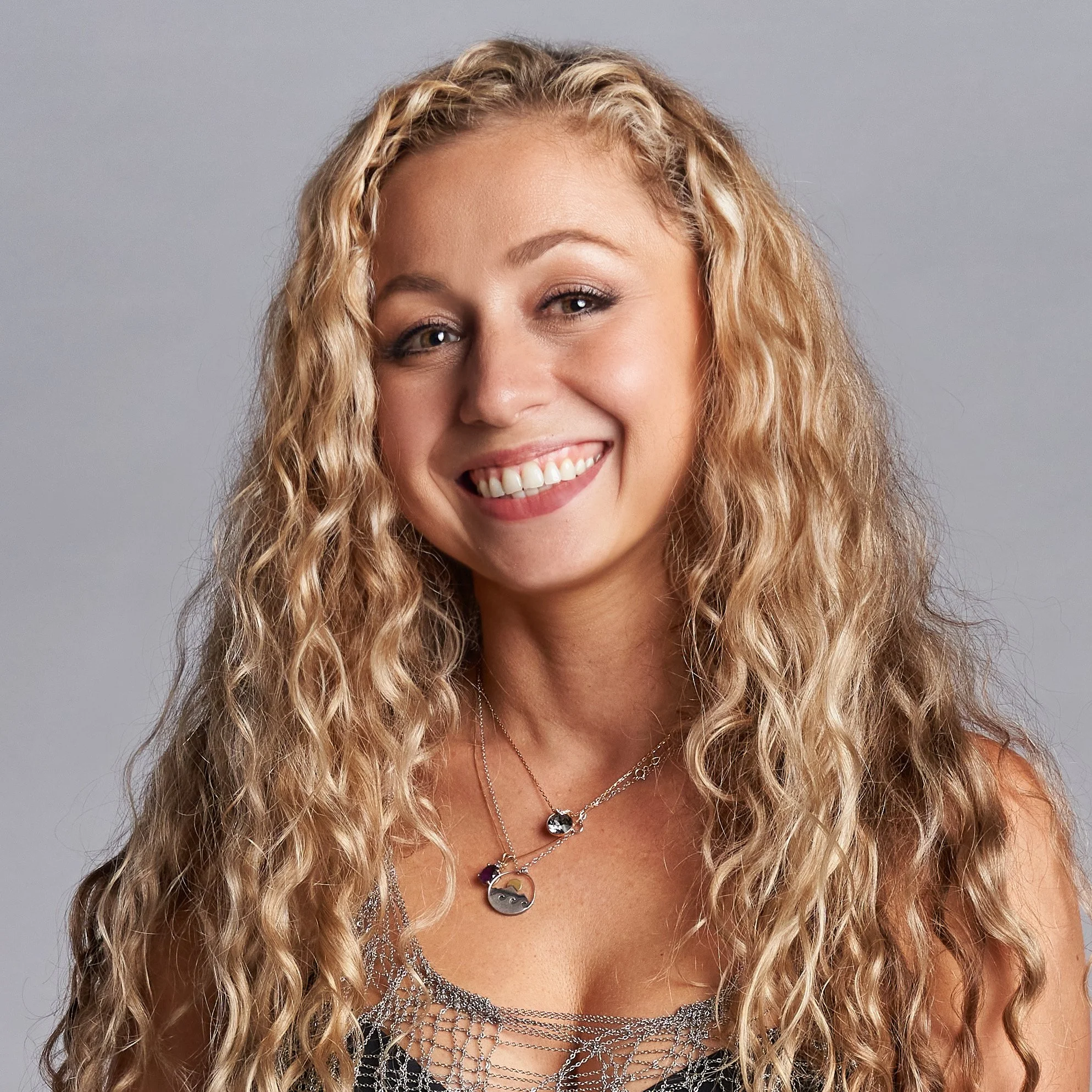
Natalia Fedner
Natalia Fedner is an internationally recognized fashion designer whose journey from refugee to industry icon exemplifies resilience, creativity, and entrepreneurial excellence. Born in Ukraine and immigrating to the United States as a refugee with her family, Natalia discovered her passion for design at an early age—drawing clothes and creating collections long before understanding it was a career path. After studying at the prestigious Parsons School of Design in Paris and New York, she built her fashion brand from the ground up, initially funding her first collection through acting work. Today, her designs have been worn by global icons including J. Lo and Beyoncé, and she has become a driving force in the fashion industry. Natalia exemplifies how personal resilience, artistic vision, and business acumen can converge to create a thriving brand that balances creative integrity with commercial success.
Explores how bold, unconventional leaders reimagine industries and create lasting impact—directly relevant to Natalia's revolutionary approach to fashion design.
Essential insight into building and sustaining a fashion brand while maintaining creative integrity and market relevance.
An inspiring exploration of purpose, resilience, and personal growth—themes central to Natalia's journey from refugee to fashion force.
A practical guide to balancing artistic vision with business strategy—the core challenge Natalia has mastered throughout her career.
Explores how high achievers maintain motivation and fulfillment while pursuing ambitious goals—crucial for sustained innovation in fashion.
Explores identity, authenticity, and personal branding—key concepts in Natalia's evolution as a fashion designer and cultural icon.
Resources
Natalia Fedner Fashion — [TO ADD]
David Peck on TikTok — https://www.tiktok.com/@itsdavidpeck
David Peck on Instagram — https://www.instagram.com/itsdavidpeck/
Inside the Design Studio YouTube — https://www.youtube.com/@ItsDavidPeck