Episode 23. Wickedly Creative: Jennifer Kahn on Upcycling Broadway and Building Scenery Bags
From stage manager to founder: How Jennifer Kahn creates wearable memories of Broadway shows through upcycled theatrical materials.
Jennifer Kahn spent 17 years as a professional stage manager for shows like Spring Awakening (Deaf West revival), In the Heights, and Hunchback of Notre Dame. But when she watched Broadway sets go to landfills, she had an idea: what if she could upcycle them into bags and accessories? In 2017, Scenery Bags went viral—4,000 bags sold in 48 hours—and what started as a maternity project became a thriving, values-driven business. In this episode, David and Jennifer talk about theater, entrepreneurship, moving from New York to Houston, and the upcoming Wicked movie collection.
Jennifer Kahn's journey is a masterclass in finding purpose through unexpected paths. With a BFA in stage management from USC, she climbed the ranks of professional theater—from the Old Globe and La Jolla Playhouse to Broadway itself. But it was a simple question that changed everything: "What if I started upcycling Broadway sets when shows close instead of letting them go to landfills?"
What makes Scenery Bags special isn't just the sustainable story—it's the human connection. Each bag is made from actual theatrical sets and costumes, allowing fans to own a tangible piece of their favorite shows. Whether it's Wicked's Emerald City costumes or Mean Girls step-and-repeats, every product carries the memory of live theater.
In this conversation, Jennifer and David dive into the challenges of scaling a made-from-theatrical-waste business, navigating the creator-to-entrepreneur transition, how a career in stage management shaped her leadership, and why finding the right manufacturing partners in Houston became crucial to Scenery Bags' success.
With the Wicked movie launching in 2024, Jennifer shares her excitement about the film's casting (Cynthia Erivo and Ariana Grande), the exclusive Emerald City bag collection, and how Broadway can inspire the next generation of theater-goers. You'll also learn why theater is essential, how sustainability can be built into business from day one, and what it takes to build community after moving across the country.
Listen to the full episode on your favorite podcast platform.
Subscribe and leave a quick rating or review if you enjoyed it.



“Attaching the success of scenery to things that had nothing to do with me kept me showing up when things got hard.”
Transcript
-
David Peck (00:00)
I am so excited today to welcome my friend, Jennifer Kahn, founder and everything of Scenery Bags. Jen was a professional stage manager for over 17 years and worked on incredible shows like the Deaf West revival of Spring Awakening on Broadway and In the Heights, the national tour, including the Hunchback of Notre Dame at La Jolla and Paper Mill. And...
She has many other stage credits to her name. While she was stage managing, she started a blog on giving back an ethical style. And from that, Scenery Bags was born. And I am so excited to have her on the podcast today and tell you all about scenery, what it means, and just get, have you get to know Jen. She's just an awesome person all around. So welcome inside the design studio, Jen.
Jen Kahn (00:53)
Hi, thank you so much for having me.
David Peck (00:56)
Thank you so much for being here. I am so excited to have you for many reasons, mostly because I feel like I've heard bits and pieces of your story, but I don't know the whole thing. And we're both Houston transplants. We were sort of brought here because of our respective spouses. And I'm so excited. And strangely, we were connected through.
Jen Kahn (01:14)
Mm-hmm.
David Peck (01:18)
another like through Broadway of all places because of Alana Levine, because you were on her podcast and she and I had her on my pad costs like not cost. What am I? I'm now British podcast. Anyway, she was on the podcast a little while ago, but I've been a fan of hers for a really long time and she messaged me and said, you got to meet this person, Jen. And so I'm so glad that we met and you've been on the store several times. And in fact, we have an event with you tomorrow.
Jen Kahn (01:23)
Yes, the incredible.
Thanks.
David Peck (01:47)
which is so exciting. why don't you tell the good listeners how and why scenery came to be.
Jen Kahn (01:53)
Well, my background is in theater. My degree is BFA in stage management, so not in fashion or merchandising or anything like that. But I was a professional stage manager for 17 years. I got to work at the Old Globe and the La Jolla Playhouse in San Diego and "In the Heights" National Tour and then on Broadway in New York and off Broadway in New York. And so I was very lucky to get to tell other people's stories.
professionally for very long time and I loved every minute of it. And the thing that made me sad was watching them throw our shows away when they would close. And I had this idea in 2015, what if I started upcycling Broadway sets when the show would close, if they don't go on tour, they go to a landfill. And so I reached out to one of my good friends who rents Broadway sets and
asked him for his trash and he said yes. And then it took me about two years because I was still working full-time as a stage manager to like find a manufacturer and meet with them and get a sample made. And so finally in 2017, we launched Scenery Bags where we upcycle theatrical waste into bags and accessories. And then I always knew that...
If I started any company of my own, there needed to be some kind of give back component. And so I found the theater development fund and 10 % of our proceeds go to them to introduce students to theater and their accessibility programs, which they sponsor all of the ASL interpreted, autism friendly performances, closed captioning, anything for theater for blind audiences. So it's really important that
if we're sponsoring theater, that it's theater for everybody, that it's all inclusive. so yeah, we launched July of 2017 and Upworthy did a feature on us August 1st of 2017 and we went super viral. And I had just planned on this being a maternity leave project for when I had Hudson and we sold 4,000 bags in.
48 hours and scenery bags turned into like a real full-time thing. All of sudden, and I'd like, I've just kind of been chased by that boulder ever since.
David Peck (04:05)
Good heavens. You're like.
my goodness. I know what that's like, not selling 4,000 bags, but like something taking on a life of its own. So let's go back before you started scenery and talk about like, what did you study in school and what did you actually think you wanted to be? Did you always, were you a theater geek? Were you like, who were you in school?
Jen Kahn (04:19)
Yes.
I was a total musical theater nerd. grew up dancing and singing. My sister and I had a Doris Day fan club. We like wore out pillow talk and clowny Jane and all the things. So like I grew up very much within the musical theater zeitgeist and loved every minute of it. And then all of a you had to pick what you wanted to do with the rest of your life. And I was not nearly talented enough to consider performing as an actual real life job.
And, but I wanted to stay as close to theater as I could. And one of my friends sat me down, who was kind of a mentor. And he's like, I think you'd be a really good stage manager. And at that time, I didn't have any idea what that role was. And he's like, look into it, see, you know, shadow some people and see, he's like, I think you'd make a really good stage manager. You're organized. You, you know, you're good with people. I, I, understand how theater works. Like, just try it.
And I did, shadowed some professional stage managers, looked around and applied to USC's BFA in stage management. And I got in and I've worked every day since I graduated until I accidentally retired to start Scenery Bags. I was very, very lucky.
David Peck (05:37)
Hahaha
Yeah, because you've worked on some really amazing shows. Like, I love that the fact that you worked on the revival of Spring Awakening with the deaf cast, like that was just so cool.
Jen Kahn (05:49)
It was the most amazing theatrical experience ever. And I had taken sign language in high school as one of my language credits, never thinking that I would use it professionally. I just thought it was a beautiful language. And so the whole cast and crew learned sign language. Half the cast was deaf, half the cast was hearing. And we did the revival of String Awakening and it was...
David Peck (06:00)
It would come in handy.
Jen Kahn (06:13)
So incredible and such a beautiful show. And I'm so thrilled and honored that I got to be a part of it. And that was my Broadway debut, which I also never really thought would happen. I thought I'd work at the Old Globe and La Jolla Playhouse forever and play beach volleyball and go sailing and then go to my show. And like, that was fine by me. I didn't need to do the Broadway thing. And my husband got into grad school at Columbia, which took us to New York. And I was just really lucky that I had made such great contacts through.
David Peck (06:31)
Alright.
Jen Kahn (06:42)
the Globe and Jolla Playhouse that when I landed, was in La Jolla, I was doing the Hunchback of Notre Dame and it was moving to Papermill. That was a really great theater in Jersey and they took me with the show. And then the director, yeah, yeah, so I got very lucky. which was enough that like Brandon got into Columbia before that was a plan. I just goes very, it all felt like very ordained the whole journey really that I just happened to be working on a show that was moving to New York.
David Peck (06:52)
Yeah. that's fantastic. I didn't realize you moved with the show.
Jen Kahn (07:11)
and they took me with it. And then the director, Scott Schwartz, Stephen Schwartz's son, took me to his theater in Bay Street to stage manage for him. And then Michael Arden, who played Quasimodo in Hunchback, was the director of Spring Awakening, the revival on Broadway. And that's how I made my Broadway debut was because he, I texted to congratulate him. like, I'm so thrilled for you. Your show's moving to New York. This is awesome. And he's like, you'll get a call soon from management.
David Peck (07:25)
wow.
Jen Kahn (07:38)
And I was like, well, what? What are you talking about? So, I mean, was really like that show made my New York career as it was. then I started seeing Rebex.
David Peck (07:40)
What did I do?
That is so incredible. It's a real testament to the power of connections and being kind to people and really doing good work no matter where you are. I mean, not that Old Globe and La Jolla are like small shakes, but I mean, they're like the best of like regional theater. Like they're amazing if people don't know. And then moving from that to Playhouse, which is, it's just like crazy.
Jen Kahn (07:58)
Absolutely.
They are.
David Peck (08:14)
like to be able to go from across the country with that.
David Peck (08:19)
Okay, so you met your husband, I guess then in California, because he's originally from Houston, or at least north of Houston, right? And I didn't realize you guys met in California.
Jen Kahn (08:28)
Well, actually, it's secret.
we met in New York, secret option number three. So Brandon was a Broadway stage manager. He went to NCSA, North Carolina School of the Arts, which is an incredible art school, which is now UNCSA, UNCSA, yeah. But he was a Broadway stage manager and one of my good friends, my sister and I were going out to visit and stay with her in New York. And she's like, you need to meet my friend. He's a Broadway stage manager. He'd be a really good connection for you. And so we met.
on accident through her as just like a, hey, these are my two stage manager friends. And like met up every, he was doing Mary Stort at the time. He was stage managing Mary Stort on Broadway, which was beautiful. We went to go see it. We all went out after like closing every bar. And so we met that week and he called me every single day until he decided to quit stage managing and you haul across the country to date me in San Diego when we got married in San Diego.
David Peck (09:24)
my goodness, that's so sweet. So that's quite a big change and a big.
Jen Kahn (09:25)
It was risky, but it worked out.
David Peck (09:28)
Yeah. So did he, just because I'm curious, like, did he have jobs lined up in California or did it was just like, I know I want to be with you and so I'm going to do this thing and it's all going to figure itself out.
Jen Kahn (09:40)
Yeah, that one, the latter. And his dad works for Walgreens corporate. So he ended up like working at Walgreens as a manager until he found something and just all we realized in this exercise was how much he missed theater. And he was still checking playbill every day. And I knew how much he missed it, but he didn't miss the freelance lifestyle or the stage management hours. And so he...
David Peck (09:43)
Ha ha ha
Jen Kahn (10:07)
He and I sat down and I'm like, if you could do anything, what would you do? And he said, I want to run the biggest theater in the country. And I was like, great, figure out how to do that. And so he applied to Columbia's MFA in theater producing and theater management and got in and now he's the GM of the alley. So it all worked out.
David Peck (10:27)
But it all worked out. I love that. So you guys really were fortunate that you kind of serendipitously had reasons to move to the city, you for Papermill and then him for Columbia. And then was the plan to like always stay in New York? Or was it that you would eventually find like a large regional theater to work? Or did you even think that far ahead?
Jen Kahn (10:52)
I don't think we had thought that far ahead. think that New York was very good to us. I worked as a stage manager the entire time Brandon was in grad school. Then right out of college, he was a producer for Williamstown Theater Festival out in the Berkshires, which is an amazing theater festival. Many stars go there in the summertime. And we had both worked there previously as stage managers as well. Then I had Hudson and started Scenery Bags.
and he was still working at Williamstown. And then I got pregnant with our second. And the way things work in New York, if you don't know, is you have one child and you moved to Washington Heights and you have two children and you moved to Jersey. And so we were either going to move to Jersey or out of state. And that's when the Alley thing came up just on its own. Like he got an email from them and we're like, well, that works out perfectly. I'm pregnant with our second. Your parents still live in Houston. It's where you're from. Like all of this makes so much sense.
David Peck (11:31)
Yeah.
Jen Kahn (11:47)
and has worked out very well for us.
David Peck (11:49)
Yeah, and for people who don't know, the Alley Theatre is an amazing theatre company here in Houston. And they do all kinds of, it's mostly straight plays, I think, and super well-respected. You have shows that have started at the Alley and gone to Broadway. So having that kind of job at the Alley is great.
very, it's such a cool theater. love, I think the last show I went to see this summer was the Dial in for Murder and it was so much fun.
Jen Kahn (12:21)
yeah, they do a great job. It's a very fun theater to be a part of. And Brandon actually interned there in high school. So it's a very full circle moment for him.
David Peck (12:25)
Yeah.
that's so cool to come back. I love that. Okay, so you moved to Texas and, I'm assuming you may have visited here, but you had obviously never lived in Texas before you moved here.
Jen Kahn (12:45)
Correct, I had never been anywhere in the middle at all until I met Brandon. And then we would come back here like probably twice a year to visit for like a holiday and another time and go to the rodeo or do whatever. But we never, never thought that we would live here. I mean, really Houston has been so lovely to us. About two years into moving here, I moved all of my manufacturing here to Houston. Everything we do is made.
I have five manufacturers here in downtown Houston and the city's kind of opened its arms to what we're doing. And I can't imagine making it work anywhere else now that we're here and like have so many options here, which is great.
David Peck (13:25)
Yeah, Houston's one of those cities where I feel like if you're an entrepreneur and you have an idea, you can usually figure out a way to get it done here. Like it's a very much a can do type of place. It can be challenging, especially, but I feel like there's, it's a big enough city that there's enough resources. Cause I moved here kind of thinking my career was over and ended up finding a wonderful community of people. And that made, you know,
Jen Kahn (13:36)
Absolutely.
David Peck (13:53)
continuing on in design possible.
Jen Kahn (13:55)
I didn't know that. I love your studio and boutique so much, I never would have thought that this wasn't the plan.
David Peck (14:03)
No, it was never the plan. No, I had lived, well, I had lived in the middle before. So I lived in, I grew up in New Mexico and Colorado and then Ohio and then Paris and then New York and then here. So I had been all over before I came to Houston. I really was not excited to move here, but we came here because my mother-in-law had cancer. And so we knew it was the right place to be, but I was like, begrudgingly came here. And now 14 years later, we're still here. Summer heat and all.
Jen Kahn (14:09)
You
Funny how that works out that way.
David Peck (14:33)
I know. So I'm, cause I'm curious about this. In terms of like just on the personal side, what was the biggest culture shock in kind of transplanting yourself, especially from, you know, the coast to the third coast.
Jen Kahn (14:33)
Mm-hmm. Yes.
It's so interesting that the biggest culture shock was really like I had a baby and then we moved. Well, I guess I didn't just have a baby. But the biggest difference was the community that moving to the suburbs felt very reminiscent of how I grew up in San Diego. So in that sense, like I have a car again. I live in the suburbs again. Like that all felt like how I grew up. So there wasn't as big of a culture shock that way. New York to anywhere is.
is gonna be different. There's nowhere else on earth that's like New York. So I've lived in New York twice, once when I first graduated college and then again with Brandon. And each time it feels like its own isolated chapter of my life that has nothing to do with like anything else. Because it's just, it's such a different way of life. But I'm, I was a theater person. I had 30 new best friends every three months and...
It was that, that was what made it so different. Cause I had never moved anywhere where I didn't even moving to New York. had worked in theater for so long. I had a million best friends living in New York. And it was the first time I moved anywhere where I really didn't know anybody. And I'm a very social person. So building a community was hard. I just had a new baby. Then we got hit with the pandemic. And so finding community here was the biggest challenge.
David Peck (15:56)
Yeah.
Jen Kahn (16:07)
Yeah, yeah, it was weird that the culture shock wasn't as bad in other directions. Everyone kept warning me to not go to the beach because I'm from San Diego. But I was like, hey, the water here is warm. So I'm not going to hate on Galveston. It's great. But finding people took a long time. Yes, yes, exactly.
David Peck (16:17)
haha
It has its beautiful days.
Yeah. Yeah. So yeah, I it's strange. So I feel like I found people I found people that I think were excited about what I was doing. But I think in terms of finding my people, like the people I would call my friend, like really good friends that I you know, that
Jen Kahn (16:31)
What was it like for you?
David Peck (16:49)
was the bigger challenge. And I will say, it's still, my circle is, you know, like this big. Only, because I don't know, I am the opposite of you. I am much more of an introvert. And so...
I don't make friends easily, apparently. But I've always had a small circle. for me, moving from Paris to the States was the biggest culture shock. And even moving from Paris to New York was quite different. Because even though they're big major metropolitan cities, the vibe is so completely different, and your pace of life is so different.
the whole moving back to the States was just a little shocking in general. And I can't imagine you, so you did all that while having a small child and then the pandemic hits. It must have felt incredibly isolating.
Jen Kahn (17:38)
I didn't catch your last question.
David Peck (17:39)
Okay, it's trying to reconnect. Give me a second. Okay. Okay, so... Okay, so I'll... I don't know, I feel it's like a Mercury in retrograde. Okay, so you moved here with a small child at the, basically the cusp of the pandemic, which you would have never known that was coming, that must have felt incredibly isolating.
Jen Kahn (17:45)
Okay. Okay. What is happening with technology?
Incredibly, yes, because we hadn't built up any kind of community. I was grateful that we were near Brandon's family. So at least we had, you know, people to pod with and that kind of thing. But the one silver lining of it was we had a backyard, we had a big house. couldn't, I mean, all my friends with kids in New York really had a hard time because they were in such lockdown in small, you you buy a place in New York, not because you ever spend on plan on spending any time there.
David Peck (18:26)
Yeah.
Jen Kahn (18:32)
You rent a shoe box and you're there to sleep and that's how you live in New York. You're never home. So the idea of being in our New York apartment with a two-year-old and a baby would have been really, really hard. I remember talking to a lot of my New York friends that had to, that that was their reality. And a lot of them ended up moving back home with their parents wherever they were not in New York. So.
David Peck (18:38)
Yeah.
Jen Kahn (18:58)
We were in the right place, but it was very isolating. We had not had any chance to really make friends before we were kind cut off from everything.
David Peck (19:08)
Yeah, I mean, so many people that lived in more condensed urban areas, like you end up like having to reformulate your life because of the pandemic and never not really knowing when or if you would ever go back. And then some people chose not to. So you kind of were on the forefront of like, it's almost like you skipped the whole having to decide what to do in the middle of the pandemic because you had already made that decision before it happened.
So during this time, you're building a company and obviously you have...
Jen Kahn (19:35)
Yeah, I mean, coming from California and New York, you know, our whole worlds were taking it very seriously, even if the world we kind of found ourselves in at the time was or was not. So, you know, you just kind of have to make your choice for you and go with it. so, yeah, we that that our informed just decision came from kind of where we came from and the information we got from that.
David Peck (20:02)
Yeah, so during all this time, you've had this big viral moment back when you launched Scenery because of Upworthy. But then, you know, having these viral moments is not a business. How were you navigating, you know, because you were ending your stage managing career and
and kind of transitioning into becoming an entrepreneur. Did you ever have ideas of owning your own business before or was it sort of something like where it's a maternity project, it's a side hustle, it's whatever, but it's not something I'm going to make my life.
Jen Kahn (20:40)
Good question. I'm a serial entrepreneur. Since I was very young, I would start random companies all the time, whether it was like my sister and I taking all of our old toys and calendars and going door to door in our neighborhood, like trying to sell things and my parents having to come find us because a neighbor called us like, your children are selling old dog toys and last year's calendar at our front door, you should come get them. And then anytime I had time off,
David Peck (20:57)
You
Jen Kahn (21:06)
between shows from stage management, I would start a new company. And then when I came back to the shows, they're like, what was your company? Like, what is it? And I was like, well, well, you're to do this and this and this. And the only two that ever saw the light of day were my blog that I ran with my sister on Give Back an Ethical Style, which very much informed the way I run scenery bags and then scenery bags. So I wasn't opposed to the entrepreneurial lifestyle because I had kind of been off and on.
dipping my toe in that water for a long time because that's just the way my brain works. I just always have a million ideas and I need to get them out somehow. So I didn't think, there's something really validating when an idea you love that's kind of like everything you care about is echoed in the masses. Like all of a sudden figuring out that like, everyone.
David Peck (21:41)
Yeah.
Jen Kahn (21:57)
really cares about the same thing I care about. Like was this really beautiful moment when we went viral that first time. I was like, my gosh, wow, I know that this is everything I love, but I didn't necessarily know that so many people would feel the same way. And so that was kind of all the reassurance I needed because now all of a sudden I had this group of people that I had to be accountable for because I promised them that we were gonna recycle as much theater as possible.
and keep those memories alive and that art alive and that I was donating back to, you know, the theater development fund and I was accountable to them also because I really believe in the work they were doing and setting those kind of pillars and benchmarks for myself that I was accountable to things outside of me that, you know, on days when it felt hard or my passion may have waned or I'm like, gosh, I don't know if I want like the rig and roll of owning your own company and whatnot. The fact that it was like, okay,
I'm doing this for this person that can give a piece of their first Broadway show. I'm doing this for the amazing work that TDF is doing and how much we can support them. you know, attaching the success of scenery to things that had nothing to do with me kept me showing up when things got hard.
David Peck (23:12)
Mm-hmm.
I think you have to find those pillars as an entrepreneur because it, I mean, to your point about like being isolating, just moving to a new place, I think entrepreneurship in itself can be a very isolating venture because you're doing, especially in the beginning, so much on your own out of necessity because of resources, funds, like all of the things. And it can be really challenging. One of the things that I've...
to figure out how to balance is because I have so many interests and I so many things I want to do and I can kind of see the big picture really clearly.
It's hard sometimes to figure out what the next right thing is in the moment. How do you kind of navigate that? Because you obviously have a very creative brain. You're used to telling big stories on the stage. But then how do you take that and really focus it to be able to create products that you kind of have to, for lack of a better word, like churn out?
Jen Kahn (24:18)
Yeah, it's been really fun. And for us, we're very lucky because we can lean into the stories that were already told by these elements, by the drop. Like if we know we're getting stuff from Sweeney Todd, great. We're gonna roll it out in spooky season and it's going, and the marketing for it is gonna, you know, hearken back to the marketing of the show. And so that makes it.
makes our job so much easier because we can rest on the stories that were already told by the materials we're using. And also that taps into the heartstrings of everyone who loves that show. know, like we just did, we just got Sunday in the Park with George and people, you know, I did that in high school. my gosh, I love that show. You know, like hearing everyone's stories of why that show is meaningful to them. Whether it's like, my gosh, that was the first show I ever saw with my mom or the last show I ever saw with my mom.
David Peck (25:07)
Yeah.
Jen Kahn (25:13)
or the first show I was ever in or the show that like, you know, gave me the bug or whatever it is that, you know, being able to tap into all of these stories that were already told, it makes our jobs so much easier. And it also makes, it keeps the passion alive and it makes it fun and different because I know sometimes I get boxes that arrive and I don't even know what's going to be in them. And so like, we just got a whole huge box of Step for a Peet's from a marketing company in New York. And I'm like, my gosh, Mean Girls, my gosh. This is like all of these great.
David Peck (25:15)
Mm-hmm.
Jen Kahn (25:42)
shows now that we have their step-in repeats that they used. And I didn't even know it was coming. I was just like, yeah, sure. If it was on Broadway and it's going to be trash, please send it to me and I'll figure it out. so that has kept things exciting because we're never doing the same thing twice, which would drive most manufacturers insane, which is why I'm really lucky that I found the right group of people who's willing to be like kind of young, scrappy and hungry with me and make it work. Because even if we're making the same
David Peck (25:42)
Hahaha
Jen Kahn (26:10)
envelope clutch or the same zipper pouch, the material's always different. It's a different weight. It needs interfacing. It does need interfacing. It needs a different zipper color. And so we're rarely doing the same thing more than once. And it keeps things exciting. It also adds new challenges, but it definitely keeps it from being boring.
David Peck (26:29)
Yeah, I mean, that part keeps life interesting because you do have to be creative and think on the spot and sometimes schedule shift because you're like, my goodness, I didn't realize we were getting this thing and it would make so much sense to release that now instead of later. And so you have to kind of reconfigure all of your timelines, which I think there's a certain part of that that's thrilling. And it's probably a little bit like theater where you're kind of making it work in the moment. You're like, this is what's happening. And so we're going to go with it. But.
Jen Kahn (26:43)
Yes.
David Peck (26:58)
That's very challenging in terms of growing and scaling a business. How are you balancing that or are you?
Jen Kahn (27:00)
Yes.
And that's the big new question that I've been asking myself as we get to a place where the demand is scaling and we have the product to meet that in a way, but we can never manufacture more of our best sellers. Like we're making this incredible wicked line of Emerald City bags and once they're gone, they're gone forever. unless
David Peck (27:23)
Right.
Jen Kahn (27:29)
Wicked wants to give us more Emerald City bags in another 15 years when they clean out their warehouse. Great, but for the most part, once we make something, it's gone forever. So scaling is really hard. And so one of the things we've started doing is leaning more into wholesale partnerships with larger companies that work in entertainment. I've signed too many NDAs to talk about them specifically, but finding these bigger companies that
David Peck (27:54)
Yeah
Jen Kahn (27:57)
do things in entertainment and upcycling for them internally for internal gifts or and maybe even exit external earth conscious lines that they want to put out in their stores or other people's stores. Try not to say too much, but like that's I think that is where we scale is starting to figure out like, okay, how do we start upcycling more in
like opening up to like all entertainment and upcycling with the companies themselves. So it's a direct line of contact. Like as soon as it's down, it's to us, we're upcycling, it's going back to them to sell it. And I don't want that to ever cannibalize the work that we're doing specifically with Scenery Mag so that our audience can have pieces of their favorite show. Like that's still our main focus and value, but in order to scale and
be in front of more eyes and get us to a place where everything that's coming to us is actually going to be used. I think that's like the next big piece of the puzzle is these bigger partnerships.
David Peck (29:01)
Yeah, it's such a tricky thing to balance because I think so many people who are at least in the design related entrepreneurial space come to it from an artistic point of view. And sometimes you can get really attached to the product or like exactly what you're doing. And it's hard to evolve and change and start to think of it as more of a true business. like for you, you know, looking at, you know, the core product that you're making for your
you know, diehard fans is probably different than what you're going to be doing for a larger corporate clients and having, how do you balance those two things at the same time while not, you know, neglecting one or the other.
Jen Kahn (29:43)
Yes, that's very true. And thankfully with the corporate clients that we've found thus far, knock on chair, the work that they're having us do is almost more creative. so, which is normally not the case. you work, kind of, in theory, things get watered down for corporate America and that's kind of, you know, you, it sucks the soul out of whatever you're doing. And thankfully the two people that we have
David Peck (29:53)
Hahaha
Yeah.
Jen Kahn (30:10)
started partnerships with are excited about what we're doing because of the way we do it. And their canon of work gives us a lot to draw from. And they want us to lean into the creativity in that. So that's actually been really fun. given us, because we don't have a license, don't license Wicked.
David Peck (30:28)
Mm-hmm.
Jen Kahn (30:36)
to do our Wicked bags. We have a partnership with Wicked where we upcycle their waste, but it's not a licensed product. So everything we do, can like hearken back to the show, but it's not gonna be branded. It's not going to like really like impede on any of their IP essentially. But with these other partnerships, they are licensed. we, because it's going to be sold through them.
David Peck (30:39)
Right.
Exactly.
Jen Kahn (31:01)
we can really like lean into the stories we're telling in a way that we haven't been able to do with Scenery Bags. So in a way like they're even more creative, which is super exciting. And moving into more of a line even in Scenery Bags, maybe in our future as well. We'll see kind of where things go. But right now, I mean, we're so lucky to be partnering with all of these shows that are wanting to be more eco-friendly.
David Peck (31:25)
No, that's so cool. I love that. I love that you're finding even more creativity in what could sometimes feel soul crushing. It's actually the opposite. That's amazing. So obviously being sustainable and eco-friendly is incredibly important to you. And it's sort of what got you started in all of this to begin with. How...
I have also had that as a part of my mission from the very beginning is, you know, and for me, the definition of that has changed over the years out of sometimes practicality and necessity. but what, one of the things that I've struggled with the most is that at least for our customers, the eco-friendly or sustainable story is a nice afterthought, but it's not necessarily something that I can lead with. Do you find that your
customers are coming to you because it's Broadway first, sustainable second, or is it a mix of the two, or what do you find with your clients?
Jen Kahn (32:24)
We're in the same boat, for sure. It's Broadway first. And we have some, like the Broadway Green Alliance, we adore and work with a ton. And so for them and people of that ilk, they're coming to us because of both. Like, this is great. We're gonna decrease the environmental footprint of theater at large and own a piece of our favorite shows. And like, it's all of the above.
By and large, it's Broadway first and there's a lot of education around that. And I know people enjoy that they can feel good about their purchase because we're trying to be like 360 ethical and good about what we do. But we get a lot of pushback on price because a lot of our audience skews younger, because it's like the college theater fans who are obsessed with a show. so...
David Peck (33:17)
Yeah.
Jen Kahn (33:18)
navigating that is a challenge because I always want there to be something for them. I don't want anyone to be priced out of a memory of their favorite show. And so I'm a huge bleeding heart for anyone who's like, I can't afford it. Why can't I? I'm like the bad business person in me is like, you can have it for free. Everyone can have it for free. I don't care. And then I need to run a company and pay people salaries and I can't do that. And the bigger we get, the harder that gets.
David Peck (33:31)
Hahaha
Jen Kahn (33:46)
navigating that and like really wanting there to be something for everyone, but also realizing that, you know, with how limited everything is, like it's one of one, it's very rare and valuable and realizing the value in that and not shortchanging what we're doing at the same time.
David Peck (34:08)
Yeah, it's a tricky balance, but it sounds like you're navigating it well, or at least as well as you can. And I understand that whole idea, like, because you love what you do and you wanna be able to share that with as many people as possible, but sometimes the reality of business and finances and everything, you just can't give stuff to everybody. So, before we talk about Wicked, besides Wicked, which I'm sure is extremely popular, what show...
Jen Kahn (34:27)
Yeah.
David Peck (34:35)
what has is like the most popular, speaking of wicked popular, which one is the one that keeps people coming back the most?
Jen Kahn (34:45)
That's a great question. Yes, Wicked is up there. I think the next three, Mamma Mia, we had a Mamma Mia bag that was like, we joke was everyone's gateway scenery bag because it was like this beautiful ocean blue and kind of an easy first purchase for like everyone's seen Mamma Mia. Beetlejuice has also been super popular for us.
David Peck (35:03)
Yeah.
Well, like, Mamma Mia, it's a...
Jen Kahn (35:08)
we're loving, but Beetlejuice has been super popular and then now brought back by the movie and then Mean Girls. And then Mean Girls also again, then brought back by the movie. having all of those properties has been amazing that we've always kind of had something exciting for everybody.
David Peck (35:11)
Go ahead.
That is, mean, and like many people's first gateway Broadway experience. mean, Mamma Mia, Beetlejuice, and Mean Girls are all, like if you have never been into theater, those are all like great shows to go see to begin with because they're fun and easy and so well done. And then now, like having the bags to go along with it, then why not?
Jen Kahn (35:45)
Absolutely.
David Peck (35:45)
So let's talk about Wicked. And I am so excited about Wicked because it's one of those shows, like, I think as a child, I was always obsessed with Wizard of Oz. It just is one of those stories that I think if you're creative or like maybe didn't want to live where you lived. didn't enjoy the Brown of New Mexico. It kind of reminded me of the cornfields of Kansas. So, you know, wanting to escape to a land that was a little bit more colorful and full of magic is
always been there in the back of my mind. But the show Wicked has really touched people for good in so many ways and has had so many cultural moments throughout the last, is it 20, 25 years, whatever that Wicked has been on Broadway. You are now releasing a whole line of Wicked inspired.
product that coincides with something that fans of the show have been waiting for a very long time, which is the Wicked movie. So tell us a little bit about that, because I know you've had Wicked products in the past, but this is extra special.
Jen Kahn (36:48)
It is so special. I'm so excited. Yes, we have, we've done an ornament and a necklace out of Glenda's bubble dress, the blue dress that she kind of comes in on in a bubble. And then we did an ornament out of Fiero's costume and another necklace out of Glenda's popular dress. So we have some wicked items that are already out in the ether and some of them are still up on our website, but.
We took all of the Emerald City costumes that we were given and are turning them into an whole Emerald City bag collection and they're stunning. I don't know if you can see them behind me because they're, I mean, it's always good to use visual aids on a podcast when no one can see anything. But they're my, like by and large, my favorite thing we've ever made. And I'll be very sad when they all sell out and I'll have to like send them away from my
David Peck (37:26)
I can, they're so cool. I can see them. So if people are not watching this on YouTube.
they will, which they will sell out. So if you are interested at all in Wicked, or if you have a theater nerd in your family, this is the perfect holiday gift. And it's, I'm so excited. I have to just ask on a personal level, are you excited about the movie? Let's get, let's talk about the movie.
Jen Kahn (38:00)
About the movie, I already have my tickets. I already have my tickets. I already have the Paul Tassel designed sweater. I cannot wait.
David Peck (38:03)
Yeah. Okay, good.
I am so excited. I'm excited because I'm going to take my oldest to go see it. think my younger kid doesn't always do well with spooky, not spooky things, but it can just get a little overwhelming. But my older child, think, totally fine. And I'm very excited to take him to go see it. But.
I'm very excited because I think the casting is so interesting. When you heard about the cast, what was your initial reaction?
Jen Kahn (38:36)
Well, Cynthia Revo made all the sense in the world because she's a Broadway girlie and she's insanely talented. mean, one of the most incredible voices ever. Color Purple was actually in the same Broadway year as the revival of Spring Awakening. So we were all at the Tony's together when she performed and then won for Color Purple.
So even though I've never worked with Cynthia, I feel a kinship because we were a part of like the same Broadway season and like just around each other and all this stuff. I'm thrilled for her and thrilled to have, and everyone's been campaigning for a black alpha buffer forever because it absolutely should be. And so I'm glad that they went that way in the casting of the movie. And then Ariana was a...
a surprise, but not really because she's also a Broadway girlie. She was in 13. She grew up in that world. We knew that she had been circling the idea of Wicked for a while. She was on the Wicked 20th celebration episode. I know if you're about, I mean, I'm a Wicked fan. Wicked came out the year I moved to New York. So every group of friends that came to visit me in New York wanted to go see Wicked. I think I saw it like five times that first year that I was in the city.
David Peck (39:33)
Yeah.
Jen Kahn (39:46)
And I've always loved it and loved the story. and then, you know, I mean, you know, Ariana can sing and then you've seen her on SNL and you know she's hysterical. So I think, I think she's going to kill it. So I think the casting made total sense, even though it was like not necessarily what everyone had expected. I think it's, I think it's going to be amazing.
David Peck (40:05)
Yeah, I...
I will say, Elphaba made complete sense. I saw Cynthia Erivo in the Color Purple on Broadway and it's, I'm getting chills like even thinking about it, probably hands down one of the greatest performances like I've ever seen. Like she literally, like the show stopped, people stood up in the middle of the show and gave her a standing ovation. She's just one of those once in a lifetime talents, like so incredible. And then I was sort of like a little apathetic about
I will say in the very beginning about Ariana, I was like, yeah, that's fine. I get it. Like you need to have some sort of pop superstar, whatever, branding. can't just have Broadway people. So it made sense. But then just seeing how dedicated she was to it and how much she really, really loves the show. And she is hilarious on SNL. So I think you're completely right that I think she's going to kill it and see that. So I'm excited. And I loved seeing this whole year of the friendship
of Ariana and Cynthia Rivo, like, and all the award shows are all the red carpets that they're doing together and like kind of cosplaying as Glenda and Elphaba has been really fun. So I'm glad in some ways that it's going to be spread out over two years, because we'll get more of that next year. It won't just end this year. So that's very exciting.
So speaking of Wicked and all of these wickedly cool products that you guys are launching, when does all of this drop and how can people get their hands on these items? Because they are going to sell out. They're going to go quickly. And if people want to get them, how can they do that?
Jen Kahn (41:44)
Well, we're in week two of our Wicked Weekends, but the Emerald City bags launch on Saturday the 26th, October 26th. And then we made patches out of the Shiz, the golden curtains that hang in the Shiz scene. And so we have Shiz University patches still up on the website now. And then we have another Wicked Drop that first week of November. So come to scenerybags.com, get all your Wicked stuff ready for
going to see the movie and I couldn't agree more, David. At first I was mad that it was gonna be two parts and now I'm so excited because I don't want the wicked hype to go away. mean, for fashion alone, watching Ariana and Cynthia at everything in their cosplay, wickety, amazing gowns, it's been so fun because they're both fashion girlies also and I love that they're best friends now in real life.
David Peck (42:39)
Well, I hope that you're finding a way to get some Wicked Bags into their hands.
Jen Kahn (42:43)
I'm, if you're listening, ladies, I will, we have sent stuff to the OG witches, to Kristen and Adina. So we'll see, we'll see what we can swing.
David Peck (42:47)
hahahaha
Okay.
that the witches need to pass on the love. So I'm manifesting that for you. I feel like Cynthia and Ariana need to show up on like one of these red carpets with some scenery. You heard it here. So if you're listening to this in real time, the day that we dropped this,
Jen Kahn (43:10)
I couldn't agree more.
David Peck (43:13)
then you are just in time to be able to capture this wicked drop. And if you aren't listening to this, or if you're listening to this in the future, then you may have missed out. But I know that Jen always has amazing things. And I'm sure with wicked beings right over two years, I can only imagine you're going to have something special for part two, but you don't want to wait that long, because it's way too long to wait to have some scenery in your life.
And if you're listening to this morning, which would be Tuesday morning, the day this podcast gets released, you can actually come see Jen in person at the shop. She will be here today.
Jen Kahn (43:39)
but great.
David Peck (43:49)
and is going to be having a while in the way you'll have, because Wicked hasn't dropped yet, but you have some shiz patches and things like that. So please come see her today at the store and visit her online at scenerybags.com. So thank you, Jen, so much for being inside the design studio with us, and we'll have to have you back for Wicked 2.
Jen Kahn (44:08)
I would love that. Thank you so much, David.
Know someone who quotes Karl or loves the Menil Collection? Send them this episode.
Key takeaways
Scenery Bags upcycles actual Broadway theatrical sets and costumes into unique, sustainable accessories—turning waste into wearable memories.
Jennifer Kahn spent 17 years as a professional stage manager before founding Scenery Bags in 2017, proving that creative excellence in one field can fuel entrepreneurship in another.
The viral moment (4,000 bags in 48 hours after Upworthy feature) didn't create the business; it validated an idea that was already rooted in purpose and values.
Finding your "pillars"—people and causes beyond yourself that you're accountable to—helps you show up during the hard days of entrepreneurship.
Sustainability is often a "nice afterthought" to customers who lead with emotion and nostalgia; educating customers about the environmental impact is part of the mission.
Theater creates community, accessibility, and joy—which is why 10% of Scenery Bags proceeds support the Theater Development Fund and their accessibility programs.
Scaling a made-from-waste business requires creative partnerships with larger entertainment companies while protecting the core mission for diehard fans.
The Wicked movie release (2024-2025) brings renewed interest to Broadway and opens doors for products like the exclusive Emerald City bag collection.
Moving from New York (where career and social life revolve around theater) to Houston (a "can-do" entrepreneurial city) accelerated growth and manufacturing capabilities.
Building a business rooted in storytelling—leveraging the narratives already told by shows—keeps the creative work fresh and emotionally resonant.
Guests Appearing in this Episode
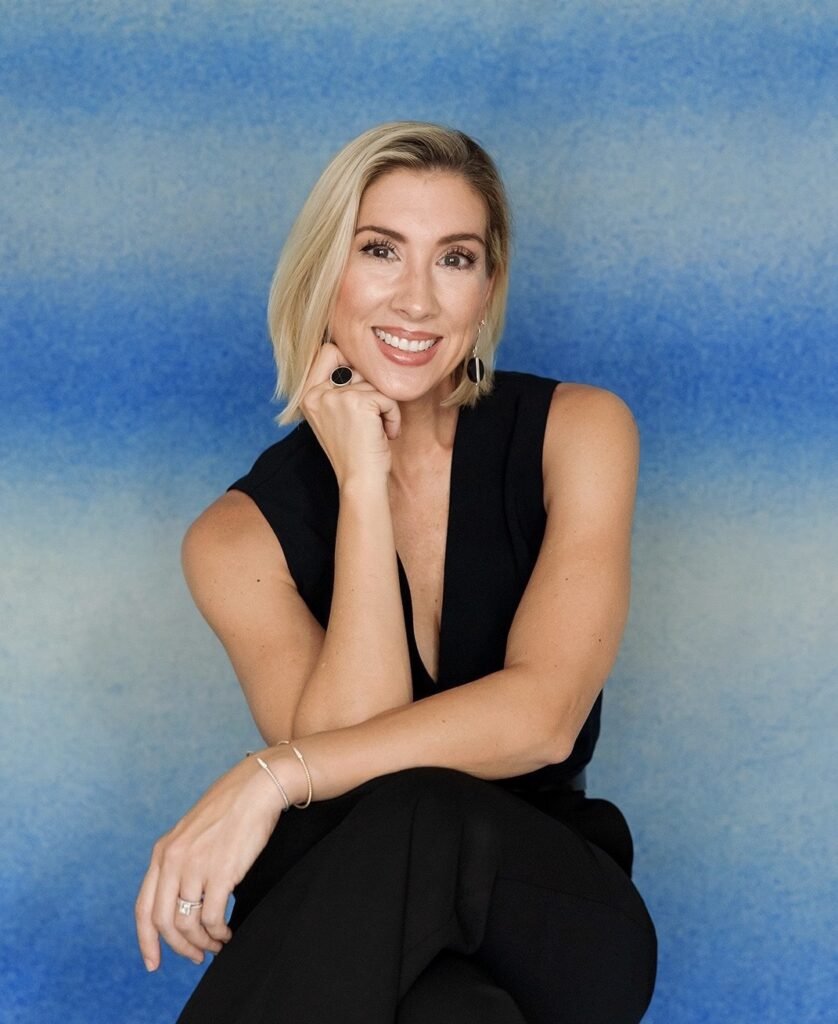
Jennifer Kahn
Jennifer Kahn is the founder of Scenery Bags and a former professional stage manager with 17+ years of experience in theater. She holds a BFA in Stage Management from USC and has worked on Broadway productions including the Deaf West revival of Spring Awakening (her Broadway debut), In the Heights National Tour, Hunchback of Notre Dame at La Jolla Playhouse and Paper Mill, and numerous other regional theater productions. In 2015, Jennifer had the idea to upcycle Broadway sets and costumes instead of letting them go to landfills. After two years of research and development while working full-time as a stage manager, Scenery Bags launched in July 2017. The company went viral almost immediately—selling 4,000 bags in 48 hours after being featured by Upworthy. Today, Scenery Bags is based in Houston, Texas, with manufacturing partnerships in downtown Houston. The company donates 10% of proceeds to the Theater Development Fund to support accessibility programs in theater, including ASL-interpreted performances, autism-friendly shows, and closed-captioning. Jennifer also co-founded a blog called "Give Back an Ethical Style" with her sister, which informed the values-driven approach of Scenery Bags. She is married to Brandon Kahn, General Manager of the Alley Theatre in Houston, and has two children.
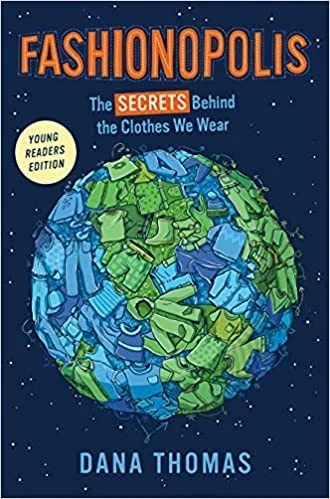
Ysabel Hilado's hands-on guide to transforming old garments into new sustainable fashion pieces
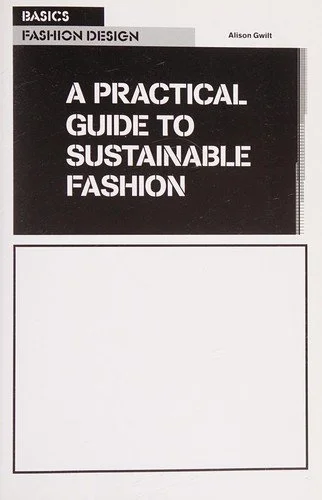
Alison Gwilt's framework for integrating sustainability into every stage of fashion design and production.
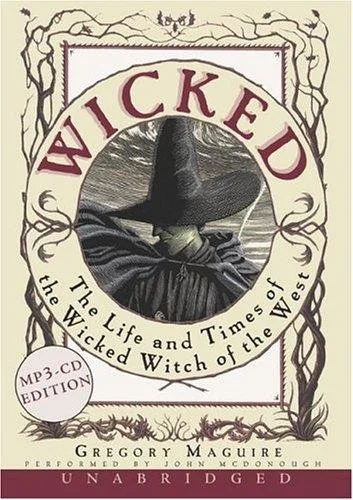
Gregory Maguire's reimagining of Oz — a story about outsiders, perspective, and defying expectations
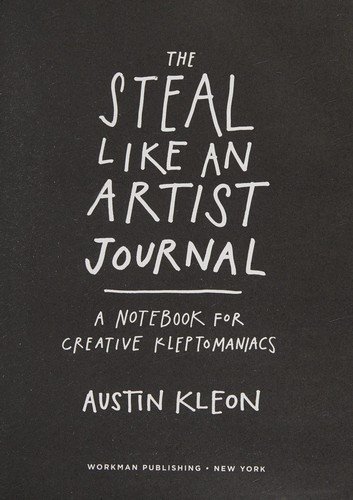
Austin Kleon's manifesto on creative inspiration, remix culture, and finding your artistic voice.
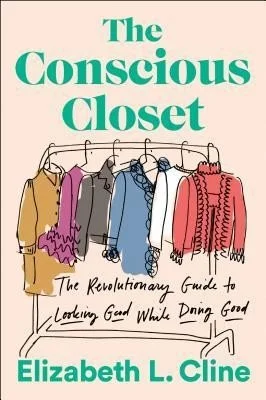
Elizabeth Cline's practical guide to building a sustainable, ethical, and stylish wardrobe.
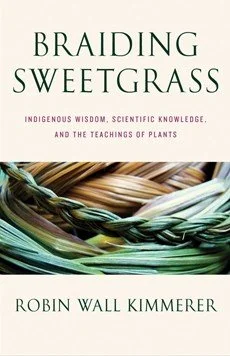
Robin Wall Kimmerer weaves Indigenous wisdom and science into a meditation on our relationship with nature
Resources
Scenery Bags — https://scenerybags.com
Scenery Bags Instagram — https://www.instagram.com/scenerybags/
Theater Development Fund (10% of Scenery Bags proceeds) — https://www.tdf.org
Broadway Green Alliance — https://www.broadwaygreenalliance.org
The Alley Theatre (Brandon Kahn, Jennifer's husband, General Manager) — https://www.alleytheatre.org
Wicked Movie (2024-2025) — https://www.wickedthemovie.com
David Peck on TikTok — https://www.tiktok.com/@itsdavidpeck
David Peck on Instagram — https://www.instagram.com/itsdavidpeck/
Inside the Design Studio Podcast — https://www.itsdavidpeck.com/podcast