On election day, David Peck and Laura Max Rose explore faith, belief systems, and the journey from rigid dogma to independent thinking.
If you're listening on election day, you know today can feel stressful no matter your political affiliation. David and Laura have a powerful conversation about faith journeys, patriarchal control structures, how we form our beliefs, and why having thoughtful conversations across ideological divides matters now more than ever.
This episode features a candid, Election Day discussion between David Peck and Laura Max Rose about faith, belief systems, and political evolution. They explore their distinct upbringings: David in the Independent Fundamental Baptist movement with its strict doctrines like the 'umbrella of protection,' and Laura's perspective as someone raised outside these frameworks who moved to Texas as a teenager.
They dive deep into how belief systems are constructed and maintained, examining the Institute of Basic Life Principles and its patriarchal structure. David shares his journey from a highly controlled religious environment to rational, independent thinking, sparked by experiences living abroad and encountering diverse worldviews.
The conversation touches on the 2024 election climate, polling discrepancies, silent voters, and why people across the political spectrum are less vocal about their choices. They discuss the concept of 'heterodox thinkers'—people who think independently issue-by-issue rather than following party lines.
Throughout, they emphasize the importance of civil discourse, understanding different perspectives, and maintaining empathy even when we disagree. Laura's approach to her bookstore business—featuring diverse, women-owned, and minority-owned products while respecting all customers—exemplifies this principle in action.
Listen to the full episode on your favorite podcast platform.
Subscribe and leave a quick rating or review if you enjoyed it.



“Sometimes I think we speak into an echo chamber and we only listen to views that are close to our own or mirror our own. And it’s really helpful to get outside of that. And it doesn’t mean you abandon your beliefs, but it does help you to have a little bit more empathy for your neighbor.”
Transcript
-
David Peck (00:00)
If you're listening to this on the day that this episode is released, it is election day here in the United States. And no matter your political affiliation, today is bound to be a little bit stressful. And there's nothing I can do to change that. But one of the things that has helped me is having longer form conversations with friends who may or may not share my own political beliefs. And I had the opportunity
in the last week or two to record two podcasts, and they were both inadvertently about politics. And I am so thankful that my friend Laura Max Rose decided to let me share our conversation that we had on her podcast last week with you today. And I hope that you find it a thoughtful discussion.
and one that inspires you to have conversations just like it with your friends, with your neighbors. Sometimes I think we speak into an echo chamber and we only listen to views that are close to our own or mirror our own. And it's really helpful to get outside of that. And it doesn't mean you abandon your beliefs, but it does help you to have a little bit more empathy for your neighbor. So today,
as you go out to vote, or maybe you have already voted and you're just waiting for the results this week to come in. Maybe just take a deep breath and listen to this conversation that I have with Laura Max Rose.
David Peck (01:33)
you
Hey there, design enthusiast. Welcome to Inside the Design Studio, the podcast where we unravel threads of life and design. I'm your host, David Peck, your guide through the cosmic wonders, the tangible touches, and the delightful twists of creating a life you absolutely love. Today's episode is a special peek into my eclectic toolbox, the secret weapons I use to design a life that's as vibrant as my creations.
So grab your metaphorical sketch pad and let's dive into the art of intentional living.
David Peck (02:13)
You guys, I'm here with one of my favorite guests in the entire world, David Peck. David, welcome to the show, first of all. Thank you so much for having me back. I love talking to you anytime. I am so excited to talk to you. And just for the record, we were going to talk about books today. We might get to that. But then we started talking about politics before this show started because David was letting me know he was having a similar conversation on a podcast prior to this one. Yeah. And he started talking and I stopped him and I said, OK, actually, can we talk about this?
I have not had a political conversation on this show yet. And when I first started my podcast, I don't know, 2019, one of the topics that I highlighted in my show description was that I was going to be talking about politics. My husband was running for office at the time. It was very much a topic in my life. And I just never ended up talking about it that much, but I think this is gonna be really interesting. So we're totally switching gears. We have an election coming up like actually in a few days. my God.
If you haven't noticed, David is hailing from Texas, which is a notoriously red state. I live in Colorado, which is a purple state. I actually have got got closer to David in our very like multi-layered friendship through politics because my husband ran for office. And we hosted one of his campaign events. You hosted one of his campaign events. I have had quite a political journey slash evolution in the last few years that I never talk about. And sometimes I wonder like if people notice, but
I don't think I've put that out there. I think what I am is honestly silent and I observe more so I used to be very vocal. but I love learning. I've learned little pieces of your story, David, over the years, you grew up in a really religious home. Yeah. With like lots of siblings. I did not have a lot of siblings. I have one sister who's five years younger, but I grew up, like I've a lot of cousins cause they all had a lot of kids. Yeah. and I grew up in a religious.
sect denomination that encouraged lots of kids. You've talked to me about that. What is the name of the religious sect that you grew up in? So we were independent fundamental Baptist. So most people, especially in Texas, know Southern Baptist. that's the big thing. Like second Baptist, first Baptist here in Houston are kind of big deal. So fundamental Baptists are, they do not have a larger governing body.
they are all independent of each other. Sometimes they'll have conferences or they call them like revival or missionary conferences or whatever, but they don't rely on a larger governing body for any of their doctrine. So each church is supposed to be independent. -
They all tend to follow the same line of thinking.
if anybody has seen the Duggar documentary on Amazon, shiny, happy people. watched it because you told me to, because that you said that you grew up that way. And I was like, excuse me. So I had to watch it. I was like, what? And then I wanted to have a whole conversation with you about that. And I didn't. now we're going to do that. We're going to have it. so it's funny because I mentioned it to my parents that I had watched that documentary. Well, and I had done a little Instagram story and my sister was like, messaged me and was like, I'm
You actually handled that very well. I was afraid of what you were going to say. Your parents are still actively part of the sect that you were in? So not quite to the same extent. They are still Baptist. And more since moving to Texas, I've gone to Southern Baptist. But what's funny is growing up, Southern Baptists were considered liberal because my grandfather, who was a pastor in Santa Fe, most of his brothers were Southern Baptist ministers or missionaries.
Yeah. And they were sort of just considered a little too liberal. in fact, my grandfather went to school with Jerry Falwell. Okay. Jerry Falwell is in the doc. You just clarify who Jerry Falwell is for those who don't know. Jerry Falwell was a very well-known pastor slash, evangelical figure. his son has become more well-known in recent years because of a whole sex scandal at Liberty university.
There's another documentary on that if you want to go look that up. There's only like a deep dive into all this. It's fascinating. Continue. So my grandfather was classmates with Jerry Falwell. So yeah, it's kind of gives you an idea of like the line of thinking where and Liberty University growing up was actually considered from my grandfather's church like a little liberal. Like they listened to music with a beat like they had rock music like it just
was a little bit more liberal. growing up, my parents didn't necessarily follow the goth-ard, like if you've watched, shiny happy people, the Institute of basic life principles, they didn't necessarily follow that as closely as some other people, like my cousins, my aunt and uncle and their kids. but I went to all the conferences growing up, like the seminars, whatever they called them. And it was, it always didn't sit very well with me because they had this very patriarchal view of
The umbrella, right? So we have a second shiny happy people is the documentary about the Duggars. Yes. And the basic life principles is what they observe. And you told me like, this was the most shocking thing to me. You were like, yeah, my parents like observed the basic life principles. And I was like, what? And I was totally fascinated. The basic life principles. And you can explain this better than I can involves the umbrella, right? So talk to me about the umbrella. There's an umbrella of protection. And basically the way it's set up.
from the Institute of Basic Life Principles is like there's this larger umbrella and that's God and the umbrella is protection. So God is protecting you. Then under that, he has man and then the woman. So it's like, it's this hierarchical thing. And so the man is supposed to be head of the family. And so he is the protector of the family. And then the woman is under that. And then like, she's the protector of the children. Like, so it's sort of like, there's this, and what they say is if you're picturing,
diagram of umbrellas progressively getting smaller. If you as a child, or as a woman, stray from out from underneath the umbrella of a protection, that's when the arrows of Satan can come and get you. like, because you're not covered by the umbrella, you're not covered by the umbrella. So like, you're going to be tempted to do things that you shouldn't do, you know, dress the way you shouldn't dress talk, you know, all these things. So
The idea behind this is this umbrella protection. When it goes later into the more advanced seminars, this is obviously being preached by a man who never had children and then obviously has had inappropriate relationships with... It's an escapades, isn't that fascinating? Yeah. So he apparently wasn't under the umbrella protection. Anyway. I wonder, I always think about how...
how he rationalizes that to himself. Well, you know, I don't know. And I think when you're that far in it, you tell yourself stories. make up reasons or excuses. Yeah. think, was it really scary for you as a child to feel like Satan could access you that easily? I think, yes. There was a lot of fear. -
Like, I remember there being a lot of fear regarding the rapture. So if people are not religious or don't necessarily know what that is.
in the Bible, the last book of the Bible, Revelation, is very allegorical, but some churches take it more literally. And our church believed in what's called the pre-tribulation. So there's all this crazy stuff going on in the world. The Antichrist comes, and there's going to be seven years of this Antichrist ruling, and there's supposed to be three and a half years of good, three and a half years of bad. Our church believed that
Jesus was going to come and rapture, take up all of the Christians before the tribulation happened. And we were going to meet Jesus in the air, everyone who was saved, and then the world is going to go through this tribulation, and then at the end there's going to be this big battle of good and evil. And then ultimately, obviously, would win, and then we're all... But everyone who had not followed him would not have a chance. They would all be banished to Hellfire and Brimstone.
that's a very redacted version. I hear, mean, I'm Jewish and I knew of this story. And I even though like, this was not what I was raised to believe. There are so many Jewish comedians who've joked about like taking communion, you know, just in case. mean, it's a terrifying story. Like it's a terrifying story. And like, what if, my God, I mean, it permeated my psyche too. So you were actually being raised. Your parents were telling you this. I mean, I was just hearing it like from society.
You know, they believe in a very literal hell. Yeah. Now they believe in a very literal interpretation of heaven and hell and the rapture and the tribulation. There's lots of different permutations depending on, you know, what Christian denomination you're a part of, but are they don't even really call it a denomination. They just call it the church because they independent fundamental Baptist believe that they were always separate from and apart from the Catholic church.
and they trace their origins all the way back to John the Baptist. So most, like, and they would not consider themselves Protestant because Protestantism was an offshoot and a reformation of the Catholic Church. So the Baptist, independent fundamental Baptist believe that they were never reformed. They always were. And they were, you know, had different versions. There's the Huguenots in France, the Anabaptists, like there's different iterations, but this
lineage goes all the way back to John the Baptist. so they see it as very different. So for instance, like speaking of communion, most people are very familiar with communion being taken like every Sunday, especially if you're Catholic or Episcopal or whatever. It's just sort of like something you do as a matter of right, I guess. In our church, you only did it once a year. And you did it on the Tuesday before Easter.
as a closed meeting because it was only that church that participated. So they called it closed communion. So rather than being open to everybody, it was only the members of that independent local church that would do it. they would do it on that Tuesday because they didn't believe that Jesus was crucified on a Friday. They believed he was crucified on a Wednesday because if you count three days and three nights, you can't get to Sunday from Friday with three days and three nights. Anyway.
So there's a whole thing. So the last supper actually happened on that Tuesday. So you would have the last supper and it was all a part of. When you were growing up, your parents, you know, they believed in these rules of the umbrellas and the sort of like trickling down of power. Did you witness your parents, your mom and dad, where your dad was the umbrella above your mom? I think they would say it in some ways, but it wasn't necessarily as dogmatic as I saw it.
practiced in other families. did you see it practiced in other families? It was very much the man was in charge and what he said when and like it was it bothered me very, much where my dad would never be. He's just not that type of person. He's very egalitarian. My mom is much more authoritarian in some ways, kind of matriarchal and
So like, I think they balanced each other more in that way. Whereas I saw in other families, like the women were very much subservient to the man. But what's interesting is obviously when you have a dynamic like that, you get a lot of sneakiness and women like going around, you know, getting things done, but we're like, I'm not going to tell my husband kind of thing. Right. It doesn't work. -
It doesn't work because you're not being honest and you're not coming to the marriage as equals. So I never felt that from my parents. I very much felt like...
Even though that they were supposed to kind of believe these things that it didn't, wasn't as true for them as other people. you think, cause obviously, you you said that your, your faith that you grew up in was aligned with sort of the more liberal, more liberal ideas back then, but very clearly now they would be under the bracket of conservative thought, correct? No, they were very conservative, always. So like what we looked at as liberal is what most people would consider conservative.
Okay, that makes sense. We were so far conservative that what most people think of as conservative, like Southern Baptists, like were considered liberal in comparison to where we were. comparison, that makes a lot of sense. Okay, so now here you are. You told me that you were just on a podcast where you are essentially the liberal opinion. Yeah. Well, tell me, like, give me the cliff notes about how that happened. So I think because I'm a Capricorn and very rational, so like, obviously, astrology is not something I was raised with either.
yeah, totally. vote. Yeah. Yeah. I'm a very rational, like thoughtful person. So I never had, you know, a lot of people who were raised in a very conservative environment can have like a rebellious moment or like they're very rebellious as a team. I never really had that. It was always like, this doesn't make sense to me. This like, you know, and I would have like conversations. I still had to follow the rules.
so it was really sort of like a gradual thing. And I would say that it was moving. I mean, my, thoughts are always there, but it wasn't until I moved to Paris and encountered at that time, like other Christians who were all from all over the world, who had very different political beliefs, very different, even ideological beliefs. And I was like, wow, wait, the world is so much bigger than I thought. And so it was like a gradually opening up. And then when I came back to the States.
it, I kind of saw everything way more differently. And I would just say that it was, it's been a gradual process. And it's like, as you know, all these like, quote unquote, controversial issues come up, I'm forced to confront them and like really analyze them and think about them and think, well, what do I actually believe? I think, you know, sometimes I'm going to err, maybe on the side of like something that's a little bit more I wouldn't
lack of a better word, conservative. And sometimes it's going to be like, well, why does that even matter? And so it comes off as a little bit more liberal. And so it's not been like a one, like, I changed. been super linear. Are there any beliefs that you still have that you would consider conservative? Hmm. That's a really good question. I would probably in the eyes of the way I was raised, no, they would all be liberal. Yeah. In comparison. Yeah, for sure.
So I'm always fascinated by people who were raised one way and had a political change of heart, or as adults, even if they weren't necessarily raised one way or the other, have voted for people in both parties. Like I love people who think that way. I refer to them as heterodox thinkers if they maintain that, right? If they're not like, if they still really think independently, know, election by election, I'm always fascinated by people who think outside the box.
I don't think that there's necessarily that much room for that. So I love hearing stories of people who have like so bravely looked at their own opinions and issue by issue ask themselves, hey, what do I actually think about this? So I've had like a very sad, I mean, I wasn't raised in a dogmatic household at all. I was born in Manhattan. My parents, all of their best friends were gay. I never knew that it was an issue that people like had an issue with people being gay.
Honestly, my introduction into people having like starkly different political opinions happened when I moved to Texas when I was 13. My mom enrolled me in a Christian uniform school as a Jew with brown hair. So I was a minority for two reasons. One, my hair color and two, my religion. But I like most of my peers as 13 year olds were like clearly very conservative and I didn't even know kids could have like could be conservative, right? But as I've gotten older, I think my
My opinions have evolved in the way that anyone probably evaluates their opinions as they get older and like they have children and they look at the world and they evaluate the world around them. -
And I said that, like, I think a lot of people might actually be surprised to hear what some of my opinions are now versus, you know, in 2016, when I was extremely outspoken, you know, politically involved person, I've gotten a lot quieter over the years because I feel like I'm watching.
And I'm just curious and I'm interested in how people look at things. I'm interested in how they form their opinions. Note, haven't actually told you any of my opinions yet. Very, very intentionally evasive here. but we have this election coming up and we've got these two candidates who are like, how did we, how did we get these two candidates? Right. How do you feel like going into this election? Like you're in.
Texas, you're in Houston, which is a seven, there are 7 million people at least in greater Houston. There's 2 million in the city. So you're having like a totally different experience. Like what is the climate right now around going into an election with these two candidates? It's really interesting because I feel like, I mean, Houston is typically pretty blue. we, we elected Hillary Clinton in 2016. Like it, Houston is a different.
beast from the rest of Texas. So I will preface all that by saying, however, there are very conservative pockets, especially in the more wealthy areas, that are very conservative. Yeah. There are little red pockets. And as you get into the suburbs and further out, it's a little bit, it is more conservative. But Houston metro area, I would say, is way more blue than the rest of Texas. It's been interesting because
you can tell like people have been a little bit more quiet this year, I feel like with what's going on. It doesn't feel like, you know, they're not talking about politics as much or if they are, it's because they feel like they're we're in a safe, safe space. Like, and I think it's tricky as a as a business owner in one of the red pockets, you know, you are in a red pocket where you live. Yeah, yeah. So it's sort of
you know, I want to respect everybody's opinions and beliefs, even if I don't agree with them. And, you know, open up a space where the idea behind the store was always to create a space where we have difficult conversations. Yeah, introduce people to ideas that they wouldn't necessarily be introduced to in any other place in their life except for here. Which is why like all of our products are either women owned, minority owned or locally owned like
It's a very simple way of saying this matters. And if you want to have a conversation about it, we can. But it's interesting because we have biographies and autobiographies of people. And we had Michelle Obama's books. And somebody at one point went and turned the covers around. I'm like, OK. You have this small little newskeletal like Barnes and Noble. What are you doing? Exactly.
about like when I was little and my mom would like go and turn around the Cosmos, you know, in the grocery store line because they were inappropriate. Yeah, so it's interesting. But then we have quite a few liberal clients as well. you sort of like get to have this moment and you have a conversation. So it's interesting because we have a lot of clients who
have been involved very heavily in politics and the Republican Party and have either worked for campaigns or in government or are very closely connected to government or are in government. So it's a mix. And I don't ever want to make anyone feel uncomfortable because even if we don't agree, I feel like we should be able to be civil, you know, and we should be able to have a conversation. And that for me is the most important thing.
So it is interesting. It's interesting to see like driving around Houston to see where the different signs are, like where the Harris Wall signs are and where the Trump signs are. you know, and sometimes it's surprising and sometimes it's not, but it feels in some ways quieter. And I don't know if that's reality. If it's, if it's just my perception, but it doesn't seem as bombastic as it was in 2020.
Right. if people are, I mean, I think everyone, I don't know. I mean, my impression is that initially we had these two candidates. We had Trump and Biden and everyone was like, seriously? Then Biden's replaced with Kamala who like, you know, nobody voted for as the candidate, but she's obviously the younger and more sprightly alternative to Biden. And so everyone in the Democratic party is like, okay, let's get behind this. like, it still feels kind of weird.
And so you've got these two candidates who are in these two extremely powerful positions. And I think everyone is very wary to vocalize who they might be supporting for that reason. -
And I find like, this is what I find really interesting, David is in 2016, we all just knew that Hillary was going to win. The polls were showing her leading by nine points in some areas and then she lost.
Right now the polls have Kamala ahead by like two or three points and we're all like, and everyone's like, well, she's going to win like all these predictions that she's going to win. And I have private conversations with people all the time and they're like not telling anyone and they're voting for Trump. And I don't have any conversations like that about people who are voting for Kamala. And I don't think, I don't, think pollsters are calling people and they're not about to tell the pollster who they're voting for David. I don't think that people who are voting for him want anyone to know. This is my theory.
And I think there are a lot more people are voting for him than we realized. Do I think he's going to win? I don't see that happening for some reason. Like, cause I feel like if he did, it would be just this total like shockwave. And I'm not anticipating a shockwave right now. Like that doesn't feel like it's on the horizon. I'm that's a very interesting take because I find it very interesting how many Republicans have gotten on board, like high profile people like Dick Cheney who have gotten
On board with Kamala. But weren't we seeing that with Hillary too? Like we were seeing a lot of Republicans who just like didn't care anymore and they were like, we're voting for Trump. But yeah, I don't think I saw it in the same way. Not as many high profile people. I don't feel like I think there were people who are like, I don't like Trump, but I'm not going to endorse the other person. I think there were people who said that. And so then you got like third party voting, which we still have not figured out in America.
We haven't. And I feel sad about that. Yeah. I feel like there needs to, mean, how are you going to reform the system? But like there, there is no viable way for a third party candidate to actually win. don't believe. And so many people in this country who want one or who want an alternative and they don't have one. They have like, and then you get these candidates and maybe they believe their beliefs would very much fit into a third party platform, but they can't win that way.
Yeah. So they're going to fit into one box or the other. It's a broken, it's not something that can move. I mean, I don't know. I don't know what's going to happen, honestly. Yeah. I wouldn't be surprised if the opposite of what you're saying is true is that a lot more people are going to vote for her and not him, even if they don't say it. Like if they don't feel comfortable saying it, and especially I would think women. Yeah. Because I think there's so much at stake. Now I could be completely wrong.
But it just seems like we, there's been a couple of clients who have said, you know, like they are definitely leaning, they're definitely on the Kamala train, but they're like, you know, I just didn't feel like putting a yard sign out this year. It felt weird. Like it felt like not the right whatever for whatever reason. Yeah. So I wonder, I think there's a lot of people, maybe it's people on both sides that just don't feel comfortable saying it. And they're going to maybe we'll be
shocked by how many people are voting for either one of them. I'm so curious and I can't wait to find out. And it's interesting that you would say that about like you're in a red state, even though you're in a blue city, but you are in a red part of that blue city and you are surrounded by Republicans. And so for you to say like, Hey, I've heard so many people are voting for Kamala, even though they're like lifelong Republicans. And I'm in like a very,
Aspen, if Colorado is purple, Aspen is like a giant bruise. Like it is the most hodgepodge of opinions. And also people are not talking about it at all. There's like a few yard signs. No, there are really no Trump yard signs. I think it's kind of like unilateral that if you're voting for him, you're not telling anybody about it. And I feel like there's like five Harris Waltz yard signs and that's it. And that's what I see every day. I mean, it's a small little, but like,
It's going to be so interesting to see how the cookie crumbles. But what I have been hearing is I think most people here maybe wouldn't have thought about voting for Trump in the past or would never ever, ever vote for him. And they will come into our office or something and tell us, I have to tell you something. And they tell us that they're voting for him and they tell us why. -
And it's really interesting. And I'm like,
I was talking to Ben about this the other day and I said, I just have a feeling that these people, if like a pollster were to call them, they're not telling the pollster who they're voting for. I know it. It could be true. So I'm very curious. What is their rationale for Trump versus Kamala? Were they independent voters before or what was their kind of mindset? A lot of them actually are like very, like they've been Democrats their whole life or they voted for Democrats or they were independent.
There's a lot of feeling where we, where I live and this is going to be where like, gets interesting, the contrast between where we both live. So I live in this small safe town, right? And so the feeling I think is that the outside world has gone crazy and that like, there are all these people here who aren't supposed to be here and there's so much crime and like it won't stop and it's not safe. And like, we have to make it safe again. that like schools are going to shit.
And there's like, are being taxed to pay for like foreign wars and like not taking care of our country. And I also live in a place that's very Jewish. So there's like a lot of concern about Israel, just candidly. That's very interesting thing to have in terms of like perspective.
So that is like, that's the thought about like, what's going on out there. Like, I feel like I'm almost in like the back. Like, what is that? What is that movie with Brendan Fraser where they live underground? Brendan. You know what I'm talking about? He goes and he hides underground with his family because they think that a bomb went off, but really it was like, it wasn't a bomb and they're there for like 30 years. And
they're hiding and then like 30 years later they finally come out and the world is like totally changed and there was never a bomb. It's really the most amazing movie. I you have to it up. I'll look it up. I have not seen it. But I think like sometimes there's that feeling here that like there's all this crazy shit going on out there. I watched the news and I'm thankful I feel this way, but I watch it and I'm like, I don't know what, like I don't live there anymore. Is that the same? Like, but you're there, like you're at the crux, you're where the hurricanes are happening. You're there. So I want to know like what
Like when I say all that to you and I say that like the people where I live, whether they're Republicans or Democrats, have a fear of safety. They're scared. They're scared about the economy. They're scared about crime. When you hear me say that, are you like, they're crazy or do you feel like that's warranted? I don't feel scared personally. do I think that these things are issues? Yes, they're issues, but I feel like they're issues that have persisted since the dawn of time. so I don't feel.
And, I've also worked very like, because of my upbringing, I have worked very hard at not being controlled by fear. and, and not making decisions out of fear because I feel like it leads you down a not very healthy path. I do understand that. And I do think that in it's a very interesting switch that has happened because I feel like the democratic party used to be the party of the working class.
And it used to very much represent blue collar values and people unions, like all of the above. And somehow I think since Trump has co-opted that rightly or wrongly, I think in my opinion, he's done it by not telling the truth. But I feel like the Republicans have latched onto that and have with fear kind of heightened that.
And so yes, there are very real problems with border security, like all of these things that need to be addressed. But I think that like just the, like, you know, with the idea of like people eating cats and dogs in Springfield, it's just like, know, wild, it's like, can't even watch this. David, I used to like have the debate in my calendar for like weeks leading up to it. was my favorite night of the year. Like in college, I would just like camp out.
Like it's Starbucks and like there was a TV at the Starbucks and like the student union and I would just like watch the debate. I mean, it was like highlight of my freaking year. I run so far. My husband still watches them and I'm like, I will be in the bedroom like with the door shut until that's off. Like I can't even listen to it. I watched, well I watched the presidential one this year. I didn't, I caught the highlight reel of the vice presidential, but I don't, I think what's hard about it now is I don't actually feel like it's a debate. -
It's not a debate. They're not talking about what's actually going on. It's like a pissing contest. It's horrific. Yeah. It's not real. You're not talking about real ideas. I think if we talked about real ideas, we'd probably come to some really interesting solutions that would make more people happy. Or actually solve the problem, like one or the other. Seriously. Well, here's also what I want to highlight about this conversation, David, as you were talking about like women voting for Kamala because there's so much at stake. And I used to live in Texas and I remember just how
freaking terrified I was of having like any type. mean, I was just the like women seriously don't have healthcare in Texas. It's horrifying. It's the worst maternal care. Like I I've delivered two babies in Texas and one here and I can tell you that the contrast is stark. It is really bad. It is really bad. And I I felt very fiercely about things that I still feel strongly about, but they don't feel like they're affecting me every day.
which changes the way that I feel. And so I think our conversation highlights so much of what's going on in this country. If you live in Louisiana, you're being hit by hurricanes all the time and like your economy isn't as solid as perhaps the economy in Tennessee or whatever. I'm just like picking random states, but you're coming from where you're coming from. You're forming opinions based off of the problems that you're facing, where you live. You also have politicians who are
telling you they're gonna solve your problems who aren't necessarily telling the truth, as you pointed out. And I think if we sat down, if we were able to have conversations like this with each other, this idea that we cannot cohabitate or share a planet or a country with people who disagree with us would evaporate because we all, why do you think certain states are red and certain states are blue? Do you think it's possible that certain people in those states might come from different backgrounds or?
have different problems that they're facing and not necessarily be bad. And that is what has changed the most for me since 2016. Like when it was 2016 when Trump won and I was on the other side of the aisle in a very, very strong way, I didn't understand that people could feel differently from me and not necessarily have like some part of them that was really, really wrong or really, really bad. even Hillary Clinton, she wrote in her recent book that like she's trying every day
Like she called like half the country like deplorable and she's like, I, I'm trying every day to understand and be more like people who can embrace people from all different perspectives. Like if she can say something like that this many years later, like I want that for us. I want us to be able to empathize with each other. I think that's like our only way forward. I would agree. I, I, and I see that so clearly because I grew up basically the opposite of you.
looking at like, growing up, there was no way like a Democrat could be a Christian. Like, how could it like, like, you know, Jimmy Carter was questioned for his, like public service, because how could he call he's supposed to be a Southern Baptist, but he's a Democrat, Democrat, like, how could he do that? And so I grew up very much with this idea that your politics were tied to your faith and your values. And it took for me living abroad and kind of getting out of our
binary political system to understand, like, there are so many different perspectives in the world, and it largely has to do with the way you're raised and your circumstances. And it's not necessarily that there's one right idea or one wrong idea. I mean, there are rights and wrongs. I'm not saying everything is relative, but so much of the way we see the world is relative to our experience. Yeah. And I don't think we're very good at having long and sometimes difficult conversations.
and our attention spans have gotten shorter. I think we live in an era of a sound bite and it's much easier to get riled up over something. And it's very, I think it's easy to.
you know, create a following that is polarized. because that's so much simpler than like, I'm to sit down and have a really long conversation with you where we might not come up with a definitive answer. Yeah, that's very unsettling for people. And the fact that there may not be a clear choice, and we just have to make the best choice of what is possible, that may not that's going to end up with some people being unhappy and some people not being, you know,
Like everyone's kind of feeling like they're losing and maybe that's okay. -
And I think most people are just not cool with that. And I think there, I've been listening to some podcasts about like the rise of conspiracy theories and you know, where, and they're mostly done by like the BBC. So it's like an outside perspective on America. It's not necessarily America inside America.
trying to analyze America. It's like, how does the rest of the world kind of see this rise? And it's very interesting because I think anytime somebody feels disenfranchised or feels othered or feels like their voice isn't being heard and they're scared, any answer starts to feel like something that they can latch on to, whether or not it's completely rational or not. And so they're looking for people who say, I see you, I hear you, I understand.
I think in many ways the Republican Party has done a very good job of that with a subset of America that has felt very neglected and that has been left because of technology. There's a whole, I mean the whole Midwest, the whole, I just read Demon Copperhead for our book club here at the store and it was such a devastating but also uplifting in many ways book about
what's going on in Appalachia with fentanyl and the opioid crisis. I think so many of these people feel like they've been left behind because they're not valuable anymore and they're not producing coal. We don't value coal anymore. like everything that made them valuable is no longer relevant. a lot of the people that you're talking about, by the way, are people who end up voting Republican that Democrats claim to really care about. And I think that is a huge problem.
And so I think that is a huge problem. Yeah, it's a I think it's the core problem. Because how do you the solution to that is long and complicated. There is not an easy fix to these ex coal miners in, you know, West Virginia, that there isn't a simple answer to that. It's going to take a lot of time, effort and money. And it's not one politician or president is going to fix it for them. But
Of course you want to believe somebody can. And if you communicate that to somebody in a way that is effective, and then they're going to believe you because what other choice do they have? What they have right now is not working. And so they want to believe that there is something for them. They're looking for a savior and I don't blame them. I can't blame them honestly, given where they are and like the options that they have. you know, I obviously if it's not clear and
You probably know my history already. was raised in a, don't know if my dad ever voted for Republican. I don't think my mom has either. but I, you know, was raised to believe in, you know, equality and giving everyone equal opportunity and taking care of people who have less than I have and making sure everybody has a fair shot and the American dream. And then by the time the 2016 rule, the 2016 election rolls around, have this unbelievable sort of realization that,
You know, I was raised in this party that yes, believes all these things or says they do, but there are all of these people who voted for a candidate that they don't like and they have reasons for that that don't make them bad. They have had enormous struggle. They can't pursue a career in technology because they haven't gotten the education to do so. And we're all comfortable calling them names and shunning them and saying that they don't matter while claiming that we care about everyone. And that was really disappointing for me.
honestly. And I, I don't, I've struggled to know what to do with that. Because I think, you know, you've mentioned this sort of human desire to just pick something to pick a side to really want someone to win to want to latch on to an idea or a savior. And I, think politics used to give me that. And I think I find most of my answers in the gray space now or in conversations like the one that we're having. And I think I miss
I miss putting yard signs in my yard. I miss knowing. I miss just this certainty that I felt like I had. Maybe I was young, but I don't have that anymore. Yeah, I find I can listen and be engaged in politics with a big P on a very limited basis. Because it's exhausting and it feels like it's all rhetoric and it doesn't feel like a real conversation.
However, that doesn't mean I'm not interested in the conversation or the issues. I'm just seeking out more long form content about these types of things and really trying to understand and wrap my head around super complicated topics that we can talk about or not talk about, but what's going on in the Middle East is so complicated. -
It's so complicated and I don't have an answer.
And for, you know, I was raised to believe one thing and then I hear something else and then it's like, well, you know, where now in this space where I am now, how do I sort through all of this stuff and come up with something that is kind, compassionate and like true to my values? And, you know, like it's hard. Like it's, it's, it can't be, you can't fit that into a sound bite.
And you're often, there are a lot of people who feel like they can and a lot of those people, those are the people who are being vocal. Exactly. And their voices are the loudest in the room. I'm like, actually it's a really difficult conversation to have. And I don't think most of us are equipped to have it. You can be heartbroken and you can be mad. can be, you can feel all the things you need to feel regarding whatever. And that's just one topic, but like it's, it's a much more complicated.
conversation that needs to be had, the world is complicated. And when we try to reduce it to these very like, it's this or that type of thing, people are going to get left out, people are going to get mad, know, people are you're going to disenfranchise people, it's, it's not so simple. And I don't feel like politics scratches that itch. And it's funny, because my whole transition, like trajectory of politics is like grew up very much one way, very conservative.
But then I got dis- and I kind of feel like what I saw, well, maybe what you went through in 2016, I saw people doing to Obama and I saw the blatant racism in it. And it changed me to my core. And I think there was a period of time, especially through 2016, where politics became...
way more interesting and in another way for me, because I used to have on my Facebook profile, like I said, Paul, it's you know, you're supposed to list your political affiliation and mine was apathetic. It was like apathetic for like 10 years. But then it became not so apathetic, because I was like, I'm not I don't feel like I have the space to be apathetic, because, you know, evil triumphs when good people do nothing. Yeah. And so but now I think I've come not even I wouldn't say full circle, but I think I've come to this place where I'm like, I realize that the answers don't
fall into a political party and it doesn't fall within weaponizing anything. It really is much more interesting to have a conversation with you about this. And maybe we come to this with both of us not agreeing and that's okay or disagree, or maybe we do, or maybe it's a mix and that's okay. But I think we- Yeah, I think that's so important. Yeah, we come out of it with more empathy.
And I mean, my God, when Obama ran for office, it was my first year that I got to vote. was 18 and I was like a woman obsessed and I was never anywhere near anyone who would have something racist to say about him running. I was surrounded by people who were in tears that he was running and that he could become president. And when I would hear about it, I was like totally floored and horrified. And then I lived in a state where, yeah, people felt that way. And I was shocked to learn about it. I didn't understand. I wasn't.
raised around people like that. you know, I think we hear people and we don't, you know, we all have like such vastly different life experiences. And I think, especially when you're dealing with something that's like as vile as being racist towards a political candidate because of the color of their skin, you're dealing with an entirely different animal, but can we still?
stop and ask ourselves how the hell somebody arrived at that conclusion or the conclusions that they have arrived in because I think that that's like our only way out. And I think what you said about coming about looking at life like we can't, it's not linear and there's no two boxes and especially, know, as you bring up the Middle East and people like, I'm following people in like their mid 20s who've never studied anything, having anything to do with the Middle East who are super comfortable sharing memes about.
a country they know nothing about, calling the country that I grew up believing was the Jewish state, and I still believe that, but calling it an apartheid state and a colonel. If you take a course on this and you come to that conclusion, be my guest and we can have a conversation. But to say something like that when you have absolutely no attachment to this area of the world, I have empathy for it because I know what you're seeing.
and I know what you're watching and my heart would be broken too and it is and I have all these complicated feelings too. -
But the humble nature that you possess David to be able to say there's stuff about this that I clearly don't know and I'm not going to opine like with a meme when I don't understand it, I think that that's growing more rare and I really appreciate it. I'm like a Jewish American and I have a lot of complicated feelings about what's going on in the Middle East but like I have to tell you like.
watching people who have absolutely A, like no education on the matter whatsoever and B, like no connection to that region of the country and C, they're like, early Gen Zers is really, really challenging for me. And it makes me really upset. I can, I can see that. And I think what makes me like, no matter what you believe about like Israel or the state of anything,
The fact that for some people that it ends up in anti-Semitism to me is so mind boggling. I, I'm like, I don't understand how that's the conclusion you came to. you came to, Yeah. And it, know, and it, it, it, I just feel like, you know, there, there is for, for all of the Brene Brown, like I felt like light that kind of got led into the world.
about empathy and everything. my god, it's so funny to watch. It's usually the people who share her memes that are like sharing the ones that are like her. Like I'm like, Hi, I'm Jewish and I follow you and like we were roommates in college. Like, are you kidding me right now? Yeah, like, it's just like, it's like, why are you so comfortable saying this? And all of my Jewish friends have had the exact same experience, by the way. Yeah, I'm sorry. Like, no. And you know, there's somebody I was very, very close with at one point, and she has spent every single day since this
conflict started, like starting on October 8th, you know, talking about the Palestinian cause and essentially equating what's going on in the Middle East with his like American history. And I'm like, please, I, I've never said anything to her and I probably should just stop following her. But like it is, I understand like where she has no background or no experience in this area of the world, how she could come to some of the conclusions that she's come to, but to be so comfortable putting that out there every single day.
I think that's hard because I think I just think about the complexity of the issue. And I don't even if you're doing like a long form reel, which is long form, like it is not something that can be fully understand or like expressed in 90 seconds. so, I think there's so many issues like that. And, you know,
like I think abortion is another one that comes to mind where like there's, it's a very complicated topic and issue. In turn, if you think about like what I think people have a very black and white version of what abortion is. And when you actually break it down into scientific terms, like it is actually way more complicated. There are so many procedures called abortion that are life-saving and you know, necessary, but
because we have made this very binary choice of what is- Women can't have those procedures. They're dying. And literally dying, especially in Texas. It's like the mortality, the mother's mortality- Maternal mortality. you. Maternal mortality, I knew it was two Ms, has skyrocketed. And it's because we're not having complicated conversations. And I mean, I-
Part of me is really hopeful because the fact that we're here having this conversation means that we're probably not alone. There are probably other people having these conversations, I would hope. And I would hope that eventually all of this very grand political rhetoric that we're seeing, I hope that there is a moment where it can at least recede a little bit and we can have a conversation.
It's interesting and you may or may not agree with me, but it's one of the more interesting things I'm finding about Kamala's campaign is she has changed her public stance on certain issues, you know, from like four years ago, whatever. And I think part of it is an attempt to be more empathetic. And I feel like there is...
At least an attempt, whether it's real. mean, everyone's a politician, so that, you know, everyone's just trying to win. take everything with a grain of salt. But it feels like there is a move more. Center isn't the right word, but more input to being more empathetic and having conversations that include more people that in the conversation and say, you're a Republican, you're like Liz Cheney. You feel disenfranchised by your own party.
You don't have to give up being a Republican for me to accept you. That could all be a grand political stunt. don't, I'm very aware that like all of this is, you know, calculated and I get it. -
Like, it's not all as clear as, but there's a part of me that feels like hopefully there's a space where maybe you can have those conversations again. And we can have,
I don't think that there ever was a good old days. Don't get me wrong, we went through the 1950s in America and civil rights. There was never a great time. But it does feel like there were moments when there were constructive conversations across the aisle, across all political spectrums that got us to places that were helpful.
I mean, when the Senator stood up and said, you lied to Obama when he was giving a State of the Union address, that was new. No one had done that. I mean, we were shocked. Now it's like a heckle contest. So yes, you're right. You are right that we used to be able to have these conversations. And you know what, David, I think more people than not are having the types of conversations that we had today. And I have them with people all the time. And I think that they're not having it happening in the public forum because they are met with so much animosity.
from people who feel like they can summarize their political opinions in 90 seconds or less. But I think the majority of people are having this type of conversation. And I'm so glad that I got to have it with you today. I am so glad too. I find these things infinitely fascinating and way more enjoyable. Like I can leave this conversation like not feeling stressed. Right. I'm so glad. I'm so glad. Yeah, because I do think that there's room, you know, I can't.
obviously we're gonna disagree on certain things. We're gonna agree on certain things. Like, and that's okay. As you're saying, that's okay. And each of those, all those opinions based off of our own experiences. And like, I believe we can understand where somebody else is coming from and that most of us are willing to do that. I really do. Like I have so much faith in humanity, David. It's crazy. And I, you know, I think that most of us are good. I think most of us want
what's best for our world, for each other. Those are the private conversations I have with people every day. I don't think that's what's shown to us. I don't think that's what's in the news. I don't think that's interesting. But I think working for a TV news station when I was in college actually really helped me with this because I watched news directors just put the most horrific shit in the headline and at the start of the state, at the start of the news hour. And like, I watched how calculated it was.
And I watched everyone getting along really well in the newsroom and having a really amazing day and then starting the newscasts with something like the worst thing that they could possibly find and looking for it. And I think that that really helped me start to believe like, I think there's a lot of good stuff going on out there. I think there is. I do believe, I do believe I'm ultimately an optimist. I do believe that the good ultimately triumphs and it can be scary, it can be...
demoralizing at times, can be, you and I think especially navigating that as a parent is as another layer of complexity that, you know, you don't necessarily have when you're only thinking about yourself. But I ultimately do think, and I'm optimistic that we will find a way to have empathy. We may not always agree, but we can find a way.
to at least have the conversations and move forward and get out of this vicious cycle of name calling and just the bombastic political theater that is what we have right now. Yeah, I agree. Thank you so much for coming on the show, David. It is always such a pleasure to have you. more to come. David will be on the show many more times in the future, whether he knows it or not.
Thank you. I will talk to you any day, every day. I wish this was my full-time job. me too. Me too. Thanks so much for coming on. David has his own podcast inside the Design Studio. Please check it out. I've been on a couple of times. All of his episodes are amazing. He's an incredible host. I'll put the link in the show notes and thank you guys for joining me today and I'll talk to you again next time.
David Peck (56:59)
And there you have it, another episode of Inside the Design Studio and the Books. If you enjoyed this exploration of life's design, hit that subscribe button so you never miss an episode. And hey, if you're feeling extra generous, leave us a review. Your thoughts fuel our creative journey.
I'm David Peck, your design companion on this adventure. Until next time, keep crafting a life that's as captivating as your favorite masterpiece.
On election day, join David Peck and Laura Max Rose for a thoughtful conversation about faith, belief systems, and finding empathy across political divides.
A must-listen in these polarized times.
Key takeaways
Belief systems, especially restrictive ones, are constructed and can be deconstructed through critical thinking and exposure to diverse perspectives.
The journey from rigid dogma to independent thinking is often gradual, requiring rational examination of beliefs rather than rebellious rejection.
Heterodox thinkers who evaluate issues independently rather than following party lines are increasingly rare but vitally important for democratic discourse.
Silent voters and hidden political preferences suggest polling may not capture the full electoral picture; people on both sides hesitate to publicly voice their choices.
Civil discourse and empathy across ideological divides are possible when we approach conversations with genuine curiosity rather than judgment.
Business and personal practices can embody political values: David's bookstore demonstrates how to respect diverse customers while promoting inclusive perspectives.
The 2024 election climate feels different from 2016 and 2020—quieter, more cautious, with people less bombastic about their political preferences.
Women, in particular, may be silently mobilizing around issues like reproductive rights and safety, which may not be reflected in public discourse
Guests Appearing in this Episode
Laura Max Rose
Laura Max Rose is a podcast host, entrepreneur, and independent thinker who grew up in Manhattan with progressive values before moving to Texas. She now operates a carefully curated bookstore in Colorado's Aspen community, featuring women-owned, minority-owned, and locally owned products. Her husband previously ran for office, and she has had a significant political evolution that she rarely discusses publicly. Laura exemplifies the heterodox thinker—someone who evaluates issues independently and maintains civility with those holding different political beliefs, even while running a business in a politically mixed community.
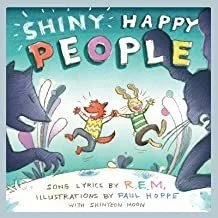
The Amazon documentary examined in this episode showing the practices and beliefs within the Independent Fundamental Baptist movement and Institute of Basic Life Principles, exposing the impacts of controlling doctrines on family dynamics and individual autonomy.
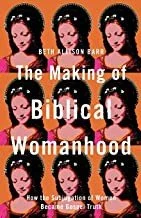
An examination of how complementarian theology and patriarchal structures were constructed within Christianity, directly relevant to understanding the umbrella doctrine and hierarchical systems discussed in this episode.
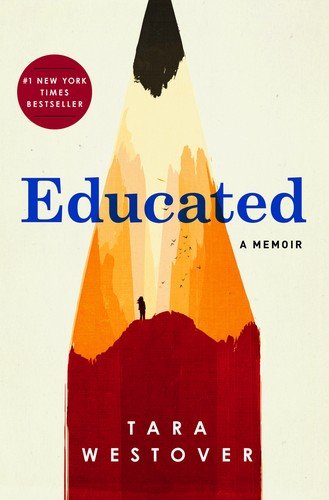
Tara Westover's powerful memoir exploring her journey from a strict, survivalist upbringing to education and independent thinking, resonating with David's gradual evolution from rigid religious teachings to personal critical analysis.
A historical examination of faith, belief systems, and how narratives shape our understanding of truth and morality across cultures and time periods, relevant to discussions about conflicting ideologies.
Arlie Russell Hochschild's deep dive into understanding different political worldviews and the emotional cores driving political choices, directly applicable to understanding voters across the political spectrum.
Resources
Shiny Happy People (Amazon Prime Documentary) — https://www.amazon.com/Shiny-Happy-People-Duggar-Fundamentalism/dp/B0D5VS95FF
Institute of Basic Life Principles — Understanding the umbrella doctrine and patriarchal structure discussed in the episode
David Peck on TikTok — https://www.tiktok.com/@itsdavidpeck
David Peck on Instagram — https://www.instagram.com/itsdavidpeck/
Inside the Design Studio Podcast — https://open.spotify.com/show/2U8OqwS6vGMVWWWTFc1Wv3