A Dallas-native Broadway Marketer, Producer, and Creative Brand Strategist
Katharine Quinn never set out to run Broadway’s most innovative social media campaigns (have you SEEN "The Great Gatsby" on Instagram and TikTok?), but here she is—shaping the future of theater marketing, one viral moment at a time. In this episode, we dive into her fascinating journey from performer to director to creative brand strategist, her accidental foray into social media, and how she built a business that’s redefining Broadway marketing.
Listen to Katharine Quinn on the Inside the Design Studio podcast: from conducting orchestras to designing for Broadway.
Subscribe and leave a quick rating or review if you enjoyed it.



“I fell madly in love with theater there. And would I have the career that I have right now without that education and those particular teachers? Absolutely not.”
Transcript
-
David Peck (00:00)
So Katharine, thank you so much for being here. Just so we kind of back up to the very, very beginning, you're a Texan as well. Yeah. So a little bit further north of here, but yeah. Yeah. So what did you study in school? Like in high school, what did you think you were going to go to school for? And like, did you have an idea at that point or did it all kind of happen organically?
Katharine Quinn (00:08)
I am.
Yes, howdy, Dallasite.
I love this question because it gives me an opportunity to talk about the school that I went to that I loved so much. I went to a school called Hockaday, which is an all-girls school in Dallas. And I was there from seventh to 12th grade. did I think that I would pursue theater? No. But did I fall madly in love with theater there? Absolutely. And would I have the career that I have right now without that education and those particular teachers? Absolutely not.
It was such an exceptional experience. My class had 107 girls in it total. And I remember I was interested, I was obsessed with film scores and I thought I wanted to be a conductor. And so I told the head of the fine arts department, I was like, I'm really, really interested in conducting, you know, what, and I'm a pianist and I was like, what do I do to, you know, pursue this or study further? And one day after a dance rehearsal, he presented me with a baton and offered to just, you know,
mentor me in conducting once a week after, you know, dance rehearsal or whatever. And I got to conduct my high school orchestra. I told the dance company that I wanted to choreograph and I got to, you know, they let me put Hayes in the orchestra pit and have people coming out of the traps and do like this whole production number. I downloaded a bootleg of the workshop of Legally Blonde and did My God, you guys before it was on Broadway, like, and they just they yes ended me.
into oblivion. got to direct musicals. I directed the last five years when I was 16. What business does a 16 year old have directing the last five years? They don't. So anyway, my yeah, I was an old soul and a product of divorce, which, you know, I guess helps in that situation, but still really had no business touching that show. The next year I did the sound of music with 40 people, 40 students. It's crazy. But yeah, so so obsessed. Did choir, played piano, all of the things, danced. But
David Peck (01:55)
You are an old soul.
Katharine Quinn (02:17)
it didn't occur to me that I could pursue theater as a career because I was a chorus kid and I was dance captain my junior year of the high school musical and I was like, I don't know what this means, but I'm honored and I took it so seriously. Yeah, so my mom is a teacher, my dad was financial planner slash in the Navy. So performing was just not, you know, I'm not a Nepo baby and I'm not like,
you know, I have no relationship to people who performed for a living. And because I wasn't the lead, it just didn't occur to me that I could be a dance captain swing or a writer or work in marketing or any of the things. So I got an arts administration fellowship at a small school in Memphis, Tennessee called Rhodes College. I went there for a year. I'm grateful for the experience. was not the right fit for me. That summer I did a community theater.
production of Damn Yankees. If you've seen Damien Keyes, you know the ensemble women in that show are there for like five minutes, 10 minutes tops. And I was like, I am changing my life. I am ready to pursue the stage. And my mother was just like, what? What are you doing? And I auditioned for BFA programs and got into SMU in Dallas, Texas, where I'm from and smushed my BFA in two years and graduated with a BFA that was split emphasis in directing and playwriting and also performed the entire time I was in.
college in the Dallas area, much to the chagrin of the program that I was in. And then somebody that I, you didn't ask for all this context, but we can connect the dots to New York, I guess. A choreographer that I had worked with in Dallas offered me a three theater dinner theater tour while I was on dinner theater tour. I drove overnight to my first out of town audition in Los Angeles. We auditioned for
David Peck (03:46)
Yeah
Katharine Quinn (04:07)
chorus line and also on an absolute whim I auditioned for Tokyo Disneyland. I booked it. I lived in Japan for a year. That connected me to Disney Cruise Line. I did Disney Cruise Line for a year and then I moved to New York City.
David Peck (04:18)
It's so cool. And just so people know, Katharine has a vlog about your whole audition experience and moving to Disney in Tokyo. That was really fascinating. So if that is interesting, please go check it out. So you had this performing career, but then somehow you have gone through a little transformation, many iterations, which I think people who are like, you're very ambitious, I can tell, and also driven to just.
Katharine Quinn (04:29)
Thank you.
David Peck (04:46)
accomplish all the things, you can wear all the hats, and I think it seems like your brain works that way. So how did you start getting from being a performer to working behind the scenes in Broadway?
Katharine Quinn (04:56)
I mean, first of all, thank you, that's very generous. There are so many things I can't do. Math, for instance, I am directionally challenged and also I have no design skills that you clearly possess whatsoever. None. So thank you, but there are limits. Okay, now I've sort of forgotten your question because I was like, well that's, you know.
David Peck (05:12)
So,
well, no, I think it's true because I feel like I have like a little bit of a parasocial relationship of having watched you in all your vlogs and like, so just so you know, I discovered you during the pandemic because of Bridgerton the musical.
Katharine Quinn (05:19)
You
my, that was
when I started making content. Whoa.
David Peck (05:28)
It was. so I, yeah,
so our whole office was obsessed with Bridgerton the musical. And so somehow you popped up on my feed and I was like, this person is really smart. Like, I really like how she's analyzing this and kind of like breaking it down. And so I just continued, I followed you on Instagram. I'm like not even a TikTok person. So I'm the millennial that like watches everything through Instagram. Exactly. So.
Katharine Quinn (05:41)
Hmm.
Two weeks later. Yeah.
David Peck (05:55)
Yeah, I loved watching all of your conversations and then ended up on your YouTube page and then watching everything and like just seeing. So I feel like I've watched your career and your business grow, which is really cool because I feel like there's so many parts of your story. I'm like, yes. And that is exactly what happens when you're starting a business. That's what happens when you're trying to manage people. That's what happens when you're trying to do something different.
Katharine Quinn (06:05)
Crazy. Thank you.
David Peck (06:20)
It's really, so if anybody's interested in the art of building a business, your vlog especially I feel is just so good. it's almost like, I know you like delay it a month, but a real time snapshot of what it's like to bootstrap something and get it off the ground. So the question was, how did you get from?
Katharine Quinn (06:27)
Mm.
David Peck (06:41)
that and maybe Bridgerton was sort of a bridge to it, the performing aspect of theater to working, because you worked as a writing assistant and behind the scenes on Broadway first.
Katharine Quinn (06:53)
Yes, okay, so I was a performer, but my degree was in directing. Eight years into performing, I was like, okay, I got to be a Newsy and Newsy's and that to me was like zenith peak. I got to be a Mamma Mia. I unabashedly and ironically love Mamma Mia and that summer was at the time of my life, loved it. And I was like, if I'm...
getting bored doing this, I think it's about time to hang up the dance shoes. Like we're about ready to move into the next thing. So reached out to a bunch of places where I dance captained. I got to directing choreograph a bunch of places, people just blindly letting me where I dance captained and they gave me a little more responsibility and let me lead shows, which is incredible. Felt like I was getting momentum, worked on Hercules in the park, worked on, I feel so bad telling you this David, because if you've been following, you know. And then did a fellow, that's true, they don't.
David Peck (07:35)
Hahaha
The listeners don't know, so they like, yeah.
Katharine Quinn (07:40)
That's true. I did a choreography fellowship on Tootsie in 2018, think. Maybe 2019, but I think 2018. I genuinely can't remember. Met Robert Horn, who was the book writer on that, workshopped a scene during tech, which is a generous way of saying, Robert asked for my opinion. I offered more than my opinion, as I am wont to do. He was very generous, listened, applied many of my notes that I had no business offering, although to be fair, he asked.
They went into the show that night and I was like, my God, this is the most powerful thing ever because historically as a director, I feel like I'm working around sometimes plot holes in writing. And I was sitting with the writer of the musical who had the power to change the script every single night. And we changed the final scene. It was just absolutely amazing. So I was like, that guy, I want to work with him sometime in the future. Plus he's just hilarious. Tony Award winner, incredible. Anyway.
Pandemic happened. So it felt like I was starting to get some like momentum in New York as a director and choreographer. Pandemic happened, got my master's in arts administration online, kind of on a whim, absolutely loved it. University of Kentucky, College of Fine Arts, online masters, highly recommend. They let me really, really split my emphasis between commercial theater and nonprofit theater, which are two very different beasts, but like work hand in hand. Genuinely learned so much and really loved that experience. And...
Bridgerton happened and I created, I had a TikTok for like lurking on TikTok, but the first time I made content was because I was obsessed with Abigail Barlow and Emily Bear writing a musical in front of her eyes with Bridgerton the musical. blew my mind. And I was like, Oh my God, I have so much energy. have to write. I have to, I mean, I have to, I have to make content about this. I've, I just have to do this. So I made a TikTok account, had about 40,000 followers in the span of a couple of weeks, suddenly had this audience of like micro nano, nano influencer and
started making content and talked about what Broadway would look like when we come back. My ex-girlfriend and I, who my ex-girlfriend was a producer, is a producer. She's still present, just no longer my partner. We would just talk about the industry and what it would look like when it returned. Then it did return. I kept making TikToks. I reached out to Robert Horn, who I'd been on Tootsie, and he was attached to Hercules, which I'd worked on when it was at the Public, and I messaged him about that. And I said, hey, PS, if you ever need a writing assistant, you know.
Let me know. A week later, he messaged. He said, Hey, what's your number? Gave me a call. Have you ever been a writer's assistant? I said, no. He said, do know Final Draft Software? I lied. And I said, yes. He said, you know, I'm a little neurotic. I write 60 new pages a night. If your game is going to be a whirlwind, but I've got a reading of a new musical called Shucked at the Daryl Roth. Do you want to do this? I boarded my dog. I said, yes. I learned the software in a week. And then I was his writing assistant on that. And then did the out of town at Pioneer Theater.
And then it went to Broadway where I was a writing associate. And then I also was a writing associate for How to Dance in Ohio. My writing associate meant something very different for those two shows, but learned so much with each of those. Continued making content during Shucked. My content was performing really well. My content about Shucked was performing well.
and somebody almost every single night of previews without fail would come up to me and say, Hey, I'm at Shucked because I follow you on Tik TOK or I'm at shucked because, you know, I'm following your content, which was a crazy thing for me to hear. And an even crazier thing for the creative team, especially cause that was 2022. I think, I think. Yeah. It was just like, uh, it, it feels like an absolute lifetime. Maybe it was 2023. I guess it was two years ago.
David Peck (10:58)
Yeah.
Feels like it. Feels like a lifetime ago, but it wasn't.
Katharine Quinn (11:19)
It was just a crazy thing for them to hear. And our music supervisor took note and also followed me on social media and was like, everything you're saying makes a lot of sense. And took me, which is very generous, took me to lunch that summer and said, Hey, I've written an adaptation of Great Gatsby. I want you to do on Gatsby what you did on Shucked. I will pay you out of my own pocket and get general management and producers to sign off on it and give you a title to just get you in the room and you'll market the show, which
through many twists and turns is what happened. And we had about 75,000 followers exiting Paper Mill and Paper Mill's accounts got 10,000 followers and it was just like a wild, wonderful experience. And then I thought I would consult on Broadway, which is what I pitched. I was like, yeah, I'll hand it off to a big fancy Broadway agency and they're welcome for all of the followers and it'll be great. And then I was offered the Broadway account and everyone, including our pal Sweaty Oracle was like, this is gonna last a week.
Like they will be lucky to make it 30 days, which of course the second somebody says something like that, I'm like, you want to bet. But you know, we had no idea. We were definitely the dark horse. And so I was like, you know, this is, I don't know if I want to pursue marketing long-term, but like, can't hurt to try this. You can't hurt to try and what am I going to do? Say no to this opportunity? Plus I am enamored of that team and yeah, it was just a blast. So.
I said yes, and here we are a year later, more than, because Paper Mill is now a year and almost a half ago, which is crazy. And then I did a Kennedy Center show marketing, this has all been social media marketing. It started as just organic social and influencers. We now also do partnerships, and this year we're also adding in paid, plus building some of our own content. So we did a Hip Hop Nutcracker on tour.
Spells of the Sea at the Kennedy Center. I associate directed a show in the midst of all of this and also did social media for that in the spring of last year and a couple of other projects and then maybe Happy Ending happened this fall and here we are. So now I'm running a marketing agency, who knew?
David Peck (13:21)
Yeah.
I know. What you have accomplished in a year is really remarkable. But it's also one of those things that if you're good at what you do and people recognize it and you're kind of an overachiever, you're going to say yes. I think it's that whole like.
Katharine Quinn (13:28)
Thanks.
David Peck (13:39)
the yes and thing in theater. You're like, I'm gonna do it and then like make it better. And I've loved watching that. So let's talk a little bit about the whole idea of Broadway marketing and social media and all that, because I think from what I've heard you say is that your big issue with Broadway, if you will, is that it has a brand problem.
Katharine Quinn (13:40)
For sure.
you
David Peck (13:59)
and that it's not connecting. And part of the reason why Broadway has struggled, especially since the pandemic, is that it's not connecting to audiences. And one of your tenets, I think, is you have to build the audience before the show is on stage. Otherwise, you've lost people. It's too expensive. Everything is just too much to try to catch up when you're in previews or when the show is opened. So can you talk a bit about how your philosophy different...
from what has traditionally been done on Broadway. And also I think the organic social of it all is something that Broadway has not really attempted in a big way like you have done.
Katharine Quinn (14:38)
do you need additional work? Are you interested in working for my company? Because like that was so beautifully articulated. yeah, no, keeping an artist and you don't need to be a part of, well, I don't know if you're, would qualify yours as a startup, but you don't need to be a part of two.
David Peck (14:40)
Hahaha
thank you.
It feels
like a startup every day. Let me just tell you. I don't even look at it as a designer anymore. It's very entrepreneurial. Yeah.
Katharine Quinn (15:00)
I'm sure. Yeah, yeah, it's
amazing. That tracks though, because your background is like heaven. It's so, I don't know what any of these things are over your right shoulder and I want to know. It's amazing.
David Peck (15:12)
it's jewelry I've designed. Thank
you. But I have my playbill from Angels in America that Beth Malone had come and she got the whole cast to sign it for me. And then I do have Tony's on the wall because eventually I do want to win one. you know, yeah. Yeah.
Katharine Quinn (15:18)
my god.
Okay, make it happen. I manifest that for you. Oh,
I've done it again. Your question was, how does my philosophy? Yeah, yeah, yeah, that's a very small question.
David Peck (15:31)
Broadway marketing, yeah.
Katharine Quinn (15:36)
Broadway has a brand problem.
because there is so much churn on Broadway, because most businesses, most brands on Broadway are not successful, the individual brands within Broadway. So when I say Broadway has a brand problem, I'm actually not talking about the individual IP.
on Broadway, so I'm not talking about, know, Phantom has a brand problem and Wicked has a brand problem. It's like the entity that is Broadway has a brand problem. We are relying on a 30-year-old notion of what Broadway was and thinking that people, that younger people perceive Broadway the way that they did 30 years ago, which is not the case. We discount younger audiences in terms of numbers and also how we might reach them.
We over rely on traditional media, which is important, but not as important as it used to be. And I think that's a very caustic thing to say, strangely. So my perception is we need to be digital first. All of our first interactions with the brand are on our phone. I haven't had a cable subscription in... I've never had a cable subscription as an adult. I've never had cable. I've only done streaming.
And yet, producers are very particular about still a New York Times full page ad about TV spots, which again are important and...
will become less important over time because our generation does not consume media the way that people did even 10 years ago. It's changed so much. It used to take six interactions with a brand for it to become recognizable. It is now 22 because of how much we are constantly inundated with different media. The only way that we can reach that critical mass is through our phones, which everyone spends hours and hours on every single day, for better or worse.
David Peck (17:14)
Yeah.
Katharine Quinn (17:24)
In terms of organic media, it's really interesting. I'm also sort of processing some of this in real time, and I have to be diplomatic for job security reasons, and because it's the proper and nice and adult thing to do.
David Peck (17:35)
Yeah.
Katharine Quinn (17:43)
I think...
I think there's an, there's, okay. There are so many agencies, usually, there are so many agencies working on shows, which is a beautiful thing and also very expensive for a show.
and allows different people to have different specialties. So there's press, organic social, paid social, sometimes influencers are separate, sometimes partnerships are separate. And partnerships, which I started doing last year, is very mysterious. Partnerships, you would think, are just brand partnerships. So Gatsby is planning a bunch of brand partnerships right now with, the Empire State Building. So exciting.
But also, I'm in charge now of group sales of street teams, like our little Chicago girlies with the fedoras.
conferences, like I just went to the American Bus Association Conference as a part of partnerships. It was wild. It was wild. It was actually kind of amazing. like, that's not, I mean, I guess it's partnerships, but it's kind of just, partnerships is like the repository for we don't know what to do with that. So now it's partnerships, which is fine, because it's a lot of things I find really, really interesting, but it's just like sort of a catch-all. In the same way that partnerships I think has become a catch-all,
David Peck (18:32)
I saw that, it looked incredible.
Katharine Quinn (18:54)
Organic social is like there isn't that much thoughtfulness about structure and rethinking structure because no one has the capacity. We're all burnt out. We're exhausted. These shows are not thriving for the most part. They are running for a very brief period of time in order for agencies to meet overhead. They are constantly pitching, looking to the next show. They're not that incentivized for a show to run because there's going to be another client. And it's just like the nature of the beast.
I just feel like there are several problems holding hands right now that are like, reparable, but they require a big mental shift for the industry overall. And when you're making change, that means more work upfront, even though it will build better solutions in the long run. And folks are already tired. So they are reticent to change. And also when you tell people that we need to change,
It implies that what they're doing is wrong and people do not like being told that. And I absolutely understand already. I don't remember his last name, but Andrew Paterno, something along those lines, is a newer content creator, or at least newer to me, who recently did Trisha Paytas's show, did something with the social media on that.
It's so funny because the way that people treated me even just a year, year and a half ago, I'm like, gosh, you can't say that. like, you know, although those are nice ideas, but like in execution, you can't really do all of that. One year in, I'm already caught catching my little like, I don't know what it is. think some of it's ego and then I think some of it is what I have experienced over the past year of like, there's practical reasons why that cannot happen.
David Peck (20:15)
Yeah.
Yeah.
Mm-hmm.
Katharine Quinn (20:37)
watching
somebody who is exactly as excited and is at least as and probably more intelligent and forward thinking than I was a year ago. And I'm already... So anyway, it's such an antiquated system that I love dearly. And it's not for anyone's lack of trying or laziness truly, because we're all working so hard, so fast. It's just not as efficient as it could be.
David Peck (21:04)
Yeah. So, I mean, that leads me into this question about like, there are probably many misconceptions about, you know, what you do in terms of creating content, because it's not just showing up at the theater and filming people doing trendy TikTok dances. It's the planning, the strategy, like all of that, and also getting clearances and you're dealing with unions and like the layers. There's bureaucracy. It's a behemoth Broadway.
Katharine Quinn (21:30)
Very dense.
David Peck (21:31)
So
what do you think is one of the most common misconceptions people have about what you need to do your job?
Katharine Quinn (21:38)
that I can just show up to the theater and capture content and make a video go viral. Or that I can join a project after the ball has gotten rolling, which is to say audiences have already started, or it's on sale that day and I can create a viral strategy immediately. This is not the way it works.
David Peck (21:51)
Yeah.
on the fly. Yeah.
Katharine Quinn (22:00)
Yeah, it's, it's, we have, I have, there are 13 people on my payroll. some of us are full time. Many of us are contractors, but there are at least three of us dedicated full time to each brand that I represent full time, meaning at least at minimum, like nine to five, Monday to Friday, plus often evenings and weekends. and I don't think that there is any understanding even from folks within our own shows that fully understand.
Yeah, we post twice a day, which PS is like exceptionally outside of the realm of the norm in terms of frequency for a Broadway brand. But there is so much beyond that. Like next week, we have three maybe happy events in a row. Next Wednesday, I think it's OK.
Because each agency is so exhausted working on so many shows, and even one show is a full, full, full, full, full, full, full time job for multiple people, who is running the large scale creative marketing campaigns for each show? So like we are running a fan event that
is happening at maybe happy ending. Activations begin at 9 a.m. in the morning and they go until 10 p.m. that night. And it is literally like almost every hour. We have a different something. It's a YouTube live and Instagram live, a merch on the seats, a costume contest going in, a hold Waboon and take a photo in front of a press and step and repeat down there. And just to get these items done, it's like we need approval from the Schubert's for the theater to make sure it happens from company management, from general management. We have invited influencers. have to, it's like a wedding seating chart of where is each influencer going.
speaking with Micah who is our incredible ticket strategist of okay was this even possible and okay $64 tickets because it's party like 64 and 2064 and 2064 is the year that it takes place and like in order to make a digital lottery like how many tickets are going to be available via digital lottery and how can we
prove that losing whatever revenue we would make sense to the producers for like the cost benefit of like, okay, we get the capture, which means that we also need photo people, but there's multiple activations throughout the day. So I think we need two photo people and probably just film people at the night. And for union reasons, we have to be out of the theater at 9 45 lights out, which means that all of our activations have to be done hard out at 9 30, which means that the photo has to take place at 9 25 and the song has to take place at 9 20. And which means that it's like,
the number of things for that single day. And we're doing three. We're doing, we have a Wednesday, a Thursday and a Friday just for maybe happy. This last week, like we had team members at Gatsby last night for audience rewards, Broadway con talk back last weekend. I was in Philadelphia for the bus conference with the great Gatsby. mean, it is constant, constant. So when I, I think it,
David Peck (24:32)
Right.
Katharine Quinn (24:54)
I don't know if it's social's job to create these large scale marketing campaigns, but we are. So when people are like, well, why didn't you post the photo that you took of us sooner? I'm like, girl, you have no idea. Like our Sprout calendar is filled for months and you're gonna be fussy that this photo, it took.
David Peck (25:10)
Hahaha
Katharine Quinn (25:23)
You know, and listen, I love everyone and I love the actors and everyone is incredible and working hard. And there's so much that I don't know about, you know, all the things that they're dealing with, but it is, it's exhausting. It's awesome and it's exhausting. But I think one of my questions is like, whose job is it to have those big, because it feels like advertising agencies, you know, I see creative presented in traditional ads, like static ads and TV ads, but in terms of like a big,
David Peck (25:25)
Yeah.
Yeah.
Yeah.
Katharine Quinn (25:50)
initiative or campaign or creative activation, I'm not necessarily, I don't think people have the space, the capacity, maybe the budget. And so that is something that we are taking on. And as such, it's like, respectfully, we need some budget for that. And we need, like, I need to supply, like, I will make magic, but we need to fund the human beings that it's taking to ideate and execute and approve and all of the things.
David Peck (25:53)
Right.
Yeah.
Yeah, it's taking it from sort of a traditional advertising mode to like very much of immersive, almost Disney-like experience where you're getting people to engage from a very instinctual level, not just, you know, in early. And so it's user experience. And so that takes so much work to build that world and to coordinate all the pieces. And if Broadway doesn't have that in place, like that's a really hard thing to kind of
Katharine Quinn (26:29)
Yeah, user experience.
David Peck (26:43)
build a scaffold into an already existing structure that makes sense. What do you think, I mean, besides the logistics of all of the scheduling and everything, is there something that's particularly challenging about the ephemeral nature of theater that is hard to translate on social, or do you think it kind of lends itself really naturally because it is so theatrical?
Katharine Quinn (27:07)
The
latter. I love it because it's like a, it's a world that we just get to play in and we get to expand out. We're a fan fiction. Like we are creating fan culture and fan names and one of the fan activations next week is,
We're doing an Instagram Live with Waboon, which if folks don't know, I'm working on a show called Maybe Happy Ending. Waboon is a potted plant that is not active in any way, shape, or form. It's not a puppet, whatever. He's just a plant. And we will have an Instagram Live for 30 minutes.
of him getting ready for the show, but we're gonna have like our stage manager come in and like give some notes to Waboon. We're gonna have like our Claire actor come in and like really give Waboon a pep talk and like, are they nice and warm before the show? So yeah, I mean, I don't, I think the beautiful thing about the internet is like we have the opportunity to like share the Broadway experience beyond the four walls of the theater.
David Peck (28:01)
Yeah, that's so fun. I love that. Yeah. OK, let's talk about how you're handling all of this crazy, because I could talk to you forever about the whole idea of marketing. I'm fascinated by marketing, and also it's exhausting as a small business owner, because I know how much we should be posting, and I know how much we should be doing.
Katharine Quinn (28:04)
I'm so excited.
Yeah.
David Peck (28:23)
And the logistics of actually getting it done is, I mean, overwhelming. takes a village, more than a village. So how are you handling? And what I love about the vlog that you do is that you talk very openly and honestly about your workload and your burnout. It's real. But also on the other side, building systems. And I feel like that's so entrepreneurial.
Katharine Quinn (28:30)
Yeah.
David Peck (28:48)
And it's not only entrepreneurial, but it's an entrepreneur who's looking at long-term health and longevity, which is not always the case. I think people who are sometimes very creative exist in the creative world and they don't see a way out of their own head to create a system that allows them to be more creative. And one of the things you said in today's vlog was like, you finally feel like you've created a system where maybe you have some space to be creative again. And I thought that was such a...
Katharine Quinn (28:59)
Hmm.
Mmm.
David Peck (29:16)
a wonderful moment because it's like it is the systems that allow you the space to continue to be creative. And also you talk very openly about being autistic and having ADHD, all the things. So all of these things layered on top of each other create such a dynamic, ever changing, huge thing, presence in your life. How have you gone about breaking it down and making it more manageable? Big question.
Katharine Quinn (29:41)
It is a good question. Also, you just speak so beautifully and you're so intuitive and lovely and I feel so seen, which is just a magical gift. So thank you. How do I manage it? Was that the question?
David Peck (29:51)
Yeah, how do you break all that? Because you've got these
moving parts and pieces. How do you start to break that down so that you can create a system or a space where I know that there are many moments where you are on the edge of burnout and breakdown, but you've been able to kind of bring yourself back? What are some like little things that you have done? And then that maybe have led to bigger changes in how you view your work that have made it more healthy.
Katharine Quinn (29:56)
Yeah.
Hmm.
Hmm. You're coming at me at such an interesting time. This happened at such an interesting time. It's like, that's funny that I said that in that vlog, which I have not watched back since I edited it. And like two days ago, I had a wonderful team member decide that this business is not the right fit for them. And they're departing in three weeks. And I'm suddenly in this hiring mode where I'm like, my god, I have to teach somebody new. We're such a small team. So every shift, I mean, that's building a business.
David Peck (30:43)
I will tell you I have
done that so many times. I wish I could tell you it ends at some point. It doesn't. But I will say every time you do it, it gets better. You view it with a different lens, and you find what you were missing the first time that made it not work. And it really, does get better. I promise you it gets better. It just doesn't end.
Katharine Quinn (30:45)
Ugh.
Hmm.
Hmm.
Mmm. Thank you.
No!
David Peck (31:11)
Sorry.
Spoiler alert.
Katharine Quinn (31:14)
Oh, I just need people to stick around forever. We're building something beautiful. But like, oh my gosh, when your resources are spent onboarding and searching for new people, it's just like, especially as a small team, it's so tough. That's so tough. Okay. How do I manage it? Systems. How do I think about it? Okay. Well, let's start with 2020 and the fact that we were all faced with our mortality in a very real way.
David Peck (31:25)
Onboarding is huge.
Katharine Quinn (31:42)
And I just promised myself that I would not get upset about theater anymore. I was like, this is so unimportant. Like, it's important, it's important, but it's just not important. So as I was, I just remember like I was choreographing as we were coming out and...
David Peck (31:49)
Yeah.
Katharine Quinn (32:04)
things that would have fussed me of like, I choreographed a whole number and they're like, cool, you have to reverse this whole thing. We're like, oh, suddenly you have a roadblock through that entrance and nobody can come through upstage left. And I would just be like, that would send me into orbit pre-pandemic and post-pandemic I was like, no problem. We're gonna make it work. Cause it's just not a big deal. The reason that I find like, I am a snowbird, I'm a millennial snowbird. This is my fourth year down in Florida. I'm currently in Florida.
I am traveling back to the city at least once a week, is exhausting and was not the plan, but work is happening. But it's still worth it because, first of all, hey, winter.
Second of all, I'm able to negotiate a great deal on an Airbnb. There's tons down here, highly recommend. Third, I can't be in Manhattan working on Broadway for 12 months out of the year. Your world becomes this big and you think that all of those things that I'm able to step away, I lose all perspective. Everything feels over important. Everything feels like the end of the world. I take everything personally because Manhattan's just like a tiny little island. Like the theater district is an itty bitty,
little microcosm of you know and when I'm here, it's like I Was what I don't know if I have 30 minutes before 5 p.m. Today, but even if it's at 5 I will go outside and I will literally touch grass I will go sit outside with my dog, which if I were in New York City, it's like I don't know eight degrees there right now
David Peck (33:11)
Mm-hmm.
Yeah.
Katharine Quinn (33:30)
So I just have to get away. Also, I just read Bob Iger's book, or just listened to Bob Iger's book. my gosh, it was so good. It's like one that I'll need to re-listen, I think. But he talked about, he was like, if you don't travel, if you don't get out of your own way, if you don't go have varied experiences, if you're just in an office, you will not be a good creative, nor a good leader. And I think I'm having a, I talk about this a lot.
David Peck (33:35)
It's so good.
Mm-hmm.
Yeah.
Katharine Quinn (33:56)
but trying to figure out how I model model. I don't know, whatever it is that I want to model within my company, within this business that I'm leading, because I don't want the perception to be, Katharine's chilling at the pool every day. That's not good. And also not true. but I also
David Peck (34:13)
Right.
Katharine Quinn (34:17)
building these systems so that I can continue to be creative so that I don't burn out so that I take care of myself but also so that I can take care of my team and then hopefully like effect change on Broadway But we just have to take care of ourselves, you know
David Peck (34:26)
Yeah.
Yeah, I think travel for me is one of those things that
it's a must. I'm also part of a CEO mastermind of like, we have six people and like twice a year we meet not in our home cities to, and kind of just like have three days where we kind of brainstorm. And it's so regenerative. Like it really, really helps. Like, and I, I mean, you went to, I lived in Paris for almost five years. So I loved watching you go to Paris. You actually went to my friend's cafe, Le Peloton.
Katharine Quinn (34:35)
Hmm.
Cool.
Mmm.
Ugh.
David Peck (34:55)
I was like, I know that I sent it to them. I was like, look who's there. Yeah. So travel for me is one of those things that it takes you out of your bubble and it helps you get a little perspective. may be really stressful to actually get the travel done, but it, can't imagine not making it a priority because it, it's just too much, you know? Yeah.
Katharine Quinn (34:59)
That's amazing!
Hmm.
Yes.
Hmm
Yeah, you're absolutely right.
David Peck (35:24)
You wear a lot of different hats. Obviously we've talked about what you're doing on Broadway, but you also, addition to all this, because you didn't have enough to do, you subsidize a lot of what you're doing as a startup by doing voiceover and you also have an Airbnb. like how, like, I mean, part of that feels like I understand because I like to have my hands in lots of different things because I would get bored if I weren't, but what keeps, does that feel that way? You like the variety or does it feel overwhelming or both?
Katharine Quinn (35:53)
Both, mostly, hmm, both. I think it gives me comfort that if I ever am like, I've had enough of this theater business that I have, other forms of income, but I started doing voiceovers 10 years ago. it's been a, it preceded my proper theatrical and certainly my Broadway career. And then the Airbnb was a pandemic project and...
David Peck (36:03)
Yeah.
Katharine Quinn (36:19)
you know, another, it's an asset. It's a diversifying streams of income, which is something I've always, always, always felt is just vital. I'm, investing is definitely a special interest of mine. I love personal finance. Not always very good at it, but I find it very fascinating. So yeah, so.
David Peck (36:28)
Yeah.
Katharine Quinn (36:42)
It is stressful, it's overwhelming. don't have time for either of them. I just hired a new assistant, which hopefully is gonna really help in that universe. But I'm grateful to have them and I get to go, Fiverr is one of the platforms that I work for and I'm going to like an event and meeting the CEO in a week and a half. And that's like a random, cool, fun opportunity from another part of my life.
David Peck (37:03)
Yeah,
it's so cool. I love it. I love that you have those different things because I think most creative people get so focused on, it's easy to become hyper-focused, which is great. It means that you're probably excellent at what you do. But when that thing goes away or fades, like in the pandemic when theaters were shut, what are you going to do?
Katharine Quinn (37:19)
Yeah.
David Peck (37:30)
you know, if you're create to sustain yourself. And I think a true creative person is looking at that holistically all the time. And I shouldn't say a true creative, a healthy creative person is doing that because it can be so hard. AI is such a big, I just did a podcast episode with somebody who is on an education task force.
Katharine Quinn (37:31)
to sustain yourself.
Yeah, yeah.
Hmm.
David Peck (37:52)
about AI. Has it infiltrated what you do and do you use it or and how do you use it and what do you see as being sort of the ethical dilemmas of using it especially when you're dealing with
people who perform and, you know, that make their livelihood from having their likeness. You know, nobody wants to have their image stolen, like, it's an, for me, it feels inevitable that AI is taking such a big space. How do you see using it and the future of using it, at least in this moment?
Katharine Quinn (38:24)
I make a third of the amount of money that I made in 2020 through voiceover, I think, singularly because of AI. So I have been impacted financially in a very, very, very, very big way. It went from a very cushy full-time job to like a part-time job, which has been tough. Now, this coincided with my accidentally starting a marketing agency on Broadway, so that's But.
David Peck (38:33)
Yeah.
Katharine Quinn (38:51)
I mean, I think that's like another reason, sorry to go back to it, but that's another reason why I just constantly am like, you know, bringing on more streams of income because you just have no idea. You have no idea what could happen. And like during the pandemic, theater was gone. My voiceover career soared. Theater came back. My voiceover career is like on life support is fine.
David Peck (39:05)
Yeah.
Yeah.
Katharine Quinn (39:14)
You just, know, housing markets come and go. It's just like everything is, nothing is certain.
I use it every single day. Claude is my preferred language learning model. Claude and I are besties. Hi.
David Peck (39:25)
I haven't tried Claude yet, I need to try it. It's on my
list of things to do that are fun.
Katharine Quinn (39:30)
It's interesting, I posted something with meta AI backgrounds a few days ago and someone responded and was like, hey, this is really irresponsible, environmentally, which is, it's a tricky thing for my brain to reconcile, I guess, just because I just think of it as like beep boop computers and like don't think about.
you know, giant processors and what that actually does to impact the environment. So that's something that I like absolutely need to look more into. And also I believe that you are correct that AI is inevitable. So I'm like, well, we just need to find more efficient ways and more environmentally healthy ways to do it. Because it's not going anywhere. It's, know, yeah, go ahead.
David Peck (40:03)
Right.
No.
And if we don't harness it now, especially as small businesses, you will be left in the dust by people who will. So it's sort of like this catch 22 of like, you have to use it and also somehow figure out how to use it in a way that feels morally less ambiguous, I guess, or more, you know, I think it's a tricky thing. I use it every single day. It, I wouldn't get half of the stuff done that.
Katharine Quinn (40:31)
Yeah.
David Peck (40:40)
I need to get done if I didn't use it. Like there's no way I could have this podcast without AI. Like it just wouldn't exist. Like I use it for so many things, for editing, for, you know, like, cause I don't have a built-in team to do that. So, it has become something I've depended on, but it also is one of those things of how, what is the limit of what I'm willing to do with it? And, you know,
Katharine Quinn (40:43)
Same.
Yeah, yeah.
I mean, I use it for repurposing content from long form to short form video. I talk to Claude every single day. sometimes I will straight up use Claude as a therapist, which I know is questionable. And Claude has a very human response, which is really nice.
David Peck (41:05)
Yeah.
yeah.
No, started talking to chat. I've been using chat GBT and you can choose your voice. And I have this really lovely, cool British lady that I talked to. And I just feel like it's awesome. And like, I basically have her interviewing me like.
Katharine Quinn (41:37)
Yes.
David Peck (41:38)
you know, because I have plans to write a book. so it's like, oh, I just want to like to talk to somebody because you don't really have time and I can do it in the car. I don't have to schedule time with somebody to like interview me. And so it's really like such a wonderful thing. And it is strangely empathetic. I'm like, that question was I don't know where that came from. But that was really deep. It's very cool if you haven't tried it. Like it's yeah. But if you use it as therapist, I mean, that's kind of like what I'm doing.
Katharine Quinn (41:40)
Cool.
I love that.
No.
Yeah, well, where
I'll be in is, yeah, I'll be in sticky situations in work and I will get, I will feel my emotions getting the better of me. And I'm like, well, who's going to be better than a computer to tell me if I'm, you know, overstepping. So I will draft emails or I'll say, this is the correspondence that has happened so far. Here is how I am feeling. Help me craft a thoughtful response. And then it's usually like a combination of, know, what that has, you know, you cannot strictly rely on it because people will tell from a mile away, but.
David Peck (42:15)
Yeah.
No.
Katharine Quinn (42:31)
It is so helpful for me getting out of my own way. I'm also, as an entrepreneur, and also I have no marketing agency experience and I'm running a marketing agency on Broadway. I am driving off a cliff every single day. I'm doing something new every single day. I'm pitching something new to someone. I'm pricing. mean, it's ceaseless. So I'm constantly drafting proposals and pitches and memos and all sorts of things via AI. So I use it every day.
David Peck (42:59)
Yeah, no, I can't really imagine my life at this point without it. It just feels like it's not. One thing we have in common, and we can talk about this or not talk about it if you want, is I think we both grew up in very conservative evangelical faiths, which at sometimes feel at odds with the world we live in and the industries in which we work.
Katharine Quinn (43:13)
Mmm. Mmm.
David Peck (43:23)
How has that been for you? I know it's a long, long years of therapy kind of question to ask. How have you been able to reconcile sort of an upbringing and from what I understand a family that didn't always accept you to being so vulnerable and honest and
sort of, I feel in many ways, just an empathetic person for people who are, you maybe struggling with trying to be their true authentic selves.
Katharine Quinn (43:53)
Hmm. yeah, my gosh, how lovely and how vulnerable.
It's hard, it's hard. mean, my mother and I have had a very big evolution. My mother is Episcopalian, but grew up Southern Baptist and still held on to some, it's hard to shake an upbringing. like, there are some parts of that upbringing that were lovely. But she's undergone a massive evolution as has our relationship. And I do think that she reached a point where
David Peck (44:15)
Yeah.
Katharine Quinn (44:27)
she realized it was kind of a choice between a genuine relationship with her daughter or holding on to something that she was taught and without further examination. And we did a lot of work that took a really long time. I first came out to her in 2012 and she said, I wish you hadn't told me. And then I came out to her, we had maybe one or two brief conversations about it.
in the subsequent years and then I tried to come out again when I was 30, three, zero, and she did not handle it well and I I love her dearly and she's in a, she's better now so we're not gonna rehash the details of that event. And then the pandemic happened and I,
I basically, very long story short, pandemic happened through a string of events. I did end up going to Texas and living with my mom for four months and basically going through therapy with her and answering every single question about sexuality, about the state of the world, about, you know, whatever. And it was hard because it's hard to educate when you are hurt. And it's very hard to educate with a parent because I still
I think we all, I just want her to say I'm proud of you every day. That's it. Like I think that you don't ever outgrow wanting your parents to be proud of you, especially if you've held on to like queerness or any kind of otherness that you knew growing up wouldn't be accepted potentially by your own family. So that's turned into a really beautiful thing. have a great relationship with my sister, but my extended family, mean,
I will see my mom's side of the family on occasion. It's sort of a don't ask, don't tell situation, even though I think they all know maybe excluding my grandmother. I think she probably knows, but there's, there are, her sister was a queer human who, anyway, it was just like, just, it was, yeah, we just like didn't talk about it, which is crazy.
But my dad's side of the family, I am estranged from. And it's been devastating because I grew up very, very, very, very close to them. This is probably more info than you wanted. it's been so hard. So yeah, mean, just any solace that I can, I love knowing that you're my ex-vangelical brethren, any solace that I can offer.
I know how painful it is, like soul deep pain that I will feel impacted by for the rest of my entire life. And any solace that can offer, vulnerability I can offer, example I can offer, space I can offer, I want to because.
David Peck (46:48)
Yeah.
Katharine Quinn (47:02)
It's just, it's so painful and so hard. So I just want to be a safe space for others.
David Peck (47:09)
I think that's great. love that you are so, it's not just like you have a speech that you do about it, but it's interwoven in almost every episode. I feel like there's something that is informed by your upbringing. And I think by acknowledging it and understanding it, I think sometimes when I tell people like friends stories, they're like, wait, what? And.
Katharine Quinn (47:20)
Hmm.
Mm-hmm. Yeah, it's like a different.
It's a different culture
David Peck (47:34)
It's a different culture. I think by normalizing it in a way, I think it makes it easier to process. Like, okay, I don't need to go back there. And also, I am a product of that upbringing. And I can choose to do with it what I like and take the parts of it that work or don't work. But having a more, even if you want to throw the baby out with the bathwater, having a little bit more of an empathetic.
Katharine Quinn (47:44)
Hmm.
David Peck (48:03)
view of why, even if it's not your world view at all. So.
Katharine Quinn (48:06)
Yeah.
Yes, and
also it feels like a short form with new people. So like, I feel like I have a new degree of empathy and I like want to give you a hug and be like, okay, we are kindred spirits truly and like, I want to protect you and you know.
David Peck (48:17)
Hahaha
Yeah. Well, there's
more in the culture that thank you very much. That's very kind. There's more in the culture now. Like, I don't know if you watch the shiny happy people documentary. Yeah. So like I grew up not Southern Baptist, but independent fundamental Baptist.
Katharine Quinn (48:30)
Yes.
my god.
David Peck (48:36)
So, and very, very well acquainted with Bill Gothard and growing up and going to all the seminars and things. like my family was not a Duggar family, like my, I have one sister, but surrounded by people who very much were that. And like, I remember, the show came on and I was like, I can't watch that. It's a little too close to home.
Katharine Quinn (48:40)
Wow.
Hmm.
Hmm.
my gosh, Tammy Fay. was like, Billy Graham was a character and you know, my partner grew up, actually my partner theoretically grew up Mormon, but not really practicing and I'm so sorry for interrupting you. But Billy Graham was a character and I absolutely went to a Billy Graham revival in an arena growing up and my partner was like, what? Like reconciling that which from the show, which is, know, camp and well, who knows? But anyway, it's just it's it's it's another universe.
David Peck (49:11)
No, go ahead.
Yeah.
Yeah, my grandfather was a pastor and was classmates with Jerry Falwell. So yeah, it's, you know, it's a whole world. And I think there's more in the pop culture zeitgeist now that is going behind the scenes and kind of gives people a little insight. But unless you've grown up in it, it's really hard to fully explain it. Actually, it was speaking of Mormonism, it wasn't until I watched Big Love that I was like, wow.
Katharine Quinn (49:45)
Mm.
Hmm.
David Peck (49:57)
this is, mean, not besides the polygamy is like, exactly. It's the mindset. Like when you're trying to understand like what, what is the mindset behind a certain like evangelical point of view. I was like, this is the closest I've ever seen of something until that point that made me feel seen. I was like, Oh, I get it. Like big love really like besides, and then it got, you know, kind of crazy. I don't know if you watched it, but you know, but um,
Katharine Quinn (50:16)
Hmm.
Mmm.
I didn't.
David Peck (50:27)
I really liked it. It was the closest thing I had ever seen to how I grew up. Anyway, so thinking back on all of this, what is a piece of advice you might give to somebody, or even younger Katharine, who is sort of on the verge of trying to explore something new or trying to figure it all out, what would you tell them? Like,
Katharine Quinn (50:32)
Hmm.
Be kinder to yourself. Like, I think we've left in this place where we've just talked about our upbringings. So certainly to little Katharine, be kinder to yourself and be easier on yourself. I so hard on myself. And I actually, just had this conversation with my mother this morning, but I was just, I was marveling. It's been a really challenging week at work.
lots of politics, lots of people, lots of heated, you know, just and not no, no one's done it, you know, it's just like personalities and what happens and some of these situations I would have responded so, so differently 10 years ago, it would have impacted my soul differently. I would have worn that stress differently. I would have taken it very personally and I would have responded
potentially more out of anger. And I am so proud of the way that I responded over the course of the last week. And I was sharing that with my mom. I like, just, I feel like really like I'm, I'm a grownup. Like I'm evolving. Like I feel really good about this. Like I just, and I'm able to like, I did have a little cry about it yesterday. Like let myself expel the stress that I had been feeling. And now I, and I woke up and I was like, you handled that really well. And like, it's fine. And I just don't care as much about the things that.
probably ultimately that issue wasn't even about me, or it wasn't even about work, or wasn't even about whatever. And she was like, just wait until you're like nearing 70. You really don't give a shit about anything. And I was like, I can't wait. Because even just the evolution in the last 10 years has been divine. Like, I just.
David Peck (52:30)
Well, I will tell you, so I think I have 10 years on you and yeah, I really don't care anymore. It's so nice. Yeah. Yeah.
Katharine Quinn (52:33)
Hmm.
Heaven. my gosh, it's awesome. So yeah, to
be kind to yourself and like, if it's not important in six months, do not worry about it right now.
David Peck (52:45)
Yeah, that's really good advice. So what's one thing that you can share, if you can, thinking that this is coming out in two weeks, that you're really excited to be working on?
Katharine Quinn (52:56)
the series that I'm working on continuing. We haven't even talked about it. Let's talk about it.
David Peck (52:59)
Oh, we haven't even talked about that. Good heavens. Oh, my word. Let's talk about it because that's,
mean, one of the reasons why I was like, I got to reach out to you. So you have launched this incredible Broadway, like mini Netflix thing, which is so ambitious. Like, so we've talked, we've talked about all the things you do as like a job, but now like we have, can talk about actually this whole project that you've done where you've, you've launched five shows and you have 35 episodes.
Katharine Quinn (53:11)
Yeah. Yeah.
David Peck (53:26)
of these coming out for season one. You're already like in the works for season two. So what is this is all under your brand and that showbiz. So tell me what is this thing that you're doing.
Katharine Quinn (53:34)
Yeah.
Yeah, it's just I'm trying to build the content that I want to see about Broadway. And I'm very, very passionate about like the Bridgerton effect and, you know, working in social media. Like, I do think that there is a huge underserved audience of Broadway fans. Actually, I literally just saw today. I don't know if you saw this, but there is a new Broadway social media network that's being created, which who knows to what degree of success? I hope I hope it's hugely successful. But clearly, other people are noting that this is a thing as well.
David Peck (53:57)
No.
Katharine Quinn (54:06)
Yeah, I mean, I just look at Reddit and how incredibly active it is r slash Broadway or r slash musicals. And it's just like, are discords. I mean, it's just such a ginormous fandom. Anyway, we have Broadway.com and Playbill and Theater Mania and these sites, legacy sites, which are fabulous and all evolving in their own right. And they do so many different things. know, they're tickets, but they're also
news and also media and they're fabulous platforms. And I wanted to build a digital first 2025 platform that is video only and it's all free. It's all available on YouTube and it's everything from 90 second short form, women on the street interviews to 45 minute sit down conversations with actors, innovators, all the things. So yeah, we have five shows.
Jesse Lin on Broadway, Slime Tutorial, which is like a play on bootlegs and also shows performers video clips of themselves previously for clips they maybe have forgotten that they ever did. I'll drink to that with Melanie Sutra-Thoda, Game Changers with me, and the next big thing, is understudies and standbys on Broadway.
David Peck (55:20)
Very cool. So like what made you think in the middle of all that you had going on that, you know, producing 35 shows, episodes was a good idea.
Katharine Quinn (55:29)
Was a good idea?
I had the dream for this two years ago. So I've had this dream longer than I planned on doing marketing on Broadway. I bought like a Mike flag for and that showbiz before Gatsby was even a twinkle in my eye. So the dream for all of this preceded that. then in that showbiz, was like, well, I've already got the handle. So guess that's what I'm going to the platform that I'll put my business under. So that was sort of like, you know, whatever, but this is what I wanted it to ultimately be announced both the 35 of it all, honestly, is because
behemoths, some of whom I have recently mentioned, I suspect maybe if what I'm doing is successful, they will probably try to emulate. And it's a lot easier to do that with a short runway if you only have one show than if you have a massive 35 episodes in a single season. And so I wanted to have a complete something. So that's what we're doing. then
we're doing award season roundtables, which I'm really, really excited about a la Hollywood reporter. so that's a lot of my March that's next month and April, really April, I guess. And then, some institutions that I mentioned previously, are talking about, you know, partnering or commissioning, you know, sort of different, like almost docu-series about various theaters and yeah. So it's really like, I think it's, I'm going to yes and it and let it turn into whatever it wants to turn into, but.
David Peck (56:31)
cool.
Very cool.
Katharine Quinn (56:54)
I'm really, I'm really excited. It's done really well so far. We've got like, I don't know, 65,000 views in the last two and a half weeks and I've done no marketing spend and like not a substantial amount of even organic social media marketing. I've not been the best marketer for myself just because I straight up haven't had the capacity. And I have self-produced and directed all of these episodes by myself and I'm marketing them all and distributing them all by myself. So it's just, you know, it's a lot.
David Peck (57:21)
That's a lot. No, that's a huge undertaking under the best circumstances. Like if that were your only job, that would be more than enough. And then to put it on top of all of the other things that you're doing is really impressive. I'm excited. You're going to have like your own like bringing it back to Texas like Magnolia Network of like Broadway shows. Yeah.
Katharine Quinn (57:25)
Yeah. Yeah. Yeah. A lot.
my gosh, dream. Yeah, I love
it. Listen, some behemoths someday, certainly they will want to purchase these and then I'll make so much money and then I can just produce Broadway shows that I want to see with the marketing that I want to do and everything will thrive and it'll be great.
David Peck (57:56)
Yeah,
I'm a big believer in manifesting. So what is that one big dream that you're like, that's gonna happen? That you wanna put out there.
Katharine Quinn (58:04)
Hmm.
So.
I mean live streaming Broadway probably.
David Peck (58:10)
Yeah.
Katharine Quinn (58:11)
And in creating
a sustainable model for it, not just doing it, but finding a system and negotiating that, like helping negotiate that contract, which will be the biggest pain of my life. If I have anything to do with it, that will be a nightmare, but I really want it to happen. Or at least help the people. know there are people very, very, very, very, very close and very actively trying to make that happen.
David Peck (58:14)
Right.
figuring it out.
Katharine Quinn (58:40)
So helping those people in any way I can or, you Yeah, I just really wanna, I really do wanna innovate Broadway. I really do wanna bring it into the digital age. I really do wanna serve an underserved audience. I think those are the really big dreams. I have dream producing projects, but those are not as big as like that.
David Peck (59:00)
tackling that would be incredible. And I have no doubt that you'll do it. likewise. Thank you so much for joining me. And yeah, I feel like I could continue talking to you about many, many things, but I know that you are a busy woman and need to get on to other meetings and your life. Yeah.
Katharine Quinn (59:05)
thank you. You're so lovely. You're so lovely.
my gosh, thank you for having me. You-
Yeah, but we're friends now, so
I don't know. I have no plans to be in Houston, but hopefully I will. And if you're in New York, please let me know. We'll go see a show or something. Yeah, this has been a delight. You're an amazing interviewer. Yeah, thank you.
David Peck (59:30)
I would love that. I would love nothing better than that.
thank you.
Listen to Katharine Quinn on the Inside the Design Studio podcast: from conducting orchestras to designing for Broadway.
Key takeaways
Mentorship and a culture of "yes" during formative years can shape an entire creative career.
Design is storytelling—every visual choice should serve the narrative and create meaning.
Creative roles from conducting orchestras to designing stages share the same core: vision-setting and collaboration.
Saying yes to opportunities you're not fully prepared for builds courage and skills faster than waiting to be ready.
Surround yourself with people who believe in your vision before you believe in it yourself.
Curiosity, research, and exposure to art are essential fuel for creative work.
Guests Appearing in this Episode
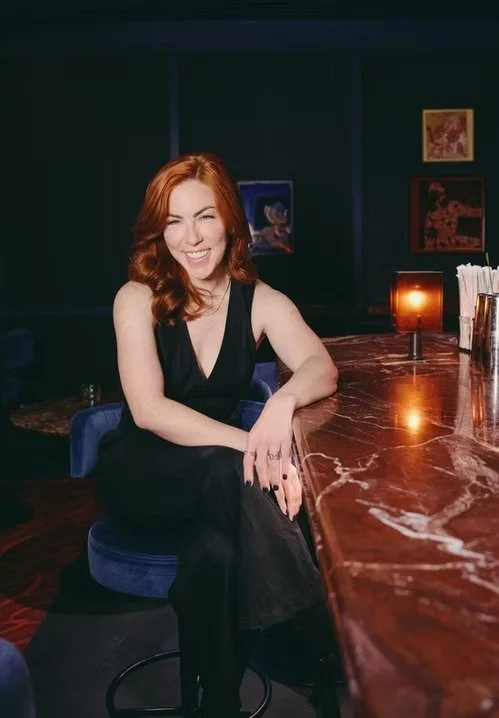
Katharine Quinn
Katharine Quinn is the Founder and CEO of And That's Media Group, parent company of And That's Strategy, a social media marketing agency behind Broadway's most-followed productions, and And That's Showbiz, a digital media platform that hit 15 million impressions in its first year with clients including Netflix.
A former performer, director, and choreographer with experience across nearly every corner of theater, she built her practice by challenging how Broadway thinks about digital audiences -- and the industry followed. Named a 2025 Broadway Woman to Watch, Women in Content Marketing Finalist, CLIO Shortlist, 3x Muse Platinum Award Winner, 92Y Women in Power Mentor. Her work has been featured in The New York Times, Forbes, and Bloomberg.
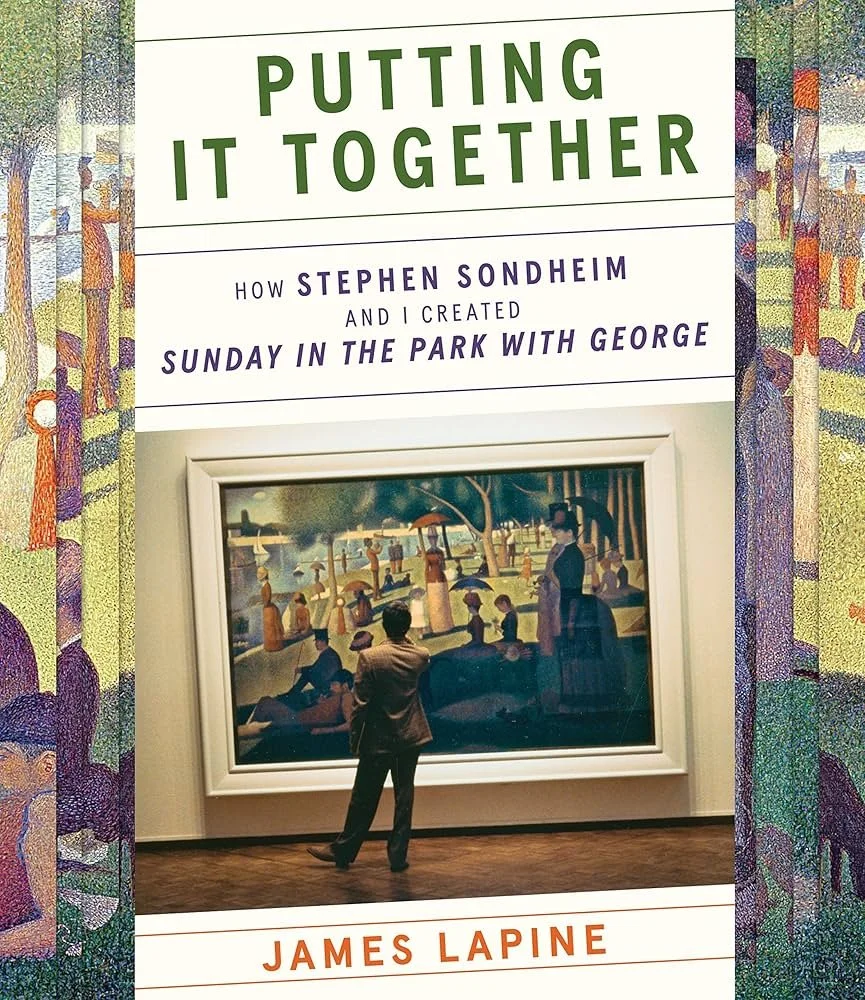
James Lapine's behind-the-scenes story of creating Sunday in the Park with George with Sondheim.
Sondheim's collected lyrics with personal reflections on his theatrical life and creative process.
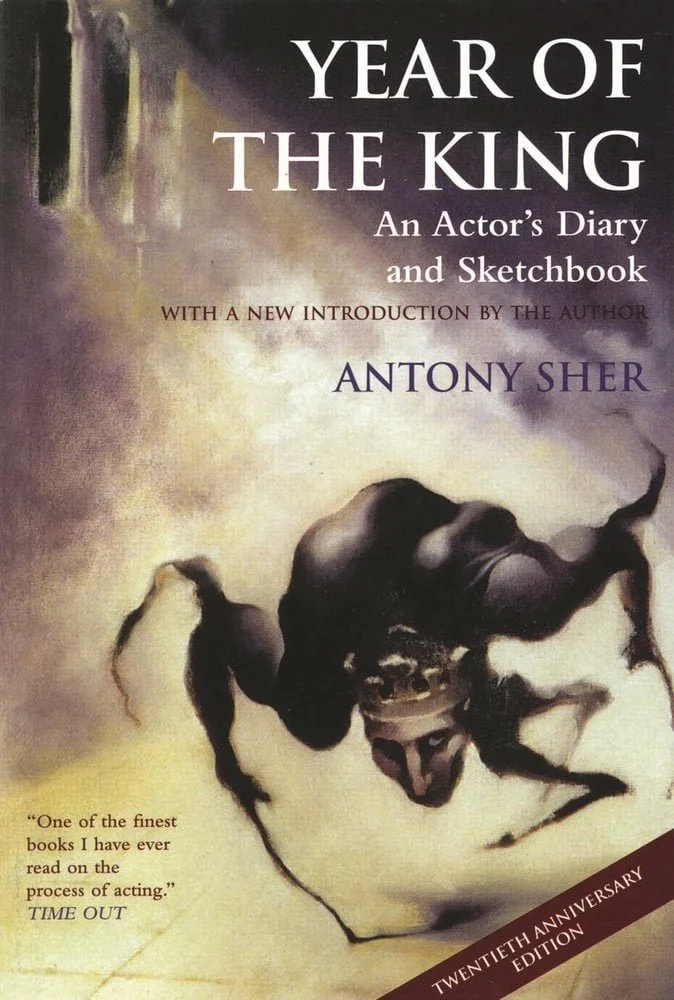
Antony Sher's diary and sketchbook documenting the creative collaboration behind his iconic Richard III.
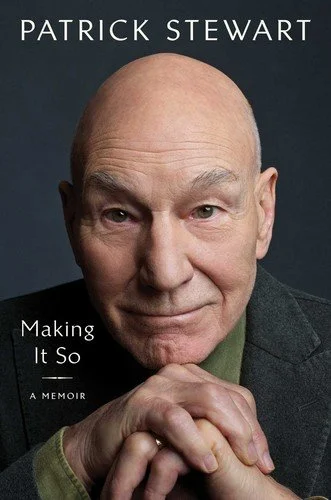
Patrick Stewart's six-decade journey through Shakespeare, Star Trek, and the transformative power of theatre.
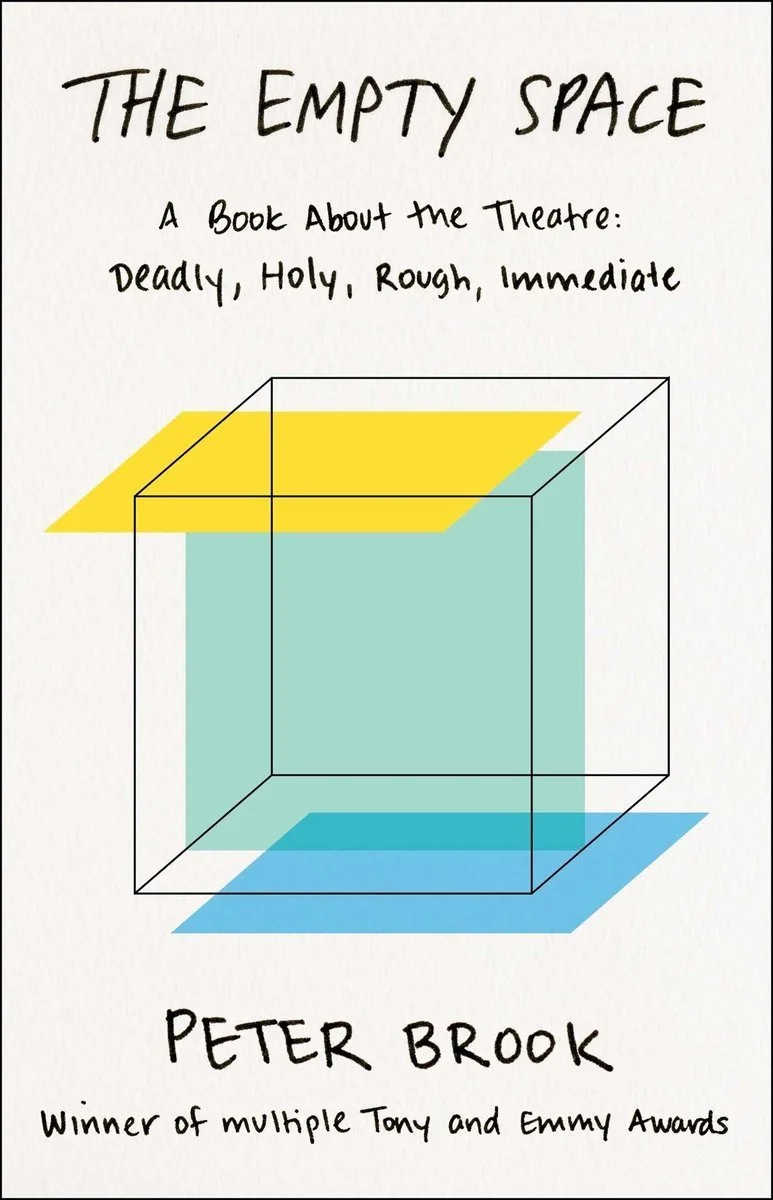
Peter Brook's groundbreaking meditation on theatrical vision, artistic presence, and design thinking.
Resources
Katharine Quinn — https://www.katharinequinn.com/
Hockaday School (Dallas, TX) — https://www.hockaday.org/