Episode 31. Hustling Into Fashion PR: Travis Paul Martin on Reinvention, Grit, and Making It Work
How one Parsons classmate built a career in fashion communications by embracing timing, proximity, and the courage to pivot when life demanded it.
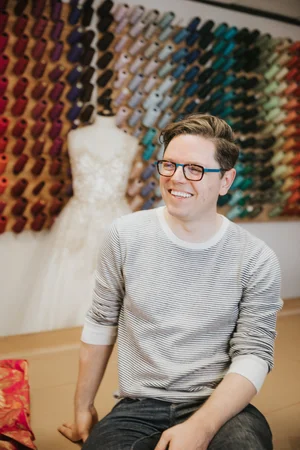
David sits down with his longtime friend and former Parsons Paris classmate, Travis Paul Martin, to discuss a remarkable career trajectory from theater kid to fashion PR leader. Starting at legendary agencies like KCD and BPCM, Travis eventually launched TPM Consulting, helping brands craft authentic stories in an industry that's rapidly evolving. This conversation explores the reality of breaking into fashion, the role of privilege and grit, the power of being in the right place at the right time, and how Travis has designed a consulting life that balances flexibility with meaningful work.
Over 20 years of friendship, David and Travis have watched the fashion industry transform completely. When they met at Parsons Paris in the early 2000s, the path to success looked very different: you needed to be in New York, you needed the right connections, and you definitely needed the financial cushion to survive on unpaid internships. Today's industry has new opportunities—and new complexities.
Travis shares candid stories about the hard years after graduation: the brutal 2008 economy, three years of searching before landing his break at KCD, the long nights of commuting from Washington Heights, and the privilege of having mentors like John Cruz who believed in him. He also talks openly about the challenges that privilege creates: when other interns had family money to survive on, how did you compete? His answer: grit, availability, and the willingness to take risks.
From there, Travis climbed through CREP Group and BPCM before a major life turning point: losing his father while starting a demanding new job led him to reevaluate everything. When his roommate announced he was leaving, it became the permission he needed to leave New York. A chance coffee with a former acquaintance in Chicago led to an agency opportunity, and he's been based there ever since—building a different kind of career.
Today, as a solo consultant, Travis works differently than he did in agency life. Instead of chasing retainers and client retention, he takes on 3-month projects with brands who need help finding and telling their story. He talks about how the industry has fundamentally changed: brands no longer wait for Vogue to tell their story. They have owned channels—Instagram, TikTok, their own websites—where they control the narrative completely. The PR professional's role has shifted from gatekeeper to amplifier.
This episode is essential for anyone navigating creative careers, especially those feeling the pressure to have everything figured out immediately. Travis speaks honestly about the stress, the privilege required, the sacrifices made, and ultimately, the importance of being willing to change course when your perspective shifts. He also brings real wisdom about designing a life you actually want to live, rather than chasing someone else's definition of success.
Listen to the full episode on your favorite podcast platform.
Subscribe and leave a quick rating or review if you enjoyed it.



“Everything happens at the time it’s supposed to. I think it happened exactly when it was supposed to. I truly believe that everything comes to us when it’s meant to.”
Transcript
-
David Peck (00:00)
Today, I'm joined by my longtime friend, Travis Paul Martin. We met over 20 years ago as students at Parsons Paris, back when we were young, stylish, and slightly delusional about how the fashion industry actually worked. Fun fact, I even made clothes for Travis back in the day, and later I may or may not have frequently crashed at his New York apartment while job hunting and launching my first company. Since then, Travis has built an incredible career in marketing and communications.
working with some of the biggest names in fashion, lifestyle, and consumer goods. Think Gucci, Barneys, Rothy's. He's honed his skills at the top agencies like KCD and BPCM before launching his own firm, TPM Consulting in 2003. Now he's helping brands craft stories that not only look good, but actually drive real impact. We're diving into his journey from Parsons to PR Powerhouse.
what it's really like to work in a constantly evolving industry and how he's designing a life that he truly loves. Travis, welcome to the show.
David Peck (01:39)
Okay, Travis, so back in the very beginning, before we met in Paris, what is it that you actually thought you wanted to do in life? Did you, I mean, what brought you to even Parsons, New York to begin with, and then eventually to Paris?
Travis Paul Martin (01:52)
so I thought I was going to be an actor. I grew up a theater kid. Like it's what I loved. it was like my sport growing up. Like my brother had, you know, soccer on Saturdays and I have theater on Saturdays. Like it's just kind of what my childhood was. And I, when it got to the point in high school, you know, like starting to look at colleges,
I really thought I was gonna go into theater and so I kind of did the rounds of, my mother was very nice to take me all over the country and to audition for the programs. Because of course, I only wanted to go to the best. I wanted to go to Tisch and I wanted to go to Syracuse or all of these schools that have incredible drama programs. And.
David Peck (02:30)
Yeah.
Did you want to do musical theater or just like
straight theater?
Travis Paul Martin (02:40)
I loved it all. mean, I'm a big musical theater fan, but I loved it all. honestly, I started getting the responses back from schools and I'd get into a school but not get into the drama program. And it was always just like, you can always try your second year or whatnot. like, I did not get into NYU or Tisch. And so I was just like, okay, what am I?
David Peck (02:44)
Okay.
Travis Paul Martin (03:05)
It just kind of made me really like look at like what I was going to do the next four years. I, you know, grew up in a family where, you know, the question of college was not a question. Like you went to college, So I was like, okay, I know I'm going to spend the next four years studying something. And if I didn't, if I wasn't going to like the best of the best that I want to spend four years studying drama at like,
a mediocre school. And that sounds so, I don't know, snot. I don't know how that is coming off, but I just was like, I kind of was like, I like school, I like learning. So I was like, if I'm not gonna go to the best, then maybe I'm just gonna change things up and try something different. And I had, my senior year of high school, I had technically graduated a semester early,
David Peck (03:48)
Yeah.
Travis Paul Martin (03:57)
but not officially because I was in all of our different drama programs. If you graduated a semester early, you wouldn't be able to do anything in the school. So I wouldn't be able to do any of our spring shows or anything like that. So I started taking classes at the community college in Salt Lake, just as elective credits to.
to add so that I was like still doing something, could still participate in the programs. And there were a couple like fashion classes. And so I started taking those and I always really enjoyed fashion. It's something I cared about.
for a long time, but was not really, I don't know, had never really thought of it as like a career or anything like that. And so, yeah.
David Peck (04:39)
curious because you grew up in Salt Lake and I like I
grew up in Santa Fe so I don't think either one is known for fashion like it wasn't in my zeitgeist at all.
Travis Paul Martin (04:48)
Yeah, mean, Salt Lake definitely is not. I was born in DC and I do have very like, you know, when I lived in DC, my mom worked for Amtrak, like in the corporate office in public affairs and she was always like really well put together. And I do remember that vividly as a kid of just like how...
David Peck (05:10)
Mm-hmm.
Travis Paul Martin (05:11)
nice I thought my mom looked. remember going on, you know, like weekend errand trips to like Saks. I think that's where she bought like her hosiery and you know that kind of stuff like back in the day when when women like would go to a department store for that kind of stuff. So I was very, I remember being aware of it from an early age and you'll see like even some like my elementary school
David Peck (05:20)
Mm-hmm.
Travis Paul Martin (05:34)
like, you know, school pictures, I'm wearing like a white button-up and when I'm wearing it, like third grade, I think I was wearing like a, like a olive green blazer. Like I was just, you know, like I always kind of cared. But yeah, Salt Lake did not like have anything like that. I mean, it's funny, like the Utahns are very attractive. They are...
I think like quite vain and like they love to look good, but I just think they're like, they're probably like three years behind. Like they're not like the most current. it's like.
David Peck (06:09)
Well now,
now they have the Real Housewives, so.
Travis Paul Martin (06:12)
Well, which
are a perfect example of behind the times. I love them. But again, like they are not like New York, you know, they're not setting the times. And so anyway, so while I was in these classes, like trying to figure out, you know, what I was going to go to college for, you know, had been accepted to the University of Utah. And that was kind of like, well, I guess this is what's going to happen. And I, to be honest, didn't know what I was going to study.
David Peck (06:17)
Yeah.
Yeah, it's different. Yeah.
Travis Paul Martin (06:39)
the subject of like fashion schools came up in one of these classes and there's a school in Los Angeles called FIVM, the Fashion and Street Design Merchandising. they totally, well, I'll get to, I mean, she started the year after me, the year after I graduated. so I, know, spoiler alert.
David Peck (06:51)
Yeah, made a little bit famous by Lauren Conrad.
Okay.
Travis Paul Martin (07:06)
I learned that they were on a trimester system. so their application process was very different than standard universities. So I still had time to apply. And so I put together a tarp. I still have it. And every once in a while, I move it. My portfolio unearths itself. And I'm like, my god, how did anyone ever let me in? I the croquis.
used to do and everything. But so yeah, so I applied and I got in and I was like, great. I, you know, there was a part of me that always wanted to live in Los Angeles. So was like, this could be fun. It was definitely a bit of a conversation with my parents because at the time FIDM was still only a junior college. Like you could only get up to an associate's degree.
David Peck (07:46)
Yeah.
okay.
Travis Paul Martin (07:58)
which I'm pretty sure is different now. I'm pretty sure some of their programs like our full graduate or full undergraduate and they even have graduate programs now. But so I did that. I went there and did the associates program in fashion design and I loved it. But I like I would say kind of into the second year, I was very aware of like
my skills versus some of like my classmates and just like in everything from construction to sketching, like there were some kids who just like got it. Like they, and I was just like, you know, and it wasn't really like my strength, but then like we would, I remember maybe it was like a sketching class where I don't know what
class it would have been, but we had to design a, I think we had to design like a runway collection, but then design like a commercial collection. And that was kind of like this first like concept of like runway versus commercial. And I remember understanding, I think that concept a little bit better and like being able to work with like my friends who were really good designers and help them think of like their runway and like a commercial.
point of view. like that was kind of my first a-ha of like, okay, maybe I don't have to leave fashion, but maybe I don't have to like stay in design. And so I okay, so I graduated, I knew I needed to go somewhere else to finish my degree to appease my parents. so I and Parsons was kind of always, you know, like the the goal.
David Peck (09:22)
Yeah.
Travis Paul Martin (09:46)
And to get into Parsons, I had to go and do a summer intensive program and a fine art summer intensive program. So I moved to New York and I did that program and it was terrible. mean, I just like, I just, was so, I found it so hard. Like, well, like the painting and that kind of stuff. I just thought like, you know, and it's so like surprising.
David Peck (09:54)
Yeah.
Yeah.
People don't understand
how much that first year, that foundation year, which is essentially what you were doing in the summer, you can't choose to go into fashion directly. If you want to go to fashion, you have to go through this really intense foundation year, which means that you have to basically be a fine artist. And then once you finish that, then you can go draw fashion drawings. There's no quick shortcut way at Parsons anyway to get to the fashion program.
Travis Paul Martin (10:17)
Yeah, exactly.
Yeah, exactly. And I do see the value in that program, but I just like, my God, it was so painful. was like, they're never gonna let me in. just, know, I, and I find art so like subjective. Like even the other day I was walking through the Art Institute here in Chicago and you you see things hanging and you're like, I know I've done something better than that. That like professor was like, no, you're terrible. So it's like the whole thing. I was just like, this is such a racket, but I did it.
I passed, but I wasn't quite ready to like, again, like I kind of knew deep inside that I didn't want to be a designer anymore. And again, kind of like going back to like theater, was like, God, do I really like try and get into the design program at Parsons to finish my degree? Just knowing that it's not really what I want to do. So thankfully my parents let me.
David Peck (11:15)
Yeah.
Travis Paul Martin (11:31)
kind of take a year off and to just kind of like figure it out. My mom's like, if you want to stay in New York, you have to find a job like you, you know, and all of that. So I got a job at Saks and I was really lucky because they had, at the time, this was like the Fifth Avenue flagship, and at the time they had these positions that were,
I mean, I think they had many different titles, designated sales associate as one or like brand manager, some, but like basically like you were a Saks employee, but you know, a lot of designers and on the different floors, like kind of how it was like their own little like boutiques. And so you would be a Saks employee, but you would be in one spot and then you would get,
David Peck (12:12)
Yeah.
Travis Paul Martin (12:19)
kind of like a monthly stipend from the brand where, like, whose shop you were supposed to, you know, kind of run. And so I became the, like, designated selling associate or brand manager, whatever we called it, for Burberry. And it was the time Christopher Bailey was still doing Poursom. But I wasn't, the shop I had was, like, kind of more of just like the streetwear, like the everyday.
the London collection as I think it was called back then. And so basically my whole role was obviously like to sell clothes, but you really like this, like the monthly stipend that the brand gave you was so that you could really like pay attention to the business and be this kind of like point person between both like the Burberry buying team and the Saks buying team of like
David Peck (12:42)
Right.
Travis Paul Martin (13:08)
what's selling, what's not selling, what are people asking for? And I really loved that process. Like I thought it was so interesting that, you know, this kind of was happening and I was learning a lot of different parts of the business, you know, and so for a minute I was like, maybe I want to be a buyer. And then I learned how much like math is involved in that.
David Peck (13:32)
It's all
spreadsheets.
Travis Paul Martin (13:35)
Yeah, like that's for
sure not happening. And, but I was really enjoying it. But so then I think, know, the
don't know when you have to submit college applications. But eventually I was like, OK, I need to go back to school and finish this. And again, I still didn't really know exactly what I wanted to do. I mean, so I knew it was kind of more on the business side of things and not design. And so every school kind of had their own program. Parsons had design and management.
I applied to RISD, I think. I applied to the Art Institute of Chicago. I can't remember. There might have been a couple others that had, you know, fashion programs, but not just design. And when I was filling out the Parsons application, you know, a big part of this next chapter for me was I really wanted to study abroad.
And so was looking at Parsons and they had Parsons Paris and I was like, great. But then as I was reading about it, you know, I discovered it was like, oh wait, I could actually just like go to Parsons Paris and not like have this be just like a study abroad thing. And, and it was, you know, totally separate application, a totally separate application fee. And I don't even think I told my parents. I think I just like, you know, again, I was like young enough still that like, you know, my mom
my parents were, you know, paying the application fees for, you know, these things because they were expensive. And so I think I paid this one like out of my own pocket and, you know, whatnot. And my acceptance to Paris in Paris was the first acceptance I got. And so I just kind of took it as a sign of like this is what's supposed to be. And so, you know, because of my
David Peck (15:05)
Yeah.
Yeah.
Travis Paul Martin (15:24)
degree from FIDM and my summer program at Parsons New York, I was able to transfer to Parsons Paris as a junior to basically do the last two years of the design and management program. And so that's what got me to Paris.
David Peck (15:38)
Yeah, it's so funny because we have such,
in many ways, similar stories because I have a previous degree in classical music and didn't know what I wanted to do and because I knew it wasn't music. was like, been there, done that. I also thought that I wanted to be an actor at one point and I was like, no, that's just going to be like being a musician and I don't want to live that life.
And so I had actually desperately wanted to live in Boston and applied to all the schools, but the only school I really wanted to go to was Boston University. And this was pre-internet days and they ended up sending me the wrong application. And by the time I got the right application, it was too late for that year. And I would have had to wait a whole nother year, but I didn't accept it all these other schools. And I was like, this isn't the right thing. And then, so I finished my music degree and then
was working at Ralph Lauren and ended up having friends being like, why aren't you doing something with design? I'm like, I don't know. And so I was like, I was in the store. So I started in sales and then I ended up, they liked how I folded sweaters. So they asked if I wanted to be in visual merchandising. So I ended up helping, like being the visual merchandising manager at that local like tiny store in Ohio.
Travis Paul Martin (16:27)
you
Were you working in the store?
David Peck (16:50)
and did the windows and all of the displays and everything, and then applied to Go.
I wanted to go to Parsons or FIT and I wanted to study abroad. I knew that because my music degree didn't allow me to study abroad. And Parsons was in Paris and I was like, well, that's where I want to go. And so I applied to FIT, FIDM or FIT Parsons in Pratt. And the first acceptance I got was Parsons. Paris was like, well, that's where I'm going. my family was like, you are no, you're not. And I'm like, yeah, that's what I'm doing. So yeah, and it's funny.
Travis Paul Martin (17:17)
Yeah.
David Peck (17:22)
taken
a year off in between because I had never taken studio art classes ever and put together a portfolio and luckily was able to use those credits and all my other credits to transfer in as a sophomore.
So I was able to start the fashion program directly in Paris. And I thought I was only gonna be there a year and then transfer to New York to finish the degree. Because at the time they hadn't had the degree program that where you could finish in Paris. And then that year while I was there in the middle of the year, they said we were changing it. So if you wanna stay and you wanna graduate in Paris, you can. And I was like, sign me up. That's what I wanna do. So cool.
Travis Paul Martin (17:38)
and there are you in the answer to the part.
Mm-hmm.
Yeah.
Bye.
David Peck (17:56)
So then, so you finished in Paris and then what brought you back to New York? Why didn't you stay in Europe?
Travis Paul Martin (17:59)
And thank you.
Ooh, well, I kind of tried, but then also, I mean, I have to say, I don't really believe in regrets, but I feel like the one thing I usually always say is that, I feel like I rushed through Parsons. I was that kid that, as much as I enjoyed school, I was so ready to be an adult and have a job and out in the world. I was like, I just wanna be done. And I really thought New York was...
like the place for me, like where I was supposed to be. like part of me was very anxious to like get back to New York and you know start a career. I did apply for a couple programs, you know the nice thing about going to Parsons Paris is you know as an American after you graduate you get you know an extended visa for a year. So I kind of looked at different things but again because I
David Peck (18:54)
Yeah.
Travis Paul Martin (19:00)
transferred in and only spent two years, you know, I didn't really get like the full, like, full year, four year, like, language experience. So, like, every time I transferred in, you know, they make every, you know, first year student take a French class, but then that's all, like, I had room for basically in my credits. And I tried one semester to,
David Peck (19:23)
Yeah, it's hard.
Travis Paul Martin (19:27)
take French simultaneously at...
the Catholic Institute, think, somewhere where we could take credits. And it was just so hard. just like, because I was taking the max classes I could take every semester at Parson so that I could just like get out of there. Again, I loved Paris, I loved being there, but I was just, don't, I just put this rush on myself.
David Peck (19:34)
Yeah.
Yeah.
Yeah.
Travis Paul Martin (19:55)
But yeah, so I didn't speak fluent French by the time I graduated. And so it was hard to find a job, know, France is very particular. even like, you know, and yeah, I don't know. Like I couldn't, I guess to be honest, I don't know if I looked at London, I maybe did at trying to find something there. But again, it was just like, it was kind of.
David Peck (20:08)
Yes.
Travis Paul Martin (20:23)
you know, not happening. So I like, I'm just going go back to New York. And went back to New York and it was, you know, I graduated in 2000. Did we graduate at the same time?
David Peck (20:33)
That's what I was doing, I graduated in 2006.
Travis Paul Martin (20:35)
you're a year before me. Okay. I graduated in 07, went back to New York and it was, you know, the beginning of the 08 crash and we're
David Peck (20:44)
Yeah, it was a
wonderful time to try to find a job in, especially in like luxury goods fashion. It was amazing. Not. It was the worst.
Travis Paul Martin (20:51)
Yeah, yeah, no, was terrible.
Yeah, but so I went back and thankfully, I, you know, at my time at Saks before I went to Paris, gosh, to be honest, I don't remember what his title was. And I think he's still at the company and he kind of in even a bigger role, but this man named John Cruz was kind of became a wonderful
friend and mentor and he gave me a sales job back when I got back to New York while simultaneously like putting me up for like job interviews like at Sachs corporate and because he knew where I wanted to be and wanted to do and so I did that but again it was kind of like the beginning of like the fall like no one was just
David Peck (21:36)
Yeah.
Travis Paul Martin (21:44)
No one was hiring, you know, entry level positions in, in kind of new categories you didn't have experience in and commission luxury sales was like, I mean, was so different than, you know, two years prior when I was there. I mean, commission sales is tough in general and like the people who really do well, like I truly believe it's a specific talent. but it was even harder.
David Peck (21:44)
Yeah.
It's a gift, yeah.
Travis Paul Martin (22:12)
the second time around and so then I kind of then went on I had like
three years post-graduation before I finally landed the job. think that kind of like...
David Peck (22:23)
Yeah, well, I
remember when I would crash at your apartment in New York and we'd go visit you at Saks, like, let's go see Travis for lunch. And, you know, it's like you were just in that waiting game of what is next because this isn't it. But like, what are you going to do because nothing is available? Like, literally, nothing was available.
Travis Paul Martin (22:40)
Yeah.
Yeah.
David Peck (22:43)
It was a really tough time. mean, that's why I ended up starting a company really was because I was interviewing for these jobs all over the country, like in New York and LA. And like, either I was overqualified or underqualified, or it would have been like a really technical position stuck behind a computer doing cat work, which I had no interest in doing. was like, that's not why I went to design school. And it was hard. It was really frustrating because your options were so limited at that time because of the economy.
Travis Paul Martin (23:09)
Yeah, yeah, it was... It was brutal.
David Peck (23:13)
But you did it. So what was your first break into getting into sort of the PR, marketing, communications space like from Saks?
Travis Paul Martin (23:22)
So, okay, so really quick timeline, graduated, moved back to New York. I was in New York for a year. I then came to Chicago for a year because New York was just really tough. Chicago I did for a year and then.
David Peck (23:31)
Yeah.
And how did you, were you moving, I can't remember, did you move with Saks? Did you go to the Chicago Saks or how did you?
Travis Paul Martin (23:39)
I did go to the
Chicago Saks, it was all by my own accord. They weren't asking me to move or anything like that. New York was just, again, getting very hard. I wasn't finding a As everyone knows, it's super expensive. And one of my best friends from New York was born and raised in Chicago. she was like, why don't you try Chicago? Because my whole thing was like, I don't want to move home.
David Peck (23:45)
Trant.
Travis Paul Martin (24:03)
to my mom's, I just like that was like kind of admitting defeat. And also my mom was, I say my mom, my dad was still around but my dad traveled a lot. So I always just kind of refer to it as my mom, but like they, it was, they kind of put it out there as like it was never really an option to go home. Like you turn 18, you go to college and like there's no turning back. Like you just go.
David Peck (24:04)
Right.
Right.
Right.
Yeah.
Travis Paul Martin (24:30)
But finally, after she saw how hard New York was and Chicago, she was like, if you want to come home, come home. And so I went home to Utah for a year. And it was like I started a terrible blog where I would literally just go to all of the different boutiques in Salt Lake and look and see what they had. was supposed to be this Utah fashion blog. It was terrible.
David Peck (24:54)
Hahaha
Travis Paul Martin (24:55)
And kind of, don't know, I'm sure I had a part-time job. I can't even remember what it would have been right now. But I just kind of hung out and I didn't really know, I didn't really know where I was going, what was gonna happen or where I was going to be. And I...
Again, this is kind of the first moment in my life where that whole phrase, like, you know, everything that's meant for you will come and everything happens for a reason, et cetera. again, I didn't know what I was gonna do. Somehow came into my mind this like crazy idea of getting like a summer job in like Provincetown. And so like I was, you know, this is back in the day of like Craigslist. And I...
David Peck (25:23)
Yeah.
huh.
Travis Paul Martin (25:39)
like found this like kind of like, I don't even know if luxury is the right word, but like upscale like bed and breakfast that like literally needed like a towel boy for the summer. But like with those jobs you get like housing. And so I was like, why not? Like what the hell? Like I...
you know, like, what am I doing here? Like, let's just, you know, do it. Nothing to lose. Cut to literally like a week before I was supposed to leave, like they rescinded like the offer and they were like, you know, we don't need you anymore. I was like, motherfucker. And so I, I still had like all of these like plane tickets to go to the East Coast and all this stuff. I ended up just, you know,
David Peck (26:04)
You had nothing to lose.
Hahaha
Travis Paul Martin (26:27)
going and using that ticket to go to New York to visit some friends and to just kind of go back in that space and see what's going on. And I ran into, I was literally just walking down the street and I ran into a girl that I knew from Paris. She was at the American University of Paris where I took, Parsons Paris at the time had a
David Peck (26:38)
Yeah.
Travis Paul Martin (26:54)
an agreement with the American University. And I stayed like the summer in between my junior and senior years, I stayed there and took classes and they were all at AUP because I don't think Parsons offered summer classes or maybe not.
David Peck (26:56)
A-U-P, yeah.
No, were certain liberal
arts classes that you couldn't take or if you wanted to take them, you had to take them through AUP.
Travis Paul Martin (27:15)
Yeah, a girl I met at AUP, we literally just bumped into each other on the street in New York and like started catching up. And it was so funny because like, was like, my God, this girl has been living my life. We graduated, she maybe, I can't remember, she graduated, she must've graduated the same year I did, or maybe a year after.
but she like met a French man and so she was staying in Paris. She got a job at KCD Paris, which, know, KCD is the agency I eventually end up at, a big fashion PR agency, and one of the places I applied before I Paris and never heard anything. And she was, she had broken up with this guy that she had been dating and she,
was moving to New York and transferring to the KCD New York office. And I was like, it's like my dream. It's all I've ever wanted. And she was like, well, let me get settled. And she's like, I'll figure out who to get your resume to and see if something can happen. And sure enough, a week after she started, she's like, send me your resume. I know exactly who to send it to. And so she sent someone my resume.
David Peck (28:04)
Yeah.
Travis Paul Martin (28:26)
And I got a call and they were like, do you want an internship? like, my God, like I graduated college, you know, I like, well, I kind of need to like live. So like, I don't know how that's going to work out. But I, you know, like talked to my mom and I was like, I kind of feel like I have to take this. So I started putting the
David Peck (28:34)
No, but yes.
Travis Paul Martin (28:50)
you know, trying to figure out the puzzle pieces. A friend of mine lived in Washington Heights, like in a big one-bedroom apartment, and he agreed to let me like rent his like pull-out sofa. And so I like, so I said yes. And so I went to New York and, and I really like treated that internship as like, like this is what was going to get me a job.
And, you know, thankfully I could, you know, was, again, like, I think all of the other interns were like, still in school, like actually doing it for school credit. Again, like, timing is everything, like looking back, like, I think I was part of, you know, there was a whole wave in New York of like, lawsuits around internships within the fashion industry. I think it kind of stemmed from like the publishing side, but.
David Peck (29:25)
Right.
Right.
Travis Paul Martin (29:40)
But it was kind of like, feel like it was part of one of the last years of like real internships in New York. But I, know, again, timing was on my side. I started this internship in August. It was right before Fashion Week. A girl in the office got let go like two or three weeks into my internship and they needed,
additional help for the Dianne von Furstenberg show. And so they were like, can you be a freelancer for this show? But when it's done, which is a paid position, but they're like, but when it's done, you have to go back to being an intern. And I was like, yes, absolutely. I will do whatever. And
So I did that. So I was like a freelancer for maybe three weeks. And then one of the publicists, the main publicist I kind of was helping out on, I mean, it's who I was interning for. But then she oversaw the show that I was freelancing for. She would go to Europe and do the European shows after New York. And so...
they kept me on as a freelancer for a little bit to kind of like help cover for her while she was traveling. But sure enough, she came back and I went back to being an intern. But then like...
So maybe six weeks in total, like it was maybe we're talking like October, November. So again, I went there in August, but October and November, they offered me a like full-time contract position. And then like, I think maybe another six months later, like March was when they like,
hired me as a full-time publicist. And that's how I got my break.
David Peck (31:35)
It's so
interesting because I think I knew nothing about the fashion industry or fashion in general when I decided to go study design. Like I literally thought fashion was the Oscars. I had no idea what it was because I didn't grow up shopping, you know, like luxury brands. didn't understand PR marketing. mean, none of it. had absolutely no clue. But I think your whole story is a really powerful testament of like it's so important to be where you want to be.
Like you have to be in proximity and like a lot of times there's a lot of sacrifices that are involved of like little no money years and years literally of like kind of treading water.
before something clicks. And I think I've noticed so much with our own interns or people who have worked, they kind of expect it to all happen magically, you know, really quickly. And maybe that's the social media, Instagram, TikTok, up at all. for many people who have long...
successful careers, it took a long time to get there. Their success was never overnight. And it's the long term, like making those connections, maintaining those connections, bumping into people at the right time, being available, being willing to like take a leap and be like, I don't know how I'm going to pay for this move to New York and like do this internship, but I know that I have to be in the room so that when they're looking for that person, I'm there.
Travis Paul Martin (32:55)
Yeah.
Yeah.
David Peck (32:59)
and
that opportunity and it takes a lot of grit, I feel, to especially in this industry. And even though there's a lot of money in the industry, you don't always get paid in a way that is commiserate with like what these brands are doing, know, and a lot of it's smoke and mirrors. I mean, it's theater, like bringing it all back to like your roots. It's a lot of making magic happen with very little resources.
Travis Paul Martin (33:06)
Yeah.
Thank
Here's a...
Totally. was, yeah, was, it was super rough, but I think there was something that clicked early on too that was like, this is true. Like I loved, like, I mean those early days at KCD, like you worked, and I'm not talking just show season, but like you could work like 16, 18 hour days. Like it was just, it was long. It was hard. But you know, you hear a lot of like,
David Peck (33:45)
Yeah.
Travis Paul Martin (33:52)
nightmares within the industry. have to say, like, KCD was always like, they were so good to the interns. They were so good to everyone. Like, was never like, I don't really have any like crazy like Devil Wears Prada stories in her. Like, I never had to like fetch coffee or like dry cleaning for a boss or anything like that. Like, so I'm very fortunate in that way. And so I was like really happy to like bust my ass. Like, I loved what I was doing.
David Peck (34:08)
Yeah.
Travis Paul Martin (34:20)
And that was, you know, that really helped kind of like push through it because I wasn't that kid that, you know, there's also lot of privilege in the fashion industry, especially in New York where, you know, kids come from a lot of money and their parents are paying for their apartment and whatnot. And that was not me. And so, yeah, like it was, you know,
David Peck (34:20)
Yeah.
Yes.
Travis Paul Martin (34:44)
Yes, I was only paying $500 a month in rent for that one period, but I was on the sofa, like in a living room with, you know, no walls and no privacy and like all the way up, like in Washington Heights, like it was a trek. But it was again, like I was so happy to be working and to have a job in an industry that I really wanted to be in. It was all worth it.
David Peck (34:52)
Yeah.
Yeah, so did you, I mean, because I think you spent a lot of years uncertain about what it is that you wanted to do. Did you recognize as soon as you got to KCD that it was like, this is it?
Travis Paul Martin (35:19)
Yeah, and I like, I did, because I am like, I'm, I think, a naturally curious person. And I love, I love to be kind of a problem solver. So I like to have my hands in a lot of different things, even if I'm not like, part of the end results. And so there were, so it was kind of hard to, and I think,
I thought this was a very interesting piece of advice someone gave me once and it kind of really stuck with me as like, was to try and like develop a bit of focus in what I was looking for because I was that eager kid that would go to places and really was like, I'll do anything. Like give me a job in any department. I'll do it. And on one hand, people really, I think, appreciate
David Peck (36:04)
Yeah.
Yeah.
Travis Paul Martin (36:12)
that like eagerness and that drive, but it also, when you're going to these big companies and people are trying to hire, they need a bit of direction. They need to be able to really be able to see you in a specific role. So when you go in very vague, it's hard for them to understand where you are going to fit. And...
David Peck (36:15)
Right.
Yeah.
Travis Paul Martin (36:33)
And so I, you know, again, like I, know, PR wasn't the first thing that necessarily stuck out at me because I didn't really understand, I think, you know, like how all encompassing that was of terms of like, you know, what it really meant. And, it meant, you know, doing, you know, fashion shows and doing events and doing just kind of the normal day to day, like press stuff of like, you know, getting
David Peck (36:48)
Right.
Travis Paul Martin (37:00)
clients and magazines and whatnot. So like, didn't, you know, once I think I understood kind of like how all encompassing it was, I was like, yeah, this is what I should be doing. Cause it lets me again, do kind of a bunch of different things kind of under one umbrella.
David Peck (37:16)
Yeah, I mean, there's so much
and I feel like PR has evolved even more with like social media and like all of the direct to consumer brands. Like it's very different than what we were taught in school. you know, all of those paths are sort of, it's not that they're obsolete, but they're just a very small portion of how businesses function and run and are founded now and how you get the word out, how you market.
Travis Paul Martin (37:41)
Yeah.
David Peck (37:44)
So like.
Yeah, it is one of those jobs. I think I had a similar problem too, where it's like, I actually enjoyed a lot of different things. And that's part of the reason why I knew I didn't want a cubicle job is I like, I wouldn't be satisfied with that. But then people don't know what to do always with a broad set of skills or an eagerness to like work in lots of different areas. I think it can be an asset, but it can also be when people are especially when you're first starting out, people want to know, like something they want to identify you. like
the box, even if you're working in an industry that prides itself in like thinking outside the box, but they still want the box. and I liked what you said too about privilege. think so much, especially, I mean, really in design too, but I think in the PR part, the way people have gotten started traditionally is because that they had the financial freedom to spend years not getting paid or getting paid very, very little.
and being able to dress the part and wearing all the brands and knowing the right people and being able to go to the right restaurants. And when you don't have those resources, you're really like, cut off at the knees, not being able to, you don't have the same leg up that other people have. So it takes a lot of gumption to do that.
Travis Paul Martin (38:52)
Yeah.
Yeah.
David Peck (39:01)
So you worked at KCD for a while and then you eventually ended up back in Chicago. So what brought you back to Chicago?
Travis Paul Martin (39:08)
I worked at KCD and then I went to two other agencies, CREP Group and BPCM. And I loved all of those experiences for very different reasons. But I started BPCM like 11 days after my father passed away.
It just kind of became a year of like, you know, again, like it is a hard job being in New York and that industry is very tough. you know, losing a parent, I think you just start to question everything. Like, what am I doing with my life? You know, like every little thing that like doesn't make you happy. You're like, is it worth it? Is this really what I'm doing? And.
David Peck (39:50)
Yeah.
Travis Paul Martin (39:58)
I, so I kind of like, just like as, as I was starting this job, and you know, dealing with, you know, losing my father, I was just, you know, so many questions and I realized, I was like, I just, you know, again, I was like, I don't know what is next or what I want. And, one day, I came home and my roommate,
my roommate was like, hey, I think I want to get a place on my own. And it was kind of, again, like I think, you know, going back to, think everything happens for a reason. It was the moment that I felt like I had, you know, opportunity to kind of like escape because I think, you know, anyone who's lived in New York, I think especially at a young age knows.
David Peck (40:28)
Right.
Travis Paul Martin (40:41)
One of the hardest things about it is finding a place to live or finding roommates if you're in a situation where one person leaves to try and find a replacement that you like is unbearable. I think I had been that whole year that I had started this job and was losing my dad, I had thought a lot of maybe I'm just going to leave and I don't know what.
David Peck (40:45)
Yeah.
Yeah.
Travis Paul Martin (41:08)
go somewhere else. But it was like, oh God, then I'd have to like, you know, tell my roommate and put him out and all that kind of stuff. so him saying that was like, okay, like, I can do this. And so I was like, great. So I kind of made up this whole scenario in my head of like, this was in July, I think. And, and, you know, we were already getting close to like planning.
September fashion week. So I was like, why don't I just, you know, tell my job, like give them tons of notice and be like, you know, I want to stay through like September shows. And then so that would end up, you know, being like September 15th, let's say. And then I told my roommate, I was like, let's ask our landlord if we can have our end date be, you know, like
that ended like September 30th or 31st, whatever that month passed. And he agreed and so, and our landlord agreed. And so it kind of put everything in motion. I was lucky that I had moved so much previous that I didn't really have a lot of belongings. this apartment that I was living in, my roommate had been living.
David Peck (42:03)
Yeah.
Travis Paul Martin (42:19)
in before I got there. And so like, I literally, I think I bought the bed in the bedroom, but otherwise like I bought new, I had no furniture. I had kitchen stuff, books and clothes. And like, that was really it. And so I put everything except for my clothes in storage in New York and just moved home. And I was like, I'm just gonna take six months to kind of figure out what is.
David Peck (42:32)
Yeah.
Travis Paul Martin (42:44)
what's going on and what I'm doing. That was kind of like the deadline I had given myself. And I started like doing, I did a couple little like freelance projects immediately after I left New York. And then it was, so I left like, know, October 2015. And it was so strange, but like literally like the,
second week of December, the phone started ringing and so many people were hiring and wanting to talk to me, which felt very lovely. But I was like, Oh God, am I ready for all of this? I, so I flew to New York literally like, I think on the 21st and like was there like the 21st through the 23rd and like did all of these interviews.
David Peck (43:30)
Yeah.
Travis Paul Martin (43:42)
and with very big companies, some smaller companies, and went home and was kind of just thinking about all of those. And then I went to, I came to Chicago for New Year's where my best friend has been living here. And,
And, you know, talking about it. And again, and I loved Chicago when I lived here after college. And so was like, Chicago would be great again. And I knew the woman I eventually came to work for. I knew her before I worked for her. And so I messaged her to see if she was around for coffee. And so we grabbed coffee and started talking. And again, it was like,
timing, everything happens for a reason. Like she was at an interesting stage of growth in the agency she owned and was like, yeah, I could use someone like you for sure. And so we kept the conversation going and I kept interviewing in New York. But again, nothing was really feeling right. I really thought like if I went back to New York, I was going to go in-house for a brand. I didn't necessarily want to go back to another agency. And so
David Peck (44:44)
Yeah.
Travis Paul Martin (44:47)
But then again, things just kind of like developed with Chicago. And I remember calling, I can't remember if I called or if I was there in person in New York, but talking to an old boss and just feeling very conflicted of like, you know, do I leave New York and go to Chicago? And she's like, listen, like you've done New York, you've proven yourself. Like New York's not going anywhere. Like if you want to come back, like we're all still here. So like.
you know, try Chicago. And I was like, great. So I, yeah. So I came to Chicago and that was, um, yeah. So I eventually like, you know, got the offer for Chicago, came here in April, 2016. Um, and I've been here ever since.
David Peck (45:18)
Yeah.
Yeah.
That's so cool. Do you think that that time that you gave yourself after your dad passed allowed you to grieve in a way that if you had stayed in New York, you may not have been able to address it? Or do you feel like because of things never really stopped or people were being, you were doing all these interviews that you didn't get the downtime?
Travis Paul Martin (45:52)
honestly, like I'm not sure I would have given myself the downtime had I lived anywhere. Definitely one of those things that takes a while. Yeah, don't know. don't, I mean, it definitely helped. Like I do, I'm really thankful for that time to again, just have at home and to just kind of like hang out and not feel.
David Peck (45:58)
Right.
Yeah.
Travis Paul Martin (46:19)
You know, it was a very scary thought because again, like I spent, you know, three years post college trying to find my dream job. And so then to decide to leave it, to take care of myself was a terrifying decision. But I had to have faith that, you know, again, like I, you know, had proven myself, I've, you know, now worked at
David Peck (46:28)
Yeah.
Yeah.
Travis Paul Martin (46:49)
three of the best agencies in New York and I know what I'm doing. So yeah, I'm very thankful I had that time and that I took that time too.
David Peck (46:59)
Yeah. Did you always, do you have the idea of ever starting your own company or was it like what got you to the point where you're like, actually, I'm gonna do this on my own now versus like staying with a company or an agency?
Travis Paul Martin (47:13)
no, my God, I like, never, I never thought I would be a business owner and I never, no, like I never ever, ever thought that this is where I was going to be. And, and that's, think part of why it like took me so long. Again, I mean, I say it took me so long to do it, but again, I go back to like, I think everything happens at the time it's supposed to. And I think.
And I think it happened exactly kind of when it was supposed to. I, you know, I had been at this agency, the agency I came to Chicago for, I had been at, I guess at this point, like seven and a half years. And, and it was great, but I was just ready for a change. Like truly, like out of no other reason than like, I mean, seven and a half years is a long time in one place. And yeah, I was just kind of feeling like antsy of like,
David Peck (47:46)
Yeah.
Yeah.
Travis Paul Martin (48:02)
wanting to do something different. And, and I took, but I again, like, I wasn't finding any opportunities that really like piqued my interest or the opportunities I was going after I wasn't getting. And then
two different, or no, one person with two different clients, or two different possibilities for clients, was like, hey, I have someone that is looking for PR services, would you want to take them on solo and not part of your agency or whatnot? And I was like, And then it was really,
David Peck (48:41)
Yeah.
Travis Paul Martin (48:49)
this person and then my best friend who were like, you can do this on your own. Like you can totally do it. And yeah, and it took some time to really think through because I have no desire to have my own agency. Like that's truly not what I'm out for. And I really decided that going out on my own was just going to be like the path to whatever is next, which I'm still not.
you know, exactly sure, but I just wanted, you know, the flexibility to, to again, like work with brands in a different way, to do some different things. You know, again, the industry has changed so much since I started. And I just wanted, you know, when you work at an agency with clients,
you know, there are very specific like scopes of work and you kind of like have your lane that you're in that you have to focus on. And yeah, so I just kind of wanted to be in a position with a little bit more fluidity of just trying things out and experimenting. And so it's been really nice to be able to have that.
David Peck (49:59)
Do you feel like
your approach to communications and marketing has changed since you've gone out on your own? are you able to see things through a different lens because you're not necessarily beholden to an agency? Not that that's a bad thing, but because you didn't have the framework that the company itself provided and you are now like looking at it as an individual.
Travis Paul Martin (50:18)
Yeah, I think, know, in the agency world, the goal is retain our clients. Like that's kind of always what you want because that helps, you know, helps you give a little bit of, you know, idea of kind of like what the future looks like helps you so then you can hire and plan and all of that, which I totally get.
David Peck (50:30)
Yeah.
Yeah.
Reoccurring revenue is a real thing.
Travis Paul Martin (50:41)
Yes,
but what I've been able to embrace is smaller project work. So I love doing a three-month project for a brand and then leaving and sending them on their way. Because I think one of the things I discovered is
David Peck (50:55)
Yeah.
Travis Paul Martin (51:02)
two things, like a lot of people, a lot of brands think they need PR, but maybe don't even have a really good understanding of what PR is or like what the story is. And a lot of this is all like manufactured, like, and it's like, it's, you know, and it's not so much like what the brand or what your PR person can do for you, but like,
David Peck (51:12)
Yeah.
Travis Paul Martin (51:29)
your PR person is really there to help you amplify your story. And so a lot of times for a story to be told about a brand, the brand really has to start doing certain things to put the wheels in motion so that there's something to talk about. I kind of like, that's a part I really like doing is being able to sit down with brands and figure out what the story is.
and almost kind of like roadmap of like, do you get there? because, know, one of the something I say a lot, I don't, it might still be on my website. If it isn't, it was there for a while because I say it all the time. One of the biggest shifts in the industry is a brand no longer has to wait for someone to tell their story because of the way technology has changed kind of the media landscape.
David Peck (51:57)
Right.
Travis Paul Martin (52:19)
or just like the world landscape, you a brand now has so many, what we call owned channels. So, you know, your website, your email marketing, your Instagram, your TikTok, like every, all of that, your YouTube, all of that is an owned channel where you're fully controlling the narrative and where you can put out your story. So you don't have to wait for Vogue to tell it, or you don't have to wait for...
David Peck (52:25)
Yeah.
Right.
Travis Paul Martin (52:45)
Harper's Bazaar to tell it. those are wonderful outlets. And I think their coverage still has a lot of value for brands. But again, it's like, yeah, so it's like being able to work with brands to really help them kind of understand that too has been really interesting. So that I think is just being able to have that flexibility to not.
Again, because I have no employees and don't want any employees and don't want payroll or anything like that. I do have some retainer clients that I do work on, but for the most part, they're not traditional PR clients that need the strength and energy of an agency. So I feel fortunate that I can.
just kind of do these little projects, or really kind of come up with scopes that meet the needs of the client as opposed to kind of forcing them into a specific path.
David Peck (53:43)
Have you seen
a change because I'll just speak from my own experience with PR. We paid a lot of money when I first started for a very good PR and they did a great job. Sometimes it's like chicken and the egg. You have this great PR but you don't have the infrastructure or the sales channels or whatever to back it up.
And then sometimes it's like, you can't get the sales channel unless you have the PR. And the industry has changed a lot. So now exactly what you're speaking about, like brands can have their own voice and they can tell. But I remember very specifically being told like your website needs to sound generic because the editors need to be able to put their own spit and like, you know, at these magazines. And now that these magazines don't have as much sway, I feel, because brands are telling their own story.
How do you kind of see that landscape having changed in the past, I would say, 14, 15 years?
Travis Paul Martin (54:35)
yeah, no, I don't think you necessarily like have to like, I wouldn't say your website has to be like generic in that sense of like, yeah. Yeah.
David Peck (54:43)
no, this is what I was told 15 years ago, when back
when the pre, like the, brands didn't really even have their own e-commerce sites.
Travis Paul Martin (54:50)
Yeah, no, it's like think there is, know, good journalist is always going to craft the story, you know, in their tone and kind of, or the tone of the publication they're writing for. But they do need, you know, substance and they need, you know, kind of like the building blocks of the story to
take into account, know, like I, you know, one of the things I've seen and I've always heard is like, you know, especially kind of in the fashion space, you know, in the traditional sense, like, you you see these runway shows and a lot of times you'll see editors like post their designers, you know, collection notes. And a lot of it is like this like story or narrative around, you know, what their inspiration was for the collection and blah, blah.
David Peck (55:39)
Yeah.
Travis Paul Martin (55:41)
And a lot of designers hate those. And they're like, I just designed. I didn't see a painting that inspired me, blah, blah, blah, blah, But what I like, but it's, and you don't always have to have that per se, but like, again, having some sort of narrative to be able to give to a journalist just helps kind of steer the direction a little bit of what the possible, what the story could be. So.
David Peck (55:49)
Yeah.
Yeah.
Travis Paul Martin (56:09)
I think if you take them, if you go to them with too little, like if, you know, then they sometimes probably just wouldn't be interested in, or they could take the story in a totally different direction, then you want it because you didn't give them any kind of, you know, path to go on.
David Peck (56:20)
May.
Yeah, what I think from what I can tell in just from my perspective is that because brands have so many more opportunities to have their own voice and tell their own stories. And I think especially a generation younger than I am has grown up with this technology and kind of know how to communicate on online platforms in a very effective way that so much of that
storytelling and messaging is coming and should come from the brand first and then the now traditional journalism, you know, eventually latches onto it. You're not necessarily having to wait for Vogue, like you said, to tell your story. Like you're not waiting necessarily for that break.
It feels like, you and sometimes like it was always waiting for the exclusivity of like, let's see if this magazine is going to tell the story first. then, but now it's like the brand can tell the story and promote it. And then, you know, maybe also then amplify that with traditional PR, but like the story that the brand has first is different. And I think even brand itself, like, I mean, in design school, we were never taught about brand. We were taught about design.
Travis Paul Martin (57:25)
Exactly.
David Peck (57:36)
And so, you know, we hadn't, mean, I had no idea about like the, I mean, I think I instinctually did have an idea about it. Cause I think I was always interested in more than just being a fashion designer. But I think you're not taught that at all. Like you're not, you're just taught about making clothes and that's very hard for a lot of creative people.
Travis Paul Martin (57:36)
Yeah.
Thank
Totally. It's funny. That's why I always said that that was a difference I noticed between, even though I didn't do the design program at Parsons, but that was something I noticed. I always thought was a differentiator between FIDM and Parsons in particular, because I think FIDM being in LA is such a brand city that I feel like, again, that commercial ability of a brand.
David Peck (58:14)
Yeah.
Travis Paul Martin (58:17)
was so much part of our training and then Parsons, from what I saw, felt a little bit more runway, couture, and less of it. Yeah, was very conceptual. Yeah, interesting that you thought that too.
David Peck (58:28)
It was conceptual.
Yeah, no, it was one of and I think
especially in Paris because I felt and one of the things I loved about Paris was that it's very much about the craft and it's like how you make the things and who makes them and how they're made and the care and attention to which are all things I very much value and have tried to bake into what I do now. But that's not necessarily a brand. It's not a I mean, it's a story you can tell, but it's not necessarily, you know.
Travis Paul Martin (58:44)
next
Yeah. Yeah.
David Peck (58:59)
the starting from the idea of like, how do you build a brand? And it's in many ways like what like these huge luxury conglomerates have done, you know, for better or for worse in terms of like turning Dior into from a couture house into like this big mega brand that's not only doing couture runway shows, but now is doing like spa retreats, you know, that are Dior branded and like this, you know, whole experiential kind of thing. I think our idea of what
Travis Paul Martin (59:02)
Yeah.
Yeah.
David Peck (59:27)
especially fashion is and brands are has evolved a lot and so rapidly.
Travis Paul Martin (59:33)
Yeah.
David Peck (59:34)
So where do you see not only the future of, I guess, communication and marketing going, but what do you see as your role in it? Are you always looking for the next thing or is it sort of, you know, this is it?
Travis Paul Martin (59:35)
Thank
No, I mean, again, consulting has been really fun. It's been about two years.
And there's a lot of it that I, there are a lot of aspects of it that I love. But I really like, I love being a part of a team and I love having coworkers. It's one of the things I miss the most. So I do still truly feel like this is just kind of the part of the path of the journey that takes me to whatever is next. And yeah, like I would love to go in-house. I'd love to work.
David Peck (1:00:06)
Yeah.
Travis Paul Martin (1:00:18)
at a brand, think again, I've done the agency thing all of my career. So going in-house, I think would be a really interesting opportunity again, just to kind of see, you know, different sides of the business that you're not exposed to when you're on the agency side. So that's kind of like in my head, but I have no timeline. I'm just kind of, know, it works.
David Peck (1:00:35)
Yeah.
Travis Paul Martin (1:00:41)
For now, and again, the industry changes so much. So in a year from now, who knows what I might be looking for or not looking for. I'm again, very open to different conversations always. I've always...
David Peck (1:00:50)
Yeah.
Travis Paul Martin (1:00:57)
I always take interviews, even if I'm not looking, because I just think it's an opportunity to meet someone. So if a call comes, I'm happy to take it. I feel very fortunate that I can do what I do now in this consulting space and not feel like I have to rush to that next corporate gig.
David Peck (1:01:01)
Yeah.
Travis Paul Martin (1:01:18)
because I know like I have that, you know, I feel like I've had that mentality so much of my life and career. But so we'll see.
David Peck (1:01:26)
Yeah. Do you feel like
you have more, I mean, it's such an overused phrase, but work-life balance or,
Travis Paul Martin (1:01:33)
No, well, yes and no. I was
going to say no because like I...
It's like, I don't know if it's a balance, but it's control. I, you know, I, there are certain things that, you know, being in PR, a lot of what I do is, you know, communicating with editors and whatnot. So like, there's certain hours of the day that like, that makes the most sense to, you know, get that work done. But then there's, you know,
David Peck (1:01:59)
Right.
Travis Paul Martin (1:02:01)
A lot of times where it's like I just need to like buckle down and like do some writing or whatnot that doesn't really have to happen at any specific time. So if I, you know, want to, you know, go meet friends at like three o'clock and then sit back down at my computer at seven, like I, you love having that control over, you know, what I do or.
I want to take a nap in the afternoon and then get back up and get back to work. It's like I having that is nice, which again, sometimes brings balance, sometimes it doesn't. And I mean, guess it's like the one thing I haven't really figured out, which I don't know if you do, again, when I go on vacation, I kind of work the whole time.
David Peck (1:02:40)
Yeah.
Yeah, it's hard.
Travis Paul Martin (1:02:54)
because
it's me. Again, I have no employees and whatnot. So I do look forward to someday taking a vacation again where I can just turn off my phone and not check email. again, it's all a part of this journey and figuring it out.
David Peck (1:03:06)
Right.
Well, it's I mean, what I'm hearing you say is that you have more flexibility, I guess, with your schedule, but the workload doesn't necessarily change. It just changes when you when you do it. Which I think a lot of people have this misconception, I think, of when you own your own business. I'm working for myself and nobody else and I'm not working for the man or whatever they want to call it. But it's actually so much more.
Travis Paul Martin (1:03:22)
Yeah, yeah, kind of. Yeah.
David Peck (1:03:37)
and it occupies your brain way more hours than like you may be working long hours at a PR firm like 16 hour days, especially like during show season. But for the most part, you don't have to take that work home. Like it's hard work when you're there. But then like when you're off, like it's you're usually relatively off when you're a business owner.
Travis Paul Martin (1:03:51)
Thank
David Peck (1:03:56)
it's always like, well, where's the next paycheck coming from? Who's the next client? So even if you're working, you're working on the next thing and that never ends. Or cash flow issues or all these things if a client doesn't pay on time. Whether or not you've scheduled the time off doesn't mean you're not thinking about all of those. Yeah.
So I am so thankful that you took all this time to talk with me today. And I hope it gives people, especially younger people who are, and it doesn't have to be younger people. It could be people who are looking for a mid life, you know, transition to something new. It doesn't have to be immediate. You know, I think you're a good example of like taking your time and kind of listening for signs and being open to possibility.
Travis Paul Martin (1:04:33)
Okay.
David Peck (1:04:41)
how much it's shaped who you are. And you don't have to feel stressed that you didn't get the perfect job the moment you graduated or before you graduated. And especially for creative careers, we don't have that prescribed path that doctors and lawyers have where you have the residency and the internship. It just doesn't work that way. So much of it is building and designing the life that you want and being open to it. I'm really.
Travis Paul Martin (1:05:04)
Totally. And
well, I'm going to cut you off just to say that like, I speak very Zen about it all now, but I probably would not about it all then. So it's totally normal to be stressed and crazed about it all. So I'm fortunate that I can look back on it and have, you know, kind of this outlook. But, you know, and I wish, and I'm sure people told it to me in the time and I wish I would have listened, but I truly believe
David Peck (1:05:11)
Hahaha
No, of course not.
Travis Paul Martin (1:05:30)
that everything comes to us what it's meant to, so.
David Peck (1:05:33)
Yes, I think timing is everything and being patient and also understanding that just because something fails or doesn't work out, it doesn't mean that you're wrong. It just means that that's not what was meant for you now. And there's another opportunity coming your way that you may not have seen if you were still in the current situation, like your whole roommate situation. Like, you know, you were scared of making that leap, even though you felt that gut, like.
pull to change, but sometimes life hands you those opportunities and you have to be willing to kind of accept them. And that can be very scary. It could be terrifying because you're like, what am I doing? Like leaving this very, the life I always thought I wanted to live. And it's okay to change that idea because your perspective has changed. I don't think it changes who you are as a person. It just changes your perspective. So.
Travis Paul Martin (1:06:06)
Yeah, absolutely.
Yep.
David Peck (1:06:21)
I look forward to seeing what you continue to do because I'm always, I love keeping up with your Instagram and like seeing what you're doing and all the fun things and the people that you get to talk to and it's really fun. So check out Travis's Instagram. And if you want to work with somebody like Travis, like you should work with Travis because he's awesome. And all of his information and website will be in the show notes. So thanks so much.
Travis Paul Martin (1:06:46)
Thanks, David.
Travis Paul Martin went from theater dreams to fashion PR powerhouse.
On this episode of Inside the Design Studio, he talks about breaking into the industry, the role of timing and privilege, and how he designed a consulting life that actually works.
Key takeaways
Proximity matters: Being in the right place when opportunity strikes can change everything. Travis's chance encounter with a friend from Paris led directly to his break at KCD.
Success isn't overnight: It took Travis three years after graduation to land his dream job. There were multiple moves, setbacks, and periods of uncertainty before his career took off.
Privilege exists—and so does grit: Travis was honest about how privilege shapes careers in fashion and PR. When you don't have family money, you need more determination, more flexibility, and more willingness to take risks.
Mentors and champions matter: John Cruz at Saks saw potential and opened doors. The woman he met by chance at AUP connected him to KCD. These relationships were crucial to his trajectory.
Life transitions can be gifts: Losing his father forced Travis to reevaluate everything. Rather than resisting the change, he allowed it to propel him from New York to Chicago, where he eventually built a more intentional career.
The industry has fundamentally changed: Brands no longer need to wait for traditional media to tell their story. Social channels and owned platforms have shifted power and changed what PR professionals do.
Going solo means different constraints: As a consultant, Travis has flexibility and creative freedom—but he also carries all the business risk and mental load. Work-life balance isn't about hours; it's about control and mindset.
Guests Appearing in this Episode
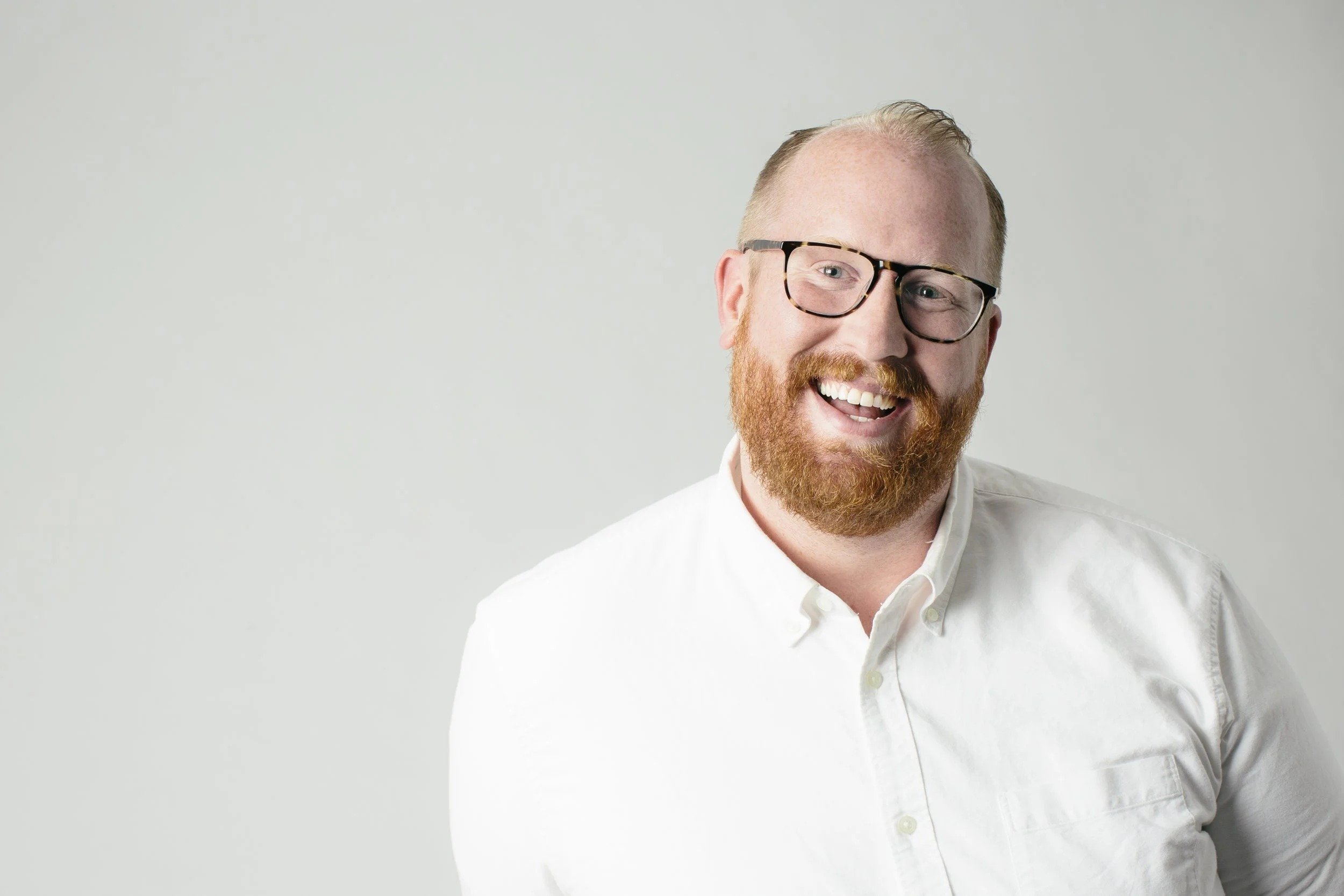
Travis Paul Martin
Travis Paul Martin is a fashion and lifestyle communications consultant based in Chicago. With nearly two decades of experience in brand strategy, PR, and communications, Travis has worked with major luxury brands including Gucci, Barneys, and Rothy's at agencies including KCD (Ketchum) and BPCM.
After graduating from Parsons School of Design in Paris in 2007, Travis spent his early career at some of New York's most prestigious PR agencies, where he worked on high-profile clients and major fashion events. In 2015, following the loss of his father and a period of reflection, Travis relocated to Chicago. After seven and a half years with an agency, he launched TPM Consulting in 2023, where he partners with brands to develop authentic brand narratives and communications strategies.
Travis is known for his thoughtful approach to brand storytelling, his understanding of how the media landscape has evolved, and his ability to help brands leverage both traditional PR and owned channels (social media, websites, email) to reach their audiences. When not working, he can be found on Instagram at @travispaulmartinpr, attending events, or connecting people in the fashion and lifestyle industries.
Instagram: @travispaulmartinpr
Location: Chicago, Illinois

Aliza Licht's guide to building a personal brand and thriving in fashion, PR, and creative industries.
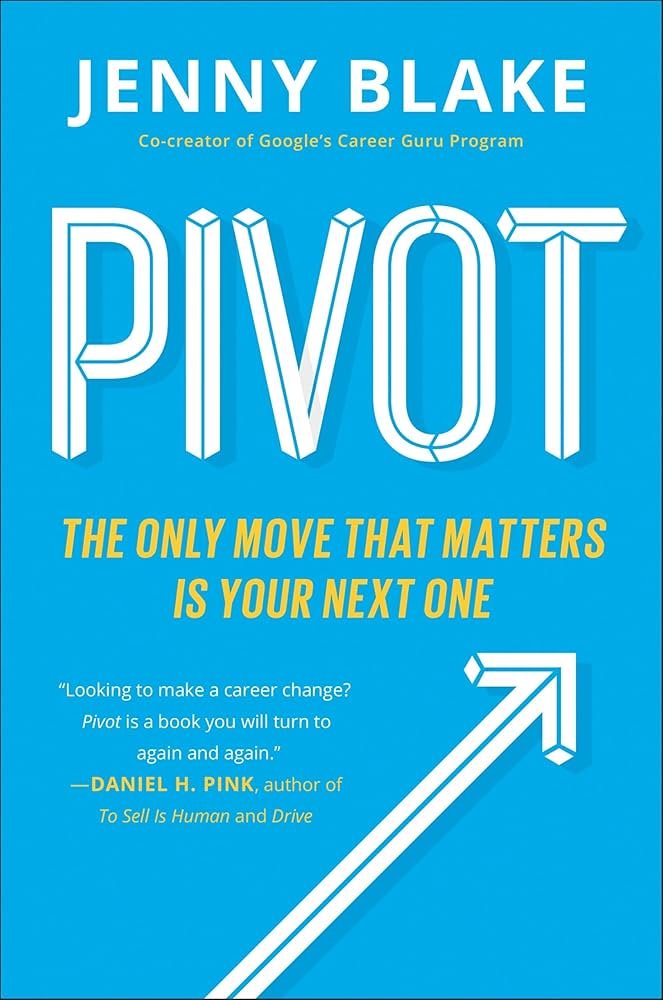
Jenny Blake's framework for navigating career transitions and turning uncertainty into opportunity.
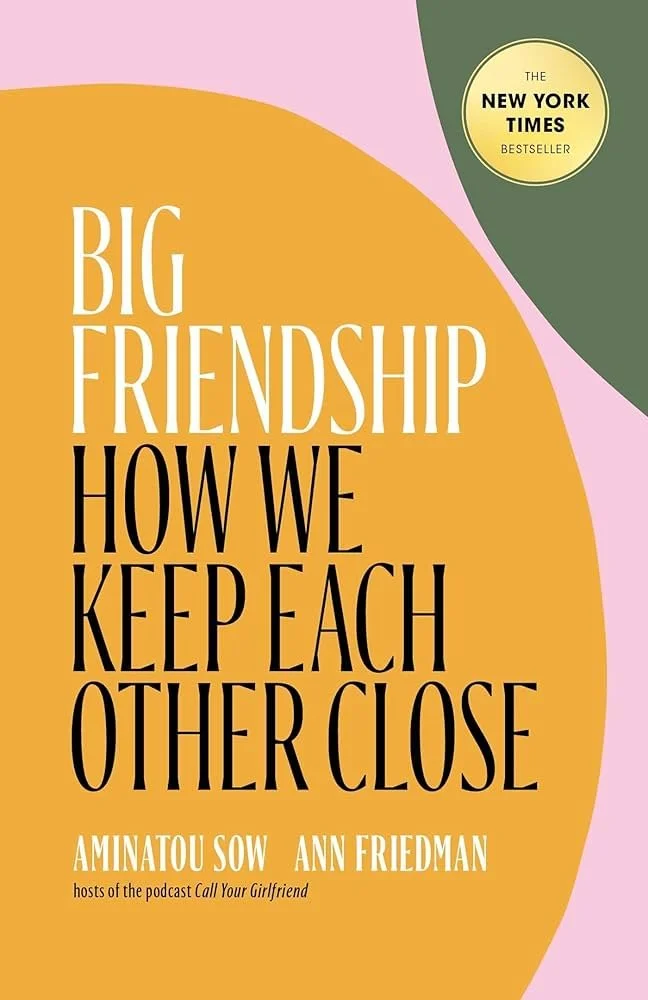
Aminatou Sow and Ann Friedman on the power and complexity of sustaining deep adult friendships.
Resources
Travis Paul Martin on Instagram: @travispaulmartin
TPM Consulting: https://www.travispaulmartin.com/
KCD (Ketchum): https://www.kcd.com
Parsons School of Design – Paris: https://www.newschool.edu/parsons/
Fashion Institute of Design & Merchandising (FIDM): https://www.fidmarts.edu
David Peck on Instagram: @itsdavidpeck
David Peck on TikTok: @itsdavidpeck