Discover how two Houston designers are transforming the scarf industry with luxury, purpose, and storytelling.
In this episode, David Peck sits down with Kimberly Vipsnickle and Roslyn from Roki Design to explore the journey behind their luxury silk scarf brand. From their beginnings to their vision for the future, these Houston-based entrepreneurs share the stories and intentionality behind every piece they create.
Roki Design is a Houston-based luxury scarf brand founded by Kimberly and Roslyn. Every piece tells a story and reflects their commitment to quality, design, and intentional living.
In this conversation, the Roki Design team discusses their background, their design philosophy, and what drives them to create beautiful, purposeful accessories that celebrate life's moments.
Whether you're interested in fashion entrepreneurship, design thinking, or simply love a beautifully crafted scarf, this episode offers insights into how small, intentional businesses are shaping the future of luxury goods.
Listen to the full episode on your favorite podcast platform.
Subscribe and leave a quick rating or review if you enjoyed it.



“Everything on this table has a story”
Transcript
-
Hey, I'm so excited we are here tonight. We have Roslyn and Kimberly from Roki Design. We are Roki. Roki, it's that simple. Super excited to talk to these local Houston ladies who are building a scarf empire. I think you're gonna love them. We do all things silk scarves. This is a fabulous piece. Everything on this table has a story. Come hear their story. We're so excited to be here today at David Peck. We get to do a little interview and some fun conversation. I wanted to be a jockey. Me too. I'm super excited to share them with you today. Follow us inside. Hey there, design enthusiast. Welcome to Inside the Design Studio, the podcast where we unravel threads of life and design. I'm your host, David Peck, your guide through the cosmic wonders, the tangible touches, and the delightful twists of creating a life you absolutely love. Today's episode is a special peek into my eclectic toolbox. the secret weapons I use to design a life that's as vibrant as my creations. So grab your metaphorical sketch pad and let's dive into the art of intentional living. Okay, welcome everybody. This is Inside the Design Studio. I'm so excited that we have Kimberly Vipsnickle and Rosalind here. from Roki Design and these ladies are taking the scarf world by storm from Houston because they have such good taste. Such good taste that you actually had your wedding trousseau or ensemble made many moons ago. By you. I know. Very intentionally. Like I said, great taste. Yeah. Definitely. And also you have great taste because our next guest inside the live series is Marina Saba, who's right here. Yes, is here. And she has also collaborated with Roki Designs. So it's all like full circle. We're really excited about that. Hello to everyone on Instagram. Thank you for joining us. And so let's start at the very beginning, because it feels like a very good place to start. So for both of you, what did you want to be when you grew up? And what did you study in school? So I wanted to be a jockey. Me too! Because I was tiny and I loved horses. I knew I liked you. I so wanted to be a jockey. And yeah, that wasn't in the cards. But I got to go to design school instead. So I studied interior design and space planning. Okay. And how about you? Did you know what you wanted to do? I wanted to be a veterinarian. Okay. And so I just loved animals. I was in the four-age club, whole nine yards, and it all kind of went to a screeching halt when I was 16 years old. And my dog that I'd had since I was six years old passed away. Oh. And it just broke my heart. And I was like, there's just no way I can do this as a living. I was like, because I just have such a heart for animals. And I was like, I just, I can't do it. And so I kind of switched gears. And I kind of floated into what I do now, which is a lot of different things. but primarily commercial real estate and business structuring law with a fun side of fashionable scarves called rokey design. Awesome. That's so crazy. So I had the love of animals growing up and I rode. And I also wanted to be a jockey and probably starved myself, which just maybe explains my height. Um, yeah. And I was like, I kept going up the ladder where I was like, OK, well, it can't be a jockey now, like a real one. But then I could be like a steeplechase jockey. Because then they could be like five, nine. And then I was like, no, this didn't work. So I feel your pain. OK. And I know you're from Houston. Yes. But I don't remember. You're not from Houston, are you? I'm not. Don't hold it against me. Florida woman. Yeah, so I was born in the Tampa Bay area. OK. In Sarasota. And you made your way here. Like we all have. Well, I mean, some of you are from here. But yeah. Right. OK. So did you know, so you were set, we were set, but she didn't know you always wanted to be a lawyer. But what drew you to law, like after you realized that I can't be a vet? It really was just based on comments from others. I was always a very just opinionated child growing up and had a way of getting what I wanted done no matter what. And so I just always got the commentary, you need to be a lawyer, you need to be a lawyer. And I was like, I didn't know what that was. My example of a lawyer was LA Law. Yeah. And I used to watch that and I thought they looked fabulous. And I was like, well, I can have a career and I can look fabulous, so why not? Well, and you did it. So well done, you. Okay, we're having a little static. I don't know what's going on. Okay, and now you have your own firm. I know you were with the practice for a really long time and now you have your own firm. What inspired that leap? What made you decide that I can do this by myself? Well, I mean, I've been working for firms for 23 years It's like you grow individually as you go through your life, through different stages. And I love the firm I was with. That's why I was with the last firm for so many years. It was like, okay, I think... Seven... As soon as I talk, it starts again. Yeah, I was with my last firm for 17 1 1⁄2 years, and so it was a little bit bittersweet when I left. But it was just that time. My son is 12, and these are moments that I can't. get back, right? And so with COVID, that really taught me some lessons about the things that are important to me. And it also was just a come to Jesus with, you know, the fears that I had, I could overcome. And there was enough support out there between the people that I know and all the connections that we have. I finally felt like I could do it. It's like, you know, as women, we kind of wait to be asked. And I was waiting to be asked. And so I finally got pushed out of the door by my husband, who was like, you've got to do this, and you got to do it now. And so that's how I got to where I am today. That's awesome. Do you feel like your education prepared you to be your own boss? Or was it sort of something? It's a combination of efforts. Because as lawyers, we don't learn how to practice law in law school. We learn how to think like a lawyer. It takes time to learn how to practice. And so I needed to work for firms. I needed to get that development. And not just in the firm environment, just in the life. There's life skills that you learn along the way that teach you how to be a leader and teach you how to be better than who you are, teach you how to respect others.
-
All these things come into play when you're trying to create something on your own. And of course we've all had stumbling blocks. This is not my first entrepreneurial endeavor. My first one actually, I met somebody who knew me when I started, company called Piolet. And so I started that in 2006. And so I've had stuff that's gone, failed, you know, come back again, started over, you know, we have to lift ourselves up. Yeah. And when you go through that, you understand that there's no perfect time, there's no perfect way. You just have to create the life that you want to live. That is awesome. So I know we've connected on this before, but you mentioned in the blog interview that we launched today, that you grew up in a Yes. Religious. What did you think of that picture? I said. Yeah. It was awesome. So I'm wanting to know, because I know it really influenced me on a certain level, but it did affect what or how you looked at what you wanted to study in school. You know, I was turned on to architecture and design by a woman at my church. So, I will say that I was exposed to someone who loved design. I will also say that one of the things that I don't design professionally is houses of worship because that exposure and seeing how building committees work and all of that, and I just thought, I don't want to lose money. design job and that's how it's gonna be. But as far as seeing what I wanted to be on the design side of it, I'm really grateful that at least someone in the congregation exposed me to this interesting concept. But you know, we all feel like we have to leave home at some time, right? So was in my hometown who said, you have one of the best design schools literally in your backyard. It's five miles from where you live. I know you wanna leave home, but if you stay in town, you'll get one of the best educations that one can buy, which meant that four more years with my parents. And so it made us craft a new relationship post high school where I still lived there during college and we became great friends, but it took a lot of work very different lifestyle and design. Right. And I went to an art school. Yes. So it was very different than the religious upbringing, for sure. Yes. No, I completely understand. Yes. So after the plans to be a jockey failed, it was obviously you were introduced. But did you know it was architecture? You knew that it was that? I understood that I wanted to create space that was meaningful for people and that they loved to be in and somehow and I will say too my parents were in medicine and so I grew up around a lot of kids my mom was in pediatrics where those kids had exposures to environmental problems because of industry and I knew that practicing medicine well I learned my calling. And so because of that, I could still impact people's health and welfare by designing healthcare spaces. So I ended up getting into healthcare architecture and design because of that childhood experience. But it was kind of a neat building of those pieces. That's so interesting. You also now have your own firm. Yes. Did you always have that entrepreneurial spirit time that sort of evolved and made you realize that you wanted to work for yourself? So entrepreneurial spirit, yes. Was I the kid that would make extra money at church with the little old ladies who would bring them their necklaces that were all tied up and I would untie them and then I would make money? So we have so much in common, I sold stuff at church. And so it was being entrepreneurial, yes, but just like Roz said, I needed to work in firms. in an industry that's very heavily regulated, codes, laws, there's a lot to learn. And there's a lot to learn about how to show up and how to work with other people. And so I didn't launch my own practice until I had been in for 10 years. Okay. Do you feel like art school adequately prepared you for the real world or was it really that real world experience that made it kind of... So the real world experience Definitely on the entrepreneurial side, but I will say I was fortunate. We did have a year of business practices classes, which is unique and not offered at a lot of design programs. And so I was very grateful for that because it was a great exposure and it showed me that I didn't take the route of 95% of my other classmates who did a thesis. I got an internship. Yeah. And I was the first person from my college to do an internship west of the Mississippi. And I went all the way to San Francisco. And so I was a guinea pig for them. It was a leap of faith for them, just like it was big for me. And I realized that the internship part of it was a very good exposure into, OK, this is what it takes to actually participate as a team member on these critical, where it's a lot of negotiation and back and forth. Yeah. So interesting. OK, so I think a lot of times people think of business partnerships as if they're a marriage, because it takes a lot of communication. But I want to know about your meet queue. Like, how did this all come to be? So we have a story, right? And we were at the venue today. At lunch. Literally, at a luncheon today at the River Oaks Country Club. And so we're both a part of a professional women's organization called Kuru Houston, which is commercial real estate women, right? And so I think we'd vaguely seen each other at the events, right? that we were sitting next to each other, and they had a very interesting speaker. At the time, that had some very interesting views, and I was looking around the room to make sure I wasn't the only crazy person that thought this man is insane, right? So I was just like looking, and then finally she caught my eye, and we looked at each other, and we were both like, we are about to get up and walk out together, okay? And I was like, okay, kindred spirit. Yeah spirits and then from there it was the pilot connect she used to come to my fitness classes I hosted at my house She would do that for a while and then eventually I started learning more about her and it's funny even now We find out stuff about each other and don't even realize that we have certain connections that we That we have and we just it's just one of these things where we just are very similar.
-
Yeah in various different entertaining ways, but Birthday four days apart Both classically artists pianists were both. Yeah, wow, and it's just very Interesting, but what happened is I had and I was telling some of the ladies here. I had a drawer full of scarves I was going through this, you know with Pile a not doing really well I was really trying to figure out where was I going to kind of maneuver into and more a different area to do just fun stuff outside of love. What can I do? And so I was doing all kinds of different videos to see what really engaged with people. And I did fitness, I did music, I did, you name it. I was posting a video. I did cooking, all of that, within an 18 month period to really see. And the one thing that really engaged people was I pulled all the scarves out of my drawer and I styled them in a video and it just went crazy. It just went viral. I don't even know how many views it's had by now. and it was interesting, I knew that she had a collection because I'd seen some of her pillows before, and so I actually interviewed Kimberly. Oh wow. At the time for my blog about the scarves, and then it just kind of evolved on its own. I got asked to create a scarf, and from there it all came together, and so we created the company back in 2019, and unfortunately launched officially right before COVID. I know it's gonna, yeah, great timing. Yeah, I know, exactly. Perfect timing. how we connected was through Ker Houston. Yeah. So how long was it from when you had originally met to when you actually got into business together? Probably about two years. 2017? Yeah, two years. Yes. Two years. So I have to ask you as a lawyer, did you do your due diligence and figure out like who exactly you were getting into business with? And like, I'm assuming especially as Virgos, like this was all the dotted I's and cross T's like we thing, right? It's one of those where I will say for the organization that we're in, there's a certain level of individual that is in that organization, right? They're very powerful women. They know what they're doing. They're very smart. And so some of the stuff I didn't even question. I knew who she was and then I'd spent a lot of time with her. So I didn't know. I didn't pull her up on LexisNexis and make sure her credit was good. I thought there were no judgments against her. No, I did not do that. Okay. So there's a level of trust. I will say, and you talk about me cute, I'm wearing the shirt that I was wearing when she asked me if I would be willing to be her business partner. And it's funny, it's like you just, you vibe with certain people, but I was honored that she asked. Because I knew Roswell enough to know she ain't gonna ask just anybody to be her business partner, and so that was very meaningful and special to me. That's awesome. I have been in business relationships where it didn't go well. And so it makes me very wary of anything I do in the future. Were both either of you concerned about the idea of a partnership and how that might be? Because you both have very strong points of view and personalities. So how did you have concerns about how those two would mesh? Well, we just figured out, from a corporate standpoint, we made sure that we had a third independent party that serves as a manager of our organization. similar to a board, right? So it's a board member, but because we have an LLC, it's a manager, so we have a third party. So if at any time the two of us get into a dispute, we have a third independent party that we trust to make a final decision, whether she rules with her or with me. And if that doesn't work, then clearly there's other remedies that are set out in the company agreement to resolve any disputes between the parties. But yeah, I kind of set it out that way, and I knew we needed to have that within the agreement because, again, as an attorney, worst-case scenario, we prepare for the worst and hope for the best. So you obviously had a formal plan and I guess there's a certain amount of it that happened organically. Yes. Cool. So let's talk about your product. You have three branches of your line. You have your purpose scarves, which are collaborations, if I'm not wrong, with various charitable organizations. You have your artist collaborations, which, Marine Saba, I guess, is sort of a hybrid because it was both a charity. and an artist. Exactly. And then you also have your repurposed vintage accessories, such as your pillows. And I have a lovely little bookmark from you guys now. So tell us about how those three branches of your company came to be. So the first thing was kind of determining, if anything, how do we develop a brand that offers something, number one, you know, I think, what has a shelf life, right? What doesn't require sizing? How can we appeal to as many audiences as possible, right? We're starting this from scratch. So we have to make sure that we kind of cast a broad net. And I knew sort of my area of expertise, but I also knew the areas that I wasn't good at. And I've learned along the way that you need to bring in other people that fill those gaps in order for you to really build a business. And so I knew that I was good at creating the relationships and doing the custom scarves or working with the artists. I knew she would probably be good with working with the artists, but I also knew she was excellent even before we met, creating the upcycled products out of all the brands, luxury brands that we know, whether it's Hermes, Gucci, Louis Vuitton, all of the above. And so I was like, okay, so if we have a client that prefers high-end, they're very brand affiliated, we have something for them. If we have somebody who has a heart for charity and wants to be able to give back, and I will put it out there, that we probably give the highest percentage back to the nonprofits we work with. I mean, I see it all the time where they say, we're going to get most of the stuff we do for nonprofits, it's 50% of the net. And so, and then of course we have our customs. So whether you have, we just did a custom scar for Hampton University, which is my undergrad. My alma mater. and we've done several for different affiliates of the crew national organization. And so between all those different lanes, we feel like it's a whole package and it covers all the bases.
-
But still it's cohesive because it kind of is based on this scarf. It's all derived from scarf. It's art on silk. It's scarf love. Exactly, it's wearable art. Exactly. How do you decide on new designs and collaborations? So, sometimes with artists we're just introduced to someone, right? And the, you mentioned organic earlier, sometimes it's organic. Other times it's extremely targeted, like we'll see somebody's work and be like we've got to put them on the list to chat about. Obviously the nonprofits, a lot of times they're these beautiful connections that come from other nonprofit work that we're doing. is of going with the repurposed from a one-off to are things scalable? And so in that way, it's very much this iterative, like, hey, I have this idea, let me make some mock-ups. What do you think of this? How do we make this scalable? Is this feasible? Let's do some research. Let's check the pulse of what's happening and come back and then get together with our inner circle of advisors, really, and say, hey, we're thinking this? What do you think? But we also, we're here to serve and so we love the nonprofit side of it because it's very much a way for us to extend who we can give to and we can support. You know like with the Heart Association, the Heart in Bloom that we have, I'm a stroke survivor. That scarf is so meaningful for me because it was how we could support an organization that helped fund Mobile unit that saved my life. So when you can use what you do for a living to also help other people, it's not just fashion. I mean, I love fashion. I am a love fashion. But it's way deeper than that. And so that's why the purpose and the repurpose lines are named that way as well, because it's very purposeful. I love that. So when you're working with an artist, do you have a plan? I mean, you said it can happen organically, with a more strategic mindset when you're... I probably do that more. And remember, I have right brain, left brain. So I have the artistic side, the creative side, and I have the business side, right? So I'm the one that creates the schedule. And it's like, okay, we have deadlines. That's what we need to be. But then at the same time, we don't go in there just to like, just go for it. Very rarely will we do that. I already have an idea. So I, in my little, I will literally sketch out or create Marina will tell you when she met with me the first time, I had a poster and I had literally cut and pasted. I saw your video. And she still has it. And I still have it. And so I come in sort of with the concept. It's like I create the concept in my head of what I think is going to work. And then I have to find the artist that meets that need. And then we kind of find a marriage as well there. And then we kind of work through the timeframe. And she worked on the tightest timeframe for us ever because she got it done in three weeks. Oh my goodness. So if you haven't seen that scarf, it's amazing. It's the best dressed luncheon, right? March of Dimes. Very, very cool. And of course you got that done in three weeks. I would expect no less. How do you split? Because you both have a creative vision, and you both have your own businesses. So you have that sort of idea of running a business. How do you split the creative vision and the work aspect of this partnership? We seem to have, it's like the two sides of the coin, because I am also. left brain, right brain, so I'm one of those one tenth of one percent of the population that scores on those different tests about how I process things and so the beautiful thing is this is her season to be creative. I've spent my entire career being creative and creating and designing things for other people, right? So when she needs to be creative, I'm on the structure side and I'm the business side and I'm following up on the emails and making and doing those kinds of things, because as a construction manager, I make schedules too. And so it's a really beautiful back and forth. And so it's really nice because we can do a really seamless trade-off in that way. But because architecture and design and art requires constructive criticism, and her being in commercial real estate and as an attorney, it's like we have a way of communicating with each other that it's not like you don't take It's like about, hey, how do we make this better? Like, oh, this is a great idea. Oh, this could be better if. So it's a really nice push and run. Right. And then, of course, when she's more so concentrating on creating the upcycle products, I'm the one who's more on the business, trying to make sure, you know, from a business side, we're getting things done. So it's like yin, yang, yang. Exactly. And it kind of works. You kind of flip back and forth. It's not like some charted out thing where it's on a calendar. It literally is very organic. She kind of, I can feel her and she can feel me. Cause even today between the last 72 hours, I was like, oh wait, what's happening? Cause she's on the business side of this one. And I was like, I don't know what I'm supposed to be doing. Where are my times to me? Tell me where and when. Well, you kind of answered this question before. So how do you handle the creative differences? Like I understand like you have a manager in place, if there's like, I'm sure big structural things or whatever, Does that go through the manager person too, or do you like duke it out? No, it's like we talk about it and bottom line, we're very open to commentary and in fact we're working on creating a group, an exclusive group to help us because again, we don't know and we never know. We really take feedback seriously when we get it from our clients and our customers and we see what does well, we see what doesn't look well, we try to build off of that and so we're very open to listening to what the customers want. and engage with them and making sure that we're able to meet their needs and that it really is impactful. Like when we see somebody reveal a scarf for especially when it's for one of our non-profits and lid and people just burst into tears because it's so touching and it tells such a story we don't there's no empty gestures and I stole that quote from her everything we do has a purpose a reason a season and it's for the benefit of you know the people who are able to take love and be the customers and the last home, hopefully, of the products that we sell.
-
Yeah. I love that. Okay, so, and I think one of the things that a lot of artists or creative people struggle with is selling and figuring out how to sell something that is so personal and creative. How do you, do you have a marketing plan? Like, what is your, besides the philanthropic, like, how does that work? It's a work in progress. Yes, because clearly we had to pivot. We did. We had a tire plan set out perfectly that was launching in March of 2020. Good timing, again. Fabulous timing. Amazing timing. Exactly. And so we kind of had to reinvent the wheel, right? And so we transitioned from where we thought we were going to be doing a lot of sales from the commercial artist-based scarves to, no, we were actually doing a ton of sales and carried our company all the way through COVID with our upcycled masks and our customs, right? And that wasn't what we did. saw but that's what happened. I think that's actually how I first learned that you were doing something is because we were in articles together and I was like we were doing maths you were doing I was like wait I know them. We're still reinventing the wheel now so we're still going through the process of trying to figure out the best way to market the best way to scale the I mean things you probably have way more experience than we do but you know we've in the way. You have to do it. Exactly, right? And so that's kind of where we are. We want to make sure that, again, we can give a product that people love and that is a part of our values on a personal level and on a philosophy level. So if I'm going to put you on the spot, is one of you better at marketing and one of you better at sales? I think we're both. You're both? Because we're always walking around in our stuff. So are your rising signs the same? So if you're both Virgos, do you have a We both have the same rising sign. What is that? Oh, we're gonna have to get Grace on our team. She's gonna do your whole chart. Figure us out, will you? She's gonna figure you out. We're gonna see how, yin, yang, yang you are. Yeah, I don't think we've drilled into it, but. Yeah, I know, but for us, it's all about the relationships and everything that is relationship driven and we're both good at, we have our own circle, we have our circle together, then we have our own circles, right? Yeah. And within that, we've been able to build outside relationships, whether it's through organizations, companies, people. And it's very organic. And maybe that's the yogi in me that some stuff, I feel like just needs to happen on its own plan and trail. Yeah. So this is a very hard question to answer, I think. If somebody asked me, I'd be like, what? But I'm going to ask it anyway. Are you pleased? I mean, taking the pandemic and COVID and like all that into, are you pleased with the rate of growth? Yes. Best we could have gotten, I think, out of a really crazy worldwide situation. Yeah. So. Is it what we had dreamed of? No. No, but. But given the challenges, yeah. Awesome. Yeah, because the timing was impeccable. Yes. Right. You got that. So barring another worldwide whatever, what is your vision for the company in the next five to 10 years? I'll let you start. We're going to take over the world. Yeah. No. It's funny, because as far as company vision, that's part of what we've been talking about. And we've really been spending time figuring out, how do we best show up in the future? And so we haven't penned it with specific dates yet, because we are still working through some events that are happening through April to really kind of wrap our arms around that. but what I will say is more sustainable. wherever feasible, more community involved, and more fun. Fun is important. It is so important, and it's really easy to lose the fun of business, even though you're doing something creative and beautiful. Yeah. No, you have to keep the fun. It's one of the things we've learned as a company over the past, or I've learned, I shouldn't speak for everyone, but that you have to, in some way, simplify in order to be able to see the joy again, really fast. So looking back what lesson did you learn from these first couple of years of crazy business that's informing what you choose if you had to choose one lesson you're like this is kind of really informing the decision making going forward. That's a great question. I don't know, you got me stumped for a minute. Goodness. Take a drink. Yes, it's definitely a drink. I'm uparched here. And just so everyone knows while they're thinking, if you guys have. probing questions that you would like to ask. We will open it up at the end for audience participation. Yeah, I don't think it's a story. I guess it is a lesson, but it's just be flexible. Be as flexible as possible and just kind of try as much as you can. And really that helped me create my law firm as well. Because again, you have to kind of, I am type A. I have a plan in place from the moment I wake up in the morning to the moment that I go to sleep at night I can promise you every single day, there's something that goes wrong in my plans. Never happens for me, tell me. And I just get so frustrated because I have this plan in my head and I just have to let go of that and that's probably been the hardest lesson. It's just let go of what you think is supposed to happen and just move through it, go through that moment, whatever that is. Once you get on the other side of it, then that lesson that you learn along the way, that's the jewel. The flexibility, it's like we all had to pivot. Yeah. And that was a huge... Like friends, pivot, pivot. Hugely important. Remember, I don't watch television. Oh, that's right. I don't understand how culture references are just like... That's right. I'm sorry. These pop culture references are just like... Pop culture references are like really over my head. Yeah. It was the one where they moved the couch up the stairs. Okay. It's okay. Okay, sorry. Sorry, yeah. I'm exposed now officially to Insta-world. See, I did the opposite of you. I like over consumed. Okay. And so I caught up in many ways. I did? Yeah. Yeah, I don't watch TV either. Oh, it's like my favorite thing. Yeah, so I'm sorry about the pop references. It's okay.
-
I'll provide them for you. Yes. But yeah, being flexible has been... crucial. Saying no is okay too. Yeah. Yeah, and learning to delegate is really hard for me. Yeah. I'm working on it. Delegation's a hard thing to learn. I'm still figuring it out. Just letting go. If the Instagram post, the word is spelled wrong, just let it go, Jesus, let it go. Yeah, that's hard. Don't go on. Yeah. Regina's like, our office manager's like, did you plan to copy and edit? And they're like, no, we didn't. I'm working on it. Yeah, yeah, that's hard. I still have a tendency to wanna go in there and edit, edit. Fix it. I have to let it go. That does not require my level of expertise. That's a pop culture reference. But I also have children, so that's also. Okay, so you're both multi-passionate. I don't know if you guys have heard Rosalind sing. Oh! Talk about talent. OK, so how do you guys balance those interests and design a life that you love to live? Because there's so many things that you love to do. Right. And there are only so many hours in a day. How do you do that? Fortunately, with things like the Purpose Line, it means that we're doing a lot with nonprofits and the luncheon that she mentioned earlier today. It's, to me, being able to go to a nonprofit luncheon in the middle of the day is part of crafting. So you can be a lady to lunch and a- Yes, yes, and a boss babe and all of those things. But I'm very grateful. I have an extraordinary husband extremely supportive of me and like he came here and unloaded the car he loaded my car at the studio came here unloaded the car and then went to the dojo tonight so that we could do this and i couldn't do it without extraordinary family so it really is that balance of them being having a spouse who so believes in your passion and what you're doing that they never detract from it and they will always try to support when they can Exactly. It's huge. Yes, I have to kudos. My husband's the same. So again, he's the one that pushed me out of the door to finally create my own law firm after he'd given me several speeches every single year. That's what I should be asking for when I go into my evaluation every year. And I finally told him, I'm like, babe, I'm not doing it. He's like, well, then you just need to leave. Just leave and go out the door. And so I did that. But I always quote, through the years, I've met a lot of people and this Jill Jewett and she's from Houston, if you don't know her. So I met her years and years and years ago. And I was very young in my practice, very relatively fresh to Houston, but I was interested in just learning more about it. And it was like, we were talking about like business stuff or whatever. And then finally she looked at me in my eye and she's like, something else is happening here. What's going on with you? And I was like, well, I got this and my son and then blah, blah. And you know, just a volcano happened. And so she looked at me and she's like, let me tell you something, honey. There is no balance. Take the word and throw it out the window. Don't try to use it. Don't try to make it happen, because it's not. There's no way in the world you're going to be able to find balance. You're not going to be able to give 100% of yourself to your job, 100% of yourself to your family, 100% of yourself to the passions that you have. All you can do is show up in that moment and give your 100% at that time and in that place. And as long as you do that, you find you're happy. And so I've taken that from that moment. And that was when, like, I literally, the piling, everything else that I've kind of dug into and started putting my hands and fingers in was just things I love and even if you know I may not sing again but if I have the passion to do it I'm gonna turn my little camera on and I'm just gonna sing my little song and that makes me happy inside and I'm just keep moving down the road it's okay. I like that. Yeah clap. So what happens when All these things go out of whack. How do you bring it back into balance? Yoga. Yeah. I'm gonna stay. No, seriously. I'm gonna stay here and figure it out. No, I really do. I have to place a, I have to find a place of still, right? Yeah. I have to find a place of peace, wherever that is. And I know myself, and I know when I get overwhelmed with things, that I have to find calm. And I'm that strange person that will be at somebody else's house, cleaning up the kitchen. And they're like, Roslyn, why are you cleaning the kitchen? Because we need you to like entertain and be whatever. And I'm like, no, no. There's too much going on in here. And for me, that cleaning is like that thing where I just start and if I'm cleaning, I can just kind of. Zen. And bring it down and bring my calm myself down and just everything comes together. I don't know. What do you do? Walks. You do walks. Yes. And I'm a big proponent of walking meetings. Love walking meetings. And so. go for walks. It's a great way to... scream and let off steam or all of those kinds of things. But yeah, just out the door and take a walk and come back. And if I'm fortunate enough to have the time to carve out, then my studio is down in Seabrook and the view is extraordinary. It's a wonderful place to be. Do you have water? Yeah, Galveston Bay. It makes a big difference. Water makes all the difference. It's an add-a-way. It's a Pisces season. See, bringing it all back. Anyway, so this is, I mean, you put it out there So hopefully this isn't like too personal, but does living in Beyonce's childhood home give you a sense of peace and purpose? And like I'm just gonna take on the world And how many videos of people? I know. It keeps me entertained. Yeah, I'm sure. I'm sure you get all the stalkers. It really does. I mean, we knew that they lived there, but we really didn't really understand. Like, you hadn't fully, like, processed it. We didn't understand. So it wasn't an intentional purpose, like, I'm going to go buy Beyonce's home. No, we had no idea until literally within three months after we purchased the home was when she did her first documentary. And the house showed up on the TV screen right after the Super Bowl. Wait. I think that's my house. And so it's become very entertaining. And so I take it as, you know, I think it's fun. I think it's funny.
-
And I enjoy seeing people, you know, why not? I mean, don't trample on my flowers, right? You know, don't do anything crazy. You're on private property, which means that you may show up on my social media if you try to bust a really hilarious move on the rain camera. Oh gosh. And keep, y'all know. Wait, do people do the dances outside the house? We have people every single day. People don't realize, every, every day. And so that's part of the reason I don't work at home now. I'm at She Space where I work because every day, and they ring the doorbell. Oh my word. And I'm like, I can't, like, I can't, I appreciate you. Sorry I did that. But take your pictures. You didn't show up on the rainbow. Right, but no, it's very entertaining. I was trying to go viral, what can I say? I know, they dance, they do skits. Skits, it's the way it is. The only crazy one was I was, it was after midnight. and all I could see was flashing and I kind of woke up out of my sleep and I was like is it supposed to be storming outside? And my husband was like I don't know and I was like no there's like there's like lightning or something and I open up the window and I look downstairs and there's three teenagers on the front lawn They were bowing down and then they had their friend with the camera and they were singing and I'm not exactly sure what was happening but they were out there bowing down to the house I guess to Beyonce and honor her. I feel like Beyonce should give you like royalties or something. I think this could be like a part of the business plan. Just a little skim off the top. Yeah like she won't miss it. Oh gosh I just you know I'm taking one for the team. I'm just happy somebody finds pleasure. and taking pictures of the house. I just would appreciate if they would let me go back inside without curlers on before they start shooting, that's all. Just the little things. Just, yeah. Got it. So Kimberly, how do you see your interests in blending over the course of time? Because there's so many. Are you seeing how they're all gelling together to become a cohesive whole? Or are you still in the process of figuring that out? Well, all of my businesses are built around sustainability in some way or another and so I really have to be true to my core. And so that is the wrap around. It's like, even though there are different kinds of design, like obviously buildings and hospitals, very different than playing with silk, right? But at the same time, to me, it's still trying to create something that brings joy and adds value. And so it's like, it keeps all of it together. And it's been really interesting, some of the things that I've learned in one industry might, you know, help inform another. Because I started working with silk because in design, you specify all these different types of textiles. And I wanted to understand how they all responded and what they did so that I could do a better job of creating a design when I'm not the maker. And I'm trying to explain it to someone. Yeah. So for me, it all comes back to sustainability. I love that. My last question. I very like no, make no mistake that I've stolen this from Hillary Kerr of her podcast. Have you listened to Second Life? No, I haven't. It's a really amazing podcast about, it's women who have basically embarked upon a second career or a third career and kind of reinvented themselves. And so her last question is my favorite question as well. And you can go back in time to any version of your younger self, any age. What advice would you give her? any version of my younger self, what advice would I give her? Oh my goodness. It's okay to be weird. It really is. Because I'm out there. And people that know me and know me well, they're like, whoo, that brain, it's okay. You know, and I'm grateful because my mom used to tell people, hey, don't be offended by Kimberly. Her brain works differently. If we had more parents that could... comfortably and openly say. Yeah, that's really powerful. That it's okay to say that your kid's brain processes differently and to just like not make a big deal out of it. Yeah. And then let them do that. So, but you still have to find that on your own. You still have to be okay with like, you're the ugly kid with the braces and the glasses and the bad acne and you're weird. So it's okay. Yeah. What about you? I think it would probably be more so of just the things that I kind of consistently, my mantras that I have now, starting those a little bit earlier. So I really understood that you are the captain of your own ship, of your own. I grew up in a very structured environment, probably not as strict but very similar, right? From a religious standpoint, from a structure standpoint, my parents weren't going to let me live my life unless, the reason I have a JD is because I could not get a JD. I'm like a third generation college student, not a first. So I had to go to college. I and they were not going to stop until I had a D. So whether it's a JD, a PhD, MD, something. Yeah. And so it was just one of those where they were really, really pushing education, which I love. You know, that's my foundation. And I wouldn't be where I am without it. But at the same time, understanding that even though you have education, and not feel like you need to be structured inside this little box, because as I grew, even as a lawyer from being a young lawyer to where I am now, I always felt like I had to look a certain way, dress a certain way, wear the gray suits, you know, do all these things, and clearly there are certain things that are reasonable and unreasonable when you're in a professional job, no matter what the industry is. But I was still hiding parts of myself from others, and I always tell people the story of when I was at at my last firm, one of the things I loved about them was I used to hide all this other creative stuff I did. I didn't want them to tell anybody about it. But anytime we were out in an event, networking or meeting other business affiliates in the industry, it was the partners at the firm that were walking up to people and telling them, hey, this is Roz, guess what? She teaches this great fitness thing and I don't even know how to pronounce it, but it's fabulous. And she's an attorney at our firm. Don't you wanna meet her?
-
And I was sitting there looking like, why are you telling them? So it's one of those we're learning that when you're with the right people, when you're in the right environment, they love you for who you are. And they see how that brings value to their company, right? And how that brings value to the relationships that you have. Because you're your whole person. And I think that out of anything we've learned in COVID, it's like we're all used to seeing somebody's dog run across the side of the screen during a Zoom call or somebody's kid. You know, it's like we're real people. We're pantsless congressmen. Well, I think I'm going to go. Cheer boy! Cheer boy! Laughter That's it. But still, I think that builds relationships, right? And that makes us better at who we are, that people accept us exactly as we are. They respect it and they can appreciate it. So that's what I've learned. Awesome. So now, audience, do you have any probing questions? Yes. Do you have any particularly special-to-use scarf stories? And if so, can you deliver it in song? So we've been asked to have a musical version. Oh Lord, a musical ode to the silk. In a very special musical episode of Inside the Design Studio Live. Oh Lord, I don't even know how to respond. An ode to the scarf? Oh goodness, I, um, it's not, I mean I can sing something, but it's not going to be specific to a scarf. It's in part one, part two. Oh my goodness. I don't know. I'm trying to think what did I sing last night. Sweet Thing? I mean I just sang that the other day. Right? I will love you anyway, even if you cannot stay. I think you are the one for me. Here is where you are. to be. I just want to satisfy you cause you're not mine. Can't deny it. Don't you hear me talking baby? Love me now or I'll go crazy. But not quite silk. Not quite silk. I'm so sorry. I have figured out how to combine those two. You need to work on that. Yes. First time. I could make a bird survey. Woo! This is more Gypsy Rose Lee. Yeah. I feel like we're like, let me entertain you. I love it. OK. Yeah. That's another show. Exactly. Heather. What I want to ask is, who the speaker was at that luncheon? But I will not put you on the spot. But I would love to know where you guys source your material, your upcycle. So the question is, where did you source? For the upcycle? Yes. Oh my goodness. collecting for more than 20 years and it can be anything from a friend's grandmother to we have a couple of friends that own luxury consignment stores, right? And so they're looking for perfect things. I'm not looking for perfect things, right? So they're trying to have these pristine scarves as part of the other things that they carry. Well, why cut it if it's pristine, right? And so I'm looking for the things that have damage. And then that opens up a lot of opportunities for partnering and supporting other local small businesses because we feed each other. And so it's a really nice way that way. I have found, as far as like online sites, my favorite would be Vestiaire, which is out of Paris. And I like it because they authenticate everything. And that's really important to us because we're only working with authentic luxury goods. And so when you get something authenticated and every once in a while they snag something and they're like, it's not real. It's nice to have that comfort level. Yeah. But I know. that you find things that are better on the west coast or east coast. Well really it's world. She gets a lot of stuff out of Japan. Yeah, so when the yen was really strong, the Japanese luxury buyers, they love silk. And they love high-end luxury. And so to them, it's an investment, and they have no problem selling goods when they need the money. And so if you have a couple of dealers that you've done a lot of work with and you know their quality is there then yeah. So I would say as far as Japan and then locally we've purchased items from Shiki Vintage, the Vintage Contessa. I've gone to a couple of estate sales as well. And again as long as I mean it's decent better than average quality but may have a snag here, a snag there. We can create something meaningful out of it and create something beautiful. Yeah, because like the stains too, it's like a pattern, you know The fabric tells me what it wants to be when I lay it out because if it's got damage to it Then I look at what the what the negative space is around that and then go from there Yeah, and then we produce our new scarves either out of Italy or out of China and we've done others So we've even done a few in We've done one in the US and then we did one in England But primarily we work either in Italy or China our new productions. Any other questions? Sure. What led you to the realization that your business needed its own space? It doesn't have a space. So, like a physical space, or are you saying just like a business? In the she space? Oh, oh, she does for her law practice. Oh, okay. Yes. Because she has to get away from the Beyonce fans. It's a lot. We don't have a brick and mortar yet, and I'll be honest, that's the CRE attorney in me that makes me nervous about entering into any kind of long-term leases with the market and the economy and everything. They're pretty much online. And so we partner with different businesses to do pop-ups and things like that. Eventually, in a perfect world, we would have a showroom. But right now, our business office is in She Space. Yeah. They have just released this space from an existing retailer. Yes. It tests the waters. And pop-up at other great local. Yes. Exactly. It's so good. It's the flexibility. Exactly. Flexibility. It's the flexibility. OK, we have time for one last question. Last parting thoughts. Song requests. So thank you for being here. I really appreciate it. I love what you're doing and I hope to see you in the years to come back here. Absolutely. Thank you so much for having us. And there you have it, another episode of Inside the Design Studio and the Books. If you enjoyed this exploration of life's design, hit that subscribe button so you never miss an episode. And hey, if you're feeling extra generous, leave us a review. Your thoughts fuel our creative journey. I'm David Peck, your design companion on this adventure. Until next time, keep crafting a life that's as captivating as your favorite masterpiece.
Inside the Design Studio - Episode 10: Meet the Houston designers transforming the scarf world with Roki Design.
Key takeaways
Passion for design and quality can translate into a successful business when combined with intentional planning and authenticity.
Every product has the potential to tell a story and create an emotional connection with the customer.
Building a sustainable, creative business requires learning skills beyond design, including manufacturing, distribution, and marketing.
Community and shared values are as important as the product itself in building a lasting brand.
Starting a business often requires overcoming significant challenges, but determination and forward momentum can help you succeed.
Guests Appearing in this Episode
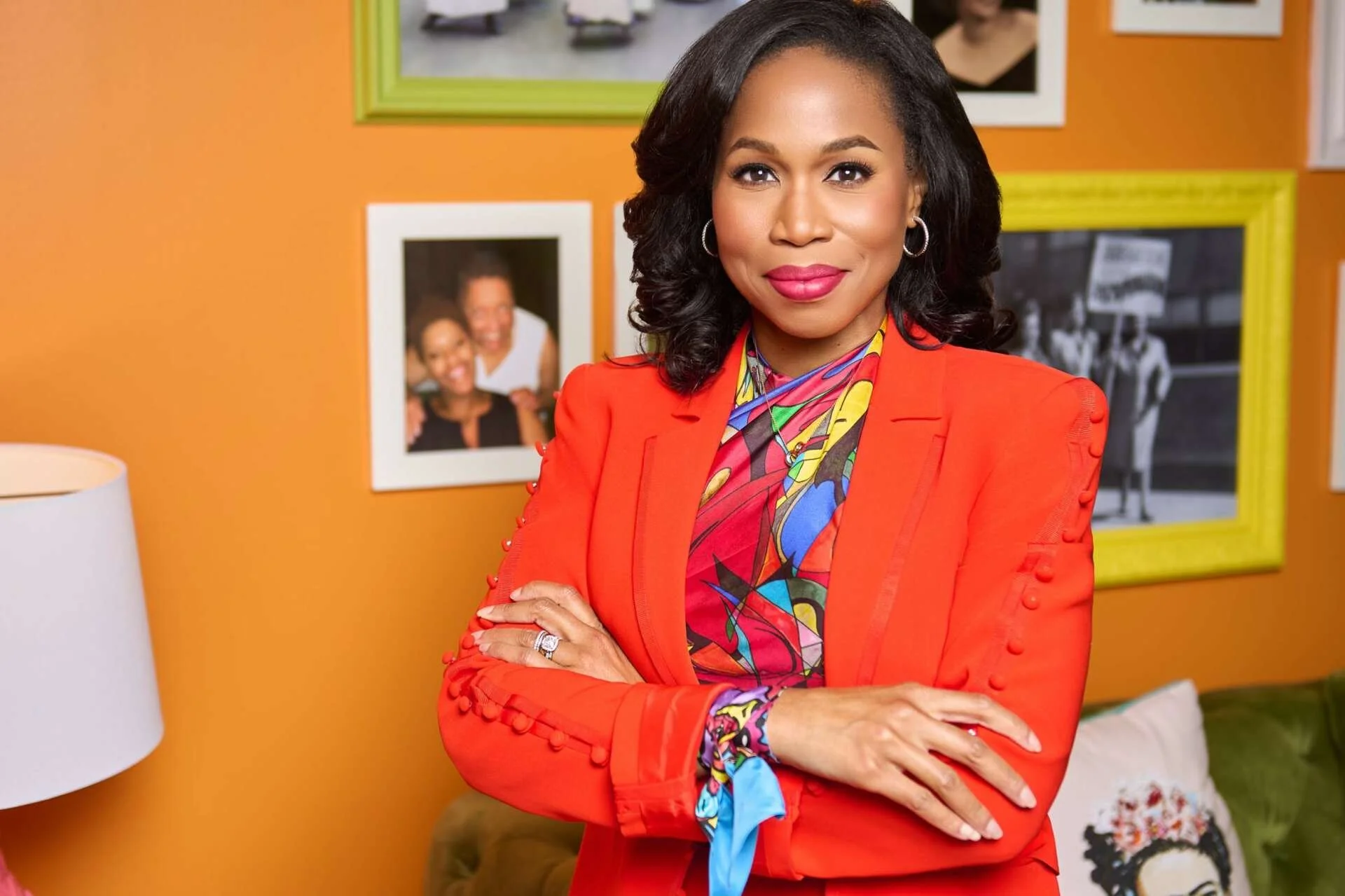
Kimberly Vipsnickle
Kimberly Vipsnickle & Roslyn, Founders of Roki Design
Kimberly and Roslyn are the creative minds behind Roki Design, a Houston-based luxury scarf brand dedicated to creating pieces that tell stories and inspire intentional living. Both grew up riding horses and developed an early passion for creative pursuits. They came together with a shared vision of creating beautiful, high-quality scarves that celebrate the artistry of design and the power of storytelling.
With their commitment to quality fabrics, thoughtful design processes, and purposeful storytelling, Roki Design has quickly become known for luxury scarves that are as meaningful as they are beautiful. The brand represents the Houston creative community and the power of two entrepreneurs working together to build something special.
Find Roki Design online and explore their latest collections of silk scarves and beautiful accessories.
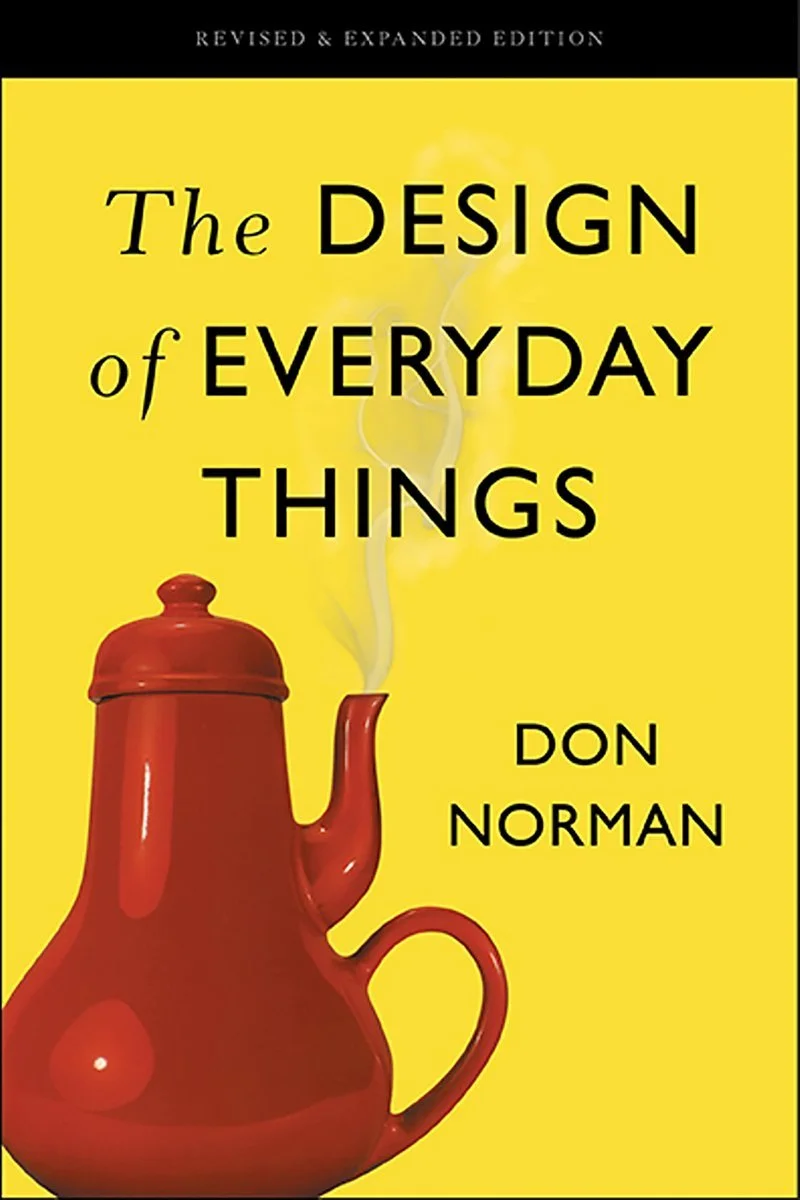
Don Norman explores how great design impacts our daily lives. A foundational read for understanding the relationship between thoughtful design and human experience—essential for anyone building a brand rooted in intentionality.
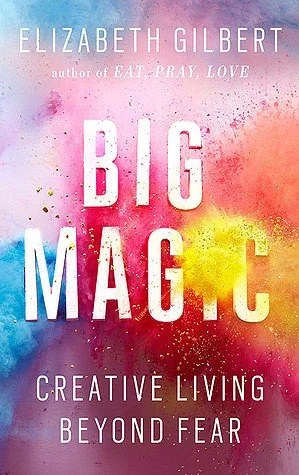
Elizabeth Gilbert's exploration of courage, creativity, and living a creative life resonates with Roki Design's philosophy. This book inspires entrepreneurs to chase their passions while building sustainable, authentic businesses.
Austin Kleon's practical guide to creative work and building your unique voice. Perfect for designers looking to develop their aesthetic and find inspiration without losing authenticity.
A strategic guide to building a personal brand and business identity. Relevant for entrepreneurs navigating the intersection of creative vision and brand strategy.
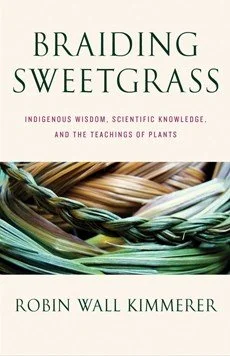
Robin Wall Kimmerer's beautiful exploration of reciprocity, gratitude, and our relationship with nature. Connects to Roki's intentional, mindful approach to creating and connecting with their audience.
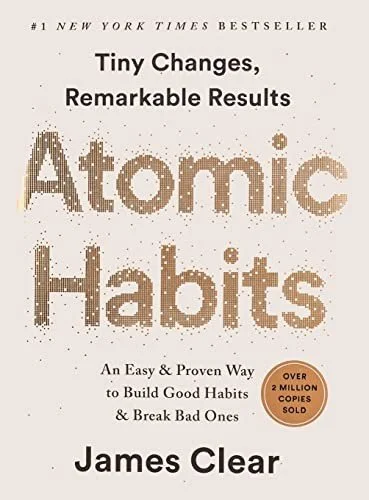
James Clear's framework for building effective habits and small systems that compound over time. A practical resource for entrepreneurs scaling their businesses sustainably.
Resources
Roki Design — https://rokirdesign.com
Roki Design on Instagram — https://www.instagram.com/rokidesign/
David Peck on TikTok — https://www.tiktok.com/@itsdavidpeck
David Peck on Instagram — https://www.instagram.com/itsdavidpeck/
Inside the Design Studio Podcast — https://open.spotify.com/show/1TzchjLgTzfHZbSFN8Cy6x