Episode 11. You're a Good Woman, Ilana Levine.
How a Broadway actress intentionally designs her creative life through storytelling, performance, and meaningful connections.
In this episode, David Peck sits down with Ilana Levine, an accomplished actress, voice artist, and host of the "Little Known Facts" podcast. With over 25 years in entertainment, Ilana shares her journey from her Broadway debut in "You're a Good Man, Charlie Brown" to building a thriving podcast community. Discover how she intentionally designs her creative life, balances multiple creative pursuits, and finds inspiration in the stories of others.
Ilana Levine brings authenticity and humor to every role she takes on, whether on stage, screen, or in the recording booth. Her career spans iconic Broadway productions, television appearances on shows like "The Conners" and "Law & Order," and a respected voiceover career. But beyond her resume, Ilana is a thoughtful creative professional who has intentionally designed a life that honors both her artistic ambitions and personal values.
In this conversation, Ilana opens up about the realities of working in theater and television, the joy of hosting a podcast that celebrates creative voices, and how she stays inspired after 25 years in the industry. She discusses the importance of authenticity in performance, the unexpected community that forms around storytelling, and practical strategies for living a designed life.
Whether you're an aspiring actor, a podcaster, or simply someone interested in how creative professionals design fulfilling lives, this episode offers genuine insights into the creative journey and the intentional choices that make all the difference.
Listen to the full episode on your favorite podcast platform.
Subscribe and leave a quick rating or review if you enjoyed it.



“The best thing about hosting a podcast is that I get to sit down and really listen to people. That’s where the magic happens.”
Transcript
-
Hey there, design enthusiast. Welcome to Inside the Design Studio, the podcast where we unravel threads of life and design. I'm your host, David Peck, your guide through the cosmic wonders, the tangible touches, and the delightful twists of creating a life you absolutely love. Today's episode is a special peek into my eclectic toolbox, the secret weapons I use to design a life that's as vibrant as my creations. So grab your metaphorical sketch pad and let's dive into the art of intentional living. Today's guest is the incredibly talented Alana Levine, an actress celebrated for her performances on both stage and screen and the host of the Little Known Facts podcast. Broadway fans will remember her for her comedic role as Lucy von Pelt in the revival of You're a Good Man, Charlie Brown. She's also graced the stage in productions like... Jake Swimmin, Wrong Mountain, and then Last Night of Ballyhoo, and has even performed at the Tony Awards. Elana's career spans over 25 years, marked by her ability to bring characters to life with honesty, humor, and depth. She made her mark with her debut in HBO's Tanner, 88, directed by Robert Altman, and was quickly recognized as a rising star by Vanity Fair's James Walcott. TV audiences might recognize her from the iconic The Contest Law and Order, Damages, and many more. Beyond acting, Alana is a notable voiceover artist. She lives in Brooklyn with her husband, actor Dominic Fumusa, with her two children and their dog Lola. Alana also hosts her podcast live at various prestigious venues and often engages in talkbacks with Broadway who's who casts and creatives. We're thrilled to have her here today. Welcome Alana Levine. Thank you. I am so excited to talk to you because I started following your podcast back in, I think, 2016 or 17 when you were on Hamilcast. And I was like, who is this person? She is so cool. And I discovered your podcast, and you were interviewing some of my favorite people. And then Hurricane Harvey hit in 2017 here in Houston. I reached out to you, and you were so gracious to offer help and support in any way. And then... Fast forward, you came down here with Beth Malone and performed at our gala. And I just loved meeting you in person. I just think you're an incredible human being. And I'm so excited to welcome you inside the design studio. Well, I am so thrilled how full circle this is. You reached out because, as you said, you listened to little known facts. And the idea that now, many, many years later, I am a guest on your podcast is really an incredible moment for me as well. Oh, I'm so glad. Well, I want to talk about like how you got to be the host of Little Known Facts, but before we get there, when you were young, did you always know that you wanted to be an actor? Is that the path that you chose or how did you get your start? No, it's funny. It was so not on my radar in that way. I will say because I grew up in New Jersey, the proximity. to Broadway was quite a lucky one. And it was a place that my family went to celebrate milestones as well as just to, like whatever was going in our lives, there was always, as I look back, the way some people have songs and a soundtrack to their lives, I feel like meaningful moments, both happy or sad. can kind of be documented in my life by the Broadway shows that we got to go see. And sometimes we had great seats and sometimes we had terrible seats, but that sort of pilgrimage across the George Washington Bridge for East coasters from New York City, you know, from New Jersey to New York City to Times Square, and then to some Broadway show was really like... a huge part of my childhood, very much thanks to my mother, who was such a lover of the arts. So I always knew that going to see art and theater and going to museums and all of that was gonna be a part of my life forever. It wasn't until I was a young adult, I was 18, And I met this guy and I've said this before, all huge life changes in my life came because I had some crush on somebody. And in this case, it was like, you know, the Teaneck New Jersey's version of Warren Beatty in shampoo. There was a guy named Bruno Rondinelli. I was 18, I'm sure he was, I don't know, he was in his late 20s, he seemed so much older to me. And he had a play at his... I guess you'd call it a station in salon world. And we started talking and he told me he was writing a play and that was what was in front of me that I was seeing next to the different products and hair brushes you could buy. And I think I was being flirty and I started reading his play out loud, which now I understand it's a cold reading. I did not know the term at the time. And he was like, you're really good. You're really good at reading dialogue you've never seen before. And one thing led to another. And the next night I went to New York City to audit an acting class that he was in because every Wednesday, you know, you could go for free. And I guess what I would say, David, is I didn't know that this would be the moment where my whole life changed. I just knew that being in a room with these people who were doing sense memory exercises again, I had no idea what was happening. but the way they were being so brave and vulnerable in front of each other and sharing life moments with people. And then the way the people in the audience, meaning the class, were responding with such generosity and kindness, even if what we saw was really strange, I just thought, where am I? Like, what temple is this? Like, I wanna be, I'm joining this religion. And... Anyway, that's how it started. That class went from me thinking, oh, I'm going to major in marketing and advertising to I want to recalibrate here and take a moment and learn more about this. So that's a long answer to your question. But no, it did not start like in my childhood. It started at this very perfect moment when you start thinking about what you want to do with your adult life. And how did your parents react when you started pursuing this path? Did it feel like it came out of nowhere and they're like, you're just doing it for some guy? Yes. I mean, I think, I think, um, you know, I never saw it like, although Bruno remained someone I would go to for his, his hair artistry, uh, remained, you know, very, um, excellent. He, I don't think he was in like two classes later. I think he was gone like that. That didn't continue in his life. His calling was different. I think they probably didn't take it very seriously at first, why would they? And I think college is college and you wanna switch where you're going to school, that's fine. And a liberal arts education was something that they were all for, but it was incremental, right? My thing from going. I just love this and I'm going to keep doing it too. I started doing plays in school. And then right out of school, I had this crazy lucky thing happened where I was doing like an off, off Broadway show and this guy came backstage afterwards and I recognized his voice and I was like, Oh my God, that's my summer camp boyfriend from when I was like seven. What that whatever that means. And his name was Stephen Hirsch and he'd become an agent and he was a brand new agent and he was scouring New York City, like really going to very off the beaten path productions. Yeah. And so this crazy thing happened where I now have an agent because my seven-year-old boyfriend took me on. And the first thing he sent me out for was this Robert Altman series that you mentioned in my bio read. didn't know who Robert Altman was, obviously changed my life, just working with someone like that my first time out. And that was the beginning of this crazy, very lucky ride. Well, I was gonna ask you, like if you felt like you had a big break and that feels like the biggest of breaks. I mean, the stars just aligned, how could they have been more perfect? Right, what I didn't know then, which is the case for many artists in way, which we'll talk about later, why I have a podcast that talks about this, I did not then go from like this unbelievable HBO series to like another unbelievable HBO series. Like it was this incredible out of the gate thing where I met family, like chosen artists family. But then I was waitressing again. Like, you know, if you look at like my echocardiogram, like is she alive or dead? Like it definitely, there were so many. ups and downs after that, but it was a beautiful start because I saw what it was to work with the greatest artists of our time and great disappointments after that because not everyone worked like Robert Altman. That's where I met Cynthia Nixon. We played best friends in the show and she took me under her wing and that was a huge thing. I didn't want to have someone like that. We'd been doing it since they were a kid. So I didn't know it. Like what's a mark? Like all the terminology that you take for granted, it was very, I mean, Altman worked in a very casual way. It's as much as being in a play as any filmed experience can be. He rehearsed, he took ideas from everybody and he wasn't technically obsessed the way certain directors might be. It was a great starter series. I love that.
-
I think the first Robert Altman film I really ever saw was, uh, Gossard Park and like seeing the overlaps. It was such a revelation. I was like, wait, how do I not know about this person and like going and discovering so much and like opened a whole new world. And that's why we have Downton Abbey. I mean, it's such a direct, it's a direct next step for Julian Fellows. I know it's so crazy to think of that and for that to be like your first pivotal experience, I'm, I'm jealous. And also, I'm sure that going back to reality after something like that must have been a bit of a whiplash. It was strange. It was really strange. I mean, also, I learned, you know, that was a political series. They basically, you know, Gary Trudeau, who wrote the card, who writes still, Doonesbury was the writer of that project. And by the way, at the time, HBO had like two other shows. Like this was a very new network. Yeah, it was pre Sex and the City. It was pre all of that. Yes, it was right before all that. And so they were also just like, do whatever you want. Like, you know, they didn't really know what was going to happen to them either as a network or as an entity. But by doing that show, I also learned so much about politics and politicians because we would interact with the real people running for president that year and real candidates and real advanced teams and sort of spend so much time in Washington. And again, as a very young person, I was sort of always just repeating what my parents said. And this was an opportunity for me to really learn what it was for me inside. And I joined Emily's List and all of these, you know. organizations that still remain very near and dear to my heart in terms of finding female candidates to run. So that was like a whole sidebar that also came with that show. I feel like that's such an interesting, I can I look at your, your friendships that you have now and so many of those people are people that you met during that time. And not only is that remarkable as an actor to have maintained real relationships, but I think even as just, I mean, I think back to the relationships I have from that period in my life. Those are incredibly hard to maintain. How do you think those relationships, do you think that it's the formation of those relationships and how they were formed that has kept them so true and loyal over all the years? It's such an interesting thing because that really became clear to me when I started my podcast and needed guests. Yeah. And you know, and I just started inviting member you know, cast member after cast member. I think two things, you know, I've lived in two places since I started this career, New York and L.A. And and basically all of us do these pilgrimages back and forth until you have kids and then you sort of have to decide a little bit like where you want to plant roots. But I think the other thing that happened sort of. A year after I did that series is I was invited into a New York theater company called Naked Angels and Naked Angels was started by predominantly people who had gone to a drama program together in New York City. I was not part of that school, but coincidentally, right after Tanner, I did a summer stock job, you know, a non-union summer stock job at a place called Berkshire Theater Festival where a new like graduate director did his first job and his name was Michael Reif. And so this is before Rent, this is before Next to Normal, this is before Dear, this is before all the many, many mega Broadway hits that Michael Reif directed. So we're both starting out at the same time and he was invited to direct a play at this brand new little theater company and he invited me to do it with him because we just had a really fun time. sweating in the Berkshires all summer. And in that theater company are people who now will be household names to every one of your listeners like Matthew Broderick and Marissa Tomei and Gina Gershon and on and on and on. But at the time, these were just people who had just started this theater company, Sarah Jessica Parker, who then was her brother was in the company. And so that where I just found myself in the company of all these obviously unbelievable talents, who, you know, none of us knew who would become mega famous and who would just eke out a living for the rest of their lives. But it was just a phenomenal way to begin. And that started my first family, like real New York family, until this day, like. those connections that time, whether you were painting the set or starring in the show and you went back and forth all the time between what your job was. Yeah, I think that was just like a crazy bond that was formed. And I'm a really loyal friend. They were really loyal. Like it wasn't like, oh, now they, you know, this one won an Oscar and we never saw them again. Like, and that was just a lucky thing. Yeah. I think it's a testament to the quality of the people you surrounded yourself with, like that, the fact that you had so many. Or the luck. Because it could have gone so many ways. Right. Yeah. You hear horror stories. You're taking the kid, right? Like, you can't hitchhike now, but I did. And how fantastic that I had not one bad experience, but it's like putting on a different way. Yeah, I love that. And I love that you just have those deep, meaningful connections and you maintain them. And it's so hard to do. So it's, I think, a testament to you as a person being able to have those relationships and maintain them across all kinds of career paths and trajectories and that now they're able to be guests. on your podcast and you can work together in so many different ways now. You were on Broadway in several different shows and I feel like I discovered you, not that I discovered you, not knowingly, but I remember very vividly watching your performance of You're a Good Man Charlie Brown on the Rosie O'Donnell show and in the Tony Awards and seeing Kristin Schenow with Wynn. Like I didn't go to a lot of shows growing up. I didn't have a theater family, but I remember watching those moments on television and you were a part of them. And later when I found you and like realized it was the same person who played Lucy, I was just, it was just such a wonderful moment for me. What was it like developing those shows and being, you know, that just seems like such an incredible experience to have had at that point. It's funny that you say, you know, Being done Rosie like obviously, I mean, you're a good man. Charlie Brown is a show that anyone who's ever done a show in school, like everyone around the world, if they haven't been in a production of it, they know the peanuts characters or they've gone to see it, whether it's Broadway or a middle school. And, you know, for me, when I think back to that show, two things, one. I loved Rent so much and the idea that Anthony Rapp, who I just seen in Rent many, many times was now Charlie Brown in a show that I think Lucy was so heady and crazy. And you know, sometimes he would sing songs from Rent as a warmup for Charlie Brown because they just sat really well in his vocal warmup. And so It was the most bizarre thing to be like a crazy fan and also a coworker at the same time, like sort of inexplicable and delightful as an experience. I'd never done a musical. I have not done a musical since. That was a very specific one-off where Michael Mayer, by the way, had saw that show. I did it, Naked Angels, that I mentioned earlier. BookWripe directed and years later, like remembered me. And when I got a call to go in, I was like, oh, tell Michael Mayer, thank you. I don't, I'm not a Broadway singer. And they were like, no, he knows. Like it's not, he sees there's not a single musical on your resume. Like you're, no one thinks you're trying to fool everybody. I was like, okay. And it was so scary to audition and so scary to like enter a world like that. But a lot of my friends just encouraged me, like just, you have nothing to lose. And so I went in thinking, I'm just gonna like jump off a cliff and see what it's like to audition for a musical because I love them so much. I just want to peek behind the curtain. And the idea that I got it is, you know, that's 10 hours of crazy conversation we can have off camera. But Kristin Chenoweth, who I had seen in one other show before we got cast together and she had a very small part and it was called A New Brain at Lincoln Center. And I remember thinking, Who wait, where did that girl who is that? Who is that? That is one of the most remarkable talents that voice is coming out of a person who is so tiny and she's so funny and original and beautiful. I had never seen anything like her. And so to your point, like you feel like you discovered me, I felt like I've discovered Kristin Chenoweth. How am I gonna like let the world know? And then cut to 10 minutes later, we're cast in the show. There's no part for her. They figure like, let's make her a Sally and see where that goes. And then Andrew Lippo writes, My New Philosophy, which is what you saw on the Tonys and on, we did Beethoven Day on Rosie, which he also wrote. I just was like, oh my God. So to watch the ascent in real time of someone who became a huge star on my watch, right?
-
Like during that show to, you know, She was on the like sixth floor. I had the star dressing room and I would just be like, is all the loom. I was like, Mr. Spielberg, would you like a glass of water? As you're on your way up four more flights to get to, you know, it was happily, like I was in the company of a true genius and I got to see, I got to see that. And the truth is, because I'd never done a musical every night before, Kristen would warm me up every night. Like she taught me everything. I mean, we had wonderful directors and musical, you know, directors, but she was my teacher, my friend. She took my hand on day one. Everybody did. It was a remarkable cast, but she was like my sister. And so when she won that Tony, if you listen, you can hear like someone screaming off stage because we had just performed together. It was me. I mean, it was like my heart exploded, truly. Oh, I love that. True. Right. Obviously, you had not been in a musical, but had you studied voice at all in any of your studies, or you just went in cold and like, I'm going to sing this thing? I sang a Veruca song from, I was like, how do you audition for a musical? My agents were like, oh, we'll set you up. You'll work with a coach, and they can even go play the audition with you if you want. And. I ended up being connected with an incredible person named Stephen Lettfack, who actually wrote the musical, A Gentleman's Guide to Love and Murder, just coincidentally years later, a Broadway musical. But he helped me pick out a song. He's like, well, let's find a song that's like the character because that's what you do at your first audition. And we pick the spoiled girl from Willy Wonka because it's a perfect. She's Lucy Van Pelt, just a different story. Whatever, I don't know, I just did it. And it was so much fun, because you know what? I wish every audition could be like that. Because in my mind, the idea that I would actually get this was zero. Yeah. So I went in, there was no happier person. Yeah, it was just hilarious. I thought the whole thing was hilarious. And then I had to do it. And you had to actually do eight shows a week. And you're- Good Lord, good Lord. What did I get myself into? So fun, so fun. Well, and how lucky for you to be surrounded by people who cared about you enough to help you through that because that's incredibly taxing, even for people who are trained to sing like that. And then to have to go and do that is a lot. They feel like, oh my God, this is exhausting. We have to like carry, like carry, you know, no one was like, who's dead weight here? Like BD Wong. all of them, they were like, I mean, they're still like, to your point, like, I would, if as many kidneys as I could, I would get to all of them every day. Like if, if I were called upon to do so, they're just magical, magical humans, every single one of them. I love that. So you continue to work, but at a certain point you had kind of, I think you worked both in on stage, but then film and television, but did you ended up taking a little bit of a step back when you had children and had to kind of like reprioritize your career, what, how did you kind of- I'll be really honest, two things happened. I did have kids. Actually, my first child, Georgia, was a good luck charm. I had that baby and never was offered more like TV and film stuff. It was crazy. I was pumping on trains and all over the place. And then I had- my second child and I was like, oh my, close together, I was so tired. I just think I've slept a really long time. And at that same time, kind of my husband got a series called Nurse Jackie that ran for a very long time, which is extraordinary. It's very rare. Yeah. Yep. So two things happened. It shot in New York, which is amazing because I'm from this area. So something I could have kids. near my parents, which was the best. And I could, I no longer had to choose everything I did based on bills, right? Like, I have these bills, I will take any job. And so I started doing a lot of things that were just wonderful, you know, short runs of plays or short, just things that allowed me to be home with my kids. Unless something came, you know, I did, I actually did a bunch of plays when they were little. Now that I think about it, I'm sort of lying that they were local. Everything was in New York. Um, in the middle of all this, coincidentally, someone came to me about a podcast, um, which is how we meet, how our story comes together. And I was like, I didn't know much. I mean, there weren't that many at the time, you know? It wasn't like everybody had one. And I was like, that's intriguing. Yeah, but what it meant is I didn't have to leave home ever. Like I didn't have to leave New York. I could be home every night to my kids to bed. I could volunteer at school and be there for all the things. And I had a cushion all of a sudden because Dominic was working steadily. And was so generous in that way. You know. in terms of how we handled stuff as a couple. Yeah. So, yeah, there was this convergence of things that happened. And that's where the podcast happened. I love that. And I think it's also can be so challenging because, I mean, having two children of my own without support, like my wife is just incredibly supportive and generous in terms of. there always ends up being somebody who takes a little bit more of the responsibility there. And no matter, even if you try to be as equal as possible, somebody always ends up having to step in a little bit more. Or you trade, right? Like I would be away and it was all Dominic. That was the thing. I think part of why we were so tired is that, and by the way, lots of people single parent and they're doing just fine. And I think Dominic and I at those times, as much as we tried to share it, it was all or nothing. Like, because one of us was away. There wasn't like, there was no tag teaming. It was all of a sudden. So that was a little different too in the way. And showbiz is not nine to five. You know, it's not a nine to five. No, yeah. And if you're in theater, you're working evenings. And so that's even tricky, because even if you're home with children during the day and they're at school, you're not home with the children. Exactly, which is why, I mean, once you're not rehearsing, being in the play is actually amazing in terms of this stuff that we just talked about of getting to go into the classroom or get to go on the field trip, as long as it's not on a Wednesday afternoon when you have an at-home day. Right. But then you come home at like 1130, you're completely wired. It's like you're on the night shift. You can't really fall asleep till one. And then you're very groggily, like not quite present making breakfast and trying to do your best to take, whatever, it's such a crazy, wonderful, but then your kids get to come to the theater. Like it's all amazing and every job has a trade-off, but there is something about being in a world where you're on a set or. or in a theater where people are just so welcoming of your kids and not every job is like that. Yeah. When it sounds like you were really fortunate to surround yourself with people who felt like family to you and I'm sure extended that welcome to your family and your children. Mostly, yeah. You know, wasn't always. I don't wanna make it sound like every of the 40 shows I've done, it was always amazing. Yeah, of course. But mostly, which is great. That's fantastic. And I feel like unbeknownst to me at the time that we are practically neighbors in Brooklyn. And I love seeing on your Instagram stories when you'll post from like the coffee shop or like I know where that is because it was around the corner from where we lived. It makes me feel like back home in Brooklyn. So when you got approached to do this podcast, did you have an idea of what the tone or like how did you kind of shape? Because I feel like you have a very, you're so empathetic and you're so kind. Did you know how you wanted to approach it or was it sort of like a natural thing that evolved just because of who you are as a person? I think two things happened. I think one, I... When I was approached about doing it, I remembered, I'm not a writer, but I remembered, you know, hearing the right what you know, like for young writers sort of start with what you know. Doesn't have to be the rule, but it's a good place to start if you're floundering. And so for me, I thought, well, I will talk to people I know. And the world I know is the world of creating things, right? Of theater and ensembles and you know. putting things together artistically. And so when I was given this opportunity, the one podcast, although I didn't even know it was called a podcast, I did listen to Terry Gross. I thought, you know, I would listen to her long form interviews. And so she was the, you know, the goddess of long form interviews that I knew of listening in my, you know, through headphones, right? And then Mark Maron, the WTF podcast, those were the two that I'd heard of. Um, and so both those people actually, you know, who are just the most established and brilliant at what they do. Talk to for them, you know, creatives a lot.
-
And so I, I definitely was like, Oh, I, I know creative people. And so the first person who came on as a friend of my name, John Slattery, he was on mad men and. He, you know, he, his wife was my maid of honor at my wedding. John, you know, videotaped my wedding like they're really old, close friends. And I've known them long before. Madman fame as it were. And I was like, will you try this thing with me? He's like, well, what do you want it to be? I was like, I want it to be like when we're in the green room at, you know, at work on a break from rehearsal or in the dressing rooms, like really what it is to just talk about the life of. being an artist. That's sort of what my general idea was, like something very unscripted and something very, I hoped useful for newcomers who wanna have a life in the arts or in anything really, but something that I wish I'd had when I started out, like something behind the scenes that wasn't curated the way it is on talk shows and all the late night stuff their agents and PR people are saying this is what they will talk about tonight. And anyway, John came in and we talked, you know, for two hours and laughed so hard. Um, and obviously it was helpful because we were really in fact old friends. We didn't have to try to sound like friends. And when we were done, he was like, you remind me of Howard Stern. And I was like, I. That. I had an idea of Howard Stern that didn't feel in that moment. It was a compliment. I thought, I hadn't really listened that much to, you know, he was like a shock jock. And I was like, you know, known for kind of being hilarious, but a little vulgar anyway. And I was like, can you explain? Because I don't know how to take that. He's like, I felt like I was in really safe hands. Anywhere you wanted to go, I would go. I never knew where we were going. But you always got us to someplace. in a very skillful way. And if it were a film, the arc was really clear. And it was such an incredible load of confidence, because Slattery, at that point, had done hundreds of interviews. And so for my first one to make him feel like, as it turns out, that he felt as safe and willing to go anywhere as he would with a Howard Stern was such a great vote of confidence. Um, then I thought I'll keep going. And then I just went through every cast of every show. I, you know, the Charlie Brown cast is like the first five up, you know, just keep going. But I think. Yeah. That's what I love so much about your podcast and why I basically binged it when I discovered it was because you do have a very natural, empathetic way of relating to whoever your guest is, whether you knew them. or not. And I think, you know, later, as you continue interviewing people, you didn't know everybody as well as you did those original press people. Like those shows asking me to have their people on. But it but it feels the same. And that's what I'm proudest of. Yeah, I think it's a very it's a gift that you have been able to have that feeling and make people feel at home and tell stories maybe that they wouldn't naturally. tell in another setting, which I think Terry Gross, I mean, it's funny that you mentioned her as an inspiration because she's, I mean, the goddess of interviews. And I think she has a similar way of getting information out of people without feeling manipulative. It feels very honest. And that's what I think I took from your podcast because you're telling real stories about what it's like to be a creative person in what can be a very challenging industry. And then I think because you have these real relationships with people that go back, you know, so, and they're so deep and real, it's not, they're not just industry relationships. They're people who have, you know, known your family or seen your kids grow up that you feel the honesty in that, but that it also translates to the people you, you know, maybe have just met because their PR person reached out to you, so. And I think it must be interesting. And I was thinking about like us and what we do and sort of the ways in which in your world, like word of mouth, right? Like you make these beautiful clothes and I will never forget getting to, you know, be at Tuts and Theater Under the Stars where this gala happened, where we met in person, where I got to wear the most beautiful gown that you met, made, so did Beth Malone. Then you generously let me like keep the jacket. Like I felt like Cinderella that night. It was so incredible. And, you know, Afterwards, I remember just saying to someone like, Oh, you need to address for the Tony's like call David Peck. Right. And so it's, you just never know where clients are going to come from. Right. Like life is so funny. And I know you have that all the time. And what ended up happening for me is like Uma Thurman's assistant was like a huge fan of the podcast. And he was like, Uma, you, you have to be on this podcast. And then, you know, once Uma was on, and it turns out it was the most fun and she's incredible, because Uma came on, then I really could have anyone I wanted to go on, right? But it was because of her like incredible, you know, assistant who was so like generous about it. And you know, it's just like, who knew? Like Uma's assistant loves the show. And then... Julianne Moore comes on and then on and on and on. And it was just like, like I'm so grateful to him. And it's just such an unexpected, like you never know. It's not always the slate PR of LA, although Simon Hulls is one of my dearest friends and he's the most incredible publicist. And he's married to Matt Bomer, which is why Matt Bomer was on the show. But like, it's as meaningful to me that this other person. believed in the show and told his boss, like, you need to come on. Like, that was really meaningful. Well, I think people can really sense when there's true kindness. And yes, it's an opportunity for you or for them. But when there's a genuineness to the conversation, wanting to have a real conversation rather than just being a press opportunity, that, and I tell that to, like, especially our interns a lot. And sometimes I feel like, It's very easy when you're young to be short-sighted about relationships that you develop because so many of my relationships that I've had over the years that I mean the most are ones where, like you, they were formed in those, you've gone through these experiences together. And at the time, neither of you were anything or knew what was gonna happen, but for whatever reason, you come back and revisit those relationships later and on another level and... you're able to help each other in ways that wouldn't necessarily happen, you know, if you hadn't had that experience at a younger age and if you weren't the kind of person that you were, you know, fundamentally the kindness, you know, it really shines through and people understand that. It isn't it crazy when you see people working so hard to be not nice, like it, you're like, wow, like you have two choices, you have two roads and one is just so much easier. I mean, the outcome is just so lovely, right? And just so yeah, it's just, um, It's really, I mean, you know, everyone's like, be nice to everyone on the way up because you never know when you're, but it's like, not just because you're coming up and then maybe you may have a descent from the ascent of your career, but just because it's just so much nicer to work in an environment. You know, I've had directors who are just so not creating spaces where people feel safe to fail, right? Like, It's about feeling safe to fail in any environment that allows you to like really take big swings. It may not work, right? In whatever lane you travel in life, whatever your job is, real creativity comes out of this space where you feel like, guys, I'm gonna try this. It may not work and we'll try something else, but like, what if it does? And whenever... any of us are in those rooms, right? It's like, it's wonderful. It's wonderful. And when you feel scared that you're gonna get, you're no slapped with a newspaper, right? Like that feeling of being humiliated, which we've all had. I mean, you're the boss, so you probably, I don't know, maybe you have someone you've made something for and they're really rude about it upon receiving it, and that would probably feel awful. Like if I try to imagine, what would feel awful to a designer. It's someone not just not liking what you did, which is fine. We all, no one's perfect, but the way in which they don't like it is just so shaming. I hate that. And I remember being shamed like as a little kid. It's so, you know, you remember things like, I was at like a friend's sleepover and just, I remember something happened where the way her dad responded to me, I feel it as if it happened yesterday. Like it was this stupid thing where he like made a bridge and we kind of were crawling under him. And I accidentally like my foot, how much could my foot have weighed, right? Like I was a teeny kid landed on his hand and the way he was like, ow, like watch out. I was like, oh my God, first of all, you made the bridge. You asked us to like, that's a whole lot. That's a whole lot of things. But like he was so mean. about this like innocent mistake.
-
And yeah, I just remember that feeling and I've since felt it in many situations. Right. And I think- For someone's reaction. And for some people, I think that they would turn that and kind of use that as a defense mechanism or kind of, you know, it's sort of a trauma response. And I think you have chosen to lead with kindness instead, which, you know, I think is a choice. You know, you don't have to. But I think when you do, it just makes life so much richer and more meaningful. And I've had people like say to me, like question it, like wonder if it was fake. Yeah. Do you know what I mean? Like I, because not everyone that isn't everyone's go-to. And I was like, wow, that's interesting. Like someone not being sure if it's sincere. Right. Because it's not familiar. It's not familiar to everybody. Well, and in a lot of creative industries, and I think show business especially, you see a lot of the stereotypical behavior portrayed of people being opportunistic. And so I think it's hard to believe that somebody could actually be kind. But it feels like when you talk to these people who are your friends who are super famous and who have been very successful on so many levels, what you're seeing is that they're binds you all together and you can hear it in your conversations is that the kindness is what connected you. And it wasn't just the opportunity or the project, but you truly connected on a human level and you're there for them. Yeah, and humor. Like I think the other thing that's really doing the podcast really fun is that it just so happens that I'm so not quick in many ways, like don't ask me to add anything. There are lots of ways my brain does not work as quickly. I read all the time. Don't ask me to remind you what books I've, like, if you said what's your favorite book that you've read recently, my, I would freeze. And I read, I will start to read a book I've already read and go, this is familiar. And then I'll read it. But I'm really lucky that I have a quick wit. And that has been something that was very helpful as a young actress. just dealing with a lot of men and sad that I had to come up with like a way of dealing with it, but I did. And it was always humor based. And that's also made the podcast really fun because a lot of these people, even if they don't think they're funny, they are. And we ended up finding ways to really connect and by laughing and making fun of certain situations and it's a great release. And that's what's made it really fun too. I think so. I mean, life is too short to not have fun and to be able to see the humor because I think so much, we put so much pressure on ourselves, especially when you're in a profession that kind of demands perfection and you know, you're always presenting a finished product and people expect it to be perfect, whatever that means. That can be very intimidating. And if you don't have some sort of release or catharsis, like, and I think humor is a way to kind of let that go. We're constantly cracking jokes. I have... I'm just writing. Yes. Because otherwise you just cry. Yes. And then that's not fun. Yes. How do you define creativity? Like for you, what does that mean? I mean... Being in, I don't know, I'll just say like what popped into my head. And what popped into my head when you asked me that is sort of making something from scratch. Like whatever it is, when you're part in it, is making something new. And that's been my experience, that it's sort of the art of making something new without always knowing what the finished thing is going to be. but being really open to the journey of making the thing. Yeah, being brave enough to start, not knowing what the end product will be. And yeah, and not brave like real bravery, right? But brave in that it sort of goes back to what I said before, which is it might be terrible. It might end up being terrible, but there's some story that seems to move. compel me forward or needs to be told. But it's so amazing, like I just did a new play that Winnie Holtzman who wrote Wicked wrote. And it was really hard because it's new. And so, you know, it was thrilling. I'm such a fan of hers. I mean, I love Wicked so much. And I love that I was like, okay, we can rehearse, but I need four more wicked stories, right? Like I just, but to be in a room with people who all have the same goal, which was, let us keep working this material so that Winnie can have the best version of this play. Like for me, the thrilling thing is just being in service of the writer in whatever. whether it's film, television or theater, whether it's a new player, it's been done a thousand times and it's a revival. Like it's very, the wonderful thing about being an actor, if you can really get into this mindset, there is no ego involved when you remember you were there to serve the writer. That's it. It's not about me. It's about serving the writer. And when I get really nervous and scared, I know that, sorry David, hang on. It's okay. Sorry, I told you. That's okay. My daughter and her friend are coming home. That's in the life. Yeah, I don't know. Whenever I feel so nervous, I'm like, oh, that's me worrying about what people are gonna think about me. Like, am I good or do they like me? And as soon as I'm like, am I really focused on how to make this part of the play work for the, so the writer can see it the way he or she or they imagined it. It really calms me down. Yeah. It really calms me down because it takes my ego out of it. Who cares? It's not about you. So for you, creativity is really being connected in that way. Yeah. And I know there are people who I don't even know that I can still kind of own that word in relationship to myself. I don't even know that I feel creative. You know, I mean, it's just funny. I look at all these people and I'm like, you like take a pencil and you draw something on a pad that did not exist before. And suddenly there's like the most beautiful gown, for example. And then that gown, then you think of like the fabrics and the colors and that like it is literally made from. You know, from nothing to something, and it's tangible. in a way. And I think it's just been interesting. Like, yes, I, I guess me too. But I always look at other art forms. It's like, well, that's creative. I'm just saying lines and you know, it's just an interesting thing. Oh, I hope you see yourself as creative because it, I feel like I've had to redefine creativity for myself because I went to, you know, an art school. you learn a certain way of being creative. You're drawing, whatever, you're presenting a collection. And you were a musician, right? Yeah, and I was a musician before that. And so there's kind of a way of being creative that's very much connected to a specific type of work, whether it's playing the cello or fashion, whatever. And I think as I've been a business owner and now kind of define myself more as an entrepreneur, even more than I do as a designer, is finding that creativity. is that creating something out of nothing, but it doesn't have to necessarily be what everyone defines as art. And like there is so much creativity in business and looking at things in a new way and having a perspective that maybe is just slightly different than how everyone else sees it, but gives you an in where somebody might see a roadblock. And I think for you, the creativity and being able to interview these people through your Just having, you know, it could be a very straightforward interview. You could ask them about their projects. You could ask them about, you know, a very linear, but I think that what you end up doing is you end up having very real conversations and humor and there's your own little path into their lives that is so creative. And may I you. that is not something that everybody has. It's your own little gift that you can give. Yeah, thank you. And seeing that as creative is just so important because creativity is not just the drawing of things or the writing of something. Right. It's how do you reinterpret that for somebody? Even if it's just the slightest shift, it can be a revelation. Well, I certainly have hoped. I mean, I am certainly a content creator at this point. It's been. since 2016 that I've been doing the podcast separate from stuff as an actor. And I do feel like my original goal was for someone listening to just feel like the distance between where they're at and where Edie Falco is at is smaller than they think. Right? Like, it's not like... these artists woke up one morning and fairy dust was sparkled on them and the whole, the whole, you know, entertainment industry, you know, opened their doors to them that like, that it's a very real process and no matter where you are, that doesn't stop this sort of trying to figure out what's next or how to, um, deal with loss and disappointment. It, it, it's just as, as much as, the excitement of getting the thing is just as much a part of it. And so for me and I know we're probably coming to an end, but I always go back to my episode with Judith Light, who is a person I love a lot and has inspired me both in real life and her work as an actress.
-
And she's an unbelievable advocate for the things that she believes in. And from a very like. early age and very young in her career, she just always made sure that she was really invested, whether it was as a volunteer or not, but invested in organizations and places that are advocating for people with lower voices than she had, right? To be a megaphone for the people who need it and to be an advocate for people and organizations that need. her voice as a help. And that as long as you are involved in working with organizations and people that you really care about, your entire self is not defined by whether you're on a show or not, or whether you're in a play or not. That who you are as a human being isn't defined by your success in your career, but it is defined by like, what is the good work you're doing in the world on a daily basis? And no one has to hire for it. You don't need permission. to do that. And I know she was really inspired by Elizabeth Taylor, who really used her platform as an AIDS advocate and for research and just destigmatizing AIDS. And no one was really doing that at the time. No one liked her. And I think Judith sort of took that torch and ran with it. And having her on the show early on became huge for my listeners and huge for me. As a real popular, yeah, just a huge number. And I appreciate that. And I appreciate all of my guests wisdom and ways in which they coped. It's very easy to cope with success, right? It's very easy to deal with, oh, I got what, I'm getting to do the job I want. There's 364 other days of the year where you're mostly not getting to do what you want. So how do you still feel like you deserve to be on the planet and take up space? And... And it's by giving time and attention to things that are really important in the world. Yeah, something beyond yourself. Yeah. What is it that you're most looking forward to creatively in your career right now? I know you just finished a play. So are there more plays on the horizon? Is there more podcasts? I know, but. Yeah, I mean, definitely more podcasting. Yeah, there's some stuff and as soon as it's official, everyone's so weird about when you're allowed to say things and when you're allowed to not say things, which is fine. Presenting things to the world is important to people. But yeah, I'm always looking for new plays to work on and new projects. That's really fun to help someone see their vision. Do you prefer plays to film or do you have a preference? I don't have a preference. I love all of it. In a play, no. Look, in a play, it's on you. If you really screw up, no one can save you. There's no edit that can make it better. You do. I'm sorry, my dog wants to be on your podcast. Is that OK? Yeah, of course. Welcome. We welcome Lola. Yeah, I love rehearsing. I love the company that becomes a chosen family, as we talked about earlier when you work on a play, when you're in the trenches together. There's just time. You're with each other a lot. But it's really fun. You know, I grew up watching. breezy amounts of television, like ridiculous amounts of television. I'm not proud of it, but it is true. So the idea of this thing that like gave me so much happiness as a kid, when I'm on a TV show, I'm still like, oh, my God. I mean, it's not the Brady Bunch. That would have been very cool. But I'm saying like, I'm on TV. Like it never loses its like I would have never dreamed in a million years sitting in my living room, you know. like an idiot in front of that television for hours, that I might be a part of something that entertains someone in the way that it did for me as a kid. It's still thrilling. I love that perspective. My last question is one that I love, and I stole from Hilary Kerr of Second Life, if you've ever listened to her podcast, but she always asks at the very end, if you could go back to your younger self and give yourself at any age a piece of advice, when and what would that be? Hillary. I guess. I guess you can't go back in time and fix things in the moment, but you can make things right in all sorts of ways. I look back on sort of my rebellious years as a kid and knowing like my parents were up at night pulling their hair out of their head with worry. And I feel like for the last many decades I've been able to honor and love and cherish in real time with my parents, and sort of make up for those rebellious, obnoxious teenage years. And so I guess I just think about, I mean, that's very lucky for me, that my parents lived a long life and that there was room to kind of make right the wrongs in certain ways, but I just think there's always time. Like you go through life thinking there's no time and... And there is time. Thank you so much for being a willing guest. We have to stop, you have to cut out. Just stop, are they already questioned? I have no idea. I have no idea. I have no real idea. That was a lovely answer. I loved it. I love that. It's very real and honest. I love that. And I think it gives you a different perspective as being a parent, having a perspective now on that relationship. Well, I understand now. I mean, I guess what I would say, and I do wanna go back and I can answer this now that I've had a second to think about it. And those other two answers, my brain just, my brain was on fire for a minute and it was really hard to put a sensical answer together. But I do think this a lot, like my kids went through so many phases. that I thought, oh my God, like, is this face forever? Like the kid who wore pajamas, you know, and wouldn't take them off ever. And all of like, oh my God, how did we go to the restaurant? He's wearing pajamas and like, he's 18. He hasn't worn pajamas out of the house. And, you know, since he's five, right? Like all the things that you think and that this too shall pass, right? Like this too shall pass. And at the end of the day, so he wore pajamas to a restaurant. Who cares? Yeah. But at the time, I was like, this doesn't, I don't see anyone else's kids wearing pajamas in a restaurant. I'm doing this very wrong. So you just kind of learn it's going to be replaced with some other crazy thing. And it's an interesting ride. It's a really interesting ride. Yeah, it's true. We all have these moments where we think it's the end of everything. And with perspective, you realize it was just a moment. It passed. There's going to be another moment that replaces it. The next crazy thing. But also, you're like, you just think everyone's doing it right and better. And only to find out everyone's going, I don't know. No, I don't know. None of us know how to do it. Like, we're all just trying to figure this thing out. But we do know love. Start with love. That's a good thing. Just love the crap out of them. Yes. Sometimes it's easier than others. Like now. Guys, you're on the podcast. Be really quiet when you come in. You know, that's just life. Why not? That's just life. Yep. But I think that's what makes it real. And, you know, sometimes the Instagram of it all or, you know, everything is so produced and having those really honest moments or, you know, you're a working parent, you know, even if your children are, you know, 18 and whatever. You're still a parent. 18 and 42. Yeah. No, but I do think. Yeah, exactly. Exactly. That's the joy of the podcast. It has felt like these episodes still feel really authentic to me and that they're not filtered and they're not they're really purely of the moment and they're very real conversations and they're unfiltered and unedited. And at least I know that like I know. that continues to be really pure. There's no AI involved. It's just two people like this having a really lovely catch up. And I just feel like you're so special to me, David. And I had such an incredible experience. I'd never been to Houston before. I remember going to the Rothko Chapel. Like there's things about that time that are still with me. Like it's it was very special. The gala itself, all the people I met, your friends, the people you brought together to fundraise for the cause. It was beautiful. And it was really a special, special night because of your vision and kindness and generosity. Oh, thank you. Well, I feel very fortunate and lucky that you said yes and that you were a part of that. And you answered a DM on Instagram all those years ago. And I've loved following all of your work and listening to the podcast. I do feel like it's just one of those places that feel so comforting and at home and especially when I like discover somebody new that I didn't know before and hear you know everybody has such an interesting story to tell and I feel like um your podcast brings that out in everybody that you've talked to so thank you for being a guest on this podcast and me coming inside the design studio. And there you have it. another episode of Inside the Design Studio and the Books. If you enjoyed this exploration of life's design, hit that subscribe button so you never miss an episode. And hey, if you're feeling extra generous, leave us a review. Your thoughts fuel our creative journey. I'm David Peck, your design companion on this adventure. Until next time, keep crafting a life that's as captivating as your favorite masterpiece.
Listen to Ilana Levine discuss designing a creative life through acting, podcasting, and intentional storytelling on Inside the Design Studio.
Key takeaways
Authenticity is the foundation of great acting and meaningful conversation. When you show up as yourself, others respond genuinely.
A 25-year career in entertainment requires adaptability, resilience, and a genuine love for the craft. It's not just about landing roles; it's about building a sustainable creative practice.
Podcasting creates unexpected community. Hosting conversations allows you to build meaningful connections with listeners who care about storytelling and authentic dialogue.
Design your creative life intentionally. Choose projects that align with your values, even if they're not the most lucrative. Fulfillment matters more than visibility.
The creative journey is not linear. Success comes from saying yes to diverse opportunities—theater, television, voiceover, podcasting—and bringing your full self to each one.
Storytelling is a form of service. Whether you're acting, hosting a podcast, or having a conversation, you're honoring the human need to be heard and understood.
Guests Appearing in this Episode
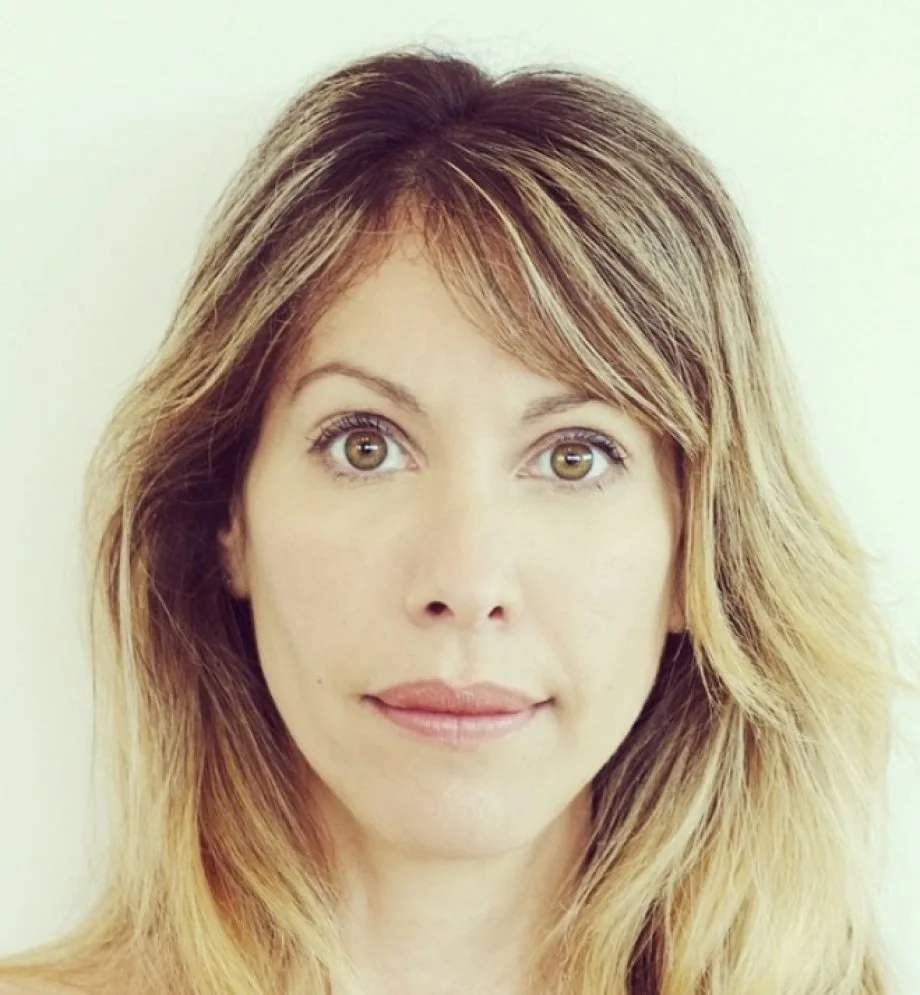
Ilana Levine
Ilana Levine is an accomplished actress, voiceover artist, and podcast host with a career spanning over 25 years. A Broadway veteran celebrated for her comedic talent, Ilana is best known for her role as Lucy von Pelt in the revival of "You're a Good Man, Charlie Brown." Her television credits include appearances on "The Conners," "Law & Order," and "Damages," and she made her mark in HBO's "Tanner '88," directed by Robert Altman. Ilana also hosts the widely acclaimed "Little Known Facts" podcast, where she interviews notable personalities from entertainment and beyond. She lives in Brooklyn with her husband, actor Dominic Fumusa, and their two children.
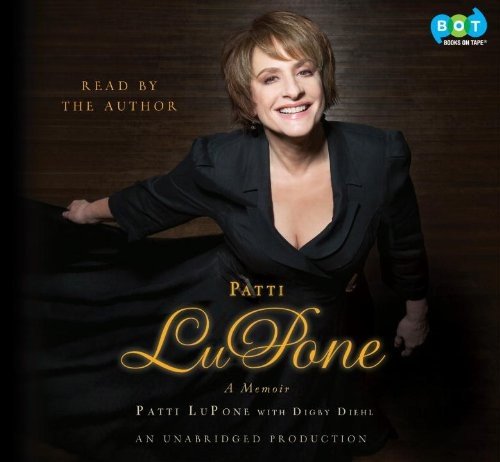
Broadway legend Patti LuPone's intimate, hilarious account of a life spent commanding the stage.
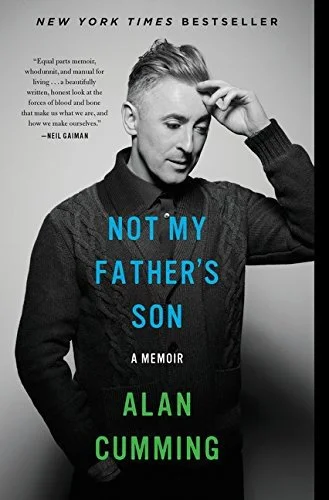
Alan Cumming's powerful memoir of self-discovery, resilience, and finding identity through performance.
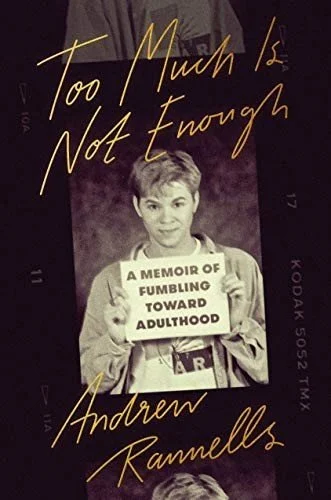
Andrew Rannells' witty memoir on chasing Broadway dreams and growing up through theatre.
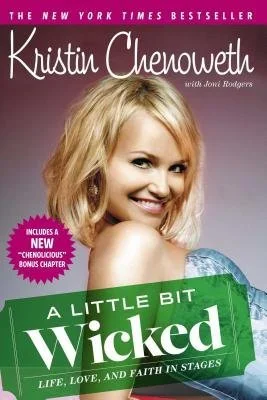
Kristin Chenoweth's charming memoir weaving together faith, humor, and a passion for performing.
Whatever it is, the way you tell your story online can make all the difference.
Resources
Ilana Levine on IMDb — https://www.imdb.com/name/nm0499410/
Little Known Facts Podcast — https://www.littleknownfactspodcast.com/
Ilana Levine on Instagram — https://www.instagram.com/ilanalevine/
Ilana Levine on X (Twitter) — https://x.com/ilana_levine
David Peck on TikTok — https://www.tiktok.com/@itsdavidpeck
David Peck on Instagram — https://www.instagram.com/itsdavidpeck/
Inside the Design Studio Podcast — https://www.itsdavidpeck.com/podcast