When books become blockbusters, not everyone celebrates. In this episode, David dives deep with Laura Max Rose—self-proclaimed Colleen Hoover expert—about the dramatic casting debates, adaptation controversies, and what BookTok really means for the film industry.
The It Ends With Us adaptation sparked serious debate among fans and critics. How do you adapt a beloved book when fans have strong opinions about casting? Laura Max Rose shares her honest take on Blake Lively's role, the challenges of bringing complex characters to screen, and what worked (and what didn't) in the adaptation.
But Colleen Hoover is just the beginning. We explore other controversial adaptations, BookTok's growing influence on film greenlight decisions, and which upcoming projects have people both excited and concerned. From Throne of Glass to Fourth Wing, the conversation touches on how reader expectations shape film criticism.
The episode concludes with recommendations for both book-to-film adaptations that nailed it and stories the industry should never touch. Whether you're a BookTok enthusiast, a film purist, or someone caught between both worlds, this episode offers a thoughtful look at one of entertainment's biggest phenomena.
Listen to the full episode on your favorite podcast platform.
Subscribe and leave a quick rating or review if you enjoyed it.



“I don’t think as a whole, as a country, we actually want Made in America enough to put the work in. It would take systematic change and government intervention—not just individual entrepreneurs.”
Transcript
-
Laura Max Rose (00:00)
I was asking myself before I got on today, like, why is it that I like talking about Blake Lively? Or why is it that I like talking about these things? And it's not the gossip element of it because I really don't like that. ⁓ What I love is what it shows us about where we are as a human race. And it's really a reflection of what's going on for so many of us, culturally, globally. I find it really fascinating.
David Peck (00:11)
Right.
Yes.
Laura Max Rose (00:26)
the way that like the Me Too movement has evolved with this case that we can't stop talking about.
David Peck (01:09)
Okay, I think we are live. Laura, this escalated.
Laura Max Rose (01:12)
Hi David.
It escalated this really
escalated. am so happy to be back with you. It's been two weeks since our last conversation or something like that. Right.
David Peck (01:22)
I know. Yeah,
with many, many voice memos in between. But...
Laura Max Rose (01:26)
But I think we
were starting to realize that we didn't want to go very much longer than that without talking. And why stick to one episode every once in a while when we could talk once a month?
David Peck (01:35)
I know, I love that. So for the good listeners who are tuning in, Laura has been on my podcast several times and I love talking to her. We have amazing conversations outside of the podcast too. They end up being like mini podcast voice memos. Yeah. They may have incriminating evidence, that... And so we had this idea of, well, why don't we make this a monthly thing?
Laura Max Rose (01:49)
They really are. should just compile them into a podcast episode at this point.
Yeah
David Peck (02:03)
Both of us like the idea of accountability and sort of meeting up and we love talking to each other. So we're going to have some hopefully pop culture-y bookish movie-ish discussions and you guys get to listen.
Laura Max Rose (02:16)
love it because David, you know, I've had a podcast since right before the pandemic. I started my first podcast in 2019. It was called Look Mono Hands. It was a parenting podcast. And I've always either focused on parenting or I don't want to call it self-help, but maybe like spirituality, self-development. I have this sort of other hobby though, which is discussing pop culture in detail with people that I adore. And you are one of them. And I always love these conversations.
David Peck (02:34)
Yeah.
Laura Max Rose (02:45)
I was asking myself before I got on today, like, why is it that I like talking about Blake Lively? Or why is it that I like talking about these things? And it's not the gossip element of it because I really don't like that. ⁓ What I love is what it shows us about where we are as a human race. And it's really a reflection of what's going on for so many of us, culturally, globally. I find it really
David Peck (02:56)
Right.
Yes.
Laura Max Rose (03:10)
fascinating.
the way that like the Me Too movement has evolved with this case that we can't stop talking about. I'm super fascinated by the Diddy and Cassie case as well and from a legal perspective. And I like getting to discuss it with someone like you because I think it just, it's fascinating to me what pop culture says about who we are as a people right now.
David Peck (03:33)
I think so too. And I mean, my podcast is really about designing a life you love to live. And I feel like we can learn so many lessons from maybe, like in this case, what not to do to blow up your life. Maybe that's a good lesson. I don't know. Yeah. And you married to a lawyer, like listen to legal counsel. Maybe that would be a good one too.
Laura Max Rose (03:40)
Yes, we really can. Yeah, we really can.
What not to do to blow up your life. Yes, exactly. Yeah.
Yeah. And I'm
just so like, think the way people discuss what's happening in the legal world, as it pertains to pop culture icons, is really fascinating to me as well. Like I see the social media conversations about these cases. And I have such an opinion about all that because legally, we're not always looking at what we think we're looking at. Yeah.
David Peck (04:14)
Exactly. And it's like
you have the court case, but then you have the court of public opinion and that they are not necessarily the same thing, though they sometimes overlap in the Venn diagram of life. So I love that we're providing this space, even if it's only for us to discuss these things. ⁓
Laura Max Rose (04:25)
Yes, yeah.
Yes, even if it's only for us, I
love getting to talk to you. And we have quite a list today of things that we're going to go over. The first one is actually related to a podcast that you've already recorded, but I thought it was fascinating and I want to bring it to more people if we can. Should we get started on that, David, or did you want to say more before we dive in here?
David Peck (04:41)
Yes.
Okay.
No, I'm ready
to dive in. I think I know which podcast you're talking about. what was it that?
Laura Max Rose (04:53)
Well, you
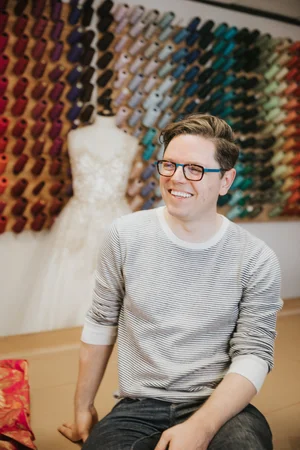
talked about what it what you so for people who don't know David Peck is a beloved fashion designer in Houston, Texas. He designed my bridesmaids dresses among many other amazing, incredible things in this world. And you very proudly you make you manufacture everything here in this beautiful country of ours, right? Which is the which is the ideal standard right now. Okay. And everyone's talking about it and everybody's talking about tariffs. And here you are and you're actually doing the thing. And you did an episode about Hey,
David Peck (05:20)
Yeah.
Laura Max Rose (05:22)
guess what this is really like? And so I wanted you to share a little snippet about that because I hear people talking about tariffs all the time. We're all talking about tariffs all the time. And something that I'm really constantly fascinated by is how we have gotten, because of how important affordability is and because of how important our lifestyles are and how important it is to have a functioning global economy, a lot of us are not necessarily interested anymore in having stuff that's made here. I don't even know if it makes sense for a lot of people.
for things to be made here primarily. And then if we have tariffs, we're going be looking at paying so much more money for the things that we don't have to spend as much money on right now, which nobody wants. And we still have this ideal though things being made in this country, which I understand you're making things in this country. There's probably a reason for that. I want to hear why. And I want to hear what it's really like for you. So David, when you started your company, did you really want to be, was it like, I'm going to make and manufacture clothing in this country or did that just sort of happen?
David Peck (06:17)
So I was a very naive, very idealistic person at one point in my life. I don't know what happened. ⁓ And so when I was always very interested in the idea of sustainability. And I grew up in the 80s where we recycled everything. I mean, I
Laura Max Rose (06:23)
Yeah. Yes, I understand. Same. Yeah.
David Peck (06:35)
and taking them to the recycling center. And I watched, you know, 321 Contact, which you may be a little bit too young for 321 Contact. Yeah. Or Square One TV. Anyway, these PBS shows that were all about, you know, for me, it was just like a part of life in science. And so I think as I was studying fashion in school in Paris, the idea of sustainability wasn't such a buzzword, but it was an idea of
Laura Max Rose (06:41)
I don't remember that one, David. I'm sorry. Yeah. Yeah.
David Peck (07:03)
the craft was always there because I was studying in France and it's a matter of pride. And I loved the idea of reusing and just sort of being as, I don't know, conscious as possible. I think that's always just been a part of my work and my viewpoint on life. But my problem was always that
there are companies that were doing sustainable, ethical, green, whatever practices, and they looked like it. And that was not my aesthetic. No.
Laura Max Rose (07:30)
Yes. Yes, you did not want that. Do you remember when
H first came out with like a sustainability line and it was like, you grew that in your yard and yeah, it was not cute. No.
David Peck (07:38)
Yeah, it was not cute. Yeah.
so that was also, I had started a line in New York with a friend and it was sustainable, but it was high end. And when I moved to Houston and ended up very long story starting a company, it was really like, what are all the things I want to do? And a lot of the things I wanted to do were to be sustainable, use organic fabrics as much as possible.
you know, create a factory where I knew that people were being treated fairly and being paid a living wage. And, you know, the idea of being made in America kind of went along with that. Being in Houston made it a little bit tricky because unlike New York or LA, there aren't a lot of preexisting factories. There were actually more at the time, like 15 years ago than there are today. But it became very clear that either I had to start a factory to be able to produce the things
or I would have to outsource to LA or New York or somewhere else. So being the very naive person and idealistic person that I was, I started a factory. And for a long time, we not only manufactured my designs, but we manufactured for other clothing designers who were regional. And we actually had a children's wear line that we manufactured for that was based in Birmingham, Alabama. And we did like, I want to say it was like 300,000 garments for them the first year.
It was nuts. It was a lot of work. And so I've basically been doing this this whole time. And I got out of wholesale and focused mostly on custom. then two years ago, three years ago, actually, we started moving into this space where we currently are, this boutique. And I wanted people to be able to see the workers. So we have a big window in the boutique where you can of look in. You can see.
the people who are working on the clothes. And so now I only manufacture the clothing that we sell in the boutique and like the custom pieces that we make and have gotten out of manufacturing for other people because it's a really hard business, spoiler alert. ⁓ So yeah, that's my experience and it started out of naivete. I think if I had to do it all over again, I don't know that I would do it that way again because it's so hard, but that's what I did.
Laura Max Rose (09:29)
Yeah, yeah.
Do you think though that it should be easier? don't you, before we decide like next time I do it, I would just manufacture everything in China. Don't you wish that we would take measures to make it easier to make things here? Or do you think that there would be so many problems that would come along?
David Peck (09:49)
Yeah.
I think it's a yes and no, or maybe a yes and. So my thesis in the podcast that you were mentioning is that I don't think as a whole, as a country, we actually want Made in America enough to put the work in. And so the countries that have been very successful at manufacturing in the more recent
past because I think America was a really great manufacturing hub. And there are certain sectors where we still do it. Don't get me wrong. I'm a little bit myopic in my point of the world. But I think that we have not really invested in infrastructure and supply chains like other countries have. And we can talk about the ethics of how China has done it. I think that's a whole other conversation, but they've done it. And so they have created
Laura Max Rose (10:39)
Yeah. Yeah.
David Peck (10:42)
this sort of vertical supply chain within their country where manufacturing is very easy and also sponsored by the government anyways or subsidized by the government. And it's just been made to be the thing that they are going to do. We have kind of done the opposite. So a lot of the factories even that I worked with when I lived in New York no longer exist.
A lot of them moved from being in the garment district in Manhattan, they moved to like Brooklyn and then from Brooklyn they moved and then eventually they got, you know, offshored. And so we have over time basically dismantled not only the factories that were making the clothes, but also any of the textile mills that were supporting them. And if you think about all the things that go into a garment, whether it's buttons, zippers, fabric, elastic, all of those pieces come from somewhere.
Laura Max Rose (11:29)
Mm-hmm.
David Peck (11:30)
Some
of those things were made in America to begin with, but some of them we've always imported, like silks. We never really had a big silk manufacturing industry in America. We did a lot of cotton. We did, like the Carolinas were really well known for like upholstery fabrics. Like there were certain denim, there's certain things that did come from.
Laura Max Rose (11:36)
Yeah, yeah.
David Peck (11:50)
America but over time what has happened is even if we grow the cotton in America that cotton has then been shipped all around the world literally to be able to be spun into thread be woven into fabric to be dyed and usually in very different countries and then even if we are actually sewing the garment in America It has gone all over the world before it it's brought back here Whereas a country like China has basically put all of that not necessarily even under one roof but under one country or even one city
And so a lot of that is happening in a much more compact place. They've also heavily invested in technology. a lot of times people think, that's cheap because it was made in China, and it's because they're not paying people fairly. There may be an element to that still, though I would argue that there is a sort of upward mobility right now in China where people are probably earning a better wage than in most, in many cases, than other.
and others are still human rights abuses that need to be contended with. But a lot of the efficiency has caused the prices to be reduced. And so there's also the whole trade, the strength of the dollar versus the end. All of these things play into it. But here in America, to be able to make something from basically cradle to
Laura Max Rose (12:52)
Mm.
David Peck (13:05)
grave, like it is literally not possible. And it's because we've not invested in technology and the resources or the supply chain. And so while maybe one part of it, like the actual sewing of the clothes is easier to do, like maybe we'd figure out how to build a factory. Everything else that goes into it is not readily available in America. And it would take so much to rebuild all those things. I don't know.
that we have shown the interest in doing those things. And I say that from like a political big standpoint, but also I don't know, like a lot of students who study design are not actually interested in the making of clothes. So it's like, you have to have a workforce who's actually interested in the idea of these things and willing to put in the work. And it can be very hard work. Even if you've got all the technology, there's still an element of...
Laura Max Rose (13:42)
No, they're not. Yeah.
David Peck (13:55)
labor, hand labor that goes into making clothing. And we have not shown an interest. And I wonder if sort of like the idea of Made America, which I love what we do and I think it's great, but I wonder if as a whole, as a country, if we're sort of using it as a scapegoat or a sort of a placeholder for other ideas where, you know,
America's really great export that we have done is like systems and ideas and education. Like that is what we actually have shifted our focus and attention to, maybe not so recently. That's another conversation. But we've kind of moved away from that like middle-class manufacturing mindset. And so,
Laura Max Rose (14:24)
Mm-hmm.
Yeah.
David Peck (14:37)
Is it, my question would be, it okay to go ahead and leave that in the past or do we really want to revive it? And if we do, are we willing to put the work in to make that happen? Because I don't think a single business owner or entrepreneur can do it on their own. Even if they have all the money. It's just the grandness of all of it in order to make it work is just so large that.
Laura Max Rose (14:51)
Yeah.
David Peck (14:59)
It would take so many resources and I think it would take government intervention and like a program, really, that would say this is important to us, we're gonna make it happen.
Laura Max Rose (15:09)
I mean, it's really interesting hearing you talk about it because I see this sort of global community that's like working together and everyone's really good at something and they're all contributing to the greater good. it's like, obviously that's not all that's going on here. But the idea of things being made in America and being made here is supposed to support American jobs and American workers. But do American workers actually want to be doing this?
Like who's going to school right now and learning how to actually make a garment. Like where did you find the people who are working for you and actually making these garments? There's like, how do you even find them? Yeah. Yeah. Right. Like we don't even have like the infrastructure for that anymore. And like, do we want to keep on pursuing this ideal? I understand the ideal. I've had it myself. It always feels good to buy something that was made in our country. ⁓ but
David Peck (15:42)
It's very hard and that's the thing. No.
Yeah. Yeah.
Laura Max Rose (15:57)
But how much do we, like, can we be more comfortable with the fact that we actually rely on other countries for things because of our lifestyles and how much our lifestyles changed? ⁓ You know, my parents were both in the fashion industry when I was a child growing up. And like, I remember my mom telling me, like, just how much everything changed for my father. He was a, you know, he worked in belts and like, like sold a lot of the belts to Banana Republic and like a bunch of other stores that people know the names of. And then they sort of decided to
David Peck (16:05)
Yeah.
Laura Max Rose (16:24)
start manufacturing everything overseas. And that was a huge game changer and not not such a good way. And there's this idea like, can we go back to that and support more Americans? But we've changed so much. We've evolved so much since then since the 90s. And a lot of us like expect to have things for a lot less money. We don't really care that the quality isn't as good. And we want to really, really fast. And I think that we it's very possible that we've changed so much that we are going to have to reevaluate what our ideals are. Now that being said, I don't
I'm not particularly interested in supporting a country that's trying to hurt mine. And I wish we paid more attention to that. And I wish we paid more attention to what is in some of the stuff that we're buying on Amazon, David. Like they've done like testing the clothing that you're buying from China, like that has lead in it. Like it is not, nobody is regulating any of this stuff. Like that is my big concern. If we're going to keep on importing products and clothing, especially like we need to be regulating it. And that feels a lot more.
David Peck (16:56)
Right.
Laura Max Rose (17:20)
manageable to me than manufacturing everything here.
David Peck (17:23)
I would agree. And I think that it's interesting because I feel like both sides of the political aisle have sort of tried to co-opt this made in America thing and bringing these jobs back for different political purposes. And it feels a little bit misplaced at this point, in my opinion, when I feel like we've already, because we live in a capitalist society, maybe we're late stage capitalism, if you listen to certain people.
We've kind of gotten this far and we're not, it's so hard, it's almost impossible to turn the car or the train or the boat, the whatever around. So what do you do with this system that we've created this global system? And I don't think it has to necessarily be for ill, but we also have to regulate it. We have to be conscious. think.
Laura Max Rose (18:00)
Yeah? Yeah!
David Peck (18:15)
so many of us do consume. I mean, I try not to as much anymore. I try to be very conscious of my consumption, but we need to know what's happening overseas and whether, or I say overseas, but it could even be on our shores. I mean, there's a lot of greenwashing that happens in products that are even made in America, but there's no oversight. And so that feels like more of a place to put our effort, money, time.
political capital ⁓ than to strictly focus on main America. And I love what we do. And also I think what we do would be considered, I feel like more art artisanal, like it's not mass manufacturing, whereas there's a place for both. There's a place for, you like you need clothes for your kids to wear to school. You are not gonna pay the prices it would cost for me to make them. Yeah.
Laura Max Rose (18:41)
Yeah, yeah.
Yeah.
Yes.
No, I'm going to Target. Yeah.
David Peck (19:04)
So I think we have to be really honest about where are we willing to invest our money and is it worth it? And I think in some cases, the Made in America moniker is not worth literally the price. And also, how do we balance that out with products that are not harming and killing us because of lead, pesticides, all of the things, because they're coming from unregulated countries?
Laura Max Rose (19:25)
Mm.
Yeah. I mean, I know what I'm hearing when you're talking is like, we all grew up with this sort of ideal around the environment and around taking care of it and around what that actually looks like. But look at, we've got to work with what we're working with. Right. And the world has changed tremendously. And I think we need to find ways to make that work as opposed to really like dialing it way back and reinventing the wheel or going back to the way the wheel used to be. and making that work.
David Peck (19:47)
Yeah.
Laura Max Rose (20:00)
instead of and kind of like embracing where people are in the way that our world works over trying to change everything in a way that's not very practical and probably won't end up working because what you do is so special. And when people want an absolutely stunning gown that was handmade here in this country, that's where they're going. But you're right. When I'm going to buy clothing for my kids, I don't want to spend that much money on their clothing because they're going to get ketchup all over it. And I'm going to go to Target and that works for me. And it's great. So how can we make those systems like support our planet?
more than they do now, as opposed to trying to change them entirely.
David Peck (20:31)
Yeah,
exactly. How do we make them more ethical without drastically increasing the prices? Or maybe there is a certain amount of price increase that has to happen because we've sort of been accustomed to things being artificially deflated. Yeah.
Laura Max Rose (20:35)
Exactly.
Exactly.
That's something I've been thinking too. It's like, we're consuming
so much, David, and don't quote me if all of our prices go way up because I don't want that and I'm not asking for that and I think they're high enough already. it's interesting how we're looking at this because it's like, if things are more expensive, we're not going to be able to consume as much. And it's like, should we look at that like a little bit differently? Because we've never been consuming more. And it's not all that great. It's not all that necessary.
David Peck (21:07)
Right.
Laura Max Rose (21:12)
you know, there's like this huge concern about strollers getting like three times more expensive should these tariffs go through. And I find that of course, very concerning. I don't want that. But at the same time, how many like really beautiful strollers do you think get just like chucked in a landfill? Because no one is taking a hand me down stroller. They can just go buy another one for 500 bucks or whatever. Like, would we use things more? I don't know. I don't want them.
David Peck (21:32)
Yeah. ⁓
I think, yeah,
I don't know. I think it's a very good question. I think it's also a matter of why are they more expensive? Are they more expensive because we're actually paying the people who are designing and making them up? Or are we paying them just because we're taxing people for them with tariffs? Yeah. So I think we have to look at those systems. Like what are the systems designed to do? Are they designed to act? Cause it used to be that on a blue collar manufacturing salary,
Laura Max Rose (21:45)
That would be amazing. That's what I want.
I don't want that. I don't want that. Yeah. Yeah.
David Peck (22:05)
a single salary that you could raise a family because of inflation, because of all of the, there's so many reasons why it's very, yeah, there is no way. And so we have not, we are not pricing those jobs. We're not paying them the way in proportion to what they used to be. And so I think, you know, if our prices are just high because they're high and it's, it's greed and like capitalism run amok, then no.
Laura Max Rose (22:05)
Yeah.
Yeah.
Now it's like hell no. I mean, God.
Yeah.
Yeah.
Yeah, yeah.
David Peck (22:32)
But if it's because we're actually looking at sustainable systems, we're looking at creating jobs that people want to have and can build a life and a family if that's what they want, then great, I'm happy to pay the price for that. But I'm not happy to pay the price because it's just a political stunt from either side. I think, yeah, from either side.
Laura Max Rose (22:51)
Completely understood. I completely agree with that. Yeah. I think
we need to look at people and their labor being more valuable and not be so hesitant around that. Like if you look at, the way, like when you're tipping someone, like tipping culture drives everybody insane right now. And I get that I do. But when you go to a restaurant, like I was just in a restaurant and my, options were to tip like 20, 25 or 30%. And the difference, because my meal was not very expensive, the difference between 20 and 30 % was like less than a dollar.
David Peck (23:04)
Yeah.
Laura Max Rose (23:18)
And I just like went with the 30 % because why wouldn't I? It's like less than a dollar. And every time I do that, I always feel really good. Like I'm helping a person. and I know like tipping has gotten insane and it's really a struggle for a lot of people. And I, bothers me depending on what kind of, what, what's going on in that particular scenario as well. but I don't think it should be all on the consumer to pay employees, but
I understand where these restaurants are coming from because they can't pay their employees as much as they want to. But when it comes to compensating human beings, I'm always in favor of that. Like I want more of that. If it's going to make my latte more expensive, okay. But I agree with what you're saying. And I don't, I wouldn't want it to be like money that we're spending for absolutely no reason. That doesn't need to exist.
David Peck (23:54)
Yeah.
Yeah. I mean,
I think the tipping thing is very interesting because I I lived in France and so there's there it really is no there's no tipping. I mean, you can leave a euro or something if you want to just be nice and generous, but it's really a motor of a token of appreciation rather than like I'm helping to contribute to your livelihood. But they have set up a an economy that supports workers, you know.
Laura Max Rose (24:10)
No tipping. Yeah.
Right.
Yes, we don't have that right now,
David Peck (24:29)
We don't have that. And
Laura Max Rose (24:29)
do we? No.
David Peck (24:31)
they have, you health care. like, there's a lot of things that come. I you always I always say you choose your you're good and you choose your bad. Like so there's obviously upsides and downsides to any sort of system. But if we're really thinking about what we want, our people to make a living wage and we want them to be able to be happy and healthy and raise their families and, you know, pursue the American dream, whatever that that is now.
Laura Max Rose (24:39)
Yes.
David Peck (24:55)
because it's probably evolved from the one that was 50, 60 years ago. We have to figure out a system that supports that. I don't think that we're... I don't feel like we are talking about that. I think we are talking about Made in America as if that will address that concern, but it's actually not addressing that concern.
Laura Max Rose (25:07)
Yeah.
Yeah, I totally agree with what you're saying. And I love that you talked about it because you're like the perfect example. Hey, I'm doing this. By the way, it's really hard. Not what you think it is. And I love that. And I was like, we have to discuss this more.
David Peck (25:25)
Yeah. It's not, it's not.
Yeah, I love having these conversations and I love talking to people about it because my perspective might even be jaded just because I've been doing it for so long. And maybe there's somebody with a new fresh idea that can approach it and like, you know, they're willing to put the money in it. But I do think what I see is that if we really, really want it, it has to be systematic change. And some of those systematic changes are probably not worth the investment at this point.
Laura Max Rose (25:44)
Yeah.
David Peck (26:00)
And maybe there's another place to put that time and energy to actually give people a life that's wonderful. And maybe it is made in America, but maybe it's not. And I don't think that's a bad thing. think we should be thinking about what is it that we're actually trying to achieve with the idea of Made in America. So, cool. You're welcome. You're welcome.
Laura Max Rose (26:00)
Yeah.
Mm-hmm. Yeah. I love it. Thank you for rehashing. What else are we talking
about today, David? David makes the lists for us. He is the class champion.
David Peck (26:25)
I get to, well, we, what were we,
I'm the Capricorn. So that's what I do. So we have to go back and revisit the Blake of it all, but the Blake of it all has really evolved into the Taylor of it all. And that's really what's interesting me right now. So we've had many voice memo conversations about this. So why don't you give a brief recap.
Laura Max Rose (26:33)
Yes.
my god.
David Peck (26:51)
Because we did, we even talked about this in the last, I think this is going to be the never ending conversation, at least for the foreseeable future. So.
Laura Max Rose (26:56)
I know. Okay, well, recap
if you don't have a cell phone ⁓ or Instagram. The recap is that Brian Friedman, who's Justin Valdoni's attorney, who has done a very good job for Justin Valdoni, and I would hate to be on the other side of him, he was willing or he has signed a sworn affidavit saying that somebody in Taylor's camp, somebody very close to Taylor Swift, came to him and said that Blake Lively threatened Taylor Swift.
David Peck (27:01)
Yeah.
Yes.
Laura Max Rose (27:24)
that if Taylor Swift did not come out and support Blake Lively publicly, that Blake Lively would release 10 years of text messages with Taylor Swift that I'm assuming would be incriminating to her in so many ways. mean, how many things do you say to your best friend? ⁓ And this person was like, Brian Friedman is willing to go under oath. And the person was also who told him is willing to go under oath as well. I mean, that's...
David Peck (27:39)
Yeah.
Laura Max Rose (27:49)
That's a pretty big deal, right? So yeah.
David Peck (27:51)
It's a big deal, because it's not
just a motion in court. This is an affidavit, which carries significant, it's basically like sworn testimony, essentially.
Laura Max Rose (28:00)
Yes.
Now it was totally, it was dismissed in court. Like it's not going to be admitted into evidence.
David Peck (28:04)
Yes.
But basically because the judge said not in my court. It's not that what you said is wrong. It's just I don't want it in my court for whatever reason.
Laura Max Rose (28:10)
Yes. -
Yes, we don't
have a reason. But I don't know if Blake Lively has come out and said anything or her team has said anything about this because it's probably true. That's my guess.
David Peck (28:24)
I think whether smoke, there's fire sometimes. ⁓
Laura Max Rose (28:26)
Like,
I mean, that kind of checks out there. Also, I saw this video this morning and I never want to believe this stuff. Like Instagram's going insane with the lip readers and like, like Blake and Ryan had this conversation on the red carpet. And like, if you look at them, like, no, they didn't. And like, but an alleged lip reader is saying that they did. I feel horribly for them because so many people just read what these people say and believe it. But there is like,
David Peck (28:42)
Hahaha
Laura Max Rose (28:51)
a clip of her getting the Time 100 Award and her mom making this gesture to Ryan Reynolds of like tears. Have you seen this? Like she's, she's gesturing to Ryan Reynolds, like making like a tear drop and asking like if Blake, like should Blake cry while she's talking. And there's really no other way of interpreting it. Like, I don't know. I mean, I, I guess you could, I guess she could have been talking about like,
David Peck (28:58)
No, I haven't seen this one.
Laura Max Rose (29:16)
you watch the video and tell me what you think, because I'm always erring on the side of caution here. Yeah, but like that move, just the acceptance speech and referencing her mother's history of having been abused sexually was really interesting choice. I keep asking myself, like, you have like a billion dollars and like, who is advising you on these choices? Because at this point, months ago, I think you should have like, there's no way that in a court of law, everything that you are
David Peck (29:18)
I'm so fascinated by this.
Laura Max Rose (29:44)
accusing Justin Baldoni of is going to check out. We have video evidence of that. So to continue to double down like this, it's just backfiring and backfiring and backfiring. And then you've got your former best friend. Don't you think Taylor Swift would have come out and said Blake Lively never did that to me if she hadn't?
David Peck (29:52)
Doesn't make any sense.
See, I think I've been really fascinated by following the Swifties on TikTok because there's all these theories about like, Taylor has been very quick to support women, period. Like if something happens, like she, and in this case, she has been very, very silent, strangely silent. mean, she.
Laura Max Rose (30:07)
Yeah
Yeah.
This is the godmother of her- or she's
the godmother of Blake's children, or was.
David Peck (30:22)
Yes,
and that is also a very interesting thing because on certain timelines people are breaking it down. It was that she is now the godmother of all of Blake's children, which is interesting because Blake has sisters and friends, other friends presumably, and that her oldest child was like one when she met Taylor. And so it's like, and then now Taylor is the godmother. So like it was a...
Laura Max Rose (30:39)
Interesting. Yeah.
David Peck (30:44)
a play or a play on Blake's part to get like hook Taylor, you know, and like is it was this all sort of like this mastermind kind of plan, but then Blake is not Taylor when it comes to being a mastermind and sort of it's all imploded. She like played her hand to too much, too fast, too far. It's also really interesting too, because all of the the the Swift verse.
Laura Max Rose (30:51)
Mm-hmm.
David Peck (31:07)
is clowning for reputation Taylor's version to come out. so it's like the reputation was originally because of what Kanye and then eventually, know, Kim Kardashian, all of that fallout and where Taylor felt like she lost her reputation. And the lead single was Look What You Made Me Do. And so interestingly, Deb, you've seen that the penultimate episode of The Handmaid's Tale.
Laura Max Rose (31:21)
Yes. ⁓
has Look What You Made Me Do in it.
David Peck (31:35)
the Taylor's version and it's the first single off of Taylor's version Reputation. And it's the Handmaid's Tale, which is like all kinds of like interesting. And there's a video.
Laura Max Rose (31:46)
It's incredible. I
saw the preview. didn't realize that that was Taylor's version that they were using, but of course, yeah.
David Peck (31:49)
It's Taylor's version
and Elizabeth Moss is friends with Taylor and has been to the Arrows tour and like I think they were in because they filmed it in Vancouver and when Taylor was there apparently it was like while it was being filmed and like all that and there's this promo video where you see the Handmaids like coming towards you and there's like two trucks and there's people getting out of the trucks and file and the last one gets out and people are convinced it's Taylor.
Laura Max Rose (31:57)
my god.
Yeah.
David Peck (32:16)
because it looks just like how she walks in reputation and it's like her back to the camera and she's walking around and like, is Taylor making a cameo in Handmaid's Tale? So like the levels of.
Laura Max Rose (32:24)
Oh my God, I have the chills. I'm not
even like a Swifty, I'm just, my kids are, but I'm so excited right now. It's amazing.
David Peck (32:30)
Yeah, it's so cool. it's like,
like, Taylor really is a mastermind on every level. And people are thinking, well, is now reputation about like, Blake and like, is no way because I don't think one, think it would be very foolish of them to have this ad for David out there with somebody from Taylor's camp, whether it's her dad or tree tree pain, her publicist, whoever it is that's close to Taylor.
I don't think it would be very smart of them to let that out there. I don't think they would let it out there if there wasn't something behind it and maybe as like a warning shot to Blake's team. And I think what's really interesting about Blake's whole, I just don't understand the strategy behind it because I feel like she could have won in the court of public opinion, even if she couldn't win in court, had she just kind of left it.
Laura Max Rose (33:01)
Yeah.
David Peck (33:22)
alone in a way. Like everyone knew that like, like the whole, even after the ends, it ends with us press tour where everyone knew that like nobody in the cast was following him and like all of that. And if you just sort of left it as like, there's a bad taste in our mouth around this Justin Valdoni guy. Like I think Blake might've like resurrected herself and like it could have been okay. But then coming back in December with this whole like complaint against him that has now been blown, bloomed into this like lawsuit, which is
Laura Max Rose (33:42)
Yeah, yeah.
Which is probably gonna go to trial, which is insane.
David Peck (33:51)
It just seemed.
And I just don't think she, I can't imagine unless she has like a real smoking gun that's like insane.
Laura Max Rose (34:00)
I'm waiting.
I've been sitting around just waiting for a smoking. Like how could she have taken it this far without one? And I'm like, if she just holding out and just waiting until trial, like how could she be this confident? How could she continue doing this? This doesn't make any sense. And then I saw her on a late night talk show, discussing this again and how she's like really proud to be an advocate for women. And I'm like, there's literally no woman, like who? Who are you referencing right now? Like there are women who are some like survivors of.
David Peck (34:05)
Yeah.
Sick.
Yeah.
Laura Max Rose (34:27)
sexual assault, who do not believe, like, this is horrible, this is such a mess. What are you talking about?
David Peck (34:32)
It,
yeah, it does not read well. And I wanted to believe Blake. I was like, okay, I I've told you, I wanted, I want.
Laura Max Rose (34:36)
It doesn't!
Me too. I have a
YouTube episode where I'm talking to an attorney about this case and the attorney is team Valdoni like a hundred percent. And I'm like trying so hard to be team Blake and the comments are like, my God, the host of this podcast is just trying so hard to be team Blake. Like she has nothing and like keep trying and like, yeah, I didn't, I didn't disagree with any of them. I was like, I was, I, she's Blake lively. Like I saw we're the same age. I saw the sister of the traveling pants when I was her age. I,
I can't believe it. doesn't make any sense to me. And like the, the way that her and Ryan, Ryan Reynolds have like just changed so much in terms of their public persona because of this. And I mean, I kind of thought it was just going to blow over at the beginning too. I really, I thought that he might have done something really wrong on set possibly, but I thought the way she handled it was pretty poor by not being in any photos with him unless something really significant happened. And then when I thought something really significant happened because of the complaint, I was like,
David Peck (35:19)
Yeah.
Laura Max Rose (35:37)
you know, absolutely rageful on her behalf. And I almost posted like this Instagram video, cause I was so upset that like the whole world had gone against her and look, like, look what she's saying. And then just a few days later, we start to find out, a second, this doesn't really make any sense. And this might not be true. And I don't know where she got, as we say, the chutzpah to do something like that and think that it wasn't going to backfire.
David Peck (35:53)
Yeah.
Yeah,
it seems very misguided, narcissistic, like all of the things. Like it just feels like, yeah. And she keeps doubling down and I feel like, okay, stop, quit while you're ahead. Like I really thought all of this was going to be settled. Like I thought they were gonna settle out of court. they're like, nobody wants this. Like it's not good for her, it's not good for him. But now the longer it goes on, I'm like, actually it's looking like he's gonna come out of it way ahead.
Laura Max Rose (36:04)
Yeah, but continues to be. She keeps doing it.
Yeah.
Yeah!
Way ahead.
Do you think that we're just gonna get a bombshell dropped on us? Like something, she's gonna have to turn the tide somehow, announce that she's settling.
David Peck (36:28)
and
I don't know, either it's gonna be a big announcement and it's gonna be, they're gonna try to spin it in some way. I feel like that's what the, based on their behavior right now, I feel like that's what they're gonna try to do and I don't think it's gonna land. The smarter thing I think for them to do would be to just let this all fade away and shut up. I think, just be quiet. And that, I've been in litigation before and like I hated doing it, but basically,
Laura Max Rose (36:47)
Yeah, yeah.
Yeah, just shut up. Stop talking!
you
Yeah.
David Peck (37:03)
your lawyers tell you, do not say anything. You may have all the facts on your side. You may have not done anything wrong. Do not say anything. And that's not what's happening.
Laura Max Rose (37:07)
Yeah?
Yeah. Ugh.
It's not what's happening and it's really, really painful to watch.
David Peck (37:17)
and they
have so much money to have the best lawyers. So, and you're not listening to them. It's like, that's very, yeah.
Laura Max Rose (37:21)
or anyone really. And I get
her anger. Like I think in the beginning, she was really angry because she felt like she had this evidence that he was running like a smear campaign against her. And I believe that he actually did make her uncomfortable based off of her texts with other people. But that doesn't mean that the facts match her feelings. And it doesn't mean you take it to a court of law.
David Peck (37:31)
Yeah.
Yeah.
No.
No, I think she thought she could get away with it and like was mad and fine. You have, you can have a right to be mad, but I don't think you have the right to a trial or a court. Like you just don't, that's it's yeah, it's the punish.
Laura Max Rose (37:53)
Yeah. Yeah.
And the whole thing
was very like, mess with me, don't mess with me. Like the Khaleesi and my dragons thing really showed like how she viewed her friendship with Taylor for the whole world to see. ⁓
David Peck (38:04)
When she
first said that, I was like, I don't think that's gonna sit well with Taylor. Like, I don't think that's gonna go over real well. Yeah.
Laura Max Rose (38:08)
Oof.
Yeah. It's looking like you were right. Right. But
it's saying like, look how powerful I am. Look how powerful my friends are. And it kind of goes to show like I will ruin you. Like, and I think this whole lawsuit was her thinking she could ruin people and she's still like screaming like, Hey, I should have all the power and I don't. And it's like at a certain point, I think you need to let it go. I mean, I don't know. I don't know. I wish like, I'm shocked that this is playing out this way.
David Peck (38:21)
Yeah.
Yeah, I am shocked too. And we'll just have to let it go for now and see what I know. Let it go. Yeah, it'll be interesting to see what this, with Taylor potentially releasing or announcing the album reputation on the 26th, I think is the AMAs in just a May.
Laura Max Rose (38:40)
I'm shocked.
Like Elsa.
Of May?
I didn't know that.
David Peck (39:01)
But that's the rumor is that she's gonna announce,
there's all these like number theories and everything. So it'd be really interesting to see if Taylor re-emerges and if so, I still can't imagine her saying anything about Blake. I think she's just like, nope, this is not worth, I've moved on. Yeah, so we'll have to come back and revisit that in a couple months and see what happens. So now's.
Laura Max Rose (39:17)
That would be, I don't, she doesn't need to. She hasn't needed to say anything. Yeah. We will. Yeah.
David Peck (39:27)
the time of the show where we're both gonna bring up some things that are just like on our mind, what we've been thinking about. So I know you have some something with Instagram, the algorithms that's like.
Laura Max Rose (39:37)
yeah,
I did want to talk about this because I was really fascinated and it's just sort of like a little bit of a, I guess a PSA, something that I realized that I felt like this could be like really valuable, I think to a lot of people who live on planet earth. I don't use Instagram as much as I used to, but I still use it every day and I have a lot of clients, I manage their Instagram. so I use it, I engage with it on a pretty regular basis and the discover me feed has become like more of the reason why I use it.
than it ever has been. used to just like use it to check on my friends. Now I use it and I look at the Discover Me feed because it's like my news, it's everything. And I've made, I've talked a lot on a lot of different podcasts about how like my whole Discover Me feed is bookstagram now. It's like book recommendations based off of what I already like. And it's been nice for me because I like getting book recommendations. It's starting to get a little old because it's a lot of the same books over and over, a lot of people doing the same thing. And it's like my whole feed. But,
David Peck (40:15)
Yeah.
Yeah.
Laura Max Rose (40:29)
Recently I started, run social media for a lot of people. do like a lot of digital marketing. And so I clicked on a few things that were in my feed that were about, digital marketing practices and like how to like grow your following and like all this really like gimmicky stuff. A lot of like coaches who are like, I can teach you how to make a hundred thousand dollars every day. And like, just like really annoying there, even like there was somebody who was trying to talk about how to like rent to rent, like renting Airbnb and then
subleasing them and like how to make all this money and like just stuff I really don't want to know about. But I guess I do because I kept clicking on it because I was fascinated by it. And I was like, this is so interesting. And I wanted to know a little bit more. Well, what do you think happened? Like the more I clicked on it, it started becoming my feed. because Instagram could see that I was clicking on it. And so my book sort of started to become 50 % and then all this like really gimmicky social media stuff.
David Peck (41:02)
Yeah.
Laura Max Rose (41:20)
started becoming predominantly what I was seeing and I would get interested in something else and I would see more of that. And I woke up yesterday and I was just like kind of tired of it. Like I was tired of waking up and seeing all this gimmicky stuff in my DiscoverMe feed. So I went through and I intentionally clicked on all of these book recommendation posts that I didn't even want to read, but I just wanted to change my algorithm. And honestly, I just tapped maybe six of them. And by the later that day, I wasn't getting almost like.
just maybe one or two like social media marketing tips and everything was kind of back to books again. And it really was an amazing reminder that like not Instagram is kind of like matching the algorithm algorithm of life to a degree because life is really a mirror. And like what we put out there is what we're going to get back and what we show interest in is and what we pay attention to is what we're going to get back. And before you know it, you're paying attention to something and it's all you're seeing.
So you really start to believe that like that's the whole world. That like maybe everybody is like following these really weird tactics and like only cares about like making $100,000 a day in like a really gimmicky way. And I mean, there's worse things than that that you could be paying attention to on Instagram. I find that with parenting, if I look up one piece of parenting advice, I will get barraged with so much parenting advice that I start to feel like a bad parent because nobody should be reading parenting advice all day long. And if I'm checking my Instagram constantly and getting so many
David Peck (42:23)
Yeah.
No.
Laura Max Rose (42:42)
tips. This is like a really interesting example. The other day, there was a Instagram post that came up and it was like seven ways to make your kids childhood absolutely magical. And there were all these recommendations. One of them was that I should have all of my kids have a sleepover in our bedroom and with twinkle lights and watch a movie and like we can all fall asleep in the same room with sleeping bags. And like, my kids are never going to forget it. And then there were all these other things that I'd never done a single one of them. And I immediately start spiraling and I'm like, my God, my kids aren't going to have a magical childhood.
David, can I tell you how many times people have said to me, we travel with our kids a lot. We like, we take them everywhere. They've been to so many different countries with us. I've had so many people say like, my God, you're giving your kids such a magical childhood. I feel bad. I want to give them that. I keep talking to my husband about how we need to travel more. And I'm like, please don't let anything I do make you feel bad because there are a lot of things I don't do. That's something I do. And this one post takes all of that away and makes me feel like I don't do anything magical for my children. They've been to like,
all these different countries and whatever, but I don't do anything magical for them because we don't have sleepovers in my bedroom. Instagram will very quickly make you feel that way, especially if you're a parent, especially if you're trying to navigate challenges in life. And so the whole point of that run on sentence is that I think, first of all, please know you can change that quite quickly. It took me less than a day. And you know, if you're getting something back from Instagram, from social media that makes you feel worse,
You don't need to continue to participate in that. And the same goes with life in general. Like you're going to continue to get back what you're putting out there. And sometimes it's good for all of us to take a break from that because there's only so much feedback that all of us can manage at once.
David Peck (44:21)
Yeah, no, I have noticed this recently because I'm newly ish on TikTok. We had an account for the store for a long time, but I never really used it. And then when I started the podcast, actually more recently, I was like, I need to be better about doing this. And Instagram can be frustrating for so many reasons. Anyway, I was like, let's try TikTok too. But I noticed that like at first my feed was like the for you page, whatever was.
basically related to the shows that I had put up. So it was like, at that point I had interviewed Kelly O'Hara. And so there were all these Broadway things that were like popping up. Cause I think it figured, you're posting about Broadway. That's all you're interested in. they basically all I got was Broadway. And then I posted something else.
That was slightly different. then all of a sudden, the feed changed. then there was some political post, I had seen it. Or somebody had sent it to me, and it opened in TikTok. And all of a sudden, what I realized is that there is no subtlety or balance when it comes to a lot of these things. And just like you, you're like, I wanted to learn something more, so I clicked on a post or two. And all of a sudden, my whole life is overtaken by these things. ⁓
Laura Max Rose (45:17)
Yeah.
This is everything, yes.
David Peck (45:29)
And there's no way of saying, I want to curate this so it feels balanced and whatever you have, you end up having to like, you know, reorient your mindset around it. And I was like, not that long ago did not realize that you could like press and hold on the, the discover me feed on Instagram. And then they go down and go not interested. Yeah. So you can do that. I did not know that until relatively recently, cause somebody was like, this is how I create my Instagram feed. And I was like, how?
Laura Max Rose (45:48)
I didn't even know that.
David Peck (45:56)
And so you just hold on it and there's like down, it'll say not interested. So you can preview it. Yeah, you can see it. But it is very crazy how it sort of can send you into a vicious cycle. And you're interested in one person because of how they say something. But then all of a sudden social media thinks you want to hear everybody's opinion on that one topic. And that's then all you hear. It can be way overwhelming. So I'm with you on this. So be intentional about it.
Laura Max Rose (45:59)
Amazing new information.
Yeah.
Yeah. It's a lot. It's a lot of noise. And I think all of us are pretty inundated right now. There's so much more information in our society. We have chat GBT. There was just an article this morning about how chat GBT is causing like increased psychosis and people who already struggle struggle from psychosis because it has such a mirror effect. It validates people if you've noticed. And so people had come with like their crazy conspiracy theories and chat GBT is like, yeah, you're totally right. Like here's more evidence.
David Peck (46:39)
⁓
Yeah.
Laura Max Rose (46:50)
Um, so yeah, you're going to, you're going to find that, um, whether you're on Instagram or on chat, GBT, you're going to find more evidence to support the things that you inherently believe. And I don't know how aware we are of that all the time. I mean, I can lose sight of that too. You should see my like, yeah, confirmation bias. And I think the biggest evidence of that is like, my husband doesn't really use social media anymore, but
David Peck (46:50)
Yeah. ⁓
Right. Yeah. Yeah, confirmation bias.
Laura Max Rose (47:13)
When he did, I would go on his Instagram, if I went on his Instagram, because I used to manage his social media feed for his business marketing. And I would see his Discover Me feed and it was like, wait, are we on the same social media platform? It's politics and news and historical facts and this is what happened in World War II. And I'm like, what? This is on Instagram? I used to just borrow his phone at night when I was like, I needed a phone, but I didn't want to be on mine.
David Peck (47:26)
No.
You
Yeah.
Laura Max Rose (47:40)
And it was like so nice. It's like, this is what happened in the war, great war. Like, yeah.
David Peck (47:43)
so welcome respite. ⁓
well, your your topic is kind of tangentially related to what I want to talk about is that I have it's been something for the past year or two, I guess that I've really kind of gotten into but I've really gotten into YouTube. I love YouTube so much because I so it first started out as I was doing all this like self improvement stuff and meditating and like everything and I was like
Laura Max Rose (47:58)
Ooh, tell me more.
David Peck (48:07)
there were things that I wanted to learn about, like just specific topics. And I was like, how, but I don't want to just read. I feel like I want to, I want to just kind of have information. And so I just searched randomly in YouTube and I was like, there's a video on this. And so I, there were just these, and also I was thinking about marketing and branding and I was like, I want to engage with creators who are creating the kind of content like I might want to create. So that's kind of really where it started. And
I let it sort of fall off the back burner for a while. But I've gotten to, like since the beginning of the year, sort of really curating a subscription to a variety of different topics, but that feel like they inspire me. And unlike Instagram, I mean, there is a feed, but I tend to watch YouTube on my TV. So what I see is only really what I've subscribed to. I'm not looking at the random stuff that...
pops up on like if I were to go onto like the homepage on my browser. So it's like it feels much more intentional and curated. And I'm like, these are the people that are inspiring me that make me feel good, that make me feel like I'm learning something. And it's a variety of different topics. It could be even learning how to make better YouTube videos. But a lot of it is like either people who are living abroad or renovating homes. I love home renovation.
And also people like with history and maps, I love maps. And so like there's this creator Daniel Steiner who does these really interesting videos about how cities evolve. And he does all this fascinating research and they're like really well thought out videos with these great illustrations and ⁓ animations. There is so cool. And it's made me feel, it just feels like I'm not wasting my time mindlessly scrolling.
Laura Max Rose (49:40)
So cool.
David Peck (49:48)
through something and I'm actually learning something and I'm learning it because I chose to, not because the algorithm has like said that's what I need to input into my brain.
Laura Max Rose (49:57)
love that. And I think having a choice is so important. You know, I really, I really do. And I'm also like trying to utilize YouTube a lot more for my podcast. And I love it. And I love the way it's set up. It's not as addicting. So that's definitely maybe you feel differently, but
David Peck (50:00)
Yeah.
I always loved TV and movies, so I feel like maybe that's my addictive nature. But what I like about YouTube is, for the most part, it's longer form content. And it feeds my brain in a way that is different from TikTok or Instagram, which is much more like those dopamine hits. Whereas with YouTube, I feel like I have to sit with the ideas. And whether I agree with them or not, or like...
Laura Max Rose (50:19)
Yeah.
Yes, yes.
Right.
David Peck (50:38)
You know, like if I watch some videos and I'm like, I can unsubscribe from this and I don't have to like, but I can find something else that feels and I can add that intentionally to my feed. But I think the longer form content just makes it less frenetic.
Laura Max Rose (50:54)
Yes. And do you feel calmer using it?
David Peck (50:56)
And I feel calmer and I,
yeah, I feel calmer. feel like, I took something away from that. I learned something. I can now have maybe a more intelligent conversation with somebody because I now know the history of how San Francisco's street system was laid out. Yeah.
Laura Max Rose (51:04)
Yeah.
So fascinating. I love that. And like,
I'm very inspired by myself. I'm like, oh, I should watch more long form content because you're right. So much of what I see is so short and you can't really make a well-educated point that covers all the bases in like 30 to 90 seconds.
David Peck (51:15)
Yeah.
Yeah.
No, and that's, think it takes us all the way back to our original talk, like the Made in America. Like it cannot be reduced to a soundbite. Like, and it is such a complex and multi-layered issue that has taken decades, if not centuries for us to get here. So for us to think that we can distill it into a 90 second reel and have all the answers.
Laura Max Rose (51:32)
No, it can't.
Yeah.
David Peck (51:49)
feels very unrealistic. even if you could put an answer into 90 seconds, it's not actionable in terms of policy. So for me, think having these slower, long-form conversations is part of the reason why I wanted to have this podcast. And I love that with putting the podcast now on YouTube, which if you're watching on YouTube, please comment down below. Subscribe. Yeah. Let us know that you're watching.
Laura Max Rose (51:58)
Yeah
Subscribe, like, comment, subscribe.
David Peck (52:14)
It feels like a place to have longer conversations. And actually when I posted the video about Made in America on YouTube, I got a couple of comments that were just really, at first, I think people were not completely understanding what I said, because they were responding to the YouTube shorts. But then I was able to have like,
a longer conversation like, I hear what you're saying. And I responded to them and it was like this, video is actually about this. And then like they responded and we ended up having this really lovely dialogue instead of this combative, like what you might see on other platforms. And that just felt really good. I'm like, oh, this is what I wanted to do. I wanted to have conversations with people that opened my mind, opened their mind and maybe
Laura Max Rose (52:43)
Yeah. Yeah.
David Peck (53:00)
helps us all come to some sort of creative solution that helps us design a life we love.
Laura Max Rose (53:06)
think that that's social media in its highest form. think it really like, I love the way that you're using it. I've never bought into the idea that like all of it is bad. I don't think we would have it if it wasn't here for a higher purpose. I really don't. I just think we need to be like thoughtful about how we use it. And I think you're such a good example of that. You really are. And I love getting to do this with you and have these conversations with you. It's so much fun. And I'm so glad that I'm going to get to do more of them.
David Peck (53:31)
I love it too.
I know I'm so excited that this is now a monthly thing. So Laura, I'll let you sign us off, but where can people find you? they're listening on my podcast feed, where can they find you?
Laura Max Rose (53:36)
Yay!
you can find me anywhere you streamer podcasts, particularly Spotify and Apple podcasts and YouTube. You can watch the video versions of any of my podcasts there. my podcast is called, I just have to say with Laura Max. And if you follow me on Instagram, which is at Laura Max Rose, you can view all of my little shorts, my reels, and you can link to my podcast there.
David Peck (54:04)
Awesome. And you can find me at It's David Peck on all the socials, including YouTube. And so I hope we will see you next time when we, what did we decide? Well, that escalated. When we find more topics that have escalated. Yeah.
Laura Max Rose (54:17)
Well that escalated. June is going
to be crazy for us working parents. So we'll make it work though. So much to talk about. It was great talking to you as always David and thank you all for joining us. I'll talk to you soon.
David Peck (54:22)
Yeah, so much to talk about.
Thank you.
What pop culture reveals about who we are—and what it costs to manufacture integrity in a global economy.
Key takeaways
Pop culture isn't just entertainment—it's a cultural mirror that reflects our values, anxieties, and evolving understanding of power and accountability.
The Blake Lively-Justin Valdoni case illustrates how the court of public opinion and the court of law operate differently. Legal strategy and public opinion strategy are not the same thing.
Made in America manufacturing is possible, but it requires more than individual effort. It demands systemic support: government policy, supply chain infrastructure, workforce training, and consumer commitment.
American consumers expect affordability, speed, and variety—standards shaped by decades of globalized supply chains. Restoring domestic manufacturing would require fundamentally changing these expectations.
Regulation of imported goods may be more achievable than reshoring entire manufacturing sectors. The key is ensuring products meet safety and ethical standards, regardless of origin.
The tipping culture debate reflects a larger question: how do we compensate human labor fairly in an economy built on artificially deflated prices?
Instagram's shift from a follower-based feed to a content-discovery algorithm has profound implications for how creators build audiences and how information spreads.
Guests Appearing in this Episode
Laura Max Rose
Laura Max is a seasoned podcaster and a passionate storyteller. Her first podcast, "Look Ma No Hands," garnered a dedicated following with its heartfelt and humorous take on parenting. Now, with "I Just Have to Say," Laura brings her unique voice to a broader stage, tackling the complexities of our world with wit, insight, and empathy.
A mother of three, Laura currently resides in Colorado with her husband, three daughters, and her geriatric golden doodle, Hampton Rose. She thrives on the excitement and energy of the times we live in and believes that meaningful conversations can reveal a deeper understanding of our shared humanity.
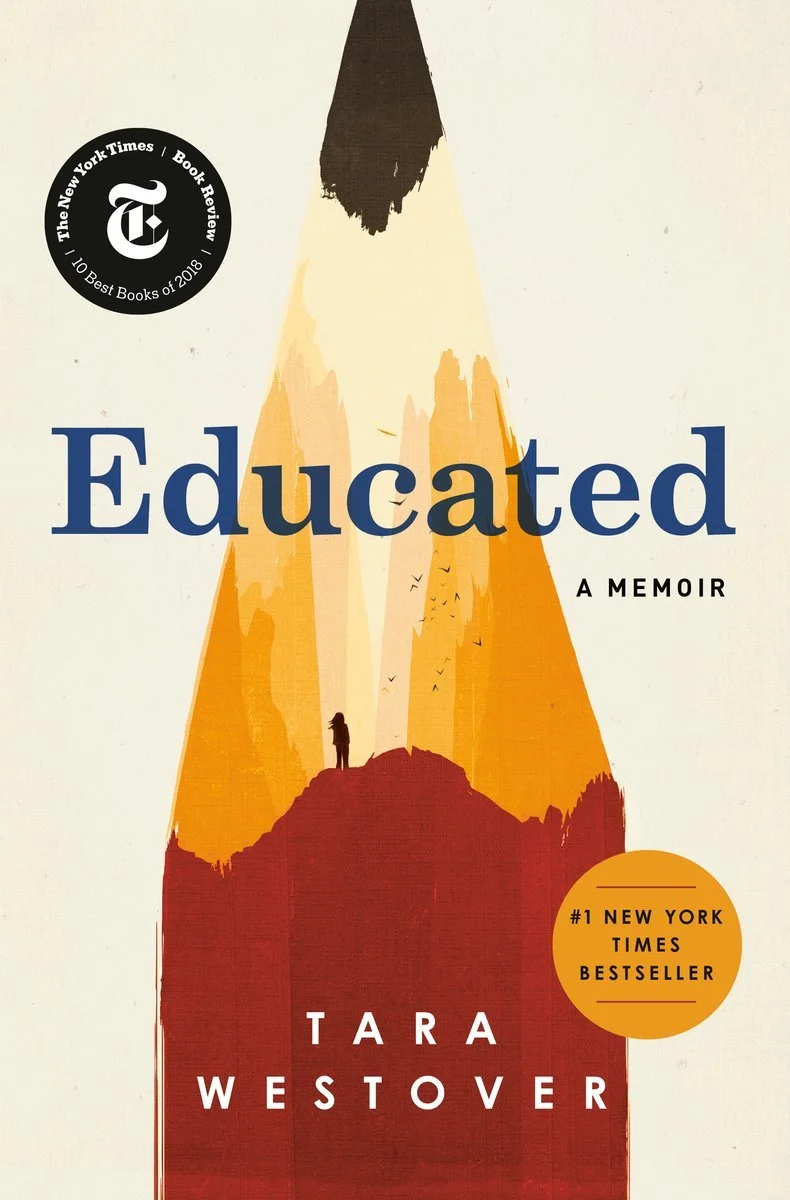
A memoir examining how family systems, beliefs, and narratives shape individual identity. Relevant to understanding how we construct meaning from cultural stories and public personas
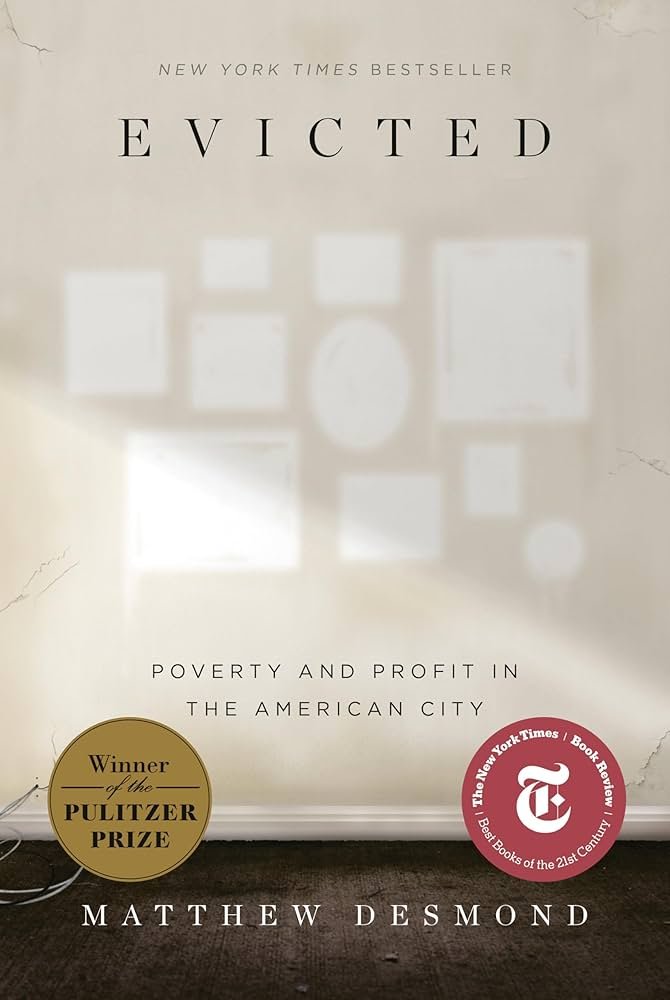
An investigative look at American economic systems and how structural inequality shapes individual choices. Connects to the conversation about Made in America, labor, and systemic change.
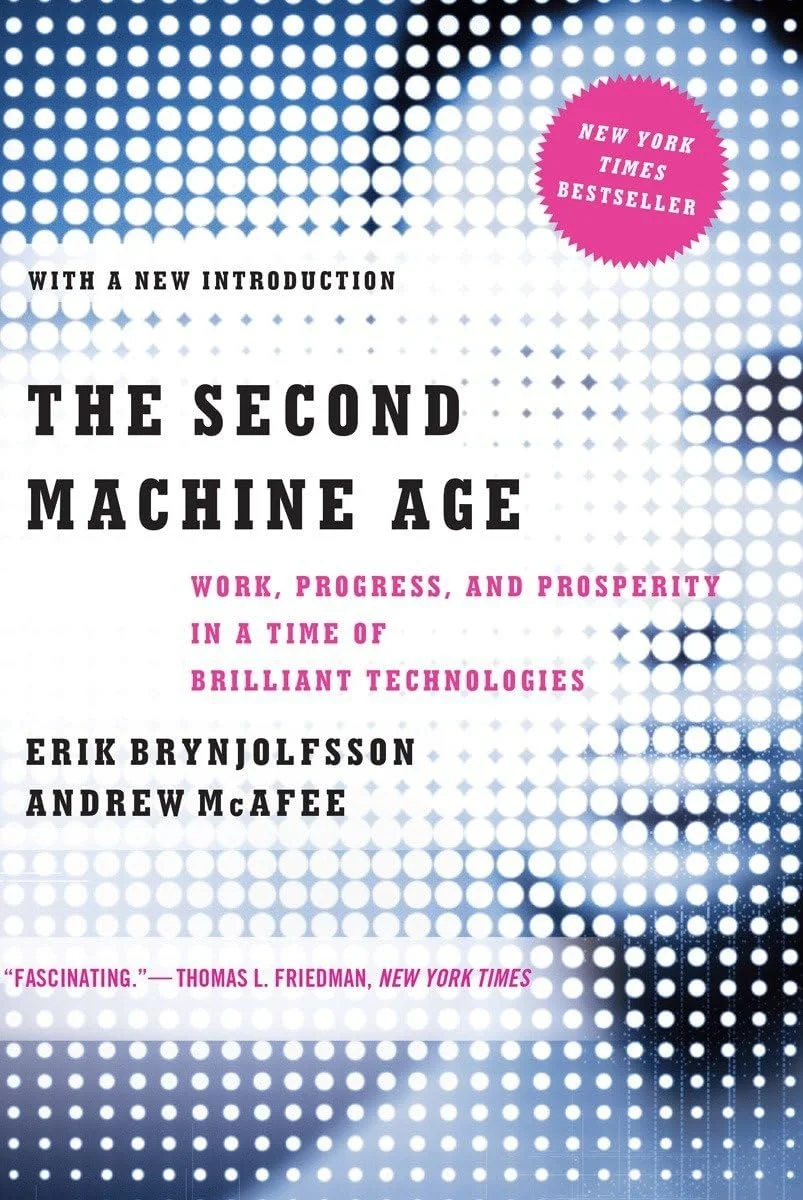
Explores how technology and automation reshape labor markets and manufacturing. Directly relevant to manufacturing economics and the future of American industry.
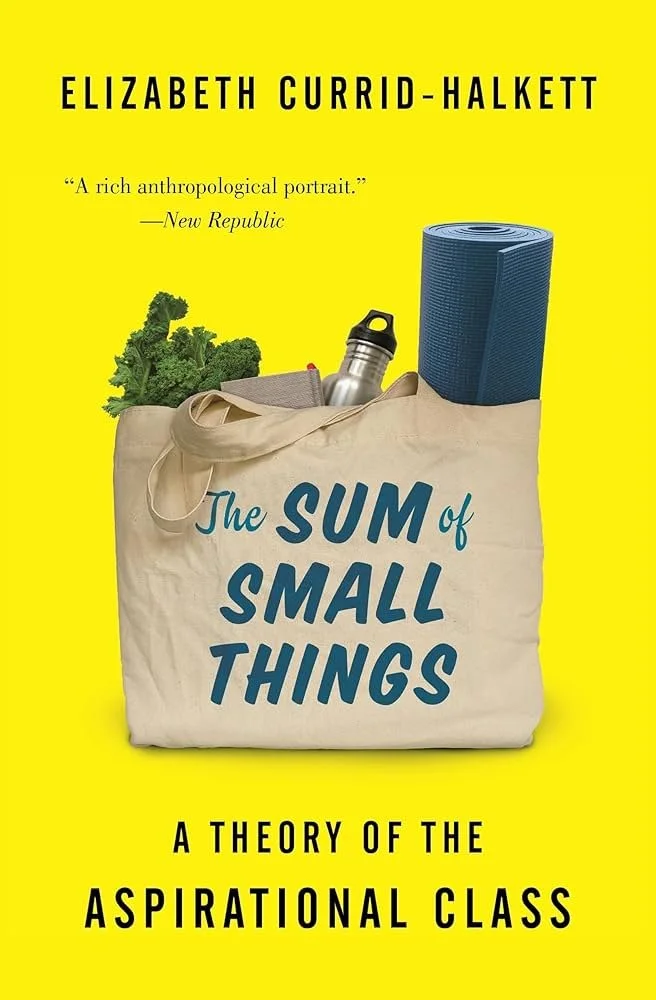
A cultural analysis of consumption, status, and inconspicuous consumption in the digital age. Examines the psychology behind why we buy and what it signals about us.
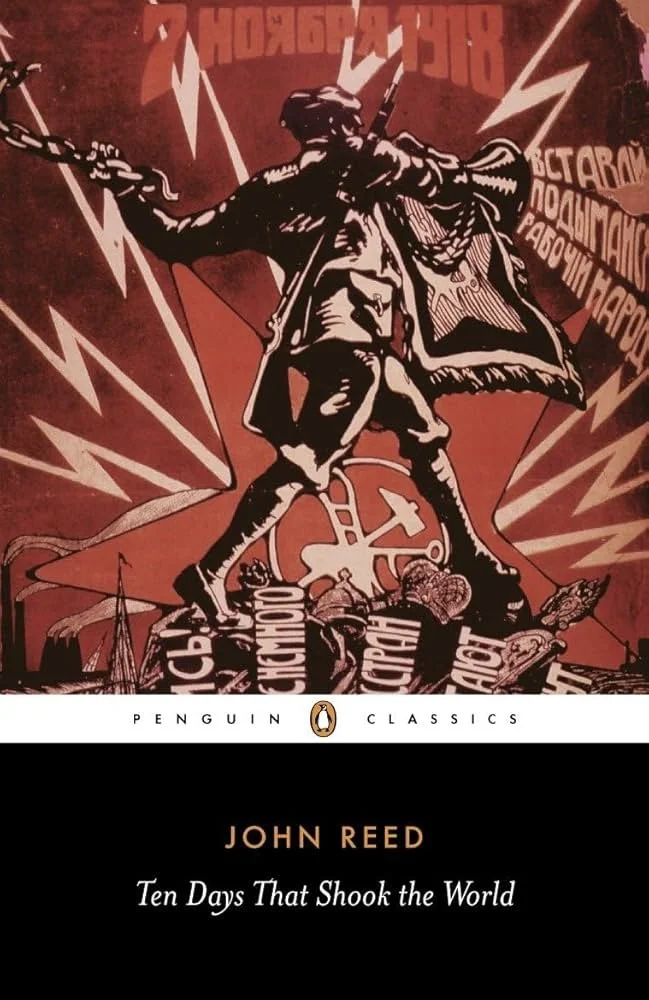
While focused on revolution, this book explores how large-scale systemic change actually happens—relevant to the conversation about transforming American manufacturing infrastructure.
Resources
David Peck on TikTok — https://www.tiktok.com/@itsdavidpeck
David Peck on Instagram — https://www.instagram.com/itsdavidpeck/
David Peck Design (Houston, TX) — https://www.shopdavidpeck.com
Laura Max Rose — Check out her podcast and content for more discussions on pop culture, spirituality, and contemporary issues
Blake Lively vs. Justin Valdoni case — Ongoing legal proceedings (2024-2025)
Taylor Swift Eras Tour — https://www.taylorswift.com
The Handmaid's Tale Season 6 — https://www.hulu.com/the-handmaids-tale