
36. Who Are You—Really?
We’re all handed identities. This episode unpacks why we cling to them, how that fuels othering, and how to stay open without losing your core.
Ever worn a label that felt perfect—until it started itching like a bargain‑bin T‑shirt? Same.
In this solo episode, I unwrap the identities I’ve collected (and returned) over the years, and why they matter right now. I start with a confession: I live in Texas, but I don’t identify as a Texan. That small tension opens a bigger conversation about how we’re all handed identities, how we cling to them, and how that grip can fracture families, politics, and communities.
I share the week I was German, Lebanese, Egyptian, and Irish—no layovers required. We look at how America keeps “othering” one immigrant group after another—same script, new accent. I talk about growing up Independent Fundamental Baptist (picture Footloose, minus Kevin Bacon), where I land spiritually now, and why it’s okay to be between homes when it comes to belief.
This isn’t a lecture; it’s an invitation. Why do we crave boxes? What would happen if we held them more lightly? I offer a simple challenge you can try this week—it involves Post‑its (sort of)—to test which labels still fit, and which are past their expiration date.
Because we’re all handed identities; the real work is deciding which ones get to stay.
Listen to the full episode on your favorite podcast platform.
Subscribe and leave a quick rating or review if you enjoyed it.



“We’re all handed identities; the real work is deciding which ones deserve to stay.”
In This Episode, You'll Learn
We use labels for belonging and speed, but they rarely capture our complexity.
Othering is a habit: new decade, new “outsider,” same fear response.
Faith can evolve; spiritual “in‑between” seasons are legitimate and instructive.
Holding identity lightly creates room for nuance, relationship, and growth.
Try the Post‑it exercise to examine which labels still serve you.
Transcript
-
David Peck (00:00)
I live in Texas, but I don't identify as Texan. That tension is the whole point of this episode. We're all handed identities. The real work is really choosing which ones deserve to stay. Often we doubt who we really are after someone doubts it for us. And we doubt others because they're not like us.It's kind of funny. We're a nation built on immigrants and built by outsiders. But we keep inventing new outsiders to fear. Today it's, Venezuelan, or Syrian refugees. A hundred years ago, it was my in-laws' great grandparents who were immigrants from Italy and settled on the Lower East Side of New York. So I've obsessed over this idea of identity for...
long time, but for the past couple of months it's really been something that has been on my mind. I wrestled with the idea of why do we grab a label and kind of like white-knuckle it. And that iron-clad grip is splitting families, politics is kind of dividing our culture, whether it's politics, religion, gender.
sexual orientation, immigrant communities, all of these identities are kind of breaking us apart and it's led to a lot of division and hatred in our current political environment, at least here in America. And I'm most interested in
all of the different identities people attach to, whether it's political or religious, gender, politics. And what I've seen is that people become so attached to a certain identity that they feel threatened when someone else doesn't follow the rules established by that identity. The tighter the grip, the bigger the threat.
somebody is when they break the rules.
-
Gender identity is one of those things that I think about a lot. Take trans and non-binary folks. They make up such a small sliver of the population and yet the public discourse around
people who choose a different identity feels radioactive. And why is that? Why does a crack in the male-female binary threaten people who built their beliefs around, I guess, a construct that only sees gender as such?
And this idea of like gender and sexuality has really bled into politics. And it's, I wonder why we have such a hard time with this. And many people will trace this back to their religion or their own personal belief systems. But why does how somebody else chooses to identify threaten us so much? Especially when you look at data and science. Scientifically, there is not a binary. There is a spectrum and there's so much nuance to sexuality and gender.
and it's not based in a religious construct. If you're looking at science and nature, it's something that's more of a spectrum and it's fluid. And we as humans seem to find it so hard to come to terms to dealing with that. This also relates to other identities we may share and it may be political and may be religious. And I wonder if there are ways for us to become more aware of how we perceive our own identity.
so we can evolve. And that's why I wanted to record this episode. Why is identity so attractive? Why do we often let it go unquestioned? And there's a core tension in what we identify as and how other people perceive us.
-
So identity shapes us, where we come from, and a lot of times we outgrow those identities. And for example, I was born in Santa Fe, New Mexico. I grew up there until I was about eight, and then I lived in Colorado, lived in Ohio, then Paris, New York, and now Houston. And each of those places had a certain attraction and certain parts of it that I identified with, and that kind of identified me with that place.
But there are also certain aspects of each of those places that I was incredibly repelled by. And each city gave me a new outfit, if you will, like a new assumption of an identity. And none of them were really completely me. each place came with its own version of me and its own assumptions from others of who I am.
And I know that there's so many ways we identify people or assign identity to people. And it could be their zip code. It could be their job title, who they love. They're instant labels, right? So often, people hear,
like who I am, I'm a designer and I am interested in art and Broadway and all of these things and they might assume I'm gay. It doesn't really bother me but that's not my whole story. And I've gotten used to people being surprised that I have a wife and kids and you know based on my interest in profession
people want to put a label on somebody. Identity is like a shorthand. We want to understand people, so we reach for labels to kind of simplify who they are, but those labels can often oversimplify, and they can help trap people into roles that really don't reflect their full selves. And...
I sometimes think we then start to question our own identity because other people question it for us. And so, you know,
I wonder sometimes if identity is sort of the shortcut for identity and belonging.
-
When I moved to Cleveland, it was really interesting because I had moved from Colorado where everyone was sort of a mutt. People came from all over.
there weren't really a lot of cultural identities other than like you were either, I guess, Hispanic or not Hispanic. It was sort of that. But then when I moved to Cleveland, Ohio, there were all these different immigrant groups. There were Germans, there were Polish, there were Irish, there were so many different groups that kind of identified very strongly with their people. And so when I got there, people were really interested. remember
are being asked often like what are you? And I was like I'm American? Like I really didn't understand what they were asking until I finally realized that they wanted to know what immigrant group I identified with and I didn't have one. I kind of felt left out and it was funny because I think a lot of people assumed I was German when I first got there and I guess it was my hair. I don't know I'm not that tall so...
I didn't get that part of German blood, but they definitely thought I was European. They did not think I was American. And then I started working at a Lebanese restaurant, which was very interesting. And I wasn't quite Lebanese, but I think I sometimes...
fooled people into thinking I was, not intentionally, but they just assumed that I was Lebanese by working at the Lebanese restaurant. Until one day, I was waiting on a group of people and they asked me if I were Egyptian. I was really surprised because I was like, how did you get from looking at me working in a Lebanese restaurant that I was Egyptian? I didn't really kind of understand. Cut to a couple of weeks later, I had a new job at an Irish pub and people
They assumed that I was Irish, And so I went in the span of, you know, a week from German to Lebanese to Egyptian to Irish. And I was living in Little Italy at the time. And that was sort of funny, too, because, you know, when I moved to Little Italy, I didn't really think anything of it. I just thought, OK, cool.
neighborhood to move to. And I remember the first day that I was there, people had told me, it's so safe, like the mafia takes care of you there. And I was like, whatever. didn't really, whatever. But I walked down the street and felt like...
I was being watched the entire time. Like, did I belong? Was I supposed to be a part of that neighborhood? And I remember coming home and talking to my landlord and his wife and they were Italian immigrants. They, I believe, came from Naples or somewhere around there. And we had a...
wonderful conversation and like they learned about who I was and we talked about their life and you know coming to America and I remember the next day I walked down the street and people waved and kind of welcomed me and I was like this is a very interesting situation like I suddenly feel accepted. Whatever identity had been assigned to me was okay and so
-
I think also about one of my favorite places to visit when I'm in New York is the Lower East Side Tenement Museum. And what's interesting about the Tenement Museum is that it really was a tenement house that was home to generation after generation. this building itself, the tour that you can take tells the story of five different families who have lived in this house over different generations.
The neighborhood itself changed identities with these different immigrant groups that came through it. And I just find it so interesting and you see the traces of their history that are left and the marks of those identities are left on that building in the Lower East Side Tenement Museum. And I just think it's really beautiful.
I think can sometimes happen is that these identities that we have are very fixed and they become rigid and we become defensive of our identities and then they become divisive. In a word, we become stereotypes and we identify people with stereotypes. And it's not that these shortcuts to trying to understand people are necessarily bad in and of themselves, but
we sometimes stop there. These identities become shorthand and that does not equal somebody's full story. Pop culture, for instance, treats identities like a novelty, whether it's a scandal of a celebrity breakup or questioning a celebrity's, you know, identity. There was a whole thing recently about Lord questioning her gender identity or people questioning celebrities' sexuality and their sexuality.
orientation. These things kind of become lightning rods in the culture and they become kind of very divisive and people want to figure out who people are. We're very intent on trying to figure out who people are. And I think that what's interesting about identity is that as much as
identity can offer belonging, it can also do the complete opposite. It can divide us. And we absorb labels the way we absorb language, and that's without realizing it. We take on all these things, we give all these things, and somehow they're not telling the full story, but we're allowing it to become shorthand for the full story. And I think in designing a life that
we love designing a life that feels meaningful and beautiful. It starts with good design. Good design is an experiment. It allows room for a little bit of question and allows room for a possibility. And I wonder why we don't do the same for identity.
-
I think some of these identities that we have, they're often inherited.
Sometimes we can feel trapped by these identities, whether they're familial or political. I was raised in a very conservative Republican household. I remember very distinctly at four years old being in Washington, D.C. and hearing Reagan speak live. And he was everything in that moment. Like, you he was the president and...
It just was such a special time and like, I even remember my mom got detained by security because she had mace in her bag and she forgot that she did. And so we got detained by security. But that was a pivotal moment as a kid seeing Reagan speak.
We were also those families that attended pro-life rallies in front of the state capitol. I really had grown up with the idea of the right being right and Democrats being not just another point of view, but in many ways demonic. It was an identity that was not looked upon well.
They were definitely not considered Christian in many ways, if at all.
And, you know, that led to how I was also raised in school. I was also homeschooled. In addition to being homeschooled, I used a curriculum from a university called Bob Jones. You may or may not have heard of it. They kind of made headlines at one point because they didn't allow interracial dating, and it caused them to lose their federal status, and that's a whole other podcast. But I remember, you know,
point of view from that curriculum, especially in history, was their point of view was very Southern and they basically explained that the cause of the Civil War had nothing to do with slavery, but had everything to do with states' rights. That's the discussion for another episode. So I was raised with a very specific identity of being this conservative, Republican.
who had all of the answers to everything and I you know then I went to college and slowly began to interact with people who had very different points of view and then I moved to Paris where not only did people have points of view they were from all over the world they had grown up with a completely different reality a completely different identity than I had and it caused me to look at my own identity and see that the way
I was raised even though it wasn't necessarily what I had come to identify with at that moment, but it was just one of many ways of looking at things. And I lived, you know, in Europe. I traveled.
All of those things shifted my worldview. And the ideas that I was raised with, the identity that I was raised with didn't serve me anymore. And I looked at a lot of the injustices in the world and realized that there were other ways of addressing them than the ways I had been raised to believe were more ways of looking at the problem. And that there were so many different viewpoints
from people who had different lived experiences and different identities that could help shape and...
find solutions to some of these things. And so I think sometimes these identities are inherited. They're something that are passed on to us. And if we don't examine them, then we sometimes get stuck with them without fully interrogating the integrity of them or if they ring true to us. And so I wonder sometimes if...
identities that we inherit help us or when does it and they shape us and then when does it begin to be too much and it's very hard and I will just say this from personal experience it's very hard to form an identity that is different than the one that you inherited it takes a lot of work a lot of time a lot of effort a lot of kind of introspection and
You know, what's interesting about that is that idea of kind of coming to terms with our own identity is so much a part of the greatest literature, the greatest entertainment movies, television, books. You know, so many times it is the key, you know, the main character, that main character energy that is kind of coming up with.
conflict or something that causes them to question their identity and they have to find some sort of resolution to that. And it's interesting
that that is very tricky for us to do or we don't actively seek that out. feel like oftentimes maybe if you've been in therapy or had some sort of trauma response, you've you've sort of actively dealt with that. But most people, I would say, do not do that. If you're listening to this podcast, you probably are interested in therapy or some other version of self exploration. And so I just wonder, you know, these identities that we need to question.
question
are they evolve and change and I think sometimes like the identities that we question also evolve and change. know, 100 years ago, you know, it the Irish immigrants and then the Chinese and then the Italian, Italians and the Jews that came through Ellis Island and then post 9 11 it was Muslims and today it's, you know, other refugee groups. It's, you know, the same playbook. different
accent. You know, so when I was, I feel like when I was standing in like one of those tenement kitchens and I realized that in so many ways America's favorite sport is like picking who is the next outsider and maybe this isn't just something that's relegated to America but we as humans tend to look for what is the outsider and those identities that are not like us.
Which is really funny kind of going back to my upbringing, you know, in that kind of conservative environment is, you know, in the Old Testament in Leviticus, like we are told to treat the foreign foreigners as, our own. And yet at this point we are, there's a there's a large group of Christian Americans who are wanting to advocate for, stronger walls and keeping people out.
saying what the solution is to that. That's a whole nother podcast as well, but it's interesting how like identities and our perception of them really kind of shape us and how we're brought about. And these identities can almost become tribal. Like we become so identified with a certain way of thinking or being or who we are that
we kind of move in packs and like we don't think individually and we are not questioning our own individuality because we are identified with the group. And what's interesting about these things is that, political parties and religion can give us a language to describe our beliefs, but they don't always have alignment with who we are.
And there's this human need for categories. We tend to want to put things in a category. And the world is so complex. It's kind of how we break it down and how we simplify it. We need these categories.
-
political parties and religion can give us a language to describe our beliefs but they don't always have alignment with who we are
there's this human need for categories
we tend to want to put things in a category and the world is so complexDavid Peck (18:33)
So I've become a little wary of political identities and...You know, I grew up in this very religious, conservative, Republican ideology, and now I feel like I've moved well beyond that in so many ways and become much more liberal. And, you know, with everything that's going on in the world, sometimes even the label of Democrat doesn't always feel quite right either. You know, you see these politicians and you wonder, well, why aren't you standing up and speaking and saying the truth or
progressive is maybe something that feels like maybe it's a little bit more comfortable, but is that always going to be the case? The label is sometimes very elusive and people want to be able to understand us and I understand why these constructs and stereotypes exist. They exist for a reason and also they are limiting.
-
And how do we reconcile these two ideas? We need the kind of the boxes as humans to sort of organize and sort through the information because for whatever reason we can't seem to hold a lot of complex ideas in our head at once. Or maybe we haven't practiced that enough. We need the boxes to make sense of the world, but we forget that we've made the boxes ourselves.
-
I mean, it's this idea of, mean, I don't know if you've felt this way of where you've never been called, like, not, you're not enough. You're not manly enough, not womanly enough. You're not artistic enough. Or maybe you're too artistic. Or maybe you're too artistic to be business minded, too spiritual, not spiritual enough, not religious enough, too religious. You know, identity often becomes policed from the outside and also from within the group.
And people often attack what threatens their version of themselves or their group. And I think that sometimes identity isn't about who we are, it's about who we're afraid that we are not.
The challenge, I think, is to practice complexity and swap these slogans and sort of like really quick and easy identities for curiosity. And I think that our identities, it's okay if they're flexible and fluid and creative because I really do think that identity is a process and not necessarily a destination.
always arrive at this thing. It's hopefully we're always growing and changing and becoming the best version of ourselves. And you're not betraying yourself by evolving. You're just outgrowing that version of yourself that you were. I think all of the versions of myself that I have been over the years make up who I am now. They inform who I am now.
And I'm very proud of who I am now. And I know that at some point in the future, I will be a different version of myself. And I'm going to be really proud of that person because the person I am now is the person who's going to make that person who is in the future.
-
it's very hard sometimes when these identities are wrapped up in religion or spirituality. You know, I mentioned, you know, I was raised in a very conservative political environment, but also
very
conservative religious environment. You we weren't just Baptist. We were independent fundamental Baptist. Most people, especially if live in the South think Southern Baptists are pretty conservative, but independent fundamental Baptists take it a step beyond that. It's like footloose on steroids. There was no dancing. There was no drinking. There's no movies. You were very much a part of your own local church and they were not part of a bigger governing body. I could do a whole pod.
about that and I don't identify with any of that now but it very much shaped my early spiritual life. You know there are books like What's So Amazing About Grace that I read that changed me before I moved to Paris and then in Paris I was a part of an Anglican church which was you know very different than I've attended like you know warehouse churches here in Houston
But what's interesting is when I was living in Paris, you know, studying fashion after having gotten a degree in classical cello, my grandparents and especially my grandfather who was pastor, you know, still wondered when was I going to start a church in Paris. And they very much identified me with that being a part of their
identity as their version of Christianity and wanted me to continue in that tradition. And it was nothing that I identified with. It was very far away from who I was. since that time, I have explored so many different ways of looking at the world. that's, like human design and astrology, other world religions. And for me, I found so many truths and ideas within those systems that are really interesting. They resonate
with me and they have a lot of value even if I don't fully identify with any of them. they kind of, I can take bits and pieces from them and I feel like that works for me. And in so many ways I feel like I'm more spiritually alive than I ever have been but I don't necessarily have a label for what I am.
I don't really think that I could explain my fascination with human design and astrology to my grandmother. I think sometimes on a Sunday, a hymn can be the thing that really resonates. And you're like, OK, wow. And then sometimes the idea of organized religion when I look at what has happened in the name of organized religion, makes my skin crawl. I can contain multitudes. ⁓
And
I feel like my spiritual identity is really nuanced and probably is not easily understood by most people because it's not easily defined. I can't give you a label. And I think there's a certain alienation in not fitting neatly into a religion, even though you are faithful and curious. And I think that internal conflict of being uplifted by a service,
and then also feeling repulsed by the institutions can be very tricky to navigate. And I feel like I'm probably the most spiritually in tune that I've ever been.
despite not having a strict religious identity and being able to put it neatly into a box. And I think that's very difficult to explain. because there are moments when a church service or organized religion has feels like exactly what I need in there. Other times it just, you know, doesn't make, I don't feel connected to it on the whole. And I feel like,
A lot of that has to do with what I feel are social injustices that have been perpetuated in the name of Jesus and God and other religions for that matter. Because I feel like these extremist points of views, these fundamentalists, if you will, point of views have really been so harmful. you know, how can the same cross
raised saints and then also you know scorched earth crusades like that's a that's a really hard thing the the tension between those two things is really difficult and the idea that something so good has also created so much evil
So the identity of like Christian is very hard to take on at some points because of these dichotomies, because these identities are so strong, because people perceive these identities so strongly. And I also feel like so many people have co-opted these spiritual identities, these religious identities for their own purposes. And I think when those...
things become associated with a specific person, then it's very hard to fall in line for me with those ideologies. And so, I often feel like there's not a place for me. Like, I don't have an identity in terms of my spirituality that...
you know, somebody who's open, who's a seeker. I'm deeply interested in things that are spiritual, but I don't see myself having a place in traditional structured religion or organized religion.
I don't feel like I belong anywhere because I don't have a label for it. And like, what do you call someone who deeply believes in the sacred but can't find a home in the church? Where do the holy homeless go?
-
And I've changed my identity so many times, sometimes by choice, sometimes by necessity. sometimes we put these identities on as, a wardrobe or, um,
a renovation project or maybe even a collage. And what I've come to realize is that the strongest people aren't necessarily the most certain of their identities. They're the most open. And I would encourage you to think about what identities are serving you. Which ones are you hiding behind?
identity can sometimes we could look at it more like remodeling something rather than a museum. Like it's not something that has to stay static and historically preserved. It's something that can be updated and changed to reflect who we are and who we are in this moment may not be exactly who we are in five, 10, 15 years. And that's okay. That's probably actually what it should be. And letting go of an identity doesn't mean you're
losing
yourself. It might actually mean you're finding more of yourself. a lot of this why I'm so interested in
this idea of identity because identity is so firmly attached to how we design our lives, a life that we actually love, that we love, that we have decided, not necessarily one that society or our group identity has created for us. So I don't think in like...
exploring or questioning these identities that we're betraying ourselves or even betraying our ideological group that we came from. We're just outgrowing that part of ourselves. this week maybe you could think about
the rigid labels that you have for yourself, for your life, or how you identify and think of them more of like what if they were more of like a sticky note rather than like a fixed label. I don't think that blurred edges are necessarily confusion. They're evolution, when the edges soften, when we start to see how one thing merges into the next, I do feel like it's more of an evolutionary process than
confusing process. Now the process of blurring those edges may be confusing, but what we evolve to is something incredibly beautiful. So am I a Texan? Sort of. A Parisian? Maybe a little bit. Maybe I'm in my Baptist turn mystic. I mean maybe on a Tuesday. Labels shift. They can change.
but it's the story, it's my identity, that is mine.
And maybe the truest identity that we can have is a little bit porous, being open to change and contradiction and growth. So what is one identity that you have inherited but have never examined? Is it your faith? Is it your politics? Is it even your ancestry? I mean, there's so many different ways to kind of explore the identities that you think that you have.
What would it feel like if you just loosened your grip just a little bit as an experiment on that identity?
And I would love to hear from you. I would love to know if you've already done this, if you want to do this, what are the identities that you have evolved from?
and send me a DM, send me a voice note. I would love to hear from you. I really am fascinated by this topic and I hope that you found it interesting and I feel like there's so many places where we could dive deeper in each of these areas and kind of explore what it means to be human and design a life that we love to live. And I am excited to do that with you. So until next time.
Know someone outgrowing their box? Send them this episode.
Key takeaways
We use labels for belonging and speed, but they rarely capture our complexity.
Othering is a habit: new decade, new “outsider,” same fear response.
Faith can evolve; spiritual “in‑between” seasons are legitimate and instructive.
Holding identity lightly creates room for nuance, relationship, and growth.
Try the Post‑it exercise to examine which labels still serve you.
Recommended Reading
Identity & Belonging

A crisp primer on how labels (nation, creed, class) are made—and unmade.
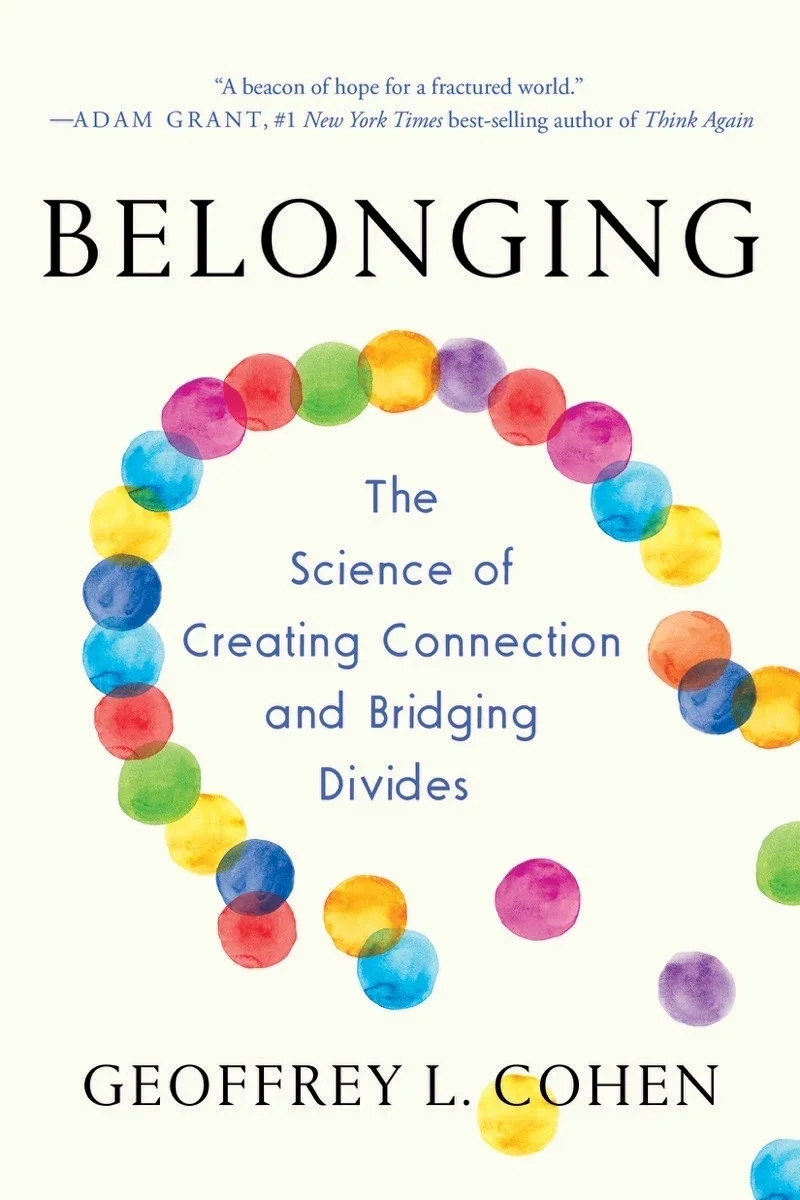
Practical, research-backed ways to reduce “us vs. them.”
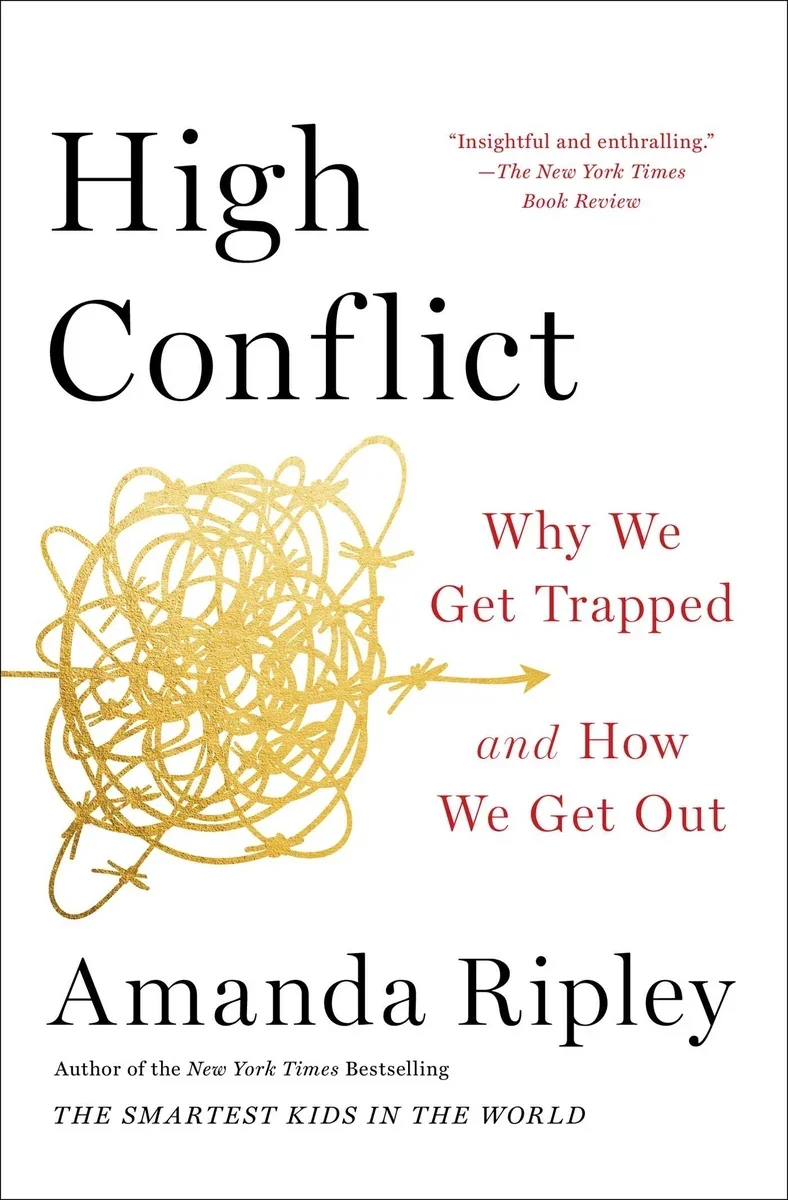
How good people get trapped in binary battles, and how to exit.
Immigration, “Othering,” and America’s Rotating Outsiders
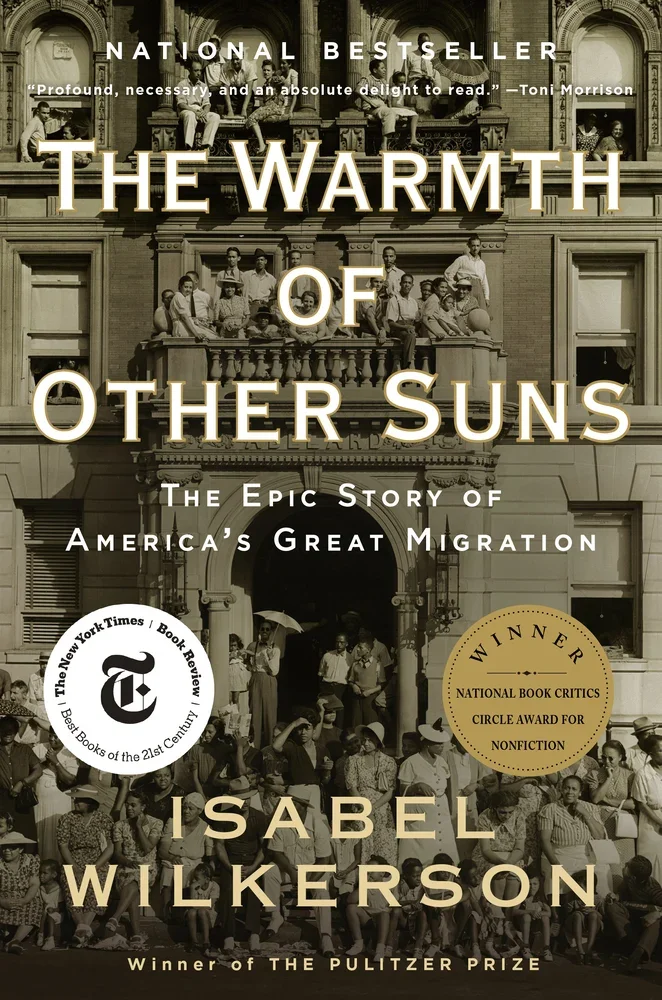
The Great Migration as the American story of belonging, loss, and reinvention.

Unvarnished, ground-level portraits beyond headlines.
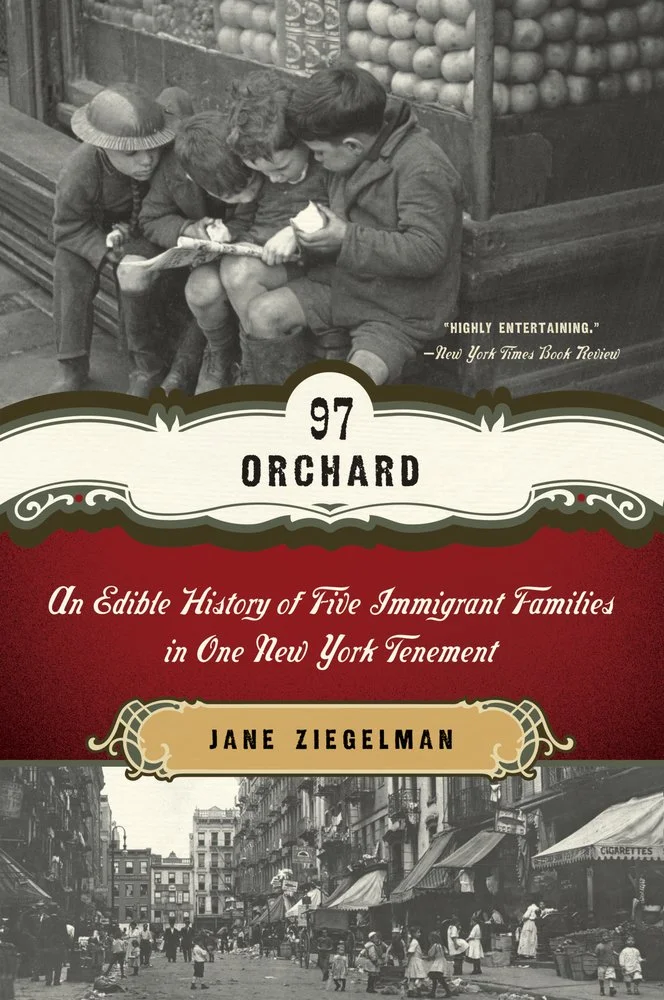
Five immigrant families, one tenement kitchen; food as a map of identity.
Faith, Doubt, and Reconstruction
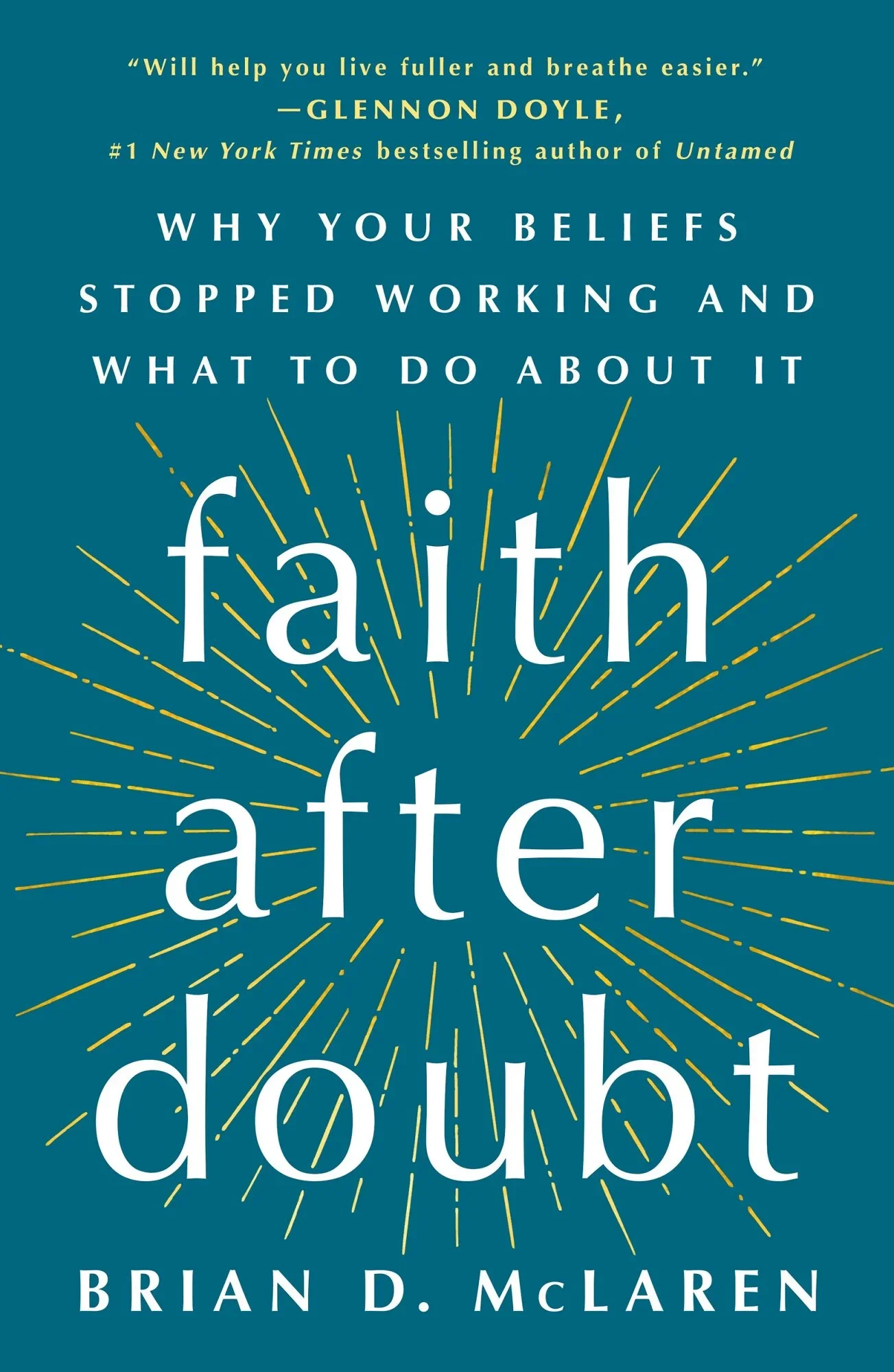
When your beliefs stop working, then what? A humane roadmap.
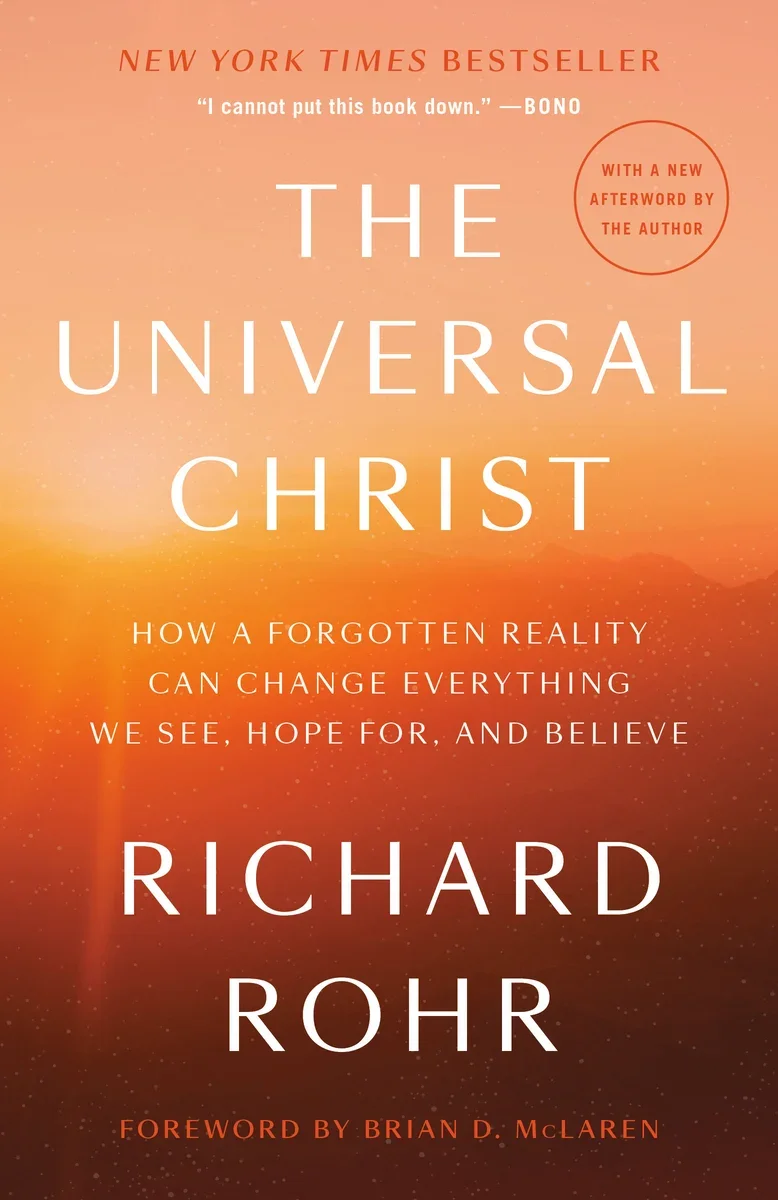
A bigger, more generous frame for spiritual identity.

Three things I can’t stop thinking about this week: the Obama Presidential Center, an AI thriller that called this moment years early, and why Meta — of all companies — is the one giving me life right now.