
I wanted to write a book, but I didn't have the ability to completely blow up my life and become an author.
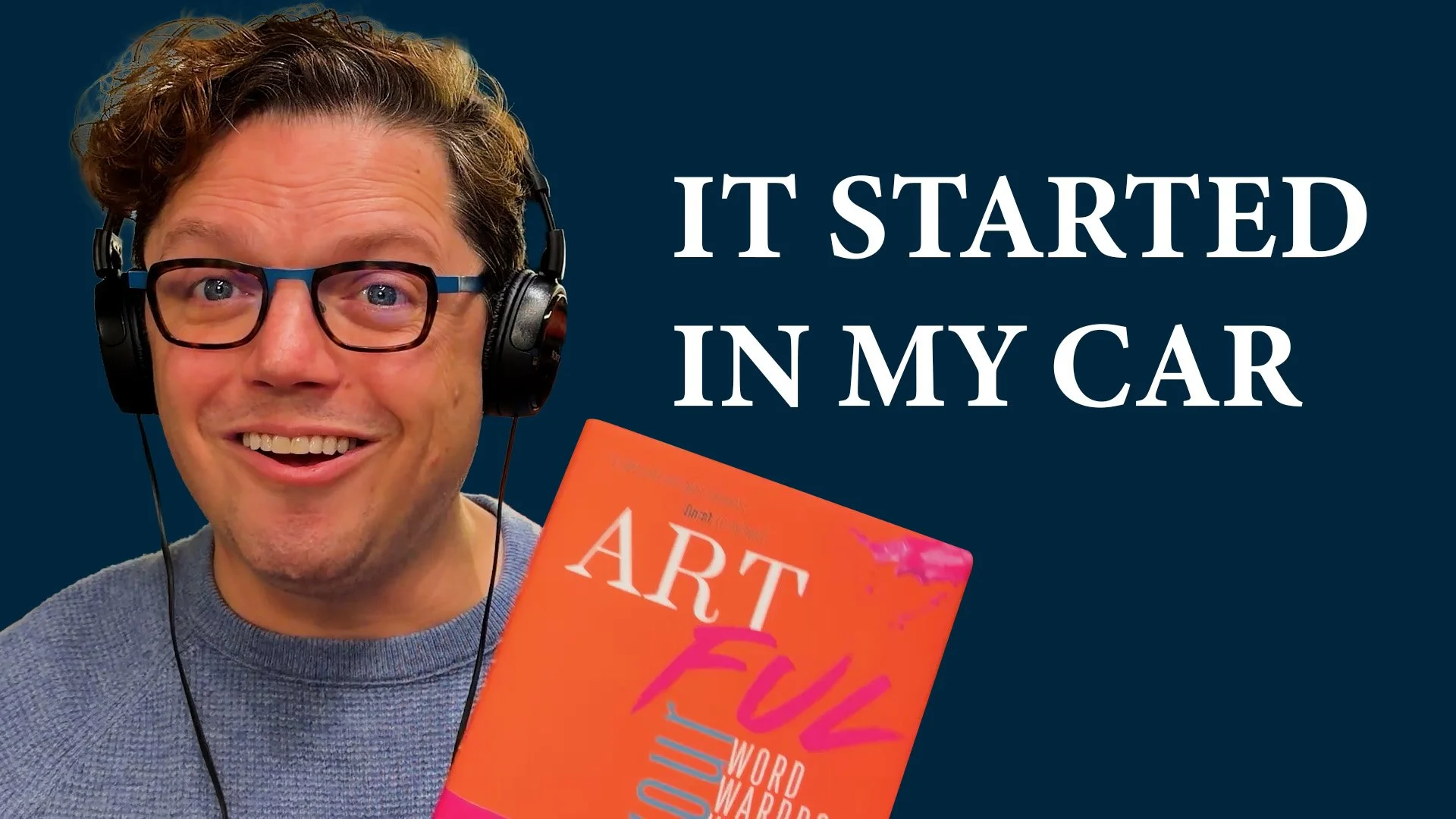
The short version: the only reason I was able to write a book was because I created this one simple habit, and I did it by habit stacking. I was able to create a habit of recording in the car after I dropped my kids off at school, and that little habit of creating voice notes grew. Edits over overhauls is a philosophy that says we don't need to blow up our life in order to design a life we love. Little did I know how closely that idea was proven by the science in Atomic Habits.
Listen to the full episode on your favorite podcast platform.
Subscribe and leave a quick rating or review if you enjoyed it.



“Every day I spent not being a writer was a vote against being a writer.”
In This Episode, You'll Learn
Why I couldn't write a book the traditional way, and what I did instead
How much of your day runs on habit, according to Wendy Wood's research
The 2001 exercise study James Clear uses to show why specific plans work
How the two-minute rule turned into voice notes in the car after school drop-off
Why every action is a vote for the type of person you want to become
What being a resonant orator has to do with how I write
What learning a cello concerto taught me about small, manageable chunks
Transcript
-
The only reason I was able to write a book was because I created this one simple habit, and I did it by habit stacking. I knew that I wanted to write a book, but I didn't have the ability to completely blow up my life and become an author. I had to find ways of doing it that didn't interrupt my daily schedule, or interrupted it as little as possible. And I was able to create a habit of recording in the car after I dropped my kids off at school. And that little habit of creating voice notes then grew, and pretty soon I had a ton of material to work with that could then be edited. You've probably read or at least heard of Atomic Habits. Little did I know how closely my idea of edits over overhauls was proven by science in the book.
-
Edits over overhauls is a philosophy that says we don't need to blow up our life in order to design a life we love, or have a life that even reflects us or our desires. By making small intentional edits, and sometimes even larger ones, we will design a life we love, and the reason it sticks is illustrated and made popular in Atomic Habits.
-
The traditional way of writing a book, I've tried that in the past. I sat down, I tried to see where inspiration struck, write, and have uninterrupted time. The problem with that is that while I would make really great progress on a chapter, I could never quite finish it. And I could definitely never finish an entire book. For me, this idea of writing was so foreign because I hadn't practiced it. Years ago, as a student, when I had lots of time, I could spend lots of hours writing. But in my adult life, with a family and a business to run, it wasn't possible. I needed to find a way of changing who I was without completely changing my life.
-
Major life overhauls tend to not stick because they're a complete disruption of who we are in the moment. And habits are incredibly difficult to break, even the bad ones. Wendy Wood, researcher, she says about 43% of daily actions are habit. So think about how many times we've often tried a diet and failed, or thought about an exercise program and kept thinking about it and never implemented it. The only way to effect lasting change is to essentially burn it into our hardwiring, to make it such a natural part of who we are and our daily rhythms that we can't help but do it. In fact, it feels odd if we don't.
-
So in Atomic Habits, James Clear talks about this 2001 British exercise study, and it found that people who wrote down when and where they would exercise, and were specific about it, more than doubled the normal rate of exercise. That's being super intentional about the person that you want to become, and science backs it up. You're more likely to become that person.
-
There's a two-minute rule also that Clear talks about, and any new habit needs to take less than two minutes. So the idea of setting aside an entire day or even half a day to write a book is not a sustainable habit. However, my voice notes to myself were always very short, and probably less than two minutes.
-
There's this idea of compounding interest. I've talked about it before, and it's exactly that. Each habit grew, and I was able to burn into my brain the idea of not just recording in the car, but when I think of something that I feel is relevant to the book, or whatever idea I'm developing, maybe it's just something I want to capture, I leave myself a voice note. It grew from being just an in-the-car-on-the-way-to-work kind of thing after carpool to a way I viewed myself and captured my ideas. My ideas became important enough to me, and to my identity as a writer, to capture.
-
Another thing that I love about Clear's book is that he says every action is a vote for the type of person you want to become. If you are trying to design a life of the person you know you are inside, every action has to be a vote in that direction. Every day I spent not being a writer was a vote against being a writer. Every day I spent capturing my thoughts, even if it wasn't physically writing, was a step closer to me becoming a writer.
-
When I started working with Macy Robison in 2025, I didn't have an idea of what I wanted to say, but she helped me discover methods that worked best for me. I'm a resonant orator. That's one of Macy's archetypes that categorizes how different thought leaders think or process information. And that means I say things, and that's sometimes how I think. I sometimes don't even know what I'm going to say until I say it, which seems kind of odd, but that's just the way my brain works. By using transcription technology and by transcribing what I have to say, I was able to get a lot of my words out quickly, and without a lot of frustration, and without having to block out large chunks of time that I frankly didn't have.
-
These habits are our way of collecting raw material and then later editing. So, assemble and then refine. And then we'll later try. Each of these steps can be a habit on its own. And from a distance, they may seem overwhelming, but when broken into small chunks, it's incredibly achievable.
-
As a former cellist, I know that learning a concerto doesn't happen in an afternoon. You learn it through daily practice of scales, arpeggios, breaking down little bits and pieces into small, manageable chunks so that they can be put back together. It took me a really long time to figure out how to practice well. And once I did, putting together those larger pieces came pretty easily.
-
So what is one small habit that you could do, or find, or start this week that gets you one step closer to the life that you want to live? Maybe it's spending literally two minutes researching that Italian villa that you think you want to live in someday, or two minutes finding an article that challenges beliefs that you've been brought up believing. You don't have to come to any conclusions now or do all the research. All you have to do is get started.
-
When we are able to create lasting habits, it's more about creating habits that are integrated into who we are. They're more likely to stick, and the science behind this proves it.
Know someone who wants to write a book but can't blow up their life to do it? Send them this one.
Key takeaways
Major life overhauls tend to not stick because they're a complete disruption of who we are in the moment.
Habits are incredibly difficult to break, even the bad ones. Wendy Wood's research puts about 43% of daily actions as habit.
Being specific works. People who wrote down when and where they would exercise more than doubled the normal rate.
Any new habit needs to take less than two minutes. My voice notes to myself were always very short.
Habits compound. Recording in the car grew into a way I viewed myself and captured my ideas.
Every action is a vote for the type of person you want to become.
Habits that last are integrated into who we are.
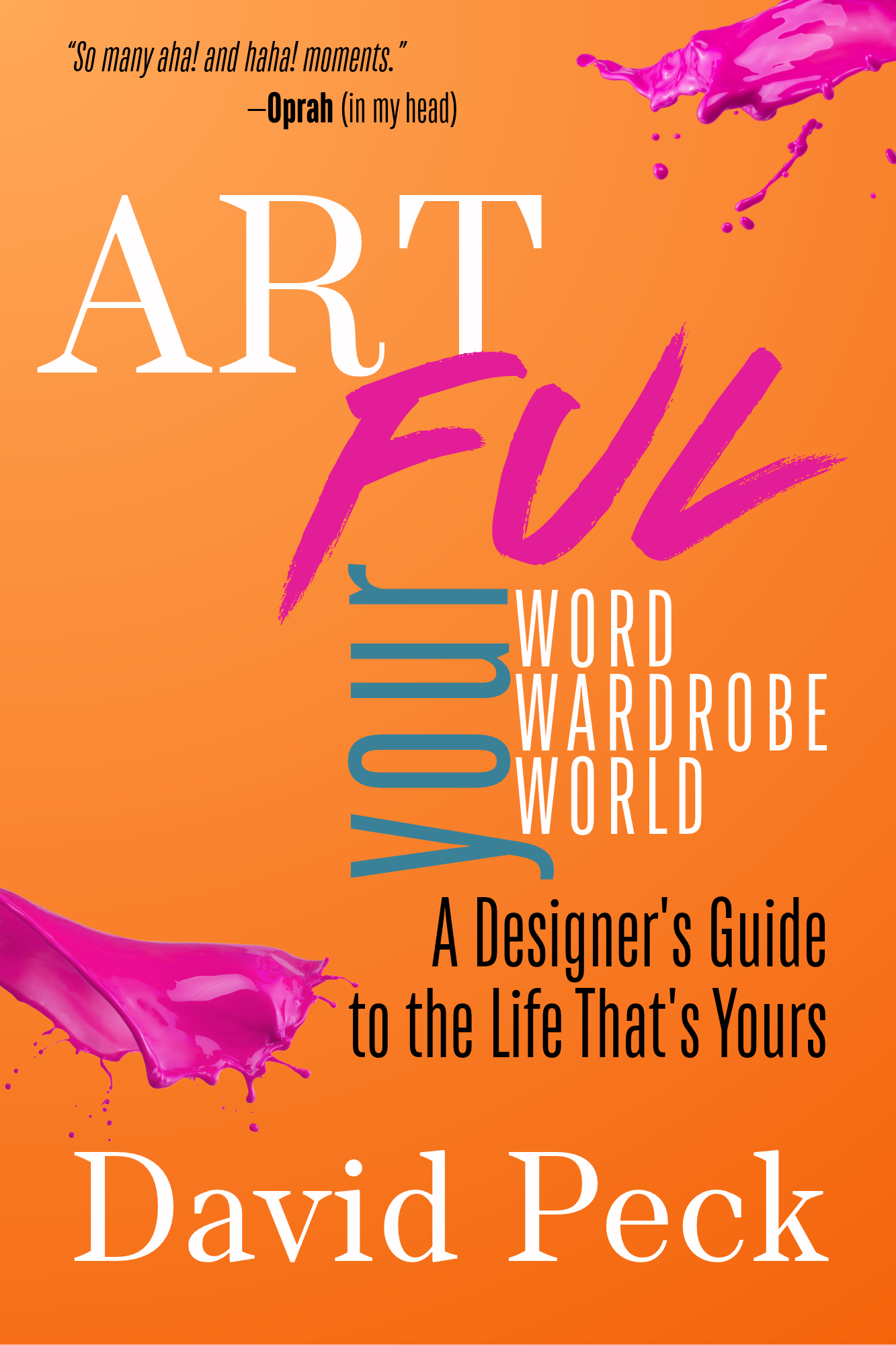
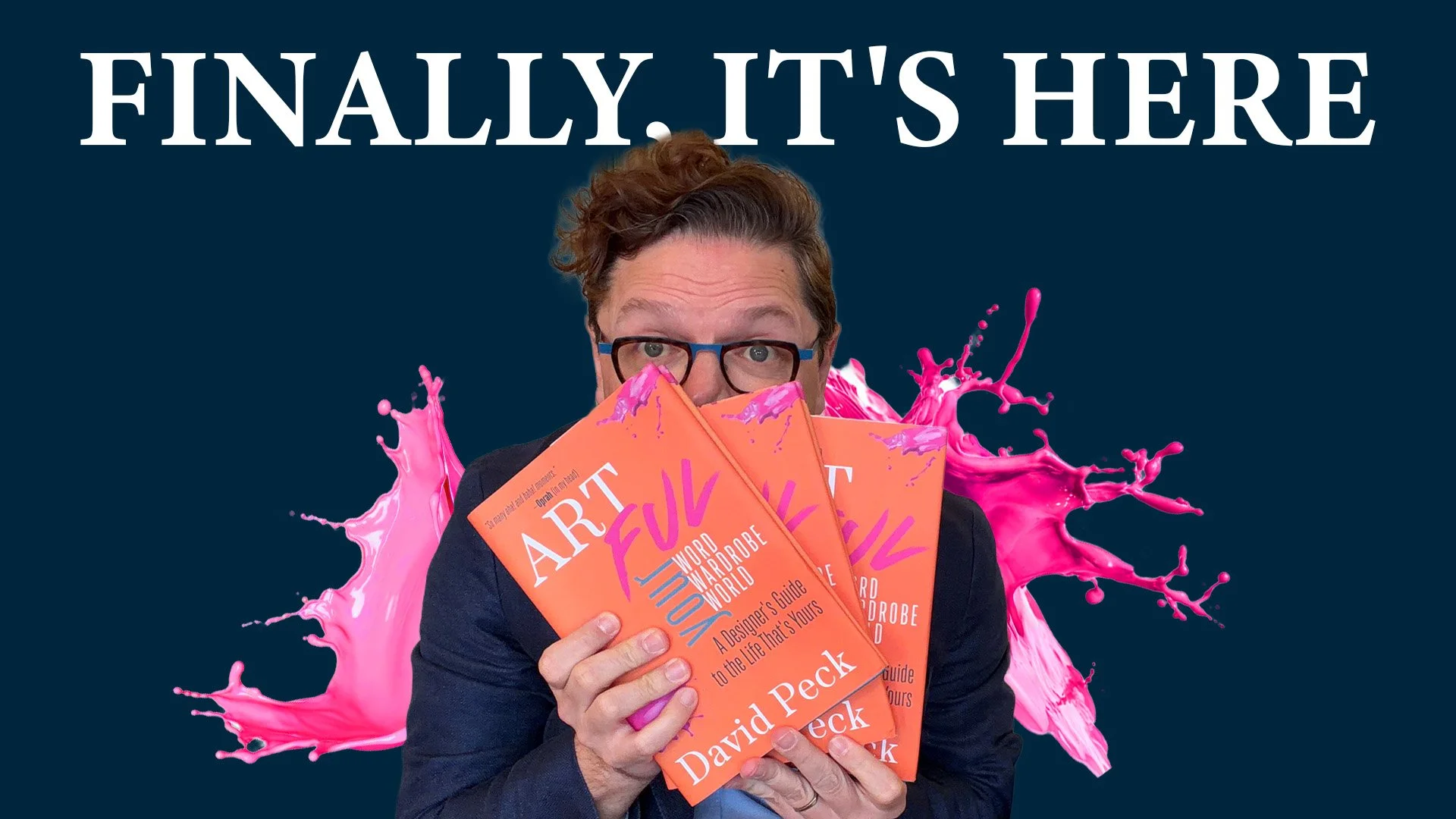
The book this episode is about. It started as voice notes recorded in the car after school drop-off, and it became ARTful: Your Word, Your Wardrobe, Your World, A Designer’s Guide to the Life That’s Yours.

The book this episode ties back to. James Clear popularized habit stacking and the two-minute rule, and he makes the case that every action is a vote for the type of person you wish to become.
Three things I can’t stop thinking about this week: the Obama Presidential Center, an AI thriller that called this moment years early, and why Meta — of all companies — is the one giving me life right now.