Episode 9. Book Club | LIVE! "Anna Wintour: The Biography"
What happens when conviction meets fashion? David and Heather Stiebel explore the woman who turned Vogue into a cultural institution.
Love her or side-eye her, Anna Wintour reshaped fashion—and the conversation around it—by sheer force of will.
In this Book Club edition, David is joined by journalist and fashion insider Heather Stiebel to dissect the Anna Wintour biography. They trade Fashion Week stories—David in the back row, Heather slightly closer—and dig into what makes Anna's hold on the industry so singular.
From her London roots and editor father to the Naomi Campbell cover that changed magazine history, they trace how Anna weaponized strong opinions in an industry that rewards them. Along the way they wrestle with The Devil Wears Prada (book vs. film), whether fashion journalism still matters, and why dismissing clothing as superficial misses the entire point.
Fair warning: you'll want to rewatch the cerulean sweater scene immediately after listening.
Listen to the full episode on your favorite podcast platform.
Subscribe and leave a quick rating or review if you enjoyed it.



“She shapes culture. And I think about that—how many people follow Anna Wintour just because she is the one who says this is what matters.”
Transcript
-
Hey there, design enthusiast. Welcome to Inside the Design Studio, the podcast where we unravel threads of life and design. I'm your host, David Peck, your guide through the cosmic wonders, the tangible touches, and the delightful twists of creating a life you absolutely love. Today's episode is a special peek into my eclectic toolbox, the secret weapons I use to design a life that's as vibrant as my creations. So grab your metaphorical sketch pad and let's dive into the art of intentional living. Hello everybody, welcome to Inside the Design Studio Book Club Edition. I'm here with my really great friend, Heather Stiebel. And so... honored that she joined us. I'm gonna fix this camera just really quickly because it's a little crooked. There we go. People complained last time I was half off the camera so I'm trying not to. We need to see you. Not necessarily. People on the podcast won't see me so it'll be fine. Well that's true. Anyway so before we get started talking about Anna the biography. I'll take these off now. That was fun but that's over now. Yeah so we're gonna talk a little bit about why I asked Heather to be a part of this very special episode. Very special episode. But Heather is uniquely qualified to not only talk about fashion but journalism and I think Anna in general. So I mean you've got the hair thing now going. Well the bob is bobbing for sure. I like I said I almost was like do I cut bangs for this? And then I thought that was a little dramatic. That's a lot. That was a lot. I would do it for you. I having me to chit chat about all these things that are fun and that I love. Full disclosure, well, whereas I have not met Anna, I have been in her cosmos, her aura. Likewise. So I can't wait to hear your story. Your story is going to be much better than mine. Oh, no. I mean, yes, I've seen Anna on multiple occasions at Fashion Week in Paris. We never spoke because she's in and out and I'm nobody. And I was especially nobody at the time. But it was interesting just to see somebody who had such a hold over fashion in person and to feel the kind of energy that they in the room and you know just it's interesting when you're in the presence of somebody who has that much sway how people respond how people react like what's going on how that you know like the room clears for it it's just very an interesting dynamic. Well and there is that she is one of those people who has that true it factor that you know I don't know if you're familiar with the trend of currently taking over TikTok about JLo. Oh, I know that she's trending, but I don't know why. We're gonna offer him just a little bit. But kind of that whole thing, you know, don't look me in the eye, and I need ice water, but it can't have too much ice. In fact, it needs to be, have no ice, but I need to be that kind of a, so there's that kind of celebrity. And then there's, I think someone like Anna Wintour, who is, you know, the courage of her convictions, sure of her taste and what that means for consumers. We're just gonna move the microphones a little bit closer. It seems like the pickup is not as good as it should be. So yeah, and I found her book, I had read it before, and then I'm full disclosure, I've been doing some listening just to refresh, and just kind of the cross of, Andra Landtally's book and just their relationship is so fascinating. That's a very fascinating relationship. Yes. And you know, and the thing that I keep being struck by is on one hand, you know, she was progressive in a lot of ways. Yes. And then and is. I mean, she's still with us. No breaking news here. But then, you know, her relationship with. and Donald Trump. It's just an interesting kind of two sides of the coin. So yeah, really, really a good person to discuss from all superficial levels all the way down to kind of political and cultural. Yeah, I think it's very interesting. So the reason I asked Heather to be a part of this podcast was not only is her background fashion because she worked for fashion companies, but more specifically, you've written about fashion as a journalist, not only here in Houston, but nationally and actually internationally because of women's wear. as an international publication. So you have years of experience covering fashion on a level that most people, I would say who read Vogue are probably not. You have come at it from more of an industry insider point of view. Yeah, and you know, so much of it is a lot of the stories that I've covered over. the course of my career with Women's Wear, it became analytical. It just wasn't, oh, this is what the show was, or this is, how does it impact the industry? How does this translate to the masses? Because eventually, what'd you see on the runway, eventually winds up. The famous monologue from Meryl Streep from the Devil Wears Prada. Yes. It's not just any blue. It's cerulean. Yeah, it was chosen for you. Yes, and just the look on Andy's face like, oh, oh. like the I get it moment. So, yeah, so that's... I feel like you're uniquely qualified to have this conversation. Thank you. So I read this book when it first came out and listened to it, which I love. I love the narrator actually on the audio book. She's awesome at, I think inflecting Anna without impersonating. Yes. Like you feel her presence without feeling like you're listening. The voice drops. Yeah, the voice drops. love a British narrator. I mean listen I won't tell you how many versions of Pride and Prejudice I have downloaded an audiobook narrated by any number of wonderful British voices. So yeah. So that it has that going for it. But I think before we talk about the book itself I want to talk about Amy O'Dell as a writer because I have... I'm very impressed by the level of research that went into this book. And I know that it, just from a surface level, the research wasn't easy. And just even what she said in interviews. But speaking as a journalist who has had to do research, not necessarily for a book of this scale about somebody who is so influential, but the amount of time, level of dedication, energy, the amount of hours that goes into tracking these people down, getting them to talk. Right. That is the, like, it's a huge undertaking. Yeah. Well, because you want to make sure you're vetting and it's not just hearsay and that you're taking incredible notes for not only for your reader, but also for legal purposes. Like, I mean, it is not, I think now, and I'm going to sound like a really old grumpy person, but as someone who, you know, believes in media and journalism and all that. that, you know, the way I was taught is you double check and you vet and you make sure that everything is accurate and you do not have your personal opinion in it.
-
And you because you let the people that you're interviewing shape the narrative. Right. And so you don't go in with an agenda. Right. Exactly. And I feel like, you know, one of the things about this book is that she does a good job. telling you who... And it is through all of these interviews that she's done, because we all have a perception. Right. And you can't really come into it with a fresh perspective because we all have, I mean, through just even social media, but she has been such a fixture, especially in the fashion industry for so long, you can't really come at her with a clean slate. Right, right. I mean, you have to literally be living under a rock, and even then, you know who she is. just because her hands have touched so many parts of the industry from, you know, just from setting trends, although we kind of hate that word, but then, you know, the evolution of the Met Gala. Yeah. How that, and that's her having a certain... And it has, the Met Gala in itself has become such a huge cultural pop culture, like landing place for, you know, like the first one. I mean, there's a documentary about it. I mean, the Kardashians have, you know. taken over it for better or for worse. You know, like it really has landed in our zeitgeist, you know, to stay at least for the time being. Yeah, and you know, what's interesting too, is there's a quote that, you know, you could be a billionaire and it doesn't matter how much money you have. It's what kind of gravitas do you bring to that event. Do you have something to add? It's not just how much money do you bring. Obviously you have to have the money too. Right, yes. Or it has to come from somewhere, but it's not just the money. Yeah, which I think is very interesting. It feels like you know, and when I was reading it very much reminded me of going back to the 400 and the Gilded Age and Yeah, you know all of that. It is The modern version of that society set, you know now it's a more global We're talking about global fashion brands and pop stars and actors and like all of these things but it really is a vetted group of a is directly involved in selecting who those people are and has basically final say over whether they come or not. Yeah, you know, it's I was I'm a little bit behind on the swans the whole tree. But so I was watching an episode last night where it was Trimacapote pouring over the seating chart for the black and white ball and knowing obviously it was coming here today, this idea of knowing how that guest list and where everyone sits is so, it's just so intentional. Yeah. And that watching that last night, it just kind of full circle, because also we all do know if you're gonna have a good party, you wanna have good people. Yeah. And you wanna have, so people are gonna have a great conversation. And so all of that does matter. Yeah, it's setting a really high bar and expectation of how you expect people to be at the party and then, you know, them to fulfill on that promise and if they don't they're not invited back kind of thing. Yeah, yeah, bad guest. You don't ever want to be a bad guest. Never. Just so you know if Anna, if you're watching this, we would not be bad guests. Never. So don't feel, be shy. But we are fun at parties. Yeah, we can be very fun at parties. Yeah, engaging and we... Sintillating conversation. Oh, all the things. All the things. Okay, so back to the book. So I think it was very interesting that how the book is framed. The... the prologue or the beginning takes place at the morning after the election in 2016 and And it's the first time people have seen Anna cry, which is a big deal. And she has placed herself firmly against the person who won and has completely backed Hillary Clinton for the first time in Vogue's history. She has included politics in her discussion of fashion and... culture, whatever. But this is the first time they've really taken a very hard line stand. And as you mentioned earlier, it's complicated because Melania was on the cover a decade prior. And so it's a very interesting thing of how as an editor of arguably the world's most influential fashion magazine and in some ways pop culture magazine, like it really does kind of hold the standard. How do you navigate when you have placed a bet so hard on somebody who has lost and then have to try to navigate that without compromising your own values and also not looking like you're sucking up. Like there's a lot of layers to that conversation. Yeah and you know I guess I didn't realize just quite how hard until I reacquainted myself in anticipation of today just how invested she and the publication really were and And the journalist part of me where, you know, it's the five W's and the H, that's what I said, you don't go into the agenda or anything, but clearly that was not her take on it. Yeah. Well, I think she felt very much... I think, one, it being a woman who was the running, the opponent, breaking the glass ceiling and all of the metaphors that people were wanting to use. But I think also just being a women's publication and the treatment of women prior to that by Trump, I think it stood in hard contrast to, I mean, I think vogue is feminist, but in a... Well, and that's a whole other discussion about... Yeah. women and feminism and fashion and all those isms. All the isms. But it was a very interesting, I thought it was a very powerful way to start the book rather than starting at the beginning. Or, you know, like it was a very pivotal point in her career. And a lot of people thought like perhaps she might be done at that point, you know, like had she played her cards, you know, and like too much. And then, but it wasn't until after that, then she became, you know, like the head of Condé Nast, you know, like in general, Vogue and like you know she has a unique gift in terms of taking something that seems to be a terrible setback and crafting it to our advantage. Yeah I mean I definitely think resilience coupled with I mean she's British so I think there's that. And it's discussed a lot in the book and it's been discussed just in you know and like you said there's like guys that there's a the glasses all the time. Yeah. I mean, that is a protective mechanism. I think it's also, so she keeps people off guard. Yeah. But I'm sure that she's never been happier to have those glasses than she was after the election. Yeah. Because that seemed incredibly personal to her. Yeah. More than I think you probably see it in any other moment, because I think she's very pragmatic.
-
I mean, part of that is her personality, part of it might be being British, I think that's a part of her success is being very pragmatic about how she approaches her job and not having in some ways too much of an emotional identity attachment to the thing, even though obviously she's been at Vogue forever, but her previous jobs, like she really used them as it seemed, I mean obviously hindsight's 2020, but like it seemed like she was able to leverage each one into something more. Right. Even if it felt like a setback at the time. Right. Like she didn't take it as a setback. Well, and you know, it's so interesting because this the perception of her is that she's always been At the top of the food chain, right? But the reality is I mean, you know, RIP print publications, but You know there was a time when they were everything. Yeah, and you had to really work to get anywhere and so I Mean, I will be very honest gonna show a little bit of my naivete that like I didn't realize that Viva was this offshoot of another kind of public. I didn't, I didn't. Yeah. I mean, again, but you know, not something I would be exceptionally proud of and I don't think she walks around saying that, oh, did I tell you about the time I worked for the offshoot? Yeah, exactly. Yeah. Yeah, but you know, and I'm sure you know, but before that she was, you know, working you know, lingerie editor. So I guess that maybe dovetailed. I don't know. Yeah, maybe a little bit of knowledge. But she took a situation that was less than ideal. And then like you said, she just kept building on it. Yeah, I think she never took her. I mean, I think some people might look at it as a demotion or a setback in terms of career, because she was at Harper's in London. And her father was famously an editor of the Evening Standard, right? and very well respected. And in some ways, I think she got her start due to his influence. And I think the idea of privilege and money and everything can't be understated. But however, there are other people who have had this similar privilege, similar money, like a leg up and have not done as much as she has done. So there is an element of like, for sure, she is insanely gifted and a hard worker. Well, and you have to want it. Yeah. It's just so interesting how the landscape has changed because now if you have a phone and I mean you can put out anything you want about anyone's collection or anything like that. But you know back then a fashion editor, it's not like everybody was a fashion editor. And then you know I think of the heydays of you know really the 90s and 2000s where fashion, magazine. Yeah. wanted to do. Yeah. Which I think is one reason why she's been successful. It is. I think, you know, and the fact that like she had that conversation with her dad when she was younger and I guess on an application, a school application, they asked what you wanted to do and she's like, he's like the editor of Vogue of course. And like he knew, you know, for her, like he knew that was for her and in the cards. Yeah. Which I think is interesting because you, you know, I think there's, you meet certain people who have that it factor from a very young age and her is she was very smart about being with the right people and I use the word lightly partying with the right people but never to excess. It was I'm going to be seen, I'm going to go be in the place that I need to be but only for the amount of time it takes me to be there that is necessary and then I'm going home and sleeping because I have a job the next morning. It's never like I'm the party girl who is going to just party. She was very much about the work. Well, and later on in the book, there was always that the women, young women who wanted to work at Vogue because they wanted to go into, they wanted to be a writer. But if you were one of her assistants, you weren't never going to make that leap. And so, you know, the partying, if you kind of couldn't hack it, then you weren't going to be, sounds like anywhere in Vogue for very long. Right. But but certainly You have to be disciplined in a world that seems from the outside all sunshine and unicorns and high heels, but you have to work. Yeah, you have to work. You've got to work. Anywho. So I think it's very interesting because I think in her early career, she was very much and not anti, but it wasn't, she was willing to do the work where other people who had been born in privilege were sort of expecting to be handed to it. And there's different ways you could look at that in terms of who she ends up hiring later in her career, especially at Vogue, because you would think, oh, well maybe she might take a chance on people who did not have a pedigree or whatever, and not that she didn't and hasn't, but more likely than not, a lot of the people face names at Vogue came from society. Correct. Obviously they had to work hard. It was more than just their name. You know, they had to do the work and it's very hard work and it's grueling and you don't get paid well but they could afford not to be paid well because they came from means. Which is a whole other discussion about if you want to make it in PR and marketing and It helps. But I think it's interesting that she then fell back into that system. And I wonder how much of it was the system that sort of dictated it or how much she actively chose to not change the system. Well, yeah, that's good. That's, well, you know, because you, you look at her career, you read the book, and she kind of... does what she wants to do. Right. So on one hand, she really could have affected great change within the industry and in all pockets of the industry. I mean, the book talks a lot about the models of color and that she, on one hand, was very progressive for the time. Which didn't take much. That's what I'm saying. I mean, please. But it was a big deal. But it was a huge deal. So she could have done more sooner, but then, because as we know, representation matters. So once you have a person of color on the cover, well then suddenly my assumption and my hope is that you're going to start to see different people working in the magazine, doing all these different jobs that aren't just privileged. Whatever your stereotypical idea of like a vogue girl is. Blonde, white, from Connecticut. Okay, yeah. David said it. Thank you, David. But like, you know, so on, it's a little disappointing that, because she could have put anything. Yeah. She could have done anything. And so it's a bummer to me that. It took a while. Side note, and this is not me being fancy, but let's face it, this is one of the reasons why I speeded up. So Naomi Campbell cover of Vogue. I have a Naomi Campbell cover. Oh, I do?
-
Okay, I'll go and you go. So... grew up like listen Naomi Campbell supermodels that whole you know freedom George like I I'm here for all of it yeah and so had always heard you hear all these terrible stories about Naomi Campbell and so saw her at an event at a fashion show and Was like and I was working so, you know, I was gonna talk to her regardless and I don't really get nervous talking to people I don't I'm like, oh sure whatever Little nervous because also she's a presence. I mean talk about charisma. Yeah, and Whenever I introduce myself do you have a moat no publicist? No, I didn't have to go through anyone which is always nice and a surprise no gatekeepers and And she was, and I won't do an accent, but she was just, she was really cool. Yeah, she's Naomi. Yeah, and we talked and then she was like, oh, you want to walk with me? And then we went back in the dressing room. She was great. She gave me tons of good stuff. And I was like, oh, she didn't throw a telephone or anything. No, it was awesome. I mean, and also you get a different view of Naomi from reading Andre Leon Talley's books. Yes, yes, yes. And they were very great friends and the love that they had for each other. it's interesting to see the human side of these. My Naomi Campbell is not as, I didn't get to talk to her, but I remember, so the first Valentino show that I went to in Paris as a student, they give you the nosebleed. So it's at the Carousel de Lourdes, and where you walk in and you're always just trying to sneak up to the front. But by the time we finally got in, the show was basically about to start. And I'm sitting up, no, I wasn't even sitting at that point, it was still up in the end. somebody, this model came out and electrified the room. Like, it was like energy like I've never, like I'm getting chills like talking about like, and you couldn't tell who it was. Like you couldn't see their face. Cause it was, I was so far away that you couldn't recognize the features. And she came down the end of the runway and like, oh my God, that's Naomi Campbell. And you could just, like, she- Okay, now you're giving me goosebumps just by telling me this story. But I think it's one of those things where people do have that it factor. or that's Naomi, they have something that the rest of us may or may not have. I don't have it. I mean, come on now. I know, I like to think I have it, but you know, when you're in the presence of those types of people who have made such a seismic impact on their industry for a long period of time, like Naomi is still relevant. Yeah. There is something, or being just like a hard worker, or come from privilege or whatever, there is something deeper than all of that. And I think that is why Anna is so fascinating because on so many levels, she has contributed. And obviously, there are probably, the book talks about the ways that she's failed, or it doesn't shy away from the, when things did not go well, or there was controversy or anything like that. But I think the takeaway is like, you can't deny whether you like her, don't like her, indifferent, whatever, the impact she has even now on the industry and the trajectory of the industry. Yeah, yeah. And I mean, because who else is out there setting a standard like that? There's nobody. And do you think it's because it's become so democratized, which may or may not be a bad thing, but then again, I mean, fashion can be very elitism. very elitist and so yeah I mean there's I don't know I think it's really interesting I think there's other publications who that have come along I think women's wear, it's obviously still, in many ways, the industry rival, but business and fashion has come along and kind of taken that over for this era. No one's really done that for Vogue, though. I think the only publication that maybe even, not even came close, but sort of had more cultural relevance for a time was Teen Vogue. Yeah. And that was all surrounding politics. fashion or you know, like it was talking about culture at large and like how we look at, you know, racism and systemic inequality and you know feminism and like this era but like it wasn't about Fashion right a capital F. Yeah, you know, but I don't think there's any other publication other than Vogue that has sustained such a huge and long-lasting M, you know like guiding hand on like even now so even if as you know the print publications are dying. You know, Vogue still has that cachet that we can't seem... and I think Anna has a big part of making that still happen. Yeah, yeah, making it relevant and which is, although again, smart business woman because I think if Vogue had just stayed a print publication, far less... influence but you know the between whether it's the Met Gala or the transition to digital which I laugh because It was so revolutionary, the things that, that the way she and her team approached digital and e-commerce. And it was very progressive. It was, I will tell you. So when I lived in New, well, I lived in New York from 2008, nine, and then was in Houston and started a very traditional kind of fashion company, Wholesale, where we had PR and like all that good stuff. That was when stuff was starting to change. Fashion's night out, all of that was, that was the infancy of all those things. But PR had not caught up with that, like the e-commerce of it all. And I remember we had a PR company and they did a lot of great things, but there was some things that I look back now that was like, oh, that was really antiquated thinking, even for the time, where it was like, editors don't wanna see your point of view, want to see pictures on a page and they want to impose their thing. So like we would launch an e-commerce site and we were going to have like, oh David says this, you should wear this with this, and it was like very personal and which seems so like duh now, like that's what people do. But they were like, no you have to get rid of all of that like copy on the website because it needs to just be like and they were even scared of us having an e-commerce website because big publications like Vogue wanted you to be on like tax.com or Neiman Marcus.com have like a big name, not your own e-commerce site, which now it's like, I know, it's like, what? I mean, you know, like a 10 year old could like put some beads on a string and then have their own. I mean, it's like, you know, so it's changed so quickly, but it was interesting that, I mean, because there's the whole thing with the style.com and like the there was, I mean, there's there, I think there was a time when Vogue was threatened by, you know, the digital revolution.
-
Well, and which is why, you know, in the book, you know, there's. She wanted it to happen before it was technically possible. Right. She could see it. And again, it's that charisma, that foresight, that just you just. But that was even present in her early jobs, where when she was at Harper's in the US. when she was styling and she was too sexy, even though there was nothing sexy about the photo shoots, but it was too sexy for Harper's to be what she was doing. And it was like, you know, like she was always a little bit more cutting edge, whereas like, I think now some people who are younger might look at it and be like, oh, Anna Wintour is like the old school guard. Do you like, there's nothing new and fresh and blah, blah. But actually in so many ways, she had the foresight to see where fashion was going it could happen. And I mean, it's one of those things where I think with the e commerce and everything, I mean, it's also I mean, this is a whole other discussion about ethics and journalism and his magazine writing and journalism. Are they the same thing because lines are often blurred? Right, right. But you know, it's very different than, you know, like women's wear, I think was much more of like a true journalist. Women's wear was very much. Yeah, there was none of my input. There was none of my thoughts unless I was being asked, you know, if I and I needed to describe something, well then that was, because I'm going to describe it. But, you know, women's were, and it still is, but it's much more old school, as opposed to, I mean, I almost think part of it now, you have to have an opinion, because of. within magazine writing. One, if I was to follow her around for two weeks and write a profile, well, the expectation would be that I would put my observations of her in that piece. And I also think now you kind of have to have your own. opinion or ideas to rise above because everybody has an opinion idea and they have a megaphone or a podcast to which to tell it. To rise above the noise. Yeah. I think that's what's really interesting about journalism and where I sometimes struggle with it is because... there is a blurring of the lines between, especially in fashion, and I don't know that it's necessarily new, but especially like in the magazine realm of journalism, like the quid pro quo, the like, you know, free clothes, like all the things, you know, that in traditional journalism would never, ever happen. But there's not like a strict... I mean, maybe there are policies, but people find ways to get around them. It's a very interesting world to try to navigate because the lines are not black and white. Right, yeah. Yeah, well, that's the kind of the beauty of the evolution of this, of journalism in general. Like I said, I'm a little bit of old school when I think, just tell me again, using the H but... With fashion, it's art. I mean, someone's, you design something, as I have seen time and time again, and it's art and it makes you feel a certain kind of way and you wanna tell people how that made you feel. And so in that way, it is opinionated. Yeah, you can't get over the opinion. It is there, whether you want it or not. Well, because I mean, honestly, at this point, I don't think anyone feels blase or kind of meh, but I think people now just have a strong opinion one way or the other. So that applies to fashion. If you see something walking down the runway, just, you know, glued to Instagram a couple weeks ago, and I'm just like all the European shows, and I just, I love that, I love that. Oh no, like it's an immediate, because you know what feels right to you. to I think because There were obviously, there were the writers who could make or break a career by a bad review. And they had that kind of sway and influence. But now there's so many voices in the room that I feel like people, especially on social media, have become super opinionated. And I sometimes feel like say things to be polarizing, not because they're true, but because they... Well, it'll get you views, it'll get you clips. Yeah, because people will be like, agree with that, right. Like there's some people that I follow recently and they've come out with like some really harsh statements and I'm like, I don't like that doesn't feel like a very nuanced like conversation. It well and that's the thing is that doesn't feel like a conversation it feels like just an opinion. And I feel like Vogue for I think being opinionated and having Anna Wintour. there still is the idea of a conversation. Right, right. Well, because the thing is going back to the way she really got behind Hillary Clinton and shocked, obviously, if you read or listen to the book, she and her staff were gutted. But then the beauty of something like that is, well, then it leads to conversation. How... go from that. And so that can be productive. And even if you are, you know, if you weren't one of those Vogue staffers that was gutted and you were thrilled with how the election turned out, it was one of those opportunities to further the conversation in a space that was kind of a new concept. Yeah. You know, as opposed to what color are we wearing and you know, how short are our skirts? Exactly. Yeah. And I mean, trends change so that it's like, I mean, how do you even keep up with that? Because, you know, print publication used to dictate that in so many ways because the cycle was slower. And now the cycle is faster than, yeah. It's, well, you know, the, and this is again, a whole other thing. And David and I are a little bit, as we are, want to do, off ramp a little, but, you know, there was a period of time when I was really, I remember being so excited about when Houston finally got an H&M. And that did not. last very long because you start to see and again fashion should be for everyone and the democratization of fashion but you know you go online and it's like it's literally ripped it came off the runway but without regard to the designer and the amazing people behind the designer making these. And it's one thing that you're like knocking off Prada or Dior or something but it's another thing when you're taking small independent designers and knocking them And you're starting and one of the things I appreciate about a platform like Vogue and you know the few remaining Publications is the ability to elevate smaller designers that are emerging I mean, that's I mean the fashion It was a huge I mean that was it's it was so much a thing Yeah, you know that it was it was incredibly important and like the designers that Made it through those ranks whether they won or not like the platform that they were given was incredible.
-
To raise that in the fashion consciousness. Yeah. And I want to know more. And now, because the great thing about social media and the internet is, oh, I don't know that designer. Oh, 10 seconds later. Now I know everything about that designer. Yeah, you can go down the rabbit hole and it's like, hashtag. Yeah, exactly. So that's the upside of social media and fashion. And wow, that is so far away from Anna Wontore, again. It brings me back to thinking about how in so many ways she's the kingmaker. And I say kingmaker and not royalty maker because in most instances it's been men. And I think that's still a big issue that the fashion industry has yet to grapple with, which I've just thought been thinking about with. Valentino in the exit, you know, and like what's going on there and you know The only people who are really being talked about seriously is taking over that position or men Where like Sarah Burton from Alexander McQueen seems to me like okay that could be like the perfect fit But somehow she hasn't entered the chat But Anna I think in so many ways has been instrumental in getting people like Marc Jacobs their jobs at Louis Vuitton and others and having an influence that is greater than you could even imagine in making sure that those people are installed in these positions that are quite powerful. How do you see that kind of... working for her going forward? Or do you think that the book answers that in any way? Or has it changed even so much since, I mean the book is new, but everything has changed so quickly. Yeah, that's an interesting question because I've really been pondering, I mean, again, it goes back to that scene in the Devil Wears Prada, where it is worth contemplating because it's not just surface, what is the relevancy here? And if you, I mean, certainly, if Anna likes you, she, you know, nods or whatever the telltale sign is, or pulls, has her staff pulled your pieces and now you're being shot for the magazine, obviously you're going to get immediate name recognition that you did not have before. I don't know if it's as important as it used to be. Yeah. I mean, I think it matters. And I think if anything, I think if you're a casual fashion observer, like we said, everyone knows who she is, that probably carries more weight if you're a casual fashion observer than if you're really someone who's immersed in the industry, and that's what you want to do. Yeah. So. You know, it certainly wouldn't hurt. I mean, look, if she says, oh, David. You're taking over Ralph Lauren. I'd be like, yes, thank you. And I'll be like, David, remember me? We used to be friends. Yeah, like who? You? And you're like, oh, podcast? Never knew her. Oh, never mind. That episode got deleted. I don't know what happened. Oops, she was late. So yeah, I still think it matters. Because listen, Matt Gayleau? Yeah, so. That is, first of all, that's just some brilliant marketing all the way around. It's so smart. For Vogue, for designers she loves, for the museum. Even the controversy surrounding like the whole Kim Kardashian, Marilyn Monroe thing, and now what are we talking about? Sleeping beauties and things that are archived and can't be worn. Yeah. Like it's the brilliant, like I mean. She didn't curate the exhibition, but she might as well have. Right, right. Well, and look, as we know, there is no part of that event that goes untouched, unseen by her. Right. So, I mean, I think back to our bestie, even though she doesn't know what Taylor Swift, and how... She will soon. She will. We're gonna be... When she listens to this podcast, she will know. That was my half heart, but like not the cool Jen. I don't know how to do that one. The cool Jen, I don't know. Anyway. But you know, she, Anna, she was gonna be her project, which is so funny to me that like Taylor Swift needed to be anyone's project. Right. Now this has become a Taylor Swift stan account. Well, when was it not? I know, hello. But you know, how dramatically for that event, she kind of debuted, I mean, she, that platinum hair and the black, Like that just that whole vibe was so different and now Taylor didn't stick around for that very long. But that to me is one of the last, when I think about just pop culturally, how she was asserting immense influence. She completely gave Taylor a makeover. Yeah, yeah. And honestly, I'm not mad that Taylor was like, you know what, actually that's not me. And she moved on to her full power. But I think... kind of contradicting myself, she still has a lot of sweat. No, she's able to exert influence in a way that I don't think any other person can do singularly. Yeah, yeah. Like, I can't think of another person, especially in fashion, that has, one, the name recognition, but two, the respect, whether people, love and hate, both sides, who is able to have, like, you know, have their finger on the pulse and move the needle. Like all the cliches all at once. Keen McConaughey, come on. Real good writer. Anywho, I don't know that there's anybody who has that much influence and also public persona. There may be other people behind the scenes, like Bernard Arnault or people who are in charge of huge conglomerations who are able to have a huge amount of influence, public... I don't know. Visibility right that she does. Yeah. Well, I mean and look, you know, there's a reason why I'm a sucker for a good clothing montage and give me a makeover montage any day But there is a reason why the devil wears Prada has been wildly successful as a book and as a film and hello Meryl Streep You know even though Well, that's not really about her. Okay, fine, but let's be real That, that, I don't exactly, how long ago did that come out? 20 years ago, I think. Isn't that crazy? That doesn't, I'm sorry, you're wrong, that cannot be accurate. No, cause Anna Hathaway was just in Vanity Fair talking about, like, and they were going, remember, it's crazy. Yes, which, that had to be, side note, for like, mob wife aesthetic, cause that hair and the heavy eye, I haven't seen the- It's so good. I haven't seen it yet. I've seen the clips, and I've seen some stills, but I haven't seen- She said that's an amazing shoot. Okay, I'll have to do a little deep dive. Spoiler alert. I'm so shocked. But you know, that movie is still wildly popular. Yeah. I mean, I'm still hoping for a sequel. I mean, wouldn't that be amazing? Yes. Because actually, and what's interesting is, well, this is not about that movie. I actually didn't care for the book that much. I thought that Andy was a whiny brat in the book and very spoiled and didn't appreciate who she had when she had it. And in the movie, I liked Andy quite a lot and thought the boyfriend was an idiot.
-
I did too. He was such a complainer. I was like, really? I was like, why are you with him? I know, get over him. for you. Who cares what makes her grilled cheese? I'll make my own grilled cheese. There's a million cooks where he came from. That's not gonna get you anywhere. Because I felt like it caused her to be very short-sighted about her career. And to me, like, and I guess this as we can we can kind of try to wrap up though we will never wrap up. We'll be here tomorrow. Join us for another life. This will enter the Guinness Book of World Records. live stream ever. So I think what I, in rereading this book in preparing for today, the more I realized like how much I could for lack of a better word, control people, like Anna does, because she's able to do it without raising her voice. She does it, I mean, she's able to do it with her look. She has an incredible talent for finding talent. Yes. And the thing, I mean, people can say all they want about the assistants or whatever, they get it done. Like they, I mean, you have to be on your game to be able to do that. And I just know as a small business owner, like how difficult it is to find good people. It's really, really hard. And so the fact that she has not only once, but over the course of a lifetime career, 50 years more, been able to constantly, not only find good people, nurture good people on however way she does it, like, you know, there's different ways of doing it, but causing people to be excellent at their job. is quite impressive. And I'm like, how do I like drink some of that? Yeah, and inspire excellence in the people around you. But I mean, there's that which would either be feared or respected. Because I mean, I wonder for her. But I mean, but it's the result, right? Like if you're like, what can you actually do something like Vogue, the photo shoots, the Grace Coddington, Annie Leibovitz, like all of these, like, still like such an image is burned into my mind. I remember when I first saw that. It was so mind blowing to me. How do you have work on that level over that many years that is that excellent? How are you that consistent? Her magic sauce is the consistency. She's able to get that consistently out of people. It wasn't a fluke. Right, right. Well, and the people that, in the book, if she didn't think you had promise, well, one, she didn't learn your name. Right. And you weren't there for very long. Which I would love that, actually, by the way. So people, just know. Which, actually, I have done before, and I feel horrible about it, but I don't. Not just learning someone's name, because they're only going to be here for not here, but just in the cosmos for a certain amount of time. Maybe here, but yeah. This podcast just took a turn. No, yeah, I feel like there's a... But it's also knowing where to put your energy. Yeah. Like she's very good at conserving her energy for the people who matter and the people who move the needle. I don't think she cares about the people. She's very good at seeing which people are not gonna move the needle. And it's okay. And how do you, and for some people that may seem very cold and not caring. And I feel like I try to be a kind, caring person. But there's a level of I wanna be like Anna when I grow up because she gets it done. Well, and I think there's that emotional, if you don't become emotionally attached to something, then it's easier when it's not working to say, working. Right. You know, by the way, I am terrible at this. I immediately become emotionally attached to things. And then, you know, I'm, you know, again, reading and then listening. And I'm just thinking, oh gosh, I would have dragged on so many of these unproductive relationships. Right. Because I'm like, let's just give it one more try. And she was like, oh. Oh well, this doesn't fit with my goal. And my, you know, everyone wants to be excellent, but I'm like, well, let's just work on being excellent together, but she's like, well. It's not excellent. It's not, yeah, so it's not gonna work. It's not gonna work, and that's okay. And it doesn't mean that you can't go on and do other great things in your realm, but this is not my vision and what I'm trying to accomplish. We can't do this together. And I think there's something to be said for that, about being really honest. And I have a hard time about that, like me and I don't think it's that she doesn't care if people like her or not but that's not her motivated factor. No, no she is definitely... I'm sure someone has done her... what, Enneagram and... She's probably a one. Critic analysis and all that kind of stuff that she's, yeah, I can... I think she's a one. I can see that. So, yeah, I mean, she gets self-satisfaction or satisfaction from self and holding herself to a high standard, so everyone else around her also has to be that way too. Which I think there's a lot to be said for that. So, normally, at the end of the podcast, I ask you like, who do you cast the movie version because we've been talking about novels, but obviously this. Yeah, this is hard. This is far. Oh, I know. Meryl Streep is already. I know. It's like, oh, Meryl Streep. No, no, it's not going to work. So if we're going to do this whole let's cast Anna, let's cast Anna as the young Anna shopping at Biba in London. Oh. Not the iconic Anna that we know now, but who could we cast in the movie version? Because eventually Ryan Murphy's gonna do it. Oh yeah, that's a good, okay. So now I'm going to... It's gonna be a feud. It's gonna, you know, it's gotta be, you know. Yeah. I'm trying to think of young actresses. I mean, I personally just wanna put Claire Foy in absolutely everything. And I think Claire... She's got the voice. She has the voice and she could do the, I mean, I... she could... If they cast her right now and they started filming it right now, people could do it, but by the time they do it, Claire's gonna be too old, unfortunately. Not to be ages. Yeah, ism. Back to those isms. Or is. Gosh, I'm trying to think of who a good young... young actress is. I mean... I just think... Zendaya is amazing in everything. I know I want Zendaya. I don't, you know, are we are we colorblind casting here? Because I, you know. Why not? Yeah, I mean. Well, which is funny because our last book club that we talked about, um, the Vanishing Half. Oh, I read it. It's it's a really interesting book. Um, but we can cast Zendaya as the baby, not too so. Okay, so we can't go two for two. Zendaya for the win. Okay. Yeah, you know, no, but we can. I mean. She can just star in everything. Yeah, I mean, she's that, she's that good.
-
But yeah, I'm trying to think. It's hard. I'm trying to think. Well, because again, who's a young actress that, again, has that gravitas, has that charisma to, that wouldn't just be pretending, but that can kind of embody that spirit of what the book portrays as an inventory. I think Carrie Mulligan could do it. But you don't think she's too old? No, I do. Oh, OK. And that's the thing is that the people I could think of who could portray Anna. I mean, come on. If we're doing then this, then Kate Bledchak could do it. Well, no, I know. And that's the thing is like, but if you're, I think I don't know that there's any actress currently that I know who could do her as the 20-year-old. Yeah, that's why I'm just, I don't. So what we're saying is Anna is an original and don't try to make the biopic because it'll fail miserably. I actually think it would be an incredibly hard book Well, I don't think biopics in general are very successful usually because they try to tell too much and they end up telling too little. I think they're more successful when they take a moment, a slice. That was part of the problem I had with Maestro. This is not about Maestro, but I liked it in general, like on the surface, but when you dig deeper, it like tried to tell too much, whereas I would have liked a moment about like two days or like, you know, something. And like, maybe you get flashbacks or something where you get little snippets like context but I think when you try to tell the entire story front to back it's it becomes too much. Yeah so to boil it down to what's what was the motivating moment or moments in this time span that then laid the foundation for the all the rest of the left decisions. What made her the person what made Anna the Anna that we know and love or don't love or whatever. For the record I love Anna Wintour like I'm very inspired by reading this book again. I'm so glad that I have read it twice and I just think the writing in general is so... Yeah, the writing's good. I will be honest, I realized that I would drive her crazy and she'd be like, oh here comes that chatty woman again. The chatty Cathy. I do not think, you know, so I would have to, I literally have been thinking about just how... the inter because she was here at Neiman's. Yeah, this is years ago. And and she has strange little connections to Houston. She does. She she does. For sure. She's been seen at Central Market. Oh, oh, I didn't know. I didn't know that. Yeah. Because she yeah. But because Shelby Bryan is from Houston. Right. Well, in the book, I did. I thought I was out of Houston. But there's that whole part where he took her to Freeport. Yeah. Of all the random places. And they didn't get and like the beach is named after his family. and she sees Dow Chemical and she is just appalled and they never got out of the car. And I think she was really starting to question her life choices at that point. I would if somebody took me to Freeport too. Well, it's not, it's, well, especially, because in the book it's like she doesn't much like Houston. Right. So, but. Houston's a tricky fashion city. It is, it depends on the event. And that's a whole other podcast. That comes back next week. She, yeah, she's a, yeah. I think I drive her crazy. I think, I think, because I think I'd have to then show her. You would want her to like you too much. I would, I would. But I'm like, I can do these things. Oh no, I think you're very, I think in terms of being able to do the job, you have the skills to be able to do it. Yeah, but I think I would be like. But you would want her to like you too much. I would be crushed. I would go home and cry. And cry. And drink. You're probably a little, maybe a little, say I like Andy but Andy didn't really care because she didn't care about the fashion. No but I would care about that as well. Yeah so that would be hard. Yeah. Well that being said, thank you so much for joining us in this edition of Book Club Inside the Design Studio with my friend Heather. So you should read the book, you should listen to the book. Yeah, yeah. And I highly recommend it. And I never am able, I'm not one of those people who It drives me absolute bonkers, but I will tell you that if you listen to this book at 1.25 speed or 1.2 speed, whatever it is, it doesn't change the author's tone and it is not annoying and does not want to give you a panic attack. Because that's not what normally happens. Oh, for sure. I'm like, no, I want to hyperventilate. I get stressed when I fast forward on TikTok. Yeah. Oh, no, no. Can you fast forward on TikTok? I'm so old. Lessons after on TikTok. Anyway, so thank you so much for joining us. Thank you for having me. This is so fun and I just want to continue to hang out here and just chat about... Well, we can do that. We can record another podcast about who knows what. Houston Fashion. Who knows what. Or Lackthera. That's what's coming up at your next Who Knows What. On the next edition of No Knockin'. Just kidding. But you can join us actually next month. So just remember that the... What book are we reading? The next book. Oh, good heavens. You're asking me now. Oh, sorry. I will insert that later. Okay. But you can join us next... We did not rehearse that. I do know, I do know, I do know because I've read it. Lessons in Chemistry. Oh, okay. That is, I haven't downloaded it. I haven't read it yet. It's Lessons in Chemistry. Sorry, I had a brain freeze for a moment. But Lessons in Chemistry is the next one. Brie Larson? Could Brie Larson play her? Maybe. She's not British. Could she get the... Could she do the received pronunciation? Gwyneth did it. Yeah, well, yeah. So maybe Brie could. I don't know. I have not tested Brie's. All I know is I need to read the book in anticipation of next month and then... I have the show that I also want to watch because I'm... Visual. Yeah, I need to... Yeah, no, it's all good. Okay, good. Yeah, so next month, so just remember the fourth Tuesday of every month is our book club and you can join us in person if you want or online. And then eventually it will be on a podcast because it will be launching. It's happening, people. It's happening. I'm excited. So thank you so much and we'll see you next time. And there you have it, another episode of Inside the Design Studio and the Books. If you enjoyed this exploration of life's design, hit that subscribe button so you never miss an episode. And hey, if you're feeling extra generous, leave us a review. Your thoughts fuel our creative journey. I'm David Peck, your design companion on this adventure. Until next time, keep crafting a life that's as captivating as your favorite masterpiece.
Know someone who thinks fashion is frivolous? Send them this episode.
Key takeaways
Strong editorial vision isn't about taste alone—it's about conviction and consistency over decades.
The "It Factor" is real: presence reshapes a room before a single word is spoken.
Fashion is cultural commentary; dismissing it as surface-level misses how deeply clothing shapes identity.
Anna's decision to put Naomi Campbell on the cover was both a business and a moral statement—and it mattered.
The Devil Wears Prada works as entertainment, but the real Anna story is more nuanced than any caricature.
Great design leadership means having opinions—and being willing to be disliked for them.
Guests Appearing in this Episode
Heather Stiebel
Heather Stiebel is a journalist, editor, and fashion insider who brings a rare dual perspective spanning both fashion and media. With years of experience covering the industry, Heather has attended Fashion Week in Paris and New York, encountered Anna Wintour in person, and brings the receipts to this conversation.
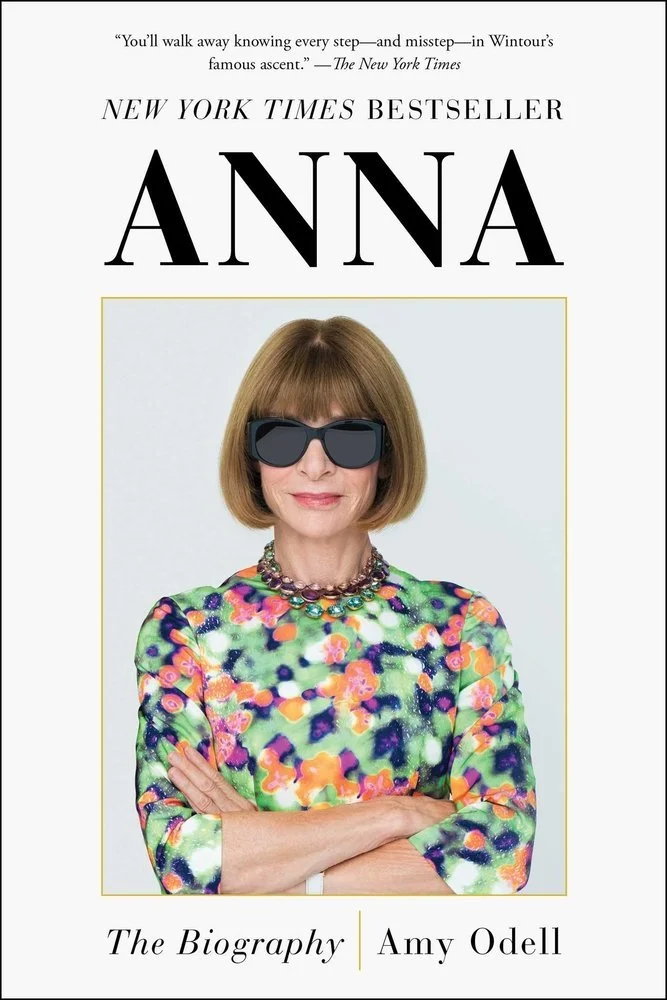
The definitive biography that sparked this episode. Odell traces Anna Wintour's path from London editor's daughter to the most powerful woman in fashion—and all the complicated legacy in between.
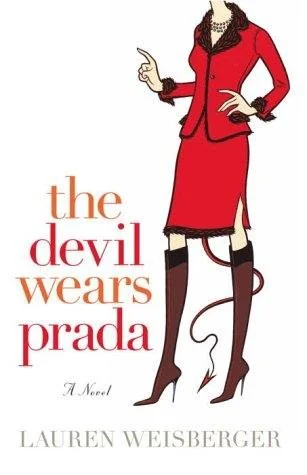
The roman à clef that launched a thousand Meryl Streep memes. Discussed extensively in this episode as both a cultural touchstone and an incomplete portrait of the real Anna.
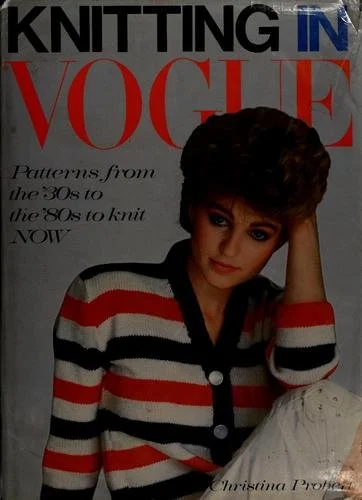
A visual deep dive into the magazine Anna transformed. Essential for understanding how editorial vision translates to cultural influence.
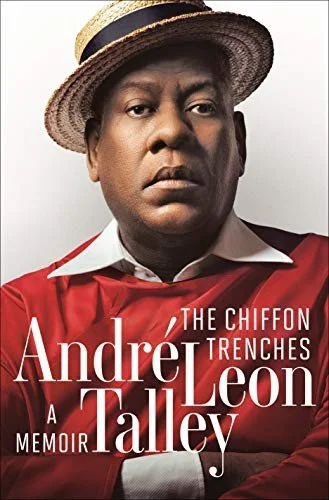
Talley's memoir offers the view from Anna's inner circle—and the eventual fallout. A companion piece that adds depth and heartbreak to the Anna story.
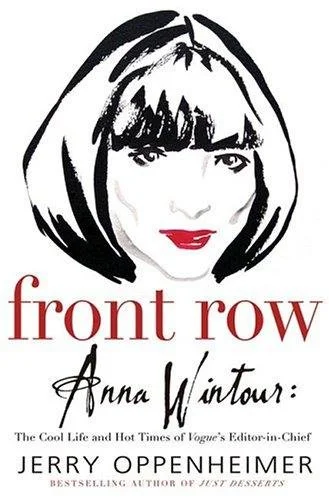
An earlier, unauthorized biography that paints a grittier picture of Anna's rise. Read alongside Odell's book for the full spectrum
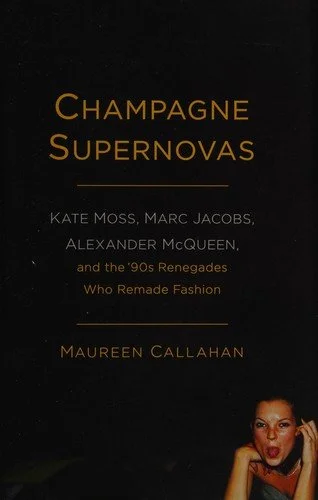
The 90s fashion revolution that Anna both navigated and shaped. Callahan captures the era of supermodels, grunge-meets-couture, and the power dynamics Anna mastered.
Resources
Heather Stiebel — Guest journalist and editor
David Peck on TikTok — https://www.tiktok.com/@itsdavidpeck
David Peck on Instagram — https://www.instagram.com/itsdavidpeck/