Episode 8. Book Club | LIVE! "Untamed" with Fi Connors & Regina Vigil
A live book club conversation about Glennon Doyle's bestselling memoir on identity, courage, and living an untamed life.
What happens when you stop performing the version of yourself the world expects? In this live book club edition of Inside the Design Studio, David Peck is joined by Fi Connors and Regina Vigil to unpack Glennon Doyle's Untamed — a memoir about shedding expectations, embracing identity, and finding the courage to live on your own terms.
Fi Connors, a trained homeopath and naturopath from Dublin with over 25 years of clinical experience, brings a uniquely personal lens to the conversation — reading Untamed as a gay woman who didn't expect to find herself so deeply reflected in Doyle's story. Regina Vigil, operations manager at David Peck and a fellow writer, rounds out the trio with her own insights on creativity, self-expression, and what it means to be truly free.
Together they explore Doyle's themes of identity, motherhood, queerness, the "cage" of societal expectations, and the radical act of trusting yourself. It's honest, funny, and deeply moving — exactly what a great book club should be.
Listen to the full episode on your favorite podcast platform.
Subscribe and leave a quick rating or review if you enjoyed it.



“I did not anticipate that I would love this book as much as I did.”
Transcript
-
Fi Connors (00:38)
I mean we're all still in some kind of, I don't know, stuck on pause kind of thing on the TV deal. I mean there's a whole lot still of pausing and so to get the thing moving in a positive way we need so much love in a very real way, know, a kind of a fleshing out of ourselves and then a reconnection with each other. It seems like to be a really important part of where we need to go.
David Peck (01:05)
Hey there, design enthusiast. Welcome to Inside the Design Studio, the podcast where we unravel threads of life and design. I'm your host, David Peck, your guide through the cosmic wonders, the tangible touches, and the delightful twists of creating a life you absolutely love.
Today's episode is a special peek into my eclectic toolbox, the secret weapons I use to design a life that's as vibrant as my creations. So grab your metaphorical sketch pad and let's dive into the art of intentional living.
Welcome to Inside the Design Studio live book club edition. I have two very special guests inside the design studio here. Regina Vigil, you may know because she's been on previous editions and is our operations manager here at David Peck. And we Fee Connors. Who is in Houston, but via Dublin. So I'm going to give a little bit of background about Fee and then the book and then we're just going to get into it. Yeah. Yeah.
Fi Connors (01:51)
Thank thank you, David.
Yeah
Regina Vigil (02:01)
Let's do it.
David Peck (02:02)
So a native of Ireland, I will not like horrify you with my Irish accent.
Fi Connors (02:06)
Great, David.
David Peck (02:07)
Yeah,
yeah, I won't do that for you. You're a trained homeopath and naturopath clinician with over 25 years of experience and you specialize in treating clients in long-term recovery from addiction and works with clients to identify and heal stumbling blocks and barriers to full creative expression and potential. Correct. You earned your master's in creative writing, which is so cool. You and Regina have the writing background in common. Yeah, we do. You formerly worked in film and television and you spent the majority of your professional life among creatives. Very cool.
Me too. I don't know if that's always a good thing. You graduated as an R.M. from St. Vincent's University in Dublin and then went on to study homeopathy. How do you say it? do you say it? Homeopathy. Homeopathy. But how do you say it in Dublin? The same thing?
Fi Connors (02:41)
Correct.
with the same accent, the same accent homeopathy.
David Peck (02:56)
homeopathy. Okay cool. And earned her board certification from the Irish Society of Homeopaths. Correct. Not sociopaths.
Fi Connors (03:04)
Sometimes.
Depending on the day.
David Peck (03:06)
Depending on the day in America. She's a board certified as a classical homeopath with a council for homeopathic certification And you live in Houston with your partner where you work with clients both here and in Europe, which is super cool Very awesome. Thank you for joining us today So if you are joining us, I assume you know that we're talking about untamed by Glennon Doyle But just in case you don't know we're talking about untamed by Glennon Doyle
Doyle is a bestselling author, activist, and speaker known for her raw, authentic storytelling and advocacy for social justice and personal empowerment. She first gained widespread attention with her memoir, Carry On, Warrior, and followed it with Love Warrior, which became an Oprah's book club selection. Doyle is also the founder of the nonprofit organization, Together Rising, which supports women, families, and children in crisis. She's married to soccer star Abby Wambach, and their relationship has been a significant source of inspiration in her writing.
Doyle's work focuses on themes of identity, healing, and embracing one's true self.
Fi Connors (04:06)
Hmm.
David Peck (04:06)
So without much further ado, let's get into Untamed. So the way, since you have not joined us before, first, kind of like we'll take a broad pass at what we thought of the book in general, and maybe how you related to the book, whether you liked it, didn't like it. And then we'll start talking about the themes. And this one's a little bit different because it's our first non-fiction, well, it's not our first non-fiction, but for our first memoir.
Regina Vigil (04:28)
It's our first
collection of essays. It's our first non-linear.
David Peck (04:32)
So we've done things like
the biography of Anna Wintour before, but then we've also done a lot of novels. So this is our first personal essay memoir, which is very cool. So you get to go first. You're our guest of honor.
Fi Connors (04:45)
Thank
you, David. Thank you, Regina. Thanks to everybody here and thanks to everyone online. I'm very excited. I can say truly that I did not anticipate that I would love this book as much as I did when I read it. thought coming to it that I thought Glennon Doyle, because she's a bit of a superstar and she's a bit of a media superstar, and I had known of her as kind of, I hope I'm right in saying this,
Regina Vigil (04:51)
And...
Fi Connors (05:15)
evangelical Christian mom who was kind of spearheading that kind of thing so I kind of thought how am I going to position that for myself being a gay woman I was just kind of a bit challenged am I going to be able to meet her somewhere and I didn't actually know the whole backstory of the Abbey Wambach blah blah
Regina Vigil (05:34)
Thanks Regina.
Fi Connors (05:37)
Gina
so I launched into the book and I was actually blown away. I kind of thought wow
She's actually talking about something really true here and something wonderful. So and this woman can write. I mean she really can write. She is a beautiful writer. She's beautiful, beautiful stuff to say. So I was altogether just totally impressed and captivated by it and taken away and kind of thought I will read more of what she has to say. And you know all of it. I was just very impressed and I would definitely advocate it to know two thumbs up. -
David Peck (06:12)
Two
thumbs up. Regina, I know you knew who Glennon was.
Regina Vigil (06:16)
And so
I was coming into this knowing I was gonna love it because I listened to her podcast we can do hard things and it's funny because so I I mostly listen to my books because I'm always sewing and so I was like cutting a pattern listening to it and there was just like a moment where like I was like laughing out loud like got laughing with my little air pods on and then
And like a few minutes later I was ugly crying and my dog was looking at me so confused. He's like, I don't know what's happening. Do I need to cuddle?
David Peck (06:51)
Hahaha
Regina Vigil (06:51)
But it was, so for me, think that because I already knew her voice and her story, I think what surprised me was I was kind of expecting a linear narrative. I was expecting to hear the story of her and Abby and how it all went down. And there were bits and pieces of that. But the way she broke it up made it so much about more than just this one story.
she's telling. Like all of these pieces are really, I mean she's telling a story about her. It's not about this other person and how that other person impacted her life. It's about how she's chosen to move through life and why she made those choices and what the hardships and rewards from that were. And it was really powerful.
David Peck (07:40)
Yeah, I loved it. I was trying to think when I first heard of Glennon and it probably was through Oprah because I get so much from my life through Oprah. Oprah and Gwyneth, Regina, just deal with it. So she had been in sort of my world for a while. And I remember having the book sort of when I knew it was getting released and I was very excited about it and had it on my queue for a long time. And then finally,
a year and a half ago or whatever, finally listened to it. And it was so good because I love, I she's not like David Sedaris, but in the sense of the way that they're telling these stories, like that have overarching themes, but in smaller snippets, I thought it was just really lovely. And I think what I found really surprising in listening to it for a second time and preparing for the podcast was how...
brave she is in just relying on very short stories, like sometimes really, really short, like a couple paragraphs to tell such big ideas and kind of leaving it as that. She didn't need to over explain things or make it more than it was to kind of like hammer her point. So, you know, there are some chapters that are longer and kind of more in depth until.
story but then there are others that are just very short and succinct and I just thought like what a courageous thing to have the courage to not feel like you have to have a set number of
pages or words per story or try to make it anything more than it is and kind of letting, trusting the reader to infer something from it. Like I think she puts a lot of trust in the readers and I think she is a beautiful writer. Like she's able to evoke so much emotion with relatively sparse words. She's not a very, you know, she's not using huge big language really. She's speaking in a way that...
you know, we would speak, but she does it so eloquently that it just, touches you, whether it makes you laugh or cry or just kind of like think about your life and your choices. So yeah, I think both of you, I mean, I would, you have probably more in common with Glennon than I do.
So how did you guys find that coming in into it? I'll let you explain. I won't presume to say how you're the same. ⁓
Regina Vigil (09:54)
So you mean
being sober or being gay?
Fi Connors (09:56)
Similarity.
David Peck (09:57)
you
Regina Vigil (09:59)
I will say, so like the gay part of me was really excited to read another story from another gay woman just because I love hearing it. I'm always gonna wanna hear that. I think being sober, like being another person in recovery, it's always like, if I'm gonna like, I'm always like, don't know, cause like different people have different paths. And so, and I'm very protective of my
path you know and so that was I think the part where I was a little more
I will say that when she talked about...
service specifically for me. She was talking about how she has to only listen to herself and be the only person she listens to when she is her guide and she finds her higher power like within herself and that she will never be of service to other people. That absolutely doesn't work. She has to do everything for herself. When I heard that at first, like in a
It contradicts my experience.
But then I realized it also contradicts her own experience because her whole life is of service to other people. She does all of these, like she does all this nonprofit work. She has this podcast. All of her books are to help empower other women. is so, like she answers like self-help letters. Like her whole life is of service to people. And so I think her point she was meaning to make was that
Like she has to put her mask oxygen mask on first and she has to be true to herself and not Do things that make her uncomfortable like There are so many different ways to be of service to others
that the ways that she was told this is how you are supposed to behave, these are the things you are supposed to do, that's not necessarily true. She doesn't have to do those things, I think, but there is still service in her life and it rewards her, she gets something from it and I think to not acknowledge that importance of that is maybe a bit of a blind spot. What do you think?
Fi Connors (12:07)
I'm sitting here and I'm thinking, this book club is so spectacular. I just want to sit and listen to you.
David Peck (12:13)
Don't say that, because
we'll just talk for hours.
Fi Connors (12:17)
I'm
just loving it. I'm kind of going, I'm forgetting that I have to talk. I'm so enraptured by listening to you. I am absolutely as a recovering person. So I found it fascinating because, you know, addiction is such is ravaging the
You know, so many people are addicted, so many people are addicted to so many different things, whether it's chemicals, work, any of the other addictions, know, the behavioral addictions, process addictions, you know, whether it's food or, you know, any of the other ones that we don't love and relationships and all these things. So many people are so addicted in our mind.
And so for her to be so brave as to come out and talk about it in a very public forum about her own recovery and her as a recovering person takes huge like Regina said courage like extraordinary courage to do that because you're really setting yourself up to be like just get it like you know shoot me down or telling me I'm doing this saying something wrong or so she's really put herself out there and as per Regina's point service is a huge part of like ongoing
recovery, you know, we we keep our recovery by giving it away and so it is a very important thing and part of our structure and staying sober and to your point Regina, I think the thing is, you know, we can either be of service or we can be service. You know what mean? It's almost like she's it's almost like she's embodying a being of service. her very her very being seems to be the thing that is doing the service just like you said and that's
to hear and especially in the book you know I just found it extraordinary when she was talking about like her connection to her own higher power and her own internal guiding system that she was in the closet when she was doing that. I thought wow that's so fascinating. She was like actually go into the closet.
David Peck (14:07)
you
Regina Vigil (14:13)
She had to go to the closet to figure out that she needed to get out of the closet.
Fi Connors (14:17)
I just found her very brave because anytime we stand up and speak about something so heinous which is addiction is just an awful disease we're putting ourselves in the firing line of a million people who will tell us that that's not a good idea to do that.
David Peck (14:32)
Yeah,
the way I relate to Glennon is because I was raised in a very conservative Christian environment. so because she started her career as a mommy Christian blogger, of seeing her trajectory and her coming to terms with her own faith and belief system and structure, that part of it felt very true to my own path. and thinking about how
you dismantle so many of those things only to rebuild some of them and to, you know, it's, it's not a
a one and done thing. It's a lifetime of discovering and opening up your mind to new ideas. And one of the things that I thought about, Regina, when you were saying where maybe you thought maybe she didn't write as clearly, but there was something that she wrote in her second book, and she was interviewed by Oprah, and I was trying to remember exactly what she said. And Oprah read it to her, and Oprah said, you really believe that? And she's like, no. I don't think I actually do anymore.
And she goes, I think it's why Jesus wrote in the sand. And I loved that whole thing. Like it kind of gave me chills because I think so many times we try to pin down our belief systems and structures so distinctly that we don't leave any room for creativity or discovery. And so I think the idea that she's just really open and honest about it, having all the answers, but knowing that she knows where to find them.
that inward, like the being still, like that the chapter on being still to me. I remember thinking of that verse in the Bible like a long time ago when I was little and I always felt like there's a lot of noise around
And the tradition that I grew up in was very concerned with the rapture and tribulation and all this stuff. And really sat well with me, but there was that verse in the Bible that said, be still and know that I'm God. And I'm like, well, that isn't that like the true essence. And it's interesting. It's like the shortest book. mean, be still. Besides, you Jesus wept is like one of the shortest phrases. And it's like there's such truth in like such simple words. And like so often, like we create all of this chaos.
in beliefs or whatever that distract from the true meaning of and our kind of purpose in life. And so I found that I could relate very much to her and her kind of figuring out how to become herself.
Regina Vigil (16:46)
you
Well, and I was thinking when you first started talking about the whole writing in the sand thing, she comes back to that a lot. And I love that she does not apologize for what she wrote when she was a Christian, evangelical mommy blogger. Like she was in a different place then. She had a different perspective and she allows herself the permission to grow and change and accept her power.
flaws and and see that growth as a beautiful thing as opposed to something to be ashamed about or
David Peck (17:20)
or
even apologize for.
Regina Vigil (17:21)
Yeah, I
absolutely like I was like got laughing when it got to the part where she was talking about how she had just come out she had just had the the novel she wrote about how the book she wrote about how her like marriage was perfect and then found out her husband was cheating and she was like I wasn't mad about the cheating I was mad that he got this like he changed the narrative like he ruined my narrative
Really?
Fi Connors (17:47)
He totally did. -
Regina Vigil (17:49)
Which then allowed her to come up with an entirely new story that was so much more than she could have ever dreamed of.
Fi Connors (17:58)
Yeah,
David Peck (17:57)
Yeah.
Fi Connors (17:59)
yeah.
Regina Vigil (17:59)
But the fact that that she doesn't apologize for the past that she acknowledges any kind of things she does like it She takes all the shame out of things which is so important because so many times We are we hurt ourselves so much because of our perceived imperfections or flaws or weaknesses
David Peck (18:18)
Yeah.
Fi Connors (18:19)
That's
all right.
David Peck (18:21)
Well, and I think it makes sense that she's good friends with Brene Brown. Yeah. You know, just like another Houston connection, but the idea about shame and embracing it so much,
Regina Vigil (18:31)
And then on
the pod, sorry. I was just gonna say, I got distracted because you were like, she's friends with Brene Brown. And then like, and on the podcast, her daughter and Brandi Carlile sing the open songs together. Like, wouldn't that just be the best potluck to go to?
David Peck (18:46)
In case you're listening to Lillian and Renee, you're invited to a potluck. Here.
Fi Connors (18:52)
Yes, you are. Come on down, Brené. We're ready to see you. yeah, for sure. Well, I mean, that's it, isn't it? Shame. Shame is such a huge thing. And I mean, I love how she positions these like small, like you said, David, like you said, Regina, these like small, very small pieces. But there's such a profundity behind them. I mean, there's such a profundity to what she's talking about. And the fact that, you know, that everything is a movable feast and that we're constantly evolving and we can't
just position ourselves as this is who I am and this is who I'm going to be forever. I mean I think it's wonderful she talks about that because as we evolve as human beings we're constantly changing and morphing and becoming more, hopefully, of ourselves and getting more of ourselves. And I loved that she said, you know, the, when she spoke about the Mona Lisa, I loved that piece, you know, when she spoke about it and did the backstory to the Mona Lisa painting in Paris where it was, where she'd
David Peck (19:49)
Yeah, there's a theory about why the Mona Lisa has the smile.
Fi Connors (19:52)
And just that
particular smile.
David Peck (19:54)
Yeah,
so just to explain for people who haven't read, she took her parents to Paris and was at the Louvre looking at the Mona Lisa and she didn't quite get it at first. And some random woman came up to her and said, there's a theory behind why she has this half smile and it's because she suffered the loss of a child and her husband wanted the portrait to be painted of her to kind of like celebrate her or whatever.
Leonardo da Vinci wanted her to smile and she wouldn't. She refused. And so there's sort of this half smile, this half like, no.
Fi Connors (20:24)
And I love that, because that is life. Life is not just one big fabulous entity. We all go up and down. And the currents of happiness and joy are so much more special when we're in tough times. We all have rough times. But I think especially now in the climate that we're living in now.
everything that's going on in the global stage. It's so important to have books like this with a narrative of evolving and not staying in polarised positioning. It's so important to understand that we can all change and that everybody changes and we all move to better versions of ourselves once we're not polarised or positioned. And I think that's a really important message for today, for now, for our global stages.
David Peck (21:06)
Yeah.
Fi Connors (21:07)
with
all the polarization that's happening in cancer culture and all of that stuff. There's a lot of that stuff happening.
David Peck (21:14)
There's not a lot of nuance. And I think what she helps, what I love about her writing is there, she is willing to explore all of the things without necessarily having a definitive answer, or maybe she finds the answer for herself, but she's not projecting that answer on anybody else, which I think is a very hard thing to do. Cause I mean, even I think of myself as fairly open-minded, but you know, we all have our own.
Fi Connors (21:16)
there is not.
David Peck (21:39)
internal prejudices that we come to the table with. it's a constant process of dismantling those ideas and beliefs and kind of examining ourself and becoming like knowing ourselves so much to be able to recognize those things. -
Fi Connors (21:53)
I also loved when she spoke about, you know, that she was trying to, that piece in the book when she was talking about when she did the big faux pas, where she was trying to...
kind of people outside her demographic which seems to be kind of like women of a certain color of a certain age. She spoke about that and she tried to branch into supporting and helping women especially from different cultures and communities but she felt she didn't or certainly the demographic of people, her group, didn't feel that she held it in a very sacred way in the way that it needed to be held.
Regina Vigil (22:28)
because she was going to give a talk on how to basically dismantle your own racism and then ended up getting called a racist for speaking for people of color.
Fi Connors (22:39)
Exactly, Regina.
Yeah. And it was wonderful how she owned that though. I thought it was wonderful that she kind of like said, kind of, mea culpa, like I really wasn't the person to be having that discourse rather than bringing people in that truly could hold that piece. I felt I could. And so I loved the way she was so very, you know, transparent in that way. She wasn't trying to be something she wasn't.
Regina Vigil (23:03)
And then,
and when she, she simplified it because like she was talking about how she had that overwhelm of feelings. And then it was like there are a lot worse things in the world than having uncomfortable feelings. Like I guess.
David Peck (23:16)
Yeah.
Fi Connors (23:19)
Yes,
absolutely.
David Peck (23:20)
One, think that part of knowing, like, you know, coming to that inner knowing is sitting with that discomfort. You know, being able to really sit there and not try to dismiss it or explain it away or whatever and just like kind of coming to terms with it is like, that's, I think, probably one of the hardest things of being a human is like sitting with the discomfort of knowing either you've made a mistake or you've grown and changed and you're somebody else and like being comfortable with being uncomfortable.
Fi Connors (23:47)
That's exactly right. And I also love the way she kind of took those kind of, you know, cursory statements that we take, make all the time, like, it's going to be OK, or everything's going to be better, you know, and really dismantling that kind of thinking and feeling, which is for her own daughter, especially. She referenced her daughter's. But where she, you know, where we don't know if it's going to be OK, but guess what? We're all in it together. I did. I love that. I didn't find it in any way kind of.
trite or flippant, she really, really seems to embody that, you know, that we're all going to feel everything and once we move closer to each other, that's going to be the salve, rather than having these kind of throwaway statements that really mean nothing. You know, like, it's going to be better, things are going to get better. No, probably, maybe it's not. But once we feel everything, we're on the right trajectory. Yeah.
David Peck (24:37)
Yeah.
Yeah, I think she's very good at, it made me think about my own parenting and, you know, it's so hard because you rely so much on these tropes or these things that have been told to you because that's how other people coped with your, you know, sense of loss or shame or disappointment or whatever. And so, you know, you're inadvertently passing those things down to your children and it takes such an effort of being conscious to not repeat those patterns.
and to give your kids not the answers but the tools to discover those answers themselves and sometimes they don't get it right away and that's hard because you want to make them understand you know and you have to deal with your own frustrations and limitations as parent in order to give them the space to become their own people.
you know, because it's that work, you know, and I think so often we don't do the work at a young age because we have been given all of these pat answers or belief structures or whatever that may be served to get you to the next step, but they don't actually serve you in becoming a whole person.
Regina Vigil (25:43)
And I will say there were, because there were so many of the essays about being a mother and being a parent that when they would start, my brain would want to shut off a little bit, like okay, that's not for me, I don't have kids, don't have to worry about all that. But those stories weren't just about raising children, they were just about humanity in general and cultivating your own humanity and finding it within yourself and nurturing it.
I think also just being an adult it wasn't just like when she like especially when she talked about coming out publicly and when her mother was bringing the worry into the home.
And like having to say like, love you, but you're not welcome in my home if you're going to bring your worry because you're going to give that to my children and they don't have that and I have to protect them from that. That was so strong.
David Peck (26:36)
That's a very hard
thing to do as a parent. I would just say from experience, it's a very hard thing to do.
Regina Vigil (26:42)
to tell your own parents, set those boundaries. imagine.
David Peck (26:46)
Yeah, it's very hard, especially when you're coming with good intentions, but coming from very different places and belief systems, to be able to put those boundaries and try to protect your children. It's hard.
Regina Vigil (26:57)
And when she said that was the point where we went from being mother and daughter to two mothers. That was really strong.
David Peck (27:04)
I was
really... Now we're all gonna cry. Thanks, women! I mean, that's kind of like, you know, why I like Oprah so much. She always makes everybody cry. Glennon makes everyone cry too. So it's like, you know, join the club. That's exactly right.
Fi Connors (27:05)
Yeah, yeah, yeah.
Thank you, Kevin.
Yeah.
David Peck (27:23)
And I think,
Regina, you can share or not, but like you were saying, just how much it makes you think of your own parental relationships and things. It's both. You don't have to be, we're all children, parents, whether they were present or not present, or tried to be present and couldn't be. We all have to deal with the...
the inadequacy of those relationships because even if your parents are trying their best, they're not gonna always get it right. And so we all have to come to terms with how do we reframe that relationship, especially as an adult, so that we can be healthy and not project or even inflect that on the next generation or our other relationships if you don't have children.
Regina Vigil (28:05)
you
Yeah, I think, actually don't want to get too far into my own parental relationships on Instagram Live. But I will say that while listening to her things about her own relationships with her parents, there is a point in life where when you become an adult, it means you take on the responsibility for your own emotional health. Yeah.
David Peck (28:30)
And that's a really powerful thing, you know, when you get in a way where I feel like when you start to, I don't know, whether it's heal or just become your own person and truly know yourself, it's when you can like take that responsibility.
Regina Vigil (28:43)
you -
Fi Connors (28:44)
I also love how she really deeply understands and lives and I certainly could feel it from the book, her words, that she really understands the power of love.
it is and how vitally important it is now. know, mean, when was the book written? I'm not sure how long.
David Peck (29:04)
was
21, maybe it was released. I think during the pandemic.
Fi Connors (29:09)
pandemic. And so, know, and we're all still reeling, right post pandemic. I mean, we're all still in some kind of, I don't know, stuck on pause kind of thing on the TV deal. I mean, there's a whole lot still of pausing. And so to get the thing moving in a positive way, we need so much love in a very real way, you know, a kind of a fleshing out of ourselves and then a reconnection with each other. seems like to be a really important part of where we.
to go. So I just love the way she had a very big discourse around that, you know, from like the gay kind of standpoint to like just a generalized what's happening and how vital it is that we're all moving.
towards each other. I just love that she reinforced that so much in the book. You she kept coming back to that point as far as I was reading it, you know, that it really was, it was not only political, it was like a very important, it just, the most important thing to be doing. Yeah. So I love that about her. It's a very strong message.
David Peck (30:11)
I think it's a very strong message and one that like, especially with the state of the world right now, there's so much that, you know, could be solved if we had more love and it seems so, try, you know, to say it that way, all you need is love. But it's true, like when you truly can love yourself and then love your neighbor, then, you know, so much of this.
strife and the politics of things. You you're truly trying to be good and not just nice and all these things, it's transformative. And it's not only personally transformative, but it literally could change the world.
Regina Vigil (30:45)
Well, and
think also what was really smart about how she talked about love was that it was with boundaries and it was with courage and it wasn't some kind of like passive mushy thing.
Fi Connors (31:00)
Yeah, strong
Regina, that's right.
David Peck (31:02)
Yeah. No, love is powerful. It's not sweet and saccharine. You know, and sometimes love doesn't look like what we've been taught to think love looks like. You know, love is...
Regina Vigil (31:12)
So speaking of mushy, like what did you think about that dinner room scene where she met Abby? It was so.
Fi Connors (31:23)
That was a very me cute situation going on there. I mean it was gorgeous the way she described it. And I kind of for anyone kind of listening it was kind of like my god the dream situation I walk into a room and pow there she is right it's like wow that actually happened
David Peck (31:27)
Yeah.
It really was. Wasn't it?
Regina Vigil (31:40)
there.
David Peck (31:45)
Yeah.
Regina Vigil (31:46)
I want that to happen.
Fi Connors (31:47)
Yeah
right it really does that. Well in my relationship that happened David. yeah? It did it actually happened. was a pow across the room. No it was really unusual.
David Peck (31:57)
ours
started as friendship and it kind of like grew from there but I'm also Capricorn so the pow not so much what are you I married a Scorpio
Fi Connors (32:01)
So like a slower burn.
Did
you see the pow?
David Peck (32:16)
happening and then my life is surrounded by Scorpio
Regina Vigil (32:18)
This
is little house of scorpions here.
Fi Connors (32:21)
Yeah, we
love that. Well, you can't go wrong with that.
David Peck (32:25)
I
know, my mood's in Scorpio, so there's some life lessons I'm to be learning. -
Regina Vigil (32:29)
My
son and Moon are in school.
Fi Connors (32:32)
Wow,
I know it's a powerful one.
David Peck (32:34)
⁓ But it was funny
because we were talking, speaking of Zodiac, we were talking about like what it like Glennon is...
Regina Vigil (32:40)
Because he was like, I bet she's a Scorpio. And I was like, no way, no way. So I guessed Taurus. She's an Aries. she's an Aries.
Fi Connors (32:48)
in case
David Peck (32:49)
and I have two Aries children
and I'm like, get it. Yeah.
Regina Vigil (32:51)
But I see that though because she has that fight in her.
Fi Connors (32:54)
She does, that's
true. ⁓
David Peck (32:56)
The drink to the Agenie.
laughter
Fi Connors (33:02)
Yeah
David Peck (33:03)
I found
that I get along well with gymnasts. I don't work well with gymnasts. No. Yeah. No. No, my Northern Irish flatmate in Paris, she was a gymnast. Oh, she was a German? Yeah, and we got along great. Yeah. We would probably have frustrated. Like, we did some project where we had very different working styles. Yeah, yeah. Yeah.
Fi Connors (33:07)
No.
but you couldn't work with her.
Gemini difficult. well, for me anyway. No, definitely not.
David Peck (33:30)
Yeah, well, Scorpio on Geminis is typically not a good...
Regina Vigil (33:35)
The way she and her husband ended things was so nice.
Fi Connors (33:40)
Yeah.
David Peck (33:41)
It was just really mature. I had a lot of respect because I don't know that I could be that mature. Like, I mean, I'm very like...
Regina Vigil (33:47)
you
She did
say it didn't stay that nice that there was yeah, there were some rough
David Peck (33:55)
Right, but
the fact that they've even gotten back to that like of course you're gonna go through rough patches but the fact that they can approach it with them their relationship with that much dignity and You know not just because they have kids but because they respected each other even after he was unfaithful and like all of that I would have a really really hard time with that and She is a much more emotionally mature person than I am in that regard
Roll hard time. Roll. Roll, roll. Yeah. So I think, suffice it to say, I we all loved the book. Loved. Loved the book. We would highly recommend it. Highly recommend it. We have guessed the item. Have you guys read it? Yes. You read it. What was your kind of thought about the book in general?
Fi Connors (34:21)
Good to know.
Regina Vigil (34:37)
At first I kind of didn't know what to expect because I didn't realize it was just a series of essays. It kind of threw me off a little bit, but then once I got into it, I got a good nugget out of it. I think the main thing that I really liked when she said that forgiveness doesn't require access. -
David Peck (34:53)
that's really good. So forgiveness doesn't require access.
Regina Vigil (34:56)
Yes.
David Peck (35:00)
That's very powerful.
That's really good.
That's a good one. Well, to end on a little fun note, we always, this is a little different, and it's different for a couple different reasons, but we always cast the movie version of this, but you know it's actually being made into a series. So this one is actually happening, and it has actually partially been cast. But I'm gonna let you guys.
Regina Vigil (35:24)
What?
Okay, so we can see they're wrong.
Yeah, because it should be.
David Peck (35:35)
Yeah, so I'm going let you guys go first because I had thought about this and then I was like, oh, I wonder what's happening because I remembered seeing Glenn and post on Instagram that certain people were attached to the project. I was like, oh, that's right. So I'm very curious. I'll let Regina go first because she's very excited.
Regina Vigil (35:52)
I very excited about this because I kind of figured immediately who I wanted. Okay, so for Abby, Gwendolyn Christie. I think she would be great. And then for...
David Peck (36:01)
that was my pick, actually.
So,
Fi Connors (36:08)
game.
David Peck (36:08)
Thrones for people who are not connected to the Existing.
Regina Vigil (36:11)
And also
the Galliano centerpiece of that last show. my god, so amazing. And then for Glennon, I, Kristin Chenoweth.
David Peck (36:23)
that's good one. that's a very good one.
Regina Vigil (36:26)
makeup.
David Peck (36:27)
Hahaha
Fi Connors (36:27)
Chris, I agree. Yes, for sure.
David Peck (36:30)
That's
a good one. They have a very similar energy. It was funny because I had said Amy Sedaris could be, and like that could work too. Yeah. And Amy and, it's funny because Amy Sedaris and Kristin Chenoweth are friends. you know, I could, it could be like, you know, make it a soap opera and have the evil twin sisters.
Fi Connors (36:44)
Thank
Regina Vigil (36:45)
very same.
Well, I mean, but Glennon and her sister are very close. So they could just put one and then the other.
David Peck (36:54)
something.
So very strange side note is Michelle went to school with sister. Yeah, they were in the same sorority at UBA. that's cool. It's so weird. We were listening to something one time, and she's like, wait, I just figured something out. Sister was in my sorority. It's so crazy. Yeah. Anyways, who do you cast?
Fi Connors (37:17)
So
as somebody who worked in film and being obsessed with film, it would probably take me six months to figure out who I cast. So I'll have to, dare I say it, I have to put on my thinking cap and keep thinking about this because it's such a big thing. But I'll ride with what Regina says because I think that's casting. I think that's wonderful.
David Peck (37:32)
the -
Regina Vigil (37:34)
So it was good.
David Peck (37:38)
So before I say who actually was cast as Glennon. So it's funny so Gwendolyn Christie, I was thinking long and hard about like who could do Abby and there's not a lot of actors that come to mind for Gwendolyn Christie but I also thought because it would be a strange football connection. Is Hannah Waddingham. She could be perfect.
Fi Connors (37:53)
Bye.
Excellent.
This is very...
David Peck (38:03)
The
whole Ted Lasso. I love the meta mess of it. So Hannah Watt environment. She's got kind of that larger than life like she could do it. She could. And I love her. But I also saw when they did cast who they did cast, which I will reveal in a second, that Abby said Gillian Anderson.
Fi Connors (38:11)
She could do it.
Regina Vigil (38:13)
It's amazing.
Fi Connors (38:23)
of course she would.
David Peck (38:30)
And
Jillian said, of course. Anyway, I thought that was kind of funny. And you know who else said Gwendolyn Christie is, don't know, Regina wasn't as familiar, but Lovey. She's another, ⁓ she had responded to the Instagram post and she said Gwendolyn Christie. So we're in good company. But I still think Hannah Waddingham could be. Anyway, so Sarah Paulson.
Fi Connors (38:33)
Yes, she did.
Yeah, yeah, yeah, yeah,
Thank you.
there.
Of course! Yeah!
David Peck (38:58)
She
said the one person Glennon said the one person that she had on her list the only person she wanted was Sarah Paulson and she put a plea out on her podcast and Sarah said yes So I think
Fi Connors (39:07)
Yay!
Regina Vigil (39:10)
That's so good. Yes.
Fi Connors (39:12)
I
love that.
David Peck (39:14)
Yeah,
because I was thinking I was like, then if it's Sarah, then it's at Cate Blanchett. then I'm like, doesn't work.
Regina Vigil (39:20)
I mean, it works for me.
Fi Connors (39:23)
can't say that.
All day and all night.
David Peck (39:27)
Carol,
part two. ⁓
Fi Connors (39:30)
Exactly!
David Peck (39:32)
Yeah,
so I'm very much looking forward to it that's in production. I mean, it takes years for Thanksgiving, but hopefully because it's, know, Lauren and Abby, it'll be sooner rather than later. It'll be interesting because I don't, think it might be a series, not a movie. So it'll be interesting to see if it's more broken up like the books or if they'll try to make it more linear.
Fi Connors (39:53)
Bye. -
David Peck (39:53)
Interesting.
think something I really enjoyed about the book was how much you as the reader had to piece together the story because it was not told in sequential fashion. And it really made you think about the connections between different ideas and if it's told in a more singular... I guess the showrunner is one who did Grey's Anatomy in Station 19 or something like that. So I think they've got a good showrunner or adapter person.
Regina Vigil (40:17)
Station ID.
David Peck (40:23)
I remember like long time ago she was on this show called Jack and Jill with Amanda Pete yeah like and I was like who's this person she's really good and then like now she's like all these years later she made something out of herself I discovered
Fi Connors (40:36)
I knew.
David Peck (40:39)
She's gonna be a star.
Thank you too for joining me inside the design studio. case you don't know, we have book club every single month and we do this live on Instagram and then the following week we release it on the podcast. So follow on Instagram and follow the podcast. Next month is very cool because I will be interviewing the author of our next book, A True Account, a story about female pirates. She has a Houston connection, which is very cool. She's originally
from Houston but her family's from New England and her first big book was about the Salem witchcraft trials which was very cool and then she's also co-authored a couple of historical non-fiction books with Anderson Cooper about the Asters and the Vanderbilt so that should be a really interesting conversation and I can't wait for you to join us next time inside the design studio. you guys!
Fi Connors (41:27)
Thank you.
David Peck (41:28)
And there you have it, another episode of Inside the Design Studio and the Books. If you enjoyed this exploration of life's design, hit that subscribe button so you never miss an episode. And hey, if you're feeling extra generous, leave us a review. Your thoughts fuel our creative journey. I'm David Peck, your design companion on this adventure. Until next time, keep crafting a life that's as captivating as your favorite masterpiece.
Listen to this live book club conversation about Glennon Doyle's Untamed on Inside the Design Studio with @itsdavidpeck
Key takeaways
Glennon Doyle's Untamed challenges readers to question the "cages" they've built around themselves — societal expectations, performative identities, and the fear of being truly seen.
The book's power lies in its raw honesty about identity, queerness, and the courage required to leave behind a life that looks right but doesn't feel right.
Reading as a community (live book club format) transforms a solitary experience into a shared one — different perspectives unlock meanings you'd miss alone.
The memoir format allows Doyle to be non-linear, which mirrors how real self-discovery works: messy, recursive, and rarely following a neat narrative arc.
Trust yourself. The central thesis of Untamed is that the voice inside you — the one you've been taught to ignore — is actually the most reliable compass you have.
Guests Appearing in this Episode
Fi Connors
Fi Connors is a trained homeopath and naturopath clinician from Dublin, Ireland, with over 25 years of experience specializing in treating clients in long-term recovery from addiction. She holds a master's in creative writing and formerly worked in film and television. She lives in Houston with her partner.
Regina Vigil is the operations manager at David Peck and a writer with a background in creative writing. She has appeared on previous book club editions of the podcast.
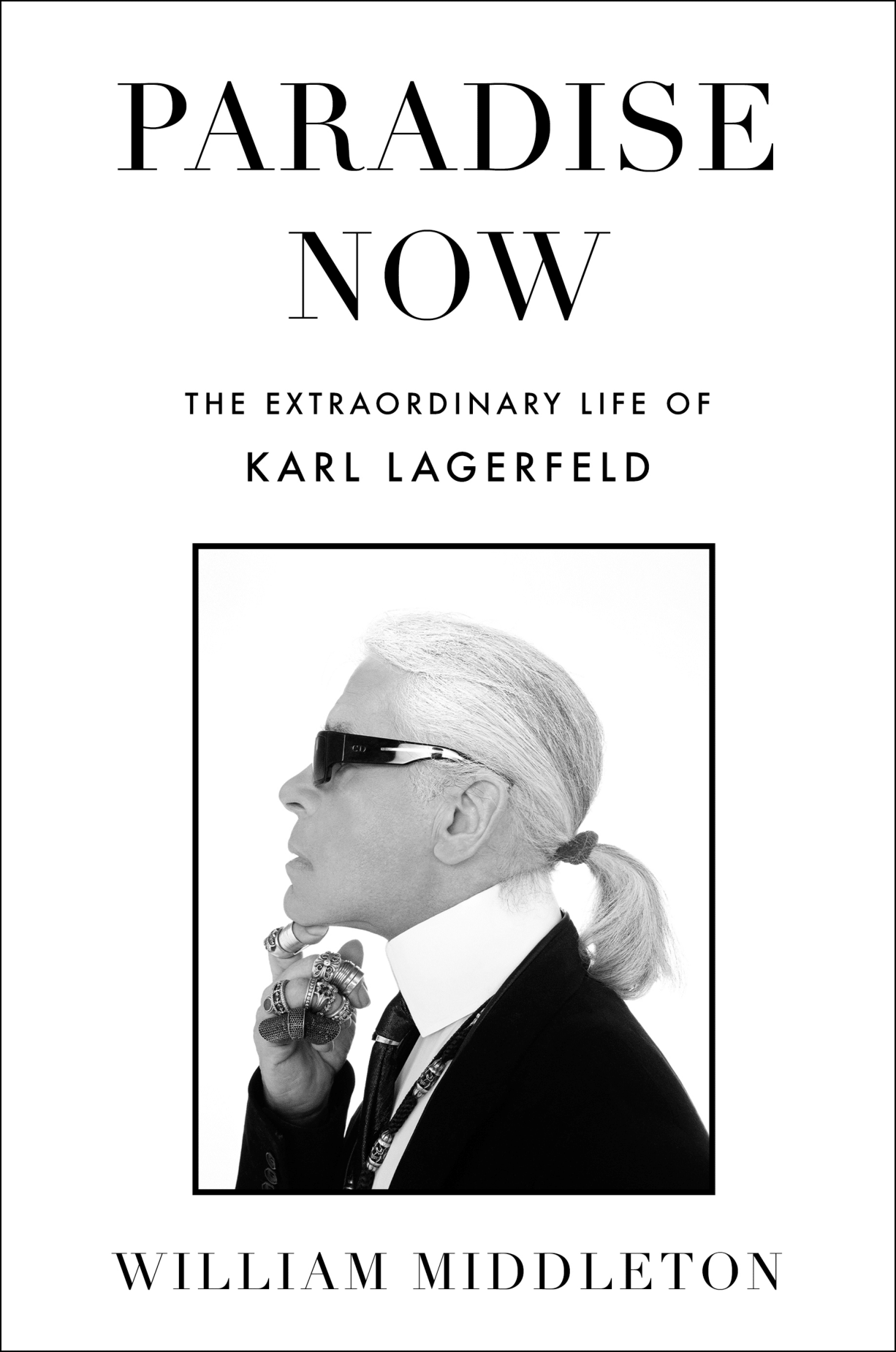
Glennon Doyle's bestselling memoir on shedding expectations and living authentically — the book that sparked this episode.
Doyle's first memoir — raw essays on motherhood, faith, addiction, and finding beauty in the mess.
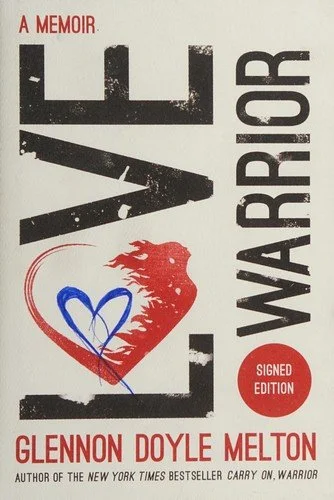
Glennon Doyle's Oprah's Book Club selection exploring marriage, betrayal, and the painful path to self-discovery.
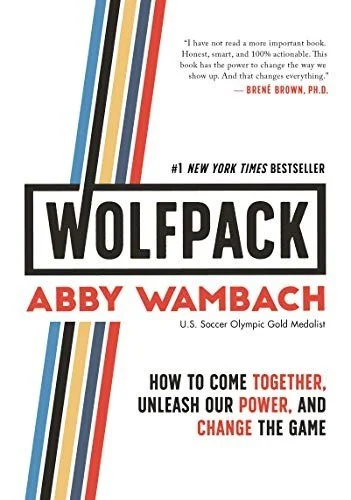
Abby Wambach's manifesto on leadership, teamwork, and demanding more — a natural companion to Untamed.
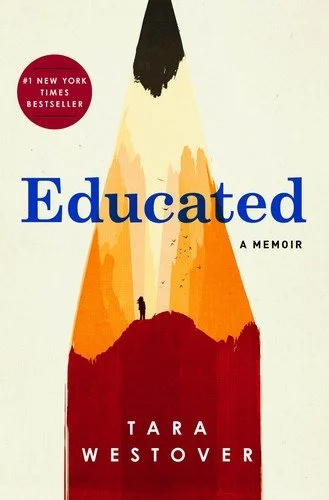
Tara Westover's memoir of escaping a survivalist family through education — another story of breaking free from the cage you were born into.
Resources
Glennon Doyle — https://www.glennondoyle.com/
Together Rising (Doyle's nonprofit) — https://togetherrising.org/
David Peck on TikTok — https://www.tiktok.com/@itsdavidpeck
David Peck on Instagram — https://www.instagram.com/itsdavidpeck/