A captivating book club conversation with bestselling author Katherine Howe about historical fiction, creative process, and the art of storytelling.
In this special episode, David Peck welcomes New York Times bestselling author Katherine Howe for an intimate book club conversation. They discuss her acclaimed historical fiction works, her writing process, and the inspiration behind her award-winning novels.
Katherine Howe is known for her captivating historical fiction and nonfiction, including bestsellers like The Physick Book of Deliverance Dane and the award-winning young adult novel Conversion. In this episode, she shares insights into her creative process, discusses the historical research behind her novels, and explores how design and intention shape storytelling.
Whether you're a longtime fan of Katherine's work or discovering her books for the first time, this conversation will deepen your appreciation for the artistry and meticulous craft involved in writing compelling historical fiction.
Listen to the full episode on your favorite podcast platform.
Subscribe and leave a quick rating or review if you enjoyed it.



“[TO ADD FROM TRANSCRIPT]”
Transcript
-
I'm just reading this and I'm mind blown thinking that there's this woman in her late 20s, early 30s who's just here as part of it and this is all happening. Hey there, design enthusiast. Welcome to Inside the Design Studio, the podcast where we unravel threads of life and design. I'm your host, David Peck, your guide through the cosmic wonders, the tangible touches, and the delightful twists of creating a life you absolutely love. Today's episode is a special peek into my eclectic toolbox, the secret weapons I use to design a life that's as vibrant as my creations. So grab your metaphorical sketch pad and let's dive into the art of intentional living. There were some technical difficulties in recording this audio live, so bear with us, because after seven minutes, the audio is perfectly fine. Enjoy the episode. I'm very excited to have you. I don't know if you remember, but we met about 15 years ago at Legend, at Dorothy Knox Househouse in Houston. Oh my gosh, we did? We did. And you were just getting ready to publish the physics book. Yeah, and I have been following you ever since I've been so excited and I was excited when we opened the store and we had books because I've been wanting to have books for forever. And we were able to carry your books and I was looking forward to the Pirate Book for so long. And then I've read, you know, three of your books in the past year. So I'm very excited to have you. Thank you. So we'll do a little bit of a formal introduction, but then I want to kind of talk about a true account. talk a little bit about your writing process and then we'll open it up to questions. Hopefully people will have them in the audience or Instagram. So today we're thrilled to welcome Katherine Howe. She's a number one New York Times bestselling author known for her captivating historical fiction and nonfiction. Her acclaimed works include the physical book of Dillorin Stang and the award-winning young adult novel Conversion. in to ask Anderson Cooper. Her latest novel, A True Account, Hannah Masary's Sojourn Amongst the Pirates, written by herself, was released in November and she recently edited the Penguin Book of Pirates. Actually, will you grab me the book? I forgot to grab it. So you can hold it up. So the riveting historical adventure follows the daring journey of Hannah, a young woman who breaks free from the confines of 17th century human society and inadvertently embraces a life of piracy, and Marianne Beresford, a researcher at Radcliffe in 1929. Hannah sails, thank you, I've got the book here. Hannah sails the treacherous waters and navigates the world of political intrigue and danger. She encrovers her strength and resilience. So I'm very excited to talk to you. Thank you. Cause you're a Houstonian living in New England. And I've heard you might just have a thing for hot sauce. Well, it's because I'm a Houstonian. Yeah. I mean, I have a thing for hot sauce too. Everything goes with hot sauce. Yeah. I put hot sauce on literally everything. I put it on eggs. I put it on spaghetti. I put it, you know, just about everything. I love it on pizza. It's like my favorite thing. Yes, pizza, absolutely. Yeah. So you kind of live my fantasy life. As a teenager, I was obsessed with the Salem and Traff trials. I may or may not have written a short story from the point of the hanging tree, like the tree told the story. So I'm very into all things Salem and was desperate to go to Boston University and I wanted to study English and go into journalism and write historical fiction on the side. So you are kind of doing all the things that I really wanted to do, so I'm excited. to talk to you about this. Likewise, likewise. So tell me, let's talk about the book first, where the inspiration comes from, because it's so interesting that it comes from your own family. A little bit, yeah. So there are a couple of different paths that get us to a true account. One of the paths that got us to a true account is that I only have one hobby. Like, everybody seems to have all these cool skills and hobbies that they have. Do you have hobbies? I think that I do, but I Alright, fair enough sir. So I only have one hobby, and my only hobby is that I'm a sailor. I love that. The fact that I'm sailing today, if you look on my Instagram today I posted a little reel from just like while sailing. Yay! So naturally I'm like any sailor, I'm obsessed with stories of the sea and stories of piracy. And there are a couple of kind of apocryphal tales about women who just disguise themselves as men. So that's one path into the story for Hannah, because obviously I'm needed as a sailor to write a woman part of the story. There's a separate secret path that you may or may not even know about. I did hear about this, but I'm excited to know about it. You heard about this? Okay, the secret path is that I wrote a pirate novel that was a failure. This is actually my second pirate novel. I wrote a pirate novel years ago that was supposed to be my first. So I'm Texan, originally. Nobody ever believes me, but it's absolutely the truth. And so a few years ago, I wrote a novel about a woman who was in Jean Lafitte's pirate enclave on Galveston Island in the early part of the 19th century, because I discovered that there actually was a woman in that pirate enclave. I was like, oh my gosh, this is my chance to write the great, sprawling American historical fiction Texas novel. Because I feel like so many people, fiction novel you immediately think Western, which is fair, but it also doesn't really convey what's special about the region that I grew up in and where you live. I feel like the Gulf Coast has its own mythology and its own culture and its own weirdnesses, and people might be more kind of passingly familiar with New Orleans, but there's a weird Gulf Coast thing that's there. to explore that in fiction. Well, the tragedy is maybe because I was writing about home. So up until this point, I've only ever written about New England and New York City, which are two places where I've lived for a long time at different points in time, but which are not home. Right. And in each case, I've been a stranger in those places and bringing the eyes of a stranger and noticing all the strangenesses that are there. And I think maybe because I was trying to do everything, The Texas pirate novel doesn't work. It is a total disaster. It's like a train wreck. It has too many timelines. It has magical realism. It has a hurricane. It has pirates. It's like I was trying to pack everything into it and it really, really doesn't work. But I was not finished thinking about pirates. And so I was like, okay, you know, what is a way that I can scale back my ambitions a bit and zero in on something more focused is actually more within my real house or within my real work. And so A True Account came about that way. And then the third thread that got us to A True Account.
-
So the subtitle is Hannah Massuri, a sojourner amongst the pirates written by herself. And I got Hannah Massuri's name from a real person. And so there's kind of a funny story behind that. And that is that a few years ago, I don't know if this is a universal experience, but this is my experience. A few years ago, the great winnowing where they just packed up all the stuff. They're going to downsize, they packed up everything and shipped me all the stuff. And so one day a truck pulls up. All the stuff is unloaded. And one of the things that I found is I was unpacking all the boxes and going through all the miscellany and the howiana as my husband calls it. Bless his heart because he has to live amongst all of it. I found a punch ball that I'd never seen before that had a painted on the side. And I was like, this is incredible. And also, by the way, I love punch. And so let's find what the story is behind this thing. And long story short, I figured out that this punch bowl had a crazy backstory. And this punch bowl was given to like a, let's call him a third grade uncle. In the middle part of the 19th century, when he achieved the rank of captain, he was going to be the captain of the clipper ship. And so this is towards this is not in the golden age of piracy. This is right at the end. of what's been called the Golden Age of Sail, which technically ended in 1868 with the opening of the Suez Canal. So this is right at the end of like the days of great, beautiful sailing ships trolling the earth. So in the 18, around 1860, he gets his commission. He becomes the captain of a ship called the Ellen Southward and he ships out with his wife. And his wife, he married a girl from across the street and her name had been Hannah Massuri. And so her married name was Hannah Howe. Anna Augusta, Missouri was her name. So they ship out and they're in a clipper ship loaded with locomotives, which is a little bit mind blowing to me, someone who currently sails a lot, but it makes complete sense because this is before the moment when the railroad on the East Coast and the railroad on the West Coast had met in the middle. So they needed railroad cars, they needed locomotives and the only way to get them to California was to load them on ships on the East Coast and sail them all the way down around Cape Horn, all the way up. through the Pacific and drop them off in California. And so that is what this ship did. And in the course of reading it, I discovered reading into the primary sources about this, I discovered that it took them 207 days to sail all the way around the Horn to California. Of that, 50 days was spent just trying to get around Cape Horn. So they're in like the roaring 40s, they're in the most dangerous oceans on the planet. hard, frigid cold, upwind sailing with a ship full of trains. And I'm just reading this and I'm mind blown thinking that there's this woman in her like late 20s, early 30s who's just here as part of it and this is all happening. All the spots that Hannah and Edward made on their voyage and they went all over the Pacific. They dropped off all the train cars in California. They went over to Australia. They bopped around in the South Pacific. They went up to Russia. They went down to Valparaiso. They went all over the place. At one point then, they stopped in Hong Kong to pick up a load of Chinese laborers who were going to go immigrate to California. And then they're halfway across the Pacific Ocean. They've been at sea for like three years, just making money, making deals wherever they could. Edward owned a percentage of the ship as the captain, but the most of the ship was, the proceeds of the voyage were owned by a syndicate. So they're halfway across the Pacific and Edward dies. And then Hannah is left in charge of the ship. And shortly thereafter, they start to run out of fresh water and Hannah puts down a mutiny of all the crew and the passengers on the ship with just a pistol, staying at the helm of this giant clipper ship all day and all night, hanging a distress flag off of her backstay. and waiting to be redeemed by someone from North America. And eventually she is rescued. I'm reading this all in one afternoon. I'm just mind blown. And then Hannah sues for Edward's percentage of the ship, takes the money, goes back to Beverly, Massachusetts, buys a house, marries a dentist, and lives quietly until she dies in 1910. And so I discovered this story and I thought, this is amazing. I. And she's the most sort of minor and meager and obscure person. There was a shred of her story that I found in a history book about women during the age of sale, which had a chapter about women who disguised themselves as pirates, women who were prostitutes, women who did this. In the chapter on Captain's wives, she appears just as Mrs. Howe. That historian never discovered her first name, never figured out what happened to her afterwards, any of that stuff. And so when I stumbled upon this story, She lived this relatively obscure and small life, but she had this incredible, astonishing adventure and this incredible, astonishing experience of heroism. And even though it's not a pirate story, and even though I wasn't convinced that there was a novel to be had in it, although perhaps you'll feel differently, I thought, oh my gosh, she's incredible, and I need to have her name for the protagonist of A True Account. That is so cool, and I love that. She's your... ancestor. And she's my like something great and she never had any kids as far as I could ascertain which is something else that like this is that's neither here nor there but you know I'm enough of a sentimentalist that I figured out where she was buried she's actually buried with her second husband and she's in the Beverly Central Cemetery and as far as I could tell I could be wrong but as far as I could tell she didn't have any kids of her own and I so I one day went to Beverly And I don't believe any of this stuff, but I was like, I just want you to know, if you were able to know anything wherever you are, that I know what you did. I'm right here, I see what you did. That was incredible. I think that's so cool. And I had heard a story, I think, in an interview that you talked about when you were sailing one day, and you realized that maybe you like hurt her. I'm into the world. Oh, that's funny. So I have a little sailboat. It's this big. But I keep it in Salem Harbor. And the way that I live on the North Shore of Massachusetts, so North of Boston. And one thing that's interesting, I live in a maritime community. I live in a place called Marblehead, Massachusetts, which still has an active lobster fishing fleet, but it's mostly known for sailing. But when you live in a maritime community like this, you realize that all of these communities are really connected by water, much more so than by land. So. Back in the 17th century, Marblehead was technically part of Salem, and Marbleheaders were actually all supposed to go to Salem town to go to church.
-
And to get there, they had to go across Salem Harbor. And so they would row over. And of course, as you can imagine, also Marblehead being a bunch of hardscrabble fishermen didn't really feel like going to that much effort. And so they didn't often make it across all the way to get to church. Marblehead has a very different personality from Salem, which is funny that way. But- these maritime communities, Marblehead, Salem, Beverly, Manchester, Gloucester, all these places are connected much more directly by water, even than they are today by land. Right. And so I was, so I keep my little boat in Salem Harbor, which has become silted in. So it used to be in the 19th century, it was where all these great, it was one of the great shipping ports in North America. It was actually wealthier and bigger than New York for a long period of time. Yeah. And by the 20th century, Salem's harbor had silted in, and so its maritime fortunes had started to skid. And so I keep my little day sailor there. And there is a space between Marblehead Harbor and Beverly Harbor that on nautical charts is called the middle ground, and it's very shallow. It's a little tricky to get from Beverly, or to, there's this very shallow spot, like right in the middle, people like to go fish there. So I have my little sailboat, and one day, I'm sailing along and I don't draw that much water on my sailboat, but it does have a full keel. And I'm going along one day and the tide was pretty high. I should have been just fine. And I just hear a grinding crunch. And I ran aground on like the one rock. There's one rock that's like this close to the surface that doesn't have a spire on it between Salem and Beverly. And I was like, damn it. I felt so kind of embarrassed because I imagine like, Obviously Hannah would be laughing her ass off at me if she knew that this was happening. She was like, I can't believe you hit it. You hit it? It's right there. Everyone knows that it's there. That's hilarious. I feel like she wanted to be with you. Maybe, maybe. I don't know who was laughing at me, but definitely someone was laughing at me at that moment that happened. In terms of developing the character, so obviously Hannah's name comes from a real life character, but she becomes a fictional pirate. in your novel, in terms of developing who she was and her perspective and like kind of getting into her head, what process did you go through to kind of discover who Hannah was? That's a good question. So I probably work a little bit out of order compared to a lot of novelists that you might talk to, mainly because I write historical fiction. So I usually don't start from the standpoint of a character. I usually start from the standpoint of a moment in time. Right. So, you know, if it's Salem witch trials, then I spend a lot of time thinking about the religious structure of that time or the social structure of that time, the material world of that time. Hannah, the golden age of piracy, this story is set in 1726. So it's the generation right after the Salem witch trials, which to me is a really interesting time to think about. And so if you read the book, you'll discover that Hannah has a lot, makes a lot of She's living in this just post-Puritan moment. She makes a lot of biblical allusions in her talk. She's been made to go to church and sit through it, but she doesn't have the same kind of credulity, maybe, that she might've had a generation before, because she's on the cusp of the Age of Enlightenment. And so I knew that I wanted to set the story in 1726, which is kind of the end of the so-called Golden Age of Piracy. I knew I wanted to set it around a real life pirate trial that really happened, which was the trial of William Fly. And so I knew I wanted to have the story in Boston in this, like maybe a lot of us have kind of an imagination of what Boston during the revolution was like, but this is 50 years before that. So this is a slightly more slipperier time. So I first spent some time. understanding what Boston looked like at that time. What were the buildings like? What was new? What was old? Hannah works in a tavern that was called Ship Tavern, which was a real place, which had already been around for almost 100 years in the 1720s. When she goes to church, she goes to what we would now call Old North, which is a historic monument, but which was brand spanking new at that time. And there was a previous older, an older Old North Church that was before that. she would look at what we call Old North today as a sign of this very new, shiny, snazzy, tricked out, amazing architectural space that was meant to impress everyone in Boston with how successful the minister in charge of it was. So I spent some time thinking about the material world, the physical world, the architectural world, and also, who are the people that a character would encounter. There would be indigenous people who would come into trade. There would be enslaved people who were living in Boston. There would be working people of all different stripes. Children would have been working, most of them at that point. There would have been people coming from other colonies, people coming from other places. Boston was a bustling maritime place with people from all over the world. And so I thought a bit about the kind of world that a character would live in. And then I thought about who would be at the center of all of this. Who would be someone who, if they watched William Fly hang and they heard William Fly refuse to apologize for everything that he'd done as a pirate? Who, when they heard that, would be inspired? For whom would that experience change the trajectory of their life? And so it seemed natural to me that my character needed to be... someone of very diminished economic means, someone who was a working person, a young person, someone who was kind of untethered from their community or untethered from their family. Someone for whom there is sacrifice in throwing away everything that they've known, but perhaps greater opportunity in going to something that they haven't discovered yet. Yeah. And so it was in the course of starting to fill that in that I thought about like, I knew that Hannah needed to be self-sufficient. I knew that she had to be canny. I knew that she couldn't be very well educated. I knew that she would have to have, let's be honest, a certain degree of moral flexibility. You know, she would have had to have a... She didn't have the privilege of choice all the time. One of the big themes that shows up in a true account is the ways that people, especially female people, But people in general have to appear a certain way to guarantee their safety. Yeah. And that shows up in the 20th century storyline, it shows up in the 18th century storyline in different ways.
-
But I think that's something that all of us kind of have to grapple with in one way or another, especially those of us if at any point we feel like we are somehow out of step with our culture in any way. you know, that there is a masking or performance that has to take place in order to guarantee a degree of safety and room to maneuver. Yeah, and that was something I was going to ask you about is that there's a lot of text and subtext in the novel about gender and sexuality and identity. Yeah, and that happened not only in Hannah's time, but again in 1929 when we meet our modern character. And they kind of express it in different ways, but they're both kind of hidden behind the thought. One is academia and the other is piracy and capital. But how did you want to mirror those two ideas from very different places in history, but also from, you know, there's so much commonality, even if it doesn't seem so on the surface? in some ways she could not be more different from Hannah. Like Marion is as educated as it's possible to be for a woman in 1929. And Hannah is unlettered at the time of her story anyway. So that's one contrast. Marion, but Marion also we learn gradually is from a really privileged background. She's actually from this kind of super posh sort of society, New York background. And She felt like she was never able to live up to the expectations that her parents had for her, her mother had for her. So she's kind of hiding in the bourgeoisie in a way. She's like, she could have had this kind of privileged life and she's kind of turned her back on it and rejected it and gone for the life of the mind. And we come to discover that it's partly because Marianne is lesbian. Her sexuality is not in line with the expectations of her time and her gender presentation is what at the time... would have been called Butch. And so she never feels like she looks right. And there's one moment when we see Marianne go to a teahouse, which was a real place. And I can tell you where my thinking about where that came from. So she goes to the Mad Hatter. And the Mad Hatter had actually been a safe place for. women, like queer and gender nonconforming women, beginning in the 19, like, aughts and teens. Like, and so we get the sense that Marion actually had gone there when she was a teenager as like the place where it felt good to go and where it felt safe to go. Yeah. And I learned about the existence of the Mad Hatter, strangely enough, in the course of working on Aster. In the book, Aster, that Anderson and I did that came out last September and that will be out in paperback this coming September. One of the things we were doing in that book was we were exploring how the word Aster came to be decoupled from this particular family and came to mean many other things. We actually have a chapter in that book about the Aster Hotel bar, which the Aster Hotel was in Times Square. It opened in around 1900 and then it closed around 1966. For the time of its existence, the bar of the Aster Hotel was like the premiere. meeting place for gay men, especially gay servicemen, and especially in the 1920s, 30s, and 40s, kind of before Stonewall. And so we did an interesting kind of looking at oral histories and looking at the ways that gay men could create safe spaces for themselves and how heavily coded those spaces had to be in order for them to function. And it got me thinking about similar spaces for women in the same kind of time period. And so much gay history is really challenging to uncover because of the necessity of heavy coding, and which gets us back to the theme of having to perform a certain way in order to guarantee one's safety. And so over the course, one of the plot developments, for lack of a better word, is Marion. when she learns of Hannah's existence, Marion has brought a primary source that is Hannah's true account of herself. And of course there's a pirate treasure hunt because you've got to have treasure because it's a pirate story. But it's really much more about Marion seeing in Hannah because Hannah herself has sort of at various times in the story, deploys her sexuality to her advantage and has kind of a... For her pleasure also, but also to kind of guarantee her safety or to get her more power, to get her what she wants, you know, the way a lot of us have to do that. And so Marion sees elements of herself in Hannah or kind of takes elements of Hannah into herself and becomes bolder over the course of the story. And we get the sense that she becomes kind of more in command of herself because of this person that she encounters who was living 200 years in the past. Yeah. Do you think that, well, this is a little bit of a spoiler question, so spoiler alert people. OK. So we never promised that these discussions are spoiler free. I'm very curious in your mind, when did Seneca find out who Hannah was? That's a good question. That is a bit of a spoiler. So I'll explain for anyone who's listening who hasn't read the book. So Hannah disguises herself as a boy. that Marion has in the current part of the story with her student is like, how does Hannah get away with this? Like, how is this really, is this really feasible? Is this really possible? And Marion articulates some of the same things that I asked myself when I was, when I was planning this story, like, how realistic is it? Like, could a teenager, a teenage girl really disguise herself as a boy and really get away with it in 1726? Like, how would that work? Well, a number of ways that it would work are if Hannah, Hannah is starving. Hannah has been working her entire life. Hannah doesn't have enough body fat. It's quite possible Hannah would not have started to menstruate yet, even though she was, we never learned how old she is, but maybe 17 thereabouts. Her body would have looked very different from what we think a 17-year-old female person's body would look like. There are a couple of different ways that I have characters hypothesize about how that would work. Also in the 18th century, For the most part, there was no like today, I'm speaking to you and I'm wearing bootcut blue jeans that are for all intents and purposes identical to what my husband would wear. In 1726, that is not something that would happen. Someone would dress according to the sex that they had been assigned to pretty much by definition. And every single ship in this time period, and this is true of... This is true of... The Merchant Marine, this is true of the Navy, this is true of pirate ships, had boys on board. Really young ones oftentimes. If you've ever seen Master and Commander, which by the way, my favorite film, they're actually like a bunch of boys there. One of them is Lord Blakeney, he's a major character, but there are all these little like other little guys and their whole job is to fetch and carry. And they've got kind of long shaggy hair because no one's cutting their hair. They're wearing loose baggy clothes because those are the only clothes that are available. And when you start looking at it that way, then you start, at least I, then start thinking like, we don't actually know, we have no way of knowing.
-
Right, it becomes very androgynous in a way. Right, it's kind of, there's a kind of, an interesting slippage that happens. And so, so then, but your question was about Seneca. So there's, there's kind of a, this is not too much of a spoiler. Hannah ships out on a ship that she, she disguises herself as a boy, as a real person, named Will. And she thinks that she's on a fruit packet bound for the Azores. And it very quickly turns out that this is a group of pirates and it's the same kind of group. They were affiliated with William Fly, who she'd just seen hang. Yes. And there's a guy who's in charge who is Ned Lowe, who was a real pirate in this time period. And his second in command, I model after, so the real Ned Lowe had a real kind of second in command named Charles Harris. We don't know much about Charles Harris. It's likely that Charles Harris was English, but In the course of this story, I had encountered enough stories of self-liberating men of color who turned to piracy. And so I thought it would be pretty cool. The name Charles Harris could go either way. It'd be pretty cool if Charles Harris were a self-liberating man of color and who had taken a new name for himself. So he takes a name, he names himself after a philosopher. He names himself after the stoic Seneca and his nickname is Sen. And it's a bit of a spoiler, but Seneca and Hannah slash Will end up becoming quite close. Yes. And it's, there's kind of an open question as to when Seneca figures out Hannah's secrets. I'm curious what your, what's your take, David? When do you think Sen knew? I, you know, I was thinking about this and I couldn't quite pinpoint it. And I, my, the thing that I kind of came to terms with is I don't. I don't know if Sinica cared until he actually, they actually kind of like, whatever they slept together, whatever. I think it felt like the fluidity of their relationship, there was something there no matter what. And so. I think maybe it was confirmed or maybe he had underlying suspicions, but perhaps when he found out who she was, it all clicked for him. But at that point, it didn't matter anymore. So I don't know. I kind of think that there was something obviously attractive to him about Hannah as well from the very beginning. Though I don't think that it necessarily matter. And he kind of eventually figures it out, how soon or close to when they ultimately kind of both realize that they have a mutual thing for each other, I guess. It seems a little bit ambiguous. So I don't know if I could put a finger on it, but it seems like the attraction was there from the very beginning. Okay. That's interesting to hear you say that. Because I agree. Although I hate, I hate, I always hate to give an answer because like, My job is to write the story and then I feel like it's the reader's job to like bring what they can to it. Because it's kind of, it's maybe unsatisfying for me to say, I don't know either. Like, kind of like you, like they had a spark, they had a frisson, like they liked each other. At one point Hannah notices that Sen never touches her. Like there's like a weird sort of like... Whereas in a ship that is in such close quarters, you'd have to really go to some length to deliberately not touch somebody. And so there's meant to be attention there. And so to my mind, it's kind of like what you're saying that I don't think he actually cares one way or the other. And by the time they finally get together, so to speak, they've come off a very intense, crazy thing that's happened and I don't want to give too much away, but like they've survived something that's really challenging and hard and they're exhausted and they've been eaten and then they finally eat. And so you get like, at least what I'm going for was a sense of like, like no one has the energy to pretend anymore. Right. And so, and so whether, and, and it's written in this way, partly because this is meant to be an 18th century text, but So mainly because I'm so square. Like, I don't really write, like, you know, juicy scenes. Like, I know, I know, I know, I'm sorry. I'm just such a, I'm such a crude. It's really sad. But basically what I had in mind was kind of what you described, like that his desire for Will slash Hannah was kind of independent of. whatever he might find when the pantaloons come off. Like, you know, like, it kind of doesn't matter. Like you, like, you know, you, sometimes you fall in love with an individual, with a person, right? And I think for a lot of us, maybe all of us, hopefully, that's kind of the truth. Like you fall in love with a human. Right. Independent of their gender. Yeah, yeah. Well, and also I wonder, and this is something that just came to me, he has named himself half after a stoic and philosopher. If... reading ancient Greek and Roman texts and kind of understanding that history, however much was known at the time, where it was a little bit more open-minded. That's actually, you know, I never even thought of that. But why not? So a little spoiler, not spoiler. I'm not going to spoil the big reveal in the book. Don't worry. There are some reveals. Did you catch that there's the world's smallest and most glancing cameo by Hemingway? Wait, I missed that. Was he at the hotel? He's at the hotel, he's Ernie, he's drinking at the bar. Oh, that makes so much sense now. I love that. Cause you've got these characters and I think in so many ways, all of them are presenting something that is. partially true and partially something that they put on because of either society and or their role. You've got this Faye who is a Marion student who is basically, you know, in many ways opportunistic and really excited about this whole trip that they kind of were going on to. search for whatever they're searching for, not to give too much away, but has very different motivation. It takes us a while to figure out why she's actually so interested in Hannah. Right. One thing that's going on with Kay is that Marion is so bound by her own classism and her own assumptions that it takes her a long time to see what Kay really wants. and who Kay really is because she sees Kay as a Radcliffe undergrad and Marion, the minute she sees her, she's telling herself a story about who this person is. And so like it's not just our main characters who are working so hard to present a veneer of themselves. Like you know she's, Marion is also caught by her own assumptions to something. Right, assuming Kay is somebody that she feels like she appears to be and wants to be. in so many ways and ends up being a little bit different. Right. So yeah, I loved the book in the sense that it was just a good, like I don't think, I can't even remember the last time I read a pirate story, which is great, because I think growing up, I read Treasure Island and like all things. But yeah. Treasure Island is so great, isn't it? Yeah.
-
Have you read it lately? It holds up. It doesn't. I have not re-read it, so maybe that's that needs to be on our book club list. I mean, there are a lot of Treasure Island Easter eggs in a true account, obviously, but... Yes, I, well, and that's why I was wondering in terms of like researching this and, you know, there were female pirates. Like, do you feel like there's more there? I mean, do you still have a lot for pirates that there might be more stories there? to see. I mean, I will always love pirates. But I mean, another thing that I've thought a lot about recently is, because someone asked me why you spent... I wrote so much about witches. I wrote a... I wrote Physic Book of Deliverance Dane, which is a novel for adults. I wrote Conversion, which is a YA novel, which is about... so Physic Book is about what if one of the Salem witches were the real thing. Conversion is the afflicted girl's perspective. I then edited the Penguin Book of Witches. which is a primary source reader. And then I wrote a follow-up novel for adults called The Daughters of Temperance Hobbes, which is kind of like 10 years later for a physics book. Right. It's so much time writing about witches, thinking about witches. And someone was like, why pirates? That seems random. I mean, to me, it didn't seem random at all. And I realized that part of it is because in many ways, witches and pirates are two sides of the same coin or the same phenomenon. For one thing, the historical period. overlaps entirely. The early modern witch hunting stuff is the same time period as the Golden Age of Piracy. In fact, Cotton Mather, who shows up in a true account, who was a real person who presided over the trial of William Fly, was the same guy who presided over the trial of the Salem Witches 30 years before. So same guy. They're predominantly women, statistically. They represent a challenge to the dominant authority, and they are punished for it in a spectacular public way. And by the same token, pirates are men most of the time, but not always. They represent a challenge to the dominant authority, and they are published in a spectacular and public fashion. And so, and also in both instances, there are moments when Regular people, working people, leave a larger than usual mark in the archive. You know, there are people who are caught up in the Salemich trials whose existence, if they were not part of the Salemich trials, we would be completely unaware of. And a lot of mariners, William Fly, we would not know that William Fly had existed. He was like a working guy, working mariner, you know, in the merchant marine who was just subject to such hard usage that he staged a mutiny. and then he refused to apologize on the scaffold. If it were not for that boldness, we would have no idea that William Fly existed. And as a historian, maybe it's because I'm an Americanist, but as a historian, I am so much more motivated by the stories of regular people in really extraordinary circumstances, which is one reason why I'm not gonna be your girl for Regency Romance. Stuart court intrigue like people love that and that's great and there are people who do it great But like I tried to read Wolf Hall years ago and I was like, I don't care I don't care about these people like if I want to learn about them, I'm gonna read a history book They're perfectly well documented. I can learn everything I need to know by reading history But most people leave no record of themselves at all, right? Raps, you know, and I'm so much more interested by trying to constitute stories of the kinds of people who have vanished. Yeah. And I feel like fiction and historical fiction, that's the real gift of historical fiction. If you have enough of a command of material culture, social history, cultural history, gender, religion, intellectual history, if you have enough command of a moment, you can start to understand what a regular person's life was like. And that to me is so challenging and so fascinating and so rewarding. Yeah. In contrast to the work that you've done with historical fiction, the flip side is that you've written two very successful books with Anderson Cooper that are nonfiction. You are documenting the lives of very documented people. Although. Although we managed to work some obscure people into both of those books. Which is I loved because it's stories you didn't hear, you know, you, because I read, I feel like several biographies or adjacent biographies of the Vanderbilt's, like the Lost Castle, you know, talking about the more like, and so the family itself is, I guess, well known and they are known, but like you were able to find characters in their history that I hadn't heard about and had. You're such an interesting, it gave us such a different flavor to those books. What is your process like when you're going to write nonfiction versus historic fiction? It's that's also a really good question. It's it's different, for sure, because. So like if historical fiction, for me, the order of operations is moment in time. Person, I think legitimately belongs in the moment in time. and then what does that person do? Like plot is last effectively. In creative non-fiction, you go from what did the person do, because we can tell what they did, to what is that moment in time? What are the constraints in which they're operating? From then we can try to extrapolate as best we can, what kind of person are they? So it was a different- It was a very different order of operations. And one thing that Anderson and I were both very interested in, because when you're talking about the Vanderbilts and you're talking about the Astors, there's a way to approach both of those families. That is a pure business history approach, you know, but neither of us really wanted to do the great history of the New York railroads. Like it's been done. It's either I can refer you to a terrific book that is just the business history of the Vanderbilt dynasty. But we were both very interested in women. Vanderbilt women, particularly because in the Gilded Age, and anyone who's watched the HBO series has probably already drawn this conclusion, but in the Gilded Age, the business world and the world of money was the arena of men, and women's desire for power and influence was expressed through society. We were interested in... these sorts of shadow figures. I mean, in the Vanderbilt book, there's two chapters. One woman gets two chapters to herself because her life was so crazy and so wildly different. Alba Erskine Smith Vanderbilt, who was a Confederate girl who then was the mastermind of the Vanderbilts entering Gilded Age society. There's a whole chapter about the ball that she gives that enters the Vanderbilts into high society because the Vanderbilts in the 1880s were regarded as nouveau riche. They were like an old family, but the money was new. And so the Astors and their ilk wanted to have nothing to do with them. So, but then.
-
You know, 30 years later, Alva now Belmont, she's divorced. First of all, she gets a divorce in Gilded Age Society and doesn't lose her status, which is astonishing. She's like the first person who does that. She gets remarried. And then as Alva Belmont, she is at the vanguard of the fight for the vote for women. Yeah. And when I came upon this, I was like, who is this person? How is this person, how is one person able to contain these two, to my mind, wildly different value systems? That doesn't make any sense to me at all. And so it was interesting to try to, through the sources that are available, to try to understand as much as possible Alva's interiority. Um, it's, it's very challenging to do. You know, I can only imagine. I'm curious about like just the mechanics of how does one, like a writer who got their start in historic, cool fiction, then come to work with somebody like Anderson Cooper, like, is it something that's set up by your agents and then sort of like that kind of me cute, or is it like, you knew each other? Like, how does, how does that work? We didn't, we didn't hang out. We were not like, I wasn't like. kicking it in the background at Watch What Happens Live. I know, I'm sorry. Just a bit of a... You've gotta be the one to do that. No, no, I'm sorry. I'm not that glamorous and cool. The way that it worked was Anderson had already, he'd written a memoir of his time as a reporter and then he'd written kind of a book of correspondence between himself and his mother. Yes. Word went out that he wanted to do a history book or possibly a series. But as you can imagine, and probably glean from some of our conversation, there's a skill set involved to writing a history book. It's actually a little tricky. I think he and his team knew that he was going to need a co-author who could do a lot of the history archive stuff and frame it and kind of... incredibly time consuming too. Yeah, it takes some work. It is time consuming. And so basically, my agent, I think the word sort of went around to some big agencies. And my agent was like, I have someone who has great history chops and can write for a popular audience. Because he didn't want it to be very nerdy. Although I can get quite nerdy. I mean, one of the great strengths that Anderson brought to our collaboration was that I would get deep into the nerd weeds. And he'd be like, no, no. Come back. back. We actually have to tell them what happened when the Titanic sank. I'm like, no, we don't. It's all about meta film stuff. He was like, no, we have to tell them. So to his credit. But basically how it worked was I met with the editor and the publisher and I had kind of sussed out who they did. They were very cagey about who the celebrity was. They're like, this is what the topic will be. We're not going to tell you who the celebrity is. And I'm nobody's fool. And so I So I put together how I thought the book could look and came ready with a couple of anecdotes and like, we can do this, like talking about Alva's ball, for instance. Alva threw the greatest costume ball in the history of time in March of 1883, and they had no idea. And I came in ready to describe it. And so I made it past the meeting with the publisher. And then I think they were talking to a few different people, and then I was invited to meet with Anderson and his team. and I put on one of my grownup costumes. I think that might be the last time I wore pantyhose, to be honest with you. And I went to his home and I was and just introduced myself and I sent over a bunch, I sent over all my books. And also I had written an essay for a volume for Signet Classics, an introduction for The House of the Seven Gables, which was like an example of my not quite academic writing, but like not fiction, you know, it was more like a history sort of art. goal. Yes. And so I went and I was like, here's how I think the book could be. And I kind of pitched it this way in that way. And later, Anderson told me how I got the job. Do you want me to tell you how I got the line dying to know? Okay, so I say I've mentioned Elvis ball before. So in the course of the meeting, like I've pitched how like, I think it'd be interesting if we have kind of We have each chapter that hangs on like an event, and then we can have kind of a main character, and I don't, you know, it shouldn't be a business history, it can be like a cultural and social history from the standpoint of all these women. And I'm like, and we have to have a chapter about Alva's ball, and they're like, what's Alva's ball? And so I describe Alva and her like manipulation of the press and how she just had this great instinct. It was the moment, the 1880s was the moment when newspapers were able to reproduce images. Yeah. to begin with. And so Alva had this like instinct for publicity. She dropped all these hints and like people were juggling for invitations and all this kind of stuff. So I'm talking about Alva's ball, but that's not how I got the job. I got the job when I described the costume of Kate Fearing Strong. Miss Kate Fearing Strong went costumed as a cat and her costume consisted of... Because yeah, because so it's like, because it's the 1880s, you don't just put on a pair of cat ears and call it a day. You order your couture gown from Worth months in advance. So Miss Kate Fearing Strong wears a gown of cat skin, cat skins, on her head she wears a fully taxidermied white cat coiled up on top of her heaped up blonde hair. and she wears a black velvet choker, and in diamonds, it spells out pussy. I describe this to a room full of, by the way, all dudes. Everybody's just like, what? Apparently, according to Anderson, after we'd worked together for some time, he told me that was how he got the job. I as well you should. I love that. And that lady knew what she was doing. Obviously. I secretly hope that I'm in Anderson's contacts as Kate Fearing Strong. I don't think that I am, but it'd be cool. That would be perfect. I know. Well, I'm sure there's not a lot you can talk about, but I really do hope that this is at least a trilogy because I enjoy both books so much. Thank you. And I'm hoping that there's more to come because it's such an engaging way to interhistory, I think especially for people who are not drawn typically to nonfiction or historical accounts. Like these people come alive in such a way that you can imagine this Kate Farrion Strong. Like, you know, she's, I mean, maybe she's the Kardashian of her day. Who knows? Kind of. I mean. This is the, you know, this is the beginning of what we think of as like pop culture in society. It is, absolutely. Yeah, completely. It's fascinating to me. And I love both of these books kind of came out in a time when we are looking at the Gilded Age, as you mentioned, through HBO and, you know, they kind of brings them to life a little bit, you know, even though that's a sort of a, it's not a strictly historical take on the period, but it gives you an insight into what motivated these people, and the upstairs, downstairs of it all and everything. a week or so.
-
Oh, okay. I'm very excited because I love the northeast. I love New England. And so I really want to, but I've never explored Salem. And I mean, I was, I know. So we're going to Salem at the end of our trip. So there's a, there's a place you have to go for pirates. Okay. So tell me you have to go to real pirates of Salem, real pirates of Salem, which sounds fake, right? Sounds terrible. It sounds like it's going to have wax speakers in it. It's actually awesome. It has some objects from the Widda, which is an actual pirate ship that wrecked off of Cape Cod. And it is super smart and well done. And it is across the street from the New England Pirate Museum, which is terrible. And you should not go there. You should go to real Pirates of Salem. I know it sounds awful, but trust me, you're going to love it. Okay. Well, that's a very good tip because I know I'm not gonna be let down because I'm so fascinated by it and I'm like such a nerd when it comes to all these things that I think my family is just gonna be like, what are you like, can you just... And you have to go to the Witch House, which is actually the Corwin House, which was a house that it's the only house in current Salem that has an actual tie to the trials. It was a home of a judge Corwin, Judge Corwin, whose first name escapes me because I'm a few years away from it now. But it is, it's a historic site. It's really well done. It's really smart. It is an authentic, like, I mean, it's been redone over the years, but it's worth a visit. And you've got to go to the Peabody Essex Museum. Okay. Yeah. Peabody Essex is beautiful and has a really stunning maritime collection. And they recently reinstalled their American wing to include indigenous art and some contemporary kind of responses to American art. And it's just smart and interesting. And you should check it out. Very cool. That was on my list tonight. So I may end up going to that one by myself. My kids might end up like doing more pirate things while I. You should eat at sea level, which has really good oysters and you should eat at the lobster shanty, which is owned and run by my friend Lee, where there is a small scene in conversion is set in the shanty. And, uh, and so you should definitely eat there. It's very casual and fun. Awesome. I'm that they will love that. That, that sounds great. So my last question is. as somebody who wanted to be a writer and had no idea about how to do it, and obviously that it's not what I became, but as somebody who actually did do it, what advice would you give to somebody who is younger, or not even younger, maybe just somebody who has always wanted to do it and they want to pursue writing, especially I would say in your kind of specific area of specialty in like historical fiction. That's, you know what's funny is for the longest time when I was like a teenager, I didn't think that writing was my special thing. I thought that music was my thing, because I was a very avid musician. I had an instrument that I was very serious about. And I didn't notice. I was a cellist. So I had a degree. I was a bassist. Oh, really? Yeah. I have a degree in classical cello. No kidding. Oh, my gosh. I got into college as a bassist. I was like one of two girl bassists on the state market. It is not common at all. But what was interesting, and perhaps you'll appreciate this as a musician, I always had to force myself to practice. And the only person that I knew, he was also a bassist at the time, who was better than me, by the way, and it used to drive me crazy that he was, but it was because he played music all the time. He couldn't help it. He had a band, he had a guitar, he had a keyboard, he had drums, he had the bass, he'd like... he just had to do music all the time. It wasn't something he had to impose on himself. Well, the thing that I have to do all the time is write. I have to, otherwise I get itchy and twitchy and weird. Like I blog and I do this and I do that and I do letters and I do fiction and I do this and I do that. I started writing fiction because I was procrastinating on my dissertation in grad school. And so part of what I would say is like, If writing is what you absolutely have to do, that is, I mean, it's a good clue. Like if you have to make yourself do it, of course we all have to like, I'm on it. I get on deadlines and I have to give myself tricks and give myself word count assignments. And I'm not saying that I'm like, that it's easy all the time. But I will say that if it's going to be your job, like it helps that it is something that you must do. You must do, because if you have to... make yourself do it, it's not going to work. And so that, that's not really a piece of advice, but it is something to notice about yourself. Like what is the thing that you have to do to keep yourself together? And I think when you're talking about a creative process, like is it painting? For some people, it's painting. For some people, it's music. For some people, it's, I don't know, acting or performing or singing or, you know, what have you. And for me, I write just about every single day, whether it's even if someone's never going to read it, and that's always been true. I would say that. I would say for someone who is, I mean, this might be an unpopular answer, but actually, everyone, Anakdada, take it for what you will. Everyone that I happen to be acquainted with who makes their living as a novelist was doing something else. I actually don't know anyone who has an MFA. Yeah, I don't have one. You don't need an MFA to do this. Matthew Pearl, who was kind of my mentor early in my career, was in law school. Couldn't stand it. All he wanted to do was write fiction. I was in grad school. I was going to be an academic. Couldn't stand it. All he wanted to do was write fiction. Julia Glass, she's won the National Book Award. She was a painter. Her degree from Yale is in painting. And so part of it is like... I would say do not go into debt for an MFA. Do not, do not, do not go into six figures of debt for an MFA. If you can do one for free, great. But don't think that is a prerequisite to do this job because it is absolutely not. I feel like it is. Is that good advice? I hope because some of the... Maybe it's worth it. Maybe it's worth the time. But like... Well, like, you know, the whole imposter syndrome thing, I think people feel like maybe they're not, especially when it comes to something that includes history or that includes a lot of research, they might feel inadequate or not qualified to talk subject matter because they don't have a piece of paper. But that's very liberating to be. Well, honestly, you know, I mean, I so I'm, I'm really a stickler about about research, but of course I am because I came from academic history. I'm a huge nerd. There are plenty of people who are professional writers of historical fiction.
-
They do not have an academic background like I do. Part of it is having the courage to say yes to yourself. I don't know if this was your experience, but certainly something that I have long had to practice is to not let myself be the no. Plenty of people are going to come along and say no to you. Why beat anybody to the punch? Like say yes to yourself. Let somebody else be the no. I think it took me a while to stop hearing the no, you can't do that in my own head. And still have to listen for that sometimes. It's tricky. It's very easy to fall into that pattern. We do have some questions. I know we have a writer actually in our audience, Regina Vigil, she's our operations manager here. And she would like to ask a question. I would love to answer a question. I have two questions and then there's one from Instagram but mine first. Okay. Okay, so my first question is because you had mentioned like with, you know, when you were first trying to write, you know, a pirate story about Texas and so because like you had mentioned like oh it had magic realism and this and that and I was just curious like because like with historic fiction there... there is so much research and I know with research, there's like that impetus to like tell all these pre-existing stories, but then you have your own imagination and your own character driven story to tell. And so I guess my question is like, where do you find the line between like how much history you're putting into your fiction? And what permission do you give yourself to tell your own creative story? approach this in a different way. I am most comfortable I have found creating a fictional person within a pretty close to real historical context. So Hannah in my story is totally fictional, but she meets Ned Lowe, who's a real person. She watches William Fly, who's a real person. She sees Cotton in that space because then I don't feel like I'm speaking on behalf of someone. Then I feel like I have the freedom to create not a composite exactly, but to try to understand like, Hannah didn't exist, but someone like Hannah could plausibly have existed. Someone who was a late teenager who was bound up to service, who worked in this specific place, who had these tenuous historical fiction authors write from inside historical personages, which is totally their right and their purview. I'll tell you the reason why I've gone in the direction that I've gone, and that is in the first novel that I did, the Physic Book of Deliverance Dane, Deliverance Dane is a real person. She is a very minor person in the Salem Witch Trials. not all that much is known about her. Her maiden name is Hasseltein or Hazelden. Variant spellings, Hasselteen. It's all the same name. But I found in the course... So the real deliverance Dane lived in Topps Field, Massachusetts. She was accused near the end of the panic. And eventually she was not acquitted, but she was found guilty. But by then... You know, there, there was sort of a restructuring that was happening. And I'd planned for deliverance, Dane to survive. But as I wrote the story, the, the narrative logic demanded, and sorry, spoiler, my deliverance had to die. And so I had to like, it just was bogus if she didn't. And I actually heard from some readers who were really PO'd that, um, I changed the, the outcome for someone who had been a real person, even though it was a real person about whom very little was known. Um, so I don't know if that completely gets to your, the answer of your question, but I am more comfortable having a fictional person and sort of slotting them into kind of like Johnny Tremaine style, where you have a fictional person who talks to real people. Yeah. Does that answer your question, Regina? Yeah. Does that answer your question, Regina? Yeah. And my next question is, what kind of punch do you like best? I have a great punch recipe. My mother years ago worked at the New Haven Colony Historical Society. And while she was there, she found an 18th century punch recipe for fish house punch, which includes rum, the juice of a dozen lemons, brandy and peach brandy and brown sugar. And that's it. And at the end of the recipe, it says, Walter says, watch out for swelled head next morning. And this is amazing punch ever. And we make it for parties. And. People have been observed in my house drinking the dregs of it out of lemon rinds. That's all I'm going to say. That sounds even more dangerous than the punch at River Oaks Country Club. I'm not going to come out and brag because I've had that punch, but mine is actually a lot more dangerous. I bet it sounds. I can't wait to try it. Okay. So we do have a question from Instagram, my heart and pin blog. What part of Hannah's personality is most like your own? Oh gosh. That's hard to say. I don't know. I think that actually you might have to ask someone who knows me. Like, I don't know. I don't know what part, what part of Hannah's personality is most like me. I mean. Hannah's kind of funny and at times I think I can be funny. And she's sort of fearless or she talks herself into being fearless. And there are times when I talk myself into being fearless. So maybe that's it. She's been in heavy weather on a boat and I've been in heavy weather on a boat. Although I was scared, but then it was fine. And then she was fine. I'm not sure, that's a tough one. But you know, it's funny because I... I feel very close identification with every protagonist that I write, but my protagonists are all very different. My first protagonist is a grad student and I was a grad student. And so we're very closely identified with each other, but she was raised by a hippie mom and my mom was good friends with Dorothy Knox Houghton, so you can imagine. Or the protagonist of The House of Velvet and Glass is Sybil Alston, and she's this kind of buttoned up Boston Brahmin daughter who's yearning to break free. And then Hannah is this rough and tumble scrappy girl who like, you know, fights and spits and brawls and arms herself with a cutlass. Like I think none of these women on the surface have anything in common with each other. And yet clearly they all have something in common because I invented them all. So I don't know. If I ever get an analyst, I'll ask my analyst, how about that? Yeah, you can do a deep dive. But there's one more, I think. The follow-up is, and what do you have up your sleeve next from my first pin block? So I was trying to be really polite and not ask specifically, that you have up your sleeve next, but somebody else asked it, so we're going to go with that. That's okay. So first, so I had, as David knows this, so I had three books come out in eight months this year. Astor came out, and then A True Account, and then The Penguin Book of Pirates. And so to be totally honest with you, When that after that was all said and done, I was so burned out and tired that I need to shake my cobwebs out a little bit.
-
So the first thing that I'm doing is over the summer, I'm actually finishing my doctor. Oh, wow. Finally, I never did. And so I'm finally going to do that. So I'm getting that out of the way. And then when that's done, I think my next project probably is going to be so talking of the Gilded Age. I've watched a little bit of the show, but it actually drives me a little bit crazy because Like. Bless Julian Fellowes' heart. I'm allowed to say that. I'm Texan. Bless his heart. He thinks that servants, people in service, are very invested in the people they work for. He thinks they're just really into them. And because, I think because I'm an American, I know that is not true. That is absolutely not the case. And so I've been thinking that it would be cool to do a, do you remember Bonfire of the Vanities? Did you ever read Bonfire of the Vanities? Yeah. That was the Tom Wolf like go-go 80s society novel that showed New York society warts and all and showed all these different strata of New York. And there's kind of an inciting incident, the crime at the center of it. And in the course of investigating or looking at the crime, all these layers of New York society are peeled back. And so I've been imagining doing a bonfire of the vanities, but in the Gilded Age. Interesting. I would read it. OK. Maybe HBO will make it into a series, you know. That would be nice. That would be cool. characters. What? The movie characters. Oh, oh yeah, I forgot. I almost forgot my favorite part of this and I did not warn you about this but this is good. It's gonna make you think on the spot but we always ask who would you cast as your leads? So, we have Hannah first. That's tough. That's really tough. I can't even appreciate you buddy. Well, because I don't know that I'm up on like the people who are the right age. Yeah. Like Idris Elba is too, probably too old to be Seneca at this point. Right. Maybe Seneca is never too old to be. Can he play, could he play like a 23 year old guy? Seneca, yeah. I don't know. Like who, who do you think would be like the right sort of. androgynous enough girl who nevertheless is old enough that it's not creepy when they go to someone. It's a tough one. That's a tough one. I will say, and most of the time, these things never go anyplace, but someone has approached me about thinking about A True Account as an animated series for adults, which I actually think is kind of genius because I feel like in real time would actually be really challenging. But there's a lot of cool animated stuff that is aimed at adult audiences. And then you'd be able to be free with casting and is free with like special effects and what have you. And so I actually think that would be kind of genius. And then Idris Elba can be Seneca because it's just voice talent. Yeah, then you're good. I'm trying to think, I think if I were gonna cast Hannah, I would cast somebody who was a little bit spunky. Yeah. I mean, we cast Zendaya and everything. But. That would be super cool. But I also I kind of feel like Hannah has to be someone you've never seen before. Like she can't be she can't be too pretty. She has to be really skinny. Who I would have cast but they and maybe it would be a weird thing and maybe it would work. I don't know. But Elliot Page. Yeah. That just came to me. Yeah. So I don't know. That's actually kind of genius. Although Elliot Page is like. They're older now. So yeah. So it doesn't work, but I'm thinking in the time of Juno, like, I think that kind of vibe. Totally. What are you going to say? We need whoever is the next Elliot Page. Who's the next Elliot Page? Stick with Euphoria and go with Hunter. Oh, you're saying Hunter from Euphoria. I didn't see Euphoria. So I have to go with. I have not watched Euphoria either. So I, yeah. But I think that the like from Mary- Lily Rose Depp? Is Lily Rose Depp too old? She's kind of like- Oh, that's a good one. That's a good one. Or yeah. I watched her thing that she did on HBO and I've forgotten what it was called and it was kind of universally planned but I found it strangely compelling. Yeah. You need an actor who has kind of that little bit of like rock and roll quality kind of- And also the whole like depth thing, pirates, like I like the meta set of all of that. That works for me. I like casting when there's a little bit of a meta thing. And I mean, I think, I mean, to me, and we like to Kate cast this person in almost everything as well as Zendaya, but Kate Blanchett as Marianne would be sort of like, you know. That would be genius. Yeah. Maybe, and then Rooney Mara is like somebody who could have played Hannah. that speaking of which and then it could be like a whole Carol thing like revisited but in like pirate. That's great. I love that. Cool. Well, thank you so much for spending the time with us. It has been so much fun and I can't wait for you to release your next book and we'll have you back hopefully if you'll have us. Yeah. So thank you so much. Enjoy your time and hopefully you will. I guess you're done with sailing for the day, so you can't go back sailing. Just for the day, but I'll go again tomorrow. But I hope you have a great visit to Salem. Thank you. I'm very excited. We leave for the Northeast, so I'm excited. And it was great to see you again. Nice to see you too. 15 years later. And I don't expect you to remember that, but that was... I'm impressed, though. And I love that you called it legend. It is legend and you know about legend all the time in my house. In fact, we came up with a name for our house, um partly in honor of legend. Oh really? What may I ask the name of your house? It's called Mustard House because it is mustard yellow and we eat lots of mustard. Oh I like that. Well legend has been renovated. I don't know if you've been in Houston anytime recently but it has been. I've been by legend. I have not been inside. I haven't been inside to see what they've done but the outlet I mean they worked on it for a long time so. I don't want to know. I don't want to know. I know. I'm kind of sad. I have many good memories of parties in that house. So you too. We'll keep it that way. Maybe maybe one day there's a book about legend. I've been on the roof of legend. Really? Dorothy Knox Houghton would not approve. She didn't. It was very upset with us. I can only imagine that would not fly. I mean, you weren't allowed on the stairs, much less the roof. Well, anyhoo, have a good night, stay dry. Thank you. You have a great evening. All right. Good night. Bye. And there you have it, another episode of Inside the Design Studio and the Books. If you enjoyed this exploration of life's design, hit that subscribe button so you never miss an episode. And hey, if you're feeling extra generous, leave us a review. Your thoughts fuel our creative journey. I'm David Peck, your design companion on this adventure. Until next time, keep crafting a life that's as captivating as your favorite masterpiece.
Dive into an intimate book club conversation with bestselling author Katherine Howe about historical fiction, creative process, and the design of storytelling.
Listen to Episode 12 of Inside the Design Studio.
Key takeaways
Historical fiction requires meticulous research and a commitment to accuracy while maintaining compelling narrative.
The writing process involves multiple drafts, deep character development, and intentional storytelling choices.
Design principles apply to storytelling—every element serves the larger narrative vision.
Connection to readers across age groups requires understanding your audience and addressing universal human themes.
The publishing journey is a collaborative process that evolves from initial concept to final publication.
Inspiration comes from unexpected sources when you remain curious and observant about history and human nature.
Guests Appearing in this Episode
Katherine Howe
Katherine Howe is a New York Times bestselling author known for her captivating historical fiction and nonfiction works. Her acclaimed novels include The Physick Book of Deliverance Dane, The House of Forgetting, and the award-winning young adult novel Conversion. Katherine's meticulous research and compelling storytelling have earned her widespread recognition in the literary world. She is passionate about bringing historical periods to life and connecting with readers across all age groups.
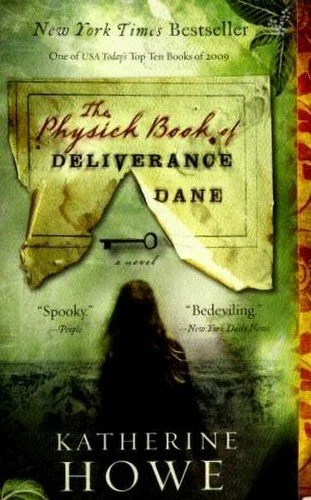
Katherine Howe's debut novel weaving a modern-day scholar into Salem's hidden world of real witchcraft.
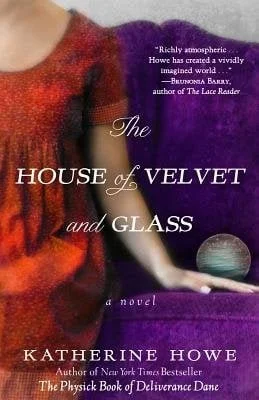
A post-Titanic tale of spiritualism and family secrets in early 20th century Boston.
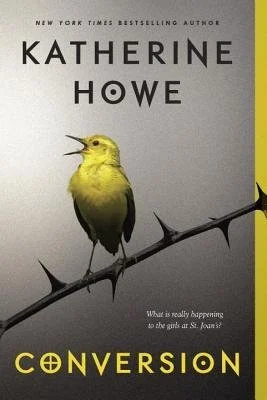
A modern Salem prep school meets The Crucible in this thriller about mass hysteria and social pressure.
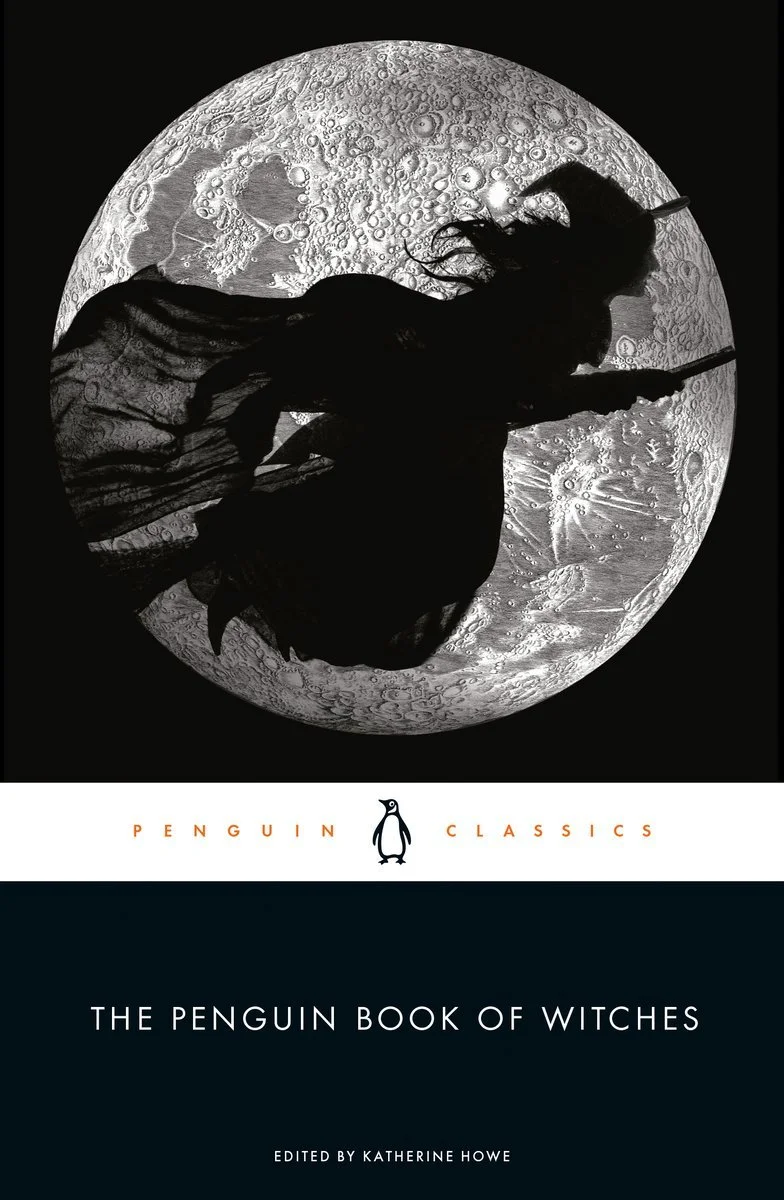
Primary source collection of witch trial documents, edited by Katherine Howe with historical context.
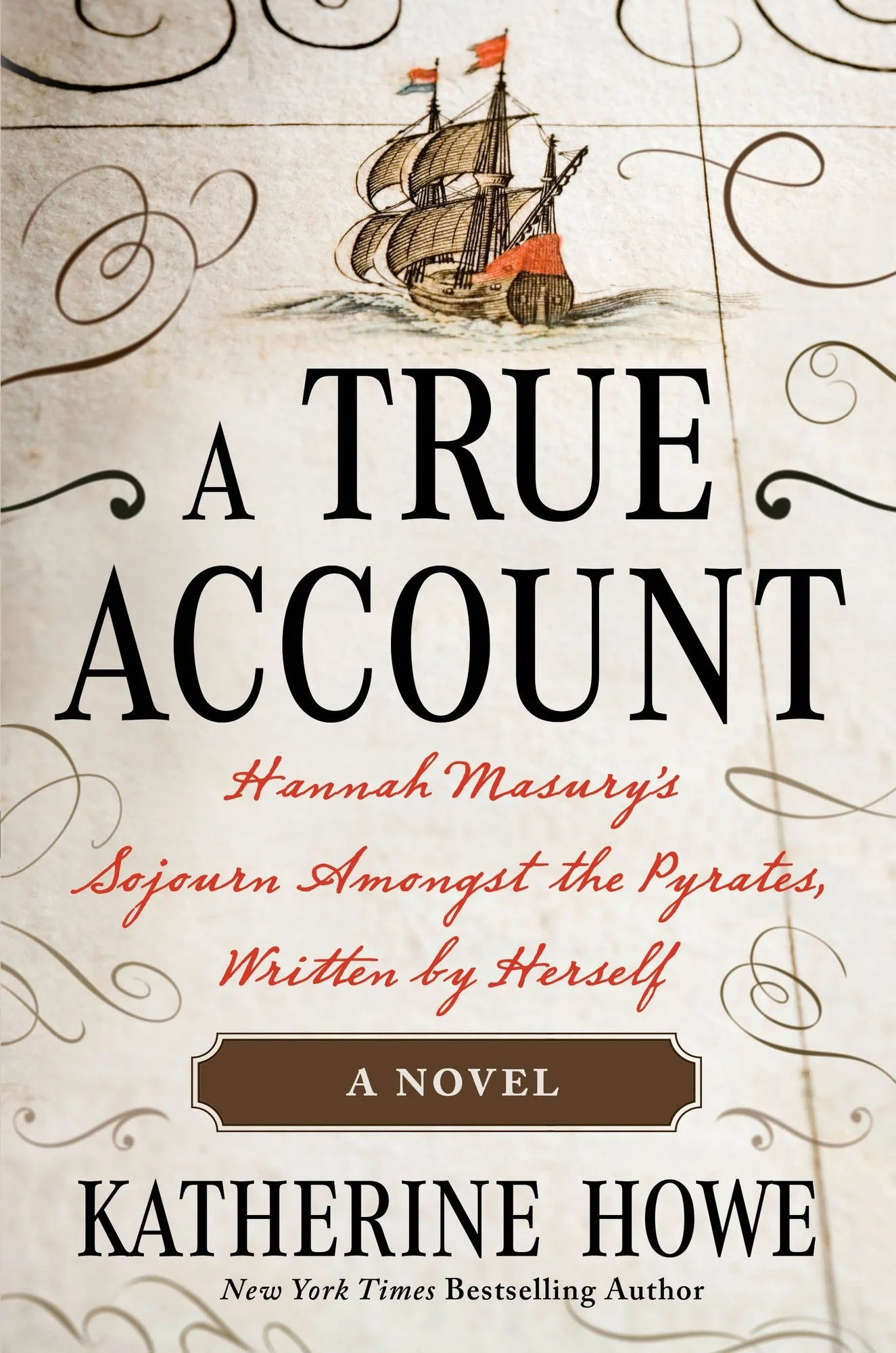
Katherine Howe's swashbuckling novel of a woman disguised among pirates, blending history and adventure.
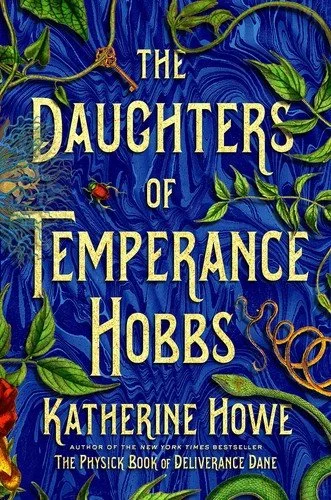
Sequel to Deliverance Dane — a modern witch confronts her family's magical legacy and its costs.
Resources
Katherine Howe Official Website — https://www.katherinehowe.com
Katherine Howe on Bookshop.org — https://bookshop.org/authors/katherine-howe
David Peck on TikTok — https://www.tiktok.com/@itsdavidpeck
David Peck on Instagram — https://www.instagram.com/itsdavidpeck/
Inside the Design Studio Podcast — https://open.spotify.com/show/0v8OYbTdOkwOZ7f5ePZeGa