An in-depth conversation with fashion entrepreneur Jane Hamill on body image, creative freedom, and building sustainable fashion businesses.
In this episode, we dive deep with Jane Hamill, founder of Fashion Brain Academy and experienced fashion entrepreneur. Jane shares her journey from running a successful clothing line and boutique in Chicago to building a platform that educates emerging designers. We explore her insights on body image, creative freedom, and the intersection of entrepreneurship and personal growth—all while touching on perspectives from Gloria Steinem about femininity, self-consciousness, and the different stages of women's lives.
Listen to the full episode on your favorite podcast platform.
Subscribe and leave a quick rating or review if you enjoyed it.



“When you stop worrying about what others think, you unlock your true creative potential.”
Transcript
-
dancing, spinning, who cares to like, oh my God, I can't wear that, I can't do that. Like literally transforming into worried what other people think right before my eyes as a kid. And Gloria Stannum talks about how, I forget her words, basically like around 11 for girls, they come into their femininity, I know she doesn't say it like that, but like they start to notice that and they start to act differently. And then they be in childbearing years and they worry about all kinds of things. And then when you get old, you go back to the free-spirited childness of you. Hey there, design enthusiast. Welcome to Inside the Design Studio, the podcast where we unravel threads of life and design. I'm your host, David Peck, your guide through the cosmic wonders, the tangible touches, and the delightful twists of creating a life you absolutely love. Today's episode is a special peek into my eclectic toolbox, the secret weapons I use to design a life that's as vibrant as my creations. So grab your metaphorical sketch pad and let's dive into the art of intentional living. So today we have a special guest who has made a significant impact in the fashion industry and beyond. Jane Hamill is the founder of Fashion Brain Academy, a platform dedicated to helping emerging designers and creative entrepreneurs navigate the complexities of starting and growing their businesses. Jane began her career as a fashion designer and a retailer, successfully running her own clothing line and boutique in Chicago. Her firsthand experience in the industry led her to recognize the need for practical, actionable business advice tailored to creative professionals. The realization inspired her to pivot towards education and mentorship in launching the Fashion Brain Academy to provide much needed support to aspiring designers. In addition to her work with Fashion Brain Academy, Jane is also the host of a popular podcast where she shares insights, interviews industry experts, and offers value advice to those looking to succeed in the creative world. I'm thrilled to have her here with us today to share her journey, wisdom, and tips on infusing creativity into our lives with intention. So thank you so much, Jane, for being with me. Hi, that was a hell of an intro. I hope I can live up to like how I sound kind of cool. You are cool. Because we met about 12 years ago in Denver. Yes. I think we were both guests of Fashion Group International. And I was so impressed because I had started a line and I didn't have anybody to mentor me. I didn't know what I was doing really. And I was like, why didn't I know somebody like Jane existed? And I have followed you ever since and been such a big fan. I listen to your podcast every week. So I'm excited to have you here and talk about maybe stuff you don't normally talk about on your podcast, which is how do you live a creative life as... a creative entrepreneur. Well, this is so good. And honestly, living a creative life, it can be fucking hard. Yeah. Oh, shoot. I'm sorry. Yeah. You can swear. It's OK. You can beat that out. Yes. OK, you guys, I'm so glad to be here. Forgive me with the you guys. I'm from the Midwest and I'm trying to break those habits of that type of vernacular. But I'll tell you, when I met David. I'm at the event in Denver. It was like somebody sent out a bat signal with each other. I was like, who's that guy? We just hit it off so well. He's so funny, so creative, so like snarky and every, like I've had you on my podcast and the things and the stories you tell, I can relate to so much. Like you go to school for fashion design, you went to Parsons, I went to FIT and they teach you how to be a designer. But they don't teach you jack shit about like how to make any money with this business or how to like live a life or, you know, they're like, it's just creative living and making money with your creativity is a whole bag of interesting stuff. It is. That's a really good way of putting it. Because there's never a dull moment for sure. I would say this year has really been like a doozy of one. Um, but yeah. I'm so glad to have you because it's really important, I think, for creative people to have other creative peers to commiserate and to kind of share, because it's not a set path, you know? It's not like a lawyer or a doctor where there's a very prescribed, you know, outline of for eight years you're gonna do this, and then this, and then that's this. Like, you really do have to kind of create it for yourself, hence the creativity, but. you need people who have done it before, have other insight, because every day is a new adventure. Yeah, I call it the creative, the entrepreneurial crazy brain, which is where every day is a new adventure. And there are so many decisions to make all the time. And when you are making decisions either in a vacuum, just you and your brain ricocheting in your head, should I do that? Should I do that? Or the internets. talking to you is very, very difficult. So I know you're in a mastermind. I know like really one of the main, the main reason I started the Fashion Brain Academy was I wanted to help women make their own money. And then the other thing was just like, the feeling of the lonely entrepreneur is so tough. And if you just choose a few people that you decide you're gonna listen to and believe that like they're being honest, it can be so helpful. I know that when I was young and I was... you know, trying to start investing in the stock market. I was absolutely overwhelmed and everybody, my uncle and my dad, and everybody had something. So finally, I just like bought one book and it was recommended by somebody smart and, you know, somebody I trusted. And I just decided, whatever this person says in this book, I'm going to just do it. And I did. Otherwise, I was frozen with not knowing which path to take, because there's so many things you can do. That's true. And the crazy brain just kicks in. Yeah. So let's start with what got you started. How did you, you started in retail, really. Yeah. But you went to school for design, you went to FIT. So tell us, like, how did you get, how did you end up there? Yeah, so I'm at FIT. I had started college at Boston University. And a year and a half in, you have to choose a major, right? And I was not, I was totally like, forclempt between art history and economics. And so, you know, it was just like this like, Interesting person. And so I always had wanted to do fashion design. I sewed all of my clothes, including my winter blazers, winter coats, all the things. So I transferred to FIT. And I remember being there and they asked us, how many of you would like to own your own business someday? And all these hands went up in the room and mine did not. And I was like, well, that's never gonna happen. Like, didn't even occur to me that that's something you could do really at the time. But- The way I got into it was I was working as a designer after school, after college, and I moved to Chicago. I wanted to be out of New York at that point for lots of reasons, but I was just ready to come back to where my family was in Chicago. And I was talking to my friend Marcus, and Marcus had a women's wear line, and men's, whatever, in New York, and he was a great guy. And he was a buddy from FIT. And I was like, ah, Marcus, I hate my job. What am I gonna do? And he's like, you know what you should do, Jane? And he was someone I trusted and he had a line already and had, you know, he had a showroom, he had all the things. And he's like, you know what you should do? If I were to start over again right now, I would just open up a store because then you can just design what you want in the back and then sell it in the front and it'll just be easier. It'll be easy. And I was like, yeah, that sounds easy. I'm gonna do that. Yeah, famous and less words. So funny. But he meant the wholesale, you know, trying to get into Neiman Marcus and whatever would be slightly less awful. Yeah. So literally, that was the business model that just like totally turned me on. Right. I was like, oh, I could have this one great store and design air quotes anything I want, because obviously I wasn't concerned about what the customer would want to buy at the time. And I could be like Bergdorf Goodman. That's what that was my goal. I was like, I want to be like Bergdorf, where there's one. fabulous store and everybody knows it and I'm a designer and it worked. It actually worked. Well, you were able to see the vision for it. I mean, I had the vision for it. I'll tell you, I didn't know so many people thought I was insane. I really didn't. There were some friends who were bankers and like really one guy, he had a law degree from Yale and a business degree from Stanford and he was sort of my friend's friend helping me and I thought he was all in. And he told me years later, he thought I was crazy and that it would never work. Oh, wow. But I didn't know that. I was like, this is gonna work, it's gonna be fine. Yeah. I mean, I was scared, I was scared, but you know. Yeah, but you have to have a little bit of a crazy, I think, to make it work. You know, you have to be able to see something where other people can't see it, because otherwise then everyone would be doing it. Yes, it's so true. And that I was 25 years old. And so having the... I'm going to say ignorance, I mean that in a good way, of what it would be like and what it would really take can be a huge asset for a startup. Because if you knew every little detail and all the things that could go wrong, you don't really want to get out of bed, if that's how you're focusing. No, if I knew all of the challenges that I would have gone through in the past, whatever, 14, 15 years, I don't know that I would have chosen this path. Interesting. But going back and looking at it, I wouldn't necessarily change anything. I don't regret anything. But if I had the knowledge ahead of time, I don't know that I would have, you know. Oh, yeah, no, you're right. It would be very scary. Like, wait, what? So scary. So scary. So speaking of those early days, what was one of the biggest challenges you faced when you first started? Well, OK, not much time we got. But one of the first things that I think everyone can relate to, even though When I opened, it was pre-internet. I was on a very beautiful street. I opened during a recession. So things were not awesome, but I also got pretty cheap rent. It was very small. And I thought my product was just gonna be so banging that people would walk by and come in and buy it. I just literally thought, you know, if you build it, they will come. And that did happen in the very beginning because it had a big South side of Chicago family by friends of sisters and brothers and all this big extended family. We had a huge opening party. We did great. And I was like, this is gonna kill. And then the friends and family dried up and I was sitting there like, where in the hell do I get customers?
-
I could see them walking by, but they weren't coming in. And so the hardest part was learning how to be a business person first and a creative person second. Right. Because I really just thought the clothes would stand on their own. And I don't know, magically people would find me. But that's kind of what you learn in school, at least I did, where it was like, if you have a concept and you have this idea, that's what people value. You don't really learn the marketing side of the business in design school. They feel very separate. When I said that, I was literally parroting the words you told me, that I was like, light bulbs went off and like, you know, the heavens parted. Oh, when you're like, they teach you how to do the things, but they don't teach you how to magically make money with it for people to find you. And that is so flipping true that even now, I think we know it's hard to post and get attention and we watch Gary Vee and whatever, but like. It is so hard to get somebody to give a shit about what you're doing because there's so much noise. And so it really hasn't changed. Just the tools have changed. Yeah. No, like back then I had, you know, TV, I had, well, not TV ads. That's, that's funny. Um, but like the newspaper or direct mail, like there were things you can do. Now everybody, we sort of are drinking the Kool-Aid of just post on the internet a lot and, and build an email list and we'll be fine. Right. Which I mean. It can work. And I think some people have a gift for connecting that way and they don't necessarily feel like they have to do anything more than that. But the real work behind the scenes is it's a grind. I mean, you really have to keep going at it for years and years and years to build something successful. Was there a moment in that first iteration of your career and your business that you felt was just like a breakthrough? You're like, OK, I got this. Well, no, I was scared all the time. I always sort of felt like I got it, like I was a 25 year old, 25 years old. I was like, it doesn't work out. I can always waitress. So I had this sort of supreme confidence that I would figure it out. But I was also nervous every single day with like a stomach ache. And I would go and walk down to Baskin Robbins and get vanilla ice cream. to make my stomach feel better. Like that was my system. Like that was gonna really work. And so I was nervous and scared all the time. Yeah. I will say when the first sale I got ever was to a stranger, I went for lunch. My dad was working on the store. We were not even open yet. He was like sawing something or something. And a woman just knocked and came in and bought a belt from my dad. And that was before we even had our opening party. And I was like, well, hell. My daddy said I just took her money. I didn't know what to do. I was like if my dad can sell a belt I can figure this out, you know, like who's gonna buy anything from him. Seriously Yeah, I think it is that naive confidence that really does help propel you through especially those beginning years I think you have to have a little bit of that and just Belief in yourself that you are gonna make it no matter what yeah and that you're smart enough to figure it out You may not know what you're figuring out but you know that you're gonna get there. Yeah. And that really helps you get to the next point where you maybe start doing some education beyond what you learned in school to figure out how to actually run a business. Yeah, yeah. I really, I mean, I learned from a lot of different people, but mostly I listened to the customers. I have to say, I was good about listening to where they were going, what they needed to wear. how much, you know, what size they were. I was really good at helping them fit. So if I could get someone in the store, I had a good chance of selling them. We just didn't have a lot of traffic, you know. I understand that. I feel like when we get people in the store, we're pretty good at the conversion because we understand our customers so well. And then, you know, with anything, it's like how do you get the people in the door? Yeah. I mean, it's like any problem solving. And actually I remember this, A year into my store, I was the only employee for the first year. Okay. It was a lot. I would, I was designing the clothes. I would wake up. I would be at the factory by like 7am. I didn't have a car, so I was taking a bike and like a big backpack. Okay. So if I had to bring patterns or something, that was a different day. I had to take a cab. I had to borrow my sister's car. So I would be at the factory at 7am, do the things, bike back to the store. Sweaty as Chicago. So not all year long, but, um, open up the store at 11am. My store, my point of sale table was 60 inches wide. It was a cutting table. And so it was just, it was super fun, but it was like maybe 14, 15 hours a day in the beginning. And then to your point of selling, so then I was like, I was getting married and I was like, oh hell, I gotta figure this out. So I hired a woman to be the manager. And I was very much trying to figure out. How can I hire this person and then make her do whatever she needs to do? So she pays for herself because I didn't have the money to hire her. And, um, I went on my honeymoon to Greece and I remember getting a fax from her saying, Oh my God, Jane, I think I know what you were trying to tell me. It's not about selling them. It's about listening to their problems and helping them figure out how to fix it. And she, she wrote that out by hand and faxed it to me. That is exactly it. Yeah. Because it really is just about like, what is it that you don't like about your arms? Okay, well, how can we fix that? Like it's just problem solving for each individual human being. Yeah. I had a dollar for every time a woman told me she didn't like her arms, I would have retired years ago. You're real, living in Portugal right there. On the beach. It's true. Okay, so after several years of running the store very successfully, I might add, you decided to sell the business. and kind of move on. What kind of preempted that decision? And were you done with fashion as you knew it at that point? I was now in my third store, right? My third location. I had only one store, but I had moved. And I would say I was profitable 13 out of 14 years, but the first five years, I didn't make a lot of money. I was making $30,000 a year. I remember going on a walk with my sister in front of going to our favorite Italian restaurant in the neighborhood. And I said, I'm so excited, Ruth, because I'm turning 30. and I'm making 30 and I was so excited. And she's like, that's really not a lot of money. Bitch, please, like what? And she just shook me up. I was like, first of all, mean, but also kind of true. Like how you gonna make a living forever on 30,000? This was years ago too. And so I moved stores. I went to a better neighborhood. I got a bigger store, bigger rent, and then my business really exploded. So then after 14 years, The reason I had moved into a really great spot next door on Armitage Avenue in Lincoln Park in Chicago, and I had bought the space. So I was like, I am all in because I'd had a difficult landlord. One landlord was great, but one was really hard. So I bought the place and I was like, this is it, man. I'm here. And then my second son was born and he was really sick. And he had emergency surgery when he was four weeks old. Things were cray. And my husband at the time was a DA, like a prosecutor, and he was doing murder trials, like literally, what it felt like every week. It was for 12 years he did that. And his schedule was just not flexible. So somebody, I couldn't nanny that out anymore, right? Like, not that I was nanny out my kids, that sounds awful, but I had a great nanny, I had a three-year-old, and then I had this little tiny baby, and I was like, I don't know how to do this without. one of us doing this and he's like, well, it's not going to be me. I was like, well, okay. And so I sold the business. I never thought I could sell it because it was called Jane Hamill. And I was designing the clothes. I mean, you heard this always fashion school, right? You know, Jill Sander, the big problem, you know, you can't sell a business if it's your own name. And I was I figured I couldn't sell it. But I also needed to get out quickly because things were going down. And. I just got lucky that one of, I was announcing that we were closing and one of my clients asked about selling it. And I found a fantastic retail consultant who helped me broker a deal to be able to sell it. But I was burning out, I gotta say. I was getting tired. Like I was micromanaging my people. I was traveling. I had showrooms in five different cities. I was selling to... Well, at the time, was I not? But I had sold wholesale to Bloomingdale's and Saks and Marshall Fields and Macy's. I was traveling to Europe. I was, it was just a lot. And I was managing my own production. I didn't have a production manager. And so I didn't let anybody do anything. So I was micromanaging all of it. And I was pretty ready. But then that happened and it was like, I felt like I had no choice. Yeah. So that worked out great actually, like great. That's awesome. Because the fact that you were able to sell it, make an exit, you didn't just have to close. That's pretty impressive. It speaks to the business that you built. So here's something anyone who's thinking of selling a business thinking like you can't because it's all you. Yeah. Kathy from Retail Mavens, the consultant, she was like, well, what could you do? to sell it. And I was like, nothing, I'm designing like I can't. And so we came up with a situation where I'm sure she came up with this, where the new owner could keep the name for three years and then I designed for her for a year. The product remained consistent. And then after a year I was done. And then she could still keep the name. And then, I mean, I was very happy to help her succeed. I was also the landlord of that place. I still am. So that's how I was able to sell it because we did it sort of a soft transition. And that's also very interesting because that is similar to what tech companies do. You know, they have people who bring, who have this idea, the creative idea. And you know, for them, maybe it's software, an app or something, but then they, they sell the business, but they are hired on to stay for a year to three years or whatever. And they have an earn out, you know, they have an initial amount of money. that they earn by selling the business, but then they get additional money as the business continues to be successful after their exit. So you had a very similar exit in some ways of like helping. I don't think I had that last part with the continue. But you had that, but you owned the store. So you did. I did. Oh my God, you're right.
-
And I mean, I wasn't designing clothes for free for that year either, you know? So yeah, I did, you're right. You did. You had a salary for designing the clothes. You're such a tech bro and you didn't even know it. I'm a tech bro, come on. Yeah. You know it. So I think there was a little bit of an interim before you started your consulting and Fashion Brain Academy. What kind of get onto that side of the other. Oh, man. All right, so I've been working a lot of hours for a lot of years. I had a great staff. I could take days off. I could go on vacation and not worry. I had a great staff. I had a great gig going, okay. And I did travel a lot, I was working a lot of hours. So, oh my gosh, I just spaced out. What was the question again? How did you get to Fashion Brain Academy after? Oh, I'm sorry, okay. So when I sold the business, I was like, okay, I have this like chunk of money and I have this baby who needs help and I am so excited to just change my lifestyle a little bit, have a little more balance. And I decided I would stay home with the kids because that would be awesome. And that lasted five weeks. And I was like, this is so hard. Like this was really hard. So much harder than I thought it would be. So I wanted to do something. I wanted to not have, you know, the responsibility of a store, but I also, it just wasn't a good fit for me. So the crazy thing was the woman who helped me sell the business, she invited me to lunch to celebrate and she offered me a part-time coaching gig. Oh, wow. I have just this tarmed kind of life sometimes, not always please, but so she's like, would you like to do some retail coaching, which was for inventory forecasting, open to buy, you know, looking at their financials, things like that. And I was like, yeah, because I am the weird, like love the spreadsheets kind of fashion designer and love the creative part. Do you like you do too? Yeah. I mean, obviously do you win so many business? Honestly, I love I love data. Like it's really interesting. to break it down and see what are the trends, where are things going. There's not always time to do it as much as I would love to, but to me, that's so fascinating. I find a lot of creativity in that, actually. I will tell you, when I had my point of sale system in the store, when we could run all the reports all the time, it was just like, I was like a kid in a candy store. We could go to the beach or I could run reports. It's so fun to see. percentage, this sell through and this and all of it. So, yeah, so she offered me jobs. I started doing retail coaching, which I really liked. And fun fact, I literally like a month ago just took on three clients with her again, after 15. Yeah, I did that for like a year and a half, two years. And then I got kind of, again, things just kind of, I was open to receiving things apparently, and somebody called, probably was a call back then and said, Hey, um, we have a fashion designer in our program and it was, um, it was a women's mentoring group. Very nice, very well known. They were lovely. And they're like, we have somebody who's looking for a mentor like you and they, she specifically requested you. And I was like, yeah. All right. And I had just sold my business. And the baby situation was a little stable. And I was like, it would be pro bono for six months. And I was like, okay. So I did it for free for six months and I loved it. I loved it. So then I talked to the retail people and we sort of just like took out more fashion design and now e-commerce clients and fewer of the retail store owners. And so that was great. Cause I had learned how to be a coach working with somebody else. And then I could learn, take all the systems of how to mentor somebody and do it for myself. And that's been, I mean, knock on wood, still going. Yeah. That's been like 13 years, probably. I was going to say, it's been a bit a minute because you were relatively new, I guess, when we met. I think so. Yeah, that's so interesting. Yeah. I really, I feel really lucky because I love entrepreneurship and I love helping people make money. I love it. Yeah. It's a good feeling to know that you've helped somebody, especially when people have not had the education, whether it's formal or in life, to turn their creativity into a viable business. That feels really good to be like, this is possible. How do you do this? And I can help you do that. And for you, you're an operator. You're in it. There's no way. I didn't have time or mental bandwidth to really help people when I had my store. Like if it was somebody's cousin, whatever, I would try to meet with them, but there were just too many requests coming. I'm sure you get this all the time. I feel bad sometimes because there are people who have reached out and they're like, oh, I'd love to talk to you. And I'm like, oh, there were so many people along the way who did take the time to talk to me. And I just feel right now, I just don't have the bandwidth to do that, especially for free. I would love to. No. I mean, you literally can barely have time to use the bathroom when you have a store. Like, it's really busy. The level of detail with a retail store is unbelievable. Like what you do. It's awesome. And you understand it very much similarly because you make your own clothes. You made your own clothes as well. So there's an extra layer of complexity to it that it's not just like buying and selling inventory. You can buy it in two minutes or you can develop the product in 28 hours, you know, it's like. Like, why did we choose the not easy way? I don't I don't know. I don't know, dude. But I mean, I really love it. I did love it. Like, it's pretty fun. Again, it's a special kind of crazy. You just got to have it. It's a special kind of crazy. Yeah. So when did you start your podcast? Because I feel like that's really how I've kept up with you the most through the years, just through the podcast. That's so interesting, because right now I'm having a little like podcast fatigue. I'm just like, oh, What else am I gonna talk about? I've been doing it so long now that I stopped. I'm not gonna lie. I'm not on my schedule. I used to be every Friday, no matter what. If I didn't put a podcast out, you could know I was dead. And recently I've given my permission to just like, do it on the schedule that I want. And I love doing it. I'm still gonna do it. But I've taken the foot off the gas a little bit. Again, I think I'm in, maybe I'm on like a 14 year cycle. where I'm like, let's rebalance this a little bit. So no intention of not doing Fashion Brain or not doing the podcast, but it's definitely gonna be less frequent. I think I started it, okay, this is embarrassing, but maybe somebody here will resonate with this. I started it as a FODCAST, a faux podcast, because I had this blog, Fashion Brain Academy, this site, it was going great, and I knew I wanted a podcast maybe six years ago, seven? I don't even know, a while. And I would tape the things, and then I would put the voice recording up as an MP3 on the site. For a year I did that, David, a year. Now, mind you, I had a YouTube channel. I had 100,000 views on YouTube on one video at the time, not so much these days, but at the time when I was into it. I was so petrified of being on iTunes or being with the big boys with the podcast. So I didn't do it. So if you wanted to listen to the podcast, you had to like go to my site. Oh, wow. Well, talk about like generating web traffic. I mean, if that's the only place you know. I mean, I do love me some SEO, but yeah. Yeah, and then finally I had this intern from USC. She was home for the summer and I was like, could you get a podcast up? And she's like, yeah, literally it was like an hour. It was up, and I was just like, oh, the fear. had to help me back. Isn't that so crazy? Because I feel like even starting this podcast, I had a very similar trajectory in that I had been wanting to do this for years, probably seriously for four years. I've like, yeah. And last year, I started. finally taking steps towards doing it. And I was like, I had all these ideas about that's gonna be video and this and that. And I had like this idea, a very big creative vision in my mind of what it was gonna look like. And it just was a lot of work. And I was like, oh, it's gonna be, you know, it just felt daunting and overwhelming and we didn't have the bandwidth to do it. And I had this breakthrough in February of this year was like, you know, no one's gonna do this but me. I'm the only person who's holding myself back. And so I've just got to launch this, even if I'm not ready. And even if it's not exactly what I think it's going to end up being, I've just got to start the thing and not be afraid of it. And I started doing it and I was like, this isn't that hard. It's fun, right? And it's a lot of fun. It's really fun. I get to talk to interesting people. I get to. you know, repurpose things that I had been working on. And there's always room to grow and, you know, make it exactly what I want to have it be in the future. But I think that's so much of creativity is we can psych ourselves out by seeing what it could be and not understanding that what we really need to do is just start. It's I mean, that's a clip I'm going to re listen to because. Literally, why do we do this to ourselves? Why do we overthink and think and think and think and then finally like, well, let's just try it. Like, why did it take me a year? I was doing it, but no, I mean, not that many people were hearing it. Like why? I think we have this need to make it perfect. Yeah. I think that's, I think it's just fear. I don't know. I don't know. You say all the time done is better than perfect. And I love that. Dude, perfect is good, but done is better. And yeah, I have to practice that. every single day. That is a daily practice for me, for real. Yeah, it does. And I think that it is a practice. You have to constantly remind yourself. Oh my God. Even the dumbest thing, like sending an email. And I don't even mean like an email to my list. I mean like an email. I'm like, oh, I don't know if I laid that out right. Oh, maybe I should change the text size. Like, unbelievable. like micromanaging things that you're like, I want this to look professional, blah, blah. And there's always room, I think, especially if you're a creative person, to go back and refine and edit and make it better. But even just saying, you know, I'm gonna send this thing now, I'm gonna do this thing now, and next time I'm gonna make one little thing better. Yes. I'm not gonna try to make the whole thing better, but I can improve one little part where I can make a system. Like for me, it's like... there's a system now of, and I've started to document like, oh, this is how I do it. And now I can see so easily how I can train somebody else to do other parts of the preparation.
-
And so it allows me to have more time to do the fun part, which is talking to people like you. Has there been somebody who has been on the podcast that just sort of had an aha moment for you where you kind of just had a revelation? Okay, not gonna lie, you. Oh. Like the first... Really legit that same statement that I just repeated as if it was mine earlier in the podcast episode Which was they teach you all these things in school, but nobody talks about how the hell you're ever gonna sell anything or get any money out of this You're supposed to be this incredible creative person But how do you make money and that is a huge missing part about I mean, I even see it with sometimes I'll have You know, whatever people that I work with who went to what I would consider more of an art school. I mean It's almost like I have to slap it out of them to be like, no, you can make money. It's okay. You're not a greedy pig. You know, like this mindset that we have, like that was to me just a reminder of you can learn these skills and then you're supposed to magically just know business. That was a huge thing that I learned from you. And then the other one is, it's an old one, but it is so good. Dana John-Zamus is her name. Has nothing to do with anything in fashion. I met her at an e-commerce conference in whatever, Florida or something. And I just loved her. And she had this, she did a seminar and she talked about doubling daily sales and how she does it. And more like how does she track her stuff so she gets things done and how does she double daily sales. She buys Amazon stores, bedazzles them, makes them profitable. That's her business has nothing to do with fashion industry. I learned so much from her. I turned into two-part industry. I've had so many people listen to that and say that it's helped them because it's just a simply weekly tracking sheet. And oh, by the way, I should get you a link. If somebody wants the weekly tracking sheet, anybody has a business. And what it does is just tracks what's going on. I call it the power 10. I've probably bastardized it from what Dana actually taught, but the way that I use it with my clients is it's the power 10 and it just tracks. So you know if something's gone wrong or broken, or if something's gone really right. So like if your Facebook ads, if your budget has been zero last week and you meant to have ads, what's going on? If your traffic from this area is really high and you hadn't noticed, most of us only do tracking once a month, for real. Or if you have a retail store every day, you're like horrified by your sales or excited and every day is like a roller coaster of nightmare, right? I mean, come on. Oh, I'm gonna be a millionaire. Oh, I'm clearly going to be living homeless by the river. So, yeah, so the Power 10 daily tracking sheet has saved my life because it makes me sleep better at night. I can see what's going on in a quick minute and I feel calmer that things are going as they're supposed to be. Nothing's gone wrong here. I think that's really invaluable because I think as a creative person, so much of what we do is respond to stimulus. And so when we're getting this feedback, whether it's good or bad in our businesses, it's very easy to accept that as reality forever and not necessarily just the natural ebb and flow of business. I'm like, oh yeah, this week was a little bit slower last year. And it's like taking a minute to kind of absorb that. And it doesn't mean it has to always be a slower week, but it's a little bit slower. It's like a reality and you can live with it and sit with it. Or this was a really great week and it doesn't mean that next week is going to be great. It just means it is what it is and you take it in stride and you try to, for me, my word last year of the year was consistency. And it's like, how do you build something that's consistent instead of this roller coaster of emotion and money and whatever? And how do you build? And that's incredibly difficult to do. over a long period of time. And I think the businesses who are able to conquer that and master that are the ones who stay in business for years and decades, you know. And do you think it's because the owner has worked on their mindset and calmed down about it? I think it has, for me, I think that's a lot to do with it. I mean, I think it also is something where if you get to a certain amount of financial stability and you're not reacting so much, you're not making erratic decisions, you're not hiring out of fear. I think the big thing is like you're eliminating the fear from your life. You're able to see it. without fear. Because I think so many of the decisions we make, whether it's starting a podcast or not starting a podcast or doing or whatever, we do it out of fear of what could be instead of the possibility of what could be. Well, do you really eliminate fear? Or do you just I don't know that the fear and do it anyway. I think you can acknowledge the fear. I think it's one of those things. I think if you try to eliminate fear, then that's just as it as ignorant, I guess, I don't know what the word would be, but short-sighted, because I think there fear is something that gives us a little bit of, I mean, it's a natural instinct, right? We're supposed to be, but you can also see it as fear as an opportunity. I'm a little bit scared of this thing, but maybe I'm truly seeing it for what it is, and maybe that's an opportunity, or maybe it's a warning and I need to kind of take it, but you're, you are not the fear. you're observing the fear. And I think when we internalize our fear and we are simply reacting because of fear, then that's where we can kind of get into the most trouble. But if we can observe it and be like, OK, I sense that I have this emotion about this thing. Is that true? Is it something because it's coming up from a past experience? Or is it a new opportunity? I think there's ways of reframing it that can help us feel. a lot more steady and consistent and successful. Yeah, all of it. I agree with all of it, yes. So looking forward, I know that things are a little bit in flux for you and you're sort of figuring out in this 14-year cycle of what's going on. What are the things that are exciting you, that you're kind of bringing that creativity back into your life if there are? maybe certain parts of it that haven't felt as creative as they used to be or stimulating. How are you bringing the creativity back into your life as a practice? Okay, so here's what I'm doing. And so obviously work, business, work, life, they're all the same thing, right? So in the past year and a half or so, I meditate every day, I do Transcendental Meditation, which is a certain type of meditation you're supposed to do twice a day. It has like calmed me the fuck down. It's so great. And I exercise almost every day. So those two things have really helped just clear my brain. I also drink a lot less than I used to. I think two drinks a night, whatever, would be totally normal, maybe three at home. And that just takes a toll of like a little bit of brain fog in the morning. And so those like basic routine health things are definitely helping. But also I think I've decided, I'm at an age where I'm like, I know I can make money. I just know it. I have a list, I have skills, I have things I can help people with. I know I can do it. And so I'm so just focused on what does this person need in their business and then teaching it to them. Because I have spent so much time thinking, how do I grow my business? What should I do? I wanna increase my list. Like making it... all about me, even though I don't think I was consciously doing that. I always want to be coming from a place of service. But now when I do things, I'm able of a little bit better at trying to block out all the things and just say, if this even like that, because sometimes the training, I get freaked out about what to teach, right? In these workshops or webinars, whatever. And I'll think of one client who and the questions they asked me and I'll make a list and that will just be the training. And so the trainings and all of the things I'm teaching and doing are shorter and quicker and quick and dirty. I like to call it because creating these big programs with like eight modules and 24 hours, like I'm done with that. And people are done with that, too, honestly. Yeah, it's a lot of investment that people don't have that feel like they have the time to invest in anymore. For real. Even I mean, not that they ever did, but I don't know, maybe during the pandemic. So I think having a bigger balance in my life. is definitely helping and also knowing that I can, my strength is like getting an idea, hopping on it quickly and getting out. I'm good at that. And it's not great for business, all this. But if you do online courses, they can be, you know, one hour mini training for $47. You taught them everything you need to know on a micro topic, a little micro topic, right? It's not like, here's how to open up a store. That's a lot. And that is, I'm feeling so much lighter and freer about that because I'm giving myself permission to just like do things differently. Whereas I think with my store, when I had my retail store and my wholesale business, I didn't see any other way to run it than the way I was running it. Yeah. I didn't, I wasn't open to anyone saying, you know, you could let your manager take care of that, or you don't have to travel five times a year to Europe or whatever. I was like, this is the only way you do business, how you do it. Yeah. And now I'm like, you can totally reinvent this baby and make it the way that it works for me, but also the client. And so I feel pretty excited about that, actually. That is very exciting. I felt that way when I first started with a very traditional wholesale business, because there was the way that you were taught to do it. You had to have PR and this and that in these big retail stores. And it's just amazing. I had to have a real come to Jesus moment, really, to kind of see a different way of doing it. And it was that moment that made me start a journey of becoming a real entrepreneur and not just a designer. And that shift that happened in that moment. Was that the story when you moved to Houston where you designed five dresses and then you went to some boutiques to show them? It was after that, because I had started that. And then, you know. of had gotten a big New York PR firm and they did great work and there was all the things but it was still that struggle of like never having enough stores to do the volume to justify the PR like all the stuff it's like the chicken and the egg you have to have the PR to get the big stores and then the big stores you need to have to get the PR and like I just was so intent on that regular fashion cycle of like I'm gonna do a season and then we're to sell it and then the cash flow is so hard because you're fronting this money 12 to 18 months ahead of time and I didn't have the money to do that, which is why I ended up phasing out wholesale and now I'm in a whole different iteration of the business.
-
But it really is being able to see that there's another way of doing things. You don't have to do it the way that everyone has always told you to do it. you can figure out your own way. And maybe, you know, obviously you have to do it with the idea of taking wisdom from people who have gone before you and failed, but or succeeded. Either way works. But, you know, seeing that there are other ways of doing it, there are other ways of reframing what you're doing. And I think, you know, I was ultimately stuck in that. traditional business model out of fear, thinking like, oh, I have to do it this way, otherwise I won't succeed. And I was afraid of trying something different because it wasn't the prescribed model. And it wasn't until that change that, you know, it started a domino effect of everything, you know, happening in a different way. And now I, you know, I know that there are ways I do become stuck, we all do, but I try to have a group of peers or other people who are entrepreneurs helping me see maybe I'm looking at this, you know, too myopically and is there another way of approaching this that is different and being not afraid of like, you know, burning, not the whole thing to the ground, but like letting something go and that's okay. Yeah. Like, you know, you letting the podcast go for now because it's, it's not necessarily the thing that gives you the most excitement. Does it mean it's always going to go be gone? No. But being giving yourself the freedom and the permission to let something go for a minute so you can find the joy and again is incredibly liberating. Yeah, like my toe is still in the water. I'm still doing the podcast. I said podcast, but I am not all wet My hair is not wet hair. Yeah, just like I'm in it. It's fine, and I don't feel like jumping in. Yeah, okay I mean, it's not like I'm treating it like a big game all the time Like I do I need to do although I do think marketing is a big fun sexy game. But um Yeah, I mean dude sometimes we just feel we have to do something because that's the way we've always done it That's the way Suzy does it. Yeah. So are there any books or podcasts or resources that have inspired you lately that are particularly just like, you're like, I read that thing and it helped, or I listen to that thing or watch that thing? There's a few. For sure. The E-Myth revisited, fabulous book. And for anyone who wants to not be doing everything themselves, it's totally, have you read it? That you met? I did, a long time ago. I need to reread it. I mean, is it a parable? I'm going to get it wrong. But it's really like a basic, simple story. When I first started reading, I was like, why did everybody love this? But boy, has that stuck with me. Another book that I love is called Rework. And it's the guys, Jason Fried, I think, and someone, the guys who started Basecamp. I think they're Chicago guys, actually. And it's literally so, I mean. I need books that are easy to read apparently. It's literally like one little lesson per page and especially about team meetings and running a team and being a leader. It's like, it had such a profound effect on me. Oh my gosh, there's so many more. I loved, I actually loved reading Gold Standard by Kim Gold who started True Religion Jeans. Oh yeah. Something about her vibe and the way she teaches it and the things that happened to her. Plus she kind of came up just a little before me, but she was in LA. And so you'd probably love it if you're an OG. I'll add it to my list. Yeah, if you're an OG fashion person. And so that was great. There's so many. Those are the three that just came to my mind right now. But I could look here. I'm a little, I mean, honestly, there's, you know, if anyone's interested in copywriting or direct response marketing, I have learned a lot from Dan Kennedy. I kind of like he's just the kind of a goat of direct response marketing. He's still alive, sort of. But I don't enjoy his stuff now, but I did learn a ton of it about from it. I think he's quite, quite conservative and just. Yeah. But for basics of direct response marketing. To me, reading Dan Kennedy's books, there was nobody better. That was really full over the years. Those are great suggestions. Yeah. So. to make sure we include them in the show notes so people can- Yeah, and anything from Tabitha Brown. Oh my God. Oh, she's amazing. She's my goddess. She, like I was watching her stories on Instagram the other day or her, yeah. And she was talking about her line at Target and everything. I was just, I am just so happy for you. Like she is just joy, like personified. She is. I'm just like- And she talks about the struggle. She talks about stuff too. Like mostly, you know, you don't hear it, but. I also recently read Viola Davis's book. Oh, I got to read that. Becoming, was it called? I can't, no, that's, I don't, no, that was, that was. That's Michelle Obama. That's Michelle Obama, yeah. I forgot the name of the book, but wow, her story of when she went to Juilliard and trying to be an actress and growing up in true poverty. But like really, how do you go, the time holding, it's so funny. How do you go from having a mindset of X and turning it into Y and doing an artistic, creative endeavor as a living when you have had to struggle with like, what are we eating tonight? Truly, I love that book. And anyone who's on an entrepreneurial journey, oh, and Steven Pressfield, oh my God. The War of Art, I wanna say. Oh my God. Because it's the opposite. I think, yeah. He has a few, but I think the War of Art was the... That changed my life. Like literally. Okay, I'll stop. No, that's awesome. So, my final question is one that I've stolen from a podcast that I love called Second Life. Have you listened to it with Hilary Kerr? She was the co-founder of Who What Where. Oh, no, I haven't listened to it. Oh, good. She talks a lot about to which it's women that she talks to who have started a second or third career iteration of their life. And she always asks this question. And I love it. So I have to steal it. If you could go back to any version of your younger self at any age, what advice would you give her? And at what age? Well, I think I would look back on the pimply, freckly, 13, 14 year old Jane and say, look, girl, you're OK. You're you're pretty and you're fun and you're smart. Even though you're growing up around a bunch of people who don't look like you and the norm of beauty is not you, You're it's you're good. You're fine. You're going to be you're already great. Not like you're going to be great once you get out of this town and, you know, go to New York. Like you're already great. Like just, just hang in there, sister. Like those were some tough ass years back teenage years. I got to say young, young. You're like, by the time I got to sophomore, junior, it was okay. But like, middle school can be tough. Not fitting in, not feeling like you fit in. It was, I don't know why that popped up for me, but maybe because I have kids who are teenagers now and I just see how they don't see it. They don't see how amazing they are. They just are so worried about what other people think. And then we become 50 somethings who worry about other people think in other ways. And like you said, it doesn't have to be like that. I can just do whatever the fuck you want. I really can't. I think there's that period in adolescence where you... start becoming hyper aware of other people having opinions. Yes. And then when you're young and little, I think you're blissfully ignorant and you're like, I'm going to do the thing even. Some of us, I think it takes a minute to not care as much about what other people think. You know, Gloria Steinem was interviewed recently on Wiser Than Me, Julia Louis Dreyfus podcast. And she talked about, and it particularly resonated with me because we're traveling for baseball with my son and another family, and they have an 11-year-old girl who's traveling with us. And I've seen her change in the past year from like dancing, spinning, who cares, to like, oh my God, I can't wear that, I can't do that. Like literally transforming into worried what other people think right before my eyes as a kid. And Gloria Stanton talks about how, I forget her words, basically like around 11. for girls, they come into their femininity. I know she doesn't say it like that, but like they start to notice that and they start to act differently. And then they be in childbearing years and they worry about all kinds of things. And then when you get old, you go back to the free-spirited childness of you. And I just love that because we really didn't give a shit when we were young. We really don't. We don't care what other kids think. We don't care about any of that. And so how do we just... try to get a little bit of that freedom back every single day. You know? Aw, I love that. Thank you so much for being inside the design studio with me. And I love watching you design this life. And I love that you're so passionate about it and have helped so many people, myself included. kind of see business, especially a creative business and a new light and see possibility where sometimes maybe it feels a little hopeless. So thank you for that. It is my pleasure. I'm so glad to be here. Thanks. Really. Thanks a ton. Oh, my pleasure. Until next time. Cool. Oh my gosh. Yay. Thank you. I had so many questions for you. I wanted to be like, what do you think? And so... Wonderful. Thank you so much. You are so good. I got to tell you, just like listening to you at that table in Houston, when we left, when Heidi and I left, she said something like, well, I feel stupid. And I was like, what do you mean? And she's like, I didn't know any of that. I was like, I didn't either. Your depth of knowledge and your curiosity about things is so... It's like so good to be around. It's so fresh and so real and so honest. And I got to say, I just I really appreciate it. I really do. Thank you. Yeah, I don't know. I don't know if you know how much you light up a room. I don't know if you know that. Yeah, that's that feels that's very nice to hear. Like sometimes like, you know, like when you're younger, I think I had a minute. It's something I've been thinking about a lot lately. Like I had a lot. Are we still recording? Because we probably should have recorded this. I'm recording. Yes, I am recording. Okay. Well, because, I mean, to be fair, this is good shit that we... Like, you're all weird when you're on and then you're off, you're like, oh, and another thing. Yeah. No, I've thought about it because when I was young, a lot of, like, not a lot of people, but I would get fairly often like, oh, I can tell you're going to be famous or you're going to be...
-
Like, and it's just a random thing. And in fact, one of the strangest things, I decided on a whim to try out for the second season of American Idol. Not because I thought I was gonna win, but just so I was like, I wanna try this. And I remember people in line, they had never heard me sing or anything, and they were like, oh, you're gonna be famous, like, or something. And I was like, oh, okay. And I feel like as an adult, I lost a bit of that, like just trying to navigate life, of seeing that like, oh yeah. And like, you know, you have those big goals and dreams and life kind of, you know, quite lose sight of them, but you're... you don't know quite how you're gonna get there and you feel like maybe I've lost a bit of my edge or maybe a little bit of my sparkle or a little bit of that thing people saw in me. Because I was always like the head of the class and I don't know, I always thought I was gonna be successful, whatever that means, young, like a prodigy. And I'm definitely not a prodigy anymore. So it's nice to hear that. It's nice to hear that there's maybe a little bit of sparkle left. Oh, there's sparkle left, my friend. Plus, I mean, when we have kids and families and mortgages and things, you're just, we are so head down. Like, ch-c every day is such a... It's not a battle, because that sounds negative. It's just like, there's a lot in each day. We don't really feel free to pursue our passions, or I would be great at this, or I should try out for American Idol again. Because you're just so freaking busy, like paying the mortgage and taking them to dance class and shit, right? So I think it maybe it has to do with that Gloria Steinem thing too, but for all of us, you know, you're like you're free and kind of wild and then you do the like, oh, OK, you got to pay the car, get the car serviced and schedule the appointments. And then at a certain point, you're like, OK, I kind of got a handle on that. Maybe I can go back to like, I want my sparkle back. Yeah. No, we all deserve to have a little bit of our sparkle back and figure that out for ourselves. Yeah, I am working on it, I'll tell you. Because a lot of changes with my personal life too, and it's like a new stage of life. As my friend says, I'm on the back third. And so if I'm on the back third, what am I going to do with these years when I'm still really healthy and feeling great and so freaking lucky? I don't have the financial stress that I had when I was 25. Although I probably didn't even like take that in because I thought I was like, I can always waitress, who cares? Now I don't want to wait. I don't want to waitress. There's definitely things I'm like, that's not the option anymore. First option, I would do it if I like, hey, come on. Not too good to do anything like those. No. Bank. You can make bank for sure. You can. But I think there's a amount like you just know how valuable your energy is. And I think when it's not your passion, like it's not that you can't do it or are too good to do it. For me, it's just like, I just know innately deep down there's something else I can offer. Yeah, that's true. I have to look at life creatively. Maybe it's not what I'm seeing and maybe we need perspective from other people to be able to see it, but it doesn't have to be all of this or... Nothing or like just you know, i'm gonna go back to a nine to five or whatever waiting tables, whatever it is There there is there's possibilities that maybe we can't see in ourselves Still, I think I think that I have totally that i'll learn nothing thinking My therapist is always pointing that out to me Constantly and i'm like i'm not doing that already and he's like yeah are So it's either shit or it's amazing, you know rather than like well parts of it are good or parts of the like The all or nothing thinking can cause us to be really unhappy. Yeah. And so much of life is figuring out the joy in the middle. Because it's easy to feel like the deep lows or the high highs. Those are really obvious in some ways. Yeah. How do you find the balance and the joy and the nuance of every day? I literally had a client. She's a designer in the Bay Area. She said to me, I need a coach because the highs are really high and the lows are really low with this business and the way I handle it. And I want to be more middle. Can you help me with that? And I was like, well, fuck yeah, because I've done it. I'm not a therapist. I don't think I'm definitely not going to pretend any of that. But like dealing with it's not all or nothing. That is what entrepreneurs we have to, I mean, it's so much brain management every day. It really is. Yeah. The mindset stuff is the hardest part and it's the most constant. You never quite get it. So many times I feel like, hey, we've been through this already. Like, get back to work. You've been through this already. No, same shit, new day. And I think it's that practice of being consistent, whether it's the meditation and whatever your practice is, is figuring that out and being consistent with it. And what do you do? What's your practice of staying calm and focused and healthy and any of it? So I don't do transcendental, but I do. I have found that having quiet time in the morning before I start the day, before anyone else is up, is extremely important because I don't have another time where I'm not bombarded with information. So I will, I do a combination of doing meditations. I love the Channy app. I don't know if you know Channing Nicholas, she's a astrologer, but she has an app and they have daily awesome meditations that are like 10 minutes, super easy, they're guided meditations and I always find that the subject matter of the meditation is very applicable to whatever I'm dealing with. So I'll do that and then I do kind of my own version of morning pages. Every single day that I do a morning page type thing where some days I'm doing it in the moment and just kind of like, this is what I'm just free flowing writing. And then other times where I'm feeling like I'm really having to manifest positivity. I will, I will do it from the future, my future self. I'll write, say, I'm so grateful for this thing that happened. And, you know, and it really has helped transform me. And I've noticed the days that I don't do it. I give myself because I'm like, okay, I'll do it five days a week. And so we'll do a version of that. So I, and I also know for me, like, consistency doesn't mean the same. Consistency for me is like showing up for myself for, you know, however long it is. And... You know, some days I really feel like writing for a long time and other days I'm like, you know, this is good. I got enough out or sometimes it's just even giving myself the liberty of in those moments to watch something really creative on YouTube, like something that inspires me and like is not related to my business or pop culture or whatever. It's just like, Oh, I'm just really interested in this topic and kind of getting lost in that creatively gardening or nature or animals or like, yeah, I love architecture. I love. like home renovations. There's somebody I follow who does like the business side of Broadway and like theater and kind of like predicting what happens and cause I'm on the board of a theater here in Houston. Like it's just like things that kind of catch giving myself the permission to not always have a direct outcome. Like I'm not learning this because I need to accomplish something. I'm learning it because I really, really enjoy it. I'm interested in it without having to attach a value to it. Oh, I mean, oh, I got to add that back in. I feel like everything I do is either work or kids or you know, like, and I've even done that with reading because I read, I mean, like you read so many nonfiction, you know. books, business, self-help, whatever, and saying, OK, and now it's time to read a novel again. Yeah, I think I had not read a novel in maybe two in four years. I think the pandemic just, I don't know what happened. And I think I've read four in three weeks now. Like Kristin Hannah, oh my god, Four Winds, have you read it? I haven't read it, no. Run, do not walk, and get that book. depression, blah, blah. And then, yeah, no, reading a novel is really on point. I think, especially for creative people, it's really important to have the sense of fantasy, again, the imagination. Words are incredibly important to making your brain create the world. Really? I think, because I love TV, I love movies, but so much of it is presented to you, right? It's somebody else's design, somebody else's. But when it's just words, your brain has to fill in the rest. And when you get lost in that, then there's something really transformative. It's just seeing the world in a different way. And I just. Like reading was my way as a young kid of kind of out of my circumstances and seeing a world of possibility. And I think as an adult, I need that too. It's not just for kids. It's, it's so not just for kids. And I literally saw, um, like I needed a book I'm obsessed with right now. And a bunch of people put in their things and some of them I have not read. And so I went into the library app and I like. Ordered them all. I'm on hold. Right. I finally back to the library. I stopped like just buying books all the time, like wasteful. And some of the books are like 25 weeks hold. Yeah. But whatever. I love it. I don't need to read the latest thing. I just want times when it's not all about work and whatever. And it's more relaxing when you have to me a novel, a business book is not relaxing at all. And I don't read that many of them anymore. To be honest, I really don't. I really, I buy them, they sit there, I feel guilty. And then I go read Christian Hannah instead. That's good. It means it's about balance. And I think at a certain point, you do have to follow your whim a little bit. You have to- How old are your kids again? Seven and nine. How do you do all this with this? How, how, what? I have a lot of support. That's very helpful. But I think- I don't know. I think I prioritize it. Like it just, like even this podcast, like I don't have time to do it, but I'm making time because it's something I've craved doing. And I'm like, if I don't do it, I know I'm going to regret not doing it. Well, thank you so much for having me, my friend. You are, you're just a joy. Thank you. Likewise. I love talking to you. You sparkle. You really do. We'll have to do it again soon. Okay. All right. Later. Thank you. Bye. And there you have it. another episode of Inside the Design Studio and the Books. If you enjoyed this exploration of life's design, hit that subscribe button so you never miss an episode. And hey, if you're feeling extra generous, leave us a review. Your thoughts fuel our creative journey. I'm David Peck, your design companion on this adventure. Until next time, keep crafting a life that's as captivating as your favorite masterpiece
Know someone who quotes Karl or loves the Menil Collection? Send them this episode.
Key takeaways
Body image and self-consciousness are deeply connected to societal expectations and personal creative freedom
Fashion entrepreneurship requires balancing creative vision with practical business fundamentals
Education and mentorship can empower emerging designers to overcome self-doubt and build sustainable businesses
Different life stages influence how women perceive themselves and their relationship with fashion and creativity
Breaking free from perfectionism allows for greater creative expression and personal growth
Guests Appearing in this Episode
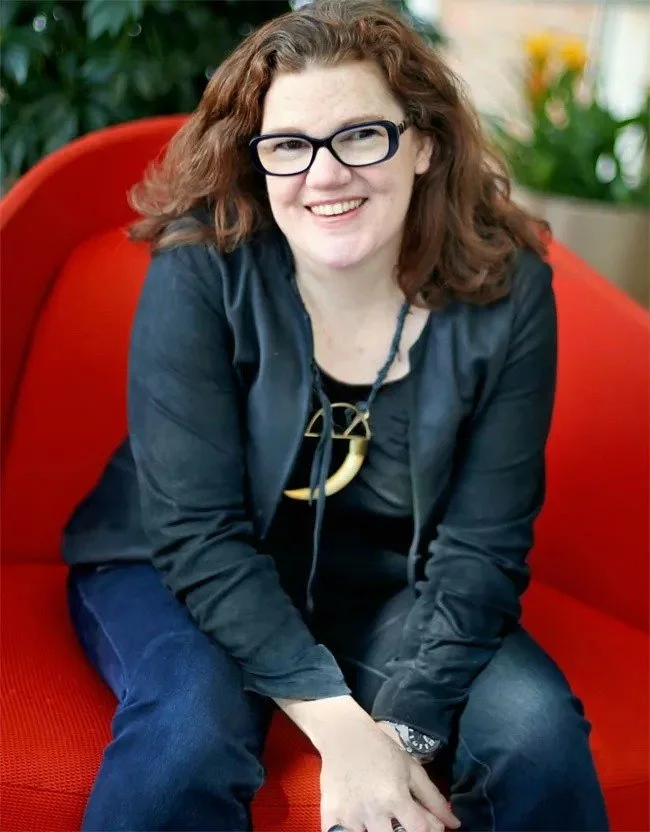
Jane Hamill
Jane Hamill is a renowned fashion entrepreneur, educator, and founder of the Fashion Brain Academy. With over two decades of experience in the fashion industry, Jane has established herself as a thought leader in helping emerging designers and creative entrepreneurs navigate the complexities of building sustainable fashion businesses.
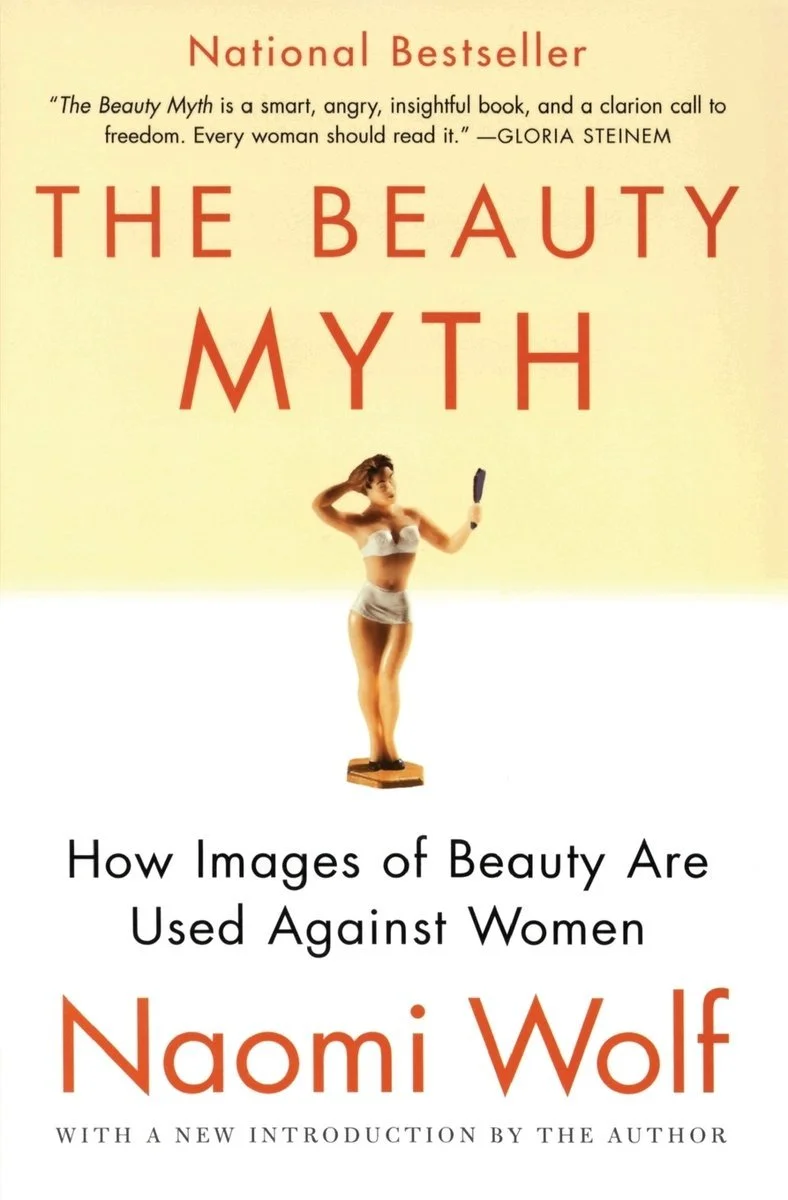
A seminal work exploring how beauty standards affect women's autonomy and self-perception. Wolf examines the psychological and cultural dimensions of body image, directly connecting to Jane's discussion about how women's self-consciousness evolves through different life stages.
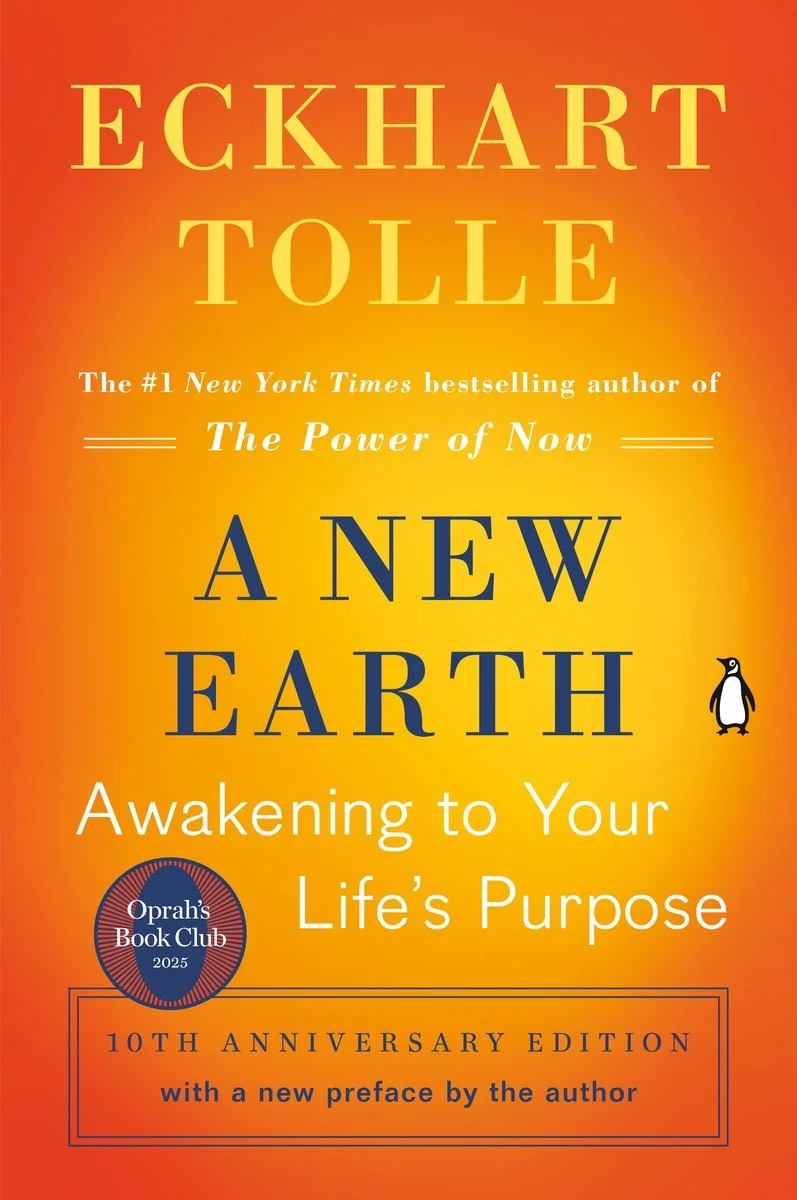
Explores consciousness, ego, and personal transformation. Relevant to Jane's insights on overcoming self-doubt and creative limitations while building authentic businesses and identities.
Examines the gender confidence gap and how women can build authentic confidence in personal and professional domains. Complements Jane's discussion about self-consciousness and creative entrepreneurship.
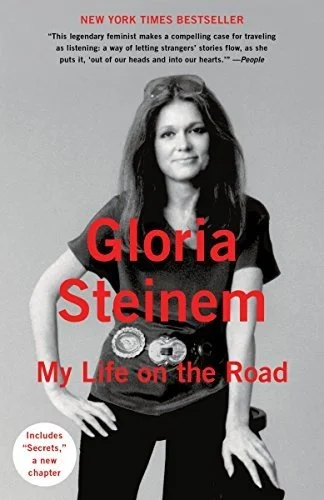
The memoir of feminist icon Gloria Steinem, whose perspectives on femininity and women's life stages are referenced throughout the episode. Essential reading for understanding Jane's philosophical framework.
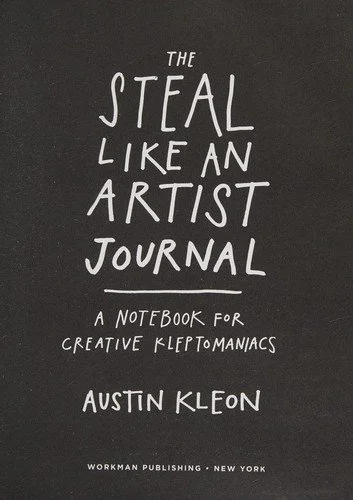
A practical guide on finding creative inspiration and overcoming creative blocks. Useful for designers and entrepreneurs navigating the tension between commercial and creative goals.
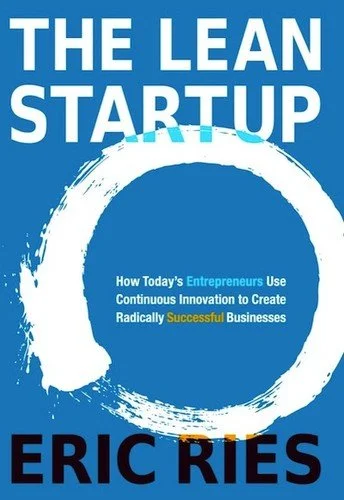
While not fashion-specific, this book provides frameworks for the kind of practical business thinking Jane advocates for emerging designers through Fashion Brain Academy.
Resources
Fashion Brain Academy — https://fashionbrainacademy.com
Jane Hamill on Instagram — https://www.instagram.com/janehamill/
Inside the Design Studio on Spotify — https://open.spotify.com/show/YOUR_SHOW_ID
Inside the Design Studio on Apple Podcasts — https://podcasts.apple.com/us/podcast/inside-the-design-studio-with-david-peck/id1747015688
David Peck on TikTok — https://www.tiktok.com/@itsdavidpeck
David Peck on Instagram — https://www.instagram.com/itsdavidpeck/