Episode 7. LIVE! With Grace Gibson
A candid live conversation about self-discovery, creative expression, and building intentional spaces where queer folks can simply be themselves.
Grace Gibson shares her transformative journey from substance abuse to sobriety, coming out as a lesbian, discovering creative expression through drag performance, and launching y'all out—a platform dedicated to creating safe, judgment-free spaces for the LGBTQ+ community. This is a raw, real conversation about identity, authenticity, and the power of intentional community building.
In this live episode of Inside the Design Studio, David Peck sits down with Grace Gibson, a talented talent buyer, concert promoter, drag artist, and community organizer. Grace opens up about her 15-year career in the live music industry, her transformative journey to sobriety in March 2021, and her public coming out as a lesbian in October 2021.
Grace shares how her path to self-discovery was deeply intertwined with getting sober—noting that it's hard to understand who you really are when you're in an altered state. After achieving sobriety, she underwent seven to eight months of introspection before feeling ready to publicly declare her identity.
The conversation explores Grace's creative outlets, particularly her passion for performing drag as Tew Stone, where she designs and creates all her own costumes. Her drag performances became wearable art—a form of self-expression and a gateway to realizing how much the LGBTQ+ community needed intentional spaces beyond bars.
Grace reveals how this need sparked the creation of y'all out, a platform featuring a podcast that interviews LGBTQ+ community members doing remarkable work across various fields. Her mission extends to organizing meetups and gatherings that provide safe, alcohol-free social environments for queer folks to connect authentically.
This episode resonates with David's core theme of intentional design—not just of objects and spaces, but of lives and communities. Grace's work exemplifies how thoughtful, purposeful choices can create environments where people feel genuinely seen, valued, and free to be themselves.
Listen to the full episode on your favorite podcast platform.
Subscribe and leave a quick rating or review if you enjoyed it.



“It’s hard to figure out who you really are when you’re constantly in an altered state. When I got sober, I really started understanding myself more”
Transcript
-
Hey there, design enthusiast. Welcome to Inside the Design Studio, the podcast where we unravel threads of life and design. I'm your host, David Peck, your guide through the cosmic wonders, the tangible touches, and the delightful twists of creating a life you absolutely love. Today's episode is a special peek into my eclectic toolbox, the secret weapons I use to design a life that's as vibrant as my creations. So grab your metaphorical sketch pad and let's dive into the art of intentional living. My guest today is Grace Gibson. So welcome, Grace. Thank you for being here. Thank you. Thanks for having me. Yeah. I'm going to give a little official bio. So for those of you who don't know Grace, you're going to get to hear it. And for those of you who are joining us on Instagram, give you a little bit more insight into who Grace is. So she wears a number of hats throughout any given week. She works full time as a talent buyer and concert promoter, overseeing talent buying strategy and booking concerts across venues throughout the Southeastern US. corporate concert companies and venues ranging from 100 capacity rock clubs to 500,000 capacity stadium concerts. Does that sound right? Yeah, well, historically that's what I'm doing. Currently I'm booking more somewhere between those two. Okay. You started singing and performing as a young child and you graduated from Houston's own high school of the performing and visual arts. Yeah, very good. Very exciting. HSPVA. and then continued on to the University of Texas at Austin to study vocal performance. And then you graduated from UT with a degree in music business. You started working in the live music industry as an agent's assistant and then now had a 15 year career in Austin, New York and now Houston. In March of 2021, Grace got sober from alcohol and drugs. And in October of 2021, she came out as a lesbian on her journey of self-actualization. Grace has found several creative outlets including a love for performing drag. She performs regularly as a drag king named Tew Stone. Aha. And she also makes her costumes and designs for performance looks more recently grace has launched a platform called y'all out Including her recently launched podcast of the same name each episode is an interview with a member of the LGBTQIA plus community Who in whatever capacity or field is going all out during her interview? She hopes that people will share their inspirations and insights into their field and wisdom for anyone who might need it as a need for safe queer spaces beyond bars. Her goal is to organize y'all out meetups and ensure safe and intentional spaces for folks looking to be social without going to a bar alone. On top of it all, Grace sings in the Bering Church Choir and loves spending time with her dog, Marvin Zendler. Welcome to the design studio, Grace. Thank you. Thanks again for having me. You are so welcome. I'm so excited to have this conversation. And I loved doing a little bit of research and listening to your podcast. Thank you. Because so much of your life feels new. in the past couple of years, it feels like you've completely changed, at least the outside of your life. How does that feel? Yeah, I mean, you hit the nail on the head. It feels pretty new. And I have so much hope now. I feel like I kind of got a second lease on life, especially in March of 2021 when I got sober, which was something that I... didn't even initially choose for myself. You know, it was, I got sober because I was in, I was on probation for an arrest, and so I was court mandated sobriety. So, it was like, it was just kind of this last, this phase of my life. It was characteristic of my behavior leading up to that point where I just kind of followed the path of least resistance. And, and relied on external validation to, as my true north, and to kind of guide the decisions I made for myself and what I was assumed was the right thing for me instead of learning how to listen to my own intuition and my own needs. And so invalidating my own needs and desires for basically my whole life, right, once I got sober, which again, was not. my choices initially. It was like it opened my eyes. It turned a light on for me, illuminating all of the options that I actually do have for my life, that I can not only listen to my intuition, but I can go against the, I don't have to follow the status quo. You know, I can listen to. my needs, my wants, I can try new things, I can, it just feels ultimately, and answer your question, it feels like freedom. So it does feel new, but it also just feels like, almost like a, I feel like I'm, sometimes I feel like I'm a kid again. You know, like I, there are moments in my life, like I was just talking with a friend before we sat down, we did a play, we were in a play together last year, and doing a play with, a bunch of adults is not something I thought I could do, right? As 30, at 35 years old. And so, and it's just so funny how like, as a kid, I loved performing. And now as an adult, I get to do that again. And it's like, even in that literal of a way, like I feel like a kid again. Like I just feel so much freedom and openness to possibility and hope. That's amazing. I think it's interesting, hopefully, that life sometimes bring us back full circle and we get to revisit those ideas again in a new way and hopefully live them out to their fullest extent. Totally. So let's go back, speaking of full circle, to the beginning. You studied vocal performance in both high school and college. I did. So what did you think you wanted to be when you grew up? Well, okay, so we kind of touched on this a second ago. I, for the longest time, I found out that I was pretty good at musical theater when I was in like second grade and I loved it. You know, performing in front of people, doing, singing and dancing and whatever. I loved all, I loved the costumes, I loved all of it. So- And you're involved in an organization that is near and dear to my heart. Yes. Which is Tuts in the Humphrey School. Yes. Yes, I did. I was involved in the Humphrey School. It's also near and dear to my heart. I have so much. Every time I go to Hobby Center, I just think about what it was like before Hobby Center was built. Just a long time ago. So you know, there's a whole new thing coming too with the new campus and the ION district. It's really cool. Are you kidding? Yeah, you're gonna be so excited. That's wild! I still think Hobby Center is so new. Yeah, you know, it's amazing. There's a whole education center that's getting built. Oh, I love that. With the Tooth Rice University, so. Awesome. You'll have to go back and share your story. The ION Center is so cool. That's awesome. I love that they're going to be there. Oh my god, that's great. So what was your question again? So what did you want to be when you grew up? Oh, yeah. So I wanted to be an actor. I was like, done. I remember we did like in eighth grade, we had this like quilt that my class made. My homeroom class, we had a quilt. And it was like on the quilt you use like puff paint or whatever. At least that's what I used to draw like an image of what. you wanted to be when you grew up. And I did Fanny Bryce was my... You wanted to be the star. Yeah, and so then I, as a kid, growing up in Houston, I believed that, you know, HSPVA was like the way to go to get there. Like that was what I had to do. So I was... You and Beyonce did it, why not you? Right, yeah, exactly. So I... I've, I, but once I got to PVA, I loved it so much. And then it was like the reality of like, oh, will I be able to support myself as an actor? I don't know. And, you know, that like fear that comes with growing up and kind of sets in. And, and so I, I decided maybe since I went to arts high school that I should go to like, State University, I don't know, it was like 16, 17 year old logic. But so I decided on UT and at that point I had absolutely no idea what I wanted to be when I grew up. You chose vocal performance I guess. I did, yeah, because it's the only thing I had ever done. So like I had done like Houston Children's Chorus, voice lessons, HSPVA voice and... any like academic classes at school or anything was like an afterthought, you know, like I literally just did music and it's the only thing that I was, that I knew to be good at, you know, and, um, and so it was just like, and also, I don't know, I'm not sure how old you are. I'm old. Okay, whatever. But, but, um, I feel like there was this emphasis on like, um, my, I don't know if everybody category of millennial, like there was this emphasis of like Find your passion like pursue your passion and so that's what I tried to do because I was like Oh, I've always I'm good at singing. I've always done singing. That's my that's my passion. That's what I have to do and so I had never considered anything else, but then I got to UT and the Program the vocal program at UT was very classical and the music school overall. It was so funny because like There's nothing wrong with football or state schools or anything, but PVA, we didn't even have sports. So like, the University of Texas is like, they love football, obviously, right? We all know that. And I didn't care for it. I didn't care. But I figured the music school would be this like, you know, haven away from that. Like, it'd be artsy kids, just like my high school. But everyone in the music school was obsessed with the marching band. I was like... I cannot care less about this. And so it was like, the vocal program was like, very classical, like emphasis on opera, which I had no interest in, but I tried to pretend to be interested in it for a minute. And then just the music school in general, it was like focused on the marching band. So I was like, you've lost me. So I'm interested, because I used to do a lot with recruiting students to actually go to Parsons and art school. And I went to HSPBA and met with kids and looked at their portfolios. The school, because I'm very interested in how kids are especially prepared for the possibilities of life, they say, hey, if you want to study musical theater, Texas is not the place to do it. You need to go to Cincinnati or New York or like. Was there that option and you were like, I need to stay in state or what was it that kind of like, got you into a program that might not have been the best fit? So I had this, I had all of the information available to me. I'm pretty sure my father was and is, I mean he is doing the same thing for his grandson, my nephew, but you know, my father. as my entire life he was like, okay, we have, he'd made like these big binders of like, you know, what colleges are the best for what degree and like what to study where and like how you graduate with, it was like rocket science. And my dad made all of these binders for my sister and me in our like college search. And we went on, you know, all of the tours. I remember my, so, Yeah, so it was like, I felt like I had a lot of information available to me. And so I, it was like, oh, I can't just study musical theater in school. I have to go to University of Oklahoma, which has the best musical theater school in the country. And they only take like six. Girls and six boys, right? That's how they, that's how they said it at the time. Hopefully they've changed that. But, but. So I was like, in my mind as a kid, I was like, well, that's what I have to do. That's the only way that I can succeed and have a career is if I go to the best school with the best program. And then I got scared. Because I was like, the reality of like, I might, not only will I might not get in, but like, I probably won't. You know, like, probably not. You psyched yourself out. And yeah, and so I was like, well, I can't, and then I can't do it. And I think it was a lot of perfectionism. And that- But it's not like you went to a school that's easy to get into. No, well, so that was another thing. It was like getting into UT, especially I was, again, like back then, I don't know if it's still the case, but back then it was like top 10% of your class, that's how you get into UT.
-
And so that was also information that was readily available to me. So I was like, well, I won't get in there. But then I went and I had a voice audition, and I actually did get in, scholarship to study voice at UT. And it was like, okay, well, like kind of like I said earlier, it was like I really relied on that external validation to direct my path. And so the fact that as someone who was pretty far from the top 10% of my class, that still got into UT and they wanted me there, it was like, okay, well, this says something. You know, like this is like, this looks good to people. This makes me look really good to people. And so, and also, my family, my parents, my younger sister was still in high school. They were all in Houston at the time too. So I thought, you know, it's like pretty close to home and I can still be close by while my sister's doing her like junior and senior years of high school. But jokes on me because they all. moved to the East Coast when I was 20. They're like, you may not be going to New York, but we are. So career shifts are normal, or at least should be, hopefully at this point. So how did that shift from performance to the business side of music happen? So I actually started out, I kind of figured if I'm not going to be able to be an actor, then I should be a music teacher, right? Because how else will I get a job? You know, I just, again, it was very, very narrow viewpoint of what the path in front of me was. Well, having gone to music school, I will say that, at least in my instance, there weren't a lot of big picture thinkers. They were very prescribed paths. And if you weren't going to be a performer, you were a teacher. It was like there were two paths. And that's one of the reasons I quit, because I was like, I am not going to be a teacher. OK, yeah. And so that's why I was like, I'm screwed this. I'm doing something else. But yeah. Did you have to take class piano? Oh, yeah. I technically have a minor in piano. I should not have a minor in piano. Let's just make this very, very clear. That's what changed everything for me, honestly. Because I was like, OK, well, I'll just become a music teacher. Can you imagine? I could never be a teacher. No, I literally would teach to pay my way through school, and I literally would fall asleep in kids' lessons. I fell asleep in class piano. Yeah. Yeah, no, I'd fall asleep on the children. Oh my god. I would be teaching them and fall asleep while I was teaching them. And I was like, this is a sign that I could not be anywhere near teaching children. Maybe. Yeah. So I started out as kind of performance and education in the music school because that's all that there was. And then they actually started a music business program luckily right around the time when I was like, I cannot do group piano classes anymore because I hate this. And also like I cannot imagine myself being a music teacher because teachers are, I mean teachers are superheroes like I to this day I'm like I do not know. how people do it. Like I cannot, I am not, I cannot do that. But. It's a gift. Yeah, and so they started the music business program at UT which only existed for a few years. Oh, okay. So it's not even there anymore. No. Oh. When I went, when I switched my major, you know, I switched from a bachelor of music to a bachelor of arts. And so the, in order to get a focus for a bachelor of arts, you had to have 12 hours of. courses in that focus. And the music school offered three hour courses in music business. So when I met with my counselor after I had already switched my major and taken all of the classes available, he was like, oh, you could take Brazilian music. And I was like, no, I cannot. Yeah. No, I understand that. So in switching to the business of music, did you know what career opportunities were available? Or you're like, this is my way out of where I currently am, and this is the next step. Oh, I had absolutely no idea. I didn't know anything about the music business at all. And I just thought it sounded cool. And also, I knew that I could graduate on time still, like switch my major, graduate on time. And I figured it just had more relevant material so that I could figure out, I could move into my parents' house in Maryland once I graduated and figure out how to get a job from there. That was kind of my plan. Because I graduated from UT in 2010. We were It was not a good time to be looking for jobs back then. Especially not in creative fields. Yeah, forget it. And so no, I had no plan. But then through the courses, I met a lot of people that worked in music in Austin. It happens to be a good music city. Right. Well, but I didn't want to work in Austin music. Once I learned a little bit more about the music business, I was like, I want to work. in the industry, I don't want to work in Austin music. Very different things. I can understand that. So, yeah. Thanks. I appreciate that. And I ended up getting a job as, like, I started like a week or two before I graduated. I ended up getting a job as an assistant to an agent who books national tours in the US, just happens to be based out of Austin. The agency itself is based in California. Yeah. So it's just the connections, the network that really helps. 100%. That's basically what the benefit was of that degree. So in moving away from the performance roots, were you disappointed? Did you feel like a failure? Or did it feel like I've just got to do something and so it's the next step? Or was there a letting go process for the thought that you are going to be on stage entertaining people, being in front of an audience, and then basically working a corporate job potentially? Was that a hard thing to wrap your head around? I don't think that I had the awareness at the time that I was even really making that kind of choice of one or the other. I had reached a point where I figured that performance was something of my childhood. no longer available to me. Yeah. And so again, kind of like invalidating my intuition or my needs, who I am, and just thinking, OK, well, that's not real. I didn't. I did absolutely did not see that as something that was available to me whatsoever. So I was like, this is just what it's like to be an adult. Do you think that was also because you are at such a large school that had so many different types of students that perhaps, because probably the music department isn't one of the largest departments on the UT campus. Did it feel just sort of, I guess, a natural part of like, well everyone else is doing it and so it didn't, because I went to a very large state school for my music degree and the music department was very small. And so that part becomes insular, but once you got outside of the music school, you realize how much bigger the world was. Yeah, definitely. I think it definitely, you know, switching my degree to music business, and I had, during college I had an internship at a place called Do 512, which is now like a whole national. brand thing that's everywhere. And so through that, that's exactly what it was. I got a taste for life outside of the university campus. And I was like, oh, thank god I don't have to be around these people anymore. And then it was just trying to just suffer through the last year. And that was also when I. Like you mentioned, I got sober in March 2021. I mean, that was also when I kind of, I really started drinking a lot. And it was like partying and going out became such a big part of my identity and my lifestyle. So it made sense to me to move into like working in the music business because it seemed like that's what everybody did. And this is a, I'm not projecting or like putting too much on it, but do you think that the impulse to drink or kind of maybe numb came from a sense of disappointment in not being able to perform? Oh. Yes. Okay. Yes. I had... Not even, I don't even want to say I had no awareness of that, but like the, you know, I didn't even start going to therapy until 10 years later, so there was absolutely no awareness of, you know, trying to, you know, disassociate from the life that I had chosen because it didn't meet my needs. Those kinds of thoughts were nowhere near my radar at that point in my life. And also, I was getting external validation. I got this great job, and things were looking up for me. People would tell me that I got some up and comer in the music industry feature in a magazine in Austin too. Things like that were really, again, just my true north. And so it was like, I couldn't even acknowledge the fact that I might not be happy because... You were successful. Exactly. Yeah. When you made that transition, did you look for ways to stay connected to performing in any way, or was it sort of like cold turkey, I'm done? I played in a couple of bands throughout the years. When I lived in Austin, I played in a, what did we call ourselves? Like a dark, electronic... I'm getting this wrong. Hopefully none of them listen to this. They won't. But there were like lots of keyboards and no guitars. I like sang in that band for like a couple years. And that was really fun. Actually, I loved it. And I had no idea what I was doing. I, to this day, wish I could figure out how the hell people write songs. Because I don't know, I was like just blind-blind. But... But it was a lot of fun. And then when I lived in New York, I also played in a, I sang in a yacht rock tribute band, which was a lot of fun. That's very cool. And yeah, so I have had like an occasional opportunity here and there, but very few and far between. OK. Most people don't understand what talent booking. is, I would think, it seems probably something we're aware of probably from TV shows. There's a booker, there's somebody agent, whatever, but we don't really understand what they do. So can you give me a little quick crash course in like what you do? Yeah. I negotiate money. I send a lot of emails and I negotiate money. And that's pretty much it. No, I there's the company I work for is a is a smaller company based in Nashville, and that owns and operates a handful of venues in the Southeast US. And so they brought me on as one of their first employees as a senior talent buyer. So what I do is kind of oversee the, making sure that the calendars are full at those venues. So I book a lot of concerts, and primarily I do that by negotiating with agents. who represent artists that are touring the US. But there's a lot of opportunity also for collaborating with local bands and local promoters and things like that as well. But yeah, so emails, money, yeah. I just booked the calendar. Yeah, you make sure the news are full. So I'm one of those people who waited online for eight hours for Taylor Swift. Oh, you did? Yeah. Eight hours? Thanks to Regina's help, yes. Wow. We did, it was like whack-a-mole. Have you seen the industry change? Like, I feel like there's this huge influx of big ticket concerts, and even the concert prices feel like so much of a privilege. Like, I had no idea I was gonna spend as much as I was gonna spend when I did, and I was like, well, you're in the moment, you might as well do it. So have you seen over the years the industry change, and how is that affecting especially smaller venues, or is it? So I was just talking with, on a recent episode of Y'all Out, I spoke with the director of ticketing for Live Nation, Paige Mann, and Paige had some really great insight into that, and she and I also were just kind of reminiscing about what it was like to go to concerts, even in Houston, growing up. Did you grow up in Houston? No. Oh, okay. So we would go, I mean, I don't know if anyone here, or anyone listening, is familiar, but like, Washington did not used to be what it is now. Like we would go, there were like small independent rock and roll clubs lining Washington Street. I mean, and there was like nothing else there. But you know, and like Mary Jane's, Walters, you know these places that, even Rockefeller's which is still there, right?
-
But it had a very different calendar at the time. And it was like, I'd feel like I'd go to these like grimy clubs to see bands that were touring. They weren't always local bands. It was cool shows, bands with national recognition. And that was when you could still smoke inside. And I remember I'd go home and my mom would make me leave my pajamas on the back porch because she didn't want me wearing my smoke-full clothes in the house, so I'd have to change on the back porch when I got home from shows. So I mean, even as a fan, as a kid, of going to like Fitzgerald's or whatever back in the day, you know, then it was like we could see bands for a lot less money and the production just wasn't. The same. No, not at all. I mean, I personally, I gave absolutely no thought to, definitely not the lights and I didn't notice the sound quality either. But then I feel like, I don't know, I mean, things. changed and there seems to be this kind of, and it might be Houston specifically, it might be more present in Houston, that there's less of like a middle class, if that makes sense. It's like the indie underground and then the big stuff, and then not a lot in the middle. And that's it. And it's like any show that you're going to see, like even like House of Blues or White Oak Music Hall, it's gonna have like a big production, the ticket prices are gonna end up. costing you probably close to like 40 or 50 bucks each. And I mean, it's a great experience, but it's just like, it's not something, like when I was a kid in high school, I used to go to shows every weekend, you know? Now, that's not something that I couldn't afford the product that's available now. So, but as like someone who works in the industry, like, I mean. has changed a little bit over the last few years. You know, I didn't know if I would have a career again after COVID. And I think that the industry itself is still recovering. I mean, I don't know who on earth thought it made sense to have Beyonce and Taylor Swift touring at the same time. I mean, well, they're propping up the economy, so I'm glad they are. Yeah, great. But like, oh my god, it's just sucking all the air out of the room. And everybody, and so, I mean, another thing I've noticed and it's not just me, it's just a fact. There's so many, I feel like it's kind of, everybody's chilled out a little bit on the music festival thing, but like, there was a while there that it was like, everyone was making a music festival. It was like a party. Like everyone figures they should start a music festival. And I watched a lot of them fail. Like I had some, I remember there were some artists that I worked with whose checks bounced from festivals that had failed. I mean, we saw the documentary of Fire Festival. Like, you know, I, so yeah. And then it's like everything came to a halt. And so now it's just interesting to, kind of see how things are coming back. I don't think that I really have any answers to what it will look like in the future, but I do know that artists need to make money. And the only way to do that now is through touring. And so we are seeing a lot more big tours that maybe we didn't, like happening concurrently. Right, there's a lot of big tours right now. It feels like, at least from social media, it seems like. No, there are. Do you think that your background as a performer gives you special insight into booking? Or is that completely separate? Like, in looking at different acts and like, oh, I bet this could be really interesting, and looking how you're pairing different dates and getting people interested in shows, especially if you're working with smaller venues. So I think, I don't know if I have total clarity on that yet at this point. Like, I think that. You know, I think that my performance background probably speaks to everything I do in ways that I don't know. But I definitely get really excited about new artists. And I had a friend reach out to me yesterday, he works in film, and he and his boss are starting a new TV show, and asked me for recommendations on artists that musicians that would be, you know, up and coming musicians that would be good to feature on it. So I sent him like a, you know, a bunch of them and he was like, oh my God, we're all like obsessed with these now. And I'm like, that's like... If I had to go back as my 13-year-old self and be like, what's my passion, I'd be like, yes, my passion. Well, it's like, we had this conversation the past week about the bands that you discovered on sort of the CW or WB or whatever back in the day that were indie. And nobody knew about them. But you were introduced to them. You're like, what is this? And then all of a sudden become mainstream or. don't become mainstream and people have very special feelings about those. Oh yeah, everyone's got an opinion. Yeah, that, I mean, you know, it was Grey's Anatomy, I think, was the show that like really like flipped the switch. See, we're different generations. Oh, you, the OC too was a big one. Yeah, the OC was huge. But like Dawson's Creek and Felicity, like that was my... Oh, I love Felicity. Yeah. I love Felicity. And now if you watch it on streaming, you don't get, it's all the fake stuff. Right. It's horrible, I can't watch it. It's so bad. Yeah. It's so bad. So bad. And I couldn't help but wonder if we should talk about. Oh my god. And just like that. Because I feel. Like you could give us some insight. You think so? Maybe. Oh, sure. I don't know. Yeah. I'd love to give you insight. Yeah, yeah. Because it does seem, the more I've heard your story, is that you and Miranda might have a little bit of something going on. Might be similar. I don't know. David, I thought we were friends. I thought this was going so well. Yeah. Ha, ha, ha. It is like the biggest show on Macs, so, you know, it's got something going for it. Yeah, no, I've actually really enjoyed, I mean, Sex and the City was like, I watched Sex and the City constantly. I was, it was, like, before I got into like streaming, or before I even had Wi-Fi at my apartment, you know, I remember I had the like pink velvet DVD book from Sex and the City, and I just, it was just on loop constantly. And so- Well, I lived in Paris when they filmed the finale. And it was like, that was, it was crazy. So like the whole thing, like we were all like illegally downloading it, trying to like watch the episodes. Oh, that's awesome. I, yeah, I love, I mean, so I don't, yeah, I have a- tenderness toward all of the characters in that show and like I think some compassion for all of them so like watching and just like That is like cringy as it can get like I love them. Yeah, you know, I love them and Miranda It's it's so funny because I feel like I have you I mean you're right like read between the lines and like any conversation I've had about the show like you know people talk to me about like Miranda is such a like she's such a like, wuss now, like she can't, like she has no backbone, like where is the, like, where is the, like, badass lawyer trying to make partner that, like, does not care about anything else and she gets mad at her friends for talking about romance and, um, and, like, eats cake out of the trash and, you know, like, I... Like I love that character. I remember when before and just like that, I didn't just buy the book. I read that book, We Should All Be Miranda's. I loved that book. It was so cute. And I totally agreed. And so when, and just like that started, and it was like as soon as she had pulled the wine out at the piano recital, at Lily's piano recital, I was like. alcoholic plot line. Here we go. Yeah, let's go And then she like walks up to the bar at 11 a.m. I was like I see you girl yes, and then sure enough it was like she started going to meetings and And yeah, a lot of people have really been hating on like how disappointing she's been but like to Completely to get sober first of all when you're when you're at when you're an alcoholic and you get sober, that is completely changing your life. People who aren't alcoholics don't have, I mean, of course, cannot understand what an enormous overhaul that is for your life, because as an alcoholic, I, it was the driving force in all of my life choices and my identity, you know? And so to get sober completely upends your life. Yeah. You know? And so, and that's what it did for mine. Like I, you know, as he shared, or like, you know, I got married before I got sober. I did not come out officially at all. I never processed my sexuality at all until after I had gotten married to a man. And then, yeah, poor guy. But then, but once I got sober, I couldn't, I couldn't, I could no longer numb and ignore any of the parts of who I am that I had been stuffing down anymore because in recovery from addiction, we have to get honest about who we are in order to build a life that's worth living without this substance that became the most important thing in my life. Yeah. And the only way to do that. is to be really honest about what I need and like who I want to be so that this life can be worth living without alcohol. And so it was like, for me it was like there was no option. Like I was like once I started to have a little bit more clarity about who I was and what was available to me, it was like, all right, let's go. It was like when Harry met Sally, when he's like at the end when he's like. when you figure out you want to spend the rest of your life with someone, you want the rest of your life to start right now. That's how I felt when I first started to get to know myself. Yeah. Getting to know myself. And so Miranda, when she completely upends her whole life, ends her relationship with Steve in a disastrous way, in a very Miranda way, and then ends up in this bizarre relationship. Very toxic. So, so strange. I felt that. I did the same thing. Yeah. And not quite to the extent that she did, but like, you know. But she did. She abandoned everything in hopes of finding something of herself. And I think in California, for those of you who haven't watched it, but she finally does get a tattoo of her initials. And like she discovers that the best, or the relationship she has to have that's the truest is with herself. Right. Yeah, exactly. And so... I totally, like, when she, like, I was like, it makes sense that she's, you know, good for her, that she doesn't have to have a job while she's getting sober. Some people have that luxury, you know, and if you do, like, do it. Yeah, and spoiler alert, now she's interviewing at the BBC and, like, looking amazing and probably the best, one of the best dressed characters on the show. I was telling my sponsor yesterday, I was like, this is literally the only reason that I'm glad that it's renewed for season three because I wanna see what happens with that. Yeah. Date she had at the last episode. But in the last scene. But yeah, I've had a lot of compassion for Miranda. But just as much as I have compassion for myself, I also can get very frustrated with myself and disappointed in myself. So I feel that for her too. Well, you probably feel that projection of other people. You think they're disappointed in you. Like so many fans were disappointed in Miranda. How could she not be the person that we always have? thought she portrayed herself to be, and yet even though you could see her flaws in it, you really appreciated it. And then when all of that went away and was stripped from her, who was she as a person and did she have value? And she had to rebuild that value in a way that was very true to herself. 100%. She had to start from scratch. Yeah. She really did. So. And part of that, I think, like, I mean, COVID had to, I'm sure, have some sort of effect on your sobriety or your path to sobriety. Can you talk a little bit about, like, what was the impetus? Because I know you had mentioned that it wasn't your choice to get sober. Right. Yeah. So, I, you know, like I said, when I first started drinking heavily and working in the music business, it was like, oh, this is all part of who I am.
-
This is, you know, this is my life. Great. And I just kind of maintained that lifestyle for a long time. And it was kind of dangerous at times, especially living in New York and DC. And I put myself in a lot of unsafe circumstances. And there were a lot of consequences to that. Because also, something about me, I'm not just like a, I don't drink a lot. I'm a blackout drinker. So it was very unsafe for me a lot of times. And so, but you know, it was like, like whatever consequence happened, I figured out how to navigate. You know, I like, I'd be like, oh, like, it'd be like for as many consequences as there were, there were times when there weren't consequences. So I was like, okay, well, I just have to do more of that. Right. You know? And- You were smart enough to like, head your bets. Hmm, something, something like that, I don't know. But- What ended up happening was I, you know, I moved back to Houston and then I again, like, never really connected with who I was, didn't really, didn't realize that I could possibly be unhappy because I had things going for me, right? And then when everything shut down in March of 2020, it was like, what am I going to do? Like, I don't know what's gonna happen in my career. I don't know. And so I kind of lost that, like the rug got pulled out from under me a little bit. And then, you know, I mean, it was like compound trauma, right, like we had that freeze that was like, you know, we all went through the same time that we were going through everything else. And just because we all go through it doesn't make it less traumatic for each individual. You know, it was hard. And I had experienced a lot of loss, and I was just dealing with feelings that I did not want to deal with. And so I think my drinking just continued to snowball in an effort to disassociate. And so consequences got worse. And I ended up getting arrested, and that was really scary. That had never happened to me before. And so once my court date came up, I had one year court mandated sobriety and also started probation. And my probation officer, and I was so scared. I was like, okay, I just, I looked at my lawyer. I was like, he was like, just don't drink free. Or like, come on. I was like, right. No big deal. And. And I was like, okay. And then so I had this two week period between when I quit drinking and when I started probation and my probation officer was like, you're gonna go to outpatient treatment. In that two week period, I became obsessed with making bagels. I just went nuts on like, okay, well, I'm just gonna channel all of my energy into perfecting my bagel recipe. Anything to like. that I could like latch onto. And then, once I started this outpatient treatment program, which I had absolutely no idea what that meant, then I actually started to learn about, like they literally did like a PowerPoint presentation on what alcoholism is, and it turns out it was not what I thought it was, and that it was in fact what I have. And, you know, I just like, I actually started going to meetings and hearing other people's stories and meeting people that talked openly about their experiences with substance use and I had never experienced that before. It was always something that I had to hide. I didn't, I'd be like, does anyone know I blacked out? No one else knows I blacked out, so okay, cool. And just kind of lived in fear and anxiety around that. And then once I started talking with other people that also struggle with addiction and that are in recovery and found out that I wasn't alone, that this was something that I shared with a lot of people, then it was like, okay, this is something that works for a lot of people and maybe it will work for me. We'll talk about what you're doing now in just a minute, I have one last question regarding this. In your podcast, you mentioned that you have ADHD. And I wondered if part of the reason you relied so much on alcohol or if it contributed to you had stopped taking medication. And was that a way to self-medicate that has now kind of come back and you're trying to figure out how to deal with that and that whole side of yourself? Yes, so one- million percent. Yes. I got diagnosed with ADD when I was six or seven, you know, back when they diagnosed ADD. Anyways, and now it's ADHD. But, and I started medication when I was really young. And then I just thought it was a kid's thing. kind of like performing. I thought it was like a kid's thing. It was like school, great. Once I graduated from school, I was like, okay, no more. And I just didn't take any more medication again. And I think, yeah, I mean, I, you know, especially trying to navigate a career in, you know, in the early stages of a career, you know, where it's like you have to like cut your teeth, right, and like pay your dues. And it's a lot of, like really challenging work where you, it's you know, no respect and you know, and there's, it's just hard. It was really, really hard. And so, for years, I just like tried to fit this square pecking around hole and I felt like a total like failure and like I was just tricking everyone around me to hire me like, and I, pardon me, like I was absolutely manipulated, you know, like I, but like. But I was so terrified of being found out that people would find out that I really can't do any of this. And I lived like that for so long. And then it wasn't until I got sober. And then I started talking to people in recovery. And they were like, people take medication. And I'm like, what? And then so I was like, OK, well, I'll do an adult. I did an adult. ADHD evaluation, hello perfectionist, I couldn't just talk to a psychiatrist, I had to do the whole thing. And so, and it was an incredible, I'm glad I did that because it was an incredibly validating conversation. That psychiatrist literally told me, she said, it is a wonder that you have maintained a career all this time. Like looking at my results, she was like, without medication or any kind of tools, she was like, it is absolutely no wonder that you're an alcoholic. Because... you needed. And it's true, like I think back on those years, those challenge, I mean, it's, it was like in order for, in order for me to survive, like I always say, like I do, like I've done the best I can, like we do the best we can with the tools that we have. So the tool that I had for a really long time was disassociating because that was the only way to suffer through the discomfort of the life that I was living. Yeah. So you now perform as a drag king. I do. And there's a lot of cultural volatility, I feel like, at the moment, around drag in general. I think people don't understand it. They are conflating it with other issues. And people are very scared. Do you feel like you have a responsibility or a need to over explain what you do to a community outside of your own that doesn't understand it? No. I don't feel like I have to explain anything. But I guess that also probably is like, I mean, maybe there's probably an element of privilege there. But yeah, I mean, I get questions. Actually, I can't remember who. It was my friend's sister. My friend told me. My friend told me she was like, is Grace transitioning? And my friend was like, No. And so, you know, it's like, okay, that's very, like there's, I guess, you know, if people are, you know, ask me, but I don't feel like I need to explain. But it has been really funny having conversations here and there with like people being like, are drag kings new? And I'm like, nope. Been around a long time. But you know what, like I didn't know that. I didn't know that. The first drag king I saw was Marie Hill I also was like, oh, is Marie Hill a trans man? Like I don't, like I didn't have the words at the time and I didn't understand what drag was. I only knew what a drag queen was in that very specific context. And so, you know, I think that fortunately like people are becoming more educated or informed on, you know. and we have a much larger vocabulary now. But generally speaking, I just am like, oh yeah, this is what I do. And if you have questions, you can ask them. And how did you discover it as a performance medium? Like what was your sort of- Oh, so I go to Lambda Center, which is a, you know, recovery clubhouse is a term that they use. But- It's kind of like a community center. And we have various fundraisers throughout the year and one fundraiser that we have annually is the Miss and Mr. Lambda competition. And I heard about it when I like first started going to Lambda. And then, so when it came up the following year, after I had gotten like a year sober, I was like way more, you know, I had come out and I was like. let's do it, like I'm gonna perform. And I like performing, you know, I figure I can give it a shot. And then it wasn't until the day of, because I mean, you got the answers to my questions for today. Yesterday, I'm a bit of a procrastinator. I did not figure out how to do the makeup or the hair or anything. And I was just like, yeah, I figured it out. Just like, dress like a dude. And then day of, I was like, wait, I have absolutely no idea how to do this. But I did my best, you know. I think I accidentally left a curler in my hair the whole performance. But I ended up winning and I just had such a blast and I was like, I actually want to figure out how to do it. And so I went to a couple of drag, there are drag king shows every Wednesday night at Pearl Bar. And so I started going to those and then following them on social media and Um, yeah. Uh, and then found out that they were starting, like, they were doing a drag boot camp. And so I took a, like a weekly class learning how to do the makeup and the costuming and crafting which I had absolutely no idea how extensive that was. But yeah. Well, it's a big part of the drag tradition. It is like most of it, you know? I mean, it's all, that's what I love about drag is it's a lot of a lot. Right? It's like the costuming is all like larger than life. The makeup is larger than life. The performance is larger than life. Like it's all, it's all big and like so fun. And so, yeah, but yeah, the cost, the costuming is a big part. Speaking of that, like in watching your performances, it seems like you play a lot with the idea of identity and like, I think most people when they if they don't have a big experience with drag, what they have seen culturally is people who are presenting as perfectly female or like an exaggerated caricature of somebody who is feminine. And for you, it seems like even in some of your costumes that there's a mix a little bit where they're not completely, you're not trying to completely appear or disappear into a man. There's a little bit of fluidity there. Can you talk a bit about where that inspiration comes from? So it's kind of funny, I think it actually is, I don't know how intentional that is. I mean, I think it is, but it's, it's also kind of, it's just kind of tough, like as a drag king, to, we don't have the, like, drag queens have a lot of padding, and ways of kind of making that sort of caricature. appearance and like a traditional drag queen, right? For drag kings, there's padding available. There's like, I have like a silicone chest plate that I use sometimes. And, but at the end of the day, it's like my body type is my body type. Like I don't, like I can't like, you know, there's not a lot, like I can't really hide all of my figure. And I don't really want to, that's been like the interesting journey figuring out my drag presentation, it's the same way with the makeup. For the longest time, I was trying to replicate what someone else was doing. I would watch YouTube tutorials or TikToks or whatever of drag kings online, and I'd try to do it, and it just wouldn't look the same. And so it wasn't until I actually started trying to accentuate the lines on my face and my facial structure that I started I feel like I really kind of got the hang of doing my makeup.
-
And so I feel like my entire presentation is kind of in line with that. And it's interesting also, because I think in a fab drag in particular, it's a bit of a catch-all. It's just not as traditional. It's somewhat alternative. And there's a lot of freedom in drag in general, right? But there's just so much freedom. And that's been like my biggest takeaway from the pursuit in general is like I really get to just kind of explore expression and like it can be as Extreme as I want it to be but Yeah, and there's like there are alternative drag performers who like dress up as like No, like, you know monsters or like There's someone that did a drag number as a dinosaur recently in a show I was in. So yeah, but yeah, I think the more I lean into, I'm just figuring it out, I guess. Yeah, it's the process. You've launched Y'all Out as a place to create a sober and safe and somewhat quieter space, I would feel, than what was you experienced in the queer community. What was missing in your experience that kind of motivated you to be like, there needs to be something different? Well, I think coming out as a lesbian, you know, to be totally transparent, like coming out and... having very limited, like coming out after I got sober and then getting divorced. It was like, and then finally getting to the point where I'm like, okay, like maybe I wanna start dating. And I'm like, wait. How does that work? How the hell do I do that? And so it's like, it just kind of illuminated the fact that there's just, it's not even like from like a dating standpoint, but just like meeting people finding like-minded people or like other members of the community. Like I don't have like I don't have like I can meet like Lambda is an LGBTQ recovery center and so like I need a lot of I'm fortunate to meet a lot of people there but it's a really small community and also what really what really pushed me over the edge and was like okay I've got to do You know, everyone, I mean, everyone talks about like, oh, like, even, I don't even feel like it's limited to the queer community specifically. I feel like a lot of adults are like, well, how do you even like meet people? Like, you just go to a bar, like there's like nowhere to hang out, you know? And it's like, I just, but specifically in the queer community because, you know, safe queer spaces are bars. There isn't anything else. And so, I have so many friends in the recovery community that do not feel safe going to bars. And it's like, I'll have a drag show. And I'm like, well, I can't. I'm not going to. I know you don't want to come to Eagle. I don't blame you. OK. And so I kept kicking it around and having the same conversation over and over again until finally Pride Month this past year. I was. had a bunch of shows, it was really, it was so much fun. And I got to know a lot more people in the community more closely and I was like, we gotta like, let's just do some stuff. Everybody has, especially people, especially queer people by living authentically. Live it like. Choosing to live your life as your authentic self in doing that if you are rejecting the status quo like there is so much like Creativity there like there's so much like almost like you know there's trailblazing there and so like in There is Like the then I'm so inspired by everyone's stories and when I get to know people a little more closely and what makes them tick, and I'm like, I just, I really want to try to help facilitate building those connections, you know? And yeah, and it's like from a selfish place as well, because I'm like, well, I don't wanna go to a bar all the time, I mean, sometimes I do, but I'm fortunate that I feel comfortable doing that. Right, not everyone does. Not everybody does. So I have so many more questions for you, but we do need to wrap this up. Because we've gone on longer than I intended. But, so I have two last questions. One is a question that I stole from one of my favorite podcasts called, with Hilary Kerr, and it's called Second Life. It's about women who have reinvented themselves. And she always asks, if you could go back to any version of your younger self at any age, when would that be? And what advice would you give her? I ask questions like that on my podcast, and every time I'm like, I'm so glad I'm, I don't have to answer this. On the spot. Now you do. Now I do. I guess I'd probably, I'd probably go back to that. No, I think I would go even younger. There was a point in, around, like, when I was in like fifth grade, I joined Houston Children's Chorus, which is very serious. I don't know if you're familiar with Houston Children's Chorus, but they take choir very seriously, children's choir. And it was a big time commitment. And I think that's kind of how I developed this kind of rigidity toward, and just like narrowness around what was available to me and how to be a singer and how to be a performer. I will say, coming from the classical music world, that's not uncommon. Exactly. Right, right, right. But then there would be, whenever I had free time, which was not often, fifth grade on, not often, but whenever I did, I would go to Tuts. I would take classes at Humphrey School. I'd do the workshops. I'd go to Hitz Theater in the Heights, and I'd do their summer camp program. And that was when I felt most alive. I will, like, I'm getting emotional thinking about it. But. doing musical theater when I was, you know, like, how old were you then? 10? You know, it was like that, I, it was like I had discovered, it was the best feeling I had ever encountered in my life. And, and it was so precious to me. And then I couldn't do it anymore. You know, it was like, it was so, I had such like limited access to it. And I, would be heartbroken when a play was over. And I think that people that have done plays like know that you get kind of depressed when it's over. But like I would be like devastated. And you know, I wish I could go back to that. I wish I could go talk to her and be like, you can do that. Like you do not have to limit. what you do, like your extracurricular activities, you can do what you want. Like, you know, and yeah, I think that would be it. Like, you don't have to take this so seriously. Like, the goal is not to be, like, to tick certain boxes. You know, the goal is to, when you find that feeling, that thing that makes you feel alive, like, run after it. You know? I think that for whatever reason, I learned at a really young age that those, it was like candy or something, like something that you can't have too much of. And it's like, not necessarily. Yeah. Right? On that note, I noticed in your trailer for your podcast and on social media, Closer to Fine has been around and it feels like it's having a moment. Oh, yeah. With Barbie. Right. So what is it about that song, Indigo Girls, now, that you feel is so relevant? OK, it's actually really funny. The first time I heard that song, this is a hoot. The first time I heard that song, I was at a church talent show. And there was a church talent show. I was probably like 11 or 12. And I'm. a girl from my youth group who was older, you know, she was a pretty good singer. She got up, our youth leader played guitar, and she sang, closer to fine, but she changed the words to closer to Christ. Which like, no shit, fine, you do you boo. But I remember hearing that song and being like, I really like this song. And like she had said something about how she changed the words to like be more personal for her. And I didn't care about that. But I was like, I really like this song. So I remember I went to, I used to go to like half price books and buy CDs based on like what the cover looked like. Yeah. With my allowance. There was no internet. You just like pop it in and like put on the big headphones and then it doesn't work and you're like, all right, well this looks good. And so I got like Indigo Girls. I found an Indigo Girls, I found Indigo Girls Retrospective is what it's called. And I... and it was a compilation CD and it had Closer Define on it and so I got that. And you know what's so funny is, I don't think, and again I'm gonna get emotional, I don't think I ever actually, like that song has been my favorite song since then. And I don't think I actually listened to the words, or the words that took on a new meaning for me when I got sober. Because if you haven't listened to the words, it's the best. But it's, you know, this like, This message of liberation from the status quo. Like becoming more yourself. Like don't take it all so seriously. And so it just has been further cemented as my favorite song. And yeah, and so I really appreciated that they played it in Barbie because I was like, I hope that people understand. Like it is like a big, the big thing was in. Actually, I felt like Greta Gerwig was giving us, us like Sappho's a little like shout out because that actually was just like, I mean there's a scene in the L word when Alice and who else is going on the road trip, but they're like on the road trip and of course the song playing, they're all singing along the closer to fine. And so I just felt like it was like, it was a nod to the L word in my mind. Well, that is what makes her a brilliant director. There you go. And the highest grossing female director of all time. Yeah. Awesome. Well, on that note, thank you so much for being here inside the Design Studio. I really appreciate it. I could have talked to you for another hour, but I'm sure people want to stretch their legs and hopefully shop for a cause. And speaking of that, we have a representative from Grace Place, which is a really wonderful organization that helps kids who might not have the support you have now found. So why don't you come up and give us a little bit of what Grace Place is and... Give me a sec. Okay, and you can come here because you can be, we want it to get on camera too, so yeah, just you can be right there. Oh my goodness, I'm a celebrity. Yeah, you can just hold it up, yeah, there you go. Hi, I'm Courtney and I'm the Executive Director at Grace Place, which is a drop-in center for unhoused youth of all sexualities and genders. And you know, our programming is really focused on that relationship building, especially between youth and young adults that identify as LGBTQ plus and other adults in the community that can model that for them, you know, a positive, relationship that is healthy. So we do a sit down dinner. We have creative activities. We have a clothing and toiletry closet called Tracy's closet. where youth can shop. We also provide case management. We have a youth advocacy collective. But you know the crux of our programming is always that providing a safe place for LGBTQ plus youth, especially those who maybe aren't sure where they're going to be sleeping tonight, a couple days next week. So if you're interested in supporting us there are so many ways like today, shop. because 10% of your purchase is donated back to Grace Place today. But I also provided some little take home flyers if y'all want them for ways that you can get involved with us volunteering. That I was talking to Liz earlier about how for the longest I was the only person that worked there, like everybody else was a volunteer. And that- Even though we have staff now, volunteers are still a huge part of the work we do. So you can find information on that. Thank you so much. We really appreciate it. Thank you all so much for being here and for being a part of this conversation. Thank you. Thanks David. And thank you guys for joining online. We really appreciate it. And there you have it. Another episode of Inside the Design Studio and the Books. If you enjoyed this exploration of life's design, hit that subscribe button so you never miss an episode. And hey. If you're feeling extra generous, leave us a review. Your thoughts fuel our creative journey. I'm David Peck, your design companion on this adventure. Until next time, keep crafting a life that's as captivating as your favorite masterpiece.
"Being sober helped me figure out who I really am."
— Grace Gibson on her transformative journey to self-discovery and building intentional community spaces
Key takeaways
Sobriety can be the gateway to genuine self-discovery and understanding your true identity.
Creative expression through arts like drag performance can be a powerful form of authentic self-actualization.
Safe, intentional community spaces are essential—especially for marginalized communities that have historically been underserved.
Being intentional about the spaces we create and the communities we build is a form of design.
Vulnerability and authenticity are strengths that help us connect with others on deeper levels.
Career success in creative fields is amplified when you're living authentically and in alignment with your values.
Guests Appearing in this Episode
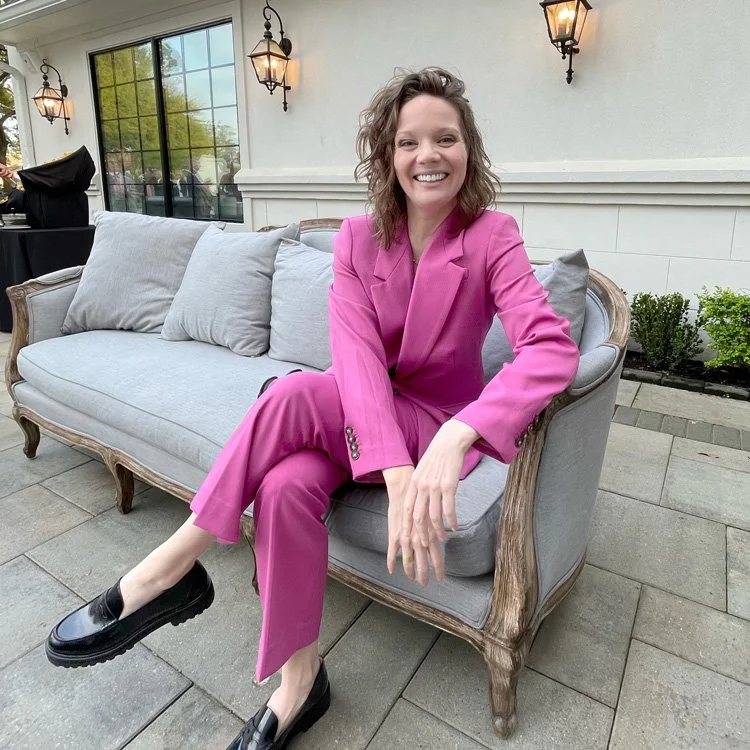
Grace Gibson
Grace Gibson is a multi-talented creative professional and community organizer based in Houston, Texas. With a 15-year career in the live music industry, she works as a talent buyer and concert promoter, overseeing booking strategies across venues in the Southeastern US, from intimate 100-capacity rock clubs to massive 500,000-capacity stadium concerts.
Grace's creative journey began in childhood, studying at Houston's High School of the Performing and Visual Arts (HSPVA) before pursuing vocal performance at the University of Texas at Austin, where she earned her degree in music business.
Her path to self-discovery accelerated when she got sober in March 2021 and came out as a lesbian in October 2021. These turning points catalyzed a deeper exploration of her creative identity, leading her to perform as a drag king named Tew Stone, creating custom costumes and designing performance art pieces.
Most recently, Grace launched y'all out, a platform dedicated to building intentional, safe spaces for the LGBTQIA+ community beyond traditional bar environments. Her y'all out podcast features interviews with community members doing remarkable work across diverse fields. She's also an active member of the Bering Church Choir and shares her life with her beloved dog, Marvin Zendler.
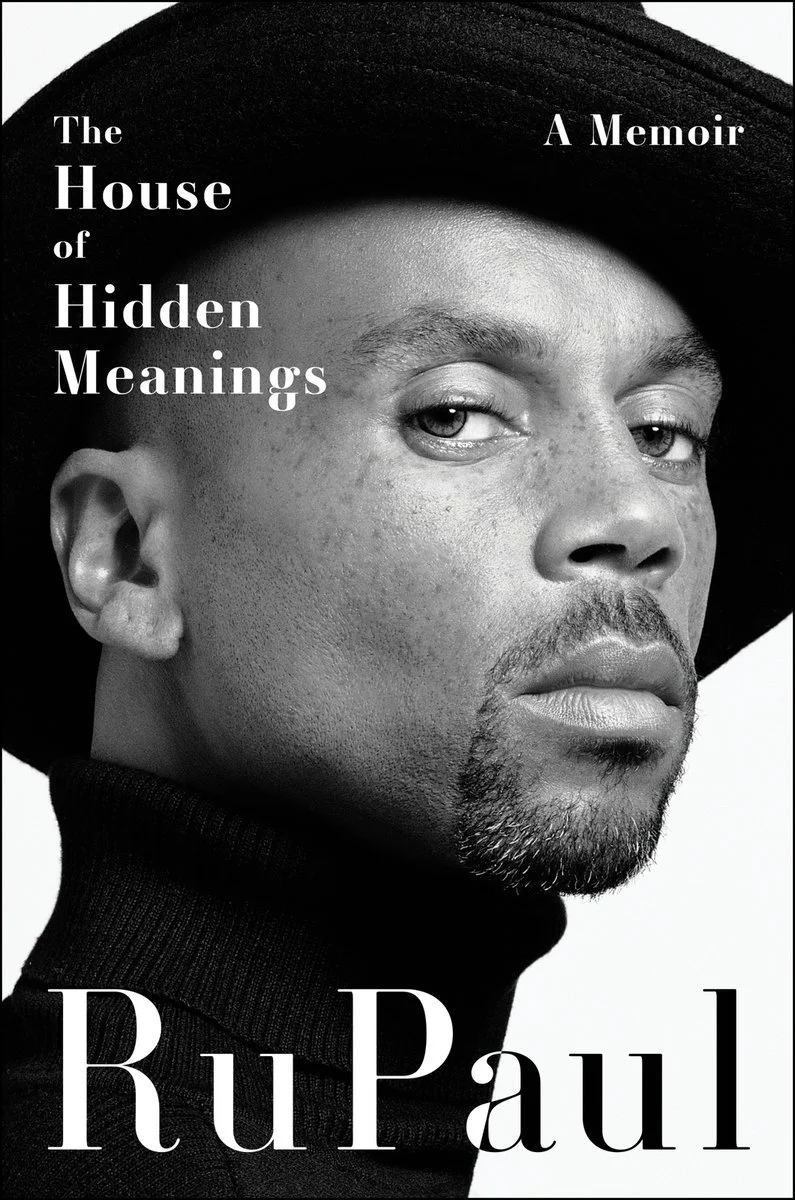
RuPaul's memoir on identity, transformation, and the art of reinvention through drag and performance.
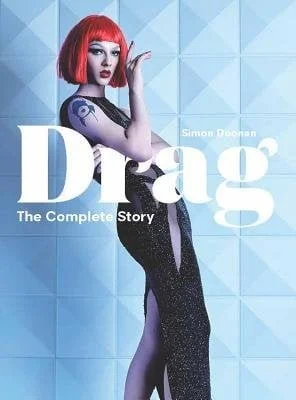
Simon Doonan's lively visual history tracing drag from ancient ritual to modern mainstream art form.
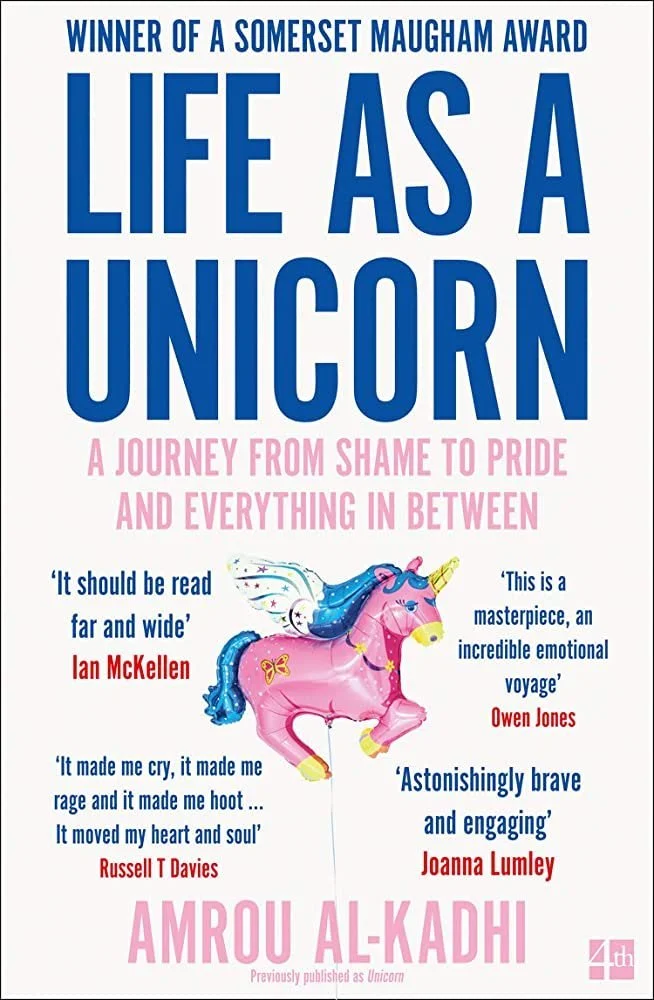
Amrou Al-Kadhi's memoir on navigating identity through drag, faith, and self-expression.
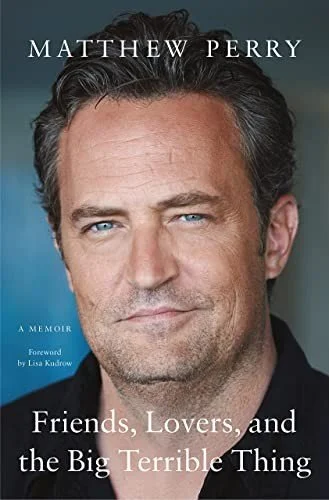
Matthew Perry's candid memoir on fame, addiction, and the courage to be authentically vulnerable.
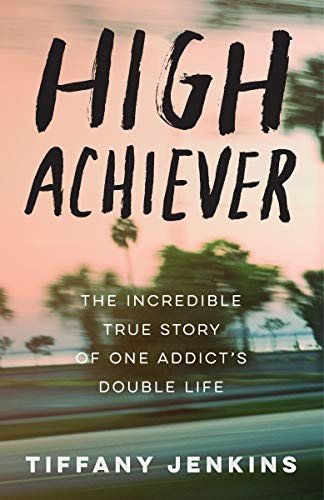
Tiffany Jenkins' gripping true story of addiction, recovery, and reclaiming authenticity.
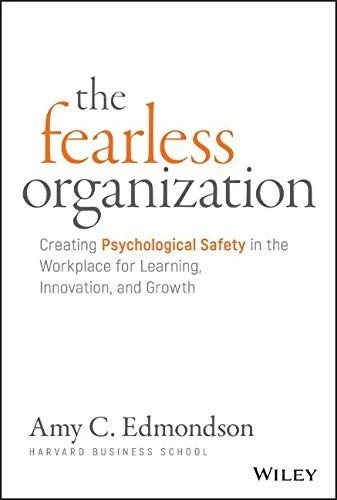
Amy Edmondson on building cultures of psychological safety where people can show up as themselves.
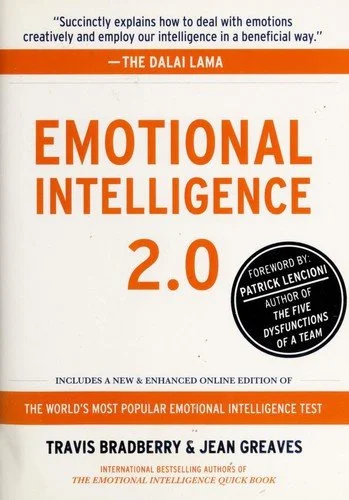
Practical strategies for developing self-awareness and emotional skills in personal and professional life.
Resources
Y'all Out Platform — https://www.instagram.com/yallouthouston/
Y'all Out Podcast — [TO RESEARCH]
Grace Gibson / Tew Stone on Instagram — [TO RESEARCH]
David Peck on TikTok — https://www.tiktok.com/@itsdavidpeck
David Peck on Instagram — https://www.instagram.com/itsdavidpeck/
Inside the Design Studio on Spotify — https://open.spotify.com/show/6rZLrZLrZLrZLrZLrZLrZL