
Premiere Episode | Unraveling the Threads: Why I’m Starting This Podcast
How do you turn life's calamities into a book? Emily Wolf shares her writing journey, publishing adventure, and the self-discovery that comes with putting your story on the page.
What happens when you transform your 31st year—and all its messiness—into a memoir? In this special Inside the Design Studio LIVE episode, we sit down with Houston author Emily Wolf to explore her debut book 'My 31st Year and Other Calamities,' the vulnerability required to write your truth, and what publishing taught her about herself.
Emily Wolcott is a writer, storyteller, and Houston-based author whose debut memoir 'My 31st Year and Other Calamities' explores the unexpected twists that come with transformation. Through witty, vulnerable essays, she invites us into her world of divorce, dating mishaps, identity questions, and the humor hidden in life's hardest moments.
In this LIVE episode, David and Emily dive deep into the writing process: How do you turn personal pain into compelling prose? What does publishing teach you about yourself? And what does it really mean to design a life that's authentically yours? With a reading from the book and thoughtful conversation, this episode is perfect for anyone curious about the creative process or the power of personal storytelling.
Whether you're considering writing your own story, navigating a major life transition, or simply love a good, honest conversation about identity and growth, this episode with Emily will resonate. Plus, David and Emily chat about recommended reading and explore how stories—our own and others'—shape who we become.
Listen to the full episode on your favorite podcast platform.
Subscribe and leave a quick rating or review if you enjoyed it.



“You have to start before you’re ready. And so this is me starting.”
Transcript
-
Hey there, design enthusiast. Welcome to Inside the Design Studio, the podcast where we unravel threads of life and design. I'm your host, David Peck, your guide through the cosmic wonders, the tangible touches, and the delightful twists of creating a life you absolutely love. Today's episode is a special peek into my eclectic toolbox, the secret weapons I use to design a life that's as vibrant as my creations. So grab your metaphorical sketch pad and let's dive into the art of intentional living. ["Dreams of a New World"] Welcome in. We are so excited to have our first ever Inside the Design Studio live with Houston local author, Emily Wolcott. We are going to be talking about her book, My 31st Year and Other Calamities, and we are going to be talking about the writing process and everything that goes into creating a book, publishing a book, and all the things that come afterwards. So I hope that you'll enjoy our conversation and come inside with us, Inside the Design Studio. Okay, so welcome everybody to this rainy day, weird day in Houston. But you know, my 31st year in other climates is kind of appropriate, right? Right. So everyone I think has had the chance to meet or has known Emily very well. We're so excited to have her for our first ever Inside the Design Studio Live. We have had- Yay! We have had this vlog series for a couple of years and we have taken a hiatus this year just because hashtag life and moving and robberies and you know good things. But we're back and we're live and we're planning to make this a regular series. In fact we have our next guests in the audience. So I'm really excited to kind of do this. This is very much inspired by James Lipton inside the actor's studio. If you guys are nerds and have watched Bravo back in the day which I love my housewives, but he was the OG. And so we're back in the design studio and we're gonna ask hopefully some really interesting questions. And at the very end, we will open it up if you guys have questions and be thinking of them now. But I asked Emily if she wouldn't mind doing a short little reading from her book, which I don't know if you've read is hilarious and I think very fitting for many, many reasons. So why don't you start us off? Thank you. Thank you everyone for coming. Thank you so much for having me. This is such a joy. And yes, strange, calamitous Houston weather day. So this reading, it's going to be short, first of all, so don't worry. And I thought it was kind of good given w
-
e're right around Valentine's Day. And sometimes we get a little idealistic about that. And this is more like dating in my experience. So. The main character, Zoe, is getting ready to go on her first date post divorce. So really her first date. Alright, and she's talking to her best friend who's helping her pick out an outfit. So, let's see. I just need to manage expectations, I said. Exactly, she said. I feel like an asshole for bursting your first date outfit picking bubble, but you're my best friend and I want to prepare you in case Tyler isn't, you know, the one. Thanks for always looking out for me, I said. Alex smiled with relief. But of course I'm not expecting Tyler to be the one. That would be ridiculous. Obviously, I absolutely hoped Tyler would be the one. Karma dictated that the smithereens would be balanced out by meeting the one immediately. Zoe, my friends would say, isn't it weird to think sitting here with your hot husband and gorgeous twins that only a year ago you hadn't even met Tyler and felt like total dog shit? Isn't that crazy? In my head, I'd already toasted Jonathan and Jessa, who set us up at the rehearsal dinner and asked their kids to be flower girls at the wedding. and suspected I'd be unknowingly pregnant at the wedding by happy accident and fate, but Alex couldn't possibly understand this so I kept it to myself. Duh, Alex said, interrupting my reverie. Hmm? We can't pick a date off it. We don't know where you're going. Oh, big duh, I agreed. We took pictures of each piece. I emailed them to Alex so that she could advise as needed. Thank you. Okay, so way before Zoe, Zoe Greene, back in the very, very beginning, who did you think you would be when you grow up and what did you study in school? Well, when I was a kid I thought I was going to be a Broadway dancer. And, like, for several years I thought that, and that apparently requires coordination, which I don't have, so that didn't work out. I studied English in school and it was my favorite. whether to go into creative writing after college or whether to go to law school. And I very much like Zoe Green was kind of risk-averse so I went to law school and ended up being an accidental writer anyway. Gotcha, so what did you study in undergrad? In undergrad I was an English major with a psychology minor. Okay, so very fitting actually for your character. Did you always know that you wanted to be a writer or had you written before you decided to become a writer? I think that I did somewhere in me know that I was a writer, but like really didn't want to be because it's I mean, you don't do it for the money. torturous. So I still sometimes think like, gosh, wouldn't it be great if I was just if I was a dentist and I was super passionate about my job and I went from like 8 o'clock until 5 o'clock and I was done. But no, I've always loved writing and I've always loved reading but it just kind of burst out at some point. It had to happen. Just couldn't contain it. No, the stuff in my head. It's better out than in. The voices in the shuttle can sometimes. They can be, yes. So with that, I assume you hadn't developed a writing practice. years ahead of time where you have this discipline you so bring this on rather recently. Yes well not rather recently because it took me a very long time to write this book because like you said hashtag life children and I think men can like a lot of male authors talk about these are very precious writing can do that. So I wrote like a
-
third of this book in the carpool line and that's not an exaggeration and there's a lot of time in carpool line. There's a lot of time in carpool line. So, no, my writing practices are not the stuff of inspiration. But it's real. But it's real, that's awesome. So is this your first attempt at a novel, or did you have prior, previous incarnations of other things that didn't quite make it to a full-fledged novel? No, that's a great question. I just rabied this baby into happening. This is my first one. This is the lawyer. Yeah. There's like, we're gonna make this case, and we're gonna figure it out. Like, this just needed to happen. this first. Okay, yeah. Yeah. Cool. So sometimes when people are writing books in the first person narrative, I think the audience or the reader feels like it's very autobiographical, whether it is or not. And I do know that there's bits of this that are autobiographical and kind of peppered in. How did you decide on the voice and that it was going to come from Zoe and not from some voice of God? like I should have predetermined this, but she just kind of appeared that way. And looking back on it, I think it's so much, it's because I wanted Zoe to have all the agency in the book. So she needed to do the storytelling herself. Okay. So is that a part of like channeling your own experiences, your friends, and kind of being able to tell that in a way that felt true to yourself, or is it really more being true to her as a character? It was really more being true to her as a character, I would say, and her having agency over everything that she was feeling and thinking and just being like a direct connect to the reader. So she's just, I, again, like in this, I'm working on my second book and I didn't really think it through that's in the third person because those characters just kind of came out that way. So it's a very organic process for us. So because you were writing about the messiness of life, did you worry at all, or was there a voice in the back of your head that people might conflate or judge you based on these choices that your characters were making, even though they're not you? Maybe towards the beginning, but I think a lot of this was fueled by... I wanted to see, I think everyone needs to see themselves represented in art and in fiction. And I just didn't see a lot of the realness. I'm a voracious reader and just didn't see my friends and my feelings about our experiences at this time of life represented. So I just, yeah, I just felt like they needed to come out. So we've already talked a little bit about how you do not have a writing practice per se. But do you structure that time that you do have in any sort of way? And do you start with a plan? Or was it sort of like this idea that you knew was going to come to fruition and it was somehow going to all make sense? Or was the lawyer in here going to lay out the case and like... outline this and then build it backwards. What was your approach? So I think as I've gotten older, maybe some of you have had this can relate. I think I've realized that you kind of have to let it flow a little more than maybe is comfortable. So it was very contrary to my personality when I started writing this. I think that I was 33. when I started writing this and I was more lawyer-like and would usually plan everything out and realized that I needed to let Zoe kind of come to life. So I knew how I wanted the book to start. I knew how I wanted it to end. I knew a few formative experiences I wanted her to have. And then I just sort of like let her rip. Okay. So your characters kind of tell you where they want to go a little bit. Were you surprised? at any point about where things ended up? Yes. And yeah, you mentioned the voices. I mean, at one point, my husband was like, well, who's this character based on? I mean, it looks so real and detailed. I'm like, nobody. It's totally made up. He just put his hand on my head and he's like, it's so busy in there. And I'm like... And like, if you only knew... If you only knew, I'm like, I really feel... I feel very seen right now. Yeah, so it's very busy in there. So you said you started it around 33. So like, was it steady writing over a period of time or was there a point where you had to set it aside and come back to it? Or what was that whole process? Or how much time did it really take? I have no idea how much time it actually took to write. I do know that it was forever, the whole process was forever. I think it was like nine years, but I started with a six-month-old baby and was like, I'm going to... I'm gonna write this in my spare time. I had no child care. I don't know what I was thinking. You have so much spare time with another. So much. And so. Seems like a good plan. Right. So I had a grad student come four hours a week. Like she came one day for four hours. And so I'm like, oh, I'll totally knock the book out. And you had it down. I had it down. And then, no, and I took huge breaks and like we moved. I had another child. And life happened, but I think it was very frustrating. It was exercise and patience, but I think that it's probably good for me because it got done. It got done not the way I thought it was going to, but it got done. And that's kind of like what this book is all about. It is very much. Okay, let's have some, yeah. Yeah. I mean, sitting with an agent for nine years is a lot. I mean, most of us want to give up on our children after nine years. So the fact that you stuck with a book is pretty good. So let's talk a little bit about the technical parts of getting a book published, because this fascinates me. I know you have an agent. How did that happen? I wrote this horrible thing called a query letter where you have to, in like two paragraphs, show the agent your voice and also tell them about your book and tell them who you are. But don't give away the ending of the book. And I think like 200 words. And I sent out 10 bajillion of those and got so many rejections. I have like a giant Gmail file somewhere. and then connected with my agent. And it was, it's just one of those things that kind of lined up, so. How long did that process take roughly, or do you know? Three months, but only because I'm like, I can't handle, they tell you to only to send like a batch of 10 and then wait, and I was like. I can't live like that. So I just sent the blitz out. You're like, I spent nine years reading it, it might be a step, we're gonna get this thing out. So three months, but I just condensed into many, like what most people do over many months into three months. Okay. Yeah. I like that you made it work. Did you know instantly that it was the right fit that they got you or your voice? Yes, I did. I just, yeah, that's something I kind of let flow too. I actually had, it's like, I'm trying to think of an analogy, but like when you buy a car and they're like, can I sell you a car today? I had one offer from an agent and then all of a sudden a couple more agents were interested. And so I spoke to each of them and Beth Marché, my agent, just, yeah, I just liked her style. I liked her approach and she seemed to understand what I was trying to do. So I've heard that like the nonfiction versus fiction writing agent process, They're completely different beasts. Right. Have you explored nonfiction? And like, because I think that's very different where you're trying to get an advance and you're doing an idea for a proposal and like all of that kind of stuff. But I feel like novels are different. It would be so smart of me to do nonfiction instead. It really would. And yeah, you write a proposal and then you get money and then you go write it. So it just makes a lot more sense. And unfortunately, that's just not. Well, it doesn't matter. It's fiction. So, that's it. And we value art so highly in this world. Right, yes, right. And I know because of a lot of reasons and that when you were putting this book out to market that your agent at one point said, I think we need to shelve this book, put it in a drawer, wait till the market's ready. Right. And you knew because of the woo that we'll talk about a little bit later that you needed to push forward. Did it change your relationship? with your agent at all because you have completely different ideas of what you should do with your baby? Yeah that's a great question. No it didn't only because she's great. It could have. But usually I follow rules and she said the book opens with an abortion and she's like... I can't sell it because of the abortion. And so let's just wait till the world's ready and, cause leave it to me to pick a controversial topic to open my first novel with. And she said, so your next one doesn't have anything controversial, write that and write the next one and then we'll sell this. And write my something and me was like, nope. And because she is lovely, she's like, okay. And she helped me out. So it worked out. So you know, it was such a sort of a reaffir
-
mation. It was the right fit. Yes. All along. That's perfect. That's a great way of putting it. So I'm really interested because I've listened to the audiobook as well and I love it. I think it's fantastic. In fact, I was talking to Olivia on our team and we both like, we're just like, the voice is so good because it very, I feel like she encapsulates that Midwestern Chicago voice, like. I don't know, there's so much character in the way that she presents the story. So tell me a bit about how that came to be. Was it part of the book deal? Was it, how did the audio book? That's been another learning experience. It's super interesting. And so that was actually like my agent just cold sold it to this company called Dreamscapes and... So I got to experience that too, where they took my book Baby, and they're like, peace, we're going to do this. And we did put in the contract that I would get to pick from their top three choice narrators. So their top choice, Katie Zuckerman, who did the narration, was also my top choice. So they were a decorate. But it's wild. Like, I have no idea how many audiobooks I've sold. Like, I won't know until April. It's very hands-off. So it's, and they bought it like a year in the summer of 21. So it's a whole separate deal than the... Totally separate deal, yeah. It's the e-book and the print book usually go together and then the audiobook's a whole separate thing. That's interesting, so I was gonna be wondering how involved you were in the casting process because I feel like you ended on the perfect narrator. Yeah, I listened to three awesome women read the first chapter and I picked their number one choice. I was like, definitely. So she did great, I agree. really good. So if you've read the book and you haven't listened to it, I highly recommend it because it's like one of those things. It's like I love David Zadaris. He's one of my favorite nonfiction writers. And there's just so much like when I read his work now and I'm not hearing him read it, I hear the voice in my head and I hear so much of Zoe in her presentation. And I think that's just fantastic. So speaking of presenting the book in different ways. As soon as I read it, heard it, I immediately thought TV, I immediately thought film. It's very cinematic in its approach. Was that a part of how you approached this book? Because it feels very now, which also I think is very much like limited series, Netflix, HBO Max, this is where I see this should be. And if they're not duking it out over the rights, then they have something completely wrong with them. So was that in your head, in the writing process, or has it entered your head? I mean, I think it's probably pretty apparent by now that I had no plan. So, but I would, I realized maybe after I'd done the first, the first draft that kind of resembled an actual book, I remember being on a walk and like seeing it. And so, I mean, if anyone knows anyone, sounds good to me. Yeah. I'm sure somebody knows somebody who knows somebody. Like the world is very small. talk about the woo, let's just manifest that into me. We're gonna manifest that. I think that's good. Let's make that happen. Yeah, yeah, yeah. For sure. Be good. Um, because I can totally see it. And in fact, I saw it so much that I cast it for you. Yeah. Um, okay, we don't need to talk about that. I would love that. Yeah, so I'm gonna just give you some of my ideas and you tell me if I like, if I like, got to. You're warm. Yeah, okay. So Zoe Green. Yeah. Is Zoe Deutsch. Okay, I can see that. Yeah. So, you know, I felt like she's got the young neurotic thing going down, like really good. She also is like Netflix, Amazon Prime, like she's the favorite. So I think that like the casting could go really well in your favor. Okay, I hope someone's writing this down. Yeah, I got it for you. Okay, excellent. So if you need my notes, I can give it to you. Rob, I really feel like Noah Centineo. Like, he's like the heartthrob in like my first, last kiss or whatever at Netflix, whatever. Everyone loves him, but I feel like he needs a love to hate one. So it's like passing type but against type. Kind of like Matthew McConaughey's Dallas Fires Club. Exactly. Okay. Yeah, totally. Just breakout moments. Exactly, so you would totally see why Zoe would fall for him but then also why he's such an asshole. Love it. Yeah. So she has a couple of friends, well actually before we get to the friends, His mother is a real piece of work. Yeah, she is so fun. Yeah, so Ariana, like I really imagine Nia Vardalos. She's Greek. Yup, yes. We've got the Chicago, meet my big fat Greek wedding connection. Penelope, I also picked another Greek actor for you. From Amy de Cederas. Okay, yes. I think you needed a little quirk. And then, this is the real coup that I think you need. So Rachel Green, Zoe's mom, we need Jennifer Aniston. Wow! So it's like a full meta moment, like I really think, and of course, who would her dad be? Uh, not Ross, Ross? Yeah. David Schwimmer. Yeah, they're on a break. David Schwimmer. Oh my gosh. Yeah, so I think that this could be really, this could really be good. And Jennifer Aniston's really good at social media, so I think this could help. She wouldn't have to do a lot of work to age herself. No, but she's a young mom. She's a young hot mom. She's always not that old. Yeah, no. She had her when she was like 20 something, you know? Yeah. I think we're good. She looks like she would have had her when she was 10, but I like her. Yeah, the Rachel Green thing. I really like this. Okay, so was that, by the way, was that in your head, Rachel Green? No, it was in my head. So they're layers. Yeah, yes. So I don't know if you know Chloe Feynman. I do. And she's my brother's favorite. Oh my goodness. So I think she should be Maddie. That's pretty wild. You're not the first person to say that. Ah, see? We're getting somewhere. Alex, I thought Ariana DuBose. I think she should be good. She just won an Oscar for West Side Story. Yeah, she's amazing. She got the little sass. I think it's good. She's the best. Janie, the therapist. Cynthia Arebo. Wait, yes. Yes. I'm terrible at names, but yeah. I think all the dates later, I think we could just have a cavalcade of like, reoccurring stars, like big name actors. We could just like, rotate into those roles. So fun, and just have them just have so much fun. So I'm seeing this as a limited series for you. So I hope you're good with that. I'm totally good with this. We're manifesting this. Yes, we are bringing it into being. Cool, so I've got it all sorted for you. If I named you Rachel Green, like... Yeah, Bramston just needs to get with the program. I think there's aging makeup and then she could win. They could win an Emmy for special effects. It would be great. There you go. So now that we've talked about the fun stuff, this book is fairly blunt about body and body issues and functions. Yes, a lot. Did you grow up in a home that embraced those things or is this sort of no, but actually That was something we were talking about earlier, that I got so much pushback on just mentioning poop, or bleeding after you deliver a baby, or have a miscarriage, or terminate a pregnancy. And I found it made me really mad. And I'm just like, no, let's go ahead and start talking about some of this stuff, because there's a lot of stuff in real life that we don't talk about, especially for women. And I'm over it. Yeah. In short. It's normal. Everybody poops. Yeah. It's a book. I heard that's a book. So you can't write that one. Right, no. That's already been done. This is the adult version. But it is profound and it is true. So have you ever written you two a letter? I have not actually written them a letter, but I have composed them in my head. And while we're manifesting, I would very much like them to provide the music. Yes, okay, so we didn't even talk about this, but the soundtrack is obviously YouTube. Yeah. Like, it's a given. And I feel like we need some vitamin string quartet covers of YouTube. This is what I'm thinking! Yeah. Because... It's like Bridgerton meets YouTube. Yeah. 100%! You're on the same page. So this is why someday I'm going to be a movie producer and we're just gonna make this something for you. Yeah, I mean, let's make it work. Yeah. Great. Okay, so the word abortion can be very polarizing. And I think people are not able or even willing to have a discussion about the issue, even though it happens, whether you like it or not, this is a very normal part of life. And this year or this past year, the overturn of Roe vs. Wade, it shocked a lot of women, I think, who were either apathetic or on the fence or hadn't really applied it to their life. And it started conversations that I think hadn't been had, at least from my point of view, in a way that was public. That I mean, I even, I feel like it kind of made things more concrete for me because I grew up in a very conservative home and a very specific view of what abortion was and what it meant and everything. And so I think it helped me to synthesize a lot of the conflicting thoughts that I had surrounding the topic. So the book opens the door for these discussions, I think, in general. And I think it can be polarizing. And I think there were even some reviews you had a very conservative person who was not pro-choice, who came out and said, I love this book even though I am not pro-choice, because it opens these paths for discussions. And how does, so that's a very long-winded way of asking, how does that make you feel that you've written something that adds to that discussion in sort of a very timely way. It's very much in the zeitgeist, and the book kind of came out at a time when that just feels like so. needed? I mean the timing obviously I couldn't have planned and couldn't believe it that the Dab's decision came down just a couple weeks before the book came out. Obviously I didn't write a book to please everybody clearly, but I think it
-
's an important conversation and I think the way you put it, you called it long-winded, I think it's great. It's It's polarizing and people have very clear ideas of what they think it is and isn't. But it's actually, as we're finding out now, a pretty gray area and has a lot of ripple effects for a lot of people. So it's one of the things I feel best about with the book. I've had a friend of mine who's 80 come up to me and say, let me tell you about the abortion I had before it was legal. And I just love that, and she's like, I haven't talked about this with anyone. She's 80, and we're talking about it. And when you talk about something, there's just something really powerful about saying it out loud. So, yeah, not easy, but glad I did it. You, we mentioned a little bit earlier that your agent, one of the reasons your agent had wanted you to shelve the book was because of the abortion issue. And it really literally opens up the book. Yeah. Um, and have you seen, or have you had the chance to see a change in the more, because you went with a more independent publisher to be able to publish this book. And we're going to talk about in the next minute why you were motivated to do that. But have you seen a change in traditional publishers? towards this topic since the overturn of Roe v. Wade? Or is it something that still needs work or they feel it's still not a part of the conversation in a way that will sell books? I'm shocked, but no. And there are actually progressive bookstores that have said, we'd love to have you, but we just can't have an abortion book. And if you read the book, it's... It's a pretty thick book. Like it's only a small part of it. It's one part of this woman's life. So no, and I've learned that even these industries we think of as being kind of like edgy aren't. And even a lot of the like Ibram X. Kendi's anti-racism book, it was when books... for white people about racism came out, that started to be kind of okay to talk about. So I think storytellers and artists, it's hard, but it's so important to just keep pushing. And marginalized voices especially need to just keep pushing, and we need to keep amplifying those voices the best we can. Very well, Peppa. Your motivation. for making this book come into being when it did, has sort of a mystical woo kind of. I don't know how else to put it. Yeah. Connection. Tell us a little bit about who and about Frieda. About Frieda. So Frieda was my dad's mother. And she died 20 years before I was born. And we have actually the title of my third book, which I have not even begun, is going to be called Finding Frieda. And she, I think, is really we've had some like full crazy connection moments and I think she's really the one who pushed me to do this even when part of me just wanted to shrink away so yeah. Can you give a specific example of like how she let you know? The message I kept getting was invest in yourself and then when I would kind of feel sorry for myself She doesn't seem to have a lot of time for that. She's like, no, you're good. She's like, you can do it. Let's go. Like, let's go ahead and do it. You're ready. Let's go. I like her. Yeah, I do too. Where do you see this book fitting into your body of work when all is said and done and you see this book, how does it fit into the bigger picture? I seem to be, I think it's really interesting, I'm Frida's only female descendant. So she had two sons who had, each had two sons. My parents lost one child at infancy and I have a brother and so my uncle had two sons, my brother had his second son and I have two sons. And I think it's really interesting that... Female friendships, they're a huge part of my life, as some of my friends here know. And I'm fascinated with kind of the magic of female relationships. So I think this is probably going to be, even though at first blush, the books I have in my head right now are very different. I have three, I'm working on the second one. They all revolve around female relationships and the power to be found there. It's so interesting. Did you mention that you had an idea of how the book would end? Did you know exactly where Zoe would end up at the end of this book, or did it evolve and change over the course of writing the book? It definitely evolved. However, I knew generally that she wasn't going to end up with another man, because I found that to be a very important part of my own journey, is just realizing, okay, we're fed, and I think... Like people in my nanny's generation, she is 22, and I love, she and her friends question things like, do I want to get married? Do I want to have children? I don't know, like I can wait and see, but for my generation, I'm 45, I just... came into consciousness with that belief that I had to follow a certain path in order to be valid, in order to be happy. It was when I came to realize that my life was actually great, even though I did not have the partner and the kids and the dog and all the... I actually did have the dog. But I didn't have the other stuff and I realized my life was pretty good. And I think that that's an important message for... I wish I could write a book that had that message when I was in my 20s. I think it's really important. I hope that... My hope is that the landscape is changing. that a younger generation doesn't feel the societal pressure to conform in the way that I think even our generation does or had. And that's changing. But it's a big hurdle to get over. It's big and it's still really out there. I mean clearly since, I mean, the agent who told me, like, I'm really interested in the book. Just one thing, like, what do you change to abortion to miscarriage? I mean, it's still just hard to... talk the real talk. So yeah, it is important. We gotta get there. Yeah. So big question. Will we know, hear more from Zoe? For sure. Yeah, she's not done. So I think it's healthy for me. There's part of me that when this came out and I got to engage with readers and they would tell me what their thoughts and their perspective, I was like, wow, I want to just dive right back into it. I think it's healthy that I'm writing another book first, but no, I have some things that I really want her to experience and I know that I want her to experience. So, not done with her and now I know you can cast the second book too. Yeah. So great. Season two. Yeah. So let's manifest the sequel in the book and on screen. Yeah. Why not? I like all these things. I would love to see Zoe a little bit older as a mom, whether she has a partner or not. I would love to see that. I would love to see where she ends up for herself. So would I. Yeah. I think we need that. Okay. Okay, so you've already mentioned you've started your next book. Yes. How far are you into this process? I'm about a third of the way through, I would say, a good solid draft. Okay. So, the second book is like a... And my friend broadcast her first book coming out in what will be in six months I guess? Yeah, like six months. So she will find out and there may be other authors here. The second book I equate to like the second baby. It just happens like easier and faster. Is that how it happens? The second one. I don't know, for me anyway. So not easy or fast, but easier and faster. So nine months, not nine years. Right, something like that. OK. Yes. What lessons did you learn in writing the first book that is informing your process this time? That things are not going to go according to my plan. and that I need to cultivate patience and faith. And those are not easy ones for me. But yeah, you've just gotta figure out how to take two breaths and see where the process takes you because for me anyway, it doesn't seem to be a straight line. As a fellow person who aspires to create big things, it is a lesson in patience always. Always. And it can be very frustrating is in your head and it's so very clear what needs to happen but the process of getting from idea to an actual real-life product book whatever is can be trying. There is annoying logistical things that are standing in your way. Again, hashtag life. Right. Something I find fascinating and I think is really kind of a testament to your skill as a writer is that you write as a day job. as well as write creatively. How do you find the energy to just keep writing? Because I find I love writer, I writing, I've always loved writing, I aspire to be one day, but like there is an exhaustion that comes for me from staring at a computer screen for so long. So how do you find the energy to keep going? I would say to know when like how grandparents say that it's like great to take care of grandchildren because like you come in and like when the kid mulls down you're like okay I'm going home. I think it's different when you're writing your own, when you're doing your own creative work. That takes a certain energy that I very much identify with what you're saying. On my day job, I'm a scientific writer at Texas Children's and I help scientists try to reduce their very brilliant sciencey ideas into like English or grams and things. And so, like, am I all in and rooting for them? Yes. But is it the same as if I have to like create the stuff myself? No. So I just see them as so different. I can appreciate that. Yeah. You talked a little bit about that you were heading, you were debating whether or not a master's in creative writing was the thing that you needed to do or study law. Where I'm curious as to whether yes, you're very you say you're a very practical person said like the law kind of won out but were there again societal pressures to perform or to have a steady job or what being an adult actually looked like that weighed into not pursuing the creative field first. Yes, I didn't realize it then. But looking back, I think absolutely. Then it was going to the career office and them saying, okay, we'll put you in touch with two alums who did the creative writing masters route and two alums who did the law degree. And the
-
two who did the creative writing route were living with like 10 million people in a studio apartment in Manhattan. And I was just like, I think I'm sweating. How do you pay your rent? I'm like, what is this? And yeah, it's just too abstract. And I wish I'd had the courage, but I just didn't have it at that age. I feel like we do a disservice to creative people in our society of not providing a more clear path for the creative process. It is very clear when you're going to law, when you're going into medicine, these are the number of years you're going to be in school. This is what you're gonna accomplish by this age. Like it's very prescribed. And even at the end of it, even if you didn't get the best job, you still have a job. Right. And I think the creative process is so ambiguous and there's so... The world is your oyster. You can do so many things and that is the problem. That we haven't helped creative people find clearly defined roles for themselves that don't rely on publishing an awful that becomes a Pulitzer Prize winning New York Times bestseller. That's right. And that is a once in a blue moon thing that happens. And so I feel like it's a great disservice to we need to fix that too, along with the movie. Yes, we do need to fix that. What advice would you give to one of these people, an aspiring writer who is trying to decide whether or not they should formally study writing or it's something that they can do on the side while they have a quote unquote real job? Writing on the side of anything, whether it's a full-time job, whether it's a part-time job, whether it's being the CEO of a house or raising children or whatever it is, is really hard. And you need to be creative and dedicated to figure out how to make it work. So I would say to try to block out the noise and just go deep inside and figure out. how much do you want it and how much do you need it. And if you need it, you'll find a way to make it happen. I like that. Do you regret not getting your master's in creative writing? No. Yeah, no. I think I don't know yet. I don't have the answers. Maybe when I get to the end, I'll figure them out. But it seems like things. unfolded the way they were supposed to. I learned a lot about gender in the workplace. I just learned a lot of things I wouldn't have learned if I had been off on my own writing, even though that sounds really dreamy. I also really honed my writing. I was a civil litigator and so I spent my days writing raves for courts and um I had some great writing teachers who just happened to be partners at law firms. You probably got some great fodder for stories. I did, and I was talking with Lila about the toenail clipping scene, and unfortunately, that one may have come from real life. Yeah, yes, yes. Yes, we'll never say. Yeah, no. Yeah. Last question before we open it up for more questions. You can go back in time to any version of your younger self. What advice would you give her? I would say, just don't worry so much. Just don't worry so much. I think that's so common for girls and young women. Just figure out who you are and what you want and whatever that is. It's cool. It's all good. Good advice. Yeah. Thank you so much. Thank you. Does anybody have any questions for Emily? I'm curious, what books on your nightstand right now, and some of your favorite authors? I love talking about other books. So, on my nightstand right now is a non-fiction book that's called The Graving Brain. We had a loss in my family a couple years ago, and it's really cool. It's about how your brain gets rewired. And then I have a great novel called Buster. and I'm terrible at names and I can't remember the author's name, but Luster is great. Those are my nightstands. And then my favorite feminist writer is Catlyn Moran, spelled Caitlin, but she's British, so Catlyn. And she needs a new agent in the U.S. because she has a huge deal in the U.K. but a lot of people don't know about her here. So you need to work on that too. But if you just want to howl and laugh at someone who is hilarious, feminist, and whip smart, Cal and Moran, that's the one. Cool, I'll look her up. Any other questions? I have a question. And I love Katlyn Warren. I mean, she's from America. Oh, good. You're literally the first person I've talked to in the US who's like, yes. She's my favorite. Yeah. But you were talking earlier about that they wanted you, they wanted to shelve the book for a while and sit on it, but you weren't really into that. Did you end up having to wait or did you go with someone else or? I went with an independent tiny little publisher. And I've had to pedal a lot harder to and put some more of my money behind getting this book out there than if, you know, like Random House had just bought it. But I just had this, felt this push like, no, I know maybe you're telling me that the publishing world isn't ready, but I think readers are ready. Because I think with a smaller publisher they don't have the publicity team, they don't have the budget for the book tours. There's a lot that goes into making a book a success that is not just being a good book. Right. And in terms of, you know, like if you kind of, the faith aspects, I think maybe it was really good for me to see how the sausage gets made with this one. I learned a lot that I don't think I would know if I had gone with a big publisher and just handed over the book. and the manuscript and then the book would come out and I'd be told to go places. So yeah, I think I've learned a lot. It's been a martyr, but I'm still really glad I did it. Any other questions? So when you have a six month old, what is it that made you start writing? I, honestly, some of it, I was fairly new to Texas. And my identity before I moved here was, you know, people always say, what do you do? Which is actually such a weird question to ask people. Like the first thing you meet, it's like, what do you do for a living? But, I, so people who didn't know me thought I was really treated so differently than when I used to say like, oh, I'm a lawyer at this firm. And so I think that got me just chewing on, you're treated differently when people see you as just a mom. So I think that got me just kind of stirred up some rage and ideas and this thing. Yeah. Wait, it should be a very powerful motivator. It really is, yeah. Yeah. We have time for probably one last question if anybody has a question. Basic question, what is your favorite U2 song and if you got to meet them, what would you tell them? If I got to meet them, I would drop dead. I would just, it's over. I mean, and I hope I would at least have memory. I would say nothing, I'd be totally starstruck. My favorite song that is like, ugh, almost impossible. Oh my gosh. I mean, I have a few. But if... If there's one that just makes me feel like so many things just right away, it's with or without you. And something that if, like when I came out in the car when I was dating my now husband, I looked at him because someone's just cold and has no reaction to that. Like they're like some kind of sociopath or something. So like when he like threw his head back and started singing to that song, I'm like okay, we're good here, we're good. Aw, good sign. Yeah, good sign. I have not seen many concerts in my life because I'm, I was a class musician. So I saw lots of concerts, but just not like cool concerts. Yeah. But no, one of the best ones was seeing you two live at the Stade de France in Paris. What tour? Which one was it? Do you remember? What year? It was in 2004. 2005. Snow Control opened. That's all I know. So I think that was a Vertigo tour. Yes, it was. It was Vertigo. It was. It was awesome. No, but he is a true fan. I am. I am. That's not a thing I kind of hate. How much I love them and I pay the ticketmaster and all of that. I just need that. I will say because I did not I appreciated it and I had heard, you know, later in life, their music, because I didn't grow up with it. But there's such a power that they have to fill an entire stadium. Like the energy that is produced with that many people is really transformative and quite incredible. I don't think I've ever experienced something quite so, like they suck you in. Yeah, it's like a weird thing that happens and then in the concert over you're like, what was that? Yeah. Religious. Yes. It was very much. For me too. Yeah, so I don't know. I'll work on like if I'll work on, we're talking about manifesting, I'll work on like if I get to meet them, being able to speak. All that you can't leave behind is books. That you can't leave behind, yes. Thank you so much. Thank you. Thank you for being here. Thank you guys. Thank you. Thank you. And now she's available to sign books and chat. Yes! Thank you everybody who joined us on Instagram. We'll be trying to save it if I can do that. My shirt. And also, I should have said this while we were on Instagram. We're still on Instagram, so you can say it. So David Peck dressed me. And I think the top is gorgeous and the necklace. And these are the top is his and the pants are in the store. So thank you. Well, one of the things, speaking of feminists and all those things that I consider myself one, is that everything that is in the store that is not something that we make or design is either from a woman-owned, locally-owned, or minority-owned business and hopefully a combination of the three. I mean. Oh Elaine's here. Hi Elaine! She loves you too. Hi Elaine! Another book about fellow passion. Okay so we are going to figure out how to... Oh she loves the book. Oh cool. So I'm going to figure out how to close this. I love Elaine's. Alright I want to end my video. Did you give me a sound by that how you think it went? Like, what, did you have fun? How cool was this? This was super cool because I got to wear David Peck. Pretty good. And you made it so easy and asked me such great questions. So it was a blast and I feel really lucky. And I could do some major damage in this store. It was great. Awesome. Thank you. And there you have it, another episode of Inside the Design Studio and the Books. If you enjoyed this exploration of life's design, hit that subscribe button so you never miss an episode. And hey, if you're feeling extra generous, leave us a review. Your thoughts fuel our creative journey. I'm David Peck, your design companion on this adventure. Till next time, keep crafting a life that's as captivating as your favorite masterpiece.
Just discovered this incredible new podcast about designing the life you love.
Episode 1 is the perfect place to start. #InsideTheDesignStudio #DesignYourLife #CreativeLiving
Key takeaways
erfectionism is the enemy of progress. Waiting for the perfect moment means it may never happen—sometimes you have to start before you're ready.
Your creative breakthroughs often come from honoring commitments to yourself, even when life gets chaotic. One commitment led David through a rough March and April to launch the podcast.
An eclectic mind is a gift, not a liability. David's ability to see connections between disparate ideas (design, fashion, pop culture, philosophy, travel) is what makes his perspective unique and valuable.
Simplifying complexity is a superpower. The challenge for creative people isn't coming up with ideas—it's learning to distill them down and focus on what matters right now.
You can do everything, but not all at once. Learning to prioritize and give yourself grace when you fall short is central to designing a life you actually want to live.
Starting is the hardest part, but it's essential. David's commitment to launch the podcast before he felt "ready" is the same principle he's encouraging listeners to apply to their own creative and life goals.
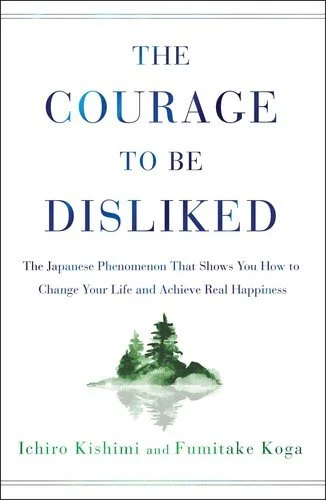
A groundbreaking dialogue on personal freedom and life design. Challenges conventional thinking about what holds us back and offers practical wisdom on taking control of your narrative—the foundation of designing a life you love.
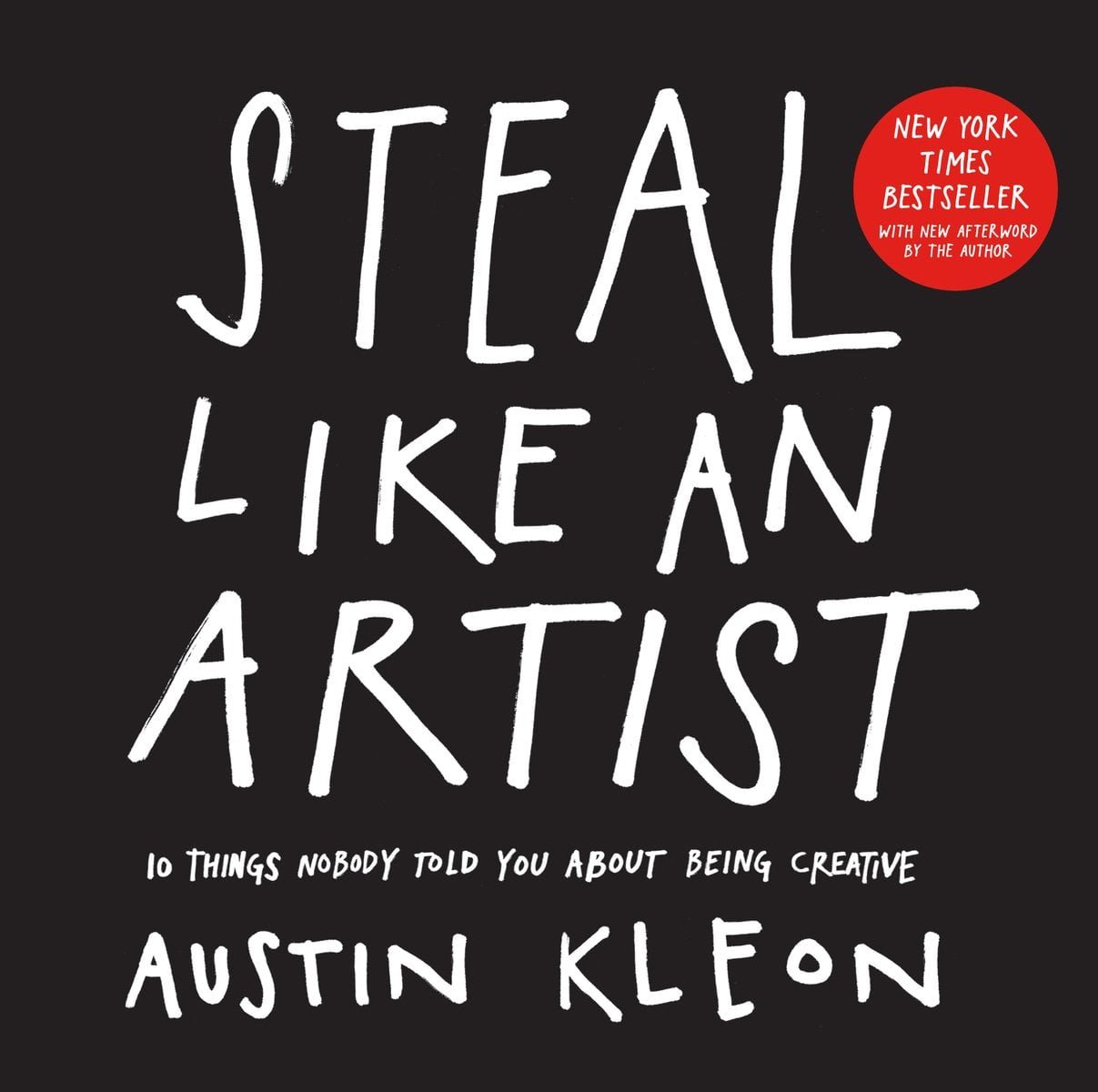
A manifesto for creative living that celebrates the eclectic mind. Perfect for understanding how to combine disparate influences and make something uniquely yours—just like David's approach to his podcast and life design.
Explores the art of simplifying and focusing on what truly matters. Directly aligned with David's journey of learning to break down big, complicated ideas into their essential elements.
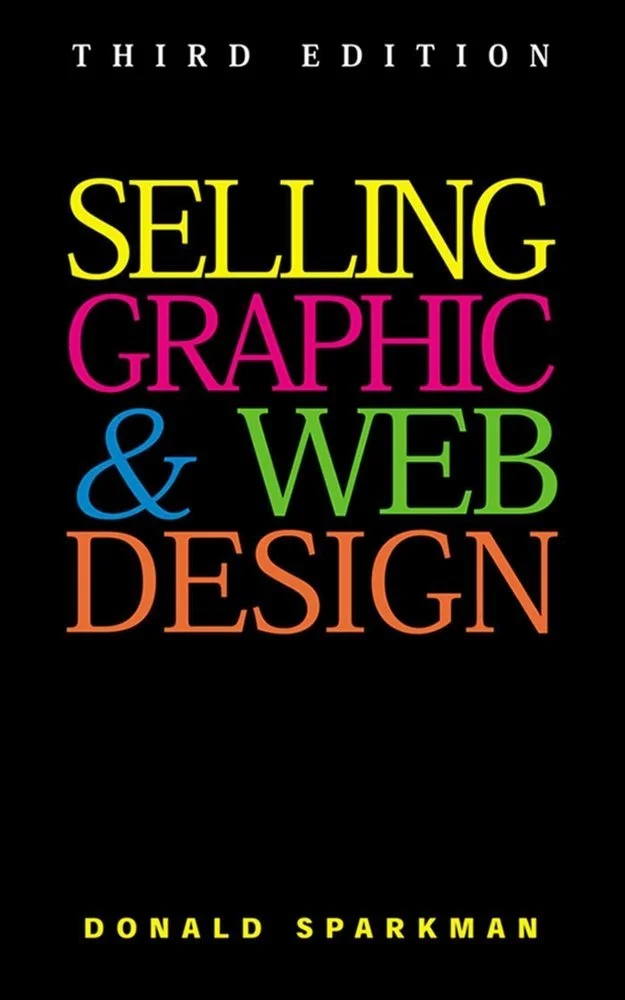
A seminal work on purposeful design that extends beyond aesthetics into how we shape our lives and communities. Foundational thinking for what 'designing your life' truly means.
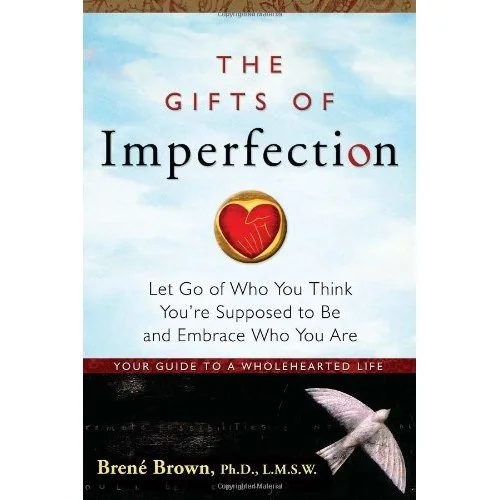
Deeply relevant to David's breakthrough about perfectionism blocking progress. A guide to releasing the need for the perfect moment and embracing authenticity in your creative and personal journey.
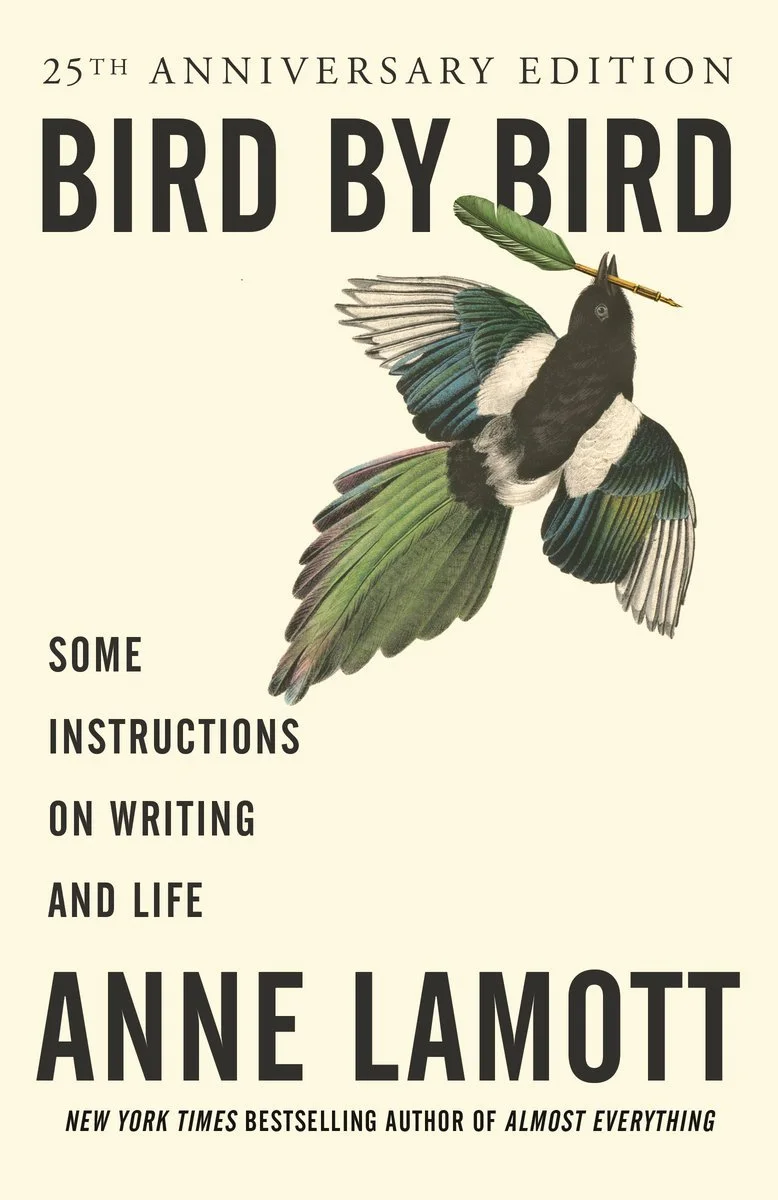
Wisdom on creative process and living with intention. Reminds us that breakthroughs happen through small, consistent steps—the 'start before you're ready' philosophy embodied in beautiful prose.
Resources
David Peck on Instagram (Podcast account) — https://www.instagram.com/itsdavidpeck/
David Peck on TikTok — https://www.tiktok.com/@itsdavidpeck
David Peck Official Website — https://davidpeck.co
The Shop David Peck (Fashion) — https://www.theshopdavidpeck.com
Subscribe on Spotify — https://open.spotify.com/show/2QqzRvxF7e4cOvxHyKfBXB
Subscribe on Apple Podcasts — https://podcasts.apple.com/us/podcast/inside-the-design-studio-with-david-peck/id1747015688

Three things I can’t stop thinking about this week: the Obama Presidential Center, an AI thriller that called this moment years early, and why Meta — of all companies — is the one giving me life right now.