Episode 20. From War-Torn Georgia to Surviving, Thriving, and Designing Across Continents: Marina Saba (Recorded Live)
How an award-winning fashion illustrator from Georgia developed her signature style and became a voice for design education.
From the Hermitage in St. Petersburg to Houston, Texas, Marina Saba's journey is one of artistic discovery, cultural bridge-building, and unwavering commitment to her craft. In this episode, we explore how Marina transformed her multicultural background into a distinctive design voice and why she believes teaching is as essential as creating.
Marina Saba is an international award-winning fashion illustrator, designer, and educator who brings a unique perspective shaped by growing up in Georgia (the country) during a transformative period in Eastern European history. Her work bridges classical artistic training—informed by early exposure to the Hermitage—with contemporary design thinking.
In this conversation with David Peck, Marina shares how she built a multidisciplinary career spanning fashion design, illustration, and education. She discusses the importance of developing a signature style, the role of cultural heritage in creative work, and why she's passionate about mentoring the next generation of designers.
Whether you're an aspiring fashion illustrator, a designer looking to sharpen your practice, or someone curious about the creative journey of building an international career, this episode offers insights into the dedication, vision, and intentionality required to create meaningful work.
Listen to the full episode on your favorite podcast platform.
Subscribe and leave a quick rating or review if you enjoyed it.



“If you have learned something, if you have developed a skill, it’s your responsibility to pass it on.”
Transcript
-
David Peck (00:00)
I am so excited tonight we have Marina Saba inside the design studio. My name is Marina Saba. She's an international award -winning fashion illustrator and designer. I'm fashion designer, I'm fashion illustrator, and I'm educator. All the way from Georgia, the country, not the state. I'm so excited today to be part of this wonderful interview with David Peck. So follow me inside the design studio. Let's go.
Hey there, design enthusiast. Welcome to Inside the Design Studio, the podcast where we unravel threads of life and design. I'm your host, David Peck, your guide through the cosmic wonders, the tangible touches, and the delightful twists of creating a life you absolutely love. Today's episode is a special peek into my eclectic toolbox, the secret weapons I use to design a life that's as vibrant as my creations.
So grab your metaphorical sketch pad and let's dive into the art of intentional living.
So, Melina, when you were growing up. Where? When, when you were growing up. What did you want to be and what did you study in schools?
You know, as a child you want to be a ballet dancer, you want to be archaeologist, you want to be an astronaut, you want to be everything. Yeah, and with my accent, everybody, every student asking, where are you from, Misaba? I said, I'm from Georgia, from Atlanta. I said, no, it's different Georgia from the country. Okay, now I'll give you a little bit information about me. It used to be from the Soviet Union, but when it was collapsed, you know, lot of repatriation.
like state, decided to be independent in Georgia, country of Georgia became independent, you know. And this is the place I was born and raised and received my education. And from early childhood, I love art. I love to draw, I guess. And I was lucky that my parents pay attention. And as I know later, that when I was six years old, my mom took me to St. Petersburg to see Hermitage. Do I remember everything? I don't think so.
but I know that it was six years old and later of course I was lucky enough to explore and just you know just going and my mom was taking me always to the different museum to the opera to Belchoy theater it's mean I raised to the very big exposure to the art culture literature and that it was how I start my journey in art
So you went to school, did you know that you always wanted to study art? Was there another option or was it sort of destined? No, I don't think it was destined, but you know, I during the regular school, you know, I decided of my parents was decided I think to attend the art school and I was, you know, finishing four years degree in art school. For the same time, I was gymnast, you know, I was jumping, you know, and competing, you know, and I was dancing. It's mean I have so many desire to be a
cancer, archeologists, I'm not sure if they are, especially in the fashion design because you know that time fashion design was not so promoted or it was a lot of institution where you can receive degree. Actually in the Soviet Union it was only three school where you can apply and receive degree in this field but to be accepted you need to have exam. It's been you need to pass eight exam and it was one month.
If you're lucky enough to go through the exam and to be selected on the top, you will be accepted to the school. But the good part, it was paid by government. It's my dream that in the United States we have more support in education and it will be more paid or affordable because it's very important when the school doesn't need to go and student need to go to work, full -time job, and after this coming to the classes and attend the classes. It was absolutely very nice and
when I was accepted to Academy of Fine Art and the five years I was spending in Academy and it was six day per week. It's like full -time job from nine o 'clock till four o 'clock. It's me it was all focused on your education. Yeah. Yeah. So you end up getting your master's. Yeah, it was master you're going through the bachelor and master you know finish everything together and selected your major because as Academy you have training as the fine art. It's mean all this you know new to mod
different type of the media, know, art history, but for the same time, you'll be select what major you want. It will be fabric design, fashion design, graphic, you know. Of course, architecture was separately, you know, costume design. I mean, all this discipline that was on the umbrella of the fine art academy. And we have only five students in the class. And then when we have that, you know, sounds like when I was in Paris. We professor. have all attention from the, you know, your
or do you have all the opportunity to learn from the best of the best? So did you major in fashion or did you study fashion? So you knew that fashion was it. Yeah, I I selected in academy. start to feel that it's very interesting, very beautiful, creative, and I was not sure if I'm very good as an artist, as a fine art major in the painting. And I thought that it will be very good combination to have my drawing skill, developing my taste and knowledge when you need to know the pattern, you need to know sewing.
and you start to wear your own clothes and start to see how people respond. This is something you can grow and develop. And you see in your collection, it's exposure to the market, to the future industry. Yeah. So you are from Georgia, as we established, not the state of the country. From capital to Belize. Beautiful country, guys. If you've never been there, it's wine country. But you can find that If we didn't need a reason to go, then cheers. And mountain and beautiful people.
People love to celebrate. People have, you know, waiting for couple of days and drinking any type of the wine. And hospitality is one of the best. Let's make the trip. Let's celebrate and go together to discover Georgia. Yeah. You're going to organize a tour. Absolutely. Why not? Yeah. So obviously that's just next door. So like how did you took a train to Houston? Is that how you got here? Yeah. Yeah. what brought you to Houston? How did you end up here?
You know, unfortunately it was not a good start from the story why we came here with my husband. My husband actually, he's architect. We met in the same academy. You know, he was older than me. He was architect. He was start dating. But when Soviet Union was collapsed, it was civil war start in some of the part like we all of us know today what's going in Ukraine. It was not on that level since God. You it was something, you know,
war and between the Georgia and Russia territory that it was part of the Georgia it was actually taking and
It was devastating, know, to know and live in the country where you have access for everything and the life was full of, you know, what do we access to? I have, I was designer. I start to open my company, you know, I have client like you, know, wonderful people, when you enjoy the life, when you have opportunity to learn more and travel more. And suddenly the country is collapsing. Every, every republic or every small country become isolated, but everything was connected.
It's mean if you're part of the body take one heart one liver that you're collapsing It's mean that nobody knew how to survive or what it will be future It's mean we start to not to have electricity for the whole day and when I have them I seem to system the production and everything in the couple of months you can produce your Paralyzed it's mean the life was paralyzed completely and plus civil war lot of crime lot of uncertainty You know, you don't know you you build your career and suddenly everything
collapsing. You lost everything. you know, safety was a priority. A couple of my dear friends, including my co -worker, were killed by accident, not because they were on the war. And I have relatives who were killed on the war and lost their area where my parents have houses and everything. It was very painful in different situations. And my husband was lucky enough to have opportunity to work with some American company. They offered some opportunity with a
and we moved here temporary for a couple of months considering, you know, when the war will be over, we'll be lucky enough to come back and everything, you know, we have studio, we have family, we have property, we have businesses, you know, and that couple of months became your home and you start to establish you need to work, you need to provide, and you need to support all of your family and friends in your country. It's mean it's took us responsibility and pressure to be provider to family what we have.
Georgian people who need this. It's mean we decided that we are strong enough and we need to do this. And actually this what I teach my student, you know, you can lose your all your money. You can lose everything what you build you have in your home because somebody can take by politician by the whatever. But you never, never will be lose your knowledge. -
It's mean we came to this country with what? Knowledge, skill, the skill you have nobody can take. And that is help us to establish
start step by step, step by step. And you know, I didn't speak English, you know, of course in school we were learning the language, we're every language, you know, but in Georgia we were speaking Russian in Georgia, you know, but English it was like I can read, you know, maybe I can understand hello and hi, but you know, to talk and you feel isolated because you know, all your intellect and intelligence zero, if you cannot communicate, you cannot find the job, you cannot alone or talk to people because they're language.
barrier and you know my my son was in school and I was like learning all the skills and taking the homework with him very seriously and I start to read and I start to educate and actually I self -taught my language. It means when I have opportunity you know to teach in community college it was very scary when I start to see so many students looking at me and looking for my knowledge and I think my accent is so bad, my grammar is so bad, how I can teach this and I told guys
Please excuse my grammar, please excuse my that because I'm here to teach what I know from my heart, from my experience and the rest of them you'll teach me my grammar and help me and that's I start to love what I do and start to practice and start improve my language and life becomes step by step you know it's second home we love this country we love our country but this is our second home and that like I told you know I think it was good destiny even it's have very bad
start and very painful start. the same time, I tell my students, I'll be never alone. I never have the opportunity in my country to be part of the different world and to share this knowledge because I think, you know, each of us, we enrich each other when we're coming from the different part, from different experience and from different generation. I told, I always love to learn from the older people. And I tell my students why? Because they have more experience of life and not always every knowledge coming from
from the book, the knowledge coming sometimes from experience. And when you listen to your parents, when you listen to your grandparents, and later when you're becoming adult, you start to cherish this memory. It's I can bring to my class outside of my knowledge as a designer, fashion designer, or artist that I love and telling my student about, go to the Louvre, you will be next, I mean tomorrow in Paris, or go to the Prada Museum, or if you will have an opportunity, I don't know right now about the sense.
Go to Hermitage, discover, like the architecture, like books, like library, because you you enrich yourself and after this you can share and enrich other people. And I start to love to teach. So how old were you when you came to Houston? To Houston. You're not asking people. I'm not asking your age. gentleman would never ask your It's almost 30 years. It's me and I considering, know, like 30 there, it's 30 here.
So you were like nine when you came in. Yeah, sure. So one of the things I like to ask people who have gone to some sort of creative school or haven't gone through the traditional liberal arts education is, do you feel that art school adequately prepared you for real life?
I don't think any school prepared to realize. It's not realistic because you know the real life is different.
And your knowledge, it's, you know, build some of the school background and some of your experience from your mistake. A mistake of other people. I know you're a student. If you can learn from mistake of other people, it's better because it's not cost you from the pocket. But expect, expect. It's normal step to fail, you know, long, move forward, never repeat this mistake. It's normal. Yeah, but no one's school, it does not matter what reputation, what level, reality, it's different.
I mean, it's helping you, but still it's important to go through the experience. Yeah, I completely. So did you have, when you went to school, and I knew you wanted to study art and you fell into fashion, did you have, and then you started a business while you were still in Georgia. Yeah. Did you have that plan when you were in school? Did you fall into it? How did it come about?
I mean, when I graduated, was lucky enough to receive the opportunity to work for one of the top company in Georgia because in my collection, everybody considering this was very nice and they me immediately offers. I I started to work and I was one of the youngest designer. You respect everybody for the same time you want to move and make it something different. And I was learning from older people, but for the same time I was trying to bring my voice and make it more edgy, more modern, more competitive and
and like you know we're always going to the market and we were going to the whole Soviet Union was coming to the market in Moscow in South and it's out in people you're learning you you know Meeting the people I gave experience and when it's time with this you know opportunity came you know I decided to open like small boutique because I was not you know Know if I will be capable you have finances to start to do and it's I start to grow yeah
And you know first three years I was telling my student guys you know taking you're not paying yourself You're paying every people who work with you you depends from them This is your team in design world probably not only design We are team people we depends from each other It's not because I'm so good as designer not because we need to have their work together as a pattern -maker sisters You know business people you know understand the business and in the academy I mean because it was fine art very creative very elite
school, we were not learning about the business part. was hit me and this is why I hired people who understand the business and I was just, give me creative part, you're in charge with the number because even I'm very good in the math but I didn't understand how we need to calculate. You learn that you're not paying you because it's your business. You're paying people who work with you and you want to keep the best people, you need to pay more to create a good team. And later you're growing with the business and finally after three and a half,
almost four years when I start to feel, now it's time to pay myself, the worries came. It was the worst. Yeah, perfect timing. But I discovered United States. I was not Columbus, but I discovered the country. Well, it's debatable whether he did that or not. of people, including you, David. mean, it's enriched me because I met so many interesting people who start appreciating the value of my knowledge, my skill.
spread my knowledge with so many students that it's just completely different opportunities. So when you came to Houston, obviously you were coming for your husband's job, how did you get involved? Because the fashion scene in Houston is small at best. polite. Very generous. Very generous. So how did you find your way into finding a job or finding a place for yourself? Because you came from a country where you...
like you had built up quite a reputation and a business and like I you lost everything and you lose everything completely. How do you start over in a new country especially when you think it's temporary? You know in beginning we never planned to stay here like I told you our idea was just to gain some money make some money you know earn some money go back to your work to your world where you know everything established and you have nice you know life used to be nice life but unfortunately one year two year five years it didn't change to the good way.
and you start to put your roots. in beginning, because my language barrier, because we never planned to stay longer, I start to paint. And there's a great academy of fine art. I always loved painting in different media, because we train in any media. It's meaning from oil, acrylic, pastel, watercolor, gouache, marker, everything. And that it was, for me, one part, of course I was depressed, stressed, you're isolated from your world and you don't know what it's
future of your world. And the art helped me to go through depression, to go and find my voice and start to focus on something that I need to show and share. And I started to exhibit. It was a couple of gallery, you know, who took my work. was just approaching, they'll guys are in temporary. I'm not sure I'm staying, but you know, this my art, know, if you were interested in can they help me display this cell couple of work. Even I have done when we used to have Foley Corporation, I'd done, I don't know, probably 10 or 15 commercial artwork for Foley.
corporation. They were helping. I met wonderful people who understand how difficult to start your life and who were supporting me, giving me hand. -
I always will appreciate people I met because I guess they guide you and help you to believe in yourself and start. And Kay King, by the accident I met, and she said, why not come to teach in HCCS with me? I said, yeah, why not? If you're fashion designer in Houston, we don't
have so many designers. We don't have people who know fashion drawing. Why not come to teach summer class? said, okay. And that is how start 10 years in HCC. during this time, I have another opportunity by the accident. I met the gentleman who is the owner of the Bridal Company in Houston. And I never ever heard about that we have the company in Houston, Bridal. And when I told you I'm a designer and I have been designer for so many years, can you imagine?
completely in not in this city not New York where you can work in design and you don't have money to open your business because to open the business you have the finances to invest and start as you know very good it's me and that is why you know I just decided you know it just I need to try to do something and that it was opportunity he told you know have you designed bridal dresses I said no because and he said why well in Russia it was not bright no we didn't have the bridal industry because majority of the bride
Dresses is custom -made custom -made to the body to the taste of bright. We didn't have market We have huge market, you know, so we do but never was you know, he thought would you like to try? I say, you know, my god, it's my my heart would jump because I need try I wasn't not sure I'll be right person because I don't have experience but I don't even think where I understand design I know collection and I miss so so much that they don't you know
I'll do for free you know almost you know what just go and make you know just some portfolio collection with the bridal dresses because I spent one month in library looking for 18th century corset 19th century corset boning structure petticoat that going to the Neyman Marcus looking there under and everybody's looking why this lady looking under the dress because I need to know construction I need to know structure of the bridal dress I make portfolio I'll open this
you know, for the interview presentation. he said, when you start tomorrow, next week, but he told you, you will be flying to China. So what do mean to China? So production in China, you'll be work there in China. So yeah, but where's my pattern maker? Where's my, you know, production? People said, in China. I said, how I can work? That is such a big challenge for me. Such a huge challenge because, you know, we never work, you know, outside of the studio. I work with my best pattern maker.
together every day, sometimes good days, sometimes bad days, sometimes you hate bad days, sometimes you're in love with everything, but that it was different. You go there and you work with these people, you create your collection, but you know it was another challenge and experience and learning and realizing that full pressure on you and if you fail you're out from the company and if you succeed they'll keep you. That it was a journey.
would never experience a body again. I would never change for anything that experienced. And it's what? Nine and a half years. To create twice per year collection, every collection, minimum 25 dresses. Later you need to do prom dresses. Later you need to do, your line is so good, let's do bridesmaid dresses. It means the line was expanding, you're learning more, you're on right on the market, and the line was very expensive because they want to have high end.
It's mean all the fabric was silk setting, silk chamois, silk chiffon, silk settings. I you feel responsibility for the cost of the dresses and the laces. They sent me to New York. They said, OK, this is a French laces. Select what you like, whatever for your collection. When you select and the price point of the French laces, you know? It's ridiculous. It's now they decided to change last minutes for the Taiwanese laces. It's mean they need to fly me back.
to China to select new laces to make the collection. But again, it's experience, guys. It's experience that it's more important for me. And I love every single day. And every single night when you sit in it creating your stress and you don't know if it's everybody will be love this dress or nobody will be buy your bridal dress. It's an adventure. It's always adventure. But you know, when the trunk show and the brides is buying your dress and the crying and celebrated, everybody start to
for the wedding. said maybe it's a time now to travel for every single wedding with the bride. You know you've made it wedding. Yes, yes. So you have worked in all facets of fashion design. You've done active wear, you've done ready -to -wear, you've done bridal. What is your definition of design?
You know, all this experience in years and two different countries that I work, you know, now I feel some guilt in one way and I'll tell you why.
Because I think the fashion industry start to be so wasteful. We're buying more than we need and we need to start little bit, what I try start to teach my students, more selective. Buy less, buy quality. Not necessary change because Zara telling you on magazine, need to tell you buy for one month and throw away. In Europe, people more value quality, more because
that were maybe educated because maybe the grandma was giving something, Chanel jacket and everybody was feeling, it's important. Unfortunately, I understand it's business, buy more, spend more, money more, but in reality, fashion need to have more personality like you. You're not creating 25 bridal dresses like I was, full pressure. And during the one year, you're creating 50 dresses that is still beautiful.
elegant, on trend and continue by still demanding from you another 50 dresses per year. Why? You you feel, you know, start to question yourself. Do we need so many new designs? No, we not.
We need to have creative people. We need to have designer. But we need to have more personality for designer to give the voice, not the company, the biggest company, but individuality in design. Because I feel we're losing individuality by the humongous company and label. And people feel if it's label, it's design, not necessary. I think, as we know, design about the skills, craft, uniqueness.
care, you know, when I have the expensive clothes and I teach my students, take care, don't throw it to the washer and dryer, you know, just wash with your hand, put it in. Iron, you know, you don't need to the dry clean because it's, it's value. It's mean, I think we need to teach, educate, and I was educated, you know, have opportunity to educate young generation, young designer to have approach to the fashion less wasteful because fashion design industry second
after oil by the pollution. We're wasting so much materials. We're wasting water, everything. It's mean why? We need to start to, you know, responsible each of us from consumer to educator to anyone and start to cherish what we have and produce probably, you know, fast fashion. mean, fast fashion killing the fashion. You agree with me? Yeah, no, I think it's not fashion. It's not fashion, but unfortunately, this is what it
It's wasting all the material, all the money people spend, including the student. say, special piece, but don't buy three pieces.
and waste and throw away. That is my approach to the future of the fashion, I think, yeah. How did working as a bridal designer shape your view as an artist? Because you had sort of taken that break in between designing in Georgia and then starting to design bridal here in Houston, but you kind of had an interim as an artist, and now you're back to that, which we'll get to. How did working as a bridal designer shape you as an artist?
You know, what I feel difference in the bridal design in any other design, you ready to wear sportwear, eco -friendly, whatever, that bridal dress is, it's very unique. Why? Because you're not worried about function, how you're suffocated or scared, that you just want to enjoy. And that is a dream dress. You know, when I was designing, and usually I design at night, I don't know, it's my personality. I love to sketch and design and,
four, five o 'clock in the morning, feel good. In the morning when you look in the sketches, say, no, I don't like this, I don't like this, start over. It's constantly processed. But when you design it, you think this is one of the memorable dress with something of your treasure. It's like every girl want to be Cinderella, the dream. And that is something constantly inspired. And I think my artistic point as an artist, to feel and connect. It's like I'm touching, it's created a
happiness of the dress. For me it was very emotional. don't know, and I guess it's helped me constantly come with ideas. No, when you finish collection, I guess I'm dead and I will be not able to create new collection and I'll be out of that, finita, bye bye, look at this something new job. -
And after one, two weeks, three weeks, say, sparkle, something, let's start, let's start, let's start. And you start the involve, you start, and again, it's very emotional.
that emotion for the ready to wear or eco -friendly collection that I have two years, you know, partner with one of the lady. I never have that connection. It's very, very artistic. And plus you do whatever, as many flowers you put, as many laces, as many Swarovski, it's still beautiful. It's still beautiful, you know? It's still romantic. It's still elegant. And that is like, I think where the artists meet the dream in the bridal dress for designer. I feel this way.
Yes, it was the best match. But after nine years, feel like some, I feel like a lamb and somebody was squeezing me in the water and you drain and you feel like you exhaust. You know, I need to, you know, I think every designer, especially when you're doing collection, a collection every six months, the quantity, responsibility, the market like this, market does not like this. Or, you know, we have New Zealand buying your collection or New Zealand have different, you know, the taste.
different aesthetic. Okay, you need now to design collection that it's fit New Zealand taste. And Canada, because Canada took your collection. It's nice, you're proud, but for the same time you feel, it's different clientele, different market, you need to learn this. It's a lot of responsibility. If the company didn't sell number, they don't have millions, you're not good designer. If something is successful, you're good for this season. It's like constantly, you know, you need to be As Heidi Clinton says, one day you're in.
one day you're out. It's absolutely true. But you know when you laugh, know it's nothing will stop you. You worked for a line that was sold not only nationwide but worldwide. Yeah. Did...
How did you approach your design process? Did it start with like prescribed because it's very much market driven it seems like and you had to kind of follow what the trends were, what the stores were demanding, things like that. Did you base a lot of your inspiration on the best -selling silhouettes and how do you reinvent that or did you come from a much more creative place and then figure out how to fit that into what the clients needed? It's excellent question and you know when the company owner was
you know, trying to test me or asking me if I'll be able to create, you know, couture collection, expensive line, you know, new brand and start to create the new name for this brand and some of the even buyers think it's my name, but of course it's not my name because it's name of the brand, the company. And I wanted to have like European flair, you know, something that is different from American market and that because I didn't know American market, I was very honest, I create something.
that I thought it will be immediately sellable. And the first collection was very, you know, not resistant, but a lot of buyers on the market were scared to buy because it was not yet, you know, here, but it was somewhere starting European and the market was not. It was too forward. And they told me, you know, it's too forward. know, market need to be ready. So, market, you know, I brought something fresh idea. I thought it will be
interesting, unique, unusual. But in reality, you need to listen to the market as you know. I was not on time and after one year exactly, all the buyers start to buy my first collection, but I came with the third collection and I started a little bit slow down and I was learning because in the same, maybe my not enough experience, I was thinking like 50, 60 % of collection need to be like we call wow dresses, like for the picture,
whatever. No, you need to have 60, 70 percent sellable dresses, bread and market. That market is very big. It's mean they tell you not designing for New York and California only. You need to design for the whole United States. I said no, I want to have like only special, very dramatic, very dresses. No, you need to hit the market. You need to have the dresses that fit different state, different taste. It's mean you start to learn how to make balance in your collection.
and you still need to have that maybe 30 % of this European fashion forward to dramatic dresses that you love as designer, but you need to get the number and market what the market want. That was learning journey for me that I was later shared with my student guys. This was mistake. I didn't know it will be mistake, but everything we're learning through the process. I told you, no one's school will tell you prepare to that level.
So you made a decision after nine years, I guess, of being a part of this and you were still teaching at the time. You made the decision to step away from your full -time design job to concentrate on teaching and now your own art.
Was that a really logical and easy decision or how did you come to that decision? no. I mean, I think, you know, every decision, not only in art, of family, you know, we always question every decision. Some one day you say, my God, you're right, you're absolutely right. And whole night you're not sleeping, getting maybe if it's wrong or right. It's mean, unfortunately, COVID situation with this COVID change a lot of, a lot of life for, I don't know, for me.
personally, maybe for a lot of other people including a lot of small businesses who lost and I used to teach you know when I resigned from the bridal dresses because I was exhausted.
not only because the Art Institute invited me to start to build a new department and I would have fashion design program because I was a designer who had experience with designing and had experience from teaching. meant they wanted me to help new department and they offered me full -time position when I don't need to travel to China, when I can be little bit relaxed, when I can have no pressure. And I was exhausted from designing. I feel like it doesn't matter how you love, but when you have so much pressure demanding and, you know,
responsibility I feel like okay for a couple of years I'll take this you know like retirement from the design and start to work with it and at the Institute I start to love because you know you're designing senior collection with the students do anything they design but in reality you guide them you mentor them and use I start to feel that you know I enjoy design not only bridal dresses but what student design it's like street wear cool stuff different stuff and that it's was enough
I knew when I started to enjoy and actually that it was before COVID till this everything is changed and online classes and the left you know this all the faculty unfortunately majority lost their job and the school was lost lot of students and situation is changed. And you know for me art was always the best escape.
During the COVID, my friends was calling me, you're not stressed, you're not worried, why you're not crying? I said, you know, I'm painting, what's wrong with you? enjoying, I can read the book, I never have enough time, finish, and I enjoy, I have so much time to paint, I have so much to sketch. For me, it was stay away from stress, support my friends and students who are calling me and asking what the future of the world, I don't know, but just take the brush, start to paint, invite other people, take a glass of wine and paint.
And you start to have like, because you you're coming to the some something, you know, you're expressing yourself, you take away and it's giving you a balance. It's mean that that's why I came back to the art. Yeah. So in coming back to art, do you have you established a regular artist practice where you regularly do something? Where are you with your own artist practice?
You know, because of my hectic life, I never have regular basic, you know, like it's never was enough time to do or sometimes, you know, you're starting and you don't want to run to the class or whatever. No, I think art is very emotional feeling. You feel, start to do. You want to do today, do this. I think it's my mark,
Sorry, we're getting static. yeah. But like I told, it's just, I don't think art need to be schedule. Art, it's the same like creativity and design. Can you like force yourself sit and design 24 hours? And if you don't have inspiration, if you have not that emotion that you can put your vision on the paper, it's not always working. But someday you're sitting and everything is look better and better and you feel, my God, that was the best day. And art is...
I'm saying, was like, I miss my painting, my canvas. You're starting to draw. It's like, I don't see something I like. I need to like something. I need to feel connected. And sometimes you start and you don't want to stop. And the whole day it's already dark. It's like, my god, I cannot wake up in the morning and continue and finish and everything. -
You know, it's very personal, connected with your feeling, emotion, And expression. use a lot of mixed media and collage. How do you decide on the medium for any gift?
Is it spontaneous or you plan it out? Usually it's spontaneous. If I feel that something, you know, I'm missing and I say, okay, let's make experiment and next day sometimes I take it away or just painting over, so I don't like you. I hate you. Just leave me alone, my painting. And I say no. And I come back maybe sometimes after a week or months and I have painting that like, you know, it was in my, you know, studio corner that I have not seen. my God, I love you today. You know, I need to work with you. I can't finish you. I feel connected.
with you. You just need to connect. It's very, very personal for me. I know some artists maybe who are constantly working in their studio, they're coming to work from nine to six. Maybe it's good, but for me it's like escape, pleasure, joy, feeling, emotion. I never force myself. And this is like I told you, we have commercial art and we have collectible art.
I never, like I tell my students, you I never want to work commercial because for me commercial it's like, you know, some design you need to sell. And in art, I think, you know, every art need to be only, you know, collectible because you share feeling, emotion, and that what I feel that, you know, art piece, you know, original art piece, it's strong, it have the emotion connection with the artist. It's mean in each of viewer or the owner of this piece, they can see some
for themselves, but for the same time it's still some connection with the artist, I feel. And the print, it's just copy, you know, some people, yeah, can buy the print from the TG Maxx, whatever, that know, in China, a million, but the print will never connect because it does not have that emotion and feeling that it will be through a stroke of the original art. This is why I think the art need to be only collectible, but I'm not against that, you know, we need to decorate, we need to do interior,
need to have beautiful wallpaper. This is starting with the art too. day, artists was creating idea and after this we need to surround yourself because when we surround, we feel special. We feel unique because we select something other people will be not selected. It's expression of personality. And I think honestly, you know, a lot of students ask me, do I need to have talent as an artist or designer? I think a lot of us were, you know, have in genetic.
We never have opportunity to develop. And if it's in right age with the right mentors of people who will be helping, I think a of people will be discovered. are very creative, very artistic in different way. It's clay, it's styling, it's a fabric, it's anything. Have you read The Artist's Way?
No. So I just recently read it and it's a book that we carry here in the store, product plug. But it's all about the idea that there's an artist inside everybody and it's the practice of being an artist that we have to learn how to draw it out because there's creativity. It may be different. It may not be the same type of artistic talent for everybody, but there's creativity within each of us. And it's our responsibility to figure out how to tap into that. is absolutely the same. feel I think, you know, every human being, you know, have this in beginning, but because our life starts
nobody was helping us to discover on particular age and later, know, with the school, know, very monotonous, very narrow. Unfortunately, we have so many rules and the art usually break the rules. Why I like the rule, you know, art because art does not have that. Personally, I like to break the rules even in design. You need to know the rules first. Like you cannot start to draw without, I mean, for fashion drawing, without no anatomy of the...
because the garment need to design for the body to complement, you know, to complement different shape of the body because we are different. This means every different garment complement different type of the body, different color, different shape, different personality of the people. But it's very important to start with a foundation drawing. Yeah. I've noticed a lot in your work that you have a lot of classic references like Dior and Chanel. Is there anything in particular about those houses that kind of brings you back and kind
that it inspires you.
I periodically. Even for the bridal dresses, I always was looking inspired, not what on the market, but inspiration I was taking from the old painting, old collection of Dior, any detail of the Oscar de Laurent. I love it, I admire it. I was always looking at older collection that I can grab and make it very personal and new. Because if I look at the market, Vera Vanque, like Vera Vanque, Monique Louie, Rimaq, all of them.
look similar. want something that I feel like, okay, I I give personality to that look and it's the personality still always inspired by the vintage. This is why in my restoration, it's still very elegant, you know, I just, cannot, that's my personal what I like, but like if I design or, you know, it's work for me, I need to do street wear or something that it will be trendy for company. I need like chameleon, you know, I need to change myself and I need to create what the house needs.
or the student because some majority of my students, they are not related to sophistication or elegance what I like. It's made every time like I need to divorce myself from my taste and go to the eye of my student and taste of my student to understand their senior collection because they are not what I feel. And I need to help them to make the best from their vision, not my vision. It's very interesting for me,
for the same time, like I told you, I'm constantly divorcing my personal taste in this way. Yeah, no, completely makes sense. As an artist that's creating, is it hard to create that commerce side of selling your work and marketing your work? For me, the hardest part. I never probably investigate enough because I thought, you know, if I like and some people find this very interesting, appealing, but I know there's a small
Yeah. Is there a lesson
from early on in your career that stays with you still.
You know, lot of lessons learned during the lifetime. know, from every perspective, you have different lessons and you're just like, sometimes it's coming to my mind when my student have something they're asking, this is coming from my lessons I can share with you. I think life, it's very interesting journey and we're learning constantly from, you know, every experience, yeah. Outside of art, what brings you joy? Traveling. Traveling.
lucky enough with my husband because we have the same interest. He's architect. We travel a lot and we've been in so many countries from Asia and Europe. Europe, we consider our home because Georgia was so close that we know every European country and we've been several times. But we discovered Singapore, Malaysia, Bali, Indonesia, just a lot of Asian part of the world. And I think when you meet the people, we enrich each other.
because you see life from different perspective. And sometimes you're fascinated how these people sometimes more happy having class and we are so busy with their lifestyle and with the goal, goal of that, goal of that. You don't have weekend, you need to work more because you want to succeed more. And these people so relaxing and enjoying the weekend, it's okay, life it's not stopping because you cannot finish your collection or something. You're learning how to make the balance and be happy from other.
sometimes, yeah.
So you've made a career out of design and art in a world that doesn't always value those skills monetarily. It's true. We value them. We consume them, but we don't always give them the monetary value. What advice would you give to a young person who is wanting to enter the world of design or art?
several lucky designers on the top, if they're lucky enough to be selected and work for the big brand, big company, their name is recognized and financially they're very nicely paid. But reality we have so many, you know, genius, the most talented, the most amazing small designer who work on the different level to make custom dresses one of the kind, to have small line.
And they love what they do. But financially, it's very tough business. Unfortunately, this is not the industry when it's easy to make money because it requires so many hats to wear. And the student coming to design school, don't know that. That you need to know pattern, need to know sewing, you need to know fabric, you need to know business, you need to know calculation. It's not so many occupation when you need to know so many knowledge and skill to put in one. In some way, can have math and
and you're able to be successful. Here, too many stuff. But when you laugh, I'm telling my student, why are you complaining of your homework? -
You came to school too long to take from us, to take the skill, to, don't complain. You know, no, I never complain how many sketches I need to do, how many times you need to reduce this dress because the dress does not look the way I want. It's mean I'll do it as many times as take. But when I love this, you know, I'm happy with this. It's mean this is occupation.
for the money. I'll tell any person who enters. As you know, lot of today young students, when they figure out how difficult to get in this occupation, they want to be stylist and they want to be stylist only for celebrities. You know, I want to be red carpet stylist. It's good for you. But who are you to be recognized? You have special taste, you have connection. How? Or I want to be blogger. I don't want to be a designer. It's too much work. It's true. Too much work. Just leave the school.
Focus on something what you like. Yeah. Yeah. If you could, this is my favorite question. It's my last question. and I borrowed it from one of my favorite podcasts, second life with Hillary Kerr, but you can go back in time to any version of your younger self. What advice would you give her?
don't think, you know, the life is giving so many challenges. I don't know even if I have some advice.
I think I'll take as it is and just go and facing it. I don't know. I don't think. yeah. So just take it as it comes. Yeah. Yeah. Just be brave and, you know, have the good support as a family, friends, husband. I think, you know, that is very important. I can rely, you know, I would like it like we went with my husband through the, you know, so much difficulty to face. And we, you know, we went through together because we have each other. We have somebody, you know,
to support and that support is very important. think, know, value the support, know, don't lose this. Yeah. Yeah. Yeah. Thank you. Thank you. And I have one question for David, as I said, I will ask because what I start to face, you know, artificial intelligence, how would you think about AI in creative industry? That's so interesting, because I feel like it's the question du jour. It's I think it's a tool like any other. I think it's inevitable. I think it's something that is bound.
to be a part of our lives, whether we want it to be or not. And I think as creative people, it's our responsibility to learn to harness it in a way that's to our advantage. I think if we deny its existence, we're going to be left behind. And so we have to figure out how do we use it to create a new future and create a new future that is both creative and ethical and enhances what we're able to do. Because I think that with AI, we are starting to see possibilities that are
endless and I don't think it's the end actually of creative professions I think it's the beginning.
I little bit worry about AI because I think it's taking from human that very personal level in creative. I know it's tool and it's very good tools if the human will be used the right way because you know even the big company right now everybody including Elon Musk, they thought we need to slow down because we don't know if we'll be able to control this. But in creative because you know we are in creative world I feel that you know it's becoming too technical you know it's not for me it's not interesting you know if it's created by
AI design. think it needs to be, design needs to be personal, have feeling, emotion.
And that is why in creative part, think, because I right now saw even on Instagram, some illustrator posting their AI. They look so beautiful, so perfect, so bad, but it's done by machine. Do I need to value that? No, I don't. I don't want to have something done by machine. I think AI needs to be technical tool, again, for the best of humanity. But in creative way, I think it needs to be very personal touch, very humane, very emotional.
on connection with this human being. That is my opinion. Yeah. Yeah, I think it's one of those things where...
in order to have the personal touch that creative people have to come up with creative solutions of how to deal with it. It's true, but it's long journey, know, because we don't know what the balance and how control because that it's still out of our understanding, you know, what extreme at what level. But I glad to hear because I start to question myself and I hope it's another 50 years will be still will be designing, you know, having our opportunity to connect. You never know. It's It's true.
OK, before we close, does anybody have any questions for Marina? And for David too. Not only for Marina. I have one question. I have several, but it's OK. Next time. Lane. So your story is fascinating. thank you. It's very much so, coming from a war -torn country and assimilating into this.
Houston is one of the largest cities in United States. guess my question, I'm just curious, what do you feel that Houston has brought you? What have you learned from being in this community of Texans? I mean, I'm sure there's good and bad, but is there anything that you could share to us today that would kind of enlighten us on, you we know what Georgia, I felt the energy from you of Georgia and what that brought to you.
that authentic, inspiring, creative community. What has Houston brought you and your family?
even planning to stay so long in Houston. We thought maybe for a couple of years in beginning and we were planning to move to New York because as I told you know in fashion design Houston it's not so many opportunity for architect as my husband again it's not so much opportunity but you know somehow you know environment, people, kindness that's something it's remind home and you feel more homey that you're going to New York or you're going to another state when it's
everything, it's a little bit different. think this is why, you feel comfortable. You feel loved by other people who are stranger for you, but after a couple of years, become your good friend. You can rely on them and you value them. And, you know, when you don't have a relative in this country, that dear friend becomes your family. And Georgia, it's very family. It's tradition. You know, it's very important. And suddenly you don't have anyone. You're lonely. You know, when it's Thanksgiving, you're almost like crying. And suddenly,
your friend invite you you including one of my friends who is sitting here and you're becoming part of that and you this is what it's I guess it's Houston offering you you feel that you know these people willing to help you willing to share understand your story when in other state probably they say we don't care you know you know you came here I didn't care we didn't come here to stay or you know escape or refugee find we came with a different agenda and move back but the life was give different opportunity
different situation and you start appreciating while and plus you learn something that you can give like I always cherish my relationship with my students. I have so many friends right now because I think I changed their life, their vision, their worldwide, they're better people because they know the people, it's human, it does not matter what country, what color, what skin, what language you speak, we are the same. We just need to more share that to fight, not to be...
angry but more to find the peace. think, you know, if this is the volume, my student will be continue and start to understand the fashion industry need to be changed. I feel that I find in Houston treasure and that is why I feel comfortable. I love Houston. It's my second home. It's like, you know, I love I have my home, but I still the home here. I mean, I was feeling when you were talking was that I mean,
Yeah, it's true.
We're excited. Yeah. Yeah. Tell us who you are. It's true. It's true. I think it's really cool that you've been here this long because it shows me that you found your And we never moved to New York. Every time from New York, I say, my God, I want to go back to Houston. I know it's not the Manhattan. It's not the, you know, I cannot go home. I cannot go back. But after that time, you want to be home in Houston with the people, you know, enjoy comfort, smiling. Everybody love you. I mean, mostly you feel so positive energy here.
you have more competition, like a little bit more isolation, competition, it's everywhere. They want to kick you from the job. Here, that's like more surrounding you. I think this is like, we never moved to any other state. Yeah, you're stuck with us. What an inspiring story we have in you. Thank you. Thank you so much. And there you have it, another episode of Inside the Design Studio and the Books. If you enjoyed this exploration of life's design,
hit that subscribe button so you never miss an episode. And hey, if you're feeling extra generous, leave us a review. Your thoughts fuel our creative journey.
I'm David Peck, your design companion on this adventure. Until next time, keep crafting a life that's as captivating as your favorite masterpiece.
Marina Saba on building an international design career, developing your signature style, and the power of teaching in the creative process.
Listen now on Inside the Design Studio.
Key takeaways
Develop a multidisciplinary approach to creative practice—combining design, illustration, and teaching creates a more robust and resilient career.
Your signature style is what makes you irreplaceable in the market. Study the fundamentals, but never stop experimenting to find your unique voice.
Cultural heritage and life experience are assets, not obstacles. Use them as inspiration and differentiation in your work.
Teaching keeps you sharp and connected to your craft. Sharing knowledge with others deepens your own understanding.
Patience, consistency, and daily practice are non-negotiable. Success in creative fields is built over time through intentional effort.
Be willing to operate across different contexts—different countries, different industries, different mediums. This flexibility creates opportunities and insights.
Guests Appearing in this Episode
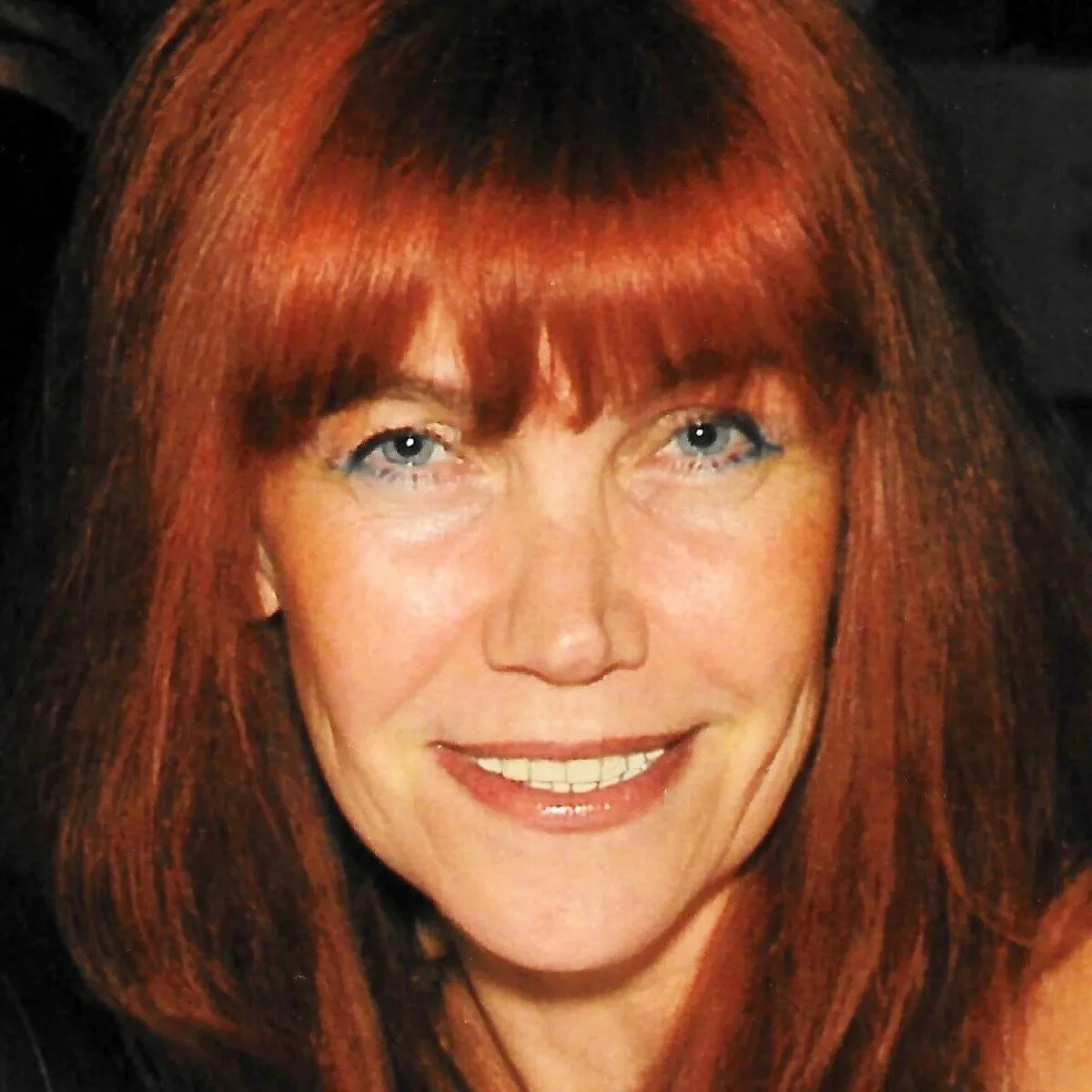
Marina Saba
Marina Saba is an international award-winning fashion illustrator and designer based in Georgia (the country). With expertise spanning fashion design, illustration, and education, Marina brings a unique perspective shaped by her rich cultural background and artistic journey. From studying at the prestigious Hermitage in St. Petersburg as a child to developing her signature style as a globally recognized illustrator, Marina's work bridges Eastern European artistic traditions with contemporary fashion design. She is passionate about sharing her knowledge and inspiring the next generation of designers and illustrators.
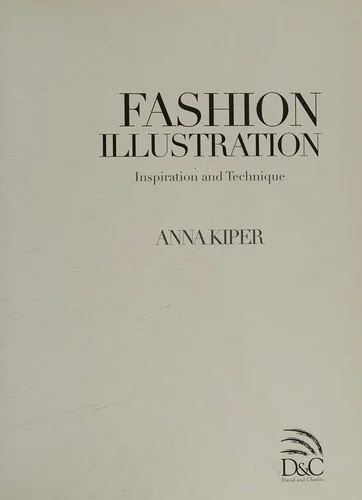
Comprehensive guide to fashion illustration techniques, from concept sketching to polished presentation.
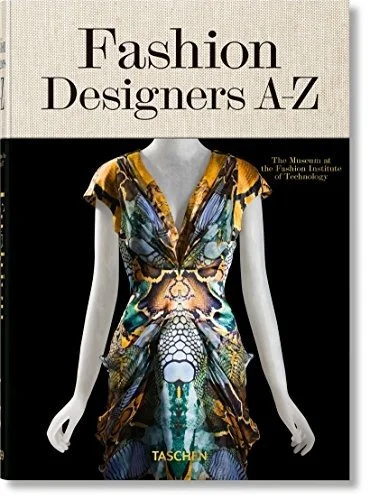
Lavish Taschen encyclopedia celebrating the most influential fashion designers across history and culture.
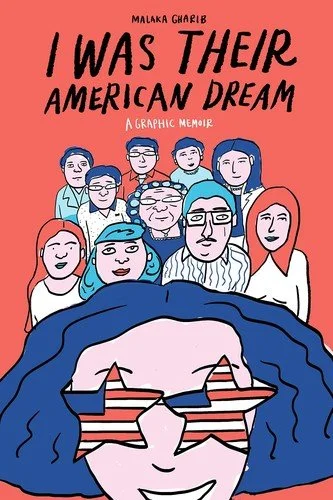
Malaka Gharib's graphic memoir on growing up between Filipino and Egyptian cultures in America.
Resources
Marina Saba's work and portfolio:
David Peck on TikTok — https://www.tiktok.com/@itsdavidpeck
David Peck on Instagram — https://www.instagram.com/itsdavidpeck/
Inside the Design Studio podcast — https://www.davidpeck.co/podcast