Episode 24. From Bubbly to Business: What The Widow Clicquot Can Teach Modern Entrepreneurs
Exploring ambition, resilience, and female entrepreneurship through the story of a champagne pioneer.
Welcome to another Inside the Design Studio Book Club episode! This time, David Peck sits down with Leisa and Shavonnah to discuss "The Widow Clicquot" by Tilar Mazzeo—a captivating biography of Barbe-Nicole Clicquot, the extraordinary woman who built one of the world's most legendary champagne houses despite tremendous obstacles.
This episode explores themes of resilience, ambition, and female entrepreneurship through the lens of early 19th-century France. The Widow Clicquot's story shows us that challenges facing women in business are not new—and neither are the remarkable solutions found by those determined enough to overcome them.
Whether you're interested in champagne history, women's leadership, or simply love a great biographical story, this conversation offers insights into how one woman's determination shaped an industry and left a legacy that endures today.
Listen to the full episode on your favorite podcast platform.
Subscribe and leave a quick rating or review if you enjoyed it.



“It felt real. Like it’s a real story about a real woman facing challenges that even though this was in the early 19th century, we still encounter now.”
Transcript
-
David Peck (00:00)
Okay, welcome inside the design studio, Leisa and Shavonnah So excited to have you. feel like this is like, watch what happens live. So we have the chairs angled like you're very much, I'm gonna give you Andy Cohen for the night. Absolutely, that is really exciting. Yeah, so. And we're in the design studio. We are in the design studio. I hope, you know. Everything always goes back to Bravo. So I say this and every time we do a...
of this but the inspiration for the title of Inside the Design Studio is Inside the Actors Studio which was Bravo. Right. Back in the day, James Lipton. you know. Wow. I'm channeling my inner James Lipton and Andy Cohen. Okay. So we are talking about and you have the book here, The Widow Clicquot, which has anybody read it in the audience? Okay cool.
Parsley, cool. Just so you know, Quick Plug for Audible. It's free on Audible until the 25th of October. That's what my app said. And it's a great audiobook. So it's really well read. So if you don't have the time to read it in person, you can listen to it on your commute and get stuck in your use in traffic. Yeah. So let's talk about first impressions of the book. Why are you looking at me? Because I haven't read it. Surprise, surprise.
read it. How old is the book? It came out in 2009. I'm sure I read it. Yeah. Okay. Just not recently. Fair enough. But you know all about champagne so you should read it. And I know all about women. Yes. Suffering through stuff. Yeah. I think you'll be good. I think we're gonna have a good I knew I could answer the question. Yeah. So first impression for the person who's read the book. Yeah. I loved it.
Because it felt real. Like it's a real story about a real woman facing challenges that even though this was in the early 19th century, we still encounter now.
Very relatable. It's very relatable. I thought what was so interesting as a small business owner is how many of the problems that she faced are exactly the problems that we all face -
today. it's, it's was kind of really heartening to realize she struggled so much and then came up with, which has lasted 250 years, is amazing. So she was Madame Cliquot was widowed at 27 and she became a trailblazer.
in a male dominated industry. Like there were other widows around, but she was really the dominant one. And she came to like be famous in a time when women weren't really allowed to work, especially women of her social standing. How do you think her boldness and refusal to give up reflects the challenges that modern women, especially in entrepreneurs face? You go.
I mean, so I've been laughing and talking a little bit with people here about Leisa Hollen Nelson, this personality that I put on and can do, she can do anything. But modern women, modern entrepreneurs, it isn't even women, face incredible challenges. The first challenge we face is nobody thinks we're serious.
They don't. They never, they think, what are you doing? Do you have the right location? Have you done a plan? Have you this? Have you that? No, I have a great idea and you want it. And that's how it all starts. But so many times people try to tell us.
We don't know what we don't know, and we don't need to know what we don't know, and we really don't need to know what we can't do. And everybody wants to tell you that so that you could get broken down. So I think one of the first struggles any business person has, but especially an entrepreneur, is maintaining their confidence and their belief that they can do what they start out to do. Then of course planning is awfully important, and if you don't do that part, or if you don't
fabulous product you're dead in the water. If you don't like your customer, it's worse. know? Well, those are real things that happen, especially in your business.
You know, mean, retailers hate customers because they're a pain in the butt. Yeah. Yeah. But wasn't for Stanley Marcus. I still would. Yeah. He told me the customer was my business, not an interruption. Yeah. It's a mindset. It's a mindset thing. but, but basically back to really having a great idea, really having the courage to stick to it through everything, because if there's something bad that can happen, it's going to happen. I mean, it's just going to happen. So the,
Again, surrounding yourself with resources that could dig you out. Yeah. You know? And I don't mean financially so much as every other way. Yeah. Community. Community. Yeah. What about you?
Yeah, I don't have as many words as Leisa does about the topic, but I will say I agree on surrounding yourself with people, by people who support you, but also people who don't. Well, I think you need to kick tires. Well, here's the deal. If you decide you want to do something, try it.
and see. And it may not work, but that's okay. What do you learn from that? And then how do you continue to sort of spiral up? But I think it's worth a try. It's always worth you going for whatever it is. And you never know if it's going to work, but you have to try it. And I think for women in particular, we are often discouraged by all kinds of people. And often it's a projection. It's because they don't have the courage to do fill in the blank, but they then say, are you sure? And it's like, well, no, I'm not sure, but I'm still going to go and see. Because you can't, you can never be 100 %
You always have to just go and see. So that's my perspective. And I don't think historically women have been given the permission to do that. Right. They had to fill a certain role. And especially at the time in history when she was coming, there was no real upper middle class in France. was basically the royalty. I mean, she really started her business at the worst time in history. Literally the worst time in history. Which is interesting because I just realized this, but I'm kind of.
like a woo person into astrology. So Pluto is making its return. so it's Are we in the- currently in the second worst time in history? It's not -
a worst time, but what happened the last time Pluto changed signs.
was that we had the French Revolution and the Revolution. it's actually November 19th, Pluto is changing for the next like 40 something years into the sign of Aquarius. It's been in camp at once since 2008. So like we're going through this major shift. For 40 years? Yeah. Don't say it. Yeah. You know what? That's good. Shifts are okay. Yeah. Because they're always just like the widow can code. There's always opportunity. brings opportunity. So But it's the Pluto return of this. So Pluto was in the exact same place.
basically at the time of the writing of the book as it is now. So Pluto has kind of like come all the way around so we're experiencing a very similar time in history, astrologically speaking. Interesting. The more you know.
I really am. I to know what happened. so speaking of, still drinking food, I think you're too surprised. Spoiler alert. Innovation was at the heart of her success. So she invented a riddling process, which is basically the making of champagne.
to make champagne a luxury product and she made actually industrialized champagne which is so fascinating that she figured out a way to make it simpler and better it's fascinating so what innovations or risks have you ladies taken well let's before we talk about risk finish your question yeah that pushed you forward like that was the end of my question well here's the the deal so for those of you who have not read the book read it because we call it innovation now because we can look back and see what happened she was just figuring it out to
get shit done for lack of a better phrase. It was very, it was very pragmatic. It was like, I need to get this product shipped in a certain amount of time. It's taking too long in the way that I'm doing it now. I have to do it faster. there's a war coming. It wasn't innovative. It was get things done. And so I think that's interesting because it's this retroactive look of like, you know, so innovative. It's like, no, I'm solving problems and trying to move my business forward. Necessity is the mother of invention. Exactly. And she was the mother.
Yeah, and so I mean, think the same truth applies today. It's when you are under that pressure, and think that's another thing for entrepreneurs. Sometimes people aren't used to feeling pressure. And the moment pressure comes, then it's like, I must be doing the wrong thing. No, not necessarily. I pressure is just part of it. And she was under pressure, and she got super creative and was able to do what she did to move her business forward.
So what risks have you taken, I should say, what risks have you not taken? What risks have you taken that we can talk about in public? That's a better question. Which one that does not violate an Indian? Honestly, none on purpose have that. See? I haven't really tried that many on purpose. I don't think entrepreneurs usually do try to do it This is what I mean, right? I wasn't, I was an accidental entrepreneur.
Me too. started out though, first of all, my whole career in the fashion business, I was very fortunate to be an entrepreneur. I don't know if anybody understands that, but I was so lucky from really my first or second business. So explain what entrepreneur is. to say, an entrepreneur, my bonus was based on profitability, which made me own the place.
I felt like no one ever told me I couldn't do anything. I ran every department, division, company I ever ran. And so I always felt it was mine. Because if you're responsible for the bottom line, you're responsible for the bottom line. And that makes you feel it's your business. So that...
I never thought I would really become an entrepreneur. It was desperation. So for those of you who don't know, and many of you do, my husband, God rest his soul, just had a great time playing.
Day trading? Day trading. And one day in the year 2001 in the summer, I was fortunate enough to discover that he had expended every cent I had and my daughter had. And we were living in a giant house in Princeton, New Jersey with a giant mortgage. And Laura's bat Mitzvah in three months while she was thousands of miles away. So my first reaction when I heard this,
was to walk across the giant house to the phone in the kitchen and call the rabbi to change his botanist, her botanist's date. Because I knew I needed another three months to have this party that I had to have. She was my kid. So that's sort of how I react to everything. Put my head down, find a solution. Maybe two years later, I'll have a nurse breakdown, but not yet. I'm I'm sort of still waiting. mean, seriously.
When I got here for two years and there I am and I've said this to somebody here before also I get to Houston fifth generation Houstonian my friends have never worked a day in their life their grandmothers they lived in River Oaks or they lived in Memorial or you know, whatever and Tanglewood and I am a single mother of a 13 year old who has t0 -
put food on the table and I did
I don't have any idea. he did it. You know, the bravest thing I probably did was learn to stick my hand out.
myself and say what can I do for you. That was most of what I did but there's been a whole bunch since I got here. Yeah. But I'm still here but I did almost have a nervous breakdown in two years. Yeah. Yeah. The doctor kept saying right away that I was depressed. were having there. I was arguing. But one point we finally realized you better take care of yourself. Well as far as risk in my view, I fortunately was... Has not had this. Well no, I haven't, fortunately for that but also I grew up in an environment
meaning like my family that was super supportive. So I never really feel like I'm taking a risk in the traditional sense. And I'm never afraid of things. I'm just like, because nobody, the big secret I realized is nobody knows what's going to happen.
Yeah, nobody does. So why do we act like we know it's going to happen? No one knows. So you have to just try and see and be okay with understanding that not everything is going to work out perfectly, but what can you learn? How can you grow? How can you spiral up from whatever the situation, including being a single mother with a 13 year old, you're like, okay, I got to figure this out. I agree with you to a point, but I think when something catastrophic happens, it's very different. I mean, the rubber really hits the road no matter how much your family loves you or how many people think you're the greatest.
for all that kind of stuff. mean, it's like...
WTF. Well, I think what are you looking Here's the difference here. Here may be the difference. So unlike you, I didn't, you know, come back to Houston with friends or people who had already lived in outside maybe a more charmed life. So for certain people, catastrophic is kind of like every day. I was living with a life before it started. You were already in the catastrophic. No, but I mean, I think for a lot of people, is already it already every everything they do feels like rubber meat.
because there's not a financial safety net, there's not a, so everything is a thing you have to figure out. Like, you know what I mean? Like, so you just learn that you build that muscle in a different way. doesn't, so I think it just depends on sort of the experience you had up to date. I think you can do anything. I can. I know. As can everyone here. Yeah, I think that it's just a matter of whether or not we do it. Yeah. It's a choice. I expect you to.
Is that awful? No, you do. I do. You have high expectations. That's right. And I don't think they're unreasonable, but they are high. They're not unreasonable. They're just high. Look at you. You're doing it. Some days. Thankfully. OK, so Madame Flicot's story is about, we're talking about this persistence, especially through hardship. Now she dealt with
not all like not just one French Revolution. I think there were like three French Revolutions in the course of her lifetime. Like imagine that like, okay, multi-year, multi-year, you know, all different versions that ended up with Napoleon, which is kind of funny. Yeah. And she had instability on every level, huge personal loss. She lost her husband at, you 27, raising this young child. So she navigated all of this. How do you in your own
business navigate challenges like that? Like what do you do? I mean, you have said you just put your head down and dip. Well, that was then. I mean, at this point now in my life, I think the first thing I do is stop and take a breath. And then I listen to everybody who's involved in everything. Yeah. Because sooner or later somebody is going to say something that causes whatever it is to get solved. Yeah. So it's very different than the way you're less reactive.
very much less react. Yeah. Very much less. Yeah. You have a more calculated response. I'm not. Well, it's kind of it's calculated that I'm listening. Yeah. You'll tell me everything I ever need to know about you.
if I just shut up and listen to you. And it's very different. I'm not talking about me being quiet until you stop talking so I can talk. I'm talking about asking you something that has something to do with whatever was catastrophic and hearing your version and paying attention. So that's probably the first thing I really do, try to figure out.
What were you saying? I was going to say ask her again. Everybody knows I can't say anything twice. So I think like Leisa, it's having the mind to be able to stop and pause and say, okay, what is actually happening? Because not everything is an emergency. Not everything is something that you need to really important.
Yeah, not every sometimes it can feel like that because you have this demand, this demand, these obligations. So can feel like everything is emergency, but that's just not true. Yeah. And being able to just pause and like you said, center yourself first and then say, OK, what is actually happening? And then who do -
I know that can be a resource? Like you said, maybe they've experienced it. Maybe they know someone who knows someone who can help you sort of untangle whatever web you're in, because usually there's some help somewhere if you can take a pause.
and really give yourself the time to think through it versus being reactive and trying to solve the problem a little too quickly. And sometimes things just work themselves out. Yeah, it's true. Sometimes patience is the best answer.
So her success was predicated on networking, really, and relationships. The relationships she developed not only within her team, but internationally at a time when it was very hard to communicate internationally. Those were the key to her success.
What role has having a strong network played in your success? Well, before you go, because she's going to have a lot to say about this. That's one of her number one things, and I think she's right. Yeah. The thing that I think is most interesting about the main character in her network is she never really left France, and she was able to build this business internationally because she did rely on
her partner and her network. And I think for us women, sometimes we discount people who can help us because we have some notion in our head that we should be the one to do it. No, maybe not necessarily. And so being able to know that maybe it's someone else that can help you forge that path, doesn't always have to be you.
And I feel like she was masterfully doing that. When you get to the end of the book, you realize she never really left France and she had this huge business bill in all these places. That's pretty amazing because she really leveraged her Especially Russia. Especially Russia. When Russia was not accessible in any way, she performed. Right. And was also forbidden. Yes. And she still figured out how to make a business there. Yes. Using her network. And using her network. So now you get to tell us.
No, I mean, I don't think there's anything more important in building your business, building your life than your network. And one of the things you said that I think is very important is understanding delegation. big thing for me in building my network or building my business, which was all the same thing, was meeting people and being able to help them. I didn't have any money, but I had contacts.
and I could help so that it just kept multiplying and multiplying and multiplying and I'm so grateful for it. I mean, I couldn't do without it. I have certain roles I live by which people laugh, but I still, from getting fired the first time in my life, I get in touch with three people every day.
I still do it. can't stop. mean, I'm going to talk to somebody I haven't talked to in a while, three different people every single day. I answer everyone who reaches out to me. I mean, I'm never not going to respond. I will. It may be a day or two, but I will respond. I understand and respect how important that is to people. You know, just the acknowledgement and answering. the other thing I do is I'm very,
I don't know how to describe this, but I don't hand out a business card unless I really want to know you and I'm going to put you in my outlook. mean, don't trade, don't, when they do those pass around those luncheons past your card around, I never do it.
Well, I don't know you. don't want your business card. Yeah. The other thing that you do that's really important. And you say this is you keep margin in your schedule. for in a white space or margin, however you want to call it. Yeah. To be able to connect. tell me how you do. Well, think it's just, here's the here's the big secret. You ready? We all have 168 hours a week. Just telling me this because we do because we we we. Well, I'm sleeping half of it. Well, we believe this myth that like, I don't have enough time. Yes, you do. You have to set an amount of time.
as Andy Cohen, as us, we all do, is how you allocate it. And so one of the things that Leisa does, despite how busy she is, is she leaves margin. So she can respond. And so that is just some discipline around.
how you allocated me to end. She's not up super early, believe me, I know. So it's just about how you allocate your time. And I think that's why you're able to maintain such great relationships because you leave space to be able to reach out For years, I have had a personal strategy, and that was to be opportunistic. So in order to take advantage of opportunities, which pop up all the time, you have to have white space. You have to have time to respond or take advantage of it.
I used to have this friend who literally was booked every hour for 12 hours a day.
And she, nothing ever was accomplished and she never could take the opportunities that were offered to us. And there I was, you know, I have the same 12 hours that we're working or whatever, but think eight of them were booked maybe. You know, I just, there's so much stuff. I would never been able to meet with you and -
have all the conversations and ideas that I tried to press on you. Gently of course, surely. Not so gently.
You know, just yeah, I mean I just always had the opportunity to do fun stuff other than just the job I had. Yeah. You know, which I think really. So this is not on the question list, but we're going to go.
I think it's important. One of the things that she does is that, once, so as you mentioned, she wasn't allowed to work. It wasn't socially the norm for her to work, you know, because of her social status. But if you were widowed, then you kind of got to pass. And I feel like she was opportunistic because there was some notes made about like, well, surely she was so interested in men, but she never remarried because she knew that if she would have gotten married, that would have interfered with her ability to run her business. So she was very
very thoughtful. And I thought I was like, this is very, in that time, like that's almost unheard of. Yeah. No, she was very smart that way. Very smart about taking advantage of, okay, if I were married, I wouldn't be able to do this anymore. And so I'm going to, she dressed in her widow garb, whatever. Yeah. was very, she, the personal brand was strong. Yes. It was like, you, I mean, you to make your own.
You're gonna like it. Minus the widow guard. You wouldn't be into that, but that's a fact. That's an interesting thing. Isn't it? But she did it. Yeah, we have a friend, are people in this room that have a very good friend who lost her husband probably four months ago. My husband passed away 14 months ago, I guess, whatever. And for a year, I wore my wedding rings, the jewelry that he gave me that he loved more than anything in world. That was my widow guard. And when he passed, you know, when a year hit.
I took it all off, all this jewelry, and I didn't wear it for a couple weeks, and then I put his ring back on, because it's part of me. It's not widow stuff anymore. But my friend is wearing black.
Because it's the tradition of her faith, but it's she's so upset and sad about it You know and I'm just thinking you know her religion is this tradition to do it for a year And all I can think of is how can I help driving her nuts? Maybe she needs to start a champagne company. Yeah, maybe that's it. Yeah, maybe Don't give anybody more ideas. Okay, so speaking of tradition and innovation
both of those were very much key to Madame Cluco's success. And it's being new and also something that's old and trusted, like balancing those two things at the same time, which is so hard, but which I think most successful businesses do. You have to have a legacy and also be the new thing all the time. How do you figure out how to balance that, especially in a world now that moves, or at least seems to move so quickly, especially with social media?
Well, for me especially, I I am in the digital world. we are keeping up with AI and all of that stuff so quickly. At the same time, we're trying to maintain humanity. so it's been really, the world is moving very quickly. However.
The good news is we've all learned, especially in the last month, really the last month, that technology is not making technology work. People are. So the more that we can promote...
ingenuity, know, innovation, yet manage like this, hilarious, hysteria, whatever you want to call it, you know, I think that's an incredible opportunity for all of us. Yeah. So I think that that's very important. I just opt out. I got I mean, people who know me, I don't have I'm not on television. I'm not I just opt out. And I'm doing fine. So I would say my advice is don't get lost in the sauce people. I don't need to move as fast as I need to do this. I need to
be able to look at people because no matter what type of technology we have, people still appreciate a smile, a genuine connection. It still goes further. And so to me, it's focusing on the things that are timeless, which is human to human, connection, being curious about people, actually following up, being able to get together.
To me, that's what keeps any business owner, that's Stanley Market's telling you, your customer's not an interruption. It's being able to connect in more sort of natural and organic ways and not feeling like you have to be pulled into the machine. I she's amazing. I mean, she's really amazing. Love it. You know, like, I can't even imagine. Bob sent me here for Leisa. Do y'all know that Bob is her, not ex-husband, her late husband. My late husband. She's positive that she's my keeper. I am.
You that's one thing the book left out surely she had some girlfriends
But I wonder if she did because I don't know how she would have. She talked to her cousin. Yeah, so her cousin was like her girlfriend and they wrote to each other. They were back and forth. And even when there was like some situation with her daughter's wedding, she was like, you know, I could just imagine her. She wasn't on the phone, but writing these letters back and forth -
to her cousin, like complaining about all of the pomp and circumstance that was happening around. It was the not so instant messenger. Yeah, was the very slow and deliberate messenger. But yeah, it's just interesting.
because she was doing things that hardly, I mean, there were a few others to your point, but not many. Because I can only imagine like...
pronounce it really badly, but the town, Rance. Rance. That was pretty good. It's one of those weird French words that doesn't sound anything like it looks. Anyway, it's a small town. And like typically in small towns, especially among women of a certain social status, like there's an expectation that goes with the... I can't imagine that she would have had any close confidants. I think that's why she was so close to the men in her life. Maybe. Like she really had close male friends.
She did. And I actually think that's important too, because I'll just say, I think that that's in business. I feel like I've been helped a lot by guys. You know, I think there's this notion of like, know, women need to, which we do, obviously we need to work together and everyone needs but it's not that guys are anti, like Steve is great. You know what All my mentors have been men. I've never had a female mentor. I think that that is interesting about her story, that it is possible to have guys.
believe in you and invest in you and want to help you. And I think that that's not a narrative that we hear enough in even now in 2024. And she, to your point, from her father-in-law, her father, her business, I mean, there were all these guys that were helping her and they were just helping her because they believed in her and wanted to support her. Even though her son-in-law wasn't so much of a help, but that's another thing. He sounds a little bit like your assessment. Little bit.
You might need to this book. my god. I'm not having any more so if it's a cautionary tale. You got it. You got that one already. You're done. So do you think that women still, I mean I think the answer is obvious, but like have to prove themselves in business? Like is there still or? absolutely. Yeah. I mean among the you know.
people who are not with it. but no, still harder and harder in certain businesses, whether it's the financial industry, the energy industry, politics, politics, would say every industry. I think that's all the industries. Well, I've been into technology and retail. Doesn't matter who you are or what you are there. It's very interesting. I don't think that the technology business has, you know, it has like a
sexual. I think I disagree. think there many that are and have worked in like big meta that would disagree. They'd say that they felt discriminated against from programs like your female programmer, you're one of two of 400 and people don't like guess I missed it. Yeah, but the point is sometimes, yeah, in some industries.
And that's just unfortunate because I mean, there's all this data that shows that companies that have, you know, equal or mostly- making 17 cents less. Yeah, I mean, it's unfortunate because everyone benefits when you- when you access the brain power of all the humans that are involved, not just one, whether it's men or women. Like that's proven. So it's unfortunate. But yeah, I do think that you're right. Sometimes it does still feel like you have to prove yourself. I just ignore that. But yeah.
So she was quite resilient. I mean, we've talked about the wars that we, mean, also what people don't often think about, which the production of champagne is it's so much dependent on the weather. Talk about like talking about the weather every day as I like conversations started, but like that really hadn't been. a farmer. Yeah. I mean, it is, you are a farmer. Yeah. Even so, but on a really high level and like, you're not only dealing with this year's crops, you're dealing with, you know, three, four or five years down the Supply chain, it's a supply chain issue.
Exactly. So her story really highlights resilience. How important is resilience for entrepreneurs?
I'm not sure there's anything more. think that I think it's probably number one chief thing you need to have the grip factor is like, think, yeah. Yeah. I mean, you don't even know. I'm going to back to you. What?
You actually have to have a real product that people actually want. Yes. And like for real. I because I think that we're in an age now with some people, like, where is the market? What is the market for the thing? Like it just can't be you. But it's cool. But I has to other people who are delusional until they're not. And all of a sudden it hits. Yeah. I mean, you know, because sometimes it's like you're just waiting for that moment. Everyone thinks you're crazy until all of a sudden it's the biggest thing since last spread. So what's there's a I think
there's a fine line. Yeah, you're right. Well, and here's the thing, it depends on what your end game is. So you mentioned legacy early. Is
The Widow Clicquot didn't let circumstances define her future—and neither should we. Listen to the full book club conversation on Inside the Design Studio.
Key takeaways
The Widow Clicquot's story demonstrates that women have always been entrepreneurs and leaders—overcoming obstacles with ingenuity and determination.
Resilience is a choice: facing loss, societal constraints, and business challenges, the Widow Clicquot refused to be defined by her circumstances.
Women's challenges in the early 19th century echo modern struggles—unfair expectations, limited opportunities, and the need to prove oneself repeatedly.
Champagne became a symbol of luxury and celebration partly because of Barbe-Nicole's vision and business acumen in expanding its market.
Legacy is built through persistence: the Widow Clicquot's influence on the champagne industry and female entrepreneurship continues nearly 200 years later.
Ambition and personal growth are intertwined—the Widow's journey shows how pursuing purpose can transform not just individual lives but entire industries.
Guests Appearing in this Episode
Leisa and Shavonnah
Leisa and Shavonnah join David Peck for this spirited book club discussion about "The Widow Clicquot" by Tilar Mazzeo. Their dynamic conversation brings fresh perspectives to the story of Barbe-Nicole Clicquot and explores how her experience as a woman in early 19th-century business relates to challenges women face today.
Leisa brings a passion for champagne and luxury history, while Shavonnah offers insights into resilience and the timeless nature of women's struggles for recognition and autonomy in business.
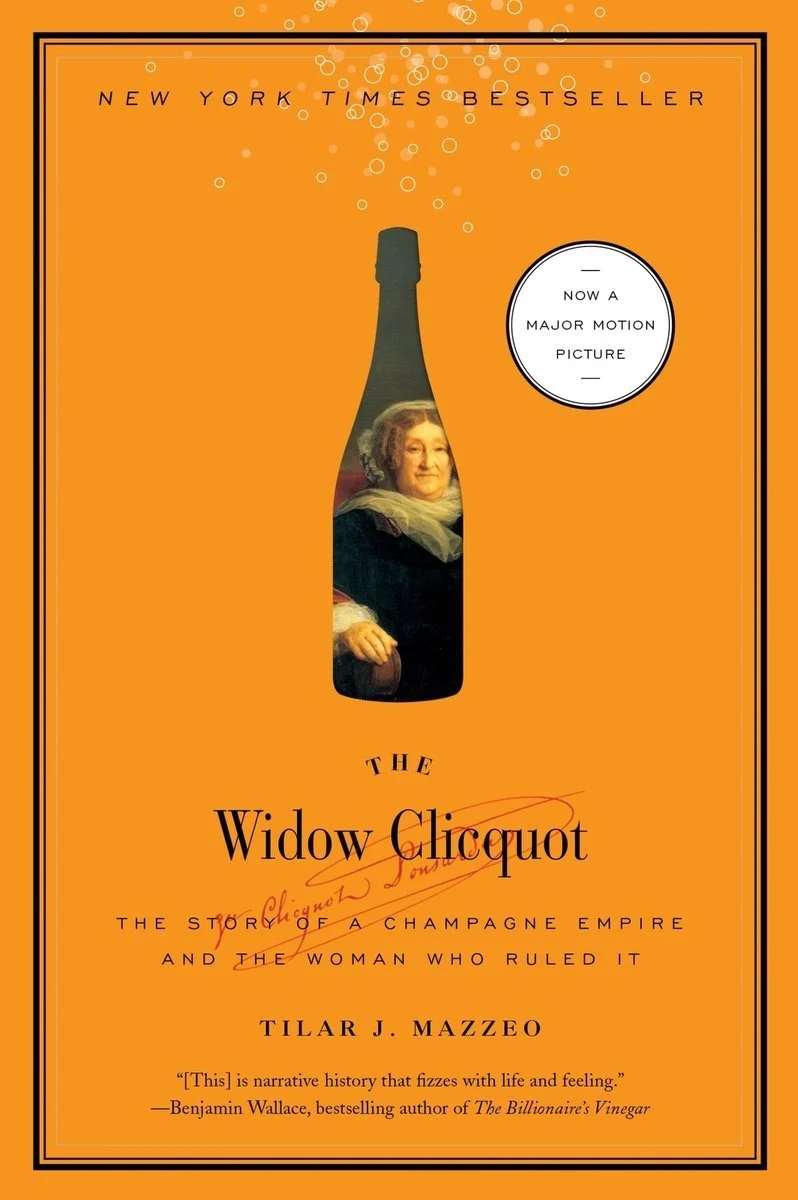
A captivating biography of Barbe-Nicole Clicquot, the visionary who became the most powerful woman in French business during the Napoleonic era. Mazzeo's meticulously researched account reveals how a widow transformed grief into ambition and built one of the world's most iconic champagne brands.
An authoritative exploration of champagne's evolution from regional wine to global symbol of celebration and luxury. Ellis traces the cultural and commercial forces that made champagne the world's most prestigious sparkling wine, including the crucial role played by innovative businesspeople like Clicquot.
A modern parallel to the Widow's story—Isaacson chronicles Jennifer Doudna's groundbreaking work in CRISPR gene editing and her rise in a male-dominated scientific field. Like Clicquot, Doudna's determination and vision changed her industry forever.
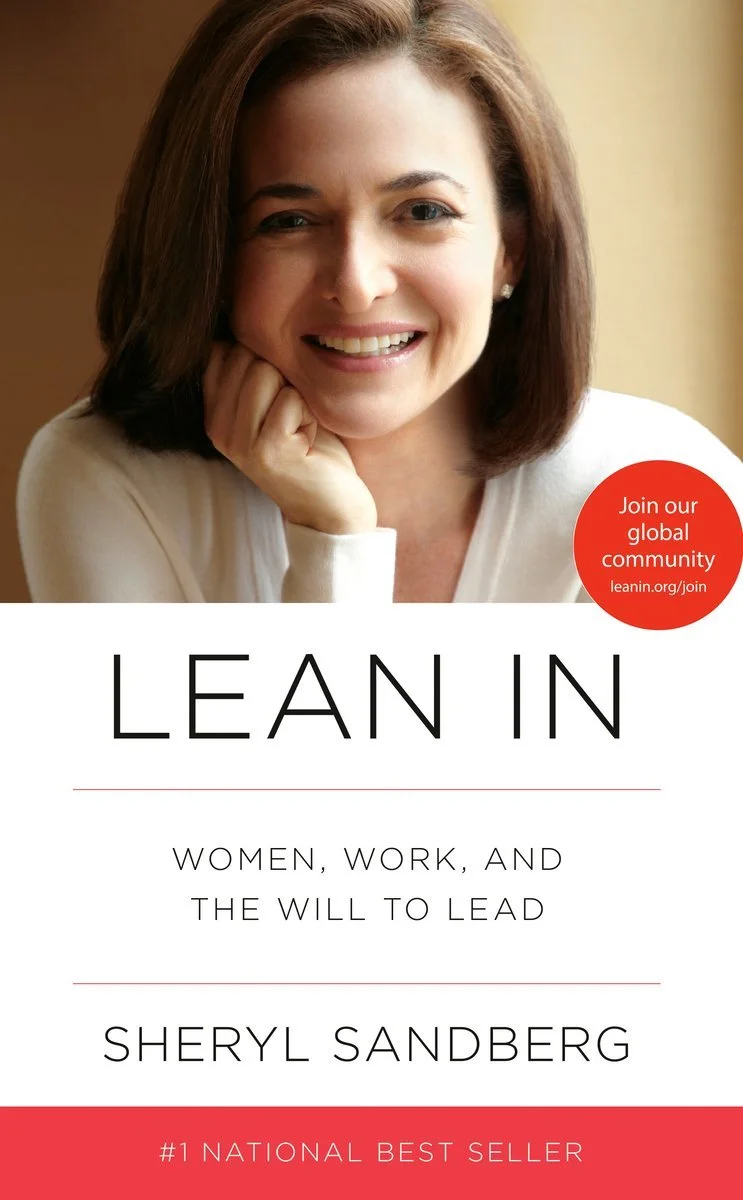
A contemporary examination of women's ambition and leadership, exploring the same themes that defined the Widow Clicquot's life. Sandberg's call for women to claim their power resonates with Clicquot's quiet revolution in business.

While focused on Italian cuisine rather than champagne, this book celebrates the women entrepreneurs and creators who have shaped culinary culture. It pairs beautifully with discussions of women's influence on luxury industries and refined experiences.
Resources
Tilar J. Mazzeo Official Website — https://tilarmazzeo.com/
Veuve Clicquot Official Website — https://www.veuveclicquot.com/
Champagne Region (UNESCO World Heritage) — https://www.champagne-ardenne-tourisme.co.uk/
David Peck on TikTok — https://www.tiktok.com/@itsdavidpeck
David Peck on Instagram — https://www.instagram.com/itsdavidpeck/
Inside the Design Studio Podcast — https://www.davidpeck.co/podcast