How Theatre Under The Stars champions inclusive programming and positions Houston as the future center of American musical theater.
Theatre Under The Stars (TUTS) is more than just musicals—it's a community hub redefining what regional theater can be. David sits down with Executive Director Hillary Heart and Artistic Director Dan Knechtges to explore how TUTS balances art and commerce, creates truly inclusive programming, and is positioning Houston as a leader in the performing arts.
Hillary and Dan bring complementary perspectives to TUTS leadership: Hillary oversees operations, finance, HR, marketing, and fundraising, while Dan drives the artistic vision through show selection and educational programming. Together, they navigate the intricate dance between creative ambition and financial sustainability in an era when traditional theater funding models are shifting.
What makes TUTS remarkable is its genuine commitment to inclusion—not as a buzzword, but as embedded practice. The organization operates two schools, partners with The River School to integrate students with disabilities into main stage productions, and serves students from age 7 through 35. Rather than casting students with disabilities as "props," TUTS casts them for their abilities and celebrates their contributions as equal performers.
The conversation covers TUTS' origin story (founded in 1968 to fill a gap in Houston's arts ecosystem), its $47 million annual economic impact on Houston, and ambitious future plans including a 135,000-square-foot collaborative facility in partnership with Rice University. Most provocatively, it addresses why the regional theater sector must evolve, why new work development matters, and how musicals uniquely serve as vehicles for both entertainment and social change.
For creative professionals, entrepreneurs, and anyone interested in how organizations build inclusive cultures while maintaining artistic excellence, this episode offers concrete examples and thoughtful philosophy.
Listen to the full episode on your favorite podcast platform.
Subscribe and leave a quick rating or review if you enjoyed it.



“A lion doesn’t have to tell you it’s a lion. That’s what makes TUTS special—we just do the work rather than talking about it. When you walk in, you feel that we genuinely serve this community”
Transcript
-
Inside The Design Studio TUTS (00:00)
It does matter, I guess, in some way that you're doing it in a thoughtful, empathetic way. But at the end of the day, if the end product is great and we can all celebrate as a community, then what could be better than that?
David Peck (00:15)
you
Hey there, design enthusiast. Welcome to Inside the Design Studio, the podcast where we unravel threads of life and design. I'm your host, David Peck, your guide through the cosmic wonders, the tangible touches, and the delightful twists of creating a life you absolutely love. Today's episode is a special peek into my eclectic toolbox, the secret weapons I use to design a life that's as vibrant as my creations.
So grab your metaphorical sketch pad and let's dive into the art of intentional living.
Inside The Design Studio TUTS (00:53)
Welcome inside the design studio. Today my special guests are Hillary Hart and Dan Knechtges from Theater of the Stars. Very excited to have you. Welcome. Thank you for having us. So why don't, before we get started, you briefly explain what you do because you both serve like very pivotal roles in TUTS and Hillary, don't you go first?
okay. was about to say Dan should go first because without him my job doesn't exist. I am the executive director at Theatre Under the Stars and the primary function of my role is that anything that is not creative or programmatic in nature, I oversee and help shepherd in support of our creative programming, whether that be on stage, in our classrooms, or out in the community. So I oversee finance, HR, marketing, operations, fundraising.
So basically without you, he wouldn't have a job. Well, without him, I wouldn't have a job either. So it's a beautiful tension. Or where art and commerce meet, it's real ugly either way. However you want to look at it. Dan, how do you describe what you do? I pick the shows. That's what I like. I think I would describe it as the vision of the organization in terms of
the shows obviously is one expression of that vision, but also the educational part of what we do. really, I don't choose the mission that was chosen for us before we got there, but I think all of, you know, what we're trying to do is amplify it and our interpretation of what that vision is, is X, Y, and Z. So, she's trying to get that.
That's That's Lola. You can speak for Lola. does Lola do? those of you not watching. is the boss. But a great story about Lola is I got her during the pandemic and we shut down the offices, but quickly it became Hillary and I were the only ones in the office. And I had just gotten Lola and I brought her in and she's stayed ever since. So she's been an office dog.
funny story is we did a survey of staff and one of the questions was do you have a best friend at work and somebody responded yes Lola. She's the office dog.
Inside The Design Studio TUTS (03:15)
so Lola's running around and she's making herself at home. So for both of you, what got you interested in theater? I think I've heard your story before, Hillary, but like, why don't you both give us an idea? Why are you here? I...
I ask myself that every day. Why am I here? I got into theater roundabout through dance because I had the chorus line story. My sister danced and my mother, my younger sister danced and well only have one sister, she's younger and my parents didn't have enough money to babysit you know or they didn't want they didn't want to spend the money for a babysitter so my mother took me
and I said, I can do that. And that's sort of how that happened. But the woman who ran, and it was up a steep and very narrow street. really was. I don't know why dance studios back in the day were on the third floor of a rickety old building, they were. And this was in Cleveland, right? Near Cleveland, like Oberlin which is 40 minutes outside. -
And it wasn't even Oberlin, it was another even small. no, I lived in Lodi, which is, yeah. yeah, you know.
the woman who ran the studio, Ms. Stevens, her daughter, Kathy, was one of the original Peggy Sawyers in 42nd Street on Broadway. So when she came back to teach us tap, we learned, and I think it might've been our second year, the opening of 42nd Street. And anybody who knows that, like, that is like wickedly hard. we were, she was, she was.
really a great teacher, very mean, really good teacher. And we excelled. And so that technique stayed with me. And anyways, I got like, well, what is a Broadway musical? And then you started going, but really it was in high school that my love, we had the best high school drama teacher. And that's really how I got started in theater was really our high school drama teacher.
which it's funny because one of our signature programs is the Tommy Tunes and it kind of celebrates that kind of theater, which really is, I think, maybe for many people, the first spark of, I could do this or I could, I have to do this. Or they found their community of people where they finally fit in. totally. Hillary.
Okay, I'll give you the reader's digest version. So I was about 11 or 12 years old and my mom saved up some money and took me to New York for the first time and we were watching a show and I was sitting away from my mom in this particular performance and there was a stranger sitting next to me and there was a moment that happened on stage and the stranger and I'm sitting next to each other kind of went and kind of grabbed for each other and
Fast forward, we kept checking in with each other for the rest of the show. I, not having the vocabulary or the emotional intelligence at the time to really be able to describe it, but as an adult, and in hindsight, I think what I experienced was that it wasn't just about really incredible artistry on stage or how I felt about it, but it was about the fact that for two hours I was building community with 1200 strangers. And so.
At the end of the show, my mom came down, she said, what'd think? And I said, I don't know what this is, but I'm doing it. Did you say show? Yeah. no, it was Starlight Express. because you know, roller skates to a 12 year old girl is awesome. Yeah. Still. Still. Yeah. So anyways, has it ever been revived? No, I would love for us to a way to do it. But it's kind of date. mean, is. But you know, Tom's the train man. Like you could always revive something. Yeah. There's a way to do it. Yeah. Probably be an insurance nightmare.
100%. All kinds of liability. Workers can't. Yeah. Just get everyone to sign a waiver. Yeah. You'll take care of that. Sure will. Yeah. So speaking of... TUTS is really... I've been involved with TUTS, I guess, for... I don't even know how long when I first really began, but I feel like it's been a part of my life ever since I came to Houston in one way, or form because I feel like...
We've had clients who've been really involved and then I got involved and I've seen so much how the vision that I think that was always there in the organization has really grown and kind of blossomed and there's so many new things on the horizon. What is your own personal take on the TUTS vision? how? Well, I think...
I kind of go back to our origin story, right? Which is Frank Young. In 1968, Frank Young saw this hole in the fabric of the community because this was pre-mass touring. This was pre-Broadway Across America. This was pre-everything. And so he saw this gap in our arts and culture ecosystem and also in what that could mean for the larger community in terms of arts education and performance training and that kind of thing. And so he went about finding ways to plug that. -
And what came out of his kind of just like, I don't know, I don't wanna say it was a knee jerk reaction, but this reaction to a need in our community has suddenly now 56, 57 years later blossomed into a year round performing arts organization that runs two schools. And I think for me, when I think about the future of the organization and the vision that we've laid out for it moving forward.
is that it's actually addressing that exact same need, but it is taking it to what is the next evolution of our sector? What is the next evolution and opportunity? And so what you're alluding to, the future of our organization and the vision for that, I think has everything to do actually with our origin story, but looking at it through the lens of 2024, looking at it through the lens of what do the performing arts mean post pandemic.
looking at it through the lens of what is our actual value proposition to a modern audience in a modern community. Yeah. For you, Dan, what is it? I think all of those things, but I also think in the future or how we amplify what the original vision is to
what it is today. I think of Houston and I think how original Houston is and how underrated it is on the national scene. I think we withered through the pandemic, the racial reckoning, the social reckoning. We're now withering through this election. And I kind of think we're an amazing city.
I think we have some social answers to that that could be reflected in the art that we do that could be broadcast to a much wider audience than just Houston. I'm looking forward to hopefully finding what that is and how do we...
How do we export that? Not just for Houston, but for the wider world. And how do we do it in an entertaining way and a thoughtful way? The community here is just incredible.
And I think I've worked in every major city, every major theater in this country, and this is truly unique. Yeah, truly unique. Well, Houston is, I mean, according to researchers here in Houston at the Kinder Institute, it's like the city of the future because of its racial diversity, the socioeconomic diversity of the city. Like it really is what a lot of major cities are going to look like, or even smaller to midsize cities are going to look like, you know, in
like the next decade, 20 years. And so we have a really special opportunity. How do you see TUTS fitting into the really vibrant and diverse community of Houston? Because sometimes I feel like theater has a reputation for being either high brow or not inclusive. And I think TUTS is anything but that.
I would 100 % agree with that. I think that, you know, I mean, part of it is it's going to sound kind of simple and stupid, but you have to just do the work, right? Rather than virtue signaling a thing or talk or talking about it, just do it. Just do the work. And I think that what you experienced being so connected to us and even just coming, you know, as just a patron, right? And seeing a show, even if you're just a single ticket buyer or you're a student enrolled in one of our classes, you actually can feel on, on,
inherently that we are a company that actually just does the work. It's like that saying like a lion doesn't have to tell you it's a lion. And I think that's part of what makes TUTS so special. I would also say that there's an authenticity to the work that we do, which is not.
always found, you know, I mean, I would agree with you. I think that a lot of people think that the performing arts are capital A art and that there's a barrier, whether it's socioeconomic, whether it's subject matter. And I think one of the things that TUTS does really well is that we do genuinely go into our programming with a thoughtfulness around representation of the plurality of voices that we serve in the community. mean, I'm a huge proponent as a 501c3 nonprofit. We have an obligation.
and a responsibility to serve the community that we reside in. -
And at the point at which we are not doing that, you have to call into question why, and if there's not a good reason, you have to change. And I think we've been pretty responsive to that change. I also think one thing that we have built in, and I think it's up for discussion if we wanna change it, but we do musicals, and musicals are the best.
mechanism for the medicine. The spoonful of sugar helps the medicine go down.
art that we do, you're gonna be so entertained and thrilled and then you're gonna go, wow, in Hairspray, they said this. In Color Purple, they said this. In Dreamgirls, this happened, but I was so loud and entertained and I was crying. In Les Mis, they said this. And so I think musicals are positioned to be the
the best way to convey those issues, especially like as I said earlier, all of the, what we do in the community. One thing that I said in my interview to get this job, and it's still the same, is that...
musicals, American musical theater started on the Lower East Side of Manhattan, where Jews, African Americans, Irish, every type of ethnicity was mixing and their cultures were colliding and out came the American musical. How fabulously American. And guess what city is set up for that? Houston. We're the new Lower East Side.
so lucky. you know. I do really believe that a spoonful of sugar helps the medicine go down. Yeah, for me a big part of like the innate inclusivity with TUTS is
built into the education programs and especially with the river seeing those students on stage in main stage productions and you don't see that so explain a little bit about well think it's the difference between talking about someone's after-school program as being you know maybe educative passive babysitting versus what tuts does which is actively training our students irrespective of what of how they come to us whether it's from
level of interest or desire all the way to their ability to actually perform either innate talent all the way to whether they are dealing with some sort of disability, be it ADA or IDD. And so I think that when TUTS talks about inclusive, it's capital I, inclusive. And it's not just a passive program. It really is that idea that we are looking to, yes, provide avenues of expression and self-exploration
You know, Dan and I joke all the time. It's like, yeah, if the next Idina Menzel comes out of our program, you bet we're going to claim her. But at the end of the day, that's not what we're trying to do. What we're trying to do is train the next human being, the next mom, the next banker, the next mayor, the next president. And we don't know. I don't know.
where that's gonna come from. I don't know what background that person or what ability they're gonna I also think that what I've learned since being here, especially with the Rivers students, but also with our other school, the Humphrey School Musical Theater, and including them is to not treat people as if...
they don't have a disability, but it isn't like a poor you. is actually that disability or their special skill is something to celebrate and something that
you they deal with on a regular basis and we we should too in a very thoughtful way like you're casting people for certain abilities but we cast the river students for their abilities as well so and by and by doing that i think it does it does it becomes inclusive just by that act and not pandering down to
to somebody because we learned the hard way. Like there were moments where, you know, some of the River students were used as props and we heard from parents, very vocal. They have to advocate, you know, the parents especially of the River, they have to advocate in real life. And so here they do too. And so they're very vocal, but we learned. Yeah.
But it's outcome based, right? You know, think that's kind of what we're focusing on. -
And the staff, I've been saying it a lot lately, and I think the staff's probably sick of hearing me say it, but it's getting away from process based and getting to outcome based. And so at the end of the day, if the outcome, if everybody understands what the outcome is, it doesn't matter where you start from, you can get there. It's just different for process goes away once the end result is achieved.
It does matter, I guess, in some way that you're doing it in a thoughtful, empathetic way. But at the end of the day, if the end product is great and we can all celebrate as a community, then what could be better than that? Yeah. Is there, I know that there's so much on the plate for TUTS like you don't want to be adding something else to your already very full.
agenda, but is there if there's like a wish list of you know, especially with the river or Humphrey school that where you could see like a future Is there something like a wish that? I would say my wish is that more people around the country understood what we are what we are doing. We are at the forefront and I would say
I'm telling everybody we're the best at it. And we should be the center for other theaters coming and seeing what we're doing. And then they're starting their satellite schools because it really is.
it incredible and all it all we did was amplify the work that was already there we you know so to me i think especially with the river that's that would be something meaningful and visibility on a more national scale yeah yeah
I would say that's true. then, you know, just having the ability to serve more students. Yeah. And, know, that program specifically actually goes up to the age 35. So we're even talking about young adults. So it's not just what people might traditionally think of when you say the word student. It is young adults. And I think being able to serve more. would also say that, just personally, I would love for some of our students, whether they be River or HSMT, to come back and work for us, whether it's on our
stage in our classroom or actually in the administrative areas of our organization. I would love to be able to have a slightly more holistic in terms of, you and we're planning on it eventually, but expanding into those areas that are not just performance based. Right. Yeah. The back end, the business theater. Yeah. And backstage and design. well, there's so much school of musical theater, too, because that's also something that's like the
the final frontier is really getting high school students.
acknowledging and understanding that there is more to being in the theater than just being Idina Menzel. It's also being Hal Prince or Cameron McIntosh or the best stage manager you can be. Yeah, or the lighting designer that nobody knows their name but appreciates their work and they don't even know it's happening. And what a hard job that is too. A thrilling job, but a hard job. Yeah, I think it's very similar in sort of the
fashion and design world where people think that the only job is like the designer. And there's a whole team of people that make a dress come to life. It's incredibly skilled. Yeah, incredibly skilled. It's not just a yeah. And then a whole supply chain like before that, you know, before the designer even ever gets the fabric. And so theater is the same way. And then you think about it. I mean, of course, now I'm going to go automatically to the like economic impact and what economic drivers we are for the for the communities that we serve, because then you start thinking about things that aren't even that
people would not normally think about. Like when we were shut down during COVID, there was a dry cleaner that we used religiously that shut down because the only way they made their game work was that.
they were dry cleaning our clothes in between performances or in between shows. -
And so without our business, they didn't have enough business on their own to stay open. And so now they're permanently closed. But it's the same thing for the work that you do too, right? They're textile makers. I mean, there's so much that people don't understand that goes into that end product. People sometimes think of- Wrap around services. Yeah, of arts or theater is sort of like the extra. And they don't necessarily see them as even the back.
of the economy. One of the things from the TUTS Gala that I loved and I'm going to probably misquote, but is it 47 million like TUTS Impact on like the Houston community? Like there's, you've generated $47 million worth of- Every year. Yeah, every year. $47 million is our piece of what is a 1.4.
billion dollar sector here in Houston. Arts and culture contributes $1.4 billion every year to the city of Houston alone. And our piece of that is like 47 million. But yeah, it's impressive. It's not a small number. It's a lot of people. It's a lot of mouths. It's a lot of jobs. It's a lot of tax dollars. It's a lot of everything. Speaking of the future of TUTS, we have a lot on the horizon.
There's, it's been in the works, guess, ever since I've been involved, I've been hearing rumblings of what started as an education facility because we do not have the facilities, literally, to house the number of students and.
everything that goes into it. And one of the things we're working towards is a new building. In collaboration with Rice University. So tell us a little bit about what that means, not only for TUTS, but also for Houston and economically in terms of its impact.
Wow, okay, lots of questions packed into one. Well, I'm gonna start with, know, kind of what I consider to be the most important. And I think it again speaks to what we were talking about at the beginning, which is the evolution of our craft, the evolution of our sector and our industry. And the reality is that, and this is not meant to be derogatory in any way, shape or form to anything that has come before, because without that, we wouldn't be here today. But I think, you know, the reality is that, you know, when the regional theater movement started,
We got very excited as a sector and we started building these arts palaces that are these big, beautiful, impressive buildings that when there's not a show going on, the lights are out and the doors are locked and we're telling people to stay away and that they don't belong on our property. so I think the vision that we have for this new facility is, yes, it's it's a hundred and thirty five thousand square foot cultural arts facility. It is intended to be a collaborative and a creative hub. When we think about Houston, one of the
first words that comes out of just about anybody's mouth is innovative and so we are partnering with Rice Real Estate which is the real estate development branch from they've separate anyway complicated don't need to get into it not my story but anyway we're working with Rice Real Estate to put this facility
in the northernmost end of the ION district. Part of that is strategic in terms of our ability to partner with emerging technologies, which is intended to be part of the design of the building. The idea that we are open to the public irrespective of whether you have a ticket or are enrolled in one of our classes that you could just.
walk into our building, the intentionality behind designing informal gallery space so that local Houston artists and designers can showcase their work if they like and sell their work so that we're actually helping other small to mid-sized arts organizations, be they visual or performing arts, to build capacity. One of the things that we discovered, without getting too deep into it, but when we did the feasibility study, one of the things that we discovered
was that there's a dearth of collaborative creative space here in Houston. -
And so in having long conversations with the other cultural districts, which I have to do a quick shout out, Houston is the only city in the state of Texas that has seven cultural districts. We have the most in the state and they are incredible and rich and full of so much diverse programming. But to be able to be a collaborative hub kind of in the center of those cultural districts.
and inviting them and inviting those artists to come in and make that their collaborative and their creative home as well as the programming that TUTS does on an annual basis. yeah, it's definitely stepping outside of what we just have been probably known for doing, which is musical theater and really stepping into and leaning into the idea that we have an opportunity to leverage this watershed moment for our organization to the betterment of the Houston community.
Yes. And this is why they're such a great team. Dan, what does it mean for you? Because I know that so much of what you see as the vision of TUTS is producing new work as a huge part of TUTS' future. And part of that is, because new work needs to be developed. And why not in Houston? And why not at TUTS? And it can be exported.
but also because the state of theater is so precarious right now and getting rights to shows. A lot of people don't understand the complexity and legality of getting rights to shows. like, well, why can't you just do Music Man? You're like, because of five million reasons and they're not all dollars. Thanks, Hugh. But some are dollars. Yeah, some are dollars, but some are like real licensing problems and markets and all of these things.
which end up being huge hindrances to, especially regional theater. But I would also say on some of those shows, the numbers of people wanting to see that aren't what you might think they are. Even though it might be your favorite show, it's not in the cultural zeitgeist's favorite show. So we just have to be very careful on those especially older shows, how we do them and which shows.
Well, and part of the reason. of that. I think new work, frankly, you know, it's interesting, right, because it's the harder thing to quote unquote sell, but it is also the thing that will eventually, and it's the long game of getting.
stability financially for organizations as well. talk about that because I don't think people understand that that works. Well for instance like if you were on the gestation of Jersey Boys you have a pretty long window of
receiving royalties. call it mailbox money. Nothing comes in the mailbox anymore, but mailbox money for a long time and it's passive income because you helped develop it. And for a show like Jersey Boys,
Wow, that's great because that show was not only making money, it was making gobs of money. It's not just breaking even, it's also creating a huge profit. Still does to this day. And the theater that started that, that adds into their programming for the next year and helps offset balances because it is a crapshoot. We take our best guesses at what's
to sell and you we listen to audiences but you don't know you know people said you have to do South Pacific, Pacific. TUTS was founded on South Pacific. I love South Pacific. We did it. It didn't sell what we wanted it to sell. Beautiful performance. Beautiful. Yeah it has nothing to do with that. but that you have to balance all of those things. but new work to your question. I also think
Again, we are positioned just by the state of what Houston is, is to produce something that
is universally loved because of the cultural diversity that's here. And I don't just mean ethnically diverse. mean, in every single sense of the word, we're diverse. mean, we've got libertarians, we've got communists, we've got, you know, all the whole spectrum of
ideologies here too, which I think if we can make a show here that is super successful, that we're the ground zero for that, I truly believe. -
And could attract investment from elsewhere, Broadway. Yeah. Internationally now too. Internationally. Well, it's interesting because I think of the shows that are successful now on Broadway, if they are a classic show,
part of the reason why they're successful is star casting. You've got like, speaking of Music Man, you had Hugh Jackman and Sutton Foster, which sold the tickets. I mean, I think people loved the show, but it was really, they were going to see those people in that show, not because everyone was dying to see the Music Man again. Or you've got new work that's being developed regionally, like Paper Mill Playhouse doing Gatsby, and now it's on Broadway and they're going to do it, like all of these things. It's a new work based on old IP.
and that's exactly what TUTS is capable of doing. And we have done in the past. mean, people don't know that Beauty and the Beast was developed. And launched here in 1992. Disney theatrical started here in Houston. Which I think TUTS has this incredible legacy that it's part of Houston's problematic problem is that we're really bad at PR and we do really great things and nobody seems to know about it. So it needs to be TUTS. TUTS can be on the...
forefront of that. Speaking of which, since you've been here, have there been any favorite production moments, whether it's a show that we've done or just a part of a show or somebody who came or like you kind of discovered? Discovered. well, I will say a great story is my very first, it must have been like two, three weeks in we had auditions for Memphis and I was, I had laid out like, here are the roles that we're gonna cast from New York.
And I laid out the lead, Felicia, we will never find that here. First person that came in was Simone Gundy and she was like, want to sing for the lead. I was like, yeah, right. She sang and literally one audition she read, I turned to Olson who was the company manager said, I think she's our lead. He was like, I know, I'm crying. was amazing. And I was like, wow, Houston's talented. So that moment right there and Memphis I felt like was really eye-opening.
It was a show I didn't love.
and then doing it here, I really ended up loving it. That's one show, Mamma Mia, that next year, I loved because it was just so fun and Sally Wilford was the lead and I thought she was incredible. It's funny because that show of all the shows, I think that season, was like, okay, I'll go see it. And then I saw it was the most fun. Yeah, it was so fun. And I would say in that year to ragtime to me was really wonderful.
The show itself is great, but I thought that production was really great. It Marsha Milburn Dodge directed. I would also say for me personally, it's kind of tied into me as an artist. And I would say Sweeney Todd last year because it was just so recent. To me, that's like one I can go, it's like, we pulled off a high wire act because it was high art at the right time.
and it just, was. With the right cast. And the right cast and I think we produced it in the way that only TUTS can produce it. Yeah. And most regional theaters can't do what we did. No, it was incredible. Yeah. Yeah, was my first time seeing it live and it was so good. Those, those, and I would say Frozen coming up is gonna be the same. It's gonna be very TUTS. Yeah. Yeah. I'm very excited for that. Yeah. What about you?
That's a hard question. mean, people ask me, would say definitely. Well, I think the whole 50th anniversary season for me, but I think part of that is knowing that Dan arrived September, like the first week of September, and I, we had to announce the season three months later. So I don't think we slept for 90 days. So I have that kind of, you know, attachment to pretty much that whole season. was kind of idyllic. -
We didn't know what we didn't. Yeah.
And so we just did it. And I kind of wish we could come back. We can never go back to before. You and go, sister. And we go, we're going to do this. And then we're like, my god, it's $500,000. We can't do that. Budgets. Budgets. What are those? Be it. Too soon. Too soon.
You're in the senior leadership team meeting this morning. I know everything. kidding. Theater is evolving a lot and rapidly. people, especially I think Broadway with like a big B in New York, like is really trying to figure itself out. It's never quite come back after the pandemic. And, you know, there's a lot of theories and...
speculation about what makes it work and what is going to work and what is the future of theater. What, how do you think TUTS?
fits into that big future because there's a lot of ideas. I think there's a lot of people who have old ideas about what theater should be. It's like that big A art thing when so much of what people respond to is a little bit more poppy and kind of, you know, in the moment culturally sometimes. It's experiential. I mean, I think the reality is that people don't want.
And quite frankly, I never really did, you know, to just go sit in the dark and then politely golf clap at the end of every number. think you want to start like this press. We want to start like we wanted the idea that somebody could end up in the hospital. No. But in all seriousness, like I think it is experiential. And I think but I think part of that has to mean not no shock to anybody. I think part of that has to do with us still.
emotionally and intellectually recovering from COVID and being forced. are a social species, full stop. And the idea that we were intentionally right, wrong or indifferent, separated from each other. I think that now it's almost like come back with a vengeance, right? Where it's, yes, I used to be my social.
DNA used to be sated by just going to the theater and experiencing it and being there. Now, it's like we're still constantly making up for lost time. And part of that has to do with, and again, big D word, diversification of what that experience is. What does the experience mean to go to the theater? And it is not anymore.
just sitting in the dark. It's why so many shows on Broadway are relying on star talent to drive attendance. It's why so many shows, quite frankly, are relying on, you know, I mean, there's a reason why Harry Potter is Harry Potter, right? There's a reason why Spider-Man turned off the dark. Like, that was the thing, right? Is that there are things that are there to drive the experience so that it's not just...
this passive consumption of an art form, but there's actually active engagement and integration and the audience wants to be a part of that as opposed to being separated by that fourth wall. And so I think that is the evolution of it. think is what can you do moving forward? I'm not going to talk about what I know we're going to do in the new building because that's for now. But I will say that
In the meantime, while we are still the resident company at the hobby center, and as we transition into the new building, it is about creating experience. It is about creating things that are not just about seeing and hearing, but smelling and touching and tasting. How can we engage our audiences in the work that we're doing as opposed to just making them sit passively? I keep saying it's not enough to be good anymore. Like in the old days, like what you're saying about the polite golf club was like, you could be
you know, something that is just good and you win all the awards and it'll make a modest profit and whatever. And then there were those shows like the Hello Dollies or the, whatever that made Hand Over Fist because it was just, you know, whatever it is. -
But I would say, I think it's probably...
I take comfort in the fact that nobody knows what works anymore. But then I kind of look back and you're like, nobody knew back then either. So like, if I told you the highest grossing play on Broadway is about a man playing Mary Todd Lincoln, and it's a revisionist act and Mary Todd Lincoln, all she ever wanted to be was a cabaret artist. It's really kind of old school,
downtown theater that moved uptown and it's really old school. The play is old in a wonderful way and yet it is making a million six last week. I mean that's incredible. That is crazy. And that is also like nobody knew. Right. No one knew. And it's relatively simple. it's a really straight. Yeah. It's basically a unit set.
And so that blows my mind. You're like, okay, wait, that's old. But yet, and also outsiders, I think, know, which one I loved, I loved, but it's kind of old fashioned. I mean, it's done a little way. That's old fashioned. So I'm not so sure that like throwing the old out, the old ways out is really the thing. I mean,
I think there have to be new ways of looking at the old.
It's the lens through which the storytelling is Sunset Boulevard is like a huge hit. I have not seen it yet, but I can tell I'm going to love it because it's taking a semi-poopoo musical and making it. You just upset a few people in the audience, It had two good songs, so that's more than most musicals.
It's redoing it in a way that is postmodern, that is...
Offensive to some people, which I think is exciting. God, I would love to go to the theater and be offended. I'm never offended by anything anymore. mean, and that's part of our society too. hard too. Like I think especially like even with TUTS regional theater, you do run the risk of like offending people and that's hard for programming. It's very hard. But it's also knowing where your pockets are and kind of. No, but Sunset is really interesting because they took a musical and turned it on its head.
It's like but they're using everything they're using audio visual like they breathe completely It's now and it's simple. Yeah, I mean, it's very complicated intellectually, but it's simple in the execution and so You know, that's a version of that too. I kind of think like it but they're all hitting on a thing of like an experience like yeah Mary you go and like you literally feel like at the end you've done 2,000 sit-ups because you've laughed so hard. Yeah
And so that's an experience that's visceral. It isn't just intellectual. And it is intellectual because it's working on this level. Yeah. But Sunset is, I'm assuming the same way. Like people are like standing up mid-shot and giving her a standing ovation. Right. Who doesn't want that? Like I want to be thrilled. want to have that experience in the theater. Yeah. When a lot of, I think some of the most successful shows recently that have transferred to Broadway are like City Center productions that have transferred like into the woods or whatever. And they're relatively simple in their
execution like they're not complicated sets or whatever I mean they've got great cast but like I think it's more the cast I mean for those and maybe the show itself but
But, know, we've tried on certain shows too. Like Sweeney, we wanted it to be very, I wanted people scared and laughing at the same time. Like dual emotions are really attractive things to an audience goer of like, I'm crying and I'm laughing at the same time. I love that. Like pulling that off is like the hardest thing to do. Or being laughing and being horrified or being scared. Opening night of Sweeney Todd.
when we had somebody, we had one of the actors in the opening go into a box and a woman literally in her chair almost fell over.
did this thing and it was literally the audience was cackling because she was so scared and startled and I was like, that's it. -
That's like why we go to the theater to commune with one another and the deeper that you can make that communion that's experiential I think. Yeah. For.
Especially kids, maybe young adults or people who are maybe not so young and have kind of like wished that they were the theater geek. What advice would you give to them if they wanted to get involved with a company like TUTS or just get into the arts in general?
Is there anything else you like doing? That's what I like. That's what I like. That's not what I'm saying. No. It'll break your heart. No, well, I mean, it's a joke. But at the same time, I mean, that's exactly what I mean. That's what I came into the industry with was, you know, as I was trying to figure out where my place was, you know, I would seek advice from people. And I would say that.
three out of four people when I sought advice on my next steps, they're like, no, seriously, is there anything else you like doing? And it's not because, it's because it's that adage, right? Like the risk is equivalent to the reward. And so...
in our industry, you risk a lot and you sacrifice a lot depending on where you are and what your investment is. But you get so much back, you know? And I think, you know, we talk sometimes where it's like, you know, outside of rigging, which for those of you who don't know, rigging is the thing that hangs. Not elections. Not, David, too soon. Damn it. But.
But if we fail at what we do, no one's gonna die. But if we succeed at what we do, we have the opportunity to save lives. And I think that you have to know that going in, and I think you have to embrace that going in, and I think you do. I mean, we spend a lot of time at the theater. We spend a lot of time around each other, and we all work very, very hard. And I think...
You know, it's, would say in all sincerity, I would say that be prepared. You know, I think you're right. Be prepared. It's gonna break your heart. You're gonna cry, but you are going to absolutely love your life. I'd also say be curious. Like, I think the most successful artists and technicians are curious people. Like, how do you...
deepen what you're doing, whether it's a craft, making props, how you're researching the 18th century Swedish furniture making to make sure the Schez Lounge is reflective of.
How cool is that? I'm like, intellectually, I'm very stimulated by that, but also in your art, like how are people dancing this way? I need to dance this way. So I'm going to research who the choreographer is and who teaches that style and then go in and do it. It does require a level of scrutiny that I think some people think, I just want to be famous. And I was like,
I always have to do everything the hard way. that to me was never an option. I always had to like dive deep.
took it and it was pleasurable to I even get waves of pleasure thinking about this, which is as in high school, I would go to the Cleveland Public Library, I would take the metro into Cleveland, go to the Cleveland Public Library and there were shelves of past albums that were records. And my brother had a record player, a CD player and a double tape deck. And I literally recorded every single one. listened to every single one and play them. And like I know literally
That's how I learned everything I knew and it wasn't a job. It was pleasure because I was curious and I wanted to know. And now it's a job. You had that hunger for that knowledge. well and I think that's how do you stoke that fire in a
student or a person who wants to go in the arts. And if you can't stoke it, then I think get out. Yeah. Be an accountant. And make that your passion. But that to me is like finding your passion and curiosity within the arts is really key. But I think that that's something like I think a lot of times, you you talk to people who are in the industry, they talk about how theater saved their life. -
And I think for that.
somebody who has not experienced that transformative moment in their lives, I think it seems hyperbolic. It's like, OK, it's bit of theater. But I think what people don't realize, and I think what's interesting is that there are other industries that are starting to realize it, and it's starting to crop up at universities all across our country right now. This idea of blended degrees, these Fortune 500 and 100 companies started figuring out about 15 years ago that they needed people that had a liberal arts and a performing arts
background in order to do things like, you know, I think about like even biotech, you know, it's like they're trying to solve for very tactical problems, but the solutions that they're coming up with have practical or inadvertent implications that are social implications. And if you don't come at that with a sense of curiosity, and if you don't come at that level of specificity with
you know, with those soft skills that you learn or with that background of being able to explore collaboratively in a safe space, I think you miss something. So I don't care what profession you ultimately end up in, being part of experiencing the arts is transformative. Yeah. Okay. So.
Let's just say some really wealthy benefactor, I'd love it to be me, but somebody. You're gonna win the lottery. Yeah, I'm gonna the lottery. I'm gonna give you a blank check. Yes. To put on any production you want. And it doesn't have to be successful. Nobody has to come. And you can do it any way you want. What show? I have three.
I would say... Of course you do. Well he's the artistic director for a reason. I would say Follies. I knew that was going to be a question.
Cause it's always a folly when people do it. Almost bankrupted tuts twice, right? Yeah. I would go see that for you. I'd be your person in the audience for you. I would spend money on costumes and stars. And hopefully you'd do a pro shot and then that would. Yeah, right. And then I would say Sunday in the Park with George, two Sondheims and then my third would be chess. yeah. I remember when that too.
It in the early 90s and it opened at the Vuel Theater in Denver and it was like the biggest thing and I remember seeing the ads for chess. We tried to get it. We can't get the rights. We tried to get it. Sorry.
Those are good shows, I like I have several others, those are three that come to mind. Yeah. And would there be anything you would do to them? I mean, really what I would do is if you're a benefactor listening, what I would say is you should be commissioning a new work. Yeah. That's really what, because we could figure out all of those except maybe Follies. We could figure out the other Well, maybe in the new building with a smaller theater, it could be done. Yeah.
But if you're a benefactor, what you really want to do is sponsor a new work. Yeah. Would you want it to be on existing IP or completely new? I don't care. Just new. It could be an innovative revival. We have ideas. Stay tuned. Hillary, what about you? Sunday in the Park with George is absolutely on my list. I would love to do a massive environmental production of Cabaret.
Those are the top two. And then just for ha-has because it's, people think of it as being old and stodgy. think my other two would be Gypsy. And I would love to do Mame. I would actually love to do Mame with like a big star. That would be. I'd like, the, mean all the interior. Yeah. All the interiors. Yeah. Like those big sets.
Somebody's gonna pay for that at TUTS. Somebody will. Yeah. Somebody will. Yeah, somebody. So you're listening. Yeah, somebody's listening. A benefactress. Yeah, somebody out there with lots of zeros in their bank account. So all of this, I think, has not come easy. -
I think the pandemic was a huge challenge. But what has been your own at TUTS personal challenge and or triumph?
yeah. Challenge and or triumph? Yeah, I'll let you choose. A challenge is Every quarterly re-forecast. So in case you didn't think numbers were a part of theater, they very, much are. I think the challenge for me has to be, it's probably the same as Hillary's, but it is the, you know, we're very good in the theater about cutting. We're really good at it.
because we could do a show right here and it would be fabulous and we wouldn't need anything. Maybe dresses, which we already have, but you know, we're really good at that. I think the hardest part is I don't think TUTS was founded on a culture of philanthropic.
Yeah. Philanthropy. Philanthropy. Philanthropy. And part of that is our musicals. Musicals were populous. So it's like they'll bring it, that'll bring in the money. And I think we are in a world now where...
isn't making the money that it did. There are some exceptions. exceptions, yeah. But even those take much longer. The runway to profitability is a lot longer than it used to be. And there's IP out there that, know, an IP musical that's coming up that is 28 million, and they're never gonna recover it. It's IP from the 1910s.
Not Follies. And not Follies. And so to me, I just, think that is really the hardest challenge of like, how do we, how do we convey the PR, as you said, problem of, you know, making that
I think maybe it is the same thing. The strength of what we've done or the thing that I would yell from the rooftops is we've gotten the most bang for your buck out of what we're doing. I think people think we spend quite a bit more than we do. Yeah. You're scrappy. We're very scrappy.
Yeah, well, and I think it's interesting because there are other art forms, especially in Houston, like the opera, the ballet that have.
their business model is not necessarily based on selling the most number of tickets. They have donors who help support the productions and it's great. But for whatever reason, musical theater is put into a different class. Like it should sell and make money and there's no- Well, those art forms are hundreds of years older too. the ballet started in a court that was funded by Louis XIV.
It started with philanthropy. So musical theater was not, was started to make money. It was. Yeah. And so in a world where it's increasingly hard to make money, it's hard. it's also like part of the struggle I would imagine with TUTS is that we have a limited run for the shows. And by the time word of mouth gets around sometimes, you know, the show is gone. And it's like, I wanted to see that. And it's not there anymore. And yeah.
And think that's part of the next.
iteration of our business model too, right? We are going to have to sit down on a macro level with the dramatist league and have a conversation about streaming rights, like a meaningful conversation about, know, what does it look like to create ancillary programming? And don't get me wrong, I would never advocate for a two dimensional substitution for the in-person experience. That's not it at all. But there are things that we can do that can help our business models evolve that we currently
it is either cost prohibitive or because of collective bargaining agreements, we're not allowed.
to do them. So yeah. Well, the industry has to evolve and change and it will and hopefully TUTS is going to be right there along with it. We are. Yeah. I do want to say though for me just to talk, I mean, I think one of the things coming out of like one of the things that I'm the proudest of, you know, in is coming, coming out of the pandemic is that despite all of the challenges and despite that we are all in probably what is it, we don't even really know, but if you had to estimate, you know, another three to five year recovery,
just to get to whatever new normal is supposed to be. -
I do think that TUTS has done an exemplary job in terms of the product that the staff has come together to create. I think we have one of the strongest staffs in the city of Houston, certainly in our sector. I think that when you start looking at some of the new programming that we have launched, even during challenging times, whether it was online because we couldn't come together or almost the very first year coming out when we all did come
together. We had community programming, we were out in the community doing work, not just inside our four walls, but out there launching Texas Allstate musical this past summer where we brought, you know, 90 students from across the state of Texas to Houston. I think that one of the things, you know, launching Houston Theater Week TUTS was at the forefront.
of launching Houston Theater Week, which has benefited all of the performing arts organizations across the city. those are things that I think, you know, again, when we start talking about what is innovative, what are we trying to get to? I think we've done a very good job.
Yeah. Okay. So this, this, I'm asking this next question with the understanding that neither of you are ever leaving. Cause you're going to be chained to death. no, just kidding. we won't let you. I hear a raise? Yeah. Well, if I were in charge of that, yeah, sure. I'm going to sign off. Yeah. just going to figure out how to pay for it. accept. Yeah. You're fine. Good. but when eventually you.
somehow depart this earth and are no longer at tuts. What? at my desk. Yeah, dad at Dad at my desk. Just somebody like- Adams, your head hits and it reverberates through the hole. Yeah. So when that happens, what is one thing you hope people remember of your time at
That's in a happy note, why don't we? I hope that they think that it was entertaining. I'm sorry, I went somewhere in my head that was totally inappropriate, so I apologize. I I hope they think it was entertaining. And entertaining doesn't mean like ha ha ha or whatever. It means all the emotions. Yeah. Which could be crying.
laughing and I hope it's not only affects them but affects their whole family, their grandchildren, their children, themselves. So you basically want to haunt them for the rest of their life. like it. What highly inappropriate thing did you want to leave people with, Nope. Nope. I want to keep my job, David. I want to keep my job.
No, I mean, I just, no, was just, it was sarcastic and amused me, but probably wouldn't amuse others, because that happens quite often. I think, no, I mean, I think at the end of the day, I hope that whatever time I'm allowed to be at Ted's, that I hope that at the point at which I leave, that people can say that I genuinely left the organization in a better place than when I found it. So. Well, so far, so good. Okay.
Yeah. fingers crossed there we go. Well, thank you both. Thank you. For being inside the design studio. I can talk now. And we'll see you at the next production, which Frozen is coming up. don't miss it. It's the first show that we've done. I figured this out. First show that we've done truly from the ground up since the pandemic. That's crazy. And it's a full reimagining. Brand new. Yeah, tell us that we haven't talked about, like tell us about Frozen.
Yeah, it's been a two year process where Disney approached us about doing one of the first licenses and we said yes, we applied, we were accepted. They told us we were the best, which we will be. And it's designed from the ground up, new set design. have...
We have so many people on this. It's new sets, new costumes, over 300 costumes in the show. And that's for the most part all built locally here. It's not shipped out to another country and know, whatever. -
There's one set of costumes that's being built in Sacramento, but that's incredible that that can be done here.
new lighting design, we have video projection, we have special effects, have an award-winning puppet designer here in Houston, Afi, who is building our Olaf and our Sven. It's, I'm exhausted already, and we haven't even really begun, but it's really incredible that we're.
doing all that. There are a lot of special effects. Yeah.
So just for people who are curious, so TUTS is building this entire production. It's obviously a huge investment. A lot of time, money, resources, all the above, getting all the approvals from Disney. This isn't just some, we decided to do Frozen. It's like the real deal. What happens, hopefully, to a show like this after it's run at TUTS? Well, the physical production is being built so that it can be shared with other theater organizations across the country. So is the licensing for
the title opens up, we actually, it's another way for us to recoup some of our initial investment and have some passive income coming in. Right. On the back end. like a theater in let's say Tulsa or something could. Anybody could. They could just contact us and say, here are my dates. And we look to see if it works. And then they can rent the set from us, hire Dan to direct and choreograph if they want.
But yeah, there's a whole nother line of business attached to when we make an investment like this in a show. It's a long term payout, but eventually it does, you know, especially with a title like Frozen, it recoup. Yeah. And for people who don't understand, so there's the original touring production of Frozen that happens.
Why would Disney be interested in sort of more regional productions or productions that are not the, like the. Because the licensing part of it is really where the money lies. They'll make the most money out of licensing. So.
know, theater under the stars, our royalties are pretty high that we pay them. But if you also then go to like every high school that'll do Frozen, that's thousands of high schools and just, you know, you can multiply the dollars coming in. So successful versions of it locally where it's not doing all the tricks that Disney did if we're solving it different ways, which we are. And
it gives all of those other theaters an opportunity to do the show and therefore. Without having to have all of the high dollar investment in the back end. Or they may not even have the theater that's capable of doing all of those things. Right, right. Yeah. So it's really.
fun to be able to do that and use the muscles of our organization to like we get to flex that. It's also pretty daunting. Yeah, it's a huge undertaking. Well, I'm glad we had a little on-court performance. So now officially, thank you. Thank you. Thank you. And if you're looking for something to do during the holidays, like your mother-in-law just starts, I love my mother-in-law, by the way.
But if you need to get out of the house, it runs past Christmas, so we're actually running a few days past Christmas. That's perfect. Boxing Day special people.
And the ugly Christmas sweater musical is running at the same time. Which you co-wrote, right? Yes. The original cast is coming back too. It's a lot of fun. You can get drunk, wear your ugly Christmas sweater. had me at you got you can get drunk. Yeah. Yeah, it's fun. Uber though. Uber. Uber. Uber.
you
David Peck (1:05:28)
And there you have it, another episode of Inside the Design Studio and the Books. If you enjoyed this exploration of life's design, hit that subscribe button so you never miss an episode. And hey, if you're feeling extra generous, leave us a review. Your thoughts fuel our creative journey.
I'm David Peck, your design companion on this adventure. Until next time, keep crafting a life that's as captivating as your favorite masterpiece.
Theatre Under The Stars isn't just putting on shows—it's redefining what inclusive, community-centered regional theater looks like.
Hear from Hillary Heart and Dan Knechtges on how they balance art, commerce, and impact in Houston
Key takeaways
TUTS' success stems from genuine commitment to inclusion and community service—not virtue signaling, but doing the work consistently.
Musicals are uniquely powerful vehicles for conveying social messages and creating transformative experiences that reach diverse audiences.
Houston's racial, socioeconomic, and cultural diversity positions it as "the new Lower East Side"—where American musical theater was born—making it an ideal hub for new work and innovation.
True inclusion means casting students with disabilities for their abilities, not treating them as props, and celebrating their contributions as equal performers.
The regional theater sector must evolve its business models, develop new work, and explore ancillary programming (streaming, licensing) to remain financially sustainable.
Theatre has measurable economic impact: TUTS alone generates $47 million annually for Houston, supporting jobs from costume makers to dry cleaners—a $1.4 billion sector citywide.
Performing arts education builds critical soft skills (collaboration, curiosity, emotional intelligence) that Fortune 500 companies increasingly value across all disciplines.
The collaborative new facility with Rice University represents a watershed moment for TUTS—shifting from a closed "arts palace" to an open, inclusive hub for the broader creative community.
Guests Appearing in this Episode
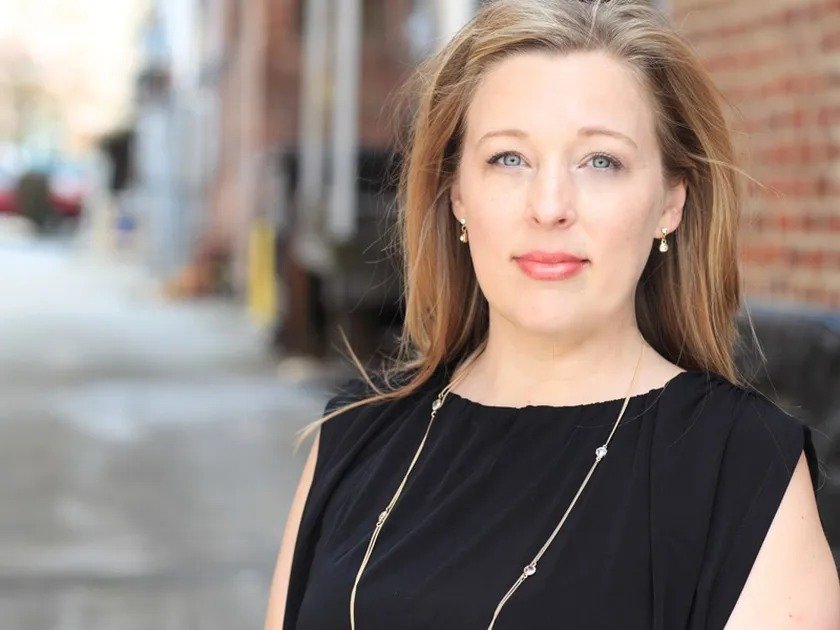
Hillary Heart
Hillary Heart is Executive Director of Theatre Under The Stars, overseeing finance, HR, marketing, operations, and fundraising. A native of Ohio who fell in love with theater through high school drama classes, Hillary brings operational excellence and deep commitment to inclusive community programming. She oversees both of TUTS' schools and ensures the organization's mission of serving Houston's diverse population.
Dan Knechtges is Artistic Director of Theatre Under The Stars and curator of the organization's creative vision. He selects shows, oversees educational programming, and drives TUTS' evolution toward new work development and innovative partnerships. With experience at major theaters across the country, Dan brings national perspective while championing Houston's unique potential as America's cultural future.
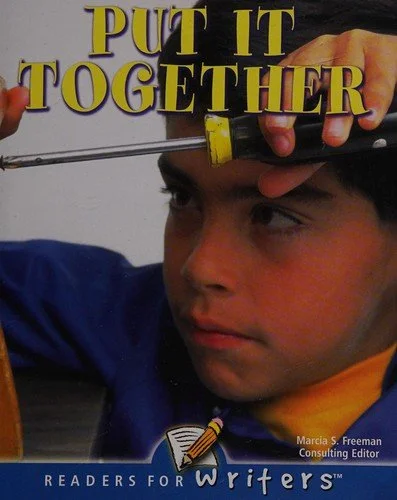
James Lapine's intimate chronicle of creating Sunday in the Park with George alongside Stephen Sondheim.
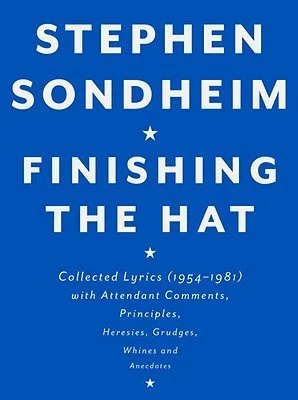
Sondheim's passionate reflections on songwriting, theatre history, and the soul of musical creation.
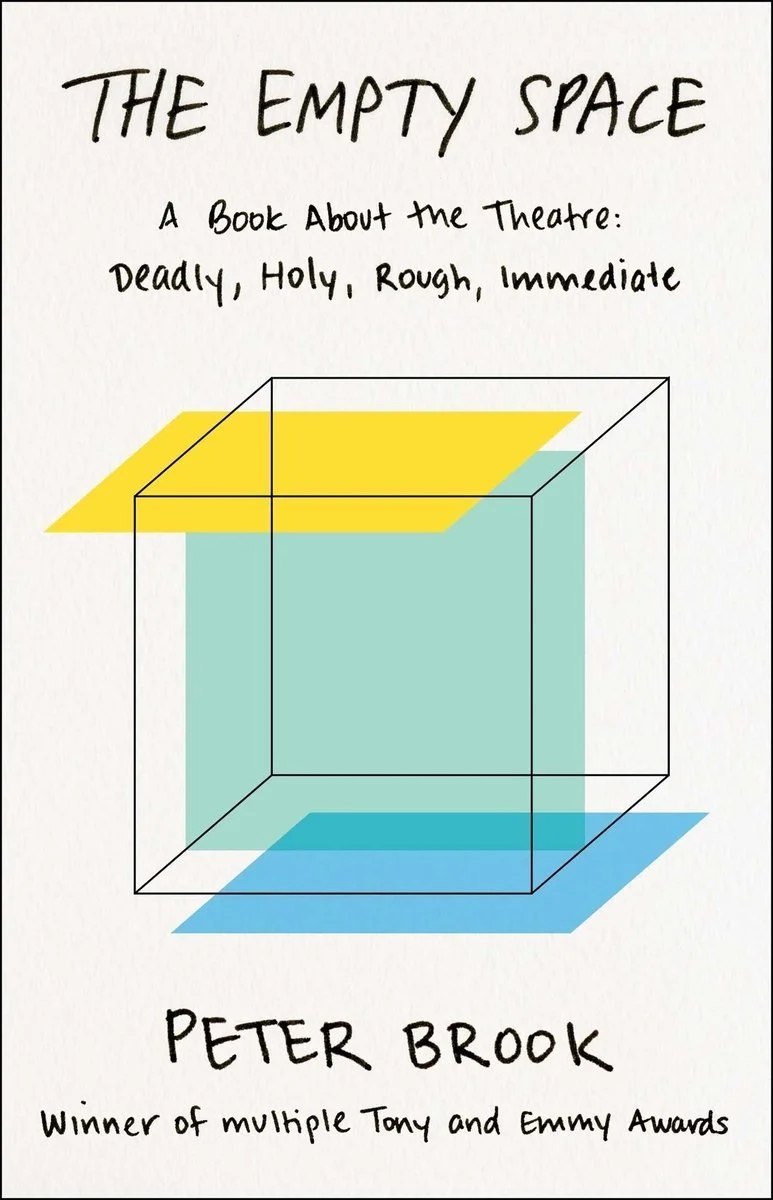
Peter Brook's seminal exploration of what makes theatre alive — the deadly, holy, rough, and immediate.

William Goldman's insider account of the 1967-68 Broadway season — gossipy, savvy, and essential reading.
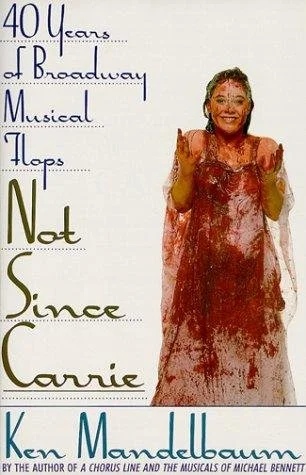
Ken Mandelbaum's witty dive into Broadway's legendary failures and what they reveal about theatre's soul.
Resources
Theatre Under The Stars (TUTS) — https://www.tuts.com
TUTS Education Programs — https://www.tuts.com/education
River School at TUTS — https://www.tuts.com/river-school
Houston Cultural Districts — https://www.houstontx.gov/planning/cultural-districts/
David Peck on TikTok — https://www.tiktok.com/@itsdavidpeck
David Peck on Instagram — https://www.instagram.com/itsdavidpeck/
Bookshop.org (Independent Bookstores) — https://bookshop.org/?aid=119917