Episode 32. Kelli O'Hara: Broadway Star to TV's Gilded Age—Career, Family, & Creative Risk-Taking
A Tony-winner explores the discipline, vulnerability, and artistry required to bring characters truthfully to life.
In this episode, David sits down with Tony Award-winning actress and singer Kelli O'Hara to discuss her philosophy on acting, the reality of Broadway performance, and why she'll always prioritize craft over celebrity. From her early days in small-town Ohio to commanding Broadway's biggest stages, Kelli shares the discipline, vulnerability, and artistry required to bring characters authentically to life—eight shows a week.
Kelli O'Hara is one of Broadway's brightest stars, having originated lead roles in major productions including "South Pacific," "The King and I," "Anastasia," and "The Bridges of Madison County." She's also a respected television and film actress, appearing in HBO's "The Gilded Age" and the live-action "Peter Pan." But what truly defines her career is her unwavering commitment to the craft of acting itself.
In this conversation, Kelli and David explore the intersection of art and fame, the rigorous training required for Broadway performance, and the decisions artists make about their priorities. She discusses her education at the Lee Strasberg Theatre Institute, her early days in New York without connections, and how a seemingly naive approach to the entertainment industry became her greatest asset.
Throughout the episode, Kelli emphasizes the importance of disappearing into a character rather than making it about yourself. She compares Broadway performance to professional athletics, highlighting the daily discipline, physical preparation, and mental focus required to deliver eight performances a week. She also shares her passion for teaching and mentoring the next generation of performers.
Whether you're interested in theater, performance, character development, or the behind-the-scenes reality of Broadway, this episode offers deep insight into what it takes to build a sustainable, artistically fulfilling career in one of the world's most demanding performance environments.
Listen to the full episode on your favorite podcast platform.
Subscribe and leave a quick rating or review if you enjoyed it.



“I would rather be so successful in my work. But I know that I can be better and more believable and more truthful and honest when you can forget Kelli and lose yourself in Ana or Francesco or whoever it is that I’m trying.”
Transcript
-
Kelli O'Hara (00:00)
I'm one of those people who's like, there's this new, like Mel Robbins says, let them, you know, I'm one of these people who's really, yeah, I'm really into that, right? I'm really into let them, I don't care, whatever's good for you. And then I'm to do me, right? I do have an opinion about sort of fame of celebrity versus craft, right? I talk to students about this all the time. It's a decision you make for yourself.
David Peck (00:03)
Yes, I love that book.
Yeah.
Right.
Kelli O'Hara (00:20)
And my personal decision always will have to do with craft. And I would rather be so successful in my work. I want to be successful. I'm not saying I always am. I will always strive to be better. But I know that I can be better and more believable and more truthful and honest when you can forget Kelli and lose yourself in Ana or Francesco or whoever it is that I'm trying or Aurora or whoever it is.
David Peck (00:29)
Mm-hmm.
Kelli O'Hara (00:45)
If you forget it's me, then I'm doing my job as an actor. However, as a celebrity, if I'm playing parts that are only seem sort of like me, I never really ceased to be Kelli. And that for me, where I cut my study, my education at Strasburg and back with Mrs. Birdwell and stuff, that wasn't what I meant to do. What I meant to do was go inside human nature, go inside other people's experiences.
David Peck (00:56)
Right.
Kelli O'Hara (01:11)
and try to live in there and try to express them so that you, the audience, can feel like you're being told the truth and you lose yourself in the story. And so I do think we make a choice and you can be a big star and you can also be an incredible actor. But the bigger celebrity you are, I think you lose a tiny bit of actor-ship.
David Peck (02:11)
Kelli, let's take it all the way back to the very beginning. So when you were younger, did you always have dreams of theater or singing or was it what got you to where you are now in the very beginning?
Kelli O'Hara (02:22)
it's a good question. Because I didn't grow up around a lot of it. I didn't have any live theater. There was a small live theater called the Red Carpet Community Theater, and that's all there was. It was about as big as, you know, a bedroom. And I remember my sister doing a little production of Annie there when we were tiny, and I didn't get to audition. I was too small. So it wasn't until I was about 10 that there was a talent show at school in the fifth grade.
And if this tells you anything about how much I did not know about myself, I was trying to decide if I was going to sing or do a jazz dance that I choreograph myself. And I have zero talent in dancing. So thank goodness I chose to sing. And it was just, sang, I sang, that's what friends are for by Dionne Warwick because it was on the radio and I loved it. And I remember my mom saying, Hmm, you know, she's carrying a pitch there. And so.
David Peck (02:53)
Yeah.
Kelli O'Hara (03:11)
After that, I started to seek out, she helped me seek out like a little, I didn't start taking voice lessons. It was more like this woman, Elaine Brunert, my first, she would play Disney songs and I'd sing with her. And the real thing was I grew up watching movie musicals. know, that's what my mom loved showing me Sound of Music and Carousel and Oklahoma. And not to make this too long, but the very first memory have of all of it.
The only live thing I ever saw, I was four and Oklahoma used to do these Discoveryland all summer long performances of Oklahoma, as you can imagine. And we had a family friend in it and I went to see it and I'll never forget it. And I remember begging to go on the stage after and go into the house, know, Aunt Ellers house. And the girl said, I don't want you to because it's not what you think. You know, and she thought I was gonna be devastated. I begged her.
David Peck (03:43)
Yeah.
Right.
Kelli O'Hara (04:01)
And she let me go up the stairs and through the plywood door and then down the stairs again, because it was just a fly, you know? And she thought I was going to be sad. And I remember thinking, that is amazing. Like I was like, I loved the magic that I thought there was a house in there, but really it was just a set piece that you walk right back under the floor. And I was hooked. I was hooked. And so then I watched the movie musicals and then I finally tried to sing when I was 10 and that's where it started.
David Peck (04:07)
Right.
Yeah.
love that. I love that the magic of the behind the scenes and creating that illusion is what captured you from the very beginning. So you ended up studying opera and voice in college. Was there a teacher or somebody who helped direct you along that path or how did you know that was even a possibility?
Kelli O'Hara (04:32)
Totally.
Well, that's another really fortuitous thing that happened. In 1981, I'm aging myself. I was born in 1976. I was five years old and Miss America that year was a woman named Susan Powell. And Susan Powell was from my very small town of Elk City, Oklahoma. In fact, anytime I did anything creative, I did it in the Susan Powell auditorium. And she had come back to visit.
that year to like make an appearance in her auditorium. And the whole town was just all aghast, you know. And I remember she sang an aria or some sort of big, she was an opera singer. And I remember learning that she had gone to Oklahoma City University and studied with a woman named Florence Birdwell. And in that moment, my mom says, now I don't remember it that well. She says, you made a decision to go learn to sing from Mrs. or the bird lady. I called her the bird. And
Even though I never tried to sing after that until I was 10, and then I sang through junior high and high school, I never stopped thinking, I'll go to OCU and sing with Florence Birdwell. Thank goodness I could sing at all because then I was able to, and she really changed my life. That woman became my whole life mentor at that point.
David Peck (05:42)
Yeah.
Yeah.
And you famously share her with Kristin Chenoweth is that right?
Kelli O'Hara (05:54)
That's right. And many others, but because of Kristin, because Kristin had been there before I was and was already getting her feet on the ground in New York by the time I got there. So it was like this constant example of somebody who's making it work. So that was really exciting.
David Peck (06:07)
Right.
I think it's so important for people who come from, because you come from not a super urban city, you're not coming from LA or New York or Chicago even, to have those people as sort of guideposts. Like they've made it or they've done something, they came from where I came from and they were able to create this life. I think it's so important to have those examples.
Kelli O'Hara (06:31)
It only takes one, David. mean, and that's the special thing. know, when I think about Elk City now, I think I had a scholarship for a while in the high school, you know, thinking to myself, if there's one person who likes this idea, who has this dream, and everybody around you kind of thinks you're crazy, because that's what happened to me, I want them to be championed. You know, I want them to know that it's not a worthless dream. You know, it can really work out. so, and I know there are kids
David Peck (06:48)
Yeah.
Kelli O'Hara (06:58)
there and they find their people and they find their way and then they dream big.
David Peck (07:02)
Yeah. And were you taking voice lessons in high school or was it really what you were doing through school that kind of prepared you to audition for OCU?
Kelli O'Hara (07:10)
Well, by the time I became, I think I was a freshman in high school or a soft, mean, maybe an eighth grader or a freshman. There was another woman in town that was a singer and she taught voice and her name was Juanita Womm. And she was married to Dawn Womm. And she was fabulous. She was, I've always thought to myself, I'm letting all the voice teachers of the world down by not being more fabulous. like, know, Mrs. Birdwell was too. She was just had the scarves and the whole thing.
David Peck (07:23)
I love that.
Kelli O'Hara (07:36)
But Juanita Womm was fabulous and she wore wigs, know, jet black wigs all the way to the end of her life. And she taught beautiful voice lessons. And then as I got into choir and voice competition and things like that, but then a crazy thing happened. My dad, his career changed. And as a junior in high school, I had to move everything that I had known, all my friends, we moved to Oklahoma City, to Edmond.
David Peck (07:41)
Yeah.
Right.
Kelli O'Hara (07:59)
right north of Oklahoma City. And one of the reasons they, he enticed me, cause I was like, I'm not going, hell no. You know, I'm not, I'll live with grandma. was that he, he knew he was going to start practicing law with a man whose wife was a Birdwell, had been a Birdwell student. And he said, you can take voice lessons with Diane Ball. And I said, well, I'm in. And we moved up there and I started, she was a wonderful teacher and she led me right to that audition.
David Peck (08:06)
Yeah.
my goodness.
Kelli O'Hara (08:25)
with Florence Birdwell when I was a senior to get into college. And it all seemed like it was pre-planned, you know? Yeah.
David Peck (08:32)
Yeah, it was meant to be. The stars aligned.
So you ended up moving to New York. And from what I understand, you didn't really have any connections. Maybe you had the idea of Kristin, but like, what made you think, OK, New York, here I come. Did you know you wanted to pursue Broadway? Was it voice? Like, what was it at that point that was the impetus for going from Oklahoma to New York?
Kelli O'Hara (08:51)
Well, let me just say, I don't want to forget to say this. I had one champion and that was Kristin. When I was a senior in college and I had already decided to move to New York and I want to address that. She rented a studio, paid for it and got her agency at the time, two guys to come sit in the room and she let Mrs. Birdwell bring 12 students on spring break. We didn't have a showcase. Now colleges have a showcase where they come and they bring their seniors and they...
They have casting directors and producers and people come and agents. We didn't have that at all. And Kristin did this for us. And out of that, they chose two of us to sign. And I got my agent because of now I cannot. mean, that was just the, mean, that was the, that's why I'm here because otherwise I would have gotten up there and just been flailing about and not not had any way I would go to open calls, but it really is harder without an agent. but I also want to say that.
David Peck (09:26)
wow.
Yeah.
Kelli O'Hara (09:41)
One of the things that's great about being naive and growing up where I did and not having examples and not having it all around me all the time, even at college, was that I just imagined it a possibility as opposed to thinking of all the reasons why it wouldn't work. I just assumed it would. And when I decided that I wouldn't go to grad school for opera, but I would move to New York and go to acting school and try Broadway, try to get Broadway, I thought, shoot, I can do this. You know, I'll do this.
David Peck (09:53)
Mm-hmm.
Kelli O'Hara (10:09)
I'll just move up there. And I didn't have a place to live. I had a couple of girlfriends that we had done summer stock together and we said, let's, you know, we were like, you know, just let's go, let's try this. And like looking back, even though there were a lot of hard times and a lot of uncertainty and a lot of just ramen noodles or whatever, I'm so proud of that. I'm proud that I didn't have it all set up, but I'm also proud that I didn't know a lot. Yeah, I mean,
David Peck (10:32)
Yeah.
Kelli O'Hara (10:34)
One of my first big jobs, my first role on Broadway comes by the fact that I didn't know anything and it actually worked in my favor.
David Peck (10:40)
So what was that? How did you end up with that first job?
Kelli O'Hara (10:43)
It was just, I've told this story. It was just a show. It was called Sweet Smell of Success. Marvin Hamlisch wrote it. was John Lithgow and Brian Darcy James. And I didn't know who Marvin Hamlisch was when I went into the room. I had no idea. I was so ballsy. I banged on the door. I didn't have an audition. I didn't have a slot. I didn't have an appointment. I begged them to see me. He was, the pianist had gone to lunch. Marvin was there eating his lunch. He said, I'll play for you. And I was like, you're fine. You'll do.
David Peck (10:47)
Okay.
Yeah.
Hahaha!
Kelli O'Hara (11:08)
and I, he loved that he would tell that story. He was like, she was, she didn't know anything and we loved it. It was perfect for the role. I was a little bit forward because I was in a rush cause I had to get back to rehearsals for Follies. And, and because of all that, I walked away with them thinking, you know, that's fresh, you know, that's fresh. And I think, I mean, I think that's what happened as they've told me since. And I got the job and I'm, I'm glad that instead of feeling stupid about that, because
David Peck (11:24)
Yeah.
Kelli O'Hara (11:33)
Marvin became a dear friend of mine over the years before he passed. I feel really proud that it made me bold, you know. Yeah. I guess.
David Peck (11:39)
Mm hmm. You had grit. Yeah,
I have a former life as a classical cellist, so I kind of understand that the whole audition process and kind of the nerve wracking like and you don't know what you don't know until you get in the room and like, you know, there's these people who are really important and then you don't fight out until later. And it's it's just it's a lot of stuff to carry. So did you have?
other jobs while you were trying to make it and auditioning when that kind of like helps sustain you through to do weight tables or any of the stereotypical things that people do to kind of make ends meet in New York.
Kelli O'Hara (12:11)
You know, right when I got there, I had a lead on a temp agency and they were gonna pay $15 an hour. And this was a long time ago. And I got this first job at the Cafe Carlisle. I had no idea what it was, which of course now I've worked there a couple of times. And now I look back, Barbara Cook was playing that week. She was in the hotel playing. And the only good thing that happened was I was working in the booking office and it was terrible. I was terrible.
David Peck (12:21)
Yeah.
wow.
Kelli O'Hara (12:40)
The guy running the place was terrible. I didn't know who anybody, don't you know who they are? You I had no idea. He called down a couple of times to ask questions or, you know, request something in her hotel room or whatever. And that was the best part of it. Cause that was the first week I moved to New York. But on the Monday after I first had that job, I got an audition for a non-equity part somewhere and I got that job. went, I had to leave. I had to.
David Peck (12:45)
Yeah.
Kelli O'Hara (13:06)
quit my temp job at the Cafe Carlo. And I know that's unusual and I never take it for granted, but it was one of those little musicals, Something's Afoot, in Sugarloaf, New York. And I wore my lavender business suit that I'd worn in the Miss OCU pageant the year before. And I marched in with my character heels on. And again, the part was right for the person I thought that I was trying to be. And I got that job and it was my first theatrical.
David Peck (13:08)
you
Hahaha
Kelli O'Hara (13:32)
role and job. And there's a wonderful music director who is Kristin Chinoweth's right-hand lady. Her name is Mary Mitchell Campbell. She runs City Center Encore's orchestra. She was the piano. She was the audition pianist that day. And so all these years later, we see each other and she's like, I remember you when you were that girl. it's, it's a small world. And I did get that job. And from then I started working. So I got pretty lucky that way.
David Peck (13:57)
Yeah, that's really fortunate.
So in thinking about, mean, you've had so many different roles on Broadway, but you've also made this big transition to TV movies, like the film. How do you prepare yourself differently for a stage role versus something that's going to be filmed?
Kelli O'Hara (14:15)
Great question. I think that the real big difference is that in theater, you're on a journey that starts and finishes. And in television and film, well, film is more like that. But in television especially, it's moments. You're playing moments. And moments that are out of your hand, really, once the director and the editor get together and just pick how to express the moment. You just have to give your best effort. I definitely know about all of the
David Peck (14:21)
Yeah.
Kelli O'Hara (14:38)
the normal 101 actor criteria of the time, know, era that we're in, her background, whatever I need to know about this person that I want to portray. And with theater for me, I always go back to the source material, if it was based on a book. I don't usually ever watch another production of it, another person's portrayal. just doesn't...
it's not helpful because I'm not that person. Like I can't be Julie Andrews, so I better just start from scratch with Kelli, you know? So that's very important. And in television and film, you're often never trying to repeat someone else's performance. So it's almost like you try to bring even more sort of of yourself into what's going on so the natural qualities can come through as you're playing it.
David Peck (15:04)
Right.
Kelli O'Hara (15:23)
The preparation is basically the same, but then the moment that you're doing it's very different. think of theater as this sort of, little bit of a holler and television is more of a whisper, but it's all truth. It doesn't change your truth and your desire to communicate honestly. It just happens to be a little bit more different. The genres are, they ask different muscles of you.
David Peck (15:34)
Mm-hmm.
Right. Did it was it hard to make that transition in terms of technique from stage to film or like how did you learn how to act on film versus on stage because they they're while they're related they have as you said very different.
Kelli O'Hara (15:59)
They do. It's a great question that people are curious about and I worried it when I first started dipping my toe in like little television parts. And I think you learn as you go because you realize, you you see the playback or that's the other thing. It's a very self-conscious medium if you see it. Whereas theater, you're just in it, completely alive in it. It's what I'll always love it.
David Peck (16:17)
Mm-hmm.
Kelli O'Hara (16:24)
When I went to do opera, it's a third change. You know, don't even look at your, you know, you're just fourth wall, fourth wall, all, all, all presence. So it's very a presentational art form. Theater, can get a little closer, but still you're, opening up. The intimacy of television and film is something that you, really go to. Again, that's why I repeat, you bring so much of your, your own true self because it is a very, vulnerably close art form. And.
David Peck (16:27)
Right.
Mm-hmm.
Kelli O'Hara (16:49)
just like I'm talking to you right now. I'm not going to, I mean, you can, I could be that way. I could be like Lawrence Birdwell, but it's more of an, it depends on who you're doing. In fact, I was just putting myself on tape for something yesterday and she was a bit stylized, this character. She was Southern, you know, and she was very, and I was digging into it and my husband was reading it with me. He's like, okay, all right, no theater. Remember, it's tell it. And you remember everything is, that camera, depending on the lenses and where you are.
David Peck (16:54)
Yeah.
Kelli O'Hara (17:16)
it can pick up the tiniest of emotion, even the, you know, just your eyes. You don't even have to do anything. So it is a, I was working on a project for over a period of eight years, if you can believe it, which was one of the neatest things I ever got to do called the accidental wolf. My friend Ariane Moyad wrote and directed it. And it was like I went to a school, you know, in that time he would, because we were good friends, he could say to me, I'm right here.
David Peck (17:21)
Yeah.
Yes.
Kelli O'Hara (17:41)
smaller, bring it in. I'm going to the shot. He would show me, he turn the monitor around. He'd say, the shots here. So give me nothing except inside. Right. And then, you know, if he used a long lens or, know, if he was using a, a wider take, he'd say, all right, you know, he taught me about that kind of thing. And it was basically like, I got a free education while shooting something, as opposed to showing up on a set and worrying that I was wrong, you know, for the, the professionals and experts there.
David Peck (18:10)
Yes.
Kelli O'Hara (18:11)
We more or less did it together and he was teaching me as I went.
David Peck (18:15)
That's really amazing to have somebody who's able to walk you through the process and also give you that sense of comfort that it's okay to learn through that. That's really special. Is there something about being on Broadway that people tend to romanticize? Because I know it's, I mean, eight shows a week is no joke. And so it's physically exhausting, emotionally exhausting. You're kind of putting yourself out there every night.
Kelli O'Hara (18:24)
Yes, yes.
David Peck (18:39)
But is there sort of like a common misconception that people have about what it's like to actually star in a Broadway show? Because you've done quite a few at this time.
Kelli O'Hara (18:46)
Yeah, no, I mean, I do think that we don't want to glorify, you know, it's not as glamorous as you think. And I do think in this age we're in right now where everybody has a platform and everybody's a star, I do think Broadway feels like it's getting a little bit more glamorous. I mean, we have the, now the Tonys are more of a red carpet event than they ever were before. You know, by and large, used to see theater actors walking around in their like, you know, jeans and sweats or whatever.
David Peck (18:58)
Right.
Kelli O'Hara (19:14)
And now it's sort of like, there's a Hollywood aspect to Broadway that seems really fancy. But at the end of the day, we're still going in eight shows a week, living like nuns, know, looking terrible most of the time, because we're exhausted and showing up and doing this work. And so I think the art form itself is really special that way and asks a lot more. I really do. I always say it's a little bit like,
being a professional athlete, except we don't get off season or holidays or weekends or whatever, you just go through and you do it. And I think for adrenaline rush, adrenaline junkies like myself, it is the best kind of work because you feel so thoroughly wrenched out. You you feel like you've done a great yoga class and you're just so calm after. But I often say this that Broadway people, I'm, because I'm one of them,
David Peck (19:41)
Yeah.
Kelli O'Hara (20:01)
We can't get too big in our heads because we aren't stars. We are in a certain, you know, group of fans, right? But the great thing about our work is that it is something that you have to come and be with us in a small moment to have the feeling of it. It's not something, even though there's filmed Broadway, people film it and it's different. It's not in everybody's living room. You have to come.
David Peck (20:23)
Right.
Kelli O'Hara (20:23)
Anybody, if we start to feel, I'm famous, I'm a big star. I think back when I did the Peter Pan live on it, NBC. And I was talking to Christian Borle who played Shmee. He had just done the year before he had done the, the sound of music one. Yes. And he said they did the numbers on those things and it would have taken a Broadway cat show, a huge one in.
David Peck (20:30)
Yeah.
right, yeah.
Kelli O'Hara (20:47)
say the Gershwin, which is the biggest house, it's like 2,500 seats or something like that, I don't know. To do that show, Sound of Music, in the Gershwin, eight shows a week, 100 % sold out for 15 years, of the same audience that it had that night that it played on NBC. And so when you think about that, you think about how few people are seeing you every night you do a Broadway show, but you think about how special that few people are.
David Peck (21:01)
Haha.
Kelli O'Hara (21:14)
because it's this weird gem of a moment that it's not for everybody. It's for those who have dedicated that time together. And that's what makes it so special. And that's why I think it won't ever disappear, even as we put ourselves across the world in platforms. It is this moment that you can't just have. You have
David Peck (21:29)
Right.
Kelli O'Hara (21:32)
you have to go get it. You kind of have to work for it. You have to pay the money because it's so expensive. You have to travel there. You have to... So it's this little offering that's just not like anything else. And it's different. I never did the same show. I would come to the theater with a flu. I would come to the theater, you know, pregnant a lot of times or totally distraught by something terrible happening in my family or whatever it was, you bring it and then that audience...
David Peck (21:42)
And it's different every night. It's never-
you
Kelli O'Hara (21:58)
feeds you in this weird way and then you start to have this interchange and this exchange with each other that's emotional and raw. And every night I would be lifted out of whatever that was, but I would use different aspects. Like some nights my shows were a little weepy, some nights my shows were like super energetic and that really had to do with the audience.
David Peck (22:16)
Yeah. Do you feel like now that you've been on a show like the Gilded Age, which has quite a large presence, I think, in both pop culture and I think there's so many Broadway alums on that show, has that changed your relationship to the public or more people recognizing you? it's a it kind of does it give you pause or has it not really changed that much? Can you disappear, I guess, as much into your roles as you feel like you maybe were before?
Kelli O'Hara (22:45)
Well, that's a great question because I want to say that
I'm one of those people who's like, there's this new, like Mel Robbins says, let them, you know, I'm one of these people who's really, yeah, I'm really into that, right? I'm really into let them, I don't care, whatever's good for you. And then I'm to do me, right? I do have an opinion about sort of fame of celebrity versus craft, right? I talk to students about this all the time. It's a decision you make for yourself.
David Peck (22:51)
Yes, I love that book.
Yeah.
Right.
Kelli O'Hara (23:08)
And my personal decision always will have to do with craft. And I would rather be so successful in my work. I want to be successful. I'm not saying I always am. I will always strive to be better. But I know that I can be better and more believable and more truthful and honest when you can forget Kelli and lose yourself in Ana or Francesco or whoever it is that I'm trying or Aurora or whoever it is.
David Peck (23:17)
Mm-hmm.
Kelli O'Hara (23:33)
If you forget it's me, then I'm doing my job as an actor. However, as a celebrity, if I'm playing parts that are only seem sort of like me, I never really ceased to be Kelli. And that for me, where I cut my study, my education at Strasburg and back with Mrs. Birdwell and stuff, that wasn't what I meant to do. What I meant to do was go inside human nature, go inside other people's experiences.
David Peck (23:44)
Right.
Kelli O'Hara (23:59)
and try to live in there and try to express them so that you, the audience, can feel like you're being told the truth and you lose yourself in the story. And so I do think we make a choice and you can be a big star and you can also be an incredible actor. But the bigger celebrity you are, I think you lose a tiny bit of actor-ship.
David Peck (24:21)
Yeah.
Kelli O'Hara (24:21)
Only, just by nature of the fact that you can't forget the person. And I'm at a certain level where, the reason why bigger fame for me would help is because it would allow me to do more of the plays and things that I'd like to dive into. That's, that's the give and take. It's like, it's the pressure these days, especially on an actor to be a bigger social media presence or, or whatever it is, because then you'll get hired to do the play you wanted to do.
David Peck (24:25)
Right.
Right.
Kelli O'Hara (24:46)
right, because you can sell tickets. It's a commercial entity. But if I just want to go do like my dream role, you know, I should just go do it here at the Playhouse, you know, and that's a fantastic way to do it because I just want to do the work. But if I wanted to do it in film or on Broadway, I do have to strive to to meet a certain celebrity quota. And and then you sort of have to sit down and decide with yourself, do I want to do that?
David Peck (24:46)
Right.
Right.
Right.
Kelli O'Hara (25:11)
you know, and am I making a living well enough or should I pump that up so that I can get bigger, bolder, more paying, more celebrity jobs? So it's a constant grapple because I guess I do have a bit of a introvertedness to me that I don't think I realized as much until maybe the pandemic. But where, yeah, do I want my kids to be safe and private? Yeah, you know.
David Peck (25:28)
Mm-hmm.
Kelli O'Hara (25:33)
Do I want to not be able to go to the grocery store? Yeah, I want to go. I like to food shop. But do I want to have all those perks of being, and then being able to pick my show? Yeah. I mean, I want to work and I want to do really great things. So it's always a juggle. I'm not saying I have the answers or I'm always peaceful in it. I'm saying it's a struggle.
David Peck (25:38)
Yeah.
Yeah.
Bye.
Do you have people around you that you feel help keep you grounded when you're making those decisions?
Kelli O'Hara (26:02)
yeah. I mean, it's why my partner, my marriage is, my husband grew up in this business with a father that was, he was in this business. He ran a theater company. He's still an artist. He's a singer, songwriter, filmmaker, but his dad was in a very similar work, you know, genre as I am. And he watched it all. He watched those decisions being made. You he watched his dad not take a huge
television show in LA one time so that he could move back to Connecticut and coach Little League. He remembers those choices because he's the result of what those choices were. He's the kid who had the dad who was coaching his Little League team instead of being gone all the time. Now, I don't know how his dad feels about that necessarily now, although he loves his family so much and I think he's proud of this decision. And he went on after that to win two Tony awards, so he's okay.
David Peck (26:28)
Yeah.
Yeah.
Yeah.
Kelli O'Hara (26:49)
But I do think it's a tough thing because would he have been a huge star? Yeah, probably. But he made that choice. Have I made some hard decisions that would have definitely changed my life? Yes. But do I regret them watching my kids right now being, you know, doing really well and trusting that their mom is here? Yes, I'm proud of that. Is it hard? Yes. Do I think...
Well, I wish I could just be all over the world taking the jobs that, would, but you know, you make those choices and then you live with them. And you've, I think as long as I know that I'm balancing as well as I can, not always succeeding greatly, but my partner, my husband and I, we really do weigh every choice we make together. We're like, would this be okay? Could we make this work? You know, is this going to be an
And there've been, especially in the last few years, because I've not done quite as much theater because of my kids, there's, there've been some jobs that I really am sad that I couldn't do, to be honest. And it was so funny because there was a very important job to me that I had done all the workshops for. And I decided not to take it because of my kids, because I knew I was going to be doing Days of Wine and Roses. And it was when my son said, mom, you have to do it.
David Peck (27:38)
Right.
Right.
Kelli O'Hara (27:58)
I won't let you not do it. That I decided not to do it because, because I think he's that way. I think he is, he doesn't resent me yet. Quite, quite yet for being, for being a busy working mom, because I have made some sacrifices work wise. And I think my, kids know that. And I think until he says, you're never around, I don't, you know, then I'll
David Peck (27:59)
Aww.
Right.
Kelli O'Hara (28:21)
then we'll see. But when he said that, I thought, no, we're doing it right. So I'm going to make this, I'm going to go ahead and make the choice I know is right in my head, which is not to do it. And it worked out because I don't regret it too much.
David Peck (28:29)
Right.
I think that I've been thinking a lot about my life lately and like little choices that I've made throughout the years that could have potentially taken me down a different path. And there's always a little bit of regret or a what if, but then there's also when you step back and look at the, you're like, but I wouldn't have had these other opportunities. I wouldn't have made these other choices had I followed or you find out more information. Like I was actually saved from, you know,
like something that could have been really upsetting or whatever because I didn't make that choice but at the time didn't feel like it was there. And so it's nice that you're able to find that perspective a little bit closer to the decision. That's not always easy.
Kelli O'Hara (29:10)
Yes.
There's always reasons to find, you can always find the negative if you're looking for it. Like I can easily say, if I had taken that job then, but I think the better way is you'll always find the reasons why it's pretty okay that you didn't do it. You know what I mean? You always find the positives in that too. I think I have to look, we're both artists. We've had to look at it that way, which is to say,
David Peck (29:17)
Right.
Yeah.
Kelli O'Hara (29:34)
I actually heard something just recently, Kieran Culkin, who's just going to win an Oscar or something. But he said something very interesting, really he said he was talking with Jesse Eisenberg and they were, Jesse was saying, you're not competitive at all. You said that's an alien idea to me. And Kieran was like, no, I don't. He said something that I think I believe, which is yes, does it hurt when you don't get a part, for instance? Yes. But I think I was taught to believe that.
David Peck (29:37)
Yeah.
Kelli O'Hara (29:59)
that's not for me. I just wasn't the right person for that. But, see, I'm the right person for this. And I've been the right person for many, many, many things. So in a way there is no competition because we're playing people, right? So you're either the person or you're not like you're either even meaning even as an actor, you're either the person to play the person or you're not. And so he was saying that he was like, all I think about auditions is. Well, if I get it, I was the person to play the person.
But if I don't get it, then that means they were the person to play the person. And so it doesn't feel like a competition. It feels just like a black and white thing. And I know that sounds easier than it is, because there's lots of factors that go in and lots of times people that got it weren't necessarily right. But I like to think of it that way because when I don't get something, I can often see why I didn't after the fact. And then usually something comes up that I do instead. And I'm like, that's why.
David Peck (30:31)
Right.
Kelli O'Hara (30:49)
That's why I didn't get the, you know what I mean? It was, I remember back in the day, I auditioned for Wicked eight times. I had eight callbacks for Nessa Rose in the wheelchair. cause Kristin and Adina were already doing the parts. And I remember just being like, it would be with Kristin and I want to do it and it's going to be a big deal. And I was, I was coaching, you know, it's like two small scenes, but I was like coaching and having, you know, da, da, da, da, I didn't end up getting it obviously, but it was the same year that Light in the Piazza was.
Who was gonna, you know what mean? It's like, I look back and I'm like, what if I had taken Nessarose and I didn't even know or chose it over Piazza, because Piazza was out of town and it wasn't a big deal at the time. And it was a brand new, you know, who knew what that was gonna be. But what if I had not been free to take it? And so I look back on those times and I go, we just have to trust. We just have to trust that it happens the way it's gonna happen, you know?
David Peck (31:16)
Right.
Nasser out.
Right.
Right. How do you keep that trust growing? Because I think it's easier in hindsight to be like, oh, yeah, I trusted that it would work out and it did. OK, great. But I think so many times, especially creative people, there's endless possibilities. And you feel like you can, in many ways, do anything because you're creative. But there's that uncertainty that kind of lives within you because there are so many possibilities. And you're like, did I make the right choice? Did I choose the right thing? Did I?
you know, not go after Nessa Rose because I'm doing this thing that seems inconsequential, but then ends up being this huge moment in my career. but in the, but when you're going through it, it's, it, it's not so clear cut or black and white. Is there anything that you do to kind of calm yourself down or give yourself peace? I mean, maybe with time and perspective effort doing it so many years that it kind of comes a little bit more naturally, but is there a practice that you have that helps you get there?
Kelli O'Hara (32:33)
It's such a great question because I was just listening to something last night where Audra had said she was going through this time where the voices in our heads, right? The voices in our heads just get loud and she was going through a time when hers was very loud and she was basically like, all right, I need you to be quiet now. Did I make the right choice? I'm terrible. Is my career over? Whatever it is. And I definitely feel that very often.
David Peck (32:50)
Thank
Kelli O'Hara (32:58)
whether it be, have this new mantra when I'm on stage, when I have this sort of anxiety of like, do I remember what are my lyrics? Where I do have this sort of conversation with myself, which is, I'm in charge, you be quiet. I know my stuff. I'm gonna be fine. And if you kind of mind over matter it, it usually, and I'm gonna say, it almost always works for me. For me, it does. It actually, if I change the narrative from, my God, you're gonna mess up to...
I got this. You need to be quiet. I'm in charge." And then it does. I feel like it's the same with these moments where you don't quite know how it's all going to turn out, but right now it feels kind of sucky. And with wisdom, with the experience of looking back on those things, David, and knowing that oftentimes things worked out. I mean, they always did because I'm still standing. I'm still here.
David Peck (33:48)
Yeah.
Kelli O'Hara (33:49)
But it is that wisdom of saying to myself in those moments when I naturally boil up with, you know, but this is different because I'm getting older and women in the business, you know, they, they, they, they crash and there's no more for me. My, career is then I go, you know what? You're going to be looking back in a few months, you know, having been busy with a bunch of stuff that's already there that you're not even thinking about, you're going to feel really good about where, know, it's going to be okay. Something's going to come up. That's really exciting.
You know, I can even sabotage the fact that I do have stuff coming up and I'm very busy. can sabotage all of that for one specific loss. know, I do have that ability to stop and say, just give it some time and you'll feel very differently. You know, for me, it can be by the day or by the week, you know, I'll admit just right now, I was just the other day, I was like,
David Peck (34:24)
Mm-hmm.
Kelli O'Hara (34:38)
Why are you feeling a little, you know, stilted or, or, or like down? You were just in LA, you know, you had this great, you know, the Grammy, you had a great time and, I'm not judging, I don't want to judge myself, but I want to remind myself, enjoy the rests because I couldn't when I was younger. I never, I was so anxious about it. And so I say, enjoy this rest because it's going to get really busy again and enjoy that rest. And it's just a conversation where.
When I say that to myself, I do have stuff to back it up from the experience of it before. Um, will there ever be a time that if I really was honest with myself, that I'll just never, it'll all dry up and I'll never get work again. I'll never be asked to sing at anything ever again. No, that's not going to happen. I'll sing at someone's wedding. You know what I mean? It's like, or, hopefully, or someone's funeral or so when I get that way, I should just, you know, I should just tell myself, wait.
David Peck (35:25)
Yeah.
Kelli O'Hara (35:34)
You know, and it is, it's a conversation that constantly happens and there's no answer for it. It's just like anything else when you go online and someone's like, I finally found the answer to everything. You know what I mean? Or like, when I started doing this, everything changed. That's not how we work. And that's not how they work. It's just, you know, we do this, right? We do this, we do this with our weight. We do this with our careers. We do this with our relationship. You go through times so that you can have this one.
David Peck (35:45)
Yeah.
Mm-hmm.
Kelli O'Hara (36:00)
And then you go through this so that you can have this one. And that's where you have to go. Wait until you're on the upswing again and relax.
David Peck (36:06)
Yeah.
I feel like, and maybe this, don't know if you've thought about it this way, but you've also diversified your career quite a bit. You know, you started in theater, musical theater, but you've now since done obviously film, television, but also gone back and the reason you were in LA for the Grammys was because of the hours, the opera, right? So you've got like these different, they're all related obviously, because they relate to who you are as a performer, but there are different ways of people seeing you. Does that feel?
any more comforting in thinking about wading through those highs and lows because it doesn't feel like I only have to get the next TV job or the next theater gig or the next, you're not just looking to be that one opera star. You've been able to kind of go across genres a little bit. Does that feel more comforting or does it feel like a lot more work?
Kelli O'Hara (36:52)
No, it's not more, I mean, for me, I do, I just want to try everything. I mean, I'm really, it probably doesn't seem that way, but to me, in my little heart of hearts, I feel like I risk take, you know, because I want to, I want to say, put me in an improv, I would be terrible at improv, but put me, you know, put me on SNL and I, you know, I would fall on my face, but I don't care, I want to try, you know, or, you know, throw me on the Metropolitan Opera stage. And I don't mean to sound light about it. I mean, I worked very hard.
David Peck (37:09)
Thank
Right.
Kelli O'Hara (37:20)
to try to do that. I guess I'm very proud of myself for having tried those things. I'm looking for what the next thing is. You know, I'm trying to figure that out. but I will say that by spreading yourself out a little bit, I guess there's the, the concern sometimes that you haven't then continued to be doing in this one spot. You know, like for instance, when I go do an opera or I go into a Broadway show, I stop auditioning for television.
David Peck (37:39)
Mm-hmm.
Kelli O'Hara (37:44)
In fact, I didn't really audition for television for about like eight years because I couldn't, didn't have like, how can I take a television job if I'm doing eight shows a week, you know? But, and then when I went into the opera, I can't really go do my own concerts because it's a different voice, like in a way. So I would put, in other words, I put things aside a bit in order to do the one. And in that way, I guess I could get in my head and say, you're spreading yourself thin.
David Peck (37:52)
Right.
Right.
Kelli O'Hara (38:10)
And then in another way, I'm like, but I'm an artist. So aren't I just, making it thicker and, know, adding layers. And I think it's the latter. I want to believe it is because when it all comes down to it, and as I find newer and more interesting projects, as I go along, I have all those experiences to kind of add to. So whether I'm doing television or film or concerts or opera or whatever, I'm, I'm living on top of all that experience. and.
knowing different communities. And I mean, I just want to do more of it. You I just want to keep expanding.
David Peck (38:42)
Is there a danger of feeling typecast and is it does that does that enter your mind too? And maybe perhaps like having always challenging yourself to try something new kind of keeps you from how people want to perceive you and not growing.
Kelli O'Hara (38:57)
Yeah, no, it's exactly what it is. mean, I feel it's amazing the comments you'll get from people that go and you go, oh, oh, I didn't know that I giving that, you know what I mean? It's like, I thought, you know, I know who I am and I know how I live my everyday life, which is, you know, but then I'll have a comment like, I think I was doing a concert one night and
David Peck (39:08)
Yes.
Right. Right.
Kelli O'Hara (39:22)
In my solo concerts, I tell stories, I sing songs that I wrote. There's a couple of funny ones, you know, I curse, you know, whatever it is. And this woman came up to me afterwards and she was like, that was so surprising. I just thought, it was very awkward too, this conversation. She was like, I just thought you were like Mary Poppins or something. didn't know. And you you think to yourself, have I been giving, or the other good one is like getting an offer to be on like,
David Peck (39:28)
Yeah.
Hahaha
Kelli O'Hara (39:47)
the housewives of New York or something like that. It would be a perfect fit. And I'm like, really? Is that what I'm giving up? You don't see me most of the time. Like I'm like, do you want to give me a $50 million apartment? Cause you don't, you know, it's not my existence. I'm a theater actor who's yeah. I'm most of the time in my ponytail trying to get my kids to the bus in my Uggs and sweat or my jam pajama pants. But I just think that it's
David Peck (39:53)
Hahaha
Yeah. And yeah, and glam every day.
Kelli O'Hara (40:13)
It's this misconception that we have of everybody. And I do it too. You know, I'll see someone who does, like, I remember when I saw Lady Gaga, forget it. I remember when I saw her step in and do all the Julie Andrews singing at the Oscars that year. And I remember like, I was like, you just won me. Not because she did Julie, she could have done a different genre. But what I saw was she was the real deal. But in order to get
to be there, to show that she has all this other talent. She came out in this, as this caricature of something and she still does it because her fashion and her style and her larger than life thing is who she is. mean, Barbara Streisand was that way. She dressed, she designed herself, she would go to vintage shops and she would, that is what some people do and it can seem like a crutch. You know, like I'm going to be famous because you won't forget how I look, but then they...
they take off all their makeup and then just sing. And you're like, okay, I'm in, you know? Or it's like, like I can think of many examples of how someone's doing one thing and then they show you another side of them and how surprised I've been. And I really should slap my wrist for that. It's like, are not, nobody is one thing. But like, I remember learning that Cyndi Lauper was not a, we pop a we pop singer.
David Peck (41:06)
Mm-hmm.
Mm-hmm.
Kelli O'Hara (41:29)
that she's one of the best blues singers that we have in this cut. Like she's raw and she has one of the best voices you've ever, but to be famous in the eighties, the record labels like sing, you know, sing like girls just wanna have fun. And so you have to remember, and I do deeply, that we are multi-layered, but we take the jobs we can get. We need to make a living. And so I love playing Rogers and Hammerstein. I've loved doing the revivals. I've loved all of that. And that is...
David Peck (41:31)
you
Kelli O'Hara (41:55)
part of me, but also I'm a grown woman who has a backbone and a lot of opinions politically and otherwise. and I, I want to, and being taken seriously is important to me because, you know, there is a world in which that has not always happened. And so I believe that in order to constantly show that side, you do have to reinvent.
I mean, I could keep defending the legacy of being an ingenue. I try to do a lot of things to my face that won't work and I could keep singing only in one way, but it would be so boring and not representative of who I am, you know? So yeah, we have to keep working on that, you know?
David Peck (42:19)
Yeah.
Mm-hmm.
Yeah,
it's a, think it's a constant, um, work because we, we, whether we know it or not, we're constantly marketing ourselves. And so it works and people tend to see you and then, but you're a fully functioning human being. And you have, have multitudes. And a lot of times it's hard for people to understand the complexity that it is to be a human. want to put you in the box that they first found you. And.
Kelli O'Hara (42:42)
Yeah.
Yes.
David Peck (43:01)
sometimes you're able to more successfully than others break out of that box, but sometimes it's, it feels like a, you know, you're, it's an uphill battle. Do you feel like, I don't know, the world feels like it's in such a chaotic state right now. Does it feel more uncertain charting that path and figuring out how to have a voice that feels authentic to you while also being a public figure and also.
you know, taking on these roles that challenge you. the mix of all that could be quite challenging. I find it challenging to kind of be my true authentic self and say what I really believe in a way that feels both compassionate and empathetic, but doesn't alienate people. I mean, maybe alienating people is an okay thing to do, but how do you find that the mix of that now? Does it feel especially challenging?
Kelli O'Hara (43:40)
No.
it's very challenging. It's an extremely challenging thing because then it also goes back to, if you're a public figure in any level, what is your responsibility, right? But it goes back to the idea of celebrity versus craft. I became a tiny public figure. You we talked about this, you I'm a theater person, I did it only because I want to work in the theater. I want to act. I didn't ask to be...
David Peck (44:09)
Mm-hmm.
Kelli O'Hara (44:11)
um, you know, a politician or an advocate, there are, there are definitely places where I have become an advocate because an activist of an advocate of certain ideas and beliefs and an activist in those areas, because it's so important to me as a person outside of work, outside of being an actor, that it's going to affect my children. It's going to affect my family. It's going to affect the art form in general. Um, arts being not, um, a commercial enterprise, but arts being a thing that every human needs.
David Peck (44:17)
Yes.
Yeah.
Kelli O'Hara (44:40)
You know, like, what are we going to do about that? But so many other subject matters. so what I'm not, what I'm not willing to take part in is the vitriol. And, I, I, when you say like, silence is, is, you know, part of the acceptance of it because you're not on social media sometimes. And sometimes I am, you know, I pick and choose. It doesn't mean you're not doing something.
In fact, I argue that sometimes you're doing a lot more if you're doing something with your community, with your, you know, making connection, reaching out, trying to, to be involved in something that's helping something instead of sitting on and having a fight with someone who you'll never be able to get to reach each other that way. You know, I've, I've thought long and hard about sitting down with people I really love, like really love and respect and have.
David Peck (45:02)
Right.
Right.
Kelli O'Hara (45:28)
grown up my whole life with and saying, please just make me understand. I feel like I've been in a bit of a Twilight Zone for a while now. I admit that the morning has been to, did an unfortunate deep dive with the news. Yeah, you it just happens because, but it's more of the concern of like humanity really. That's what, I called my dad who thankfully, you know,
David Peck (45:35)
Yeah.
no. Yeah.
Kelli O'Hara (45:51)
growing up where I grew up, my parents and my siblings and stuff, they feel really sound to me. And that is so important to me because it is my foundation about, don't understand. don't under, you know, when you taught me and my surroundings taught me about humility, humanity, kindness, love, allowance, acceptance. I don't, I feel sometimes
David Peck (45:59)
Yeah.
Mm-hmm.
Kelli O'Hara (46:14)
I'm just confused. And so do I want to get on social media? Cause if I could reach more people, do I want to get on there and just sometimes scream? But is that going to do anything as opposed to maybe sitting down and having these conversations, which I've had at times. and it's a hard thing to do because we're in a position to want everybody right now feels like something feels yucky inside and I need it to be someone's fault.
David Peck (46:16)
Yeah.
Yeah.
Kelli O'Hara (46:39)
So I'm waiting, I'm waiting for the thing to pounce on. I'm waiting for the thing to blame. Right. And it, and it's a human nature to do that, but I'm really in the practice of saying, I don't feel right. Something feels yucky. What can I do? What can I do to free that? And then I said to my friend the other day, I take the news in, I sink a bit emotionally, and then I get up and do something in opposition. So is it a phone call?
Is it joining a fundraiser? Is it using my voice, you know, singing to raise money for a certain cause? it, but I will not as a quote unquote, you know, person who has some following or can reach some celebrity, whatever that, even a small bit, I will not get on a platform and just start to fight. That's not going to be, that's not the way I'm going to resolve anything.
David Peck (47:24)
Mm-hmm.
Kelli O'Hara (47:28)
just to say, you're wrong, I'm right, you're wrong, I'm right, you're wrong. I don't, I'm watching it. I'm watching friends, like really respected friends sabotage each other about certain things. And it's just not working. It's not working. The only thing that's gonna work is that we all, if we all say, hold up, who are you really? Look inside, remember who you are. In other words,
David Peck (47:37)
Yeah.
Right.
Kelli O'Hara (47:51)
Make your own choices. Have your own thoughts. Stop being swayed. Stop being, you know, and, I, because the minute you have an argument with somebody, they'll say, well, that's your, your new, wherever you're getting your news is wrong. Nope. Nope. That's not what I'm coming from. I'm coming from the general idea that I've had my entire life and was taught from a very, very early age of love and humility.
David Peck (47:53)
Mm-hmm.
Right.
Kelli O'Hara (48:15)
and vulnerability and acceptance. That is not something I'm learning from the news. That is something I'm struggling to keep. That is something that I will fight hard to keep. And the minute you start blaming some or we start or any, the minute I look at someone else and I start going, then I'm losing it. I'm losing my humility, you know? So that responsibility right now is huge, but I,
David Peck (48:23)
Right.
Yeah.
Yeah.
Kelli O'Hara (48:38)
I'm going to choose the way I do it and I can't listen to anybody's opinion of that is because that just means they're not paying attention to themselves. They're looking to be mad at somebody for something and I don't want to be that person.
David Peck (48:46)
Right.
Yeah.
Yeah. I mean, that's really the motivation behind starting this podcast was having longer form conversations with people that hopefully would open people's minds by just hearing a different perspective and just, you you're interested in somebody's work, but then maybe, you know, just by them having a conversation, not like berating you or fighting.
because it's so easy to go there, especially with social media, that maybe minds could be open a little bit and get that empathy and compassion, the acceptance, maybe a little bit of that seeps into their thought patterns. I think the more we hear stories of people who are not like us and understand that they're real, fully three, four dimensional people, it's harder to have that vitriol.
you know, and sort of those reactions. And I too have had a hard time kind of reconciling how I was raised and the values with which I was raised with sort of how I see them being maybe not played out currently. And that's a tricky thing to navigate and figuring out how to do that. And I love your answer to how you're doing it on a human level. I think that's really lovely.
Kelli O'Hara (49:47)
Yeah.
Yeah, we have to all start to connect. connection is, is so I mean, authentic connection, you know, it's it's important because I think what what is easier to do is to, and this this is since the beginning of time, when you don't know someone, they cease to be really human to you or important or, or valuable, right?
David Peck (50:03)
Mm-hmm.
Right.
Kelli O'Hara (50:18)
And so you don't have to think about what you're doing to them. You don't have to feel bad. You know, I think people are much kinder to each other in person because you have to see their face when you say F off mother effort, you know what I mean? But you could just, people could just easily type it in and walk away because there's no, there's no pay for having to, for treating people that way. Right. So the more we know each other and, um,
David Peck (50:30)
Yeah
Right.
Kelli O'Hara (50:44)
And you don't have to understand. And also you don't have to agree. That's the whole thing. That's the whole wonderful thing about, you know, why this country has the founding ideas that it does. You don't have to agree, but this is going to be a free space, you know? So that's where it starts to get really confusing to me. Cause I don't know why there's this.
David Peck (50:58)
Mm-hmm.
Kelli O'Hara (51:05)
feeling like it's okay to, to, you know, the, the other, that thing right now, the other is just, don't, I don't know where in the heart of someone, how I was raised, someone like, like how that would harden, you know,
David Peck (51:11)
Yeah.
Right. No,
it's very tricky to reconcile it and also not respond with othering other people in response, like trying to find true under... Yeah, and like I really want to understand where you're coming from because I don't get it. You I don't understand it.
Kelli O'Hara (51:28)
Exactly. Don't judge them. Right.
Yeah, that's what I mean about
these conversations. It's not so much to go in and say, I feel this way and you're wrong. It is from a person who does want to understand and want to know you face to face. It is this conversation of, can I ask you about that? Can I ask you about why? Can you tell me what led you here? And do you know a person that you'd disagree with? Do you know someone personally?
David Peck (51:54)
Right.
Kelli O'Hara (51:59)
There's just so many thoughts I have about really, truly wanting to get inside why all this is happening. Because I think from most of my life, I've been pretty spoiled. I mean, was born after the, as far as war, you know, we had Desert Storm when I was a teenage or a middle schooler. But other than that, you know, I wasn't in World War II or Vietnam or, and so this thing that people my age, it's like, wow, we've never had such a.
David Peck (52:05)
Right.
Right.
Kelli O'Hara (52:24)
such a thing. don't even know what to do. For the most part, it's been pretty, pretty like, well, but basically, we all want what's best, you know, basically, you know, we all will do the thing that's right for the for the whole, you know, and
David Peck (52:35)
Mm-hmm. We may disagree
on how to get there, but we all want the same thing.
Kelli O'Hara (52:40)
Yeah, and now it seems sort of like that's really severed and that's heartbreaking. I don't have as much anger as I have bewilderment and heartbreak, you know, at all of it, you know.
David Peck (52:51)
Mm-hmm.
Mm hmm.
So thinking about all this and thinking back on like maybe younger Kelli, if you could go back and kind of give yourself some advice at one point in your life about how to navigate all of these different things, whether it's the world becoming what seems like more chaotic or juggling a career and family and trying to find the balance that works not only for you, but for the people you love. What what advice would you give?
that younger version of yourself.
Kelli O'Hara (53:21)
Well, obviously I've learned a lot just from life and I'm still, I will be learning till the day I die. And I do think humility has a lot to do with that. It's the understanding that I'm not, I'm not, I don't know everything and I never have and I never will. But the more curious I stay about other people, about other ideas, about other things, the more I will be able to live in this world in a, in a sort of a beautiful.
I think it's the walls up that make the discomfort, right? I don't know what that is. don't want to go about, but if you go beyond the wall of anything, you can start to live in it better. And so I would tell the young person to stay humble, to, you know, always remember your core, you know, kindness and goodness. I'll say that. I, my mantra is doing, I don't want to do any harm. You know, I really don't.
David Peck (54:01)
Mm-hmm.
Kelli O'Hara (54:08)
But I get pretty, you I can be a mom of tiger when I need to defend, right? But I'm not gonna go do harm to anyone in this world. I'm not gonna take away anyone's love or life or safety. And I would tell that young person, no matter what happens to you, no matter what hardens you, stay open, stay curious, stay humble.
David Peck (54:16)
Mm-hmm.
Kelli O'Hara (54:28)
And I do feel like in a way I'm doing that. So I'm proud to say that, but sometimes it can feel like it's a worthless endeavor.
David Peck (54:36)
Yeah, it's constant work, but that's beautiful. I love that approach.
Thank you so much for joining me today inside the Design Studio. I love hearing more about your life and how you're kind of making it all work and juggling all the things, because it's a lot.
Kelli O'Hara (54:40)
Thanks.
Yes, I know we're all holding a lot. So I send warmth and a big hug to everybody and to you. And let's just keep reaching out to the good people. And all people are good. But reaching out to the people who want for all people to be okay.
David Peck (55:02)
people.
Yeah, and I think that is hard and it's the constant work of keeping yourself in a place that's open, even to people who maybe don't feel as open themselves. That can be tricky.
Kelli O'Hara (55:16)
Yes.
David Peck (55:21)
Okay, so we're back for a little bit of a bonus with Kelli because she has a show in Dallas. Tell us what's going on.
Kelli O'Hara (55:21)
So.
Yes.
That's right. On March 28th, 29th and 30th Sutton Foster and I put together a duo lady show really inspired by the Julie Andrews Carol Burnett show at Carnegie Hall back in 1962. And it's our stuff. We do it, but we definitely are inspired by them. We even do a couple of numbers that they did in that show. We're going to bring it to Dallas on those dates, March 28th, 29th and 30th.
David Peck (55:31)
Okay.
Kelli O'Hara (55:54)
with the Dallas Symphony Orchestra, Reinike conducting. We have an ensemble. And I've invited some students from OCU, my alma mater, and a student from Texas Tech to come and be in our ensemble. So we're keeping it local, and it's gonna be a great, really fun, big concert. And please come out and see us if you come to Dallas.
David Peck (56:02)
Very cool.
I love that. Maybe I'm gonna have to make a road trip. you, I will. I'll let you know if I'm able to do it. And then you also have like the third season of Gilded Age is coming out.
Kelli O'Hara (56:16)
Okay, if you do tell me, say hi.
That's right. I don't think
I'm allowed to say when it's coming out, but it won't be too long, because we're all trapped and they're editing and I think it's going to be great.
David Peck (56:29)
It won't be too long.
I'm so excited. I've loved keeping up with the Gilded Age. It feels strangely prescient with the times we're living in.
Kelli O'Hara (56:39)
It certainly does. Isn't that amazing how it is? there are new things in store for Aurora Fane as well. So please.
David Peck (56:45)
I'm so excited to see where you go.
Listen to Tony-winning actress Kelli O'Hara discuss craft over celebrity, Broadway performance, and bringing characters truthfully to life:
Key takeaways
The distinction between craft and celebrity: Artists must consciously choose whether to prioritize authentic performance or public fame.
Broadway performance is like professional athletics: It requires daily training, discipline, physical preparation, and mental focus to deliver consistent excellence.
Training and education are foundational: Techniques learned at institutions like Lee Strasberg provide tools for accessing genuine emotion and truthfulness in performance.
Naivety can be an asset: Not knowing the "rules" or having industry connections can allow for bold choices and authentic approaches to breaking into the business.
Teaching is giving back: Passing on knowledge to the next generation of performers ensures the continuation and evolution of the craft.
Diversification across mediums requires different approaches: Stage performance demands projection and energy; film and television allow for intimacy and subtlety.
The character comes first: Successful acting requires serving the story and character, not your ego or public image.
Guests Appearing in this Episode
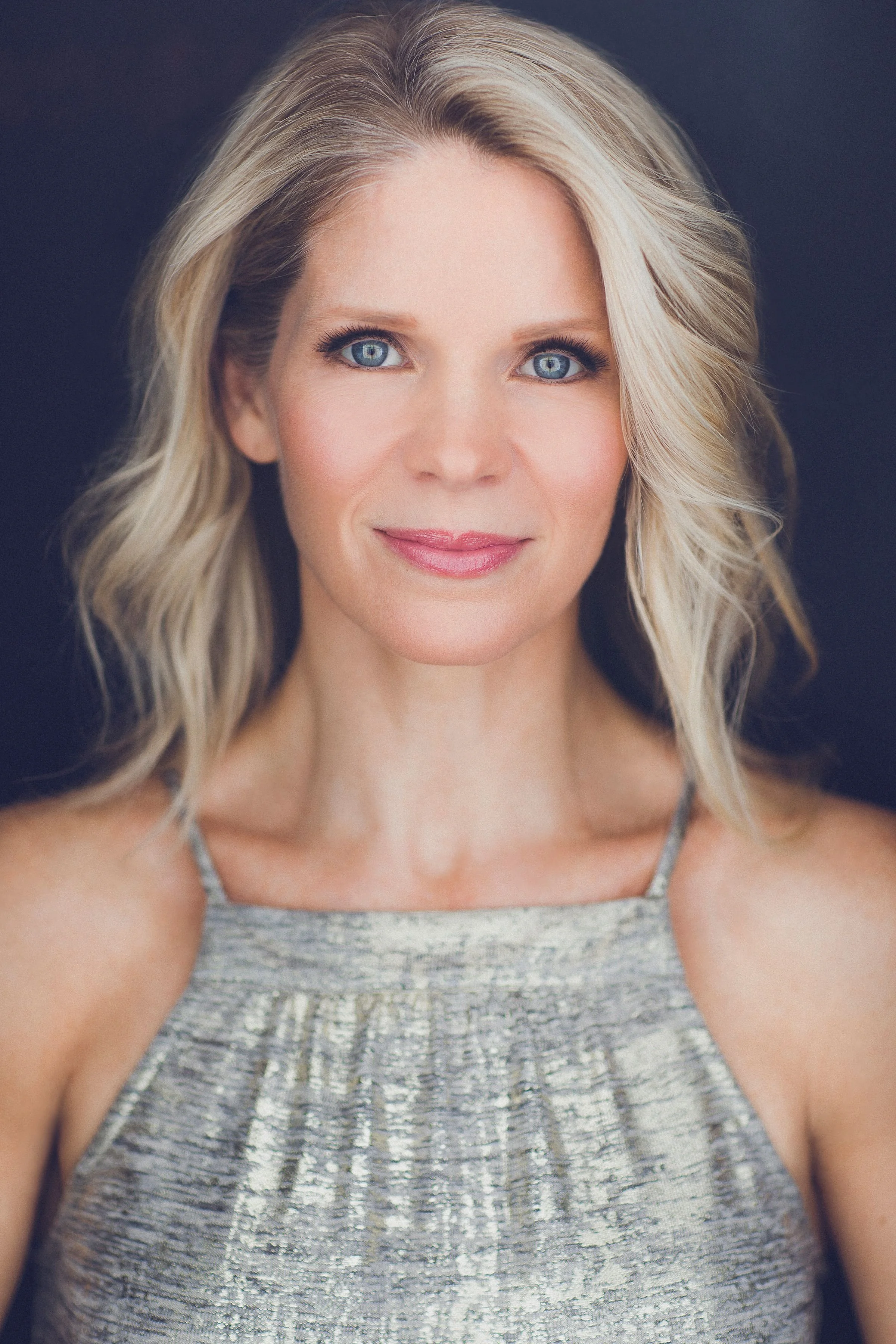
Kelli O'Hara
Kelli O'Hara is a Tony Award-winning actress and singer best known for her leading roles in Broadway musicals including "The King and I," "South Pacific," "The Bridges of Madison County," "Anastasia," and "The Gilded Age" on HBO. With a career spanning Broadway, film, and television, she has become one of the most respected performers in musical theater. A graduate of the University of Michigan and the Lee Strasberg Theatre Institute, Kelli is known for her commitment to craft and her dedication to exploring complex characters. She is also a passionate teacher and mentor to the next generation of performers.
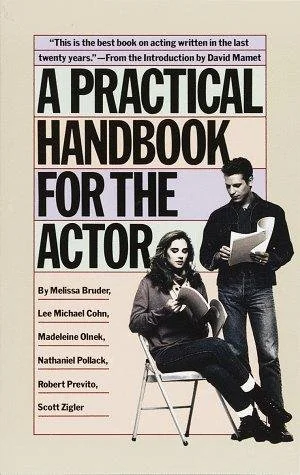
A foundational text exploring the major acting techniques and methods, including the Strasberg approach that shaped Kelli's training. This book explores emotional truth and authenticity in performance.

The Song of Bernadette by Franz Werfel
Classic literary work adapted for stage and film, exploring themes of faith and transformation that resonate with Kelli's approach to character development and finding depth in roles.
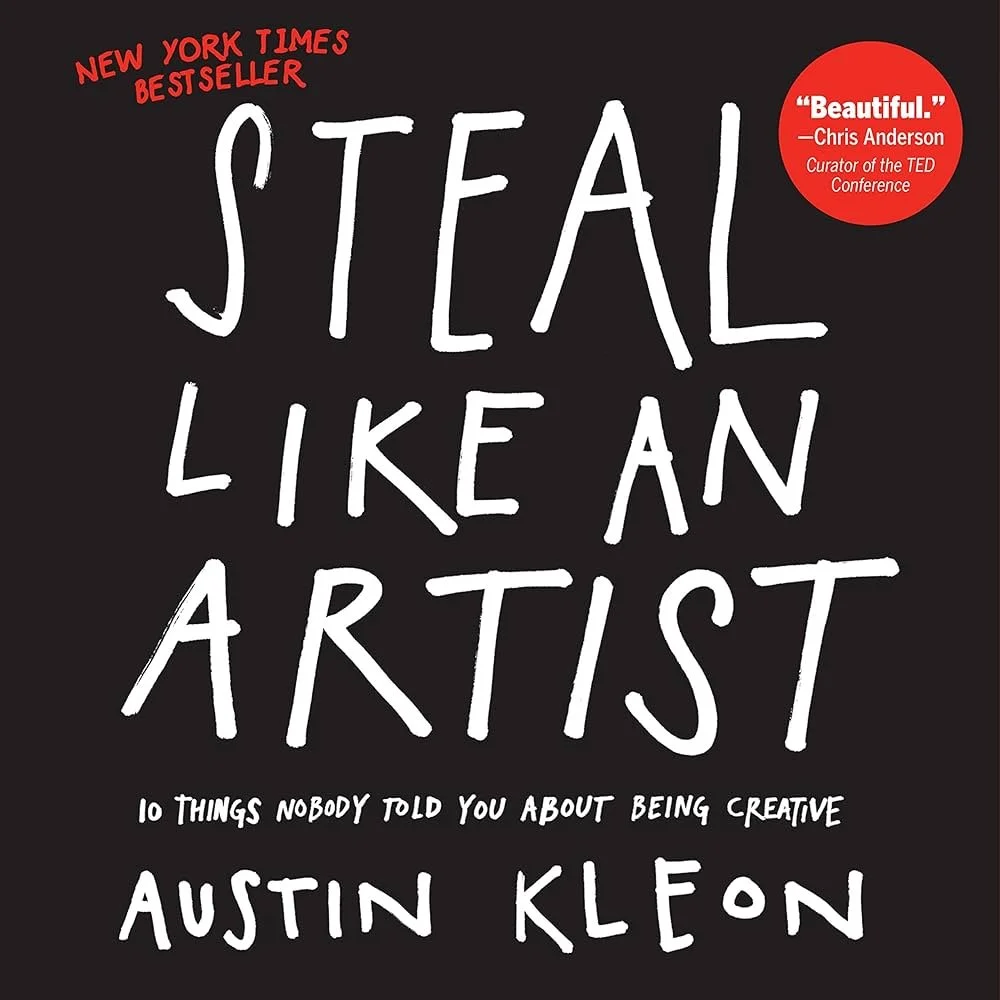
Practical insights on creativity and finding your authentic voice as an artist, directly relevant to Kelli's emphasis on craft over celebrity and developing one's unique artistic perspective.
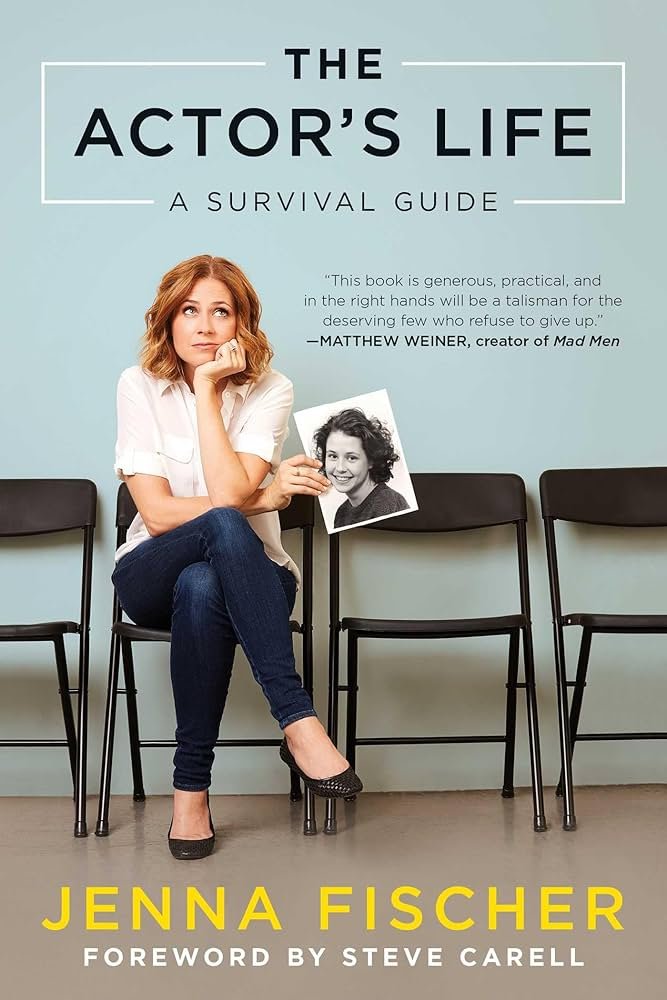
The Actor Life: A Survival Guide by Jenna Fischer
Practical guidance for performers navigating the challenges of a career in theater and film, covering everything from auditions to maintaining authenticity in the spotlight.
Resources
Kelli O'Hara on Broadway — https://www.kelliohara.com/
Lee Strasberg Theatre Institute — https://www.strasberg.com/
Broadway League — https://www.broadwayleague.com/
The Gilded Age on HBO — https://www.hbo.com/the-gilded-age
David Peck on TikTok — https://www.tiktok.com/@itsdavidpeck
David Peck on Instagram — https://www.instagram.com/itsdavidpeck/