
Episode 6. LIVE! Designing a Career You Love | University of Houston Talk
Join David Peck for a live talk at the University of Houston on designing your career, finding purpose, and transforming your mindset to create a richer, fuller life.
This special live episode brings you an inspiring talk David delivered at the University of Houston, sharing timeless lessons on career design, finding your unique value, and the transformative power of mindset. Whether you're just starting out or already on your journey, these principles will help you intentionally design a life you love.
In this live recording, David explores the practical skills and mindsets you need to create a career you're passionate about—whether working for yourself or others. He discusses the importance of discovering your unique value, the role of preparation in seizing opportunities, and how your mindset directly shapes the reality you experience.
Key topics include overcoming the fear of failure, understanding luck as preparation meeting opportunity, and the powerful impact of perception on your career path. Through engaging audience interaction and relatable examples, David demonstrates how small shifts in awareness can lead to transformative life changes.
Listen to the full episode on your favorite podcast platform.
Subscribe and leave a quick rating or review if you enjoyed it.



“Your mindset is your reality. When you change how you see the world, you change the world itself.”
Transcript
-
Hey there, design enthusiast. Welcome to Inside the Design Studio, the podcast where we unravel threads of life and design. I'm your host, David Peck, your guide through the cosmic wonders, the tangible touches, and the delightful twists of creating a life you absolutely love. Today's episode is a special peek into my eclectic toolbox, the secret weapons I use to design a life that's as vibrant as my creations. So grab your metaphorical sketch pad and let's dive into the art of intentional living. Today's episode is a little bit different. I want to share with you a talk that I gave at the University of Houston a couple of years ago. I was speaking to students, but I think that the lessons that I share are applicable to just about anybody who wants to design a richer and fuller life. At the end of the episode, I share some of the resources that have helped me, and I hope that you'll check them out. So please forgive any audio issues. This was a live recording. And enjoy the episode. give you a little bit more background about what I do now and what I've been through in my career and how I've sort of come to design a career that I love. But before I get started, just so I know who I'm talking to, are you guys mostly in the retail side of things in marketing? Or you're not interested in it at all? You just happen to show up here for extra credit? Why is everyone here? How many are in the retail management program? Do most of you want to work for other people? How many people want to work for themselves? A lot of people. You are in the next generation of people who want to work for themselves. That's not uncommon. And what I want to talk about today are skills and practices that I believe that you need to have in your life that help you create a career you love. Whether you are working for other people or you're wanting to start something on your own, it's the way that you kind of can approach life in general, not just your career, and how you can be successful. Do you guys have a clear cut path that laid out for you? Like, I know I'm going to get a job here, and then I'm going to do this, and then you have a plan. How many people have a plan? One. How long have you had your plan, out of curiosity? I don't know. Maybe a little bit. Two years. Two years? OK, that's good. I did not have a plan at you guys seem to be various ages, but I did not have a plan. I don't know if I've ever had a plan. But definitely when I started school, I didn't have a plan. So I kind of took the circuitous route to where I am today and being a designer and an entrepreneur. And I think a lot of that has kind of led me to where I am and how I approach life and really how I approach business. I think that something that we need to think about is what do we really ultimately want out of life, out of our career? What is it that would make us feel fulfilled and what would make us feel like we've accomplished something and that can be a job, but most likely a job is only gonna last for a small amount of time. The industry, do you guys follow the retail industry? Do you know what's going on in the retail industry? It's in shambles. It's a disaster. Stores are closing. Barneys, New York, like the staple of the fashion industry, where every designer who got started wanted to have their line. I wanted to have my line there. It's basically in bankruptcy. It's going to close unless a deal happens in the next week. All these stores in Houston are closing. These big stores that have kept models, photographers, videographers alive, they're closing. So what are you supposed to do in this ever-changing retail landscape? People aren't not buying. they're just changing how they're buying. But these big industry giants that gave us this sense of security, this idea that I could start here and build a career and work there for 30 years, it just doesn't exist anymore. So in that sense of uncertainty, how do you find a certainty within yourself to have that motivation and purpose to keep going? What I will tell you is that it's not easy. And it's not a straight path, and it's definitely not fast. And I can tell you that from experience, because I was always a really good student. Like even though I didn't necessarily have a plan, I was a good student. I always got straight A's. I got one B in algebra one in high school, and I about like lost it because I just thought my whole life was over. But even in college, I was so dedicated to being a good student. really hard and I always kind of thought success was gonna find me because I was doing all the work and I realized now that a lot of success has found me and I've found it but it's also come and many times at a really high price and it's also been really difficult and it's been painful you can Google me I have had to close a business it was kind of in all the papers I've reopened a business and now we're doing really well in fact we as of Wednesday sold more than all of last year. So that is huge. Like, for in the retail industry now, to have a company that is actually growing and doing really well, we're profitable, like, that's kind of crazy. And I think that a lot of it has to do with what I've learned about focusing and really having an intention and a purpose to what you're doing and really being true to who you are supposed to be as an individual. I think every one of you has a unique, selling point, but there's the unique thing that makes you you. It's the gift that you give to the world. And that is what you have to hone in on when you are wanting to design a career that you're gonna love, because it's gonna be really hard. You're going to make a lot of mistakes. It's not gonna come easy. You're gonna trust the wrong people. You're gonna get into situations that you're like, crap, like why did I do this? And you will come out on the other side of it because you have a purpose. So I think that's something that's really, really important to think about. And another thing to think about is there's this sort of age-long debate about luck. And do you guys listen to podcasts a lot? Okay, do you guys listen to how I built this? OK, some of you do. If you're not, you should listen to it. It's an NPR podcast hosted by Guy Raz. And what he does is he goes and he interviews industry titans. And some of them are more recent entrepreneurs. Some are the people who started Whole Foods, the guy who started Whole Foods, talking about their careers and how they made whatever it was that they made. And so some of this is a lot fresher in people's minds. And some people have had a lifetime to look back at it. But one question he asks everybody, he always asks, Was it luck or was it talent? And I think that almost all of them say that's a mixture of both. They obviously were talented or had some sort of work ethic that got them to a certain place. And it was being in the right place at the right time and being able to take care of advantage of that opportunity that really propelled them to the next level in their career. And I think that it was Seneca, who who has said that luck is when preparation meets opportunity. So if you are prepared, if you have the right mindset, and an opportunity comes your way, not only will you be able to take advantage of it, you'll be able to see it. And seeing is, I think, our biggest problem. I think I have this problem because I'm connected to my phone, I'm connected to my computer, I'm connected to all the voices of my friends and family or whatever telling me what to do, and what's really hard sometimes is, times to see is what's actually in front of me. And whether it's a good opportunity or a bad opportunity or whether it's something that's really aligned with my life's purpose. And part of what our job is in terms of designing our career is really honing in and focusing on that thing. So when that opportunity comes, you'll know whether it's the right thing to do or not. There has been a lot. around this word, mindset. Have you guys heard this word a lot this year? I feel like, I don't know if it's just me, but I feel like mindset is this buzz word that all of a sudden, it's always been there. But for me at least, I feel like it's just become ever-present, ever-podcast. Every article, every book that I wanna read all has something to do with mindset. And what really is mindset when we think about it? It's how we frame the world. It's our viewpoint, right? Are you an optimist? Are you a pessimist? Are you looking at things with hope and opportunity? Or do you see things as a struggle? Or do you see things as hard? And usually, how we look at the world is the reality that we create. So I want to do a little experiment. And so I want everyone, because do most of you think you're really aware? Do you feel like you're pretty conscious people? You know what's going on? You notice things. You're a good student, so you're probably noticing details. So I want you to look around the room, and I want you to notice everything that's yellow. I'll give you a minute to notice everything that's yellow. Look hard. Be observant. You guys good? I want everyone to close your eyes. For real, close them. No cheating. Put your hands over your eyes. OK, so I want you guys to tell me everything that's red. Okay. It's hard, right? It's really hard. You can open your eyes now. So what is really hard is we think that we're seeing the world.
-
But what we're seeing is what we've been told to see or what we want to see, not what's actually there. You guys noticed when, let's say, I just bought a car. I was in an accident last year, and I got to get a new car, and I was excited. All of a sudden, every car I saw on the road was the car that I bought or the car that I was thinking about buying. You noticed that? there before, they always existed. So it was my mindset had changed. I had opened my mind to the possibility of this car. And for me, it now existed. And so a lot of what we do is opening our eyes, opening our worlds, expanding them to see possibility. And that, to me, is awareness. You guys heard of Jen Sincero? Have you read her books? You haven't read? Have you read it? them, the finance one as well. Yes, they are amazing. Amazing. And I highly recommend you not only read them, but you listen to them as audiobooks. And she has this quote about awareness. It's like electricity. Before the invention of the light bulb, most people weren't aware of electricity's existence. It was still here exactly the same way it is right now, but we hadn't yet woken up to it. It took the invention of the light bulb to bring it to our attention. We had to understand how to manifest it to our reality. So a lot of times, what we're wanting or what we're saying we're wanting is right there in front of us, but we're not seeing it because we're looking for something else. And so a lot of what your job is as a human, as somebody who's building a career, is to figure out how to expand and open your world so that you can see opportunity, so you can see possibility, so you can create that career that you want to create. I believe truly, and Jen says this in her book, that if you truly, truly desire something, if there's something at the core of you, not to say, like, I want a piece of cake, but there's something deep inside of you that says, I know I'm going to do this. I know that I'm supposed to write a book, or I know I'm supposed to make a movie. I know I'm supposed to do this thing, or I know I'm supposed to be a professor at a university. I know whatever it is. I know I'm supposed to have a voice in some way. If there's something that's deep within you, that says that, that means it's already there. Einstein talked about the idea of time being relative. And so we have, as humans, it's very hard for us to think in relative terms. And so we think of time as being very linear. So I'm going to do this year, and I'm going to do this next year, and I'm going to do this. And so there's a linear process. But that desire that's in you is something that goes beyond time. And it's your job to figure out how to connect that desire with the thing that it is that you're supposed to do, because it already exists, okay? So, for a lot of us, especially, I would probably imagine if you're in the retail side of things, you're probably, think of yourself as a creative person, you probably deal a lot with numbers, but there's a side of you that's interested in beauty, you're interested in creating things, right? And that's a big challenge for creative, because we somehow are predisposed reject the most direct path. We somehow see it as less creative. We don't all, at least for me, like I didn't always see the art of business as an art. And it kind of was this, like there's this kind of struggle between the artist and the business. And I didn't see how the two kind of went together. And it wasn't until I changed my mindset about business and how I looked at business and how I saw how creative it was, how I could challenge myself this world that I kind of had to put off as another. I said, I'm not good at business. And so guess what? I wasn't good at business. But when I changed my mindset and said, look, I can do this, I can figure it out, and it's creative and it's fulfilling, guess what? I'm much better at business. And so I think that's what we have to do. Now, we also have to want to stay away from things we hate doing. But I think sometimes we hate doing things our mindset and sometimes when we open up our minds to things then we change the way we view the world and then we change our lives. So a lot of that has to do with limiting beliefs about ourselves. So if we talk about intention Like, what does that really mean? Intention is the power that kind of drives us forward. It's the thing that has to be at the core of everything that we do. If we don't have our intentions clear, it's very easy for our path to get muddled. It's very easy for us to go off on tangents, or make bad decisions, or have the wrong people in our lives, because we're not connected to what our intention. It's the fundamental thing that determines And if you aren't intent at being intentional about what you want, you won't be able to create it or manifest it. And the interesting thing... about not going to the next slide is. We will. There we go. It's not what. It's the what and not the how of what we want. So a lot of times we need to think, we think success is a certain path. And so we think to be successful, we must do these certain things. And we get so focused on the things that we need to do that we lose sight of the goal. Has that ever happened to you guys? Where you have this clear cut goal. You get really excited about something, but then you get so consumed with the doing. This can happen with writing a paper. You've got this really big idea, like writing this essay. And you get so stuck in the minutia, you're stuck on paragraph one. You focus so much on getting that one thing right and not focused on the global picture of the thing that you're supposed to be creating. So a lot of times, it's not about how. It's not how am I going to get there. It's the knowing that you're going to get there. And I think when we talk, have you guys tried manifesting? This is like a new thing for me. So have you heard of it? Do you know what it is? OK, for those of you who don't know what manifesting is, basically, it's putting it out there I want, being really clear with what you want. And no matter what your relationship is to religion or God or whatever you want to call it, I call mine hashtag it's complicated, but I believe truly that there's something out there bigger than all of us that is that source energy that connects us. Some people call it God, some people call it the universe, you can call it whatever. We're all matter, we're all connected, we're all energy. that's true. So when you're manifesting something, when you're putting it out there, you're connecting. Everything that we want is that vibrate at a level and you're putting it out there that you want to connect to that vibration on that light level. It sounds a little hooey, but it's kind of true. It's like once you want to start noticing that car that exists, it exists. It comes out of nowhere, but it's always been there. So it's not like you're going poof, something appears. that you want exists. And so you're aligning your thought patterns with the patterns of the things in the world that you want to create and that you want to have happen in your life. Like I said, if you truly desire it, it's already happened. It already exists. So by getting your wave on the right frequency, then you're getting there. And so you want to be really specific about what is it that I want. Be really specific. Don't be specific about how you're going to get there. Just be really specific about what it is. that you want. I really loved this quote by Roger Ebert, who would have known that it was a good idea to have a A movie critic would have such deep thoughts, but we are put on this planet only once. And to limit ourselves to the familiar is a crime against our minds. And so a lot of times, when we start having limiting beliefs about ourselves, and those limiting beliefs can be self-imposed. They can be because your family, your community, your church, whatever it is, is telling you can't do something. It's not possible to do something. We start having beliefs about ourselves that limit our potential. to get out of our own head and get beyond, because there's something so much bigger. There's so much greater. There's that purpose that each one of us was created to have that we need to tap into. And that is what can motivate us and kind of keep us going, even when times are really, really hard. So it's all about changing our mindset. It's. of reframing things, it's looking at the world in a new way, and there's so many different things that we can do to do that, and we'll talk about that in a little bit. But I think one of the things that you need to really understand is that when you are on this path, when you are creating this career, this life that you are really, really proud of, that you need to understand that it is creative, it is the best path. There's this idea of, have you heard about living in abundance rather than scarcity? You know, if you frame everything as, I'm living with abundance, there is enough for everybody. Think sometimes in business, people get really scared of the competition. And they're like, oh crap, this new store opened just down the street and they stole my idea and they took it and they're gonna do better. What's gonna happen? They probably are gonna do better because you have limited yourself to think about your business as less than the other.
-
Instead of saying, I was here, I had this idea, I'm good at it, I know what I'm doing. know what? There's four million plus people in Houston and there's enough to go around. So living with this idea that there's always enough really changes especially when it comes to money because I think especially if you come from a place I didn't come from a lot of money I didn't come from a place where there was always a lot of abundance. My parents always took care of me we always lived well I'm very thankful for that but there was never this money idea that there was money for everything that I wanted to do so I had to work really is limiting. And so we see that as an obstacle or a barrier to entry into whatever career we're not well connected enough, we don't have the money to go to the school we want to go to or do the program that we want to do, we're not driving the right car, whatever, we're not enough. And what we have to realize is that there is enough and that you have to understand that there's enough in the world to go around because there's enough for you to have your own purpose because nobody can have your own your purpose but you. And sometimes it's when you are changing your mindset, when you're going from this idea of scarcity to going to living in abundance, it feels uncomfortable because maybe people aren't along for the ride with you. It can feel very lonely. It can feel very isolating, especially if you're an entrepreneur. If you listen to people who are entrepreneurs, podcasts, books, whatever, they'll tell you, especially in the beginning, it's very, very lonely. You're starting this thing. It's this idea that's only in your head. completely, it shuts you off from the rest of the world. You're usually working really long hours, you're trying to make this thing happen, but you have to kind of change that and you have to kind of get out of your own head. And a lot of creativity and thinking about life and thinking about problems is... not jumping too quick into the doing. And so there's always this fine balance between, I had friends in design school especially that would think and think and think and think and think and they would never do. So there is that tendency. But then there's also a lot of people who just rush in madly and do something and they're just wanting to create this thing with no thought or intention behind it. And I think when you focus a lot on developing your own self, your own purpose, being very clear with your intention, easy when you go to do a specific task to know how to do it and to do it right, and kind of follow your intuition. So Einstein, as much as he was a physicist and sort of this brilliant mind, he was very much a dreamer. And so, I mean, even he said that, and this is actually, I tried to verify that he actually said this, but we'll pretend that he did, that if he had a problem, he had only an hour to solve the world's problem. take 55 minutes to think about it, and then five minutes coming up with the solution. So think about how much thought, how much preparation, how much time goes into kind of getting your mind into a place where you can actually tackle the solution. Most of the time, we don't know enough about a situation in order to make a truly informed decision. And so kind of absorbing all of that is so important. All that being said, as much as business requires creativity. It also is failure. Failure is where you learn. Failure is where you grow. Every time that something doesn't go right, it's not that it's wrong. It's something that you need to take into the next part of your life. For as many things that have gone wrong in my, or gone right in my business, things have gone terribly, terribly wrong. And it's how you react and recover from those things that really help take you to the next level. And you know. Um. It's how we react to the things in our life and how we frame, kind of like change our mindset in regards to them that really determine whether or not we are going to be successful. This is just a little side note, but a lot of times I think as humans, and especially if you're a creative human, you tend to have a lot of ideas and they're kind of all running around. Some people have this sort of anxiety because they've got too much going on in their head. things that you can do is get it all down, get it all out, put it on paper, get all of those thoughts, just put it down and sort of acknowledging it and then edit. Because when you see something and you see it written down and it's not in your head anymore, you can really clearly edit that down and figure out what is really aligned with that purpose and your intention. Sometimes when it's in our head it gets really muddled and we start to confuse things and things go in circles and we have all this circular logic and we get stuck there. But when you write it down and you can actually go through and be like, oh well that's solvable, that's okay. And then you kind of come down to what the core of the problem is and you can very easily come up with a solution when you've spent all that time getting all of the problems out of your head. And so we talked a lot, or I talked a little bit about purpose. and that idea of being connected to whatever it is that's greater than ourselves. And I think a lot of times we confuse purpose with our job. And so when we talk about designing a career, we're really talking about designing a life. So a job is a part of our life. It is probably something that we're going to need to do to pay the bills at some point. But it really is not our purpose. And so I think every time you have a job, else are working for yourself, it has to truly be connected to that purpose. And one of the things that I found, and it's very difficult, is to take time to be quiet about it and develop a practice of being quiet and really being... Contemplative about what it is that our intention is when you take a new job or when you're looking for a new job. What is it that you're trying to give back? And not just what you're supposed to be getting, I mean, out of the situation, it really is about how are we aligning what we're doing with our life's purpose? And that can be really difficult, especially when a lot of times our jobs are very necessary to pay bills and all of that. And there's a lot of noise in our head. a time of quiet, even if it's just five minutes every day, of really focusing on what your intention is. And I like to do it at the start of every day, focusing on what is your intention and how can you align that day's work even, or that morning's work, or the next hour's work with your intention. And I think you'll find that you'll be a lot more successful, you'll have an energy that, you know how some you say people have the it factor, there's just like you know somebody has it, they're going to be successful, they just have that energy, that's how you develop it. I don't think that there's just some people who have it. I think those people have somehow figured out how to tap into that thing that is only theirs and for some of us it takes more practice. For some of us it takes being really quiet and being focused on that intention. I think there's also a lot of talk recently about our why. Have you heard this? Finding your why gets thrown about in business. And that's really what we're talking about. It's your purpose. What is your reason for existing? If your reason for existing is just purely to make more money with no other. goal inside or intention or greater good for humanity, I feel like you might be successful at making money, but then you're going to be a loser at everything else. And so you really have to figure out, it's not a bad thing to make money. In fact, it's a great thing to make money. In fact, you should read You Are a Badass at Making Money, because it's really about framing our mindset around money, around abundance, and about knowing that we are enough and that we deserve everything and changing that mindset. A lot of times where we run into trouble is when we have to make these big decisions, right? Whether it's about a job or whether it's in my instance, I've had several instances where I've had to choose whether or not to partner with certain people. And I will tell you that the times that it's all gone to hell in the handbasket and the times where it has just been absolutely horrible are the times when I have made a decision out of fear instead of really listening to my gut. There's a really fine line between listening to fear and listening to your gut, because they kind of feel like the same thing when on the surface. You kind of can get a pit in your stomach. It's like, I don't know. Am I like, should I do this? Am I just scared of succeeding or am I scared of failure? What is it that I'm afraid of? Do you guys know Marie Forleo? You heard of her? You know all the good books. That's good. She just wrote this really good book called Everything is Figureoutable. And she talks about this, fear versus intuition. And she's a really interesting person to kind of look at in terms of career, because she started in Wall Street, decided this is not what I want to do. Then she got into fashion. She somehow finagled her way to become an editor at Fashion Magazines, and then decided at the age of 23, well, you know what I really want to do is dance.
-
And people don't decide to be a dancer at 23. Usually you have years and years of experience kind of leading up to this. But she's like, this is what I want to do. This is something that's inside of me. I know I'm supposed to be a dancer. Well, she started taking dance lessons, and then she started teaching classes. Her second class that she was teaching in New York, a producer from MTV, was in the class. Noah Distur and said, I think you're really good at this. You should come and work for MTV. And she started choreographing all their commercials all this kind of crazy stuff that she was able to do. And this is somebody who's not trained as a dancer, but she had followed her intuition. She knew where she was supposed to be, and she had put herself in a really uncomfortable position. She left a really cushy job on Wall Street to take a not very well-paying job as a fashion editor to teaching dance classes. So it's one of those things when you know deep inside of yourself that you're supposed to be doing something, you need to follow it. And she has this really kind of easy test. where when you're confronted with something, where you're really not sure whether it's fear talking or your gut saying, hey, I'm gonna go with this. So if you're really quiet, that whole thing about being quiet, it's a practice, it doesn't happen overnight, it's something we get better at over time. Some days are easier than others. But if you think about this decision that you have to make and you're really quiet about it, and you think. Does this make me feel expansive when I think about it? Does my body physically react in taking a deep breath, even though it might be scary, or maybe there's butterflies in my stomach, but I feel like I can take a breath? Or does it feel like I'm contracted? That's a really good kind of physical test to approach decision making. But you have to kind of give yourself the space or time to do it. Another way you can think about things is you can think about the worst case scenario. So let's say you decide to do this thing. And what is the absolute worst thing that could happen? Will you lose your business? Will you lose your job? Will you lose your money? Will you lose your house? Will you lose your family? Think about what it is. And I know we can tend to be a little overdramatic about things. But really be realistic. If this doesn't go well at all, what is the worst that can happen? And if the worst happens, can I start over again? And if the answer is yes, go for it. You can also do the flip side of things. You can also think about the best case scenario. So if all of this goes right, am I truly getting what I want? Is it aligned with my purpose? And is my intention for doing it correct? And if you can't answer those questions, maybe it's not the right thing to do. The other thing you can always do, and I highly recommend it, is take things for a test drive. So let's say you are wanting to switch careers, or you're in this program, you wanna do another program, but you're really not sure, in turn. Do things for free. Spend all your spare time getting all the information and knowledge that you possibly can about whatever it is. Because you'll start to understand, like, oh, that's really what I want to do. Like, I would be happy getting coffee on a photo shoot. Like, that would, that just being in the room makes me excited. Or it could be like, that's a lot of work. I really don't think that, like, I thought this was glamorous, and it's really not. And like, I want no part of this. I would like a cushy desk job. Thank you very much. that's perfectly reasonable. So take things for a test drive. And I think we highly underestimate how important internships are. And I will say that the people that have been the most successful as interns in my company, usually I hire them if I can. If I can't hire them, there are usually people who are not even interested in fashion. They're just really good at life. And they're there, they're present, they're gonna get everything they want to out of the situation. And when they leave, they may never work in fashion. They may never know anybody who's worked in fashion again, but they gave it their all when they were there and they were really present and they learned that about themselves. So I think those are kind of like four really easy practical ways of looking at when you're making these life decisions, when you're designing this career, this life that you want, to kind of figure out whether or not you are truly in your life's purpose. And I think there's a couple of ways we can do that. A lot of times, like I've talked about previously, is that we have these limiting beliefs about ourselves. And so sometimes those can really be paralyzing. And a lot of them have to do with money. And it's kind of hard to get yourself into that place of not being kind of indebted to money or letting money be the driving factor. But if you could just learn to be quiet, and you could sit with your own thoughts, intention and with your desire and be really connected to your purpose, what is it that you would do? If you didn't have to worry about paying the bills, you didn't have to worry about what was next, what is it that you would do to give your life meaning? I think that's a really powerful thing to think about. So many successful people have come from nothing, and they've sort of risked it all, which was actually, they didn't risk very much because they didn't have anything to risk to begin with. And they've created empires. You think about people like Oprah. She came from nothing, and she had this vision for her life, and she knew it intuitively, and she kind of created it. So what kind of jobs would you have? a job because, oh, that's the job I got in high school, and, oh, my mom knew somebody or my dad, and you sort of get stuck in these jobs, and it's very easy, like you're starting to work your way, oh, now I'm a manager and I have to work. And we get ourselves into these what we think are comfortable positions. But we're not aligning our work with our life's purpose. And so you're at an age, you're at a time, you're in school, which means, tells me that you're really interested in doing something with your life, you're educating yourself. It's really important for you to get connected to that. I'll give you a little bit of an example that may or may not make sense, but... I've done a lot. So when I was in high school, I really, really thought that I wanted to be in the Olympics. Well, at first it was gymnastics, and then we moved to the middle of nowhere. And I couldn't go to the gym, do gymnastics anymore, so then I started riding horses. And then I thought I wanted to be a rider, and then somehow I got a scholarship to do, we moved to Ohio, my senior year of high school, which is a terrible time to move your children, by the way, is the senior year of high school. And I ended up getting a scholarship to play cello at this university, and I was like, well, okay, I'll do this. I wanted to do was too late to not finish the degree. But I had been working in retail at Ralph Lauren, and I had started doing windows. And some very wise friends had told me, why aren't you doing something with fashion or design? Because I feel like that's something that you would be really good at. And it took me a long time. I was so unaware of myself. In some ways, I was very aware, because I was a really good student. I did very well at everything I set my mind to. I worked really, really hard. wasn't good at the life thing. Like I couldn't really, I didn't have this path. And when I look back now at all the things that I did and that I excelled at, I think what I truly loved and connected with and what made me stick with things longer than maybe I should have, is there was an element of my true purpose kind of wrapped up in them that I hadn't quite extracted. And for me, what I loved about both the writing and like the idea of being in the Olympics and also playing the cello, even though I wasn't the best cellist, was the idea there was a performative nature to it. There was something about being in front of people and being kind of visible. So I knew that there was that. And when I was playing in front of people, I really didn't like the practice room very much. Not a lot of people do. But I really liked being on stage. In fact, I couldn't sing when I started my music degree. And so I ended up having to take singing lessons so that I could pass my music theory courses, because you had a sightseeing and these things. And I ended up doing fairly well. And so I used to find all these opportunities to perform. And so there was something, there was a disconnect in my mind. And I think that's the same thing that I love about fashion. And I would get frustrated for the longest time when people would say, oh, you're a fashion designer. You're a dress designer, or whatever. And I could never really understand why that didn't sit very well with me, because it is technically what I do, right? That's what I just do for a living. But I think what frustrated me was that it wasn't my whole story. my whole story really is, is I wanted to be able to tell stories. I wanted to be able to connect with people. I wanted to be visible in a way. And all these different things were just the medium I was using.
-
They were the job I was doing to be able to connect with the world. And so my true purpose is not, I don't believe, fashion. It is a part of what I do. It is one of the languages in which I communicate. But I don't think it's my true life's purpose. And I may be doing fashion. life, but it's not the core of me. And I think it's really important to understand that what you're doing, you're in a generation that is more likely to change jobs and not stick with the same career more than any other generation. And I think that could be looked at as an asset, and it can also be looked at as a really scary and a detriment. But I think if you really have that through line of what it is that's connecting you through all these different things, I think you'll find that what you pick up along the way from each of these different things really helped to make you a more beautiful, well-rounded human being. And something that's really, really important and one of my favorite people to listen to is a professor here and researcher here at U of H is Brene Brown. And she talks a lot about belonging. And belonging can be really, really hard when you don't come from a background that understands you or accepts you for whatever reason. They don't understand fashion. They didn't know what a designer label was to save their lives. They had no idea that you could go anywhere other than Walmart to buy clothes. We, you know, it's, they have a, they had a very limited view in terms of the world. And the idea of me moving to Paris to study fashion was just, they're like, you're not gonna do that. That doesn't make any sense. You know, and then I did it and they're like, oh. And then even my grandparents were still like, so when are you gonna, you know, come back? And it just didn't really resonate with them because it wasn't a part of their world. So that can be really hard. And it can be really challenging when you feel like whatever it is, whether it's your family or wherever you're from doesn't connect with what you think is your calling. And so I think it's really important to figure out how to belong wherever you are. And Brene Brown says, it's belonging is the innate human desire to be part of something larger than us. So it's that universal energy that's kind of guiding us. Because we're yearning to it's so primal, we often try to acquire it by fitting in and by seeking approval, or to be approved, which are not for belonging, often barriers to it. And because true belonging only happens when we present our authentic, imperfect selves to the world, our sense of belonging can never be greater than our level of self-acceptance. I think a part of our work in creating this career, in creating this life that's full of purpose is being so connected with it and being so in love with who that is that we're supposed to be and truly, truly accept it. then and present that to the world, that's when you have that it factor, when you have that thing that everybody wants, whether it is going into an interview or it is starting your own business, that is how you are successful. It's also not something that you... negotiate externally. This idea of acceptance is not finding a group of people who accept you. So I think sometimes that's a really easy substitute. We are like, oh, I'm going to find the group of misfits, and they're all going to accept me, and I'm going to feel good, and I'm going to live in this little bubble of people who accept me. And that's not true belonging, and that's not true self-acceptance and being in touch with our core and our intention. But there is a practical side to this. And that is your network and the people that you are surrounding yourself with are who you will become. And so I would really urge you to be very intentional about what types of people and what types of energy are you letting into your lives? Who are the people that you look up to inspire you? Is your community supporting you? Is your family supporting you? In some cases, they're not. And they never will be. And that's OK. the sooner we can come to terms with that, the better. I think I realized pretty early on that I was really different from my family, and they were never really going to get it. And once I came to peace with that, it made my life a lot easier. And it was easier for me to be adventurous and to go off and live in Paris for five years and live in New York and do these things. And the times where I've kind of gone inward and forgotten the most failure or the most learning moments. So it's really important and you're in a wonderful place in terms of being in university because you have professors, you have peers that are hopefully all doing exciting things but let's say you don't. Let's say you know your family doesn't support you, your community doesn't support you, you can't seem to find your group. You've got to thing you can do is invest in yourself. So you're doing that now by hopefully being in this room. Also being on this campus, being in this program, pursuing a degree, pursuing a career, that's one way of investing. But I think a lot of that is, it's very easy for that to be partitioned into the academic side of things. You're learning skills, you're learning how to do things, but everything that I've been talking about is a lot about what we do on the inside to really cultivate and develop that sense of purpose and that person that you're really supposed to truly be. And it takes time. So there's so much that you could do. One of the things that I have now spent a lot of money doing, and it was a big investment for me at the time, and I was like, how am I going to pay for this, is to get a coach. Like, I have a business coach now, and it's awesome. Because especially if you're an entrepreneur, you don't have somebody managing you. There's nobody saying, hey, you're doing a good job. Did you meet your goals? Like, there's no sentiment. It's all on your own. And let me just tell you, being your own manager sucks. It's really hard. It's lonely. It's isolating. And sometimes it's very hard to even get that feedback if you have employees and to figure it out. Having somebody who has an outside perspective. And coaching is a little bit different than therapy. We sometimes need therapy too. But coaching really is that thing that helps you manage your life. And I would encourage all of you to look into that. There's also online coaching. You can do it in person. There's so many different things that you can do. There's tons of self-help books at the end I have a whole list of books that I'm loving recently, that I've talked about some of them, but that you can do. And there's podcasts, there's audio books. A lot of times when you listen to the audio books, the author actually reads it now. And so you can kind of get in their voice and they have extras that they'll talk about. They'll take a moment from their book, and they'll riff on it and give you a little bit more of in-depth. That's great if you guys have a commute, especially if you're really, really busy. It's hard to be like, when am I going to fit time in to read another book? I have too much to do with my coursework. I do it every day on my commute. And it's amazing how much it puts you in the right frame of mind when you're listening to other people who are actively working on those areas. And I think it's important to just be there. Anytime there's an opportunity, whether it's an internship, whether it's a one-day thing, whatever it is, be the person who's available. Put yourself in the hard situation. Even if it's really difficult, if it's something that's connected to your purpose and what you want to do, be there. And when you show up, you'll be really surprised that not everyone does. I think we take it for granted that everyone's gonna show up, and they don't. And when you get those opportunities is when you show up and you've been doing the work, you've been putting all the work in, and that's really, really important. There's a couple of other things, I think, that you can do in terms of putting in this time and developing really good habits, and those are hard. I've realized recently is that I have two children. I have a business. I have a lot going on in my life. There is no quiet time. There is no me time. It's just like, as much as I think that I'm going to get something done at night, it just doesn't happen. I used to be able to stay up really late. I can't do it anymore. And so what I've been trying to do recently is just get up 15 minutes earlier and have quiet time before everybody wakes up. And I'm not trying to get any work done. I'm not trying to do anything other than just be in a quiet house. And the way it kind of sets my mind for the day, it's truly transformative. So it doesn't have to be hours and hours every day. It can just be a really small chunk of time. And I would also encourage you to develop a meditation habit. Do any of you meditate? Some of you? That's good. People who don't meditate, have you tried it? You OK? What was your experience? Did it work, not work? Was it hard? Do you guys use an app or anything to do it? So one of the really hard things about meditation is a skill that you have to develop. I don't think we're naturally born with this innate ability to be quiet with our own thoughts. I think we are hardwired to have lots of stuff going on all the time that confuses us.
-
And meditation is sort of not necessarily getting rid of all thoughts, because that's almost impossible. being apart from your thoughts and sitting and observing them and not letting your thoughts control you. So I would recommend there's so many apps now that help you. So there's one called Calm. There's one called Simple Habit. If you Google best apps for meditation, you might be able to find one that's good for your personality and start with just a couple minutes, like two or three minutes. Do a guided meditation. All you're focusing on is breathing. Breath is the most underrated thing. like making decisions, you'd be so surprised if you just take a moment and breathe. through that situation, how much clarity you'll get just by breathing. I do it with my kids now. We're taking this, because nobody's born a good parent, I don't think. So I'm taking parenting classes. And the key thing that we're trying to teach our kids right now is, OK, I know you're upset. You're teaching them, like, OK, I'm being really empathetic with you, even though I'm really not happy with you. But if you can just breathe. Now do you need to feel like you need to hit your brother? And most likely that kind of, they might still. But usually it erases it. So if we can take that time, so I'd highly encourage everybody to use an app, do something where you just take two to five minutes. And if it doesn't change your life, then you can at me. And also seek out things and people that connect you to a higher purpose. easy with all the things that I'm old and so I'm not on TikTok, but there's so many things in this world, like it's easy to get sucked into the Instagram vortex. It's really easy to go down. There's so much that distracts. We say we don't have time, but yet we find the time for all these things. And unless your Instagram is just full of inspirational quotes and not Kim Kardashian's, but like most likely you are not using that time to make yourself a better person. And so I would highly, that whole thing about editing, edit your feed, edit who you're listening to. What are the things that you're actively choosing to have in your life? Are they things that are creating a more beautiful world for you or are they things that are creating more noise? And I think that it's really important to think about that and that's this whole idea of success and what it means. Because I feel like success can be seen on the micro level and it can be seen on the macro level. And I think when you look back at our lives, I've had a lot of ups and downs and I've made what many people would say big mistakes. And I think I've come back from the well. But I think when I look at what I do, I feel successful because I do feel that right now I'm connected to my purpose and what I'm doing. And there's opportunities that are coming my way. expansive, and that to me is what success feels like. And I think if there is ever a time when I'm struggling with feeling successful or, you know, we're all going to go through hard times. Like, once you kind of start to get into this, doesn't mean that life is all of a sudden easier. But it's this way of going back to that place where you felt successful, where you felt connected to your purpose, and kind of going back to that. And I think truly it's deciding to make Like, decide that you are going to be a successful person. And that may seem like a really silly thing. You're like, of course I want to be successful. I want to make money. I want to have a good career. I want to... But I think sometimes those limiting beliefs about ourselves linger. And so we aren't truly deciding to be successful. And what makes you a success? decide that for yourself. What is that purpose? And it will change over time. But I think what you can truly come back to every single time is I think we have to develop a habit of gratitude. So all those habits I was saying that you should do, one of the things that I think is truly transformative is being grateful. And being grateful, especially in the toughest times. So there were a lot of times when I was going through the closing of my company and not knowing what was coming next. forced myself in that moment to really, truly be thankful for what I had been able to accomplish and what I had been given. And that really changed my perspective because it didn't make going through a bankruptcy and closing my company any less difficult, but it gave me perspective and it gave me hope and it gave me the energy to know that wasn't something that defined me and that I had energy to go keep going forward. you lose a job, you lose an opportunity, you don't get hired, whatever it is, remember that sense of being grateful. And sometimes it's the things that we lose that we're standing in the way of what's greater. And that sense of perspective doesn't always happen in the moment. It can take years. I mean, maybe it'll take weeks, but a lot of times it's years. And you're like, I'm so grateful that iteration of my business was not successful lot of people involved that I love, but weren't the right people to be involved in my success. And I think had it continued to grow, it was kind of doomed. And so by being able to kind of have that perspective and be like, that was not connected to my purpose in the way that it should have been, that I'm able to be really grateful for it. And I think Oprah, throughout the years, I think the thing that I've loved so much about her is that I think she always comes back this idea of gratitude, that this is your path. This is your body. No matter what state it's in, this is your mind. You've been given this incredible mind. And this present moment is your moment. And there's this idea also in Jim Sincero's book about if you are depressed or you're feeling, I'm not talking about clinical depression, but if you kind of feel this sense of dread, you are living in the past. anxiety, all these thoughts are kind of like rushing into your mind. You're living in the future but when you are calm and when you are most at peace is when you are living in the present. And I think you can only be present when you are full of gratitude. And so Oprah says, what you focus on expands and when you focus on the goodness in your life, you create more of it. Opportunities, relationships, even money flowed my way when I learned to be grateful no matter what happened in my life. And I think that's very true. What you focus on does expands. So if you focus on the negative energy or the negative things or even if you focus on things that aren't truly connected to your life's purpose, that is what's gonna fill your time. But when you make a practice of making everything you do intentional, everything that comes into your mind is somewhat connected to your life's goal and purpose, then it expands and that is gonna take you to the next level. And so I think that designing a career you love happens when really truly desire to fulfill your life's purpose. And I don't think that it's something that happens in a moment. I think it's something that we constantly work on over our life and being connected to that is really the thing that will give you that career that you truly love. It's so, so important that you understand that designing a career you love starts with loving yourself and investing in yourself and that purpose. So there's A lot of books that I've been reading recently, I could have had pages and pages, so I decided to kind of narrow them down. But Brene Brown, I think Anything You Can Read by Brene Brown is awesome. She's also got a Netflix special. Has anybody watched it? Yes. Not enough people have watched it. You all have Netflix, right? Yes? OK. Watch her Netflix special. It's truly, I feel like she is really changing the way our world is looking at ourselves, looking at humanity. And she's right here on your camp. She's doing it all here. Marie Forleo is somebody that I mentioned. So she just released this book, Everything is Figureoutable. So she has this theory that everything in life no matter what it is. And some people say, oh, well, I want to fly. And she'll say, well, and they'll say, that's not possible. But if you reframe how you look at things, she's like, yes, you can fly. We've sort of evolved, and we've created airplanes. We've put in all this stuff that's happening so that we actually can fly. And it's about reframing your perspective. So everything is figureoutable. She also has a video series. It's called MarieTV. and watch it on YouTube. But she has a podcast, so if you're driving, please don't watch YouTube. You can listen to it as a podcast. Something that I really, really have loved, this author Mike McCallowitz, he has several books. But if you're especially interested in being an entrepreneur or working in an entrepreneurial environment, I highly recommend his books. They have changed the way I look at business completely. So Profit First is really about that whole idea of we work really, really hard. our business instead of letting our business really feed and nourish us. And he prioritizes putting profit first. He also has another one about systems called clockwork and marketing and kind of creating that buzz. So he's a, and he also has a podcast, everyone has a podcast. So like, if you can't read, at least listen to their podcast. Jensen Chero, two books that I think everyone should read.
-
You Are a Badass is the best gift you can give anybody. I think whether it's an audio book. or the real book if they're not going to read. Really funny, like hilarious, hilarious woman, who was basically at the end of her rope, had no money, was a writer, but she wasn't successful, and decided that she was going to change her life, and that she was going to make money, and she was going to be successful, and she's done it. So it's very inspiring, especially for somebody who's creative to think like. Because a lot of times, we're not doctors. We're not lawyers. a set career path where somebody is telling us, OK, you go to this school, and you go to this school, and you get your residency here, and then you get this job, and you get paid. None of that exists. And even if you were going to have a retail career that maybe told you that it doesn't exist anymore, or by the time you get it, it's not going to exist anymore. So there has to be more of an entrepreneurial mindset. And I think these books are really great at helping you reframe your mindset in a way that's And she also has a lot of really good mantras that I have been fantastic. If you don't watch Super Soul Sunday, you can listen to Super Soul Conversations on a podcast. Do you guys watch Super Soul Sunday? Nobody. Oprah is like... my everything. But I respect her so much. There are three people I've always said that I wanted to be a combination of. And I think when you talk about being aligned with your life's purpose, this is the one thing that's never changed. I've always said I wanted to be a combination of Oprah, Ralph Lauren, and Martha Stewart. So I got a little bit of a little bit of a But she talks with some of the most interesting people, the most interesting thought leaders going on. She's really one of the people who, you know, Brene Brown has talked to, Marie Forleo has been on there. She really. has conversations that are deep and insightful that cause you work the world in a different way. Gold Digger is really an interesting podcast. So Jenna Kutcher, do you guys know Gold Digger? Yeah, you know, it's the one that you know. She started out as a wedding, well, actually, she started out in corporate America. She worked for Target and decided, I hate this. This is not what I thought it was going to be. She thought it was going to be everything. It was her dream job. And who wouldn't want to work for Target? I'd work for Target. that it wasn't her passion, it wasn't her purpose. And she bought a $300 camera off of Craigslist to take photos around her wedding, ended up turning it into a really successful wedding photography business, and now earns multimillion dollars every single year creating marketing content, teaching people how to market, being a general inspirational person. And she also has a podcast called Gold Digger. about all these things. There's a really interesting guest. And she actually, the latest episode, had Barbara Corcoran. Do you guys want shortchank? OK. I do want shortchank. Barbara Corcoran has a podcast called Business Unusual. And she's actually, I learned with her interview on Jenna Kutcher that I just listened today, that she has a new one called 188 Ask Barbara, or something like that, where she kind of handled a lot of things. But she has a really interesting insight, I think, on growing a company and somebody who's a very long time in what she looks for in people who are successful, both to invest in and also in terms of recruiting them. So I think it's really good, even if you're not wanting to be an entrepreneur, what somebody who is super successful is looking for in hiring somebody. And then I mentioned how I built this at the very, very beginning. Really great stories. In fact, you may, like if you, let's say, you don't want to be an entrepreneur, you may just find some companies that inspire you, that you want to work for. listening to that podcast. So I've talked a lot and I should have said at the beginning that I would take questions at the end and let you guys think about questions but I didn't so if you have questions I'd be happy to answer them but you can always connect with me here too. Questions for David. I should have warned you ahead of time. Anybody want to intern with him, pull up your hand so you can see the piano. Cool. Yay! Accepting all applications. Here. Yeah. Since I do know what your other business does, what your current one, like I don't know much about your current Myelostafa stuff. Because you're not, is it bridal style? Is it? Well, that's a good question. So my company has kind of come full circle in many ways. So when I first started in Houston, I started as a traditional. Actually, when I moved to Houston, I thought my career was over. We came here because my mother-in-law had ovarian cancer. And I kind of was like, there's no fashion in Houston. What am I going to do? So I ended up designing a line of dresses, and Tutsis ended up picking them up. And I started off as a traditional wholesale company. boutiques around the country. One of the reasons I had to close is I had a potential investor at the time that ended up, it all went pear-shaped for many hilarious reasons in hindsight, but not so hilarious when you're going through them. So in 2015, I ended up closing that iteration of the business. And I reopened with the help of a really loyal customer at the end of 2015. And we had a small boutique, and we focused on custom and evening and bridal and things that. I have since bought that customer out. So it's all my business again. And it's David Peck again. So I can't keep up with myself. But what we do is, if you come to visit us, and I encourage all of you to just come and see what we do, because I think it's really special, is we have a small boutique. So you can walk in and you can buy stuff off the rack. And what we focus on in the boutique are either classic pieces that we know work on almost everybody. try to keep in stock. And then we also do limited edition collections of really special fabrics that I find. But once they're gone, they're gone. So we might repeat a silhouette, but you won't find it again in the same fabric. And that just really helps, because one of the things that I think our customers have said over and over that they're frustrated with in terms of department stores, and this is why they're failing, is that it's all ubiquitous. You find the same thing at every store, and you go to an event, and you've spent a significant amount of money on a piece of clothing, and somebody else is wearing it. I understand this is not curing cancer, and it's not ending child hunger. But it is kind of frustrating when you've spent a significant amount of money on something and somebody else has it. So especially in Houston, if you haven't noticed, it's the biggest small town ever. Everyone knows each other. So we try to do limited edition so that you don't see yourself coming and going. And then the bulk of our business and where we are the most profitable is by focusing on custom. That can be anything from a professional who just wants good suits and blouses and things for her work wardrobe, or we do a ton for mothers of the bride. It's a very underserved segment of the market. It's really hard to find something that's flattering, sexy, and appropriate that your friends haven't worn already to their kids' wedding. So we do a lot of mothers. We do brides, but we tend to, which So... A lot of our brides are looking for something different. There's so many bridal options in Houston. We're really not trying to compete with all of the things that they have, but our brides tend to either want something super simple or maybe they're not a size two. So that's kind of where our focus is. And we make everything there. So our factory is behind our store. So everything, nothing leaves. It's all connected there. So people can see everything from start to finish the way it's made. And we really focus on fit. and making people really comfortable. And most of our clients hate shopping. They really don't enjoy it. They like the idea of clothes, and they want to be well dressed. But shopping is overwhelming, and they don't like that part of it. So we try to make it really easy. And they learn to know, like, and trust us. Have you guys heard about people know, like, and trust you, and then they buy from you? So I feel like we have a really good know, like, and trust factor where people really just come back, and word of mouth is our biggest driver of traffic. So that's what we do now. We also do a lot of charitable collaborations. We have some bags that we're doing for Breast Cancer Awareness Month, where we're giving a significant portion of all the proceeds back to students at Coman so that we can provide mammograms for people who are either uninsured or underinsured. So we do a lot of charitable collaborations in addition to a lot of custom. And there you have it, another episode of Inside the Design Studio and the Books. If you enjoyed this exploration of life's design, hit that subscribe button so you never miss an episode. And hey, if you're feeling extra generous, leave us a review. Your thoughts fuel our creative journey. I'm David Peck, your design companion on this adventure. Until next time, keep crafting a life that's as captivating as your favorite masterpiece.
Know someone who hates resolutions but loves a fresh start? Send them this episode.
Key takeaways
Your unique value and purpose are the foundation for designing a career you love.
Luck is not random—it's preparation meeting opportunity at the right moment.
Your mindset directly shapes the reality you experience and the opportunities you see.
Perception is selective: what you focus on becomes your reality.
Success requires intentional action, presence, and willingness to experiment.
Small, incremental changes driven by curiosity lead to transformative results.
Resilience and purpose carry you through inevitable setbacks and failures.
Guy Raz's collection of stories from industry titans on the intersection of talent, preparation, and opportunity. Essential reading for anyone designing their career path.
Carol S. Dweck's groundbreaking work on growth mindset and how your beliefs about abilities shape achievement. A foundational book for reframing challenges and embracing growth.
Don Norman's classic on design thinking and user-centered design principles. Applies design methodology to life, career, and problem-solving in innovative ways.
James Clear's practical guide to small behavioral changes that compound over time. Perfect for implementing incremental improvements in your career and personal life.
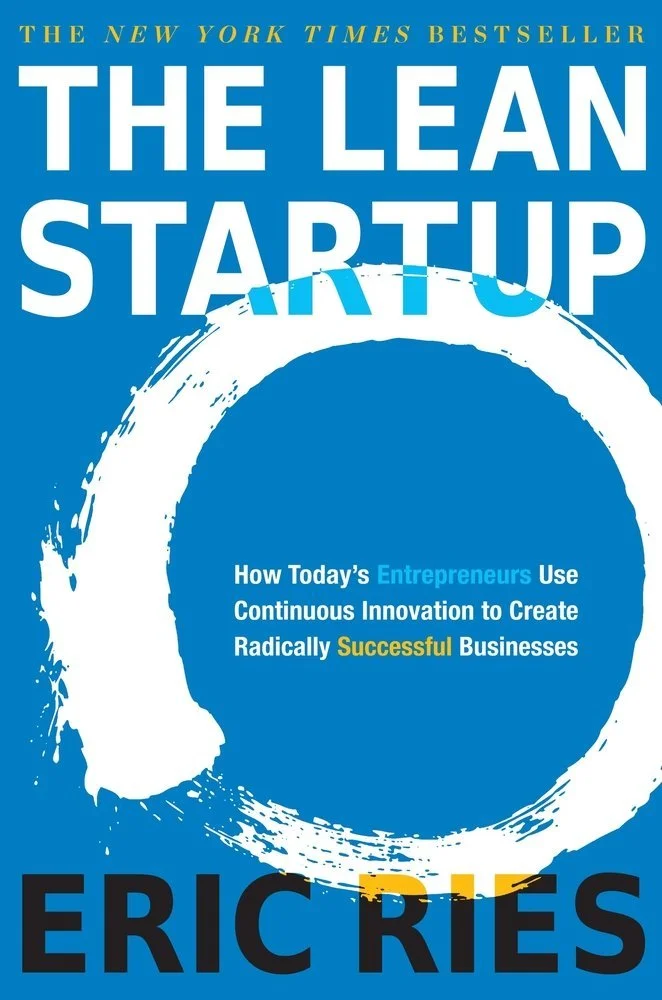
Eric Ries on experimentation-driven entrepreneurship. Aligns with David's philosophy of taking action, testing ideas, and iterating based on real-world feedback.
Greg McKeown on the power of focus and intentionality. Teaches how to cut through noise and concentrate on what truly matters in your career and life.
Resources
How I Built This Podcast — NPR, hosted by Guy Raz — https://www.npr.org/podcasts/510313/how-i-built-this
Inside the Design Studio Podcast — https://open.spotify.com/show/6eL3Wc1hQGhIb8x7Vqz5vW
David Peck on Instagram — https://www.instagram.com/itsdavidpeck/
David Peck on TikTok — https://www.tiktok.com/@itsdavidpeck
David Peck Official Website — https://www.DavidPeck.co


Three things I can’t stop thinking about this week: the Obama Presidential Center, an AI thriller that called this moment years early, and why Meta — of all companies — is the one giving me life right now.