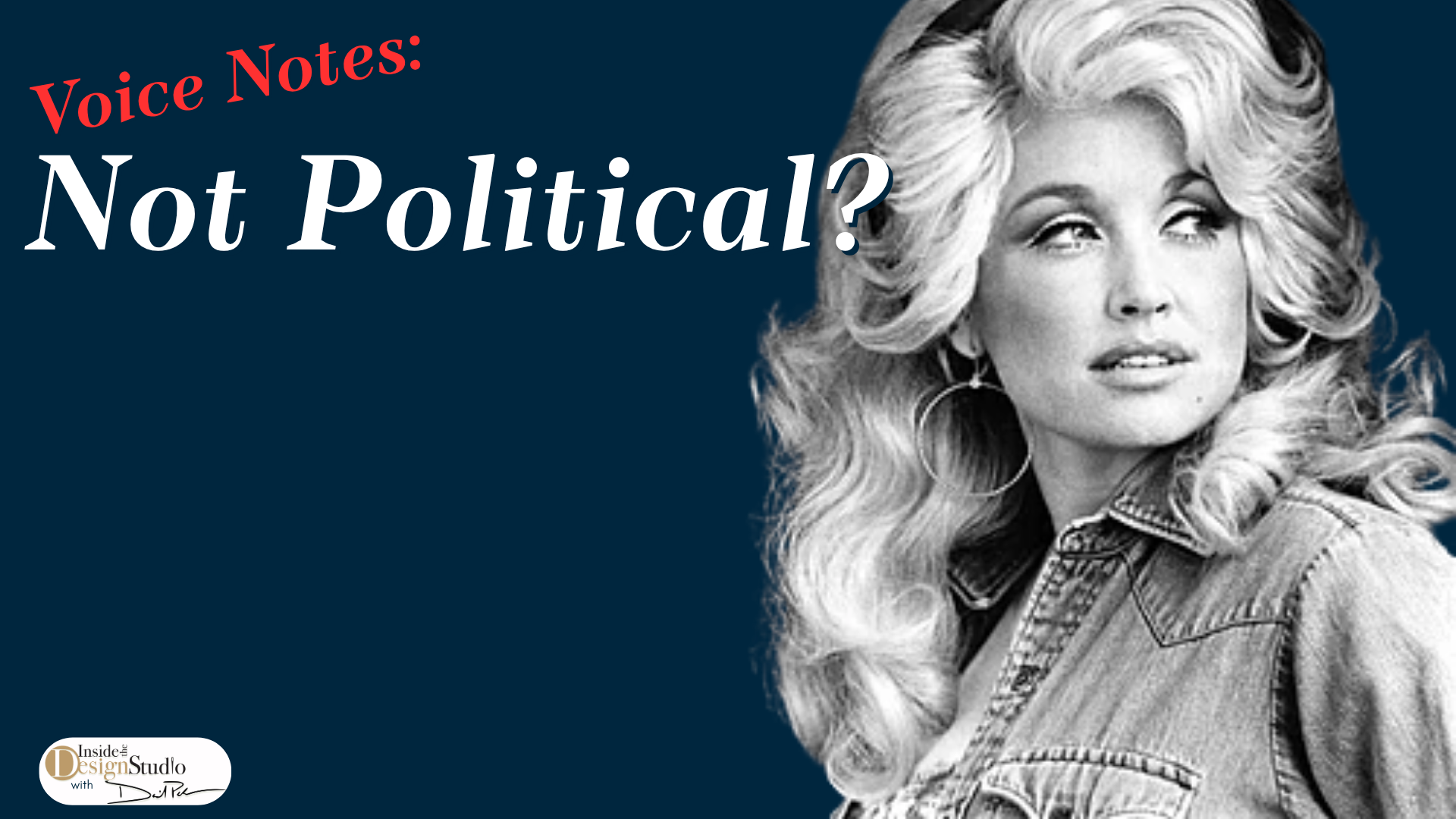
My mom texted the family the week Dolly Parton died and said she was so glad Dolly wasn’t political. I didn’t respond. But I’ve been thinking about it ever since, and I entirely disagree — because Dolly wasn’t partisan, and those are two completely different things.
The week she died, the President of the United States and the Democratic Socialists put out essentially the same statement about the same woman. One person, universally loved, and both sides of the political spectrum wanted to claim her. That doesn’t happen by accident, and it doesn’t happen by staying out of it.
That same day, a federal judge in Texas struck down the state’s drag performance ban — and Dolly, who once said that if she’d been born a man she would have been a drag queen, got named in the ruling. Her chauffeur of more than thirty years was a trans man. She fought for the rights of gay people for almost her entire life. She built Dollywood to put people back to work in the Smoky Mountains when the coal jobs disappeared. She was deeply Christian and never once used it as a wall. None of that is neutrality. That’s a woman who understood she could effect change and went ahead and did it.
I’ll admit I didn’t always get her. There was a family trip to Branson, Missouri, and Dolly Parton’s Stampede, and I was in my early twenties and a little snobbish about the whole thing. I skipped it. What I understand now is that the look was never the opposite of the intellect — she enjoyed the contrast and used it to disarm people, which is exactly why her ideas landed places they had no business landing. Pigeon Forge should have pigeonholed her, and it didn’t.
So when it comes to our own vote: there’s no way to not be partisan. The system is a binary. But public Dolly never told anyone which lever to pull — she talked about ideas, about inclusion, about people. Private Dolly, I’d suspect, knew exactly what she was doing in that booth. She just decided the message mattered more than the affiliation.
When we say “I’m not political” — we are. Every decision, every reaction we make is a political choice. So what are you actually doing with yours? Hit reply and tell me.
Listen to the full episode on your favorite podcast platform.
Subscribe and leave a quick rating or review if you enjoyed it.



“Pigeon Forge should have pigeonholed her, and it didn’t.”
In This Episode, You'll Learn
Why “political” and “partisan” are two different things, and why we’ve stopped being able to tell them apart
How Dolly Parton’s public image worked as a delivery system for ideas people would otherwise have rejected
What it means that both the President and the Democratic Socialists claimed her in the same week
Why Dollywood was an economic answer, not a vanity project
How “Travelin’ Thru” and Transamerica changed one listener’s beliefs without ever making an argument
Why voting is unavoidably partisan, and why your identity doesn’t have to be
Four questions to ask about any candidate, at any level of government
Transcript
-
My mom sent a text this week when Dolly died, because Dolly was my mom’s favorite, and she said something to the effect of, “I’m so glad that Dolly wasn’t political.” And I didn’t respond. But I’ve been thinking a lot about that statement, because I’ve heard it echoed in the interwebs, on Threads. And I would say I entirely disagree.
-
Listening to Kara Swisher and Kaitlan Collins on the podcast Pivot, and Kaitlan said something really interesting about how the President of the United States and the Democratic Socialist Party basically released the same statement when Dolly died. And it’s interesting that one person could be so universally loved that both sides of the political spectrum would want to claim them.
-
It’s also very interesting that on the day that she died, Texas overturned a ban on drag performances — and Dolly was famously a big fan of drag. In fact, she said that if she were born a man, she would have been a drag queen. Her chauffeur of over thirty years was a trans man, and it wasn’t a surprise to her, and she was deeply passionate about his rights.
-
And she fought for the rights of gay people for almost her entire life. She embraced disadvantaged people, marginalized people. It didn’t matter their color or their orientation or their beliefs. And she saw everyone as human. She was deeply religious and Christian, extremely open about her faith, but not to the exclusion of other faiths and other people. And Dolly wasn’t partisan.
-
But she was deeply political. She understood that she had the ability to effect change, and she did.
-
I didn’t always understand Dolly, I will admit. I grew up with her and knew her songs, but you know, as anybody in their early twenties trying to figure themselves out. I remember one family vacation we went to Branson, Missouri — not a place I would ever think to go, but I was a little snobbish, and there are many places in the world I wanted to go at that point, but Branson, Missouri was not one of them. And my family wanted to go to Dolly Parton’s Stampede. I wasn’t keen to go.
-
I think my family went without me, which I don’t necessarily regret. I think at the time I would not have understood it or appreciated it anyway. And I think what’s interesting about Dolly is you didn’t have to be a diehard fan of everything that she did to appreciate and love her. And I love Dolly, but I was not the person who needed to make multiple trips to Dollywood.
-
It’s just not me. But I mean, I will admit that right now I’m very inclined to wear a t-shirt that says “What Would Dolly Do?” She didn’t have a problem with the way she looked, and she actually embraced the cognitive dissonance between the way she looked and her thoughts and ideas and intellect.
-
Dolly was a paradox. I’ve been thinking a lot about paradox lately. And I think that she really enjoyed that contrast between the two, and she used it as a way to disarm people. Her ideas were able to come through in a way that you wouldn’t expect, because she was so smart and so funny and compassionate and educated in so many ways.
-
Pigeon Forge should have pigeonholed her, and it didn’t.
-
She was so much more than her looks. And her looks were a part of who she was. People have called the way she looked a performance or a costume. And I don’t think that that’s an accurate way to describe it. That was just Dolly. There was a part of Dolly that she wanted us to see and that she was willing to make public, and she was fully authentic in it. Because if it were just a costume, it wouldn’t have resonated in the way that it did. She was so fearless and unapologetic about being herself — whether that was the private self that we never got to see, or the public self, which I think was equally as valid.
-
She created Dollywood as a way to stimulate the economy in her beloved Smoky Mountains and Pigeon Forge. People were losing their jobs. The economy had changed — they were no longer coal miners and they needed a livelihood. And Dollywood was her answer to that. She was an incredible business person, and I think what’s most interesting about her entrepreneurship is that she used empathy as the driving force and the impetus for her ideas.
-
She didn’t lay her empathy on as sort of set decoration. It was what motivated every single thing that she did. I think Dolly embraced that quality more than anything else in her life.
-
She never stopped. She was a Capricorn like I am. And there was a practicality and a relentlessness to her work that really resonated with me.
-
I think what’s really interesting when we think about Dolly and politics is that when it comes to voting, there is really no way for us to not be partisan. Our system is built on a binary — Democrat, Republican, with very few exceptions for a third party. That’s just what it is. We can talk all day about ways to change that, but we’re not there. But what do we do with our vote? And I think we should follow what Dolly would do.
-
Public Dolly was obviously very outspoken about issues, ideas, and people. She was unabashed in her support of hot button topics that you wouldn’t necessarily associate with her or her background. What she didn’t do was make it partisan. She never said, “You need to vote for X candidate because he’s a Democrat,” or “You need to vote for Y candidate because he’s a Republican.” She talked about ideas, and she talked about inclusivity and people and empathy. She led with empathy.
-
When we think, “I’m not political” — no. We’re all political. Every decision, every reaction we take is a political choice. That doesn’t mean that a partisan party has to identify us.
-
Are you actually looking at what people are saying and doing, and not just their platform? Because people can say a lot of things, but what are they actually doing? Are they affecting change in their community? Are they people who are actually leading with kindness and compassion and looking at what their constituents need and want? Are they actively trying to listen and understand?
-
Transamerica was a movie that came out when I was in my early twenties. And it was one of the moments that changed me, because Dolly wrote a song for that movie. It was an Oscar-nominated film, and she performed this song called “Travelin’ Thru” at the Oscars. And at the time I was at the very beginning of — I wouldn’t have even called it deconstruction at the time — but sort of really looking at the ideas that I had been raised with. And I hadn’t honestly thought about trans people.
-
But that performance in that movie made me think: if somebody I was raised listening to, who was such a moral person, somebody who exuded goodness, Christianity, who was sort of quintessential America, could wholeheartedly embrace without reservation a topic like trans identity and perform it at the Oscars — what did that say about my own beliefs?
-
She didn’t have to say anything specifically, like “we’ve gotta support trans people.” Maybe she did, and I missed it. But that song showcased the humanity of the story. And it opened my eyes and made me start thinking about an issue that I think is so simple in many ways and so very complex in others. Because she led with empathy, I think that’s a very easy thing to embrace. At least for me.
-
Well, public Dolly was not partisan. I would have to suspect that private Dolly was very partisan, and she knew exactly what she was doing with her vote. She was so clear publicly with her beliefs and her stances. Even if she never endorsed a candidate or a political party, her ideas were very clear. And I can’t imagine that she would have voted in a way that was in opposition to those very public beliefs.
-
She chose to be discreet and private about her political affiliation because she didn’t want to distract from the message. And it didn’t mean that she didn’t make a choice. She wasn’t wishy-washy. And in doing so, she created a public coat of many colors, full of diversity, inclusion. It was made from scraps. It was made from the leftovers in society, turned into something really beautiful.
-
[David quotes the opening lines of “Coat of Many Colors” — listen from 9:54.] And that’s exactly what Dolly did for us. She created a coat of many colors. You’re only poor if you choose to be. And she was so rich in ideas.
-
And as we’re going through life and looking at the social issues of our time, both locally and globally, we should ask: what would Dolly do? Open our hearts and our minds with empathy to create a world that is better because we are in it. That’s what Dolly would do. And that’s what Dolly did.
Know someone who’s been saying they’re “not political” lately? Send them this one.
Key takeaways
Political and partisan are not the same thing. Partisan means party. Political means you understand you can affect what happens and you act on it. Dolly did the second one relentlessly and the first one never.
The image was the delivery system. The wigs and the nails disarmed people, which is precisely why her ideas reached rooms that would have rejected them from anyone else.
Empathy can be an input, not an ornament. Dollywood exists because the coal jobs left. That’s empathy operating as a business strategy.
You cannot opt out. Every decision and every reaction is a political choice, including the choice to call yourself apolitical.
Voting is partisan; your identity doesn’t have to be. The ballot is a binary. What you let that binary do to your sense of self is up to you.
Discretion is not absence. Private Dolly almost certainly knew exactly what she was doing. She decided the message outranked the affiliation.
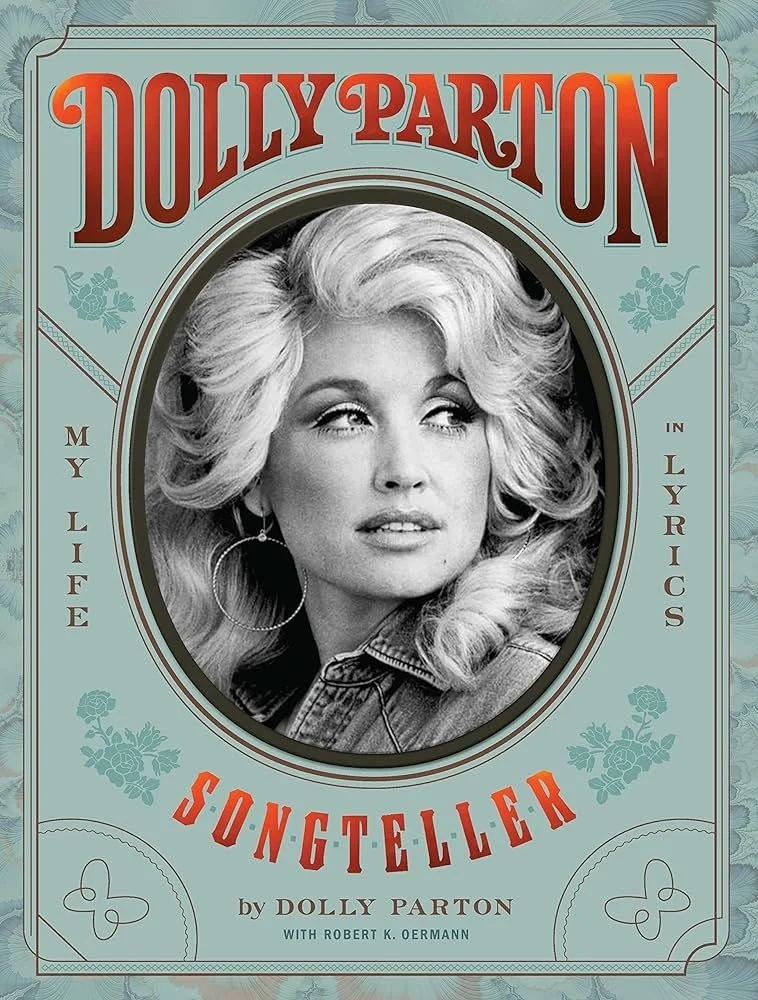
The stories behind 175 of Dolly’s songs, in her own words, including “Coat of Many Colors.” If this episode made you want more Dolly, start here.
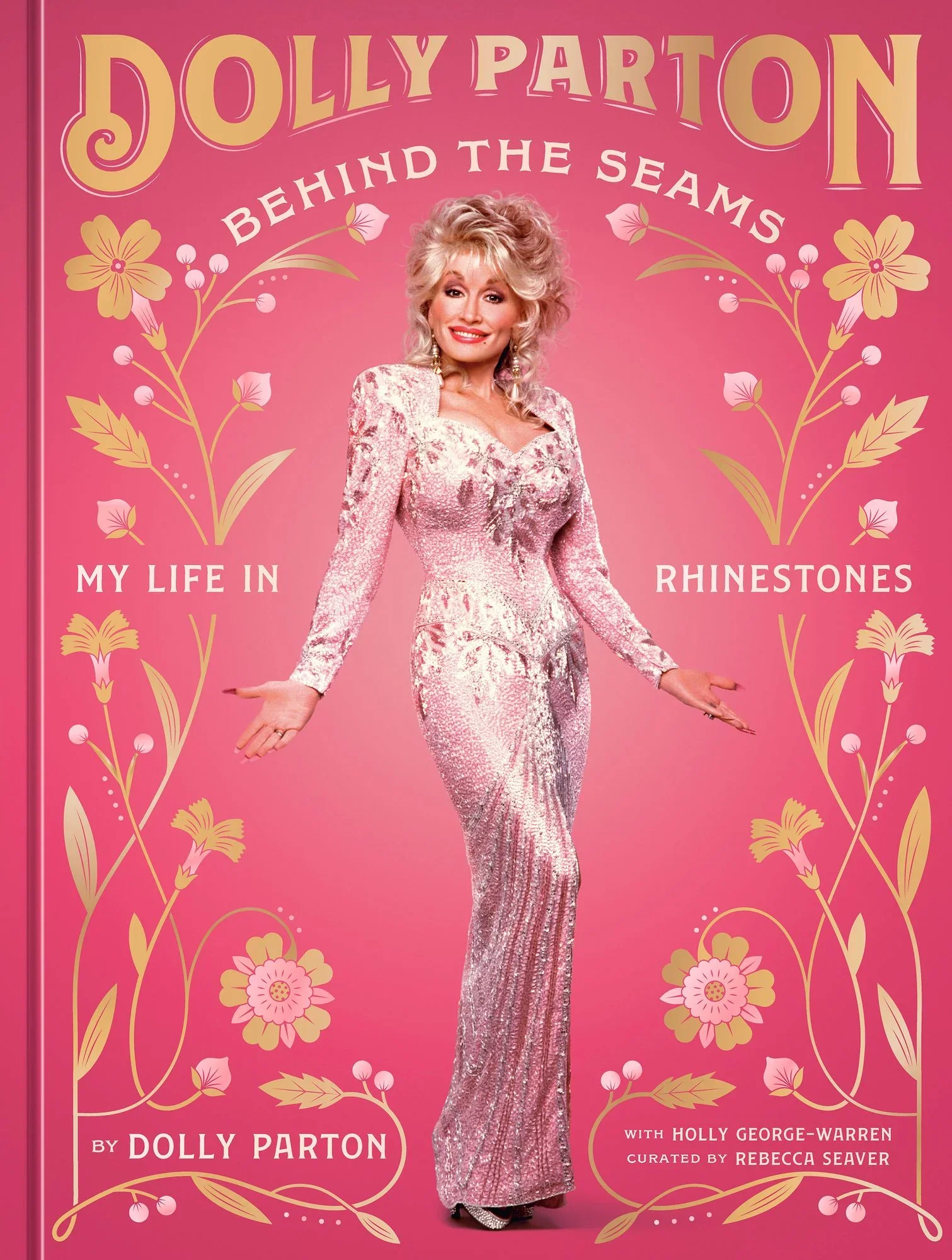
Dolly’s life told through her clothes. As a designer, this is the one I’d hand you first. It’s proof the look was never a costume; it was a point of view.
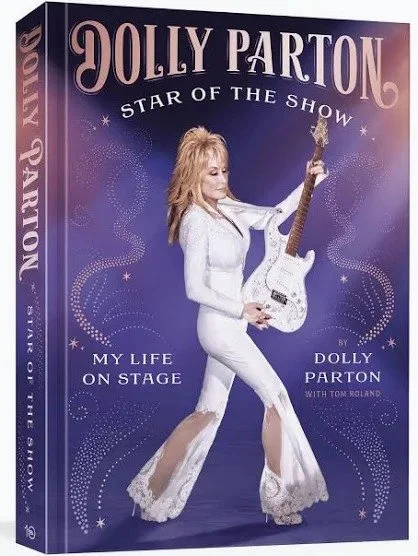
The last book in her trilogy, published less than a year before she died. Seventy years on stage, and she never stopped deciding how she wanted to be seen.
Resources
Listen to Pivot with Kara Swisher and Scott Galloway — pivot.vox.com
Read about Judge Hittner’s ruling striking down Texas Senate Bill 12 — Texas Tribune
Watch Transamerica (2005), the film Dolly wrote “Travelin’ Thru” for
Explore Dolly Parton’s Imagination Library — imaginationlibrary.com
Connect
davidpeck.co · Threads / Instagram / TikTok — @itsdavidpeck